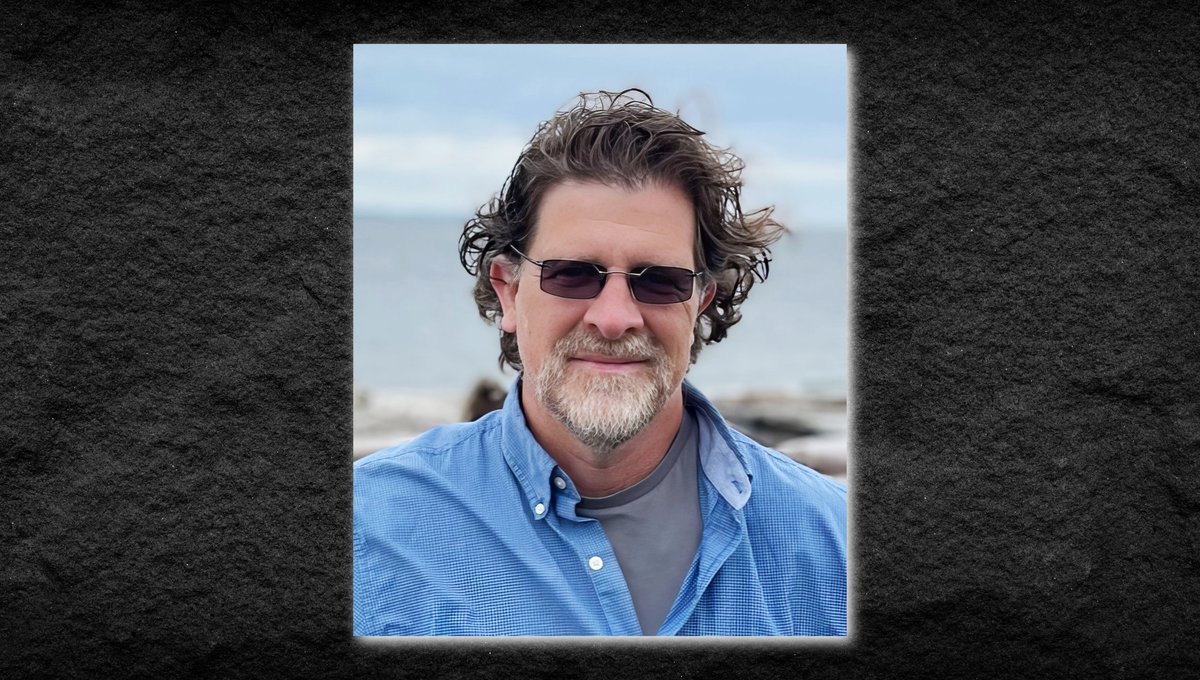
What can minerals tell us about Earth’s past? This geologist is finding out
Smithsonian geologist Gabriela Farfan studies corals, gemstones and other minerals for clues to changing oceans and environments.
Explore the latest scientific discoveries, science news, breakthroughs and developments from around the world.
Smithsonian geologist Gabriela Farfan studies corals, gemstones and other minerals for clues to changing oceans and environments.
Sometimes, while people are interacting with each other, their movements and physiological responses can fall into step. Some past studies have linked synchronized bodily responses to cooperation and being attuned to the emotions of others.
A surgeon has told New Scientist they have performed a transplant on someone with a complete spinal cord injury using a piece of spinal cord from a brain-dead donor, but researchers have raised concerns
The patient: A 29-year-old man in IndiaThe symptoms: The man, a fighter pilot in the Indian Air Force, went to a civilian neurologist after having persistent headaches for 18 months. The headaches would occur approximately two to three times per month, starting in the late afternoon and lasting up to three days. Sleep did not improve his symptoms. The pain was typically greater on the right side of his head, but he would often feel pain on the left side as well. The pilot also reported that just before a headache, he would experience a "sense of lousiness," his doctors wrote in a report of the case. Sometimes, the pain was so intense that the man was unable to take part in scheduled flights....
Scientific American spoke to the candidate for Massachusetts’s fourth congressional district about climate change, misinformation and why, when it comes to health care, some socialism may be required
Slime mold aliens explore Pompeii—and humanity—in a new book by Annalee Newitz
A new Penn State study suggests that just four minutes of daily strength training can significantly improve mobility and physical function in older adults. After 12 weeks, participants showed meaningful gains in balance, leg strength, and their ability to stand up from a chair, all important factors for maintaining independence and reducing fall risk.
South Korean authorities began a new attempt Wednesday to coax a shark-turned-viral sensation back to sea, with falling temperatures in the Busan canal where it is stranded raising concerns for its survival.
NASA’s Perseverance rover has shattered a historic space exploration record, traveling farther across another world than any vehicle before it. Its advanced self-driving system helped it surpass Opportunity’s 28.06-mile record in just five and a half years, a feat that previously took nearly 15. Now, Perseverance is exploring some of the oldest rocks in the solar system, searching for clues about ancient Martian environments that may once have supported life.
A rare wild pepper endemic to Madagascar and prized by international chefs is facing an uncertain future, a victim of its own success and the destruction of its forest habitat.
In the early 1980s, scientists observed an anomaly. Embedded within cell membranes, they identified ion channels with extraordinarily high conductance. These so-called "BK" (Big K, or Big Potassium) channels had roughly 10 times the unitary conductance (i.e., conductance per individual channel molecule) of other potassium channels, enabling much more efficient, rapid transport of potassium ions. And while later structural characterization explained how this happened, no one could understand why. That is, until now.
Researchers at Uppsala University have adapted Cell Painting, a widely used imaging method in drug discovery, to look at individual cells inside small 3D clusters of cancer cells. Two drugs that looked almost identical in ordinary flat cell cultures behaved differently in 3D, and the team linked the difference to how each drug switches on the cell's p53 stress response.