South Korea guides crowd-pulling shark out of canal
A shark that has become a viral sensation in South Korea was coaxed out of a canal in which it was stuck, authorities said on Wednesday, as falling temperatures raised concerns for its survival.
Explore the latest scientific discoveries, science news, breakthroughs and developments from around the world.
A shark that has become a viral sensation in South Korea was coaxed out of a canal in which it was stuck, authorities said on Wednesday, as falling temperatures raised concerns for its survival.
Just like gloves, molecules can have left- and right-handedβor mirror-imageβforms. Because the left- and right-handed molecules are still very similar, scientists have had trouble separating them from each other. But a team of researchers in Japan might have found a solution. In their new study, published in Science Advances, the team successfully separated an equal mixture of mirror-image molecules created by replacing hydrogen with deuterium in one form.
Scientists from RMIT University and Riga Technical University in Latvia have shown that static charge left on surfaces can be controlled, which may have big benefits for companies needing to avoid the little zap in production of common household goods. The discovery could even one day help stop powders such as protein, chocolate malt powders and coffee from clumping.
Sitting in his narrow dugout canoe, Jean-Romeo Senguemboli frowned at the meager catch in his nets on the Central African Republic's Mbali River, where experts say deforestation is devastating the fish population.
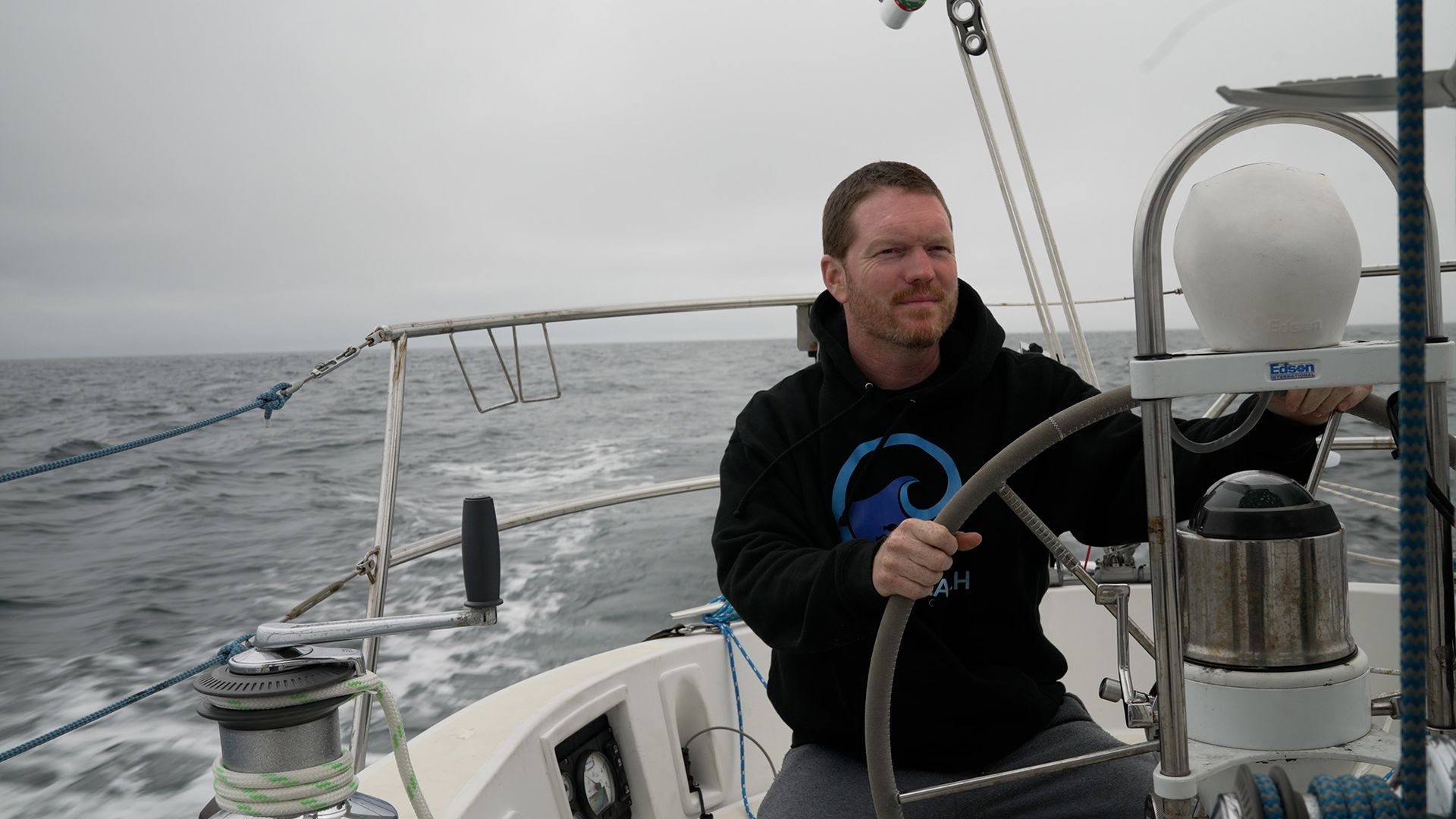
Sailor Matt Rutherford has dreamed for several years of becoming the first person to circumnavigate the Arctic Ocean solo, nonstop and unassisted. He finally set out from western Greenland on June 25 to achieve this goal, but threatening encounters with Russia's security agency less than two months later forced him to reverse course.Rutherford is the founder and executive director of the nonprofit environmental organization Ocean Research Project, which gathers and analyzes marine data from a sailboat. His route took him around the southern tip of Greenland, through the Denmark Strait and into the Greenland Sea. From there, he sailed through the Norwegian and Barents seas, and reached Russia...
A possible reason for the overdose deaths drop is more use of naloxone, which reverses opioid overdoses. But while still a key tool, its use fell too.
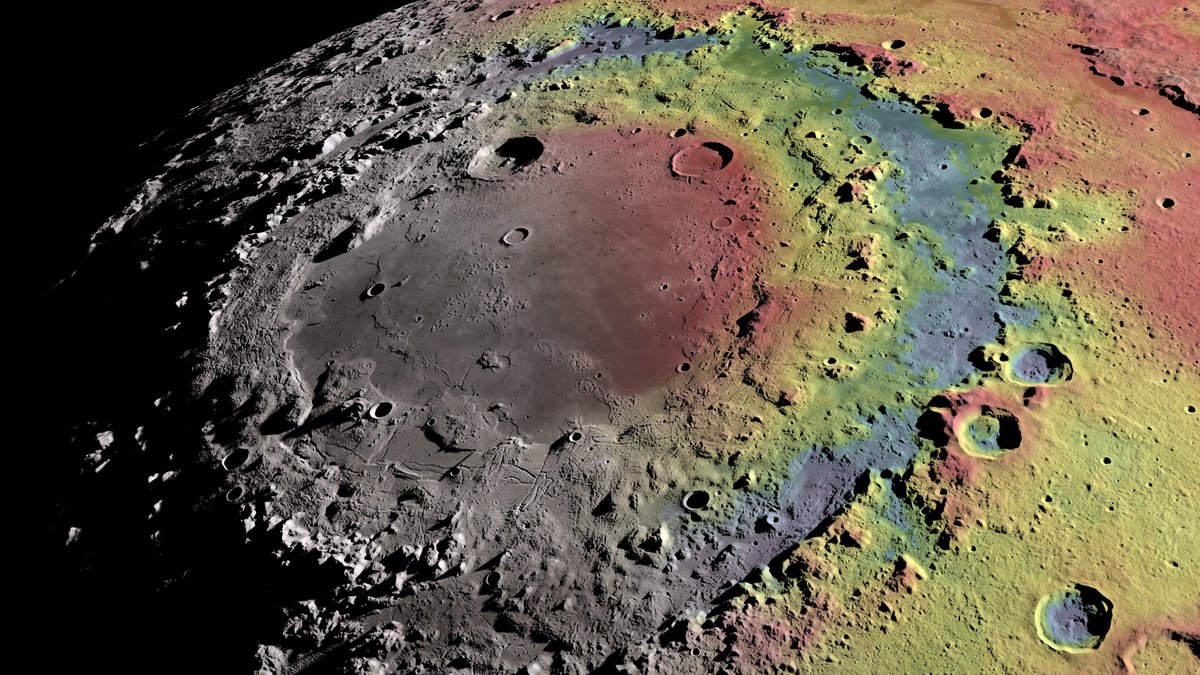
Besides building crewed outposts at the lunar south pole, where else should astronauts go on the moon? An authoritative new report has suggestions
Losing more ground in the fight against climate change, humanity is heading for a hotter world than experts projected last yearβand the United States is a big reason for that, a new United Nations report says.
Many structures in biology are bounded by membranes, but not all of them. Droplets of a liquid called a coacervate, which form when oppositely charged molecules come together in water, have attracted attention as models for membraneless compartments inside cells and for "protocells," hypothetical primitive cells that may have preceded modern ones.
An international study led by the Institute of Evolutionary Biology (IBE, CSIC-UPF) in Barcelona, the Natural Sciences Museum of Barcelona, Harvard University and the University of the Basque Country (EHU) has reconstructed the genetic history of the Iberian Peninsula between the first and eighth centuries A.D. using 243 ancient genomes from 31 archaeological sites.
Moderately cold temperatures have proven to effectively extend lifespan and delay age-related decline in animals. However, how cold temperatures trigger these beneficial effects at the molecular level has remained largely unclear.
Earlier this year, an outbreak of Andes hantavirus on a cruise ship, which killed three passengers and sickened 13, highlighted the lack of approved vaccines or treatments for the virus. In a study published in Nature, scientists at Albert Einstein College of Medicine and collaborators from Institut Pasteur and LSU Health Shreveport show how the virus recognizes its target on a human cell, a finding that could lead to effective therapies against Andes virus and other hantaviruses.