Latest Scientific Discoveries

All News →
Q&A: What's innovative about canned food?
Science News

Q&A: What's innovative about canned food?

To most consumers, canned food is an everyday convenience, but to John Coupland, professor of food science at Penn State, each can represents more than two centuries of invention, experimentation and problem-solving.

📅 2026-10-22 11:40:10    •    Phys.org
A revolutionary new microscope could reveal the hidden machinery of life
Science News

A revolutionary new microscope could reveal the hidden machinery of life

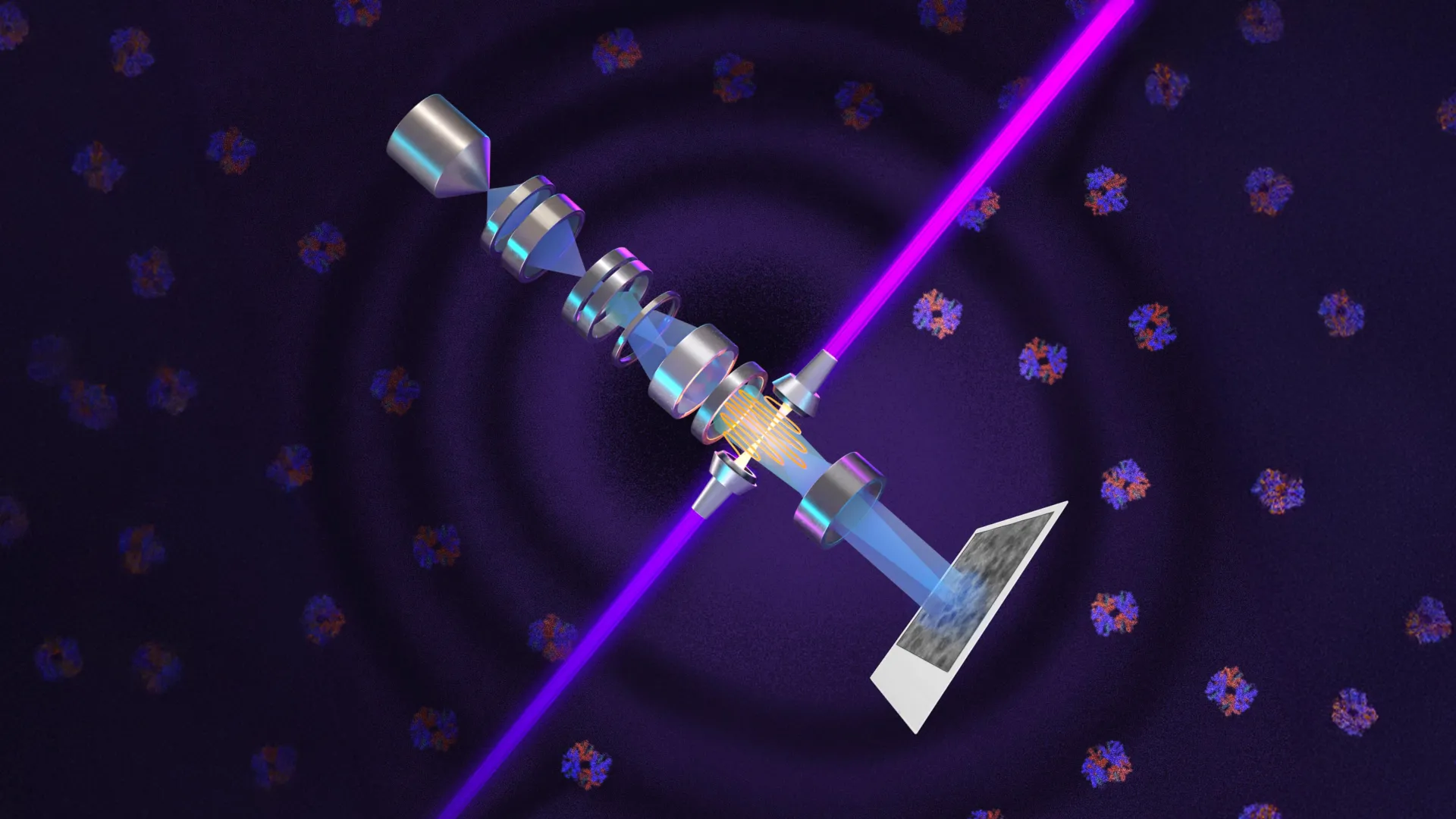
Researchers have developed a revolutionary microscope that uses an incredibly powerful laser to make previously invisible cellular structures easier to see. The technology dramatically improves image clarity, allowing scientists to examine small proteins that conventional electron microscopes struggle to capture. It could eventually reveal how tiny molecular machines interact inside cells, providing an unprecedented look at the hidden workings of life.

📅 2026-10-22 11:30:49    •    ScienceDaily
Parental benefit encouraged people to have children in Estonia, but fathers mainly applied for financial reasons
Science News

Parental benefit encouraged people to have children in Estonia, but fathers mainly applied for financial reasons

A generous parental leave reform was introduced in Estonia in 2004. This increased the likelihood of a second or third child being born into the family and also shortened the interval between births, according to Sanan Abdullayev's doctoral thesis, defended at Tallinn University. At the same time, taking shared parental leave did not necessarily mean that the father took time off work and assumed primary responsibility for the children while receiving the benefit.

📅 2026-10-22 11:30:01    •    Phys.org
Honey bees are bullying other bees, scientists discover
Science News

Honey bees are bullying other bees, scientists discover

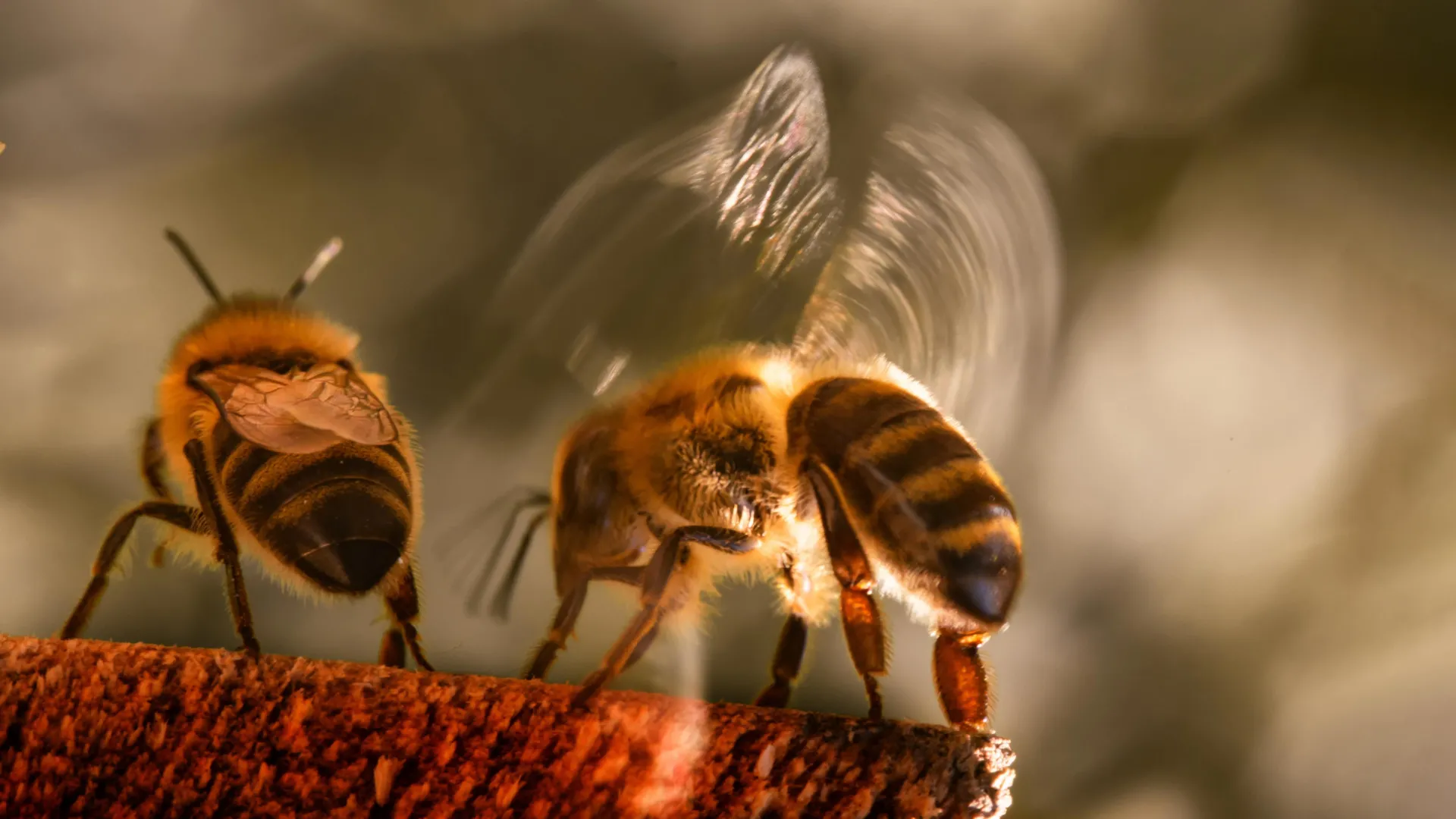
Honeybees are aggressively pushing wild pollinators away from flowers, with scientists documenting how they chase off rivals and dominate valuable food sources. New research warns that rising temperatures and increasing honeybee populations could intensify this competition, threatening wild bees and other important pollinators.

📅 2026-10-22 11:20:44    •    ScienceDaily
Scientists discover dangerous water oscillations between Lake Varna and Black Sea
Science News

Scientists discover dangerous water oscillations between Lake Varna and Black Sea

For years, pilots have observed strong and unusual currents in the 2.4-kilometer-long (1.5-mile-long), 300-meter-wide (984-foot-wide) canal connecting Lake Varna with the Black Sea. Maarja Kruusmaa, an academician and professor at Tallinn University of Technology, and researcher Laura Piho, working with the Port of Varna, undertook detailed measurements to determine the causes of the phenomenon.

📅 2026-10-22 11:00:10    •    Phys.org
Sapphire-grown semiconductor film sets bandgap record
Science News

Sapphire-grown semiconductor film sets bandgap record

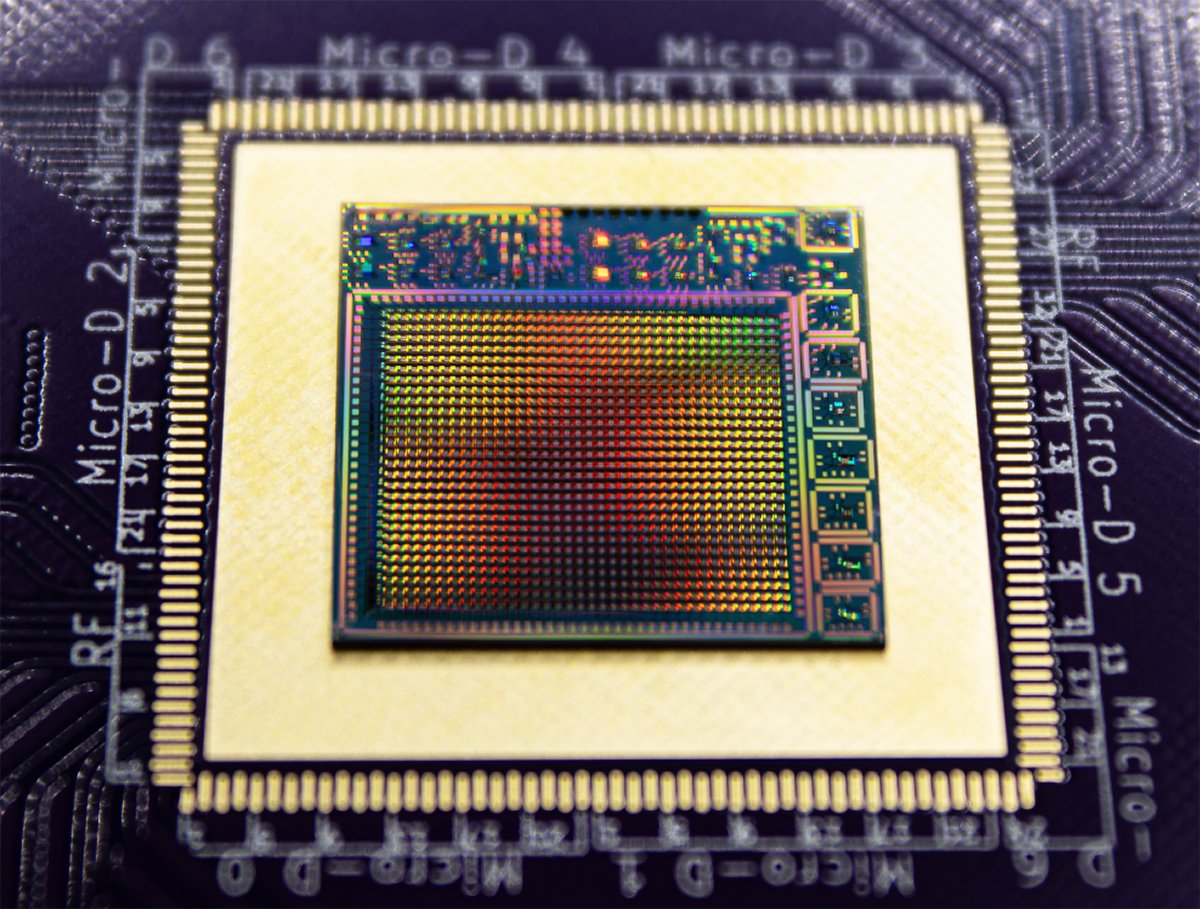
Semiconductors with wider bandgaps could pave the way for smaller, more efficient electronics that can handle far higher voltages, but the wider this gap becomes, the harder it is to control how well a material conducts electricity. Now, a team led by Darrell Schlom at Cornell University has shown that adding silicon to thin films of aluminum gallium oxide can keep this control intact at bandgaps wider than any semiconductor before it. Their research has been published in Nature.

📅 2026-10-22 11:00:04    •    Phys.org
Coffee calories have jumped nearly 40%. Sugar isn't the biggest culprit
Science News

Coffee calories have jumped nearly 40%. Sugar isn't the biggest culprit

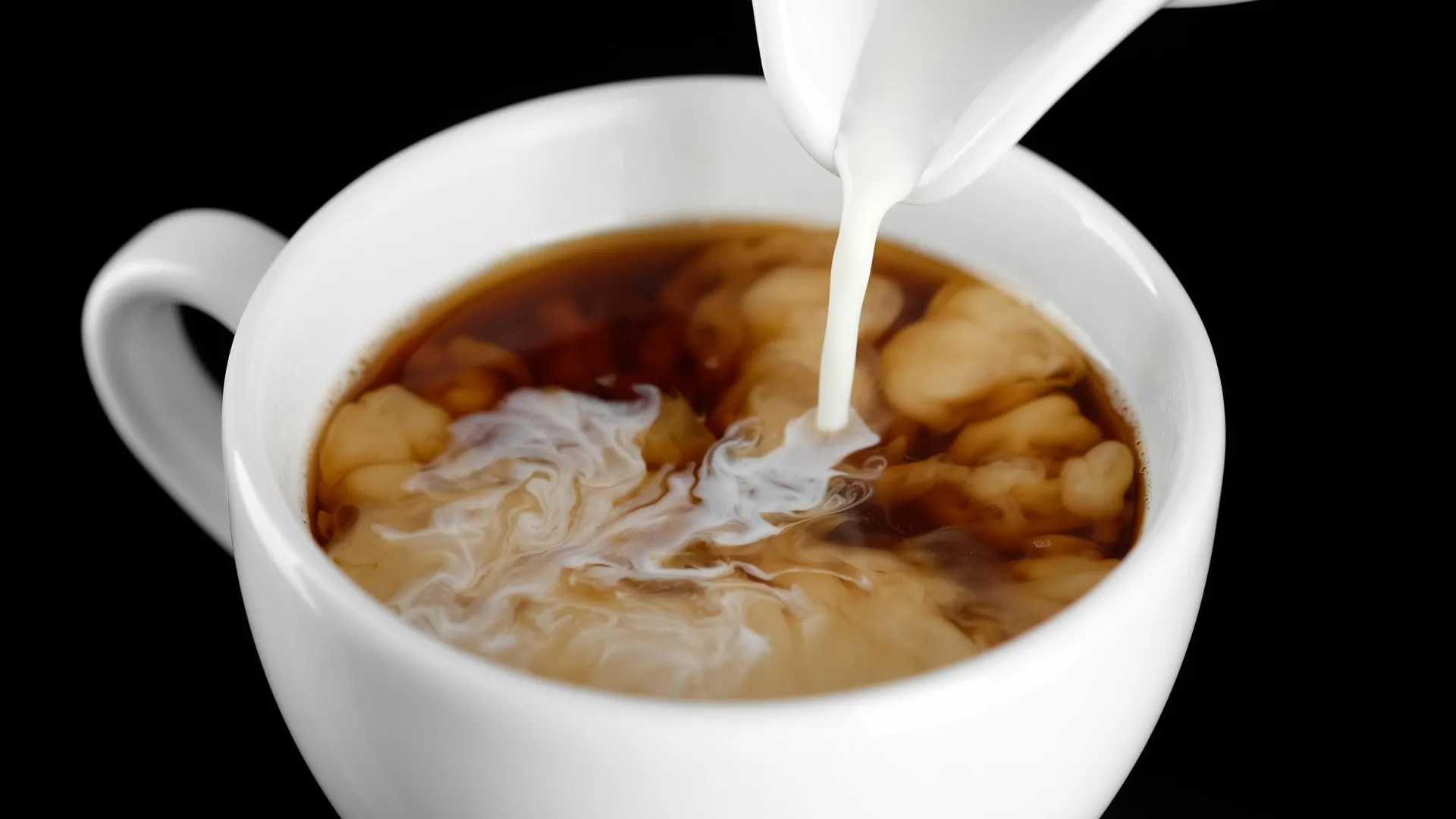
Your morning coffee may be packing more calories than you realize, and sugar isn't the biggest reason. A study of 30,000 Americans found that non-dairy creamer has overtaken sugar and milk as the leading source of added coffee calories, helping drive a nearly 40% increase between 2003 and 2018.

📅 2026-10-22 10:52:18    •    ScienceDaily
Global race to update computers as AI discovers most disruptive hack yet
Science News

Global race to update computers as AI discovers most disruptive hack yet

Newly accessible vulnerabilities in a common computer language are in urgent need of fixingROB ENGELAAR/EPA/Shutterstock Cybersecurity experts around the globe are racing to update systems and prevent the most disruptive AI-enabled hack yet discovered. A flaw uncovered in widely used code has made 70 per cent of websites worldwide vulnerable to data theft and defacement. Government websites in France, Denmark, Finland and the Netherlands were taken offline as a precaution when the news emerged. Read more Will physics be the next field to be turned upside down by AI? PHP is a computer language commonly used to power interactive websites, such as the content management system WordPress, which ...

📅 2026-10-22 10:17:37    •    New Scientist
Scientists discover a surprising secret behind the human brain’s wrinkles
Science News

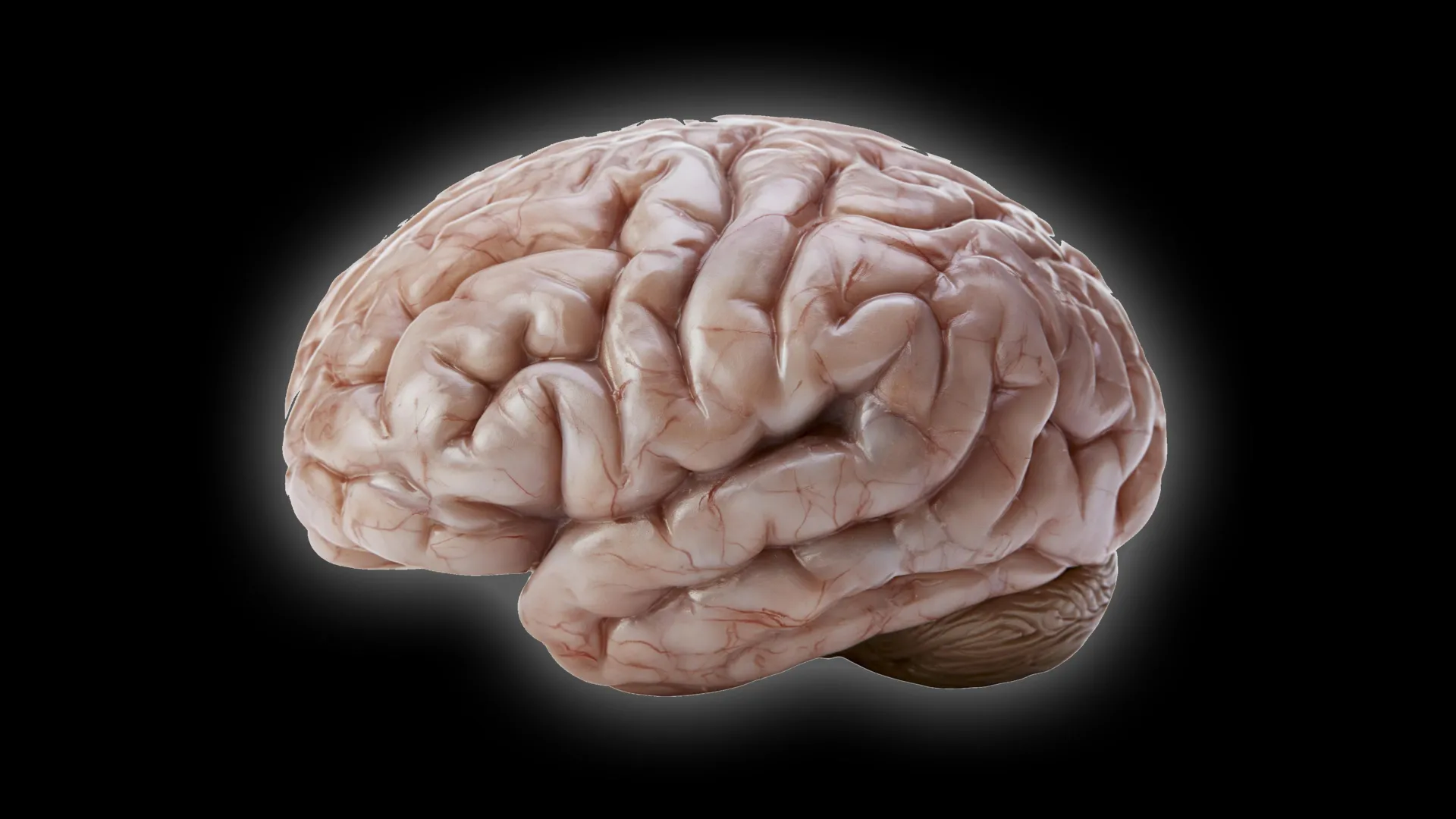
Scientists discover a surprising secret behind the human brain’s wrinkles

Scientists have discovered why common marmosets have unusually small, smooth brains despite starting development much like other primates. The secret lies in subtle changes to brain-building cells that slow neuron production, revealing new clues about how the large, folded human brain evolved.

📅 2026-10-22 10:10:23    •    ScienceDaily