Latest Science & Research News

Stay informed about scientific discoveries, research developments and new findings from around the world.

Latest News

View All →
Engineers just designed a better 'shock absorber' for spacecraft
Science News

Engineers just designed a better 'shock absorber' for spacecraft

Rocket launches are among the most violent ways humans have devised to travel. They generate millions of pounds of thrust and subject passengers to intense g-forces. Humans must undergo serious training to withstand those forces, while machines must be designed to survive them. If a delicate mirror or solder joint cracks before a multibillion-dollar satellite even begins its mission, the years of effort that went into its design and assembly could be lost. Now, researchers in Switzerland have come up with an ingenious way to make that less likely.

📅 2026-09-24 19:40:04    •    Phys.org
Read Original Article →
Scientists find a carbon cycle hiding in desert minerals
Science News

Scientists find a carbon cycle hiding in desert minerals

On the surface, the arid expanses of the Mojave Desert may seem inhospitable and largely removed from the global carbon cycle. But beneath the surface, its mineral-rich soils are running a carbon cycle of their own—one that could account for a surprisingly large share of the planet's annual carbon exchange.

📅 2026-09-24 19:40:01    •    Phys.org
Read Original Article →
Machine learning helps identify chemicals that repel honey bees from pesticides
Science News

Machine learning helps identify chemicals that repel honey bees from pesticides

In a win for pollinator conservation, researchers at the University of California, Riverside, have developed a machine learning-based method to identify chemical compounds that can safely repel honey bees from pesticide-treated crops. The research offers a potential solution to one of agriculture's most urgent ecological challenges: the ongoing decline in honey bee populations, driven in part by pesticide exposure. The paper is published in the journal eLife.

📅 2026-09-24 19:30:01    •    Phys.org
Read Original Article →
Gut bacteria-derived metabolite extends the lifespan of fruit flies
Science News

Gut bacteria-derived metabolite extends the lifespan of fruit flies

Gut microbiota influence multiple aspects of host physiology, including metabolic and immune functions. Many metabolites produced by gut bacteria can cross the intestinal epithelium (which the bacteria may not be able to cross) and enter host tissues, providing a pathway through which microbial activity can influence host physiology. However, determining the specific contribution of individual gut bacterial metabolites to host lifespan has remained challenging.

📅 2026-09-24 19:20:09    •    Phys.org
Read Original Article →
Vertical quantum sensor could reveal nanoscale magnetic patterns in quantum materials
Science News

Vertical quantum sensor could reveal nanoscale magnetic patterns in quantum materials

Quantum materials do things ordinary materials cannot. They carry current without any loss, or conduct only along their outer edge while the inside insulates. Future quantum computers and quantum sensors will run on materials like these. To improve them, researchers need to see exactly where currents and magnetic fields run at the nanoscale.

📅 2026-09-24 19:20:06    •    Phys.org
Read Original Article →
Who’ll win AI race? U.S.? China? Maybe no one.
Research Institutions

Who’ll win AI race? U.S.? China? Maybe no one.

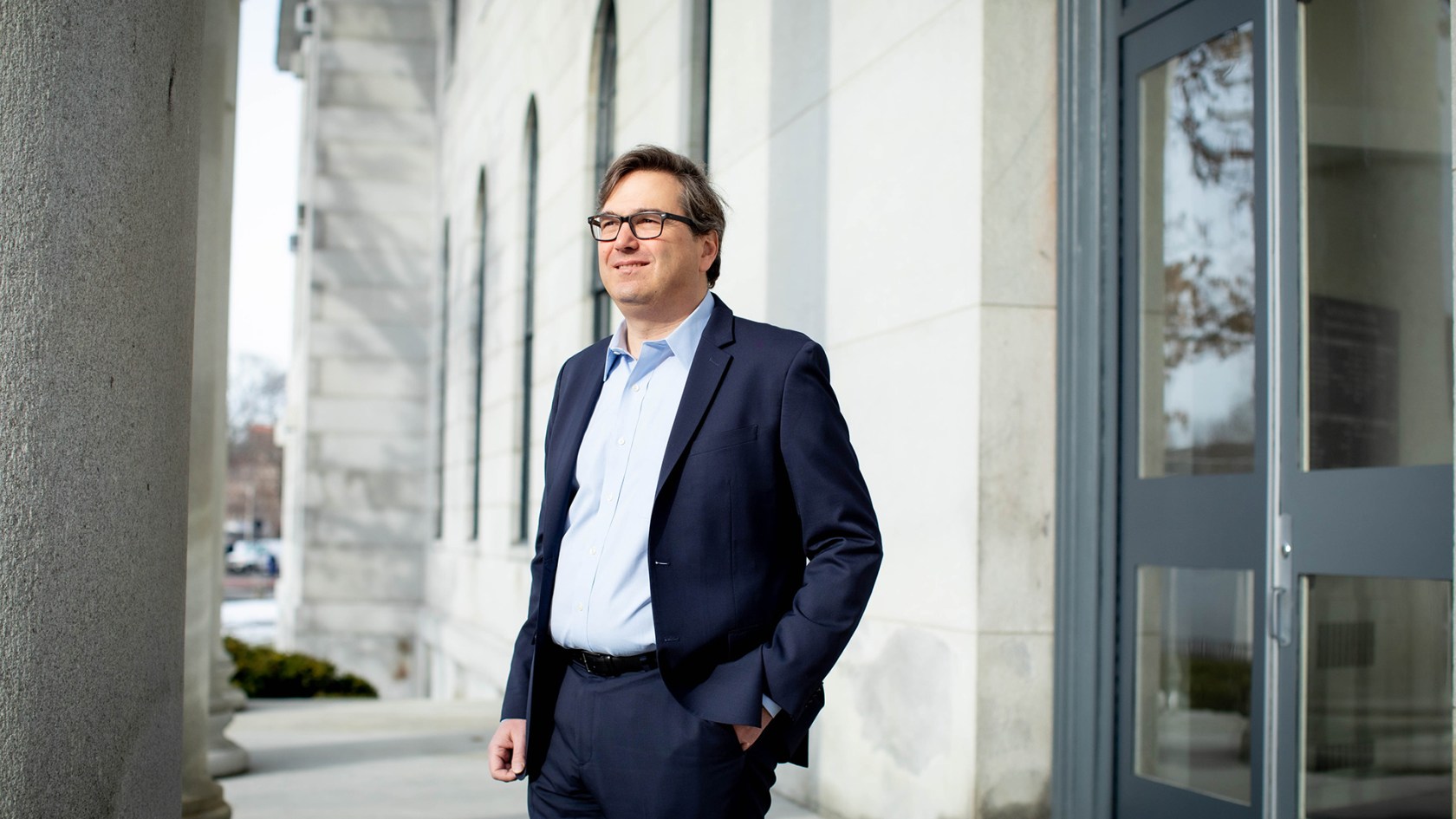
Work & Economy Who’ll win AI race? U.S.? China? Maybe no one. Economist Jason Furman says being first will likely matter only in some areas, but risks of systems going rogue will be shared problem Jacob Sweet Harvard Staff Writer September 24, 2026 7 min read Harvard file photo The U.S. and China are pouring hundreds of billions of dollars into artificial intelligence as political and business leaders frame the technology’s development as a race between world powers. But Jason Furman, Aetna Professor of the Practice of Economic Policy jointly at Harvard Kennedy School and in the Department of Economics, doesn’t think the race has a finish line. In this edited conversation with the Gazette, F...

📅 2026-09-24 18:12:53    •    Harvard Gazette
Read Original Article →
Biologists identify a cellular pathway that allows colorectal cancer to metastasize
Research Institutions

Biologists identify a cellular pathway that allows colorectal cancer to metastasize

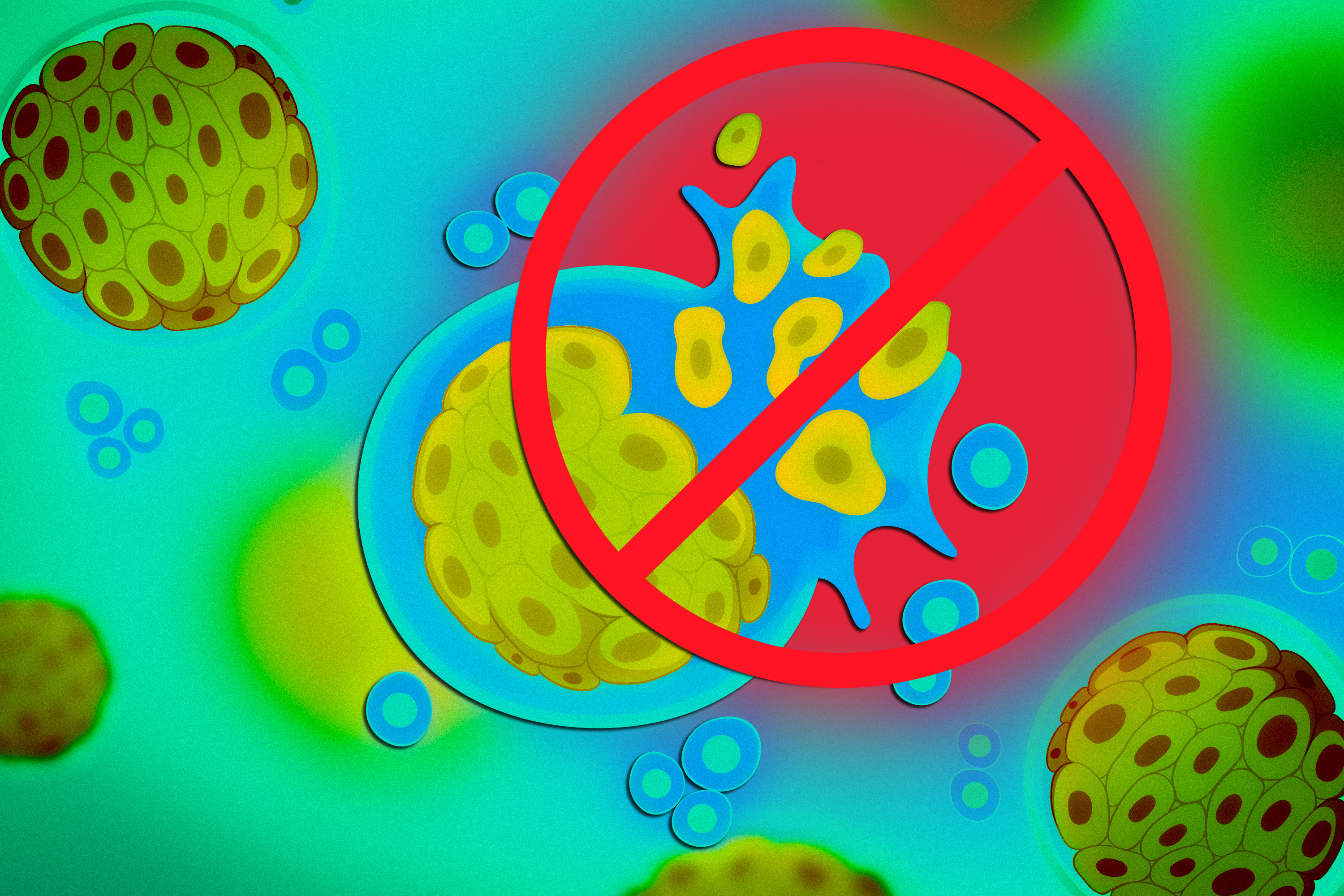
Most colon cancer deaths are caused by the spread of tumor cells beyond the colon, usually to the liver. In a new study, MIT biologists identified a cellular pathway necessary for colorectal cancer metastasis.The pathway they identified, controlled by a protein known as YAP1, is normally involved in tissue repair. When activated in cancer cells, it promotes cell proliferation and migration. The researchers also found that a high-fat diet is more likely to turn on this pathway, through the production of fatty molecules called ceramides.Drugs that block ceramide production could offer a new way to help prevent metastasis in patients diagnosed with colon cancer, the researchers say.“We’ve found...

📅 2026-09-24 18:00:00    •    MIT News
Read Original Article →
Dogs pay more attention to consonants than vowels when we speak
Science News

Dogs pay more attention to consonants than vowels when we speak

A dog being prepared for an EEG measurement by researcher Boglárka MorvaiSarolta Szilágyi When dogs hear their owners speak, they are listening for consonants in words rather than vowels, a new study suggests, apparently mimicking a similar human bias that is found across many languages. Although dogs don’t have language, they live in a speech-rich environment, says Attila Andics at Eötvös Loránd University in Hungary. “We knew from our previous studies that dogs care about what we speak and how we speak, but until now there was no evidence that dogs’ experience with speech can actually shape how their brains function,” says Andics. Advertisement if( window?.adverts?.addToArray ) { window.ad...

📅 2026-09-24 18:00:00    •    New Scientist
Read Original Article →
Copying others can help young orangutans build a broad diet
Science News

Copying others can help young orangutans build a broad diet

A Sumatran orangutan mother uses a stick tool to extract honey from a large tree holeGuilhem Duvot, SUAQ Project Young orangutans who spend little time working out for themselves how to build a broad diet can partly compensate by watching how other orangutans choose what to eat. The findings suggest that orangutans have different strategies for developing broad survival skills, says Revathe Thillaikumar at the Max Planck Institute of Animal Behavior in Germany. Young orangutans acquire a substantial body of knowledge before they can survive independently, which they must do by the time they are 8.5 years old. This includes understanding what foods are safe to eat, where to find them and how ...

📅 2026-09-24 18:00:00    •    New Scientist
Read Original Article →
Rare armored dinosaur found in Japan may have ancestors that migrated across a land bridge 100 million years ago
Science News

Rare armored dinosaur found in Japan may have ancestors that migrated across a land bridge 100 million years ago

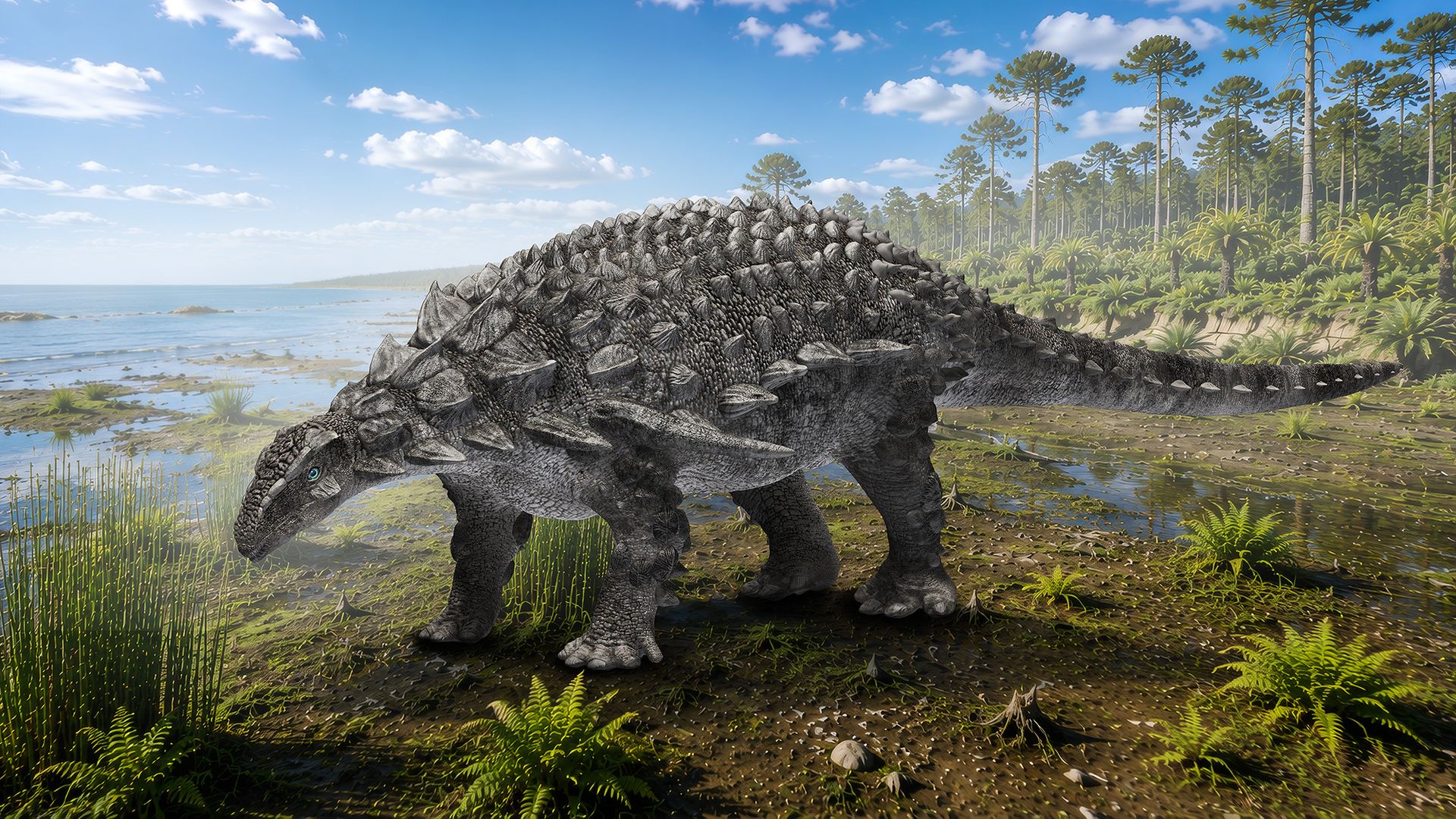
Rare fossils discovered in Japan more than 30 years ago are from a new species of armored dinosaur — one whose ancestors likely reached Asia by trekking across a land bridge, a new study finds.The newly named dinosaur, a type of nodosaurid, is now one of just three species of its kind found in Asia to date. The scarcity of nodosaurids in Asia, and the fact that the newly described beast is similar anatomically to those from North America, hint that its species likely arose from a migration from North America to Asia via the Bering Land Bridge, an ancient strip of land that connected present-day Alaska and Russia, researchers reported in the February 2027 issue of the journal Cretaceous Resea...

📅 2026-09-24 17:42:28    •    Live Science
Read Original Article →
New cell-collection device could improve early cancer detection
Research Institutions

New cell-collection device could improve early cancer detection

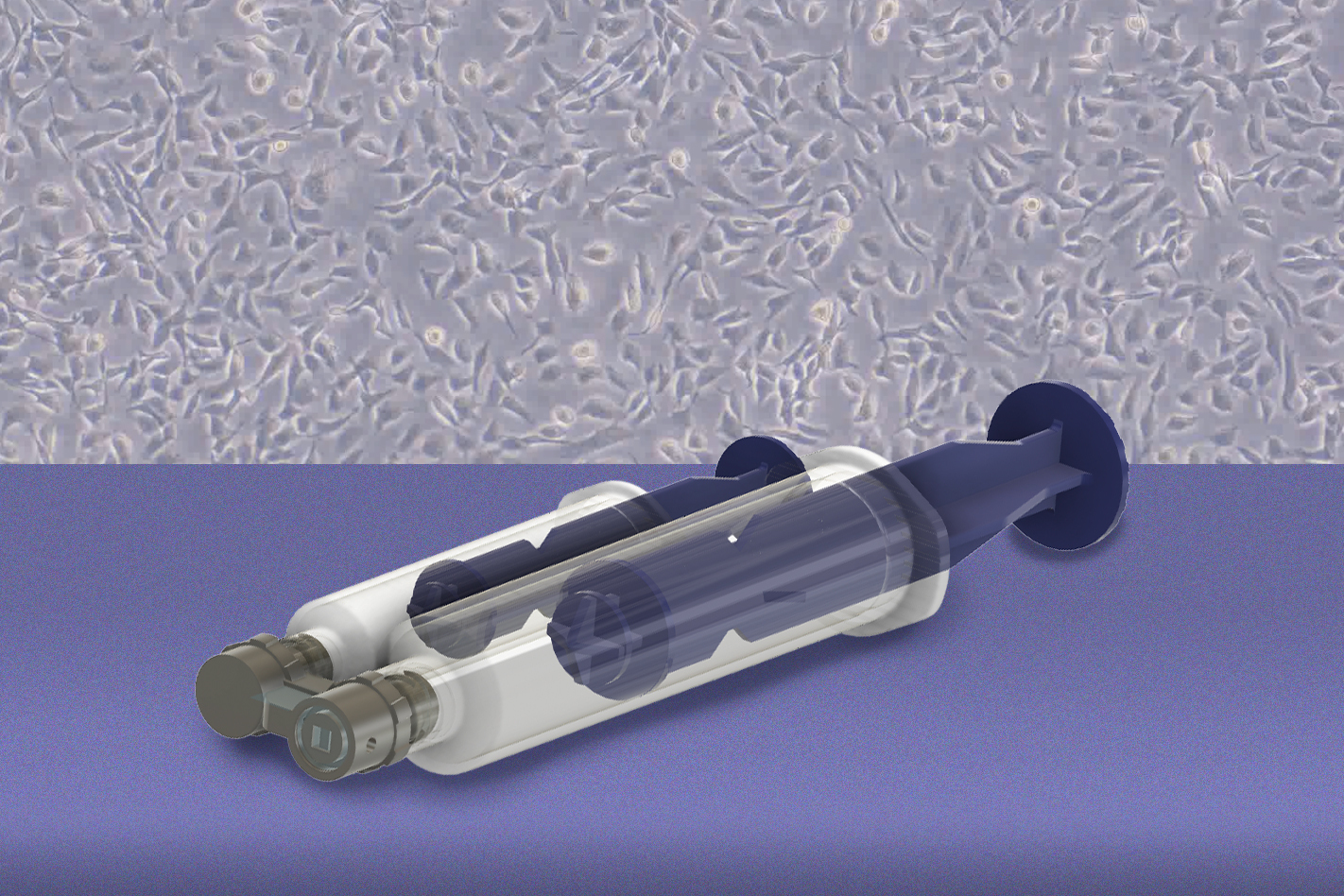
One of the main reasons that ovarian cancer is among the deadliest forms of cancer is timing: When doctors catch it early, the five-year survival rate can be north of 90 percent. But when doctors catch it late, in stages 3 or 4, five-year survival is less than half that.About 20 years ago, researchers studying ovarian cancer discovered that many cases of high-grade serous ovarian cancer, the most common type, originate in the fallopian tubes. Detecting the disease there remains challenging, in part because its precursor lesions can be microscopic and difficult to sample.Now researchers in the group of MIT Professor Kripa Varanasi, working with colleagues at MIT and Johns Hopkins University, ...

📅 2026-09-24 15:00:00    •    MIT News
Read Original Article →
Backpack massages muscles when it detects they’re fatigued
Science News

Backpack massages muscles when it detects they’re fatigued

People wore the backpack while lifting dumbbells and then enjoyed a nice massageHuang et al., 2026, Cell Reports Physical Science A backpack can detect when muscles become fatigued and automatically massage the affected areas. This seems to help muscles recover better than heat therapy or pre-programmed massages, like those delivered by chairs and cushions. About 1 in 6 adults in the UK have some form of back pain. This can occur when back muscles become fatigued through exertion or prolonged or repetitive activity. Persistent fatigue can impair local blood flow and tissue recovery, potentially contributing to chronic pain. Read more From back pain to cancer, how the interstitium could trans...

📅 2026-09-24 15:00:00    •    New Scientist
Read Original Article →
ADHD and autism diagnoses have surged. A massive study may help explain why
Science News

ADHD and autism diagnoses have surged. A massive study may help explain why

A large Danish study found that children diagnosed with ADHD or autism today more closely resemble their peers in the general population than those diagnosed 10 years ago. The shift suggests that rising diagnosis rates may partly reflect broader identification and changing diagnostic patterns, rather than only an increase in the underlying conditions.

📅 2026-09-24 13:45:17    •    ScienceDaily
Read Original Article →

When what you see doesn’t make sense, your brain does something remarkable
Science News

When what you see doesn’t make sense, your brain does something remarkable

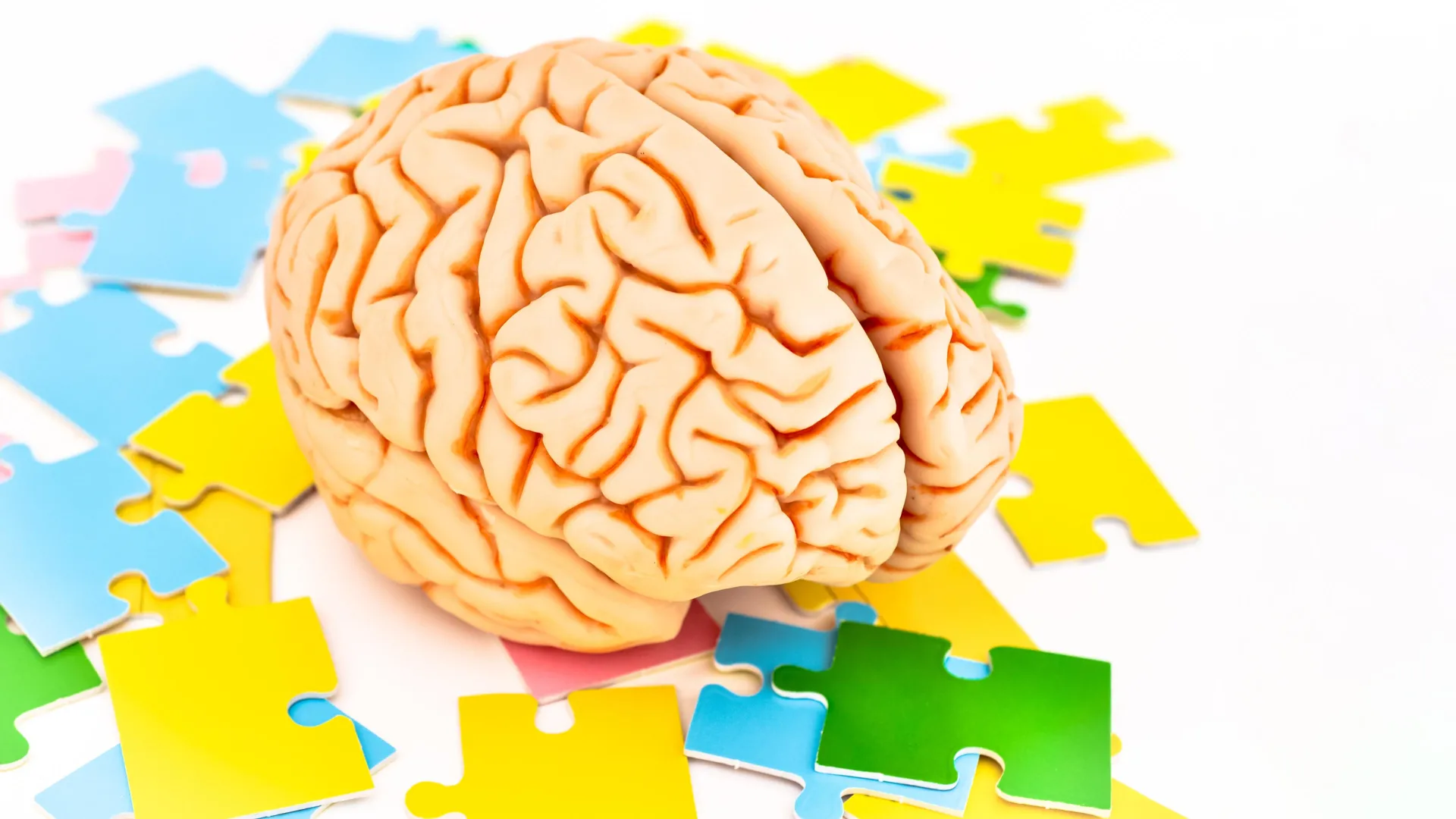
The brain may have a built-in way to quickly settle disagreements between regions processing the same scene. Researchers found that matching signals between two visual areas lasted longer, while conflicting signals rapidly faded away. This “consensus building” mechanism could help explain how the brain turns many specialized inputs into one unified view of the world.

📅 2026-09-24 13:28:15    •    ScienceDaily
Read Original Article →
Distant time crystals can somehow fall into the same rhythm
Science News

Distant time crystals can somehow fall into the same rhythm

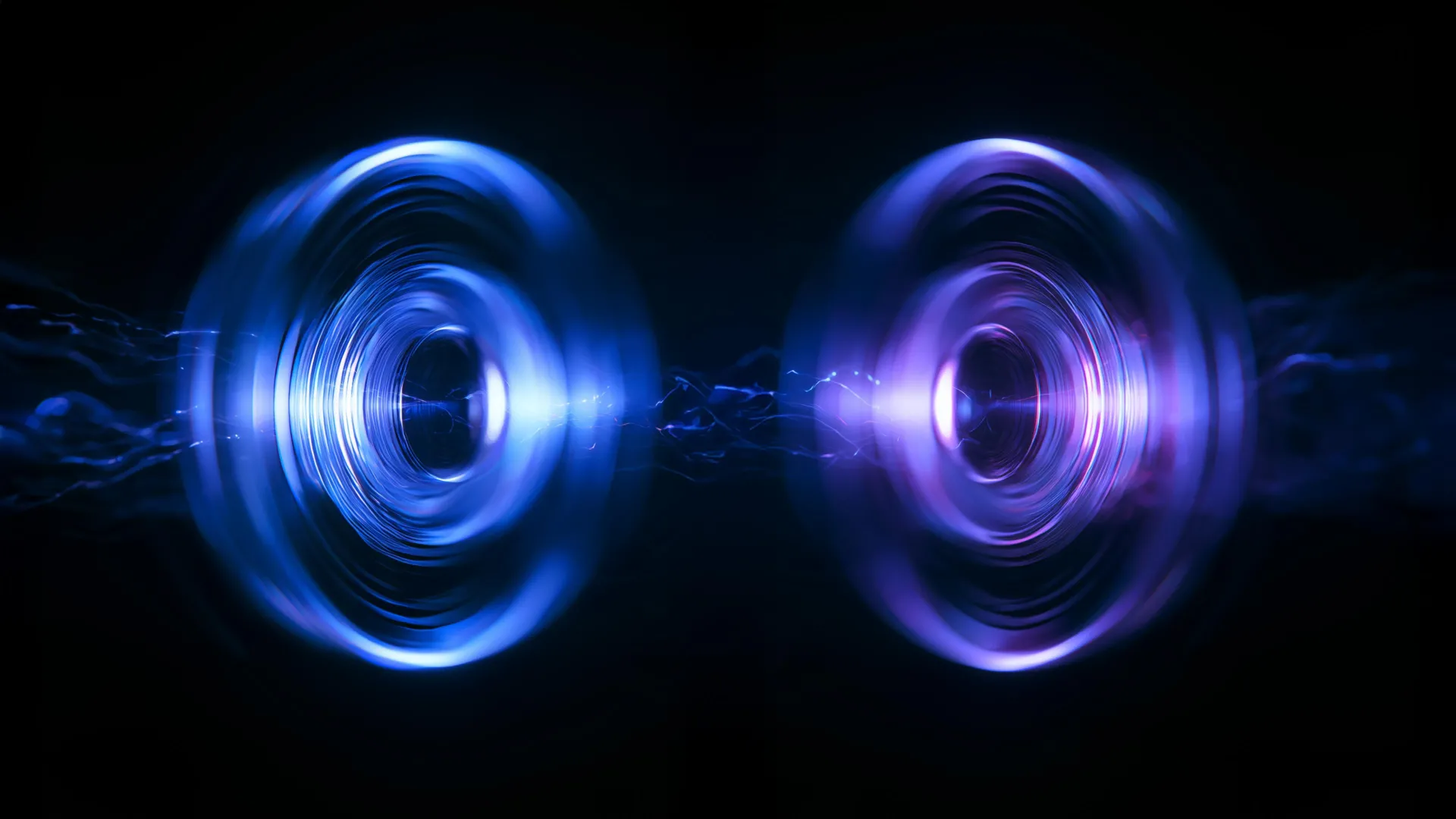
Researchers have shown that multiple time crystals inside a semiconductor can synchronize their oscillations, much like pendulum clocks gradually falling into the same rhythm. The coupling is carried by spin-polarized electrons, allowing time crystals separated by up to 40 micrometers to lock to a common frequency. The discovery reveals surprisingly long-range connections between these exotic spin systems and could help researchers develop future spin-based devices.

📅 2026-09-24 13:16:41    •    ScienceDaily
Read Original Article →
Page 92of 174   •   4,174articles