These are the first feathers ever found in fossilized dinosaur poop
The rare fossil hints that differences in plumage may explain why some Cretaceous-era birds survived an asteroid impact but others died.
Stay informed about scientific discoveries, research developments and new findings from around the world.
The rare fossil hints that differences in plumage may explain why some Cretaceous-era birds survived an asteroid impact but others died.
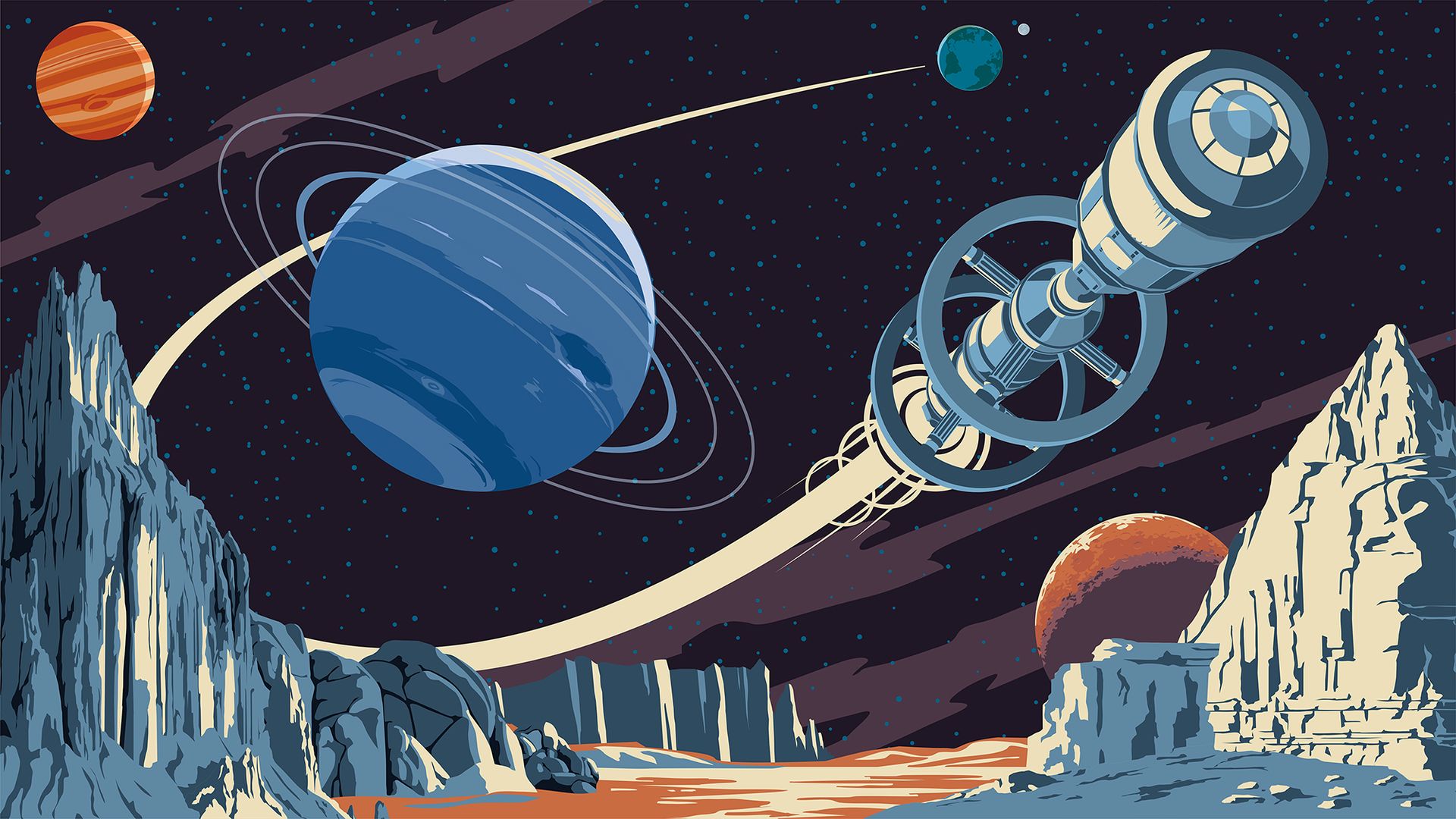
Fusion-powered space travel has long held the promise of rapid trips across the solar system: Mars in weeks, Saturn in months, Pluto in years. For decades, such possibilities have remained theoretical, like something plucked out of a science fiction novel. But several companies are now working to build practical nuclear fusion propulsion engines, with significant milestones being hit. Pulsar Fusion, a U.K.-based startup, hopes to launch a demonstration mission to space in 2027, while Princeton University and Helicity Space in the U.S. are continuing their own work on fusion drives.Richard Dinan, the CEO of Pulsar Fusion, displays the Sunbird spacecraft at the company's facility in Bletchley,...
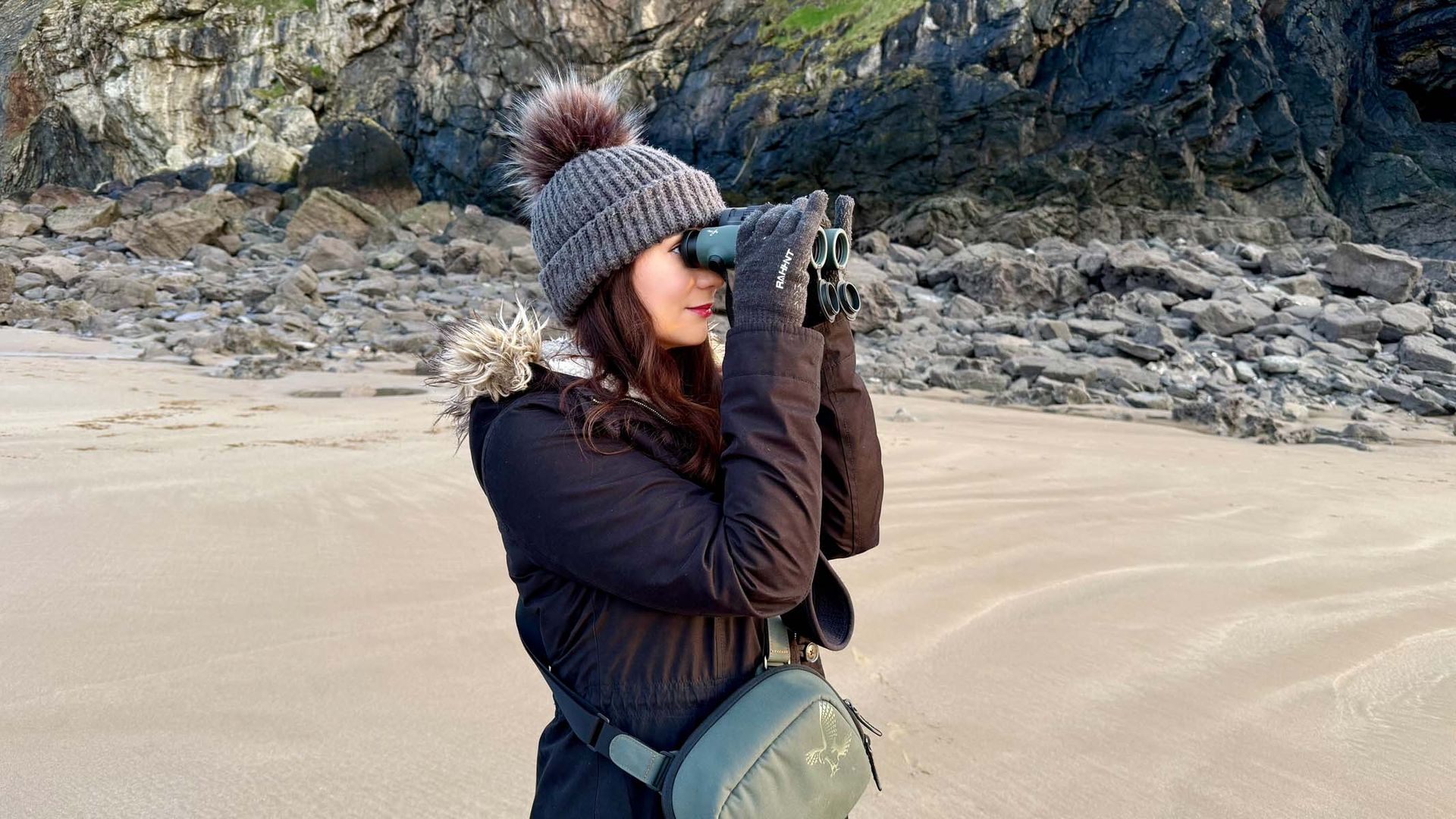
The problem when you're buying a new pair of binoculars is that you need different specs and characteristics for different purposes, and if you don't know exactly what you need, it's easy to buy a pair that's totally wrong for you. Birdwatching requires sharp, chromatic aberration-free optics, while astronomy needs large objective lenses and tripod compatibility — and a general purpose binocular should sit somewhere in the middle. We've rounded up the best options for each usage case, based on our reviews and experience, to bring you the top models on the market.Best for everything Excellent optics for the price Celestron Regal ED 10x42 The Celestron Regal ED 10x42 are an ideal all-rounder f...
Hawaii has never had three hurricanes come within 50 miles in the same year
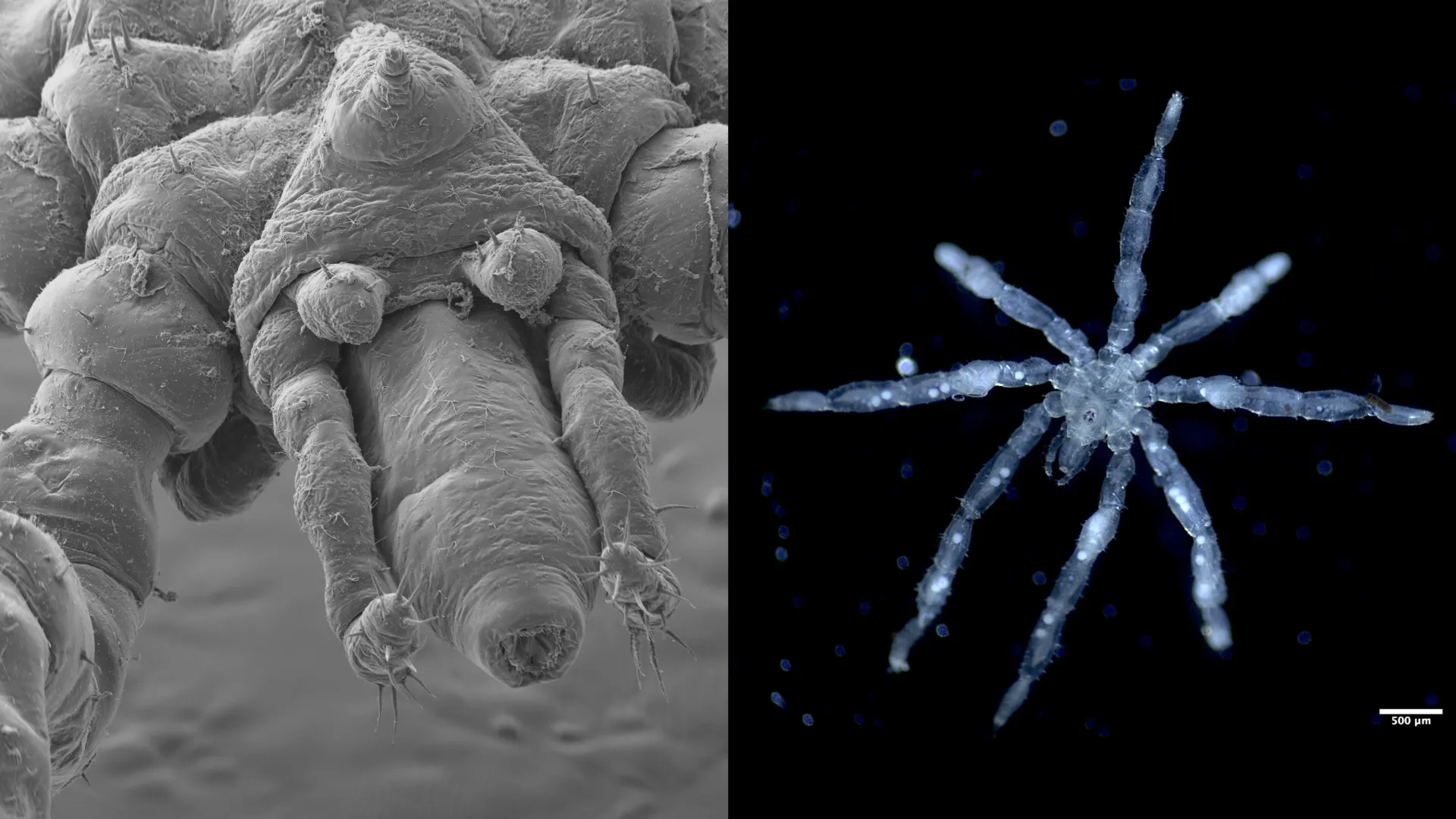
Scientists discovered two strange new sea spider species in the Salish Sea, including a hairy-legged, red-eyed species that can groom itself with comb-like appendages. Another is frequently covered in tiny parasites, and researchers say many more undiscovered sea spiders may still be hiding in the region.
A major analysis suggests Phelan-McDermid syndrome, a genetic disorder closely linked to autism, may affect about 1 in 7,300 people and more than 45,000 Americans. Researchers warn that thousands of cases may remain hidden because genetic testing is often not performed, even as targeted treatments move into clinical trials.
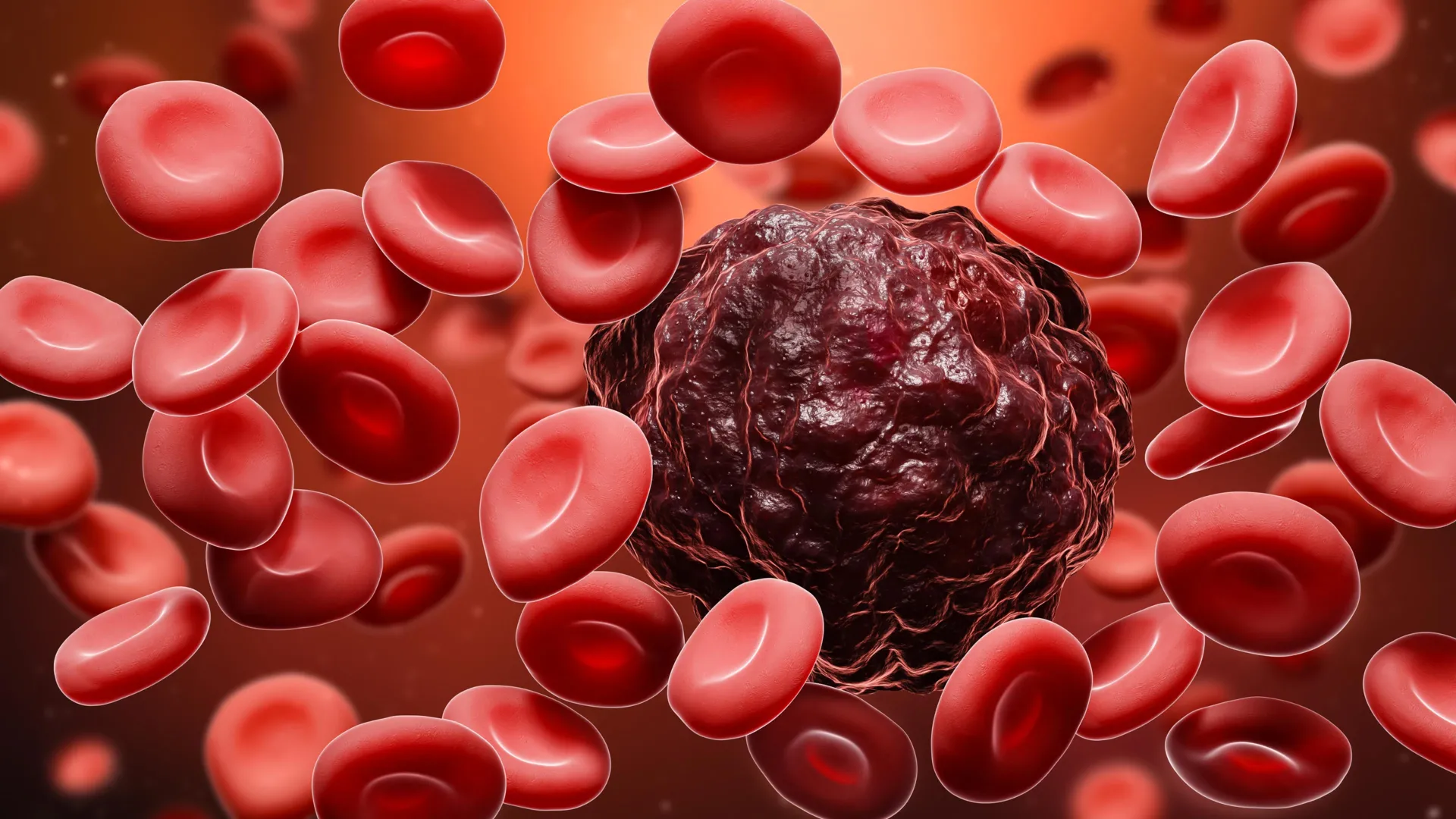
Researchers used CRISPR to remove CD33 from donor stem cells, potentially giving doctors a way to attack aggressive blood cancers without destroying the healthy cells patients need after a transplant. In a 30-patient trial, the edited cells successfully took hold and appeared to shield blood cells from a CD33-targeted cancer treatment.
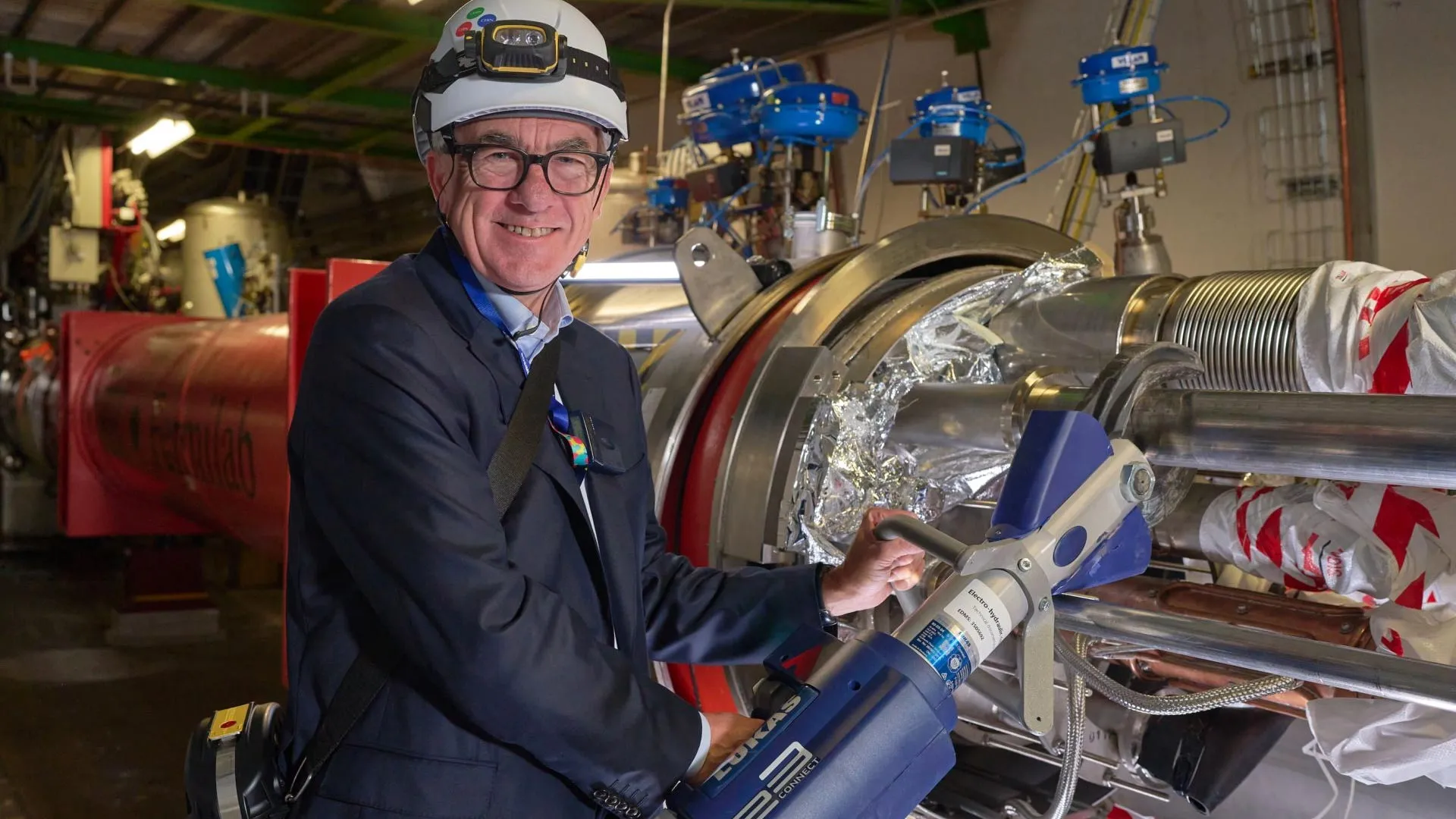
CERN has started replacing some of the Large Hadron Collider’s most important magnets as part of its High-Luminosity upgrade. The new superconducting magnets will produce fields about 40% stronger, allowing particle beams to be squeezed more tightly before they collide. That should create far more collisions for the ATLAS and CMS experiments to analyze, giving physicists a much larger window into the fundamental workings of the universe.
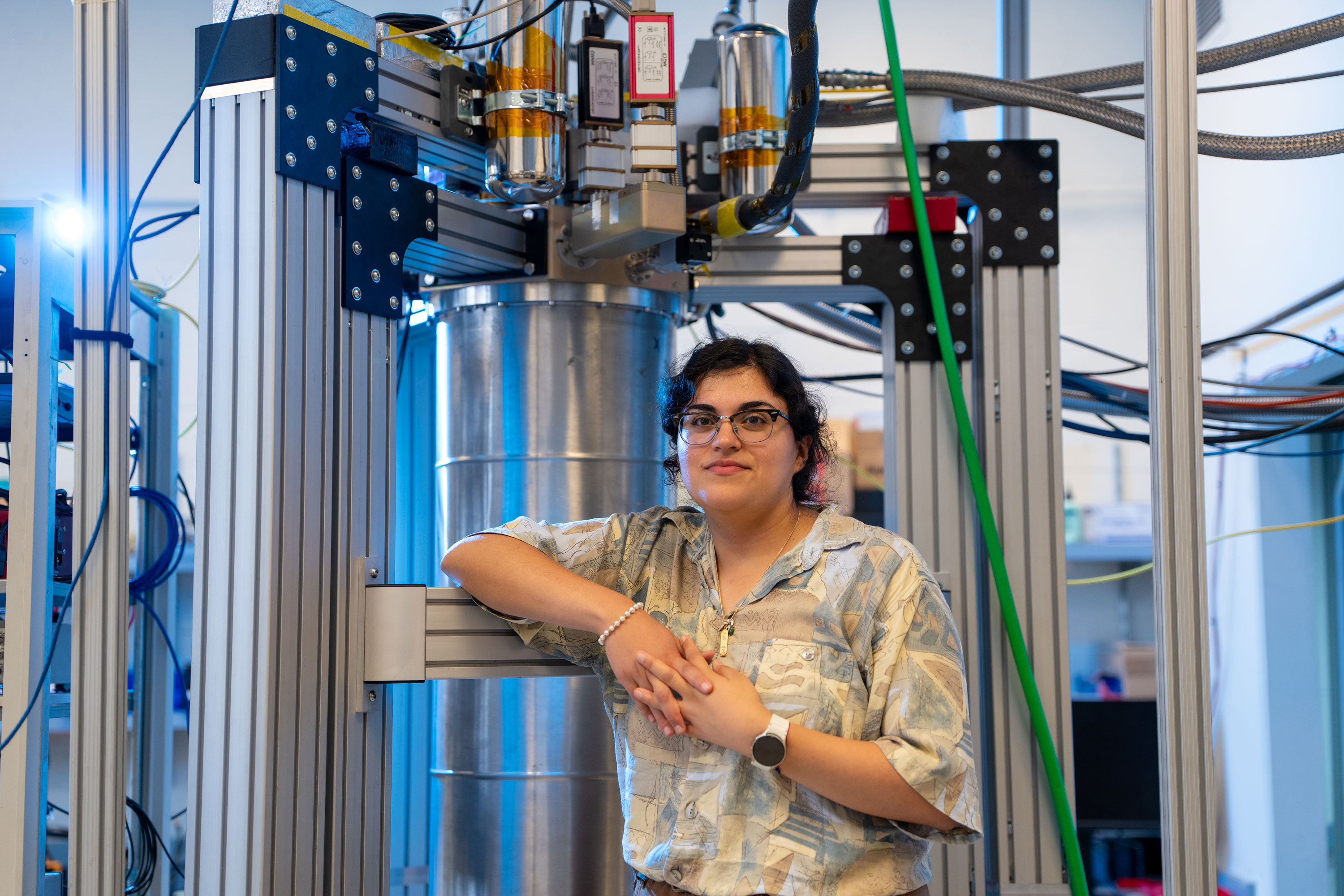
Juncal Arbelaiz of PNI and Sarah Cherkaoui of the Lewis-Sigler Institute for Integrative Genomics have been honored as two of this year's 12 CASI recipients who “bring extraordinary quantitative and technical expertise to biological problems."
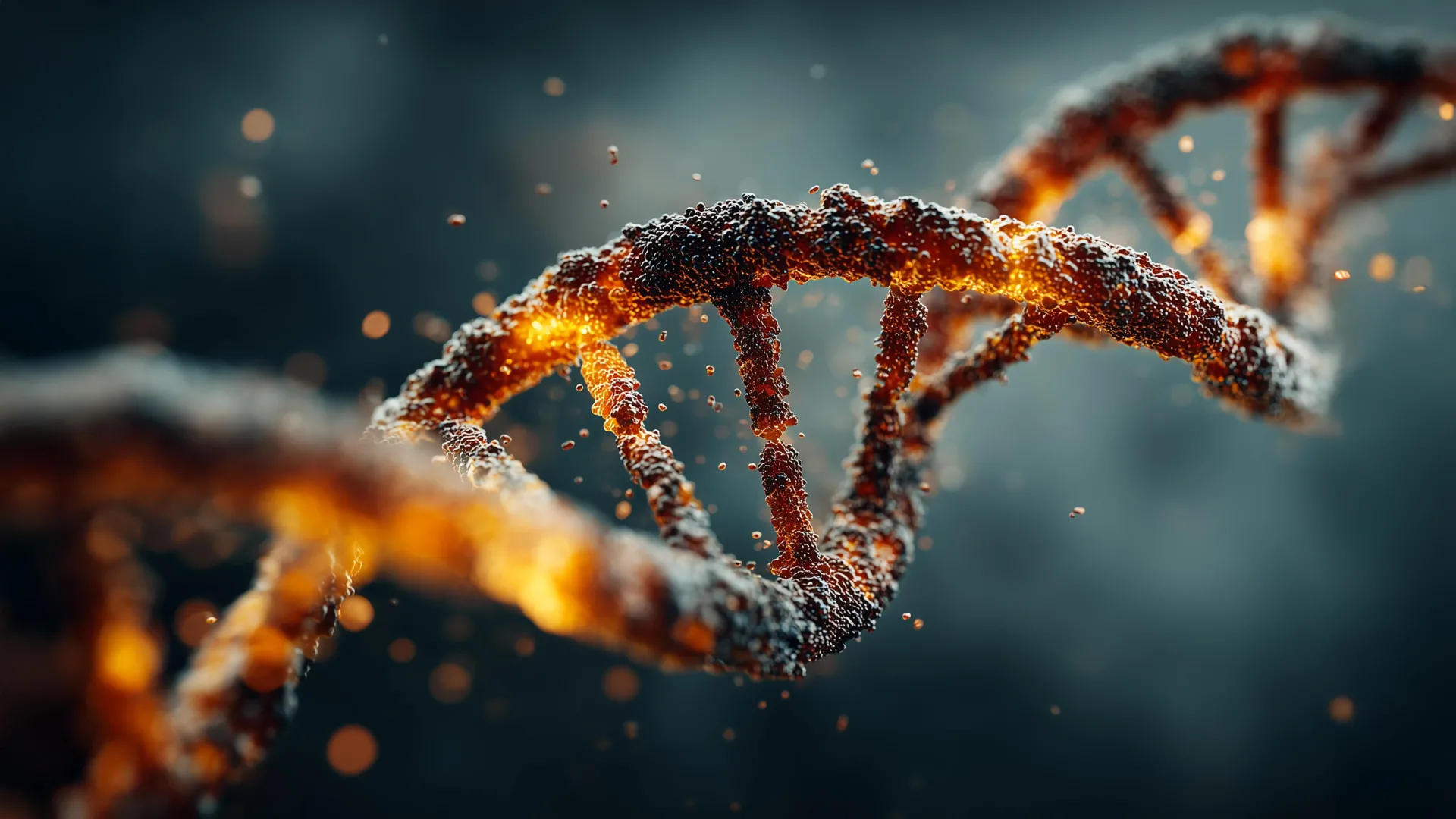
A record player-like microscope and computer simulations solve a longtime mystery, showing that metal ions bridge DNA strands that would normally repel.
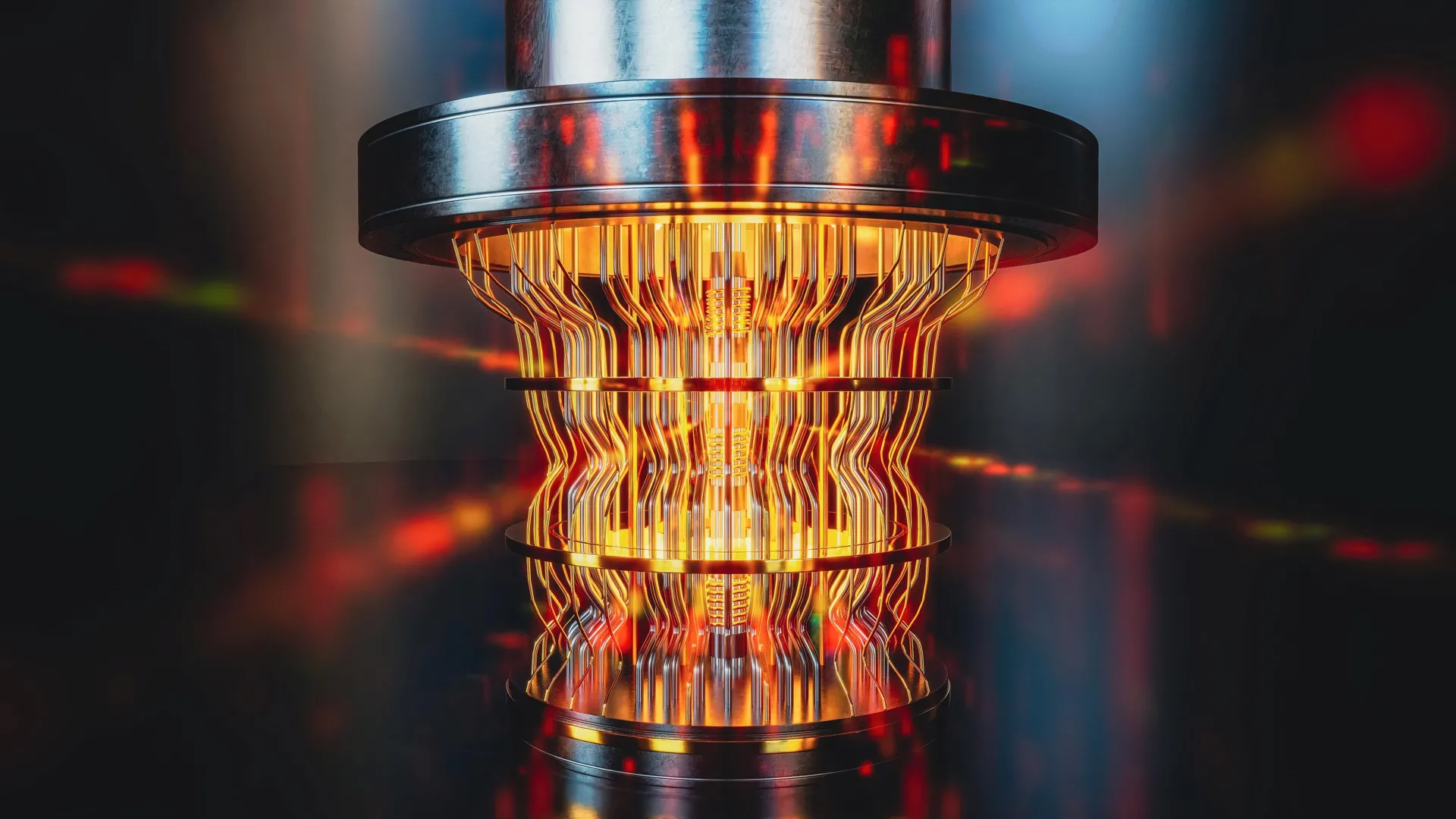
Researchers have shown that exotic quantum particles called non-Abelian anyons can perform the full range of operations needed for universal quantum computing. Using 54 qubits on Quantinuum’s H2 processor, they combined braiding and fusion to unlock capabilities that braiding alone could not provide.
Scientists have captured a subduction zone off Vancouver Island in the process of tearing itself apart, revealing that these massive tectonic systems may die piece by piece rather than all at once. The discovery could help explain ancient plate fragments, volcanic activity, and how hidden breaks beneath Cascadia may influence future earthquakes.
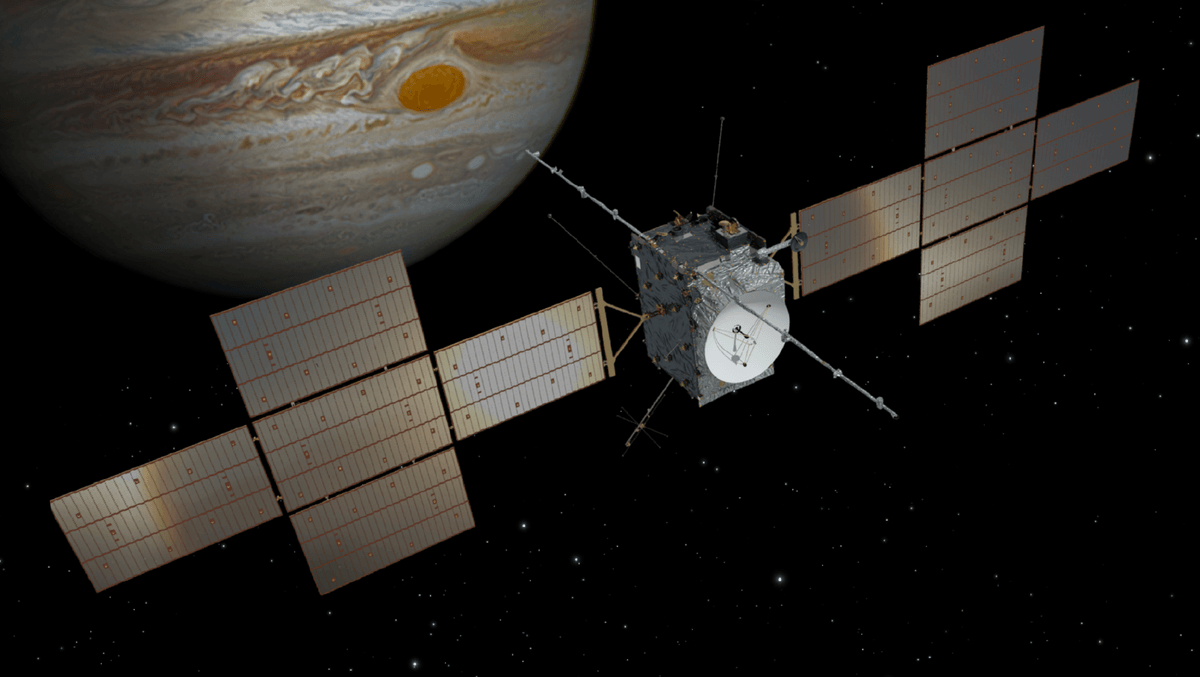
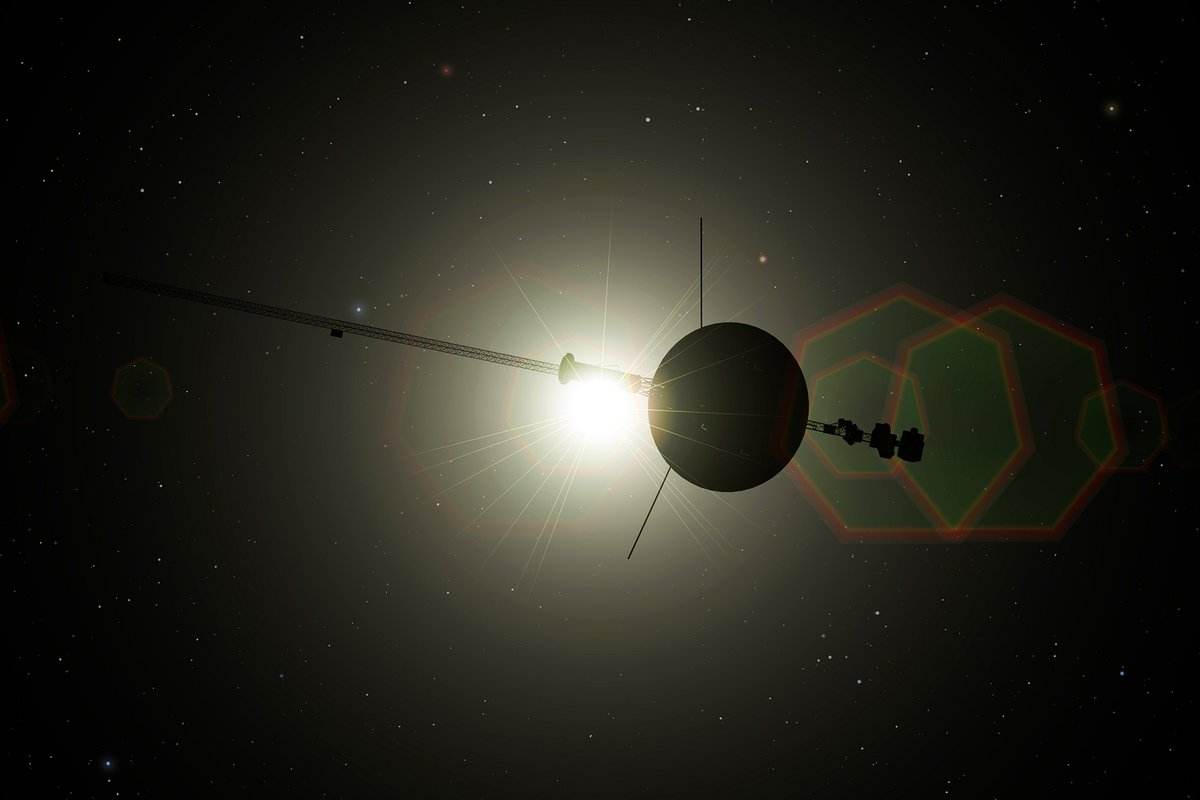
To get to the outer solar system, the Juice spacecraft needs an assist from Earth’s gravity—and it’s going to be taking pictures along the way
Fermi Explorer, a proposed low-cost private mission to Alpha Centauri, seeks to address a question that’s already been answered
The global fishing industry is plagued by problems. Overfishing remains a severe threat, while production and consumption have increased to record levels. Illegal, unreported and unregulated fishing continues to thrive, thereby disrupting marine ecosystems and attempts to manage our oceans sustainably. All the while, climate change is warming the seas, shifting marine populations and shrinking fish body size. It's amid this background that journalist and author Rose George wrote "Every Last Fish: A Deep Dive into the World of Fishes and Fishing" (Granta Books, 2025). George had previously written an award-winning book on the shipping industry, "Deep Sea and Foreign Going: Inside Shipping, th...
What if the universe’s biggest mystery has no answer?
Cambridge Mind and Brain Institute launches to address challenges facing our brain health Abby Munson Fri, 09/25/2026 - 10:42 The Cambridge Mind and Brain Institute brings together researchers from across the University to work alongside patients, carers, practitioners, policymakers and innovators to help understand and support individuals experiencing cognitive and emotional difficulties at every stage of life. Our brain health is at increasing risk from everything from digital lifestyles, diet, physical inactivity, acute or chronic illnesses, climate change, conflicts to social cohesion. Yet we don’t fully understand why or how these factors affect our cognitive and emotional well-being, a...
Many people who are successful in STEM fields were lucky to have someone who turned them on to a topic and encouraged their interest. For Faith Reyes, that person was her high school physics teacher, Ms. Bolster. Whereas Reyes had earlier studied math and science without seeing how those subjects could be applied outside the classroom, her teacher helped her connect those dots and experience the excitement of investigating the physical world. With Ms. Bolster’s help, Reyes started a physics club where students would gather before school and conduct experiments. “I just sort of fell in love with physics then,” Reyes says. “And luckily, as I began to study it more and more, I found I landed ex...
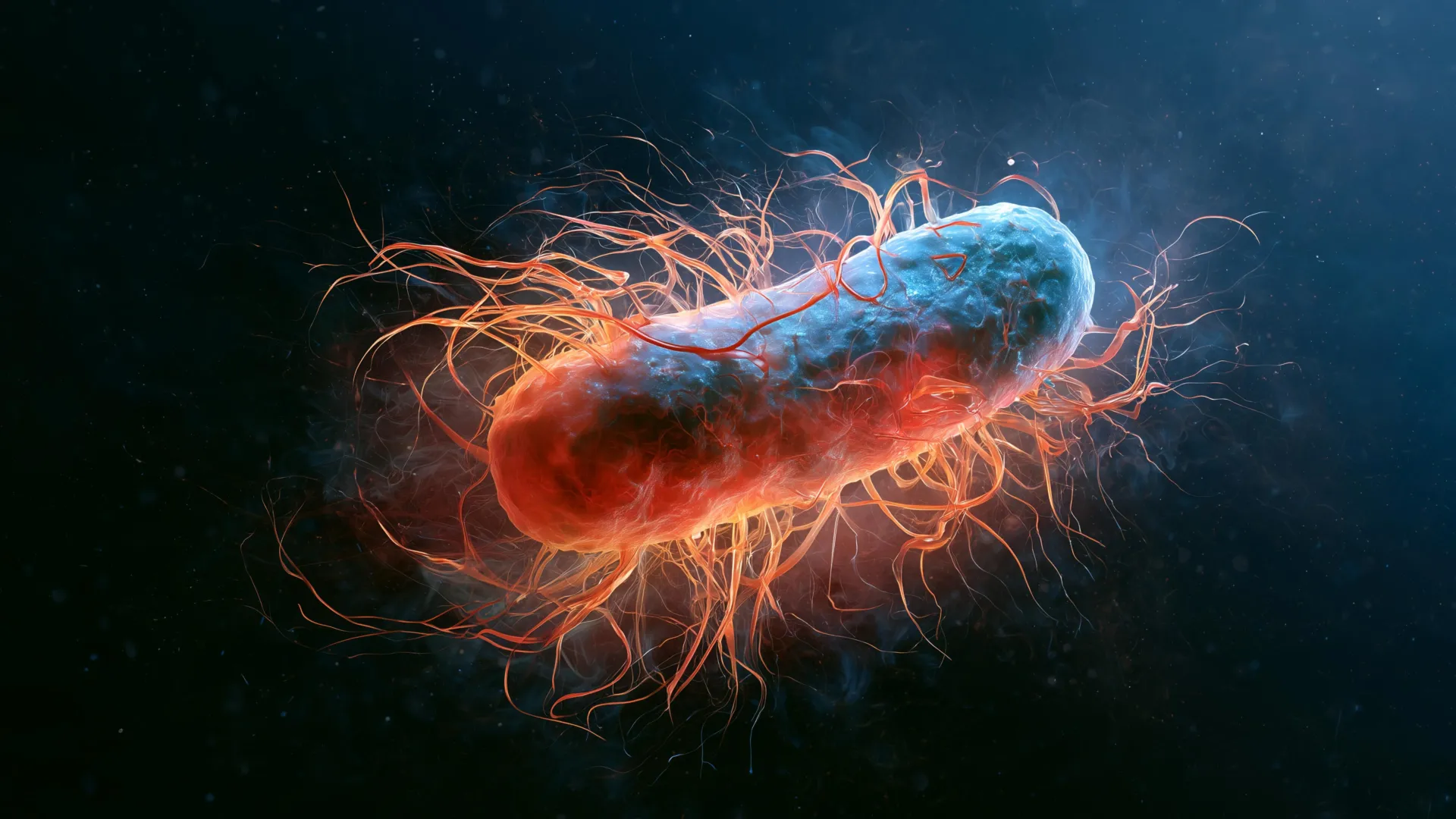
A magnet-producing bacterium extended the average lifespan of C. elegans worms by more than 43% while helping protect their neurological and intestinal health. Researchers traced much of the effect to suppression of ferroptosis, a damaging form of cell death linked to iron buildup and oxidative stress.
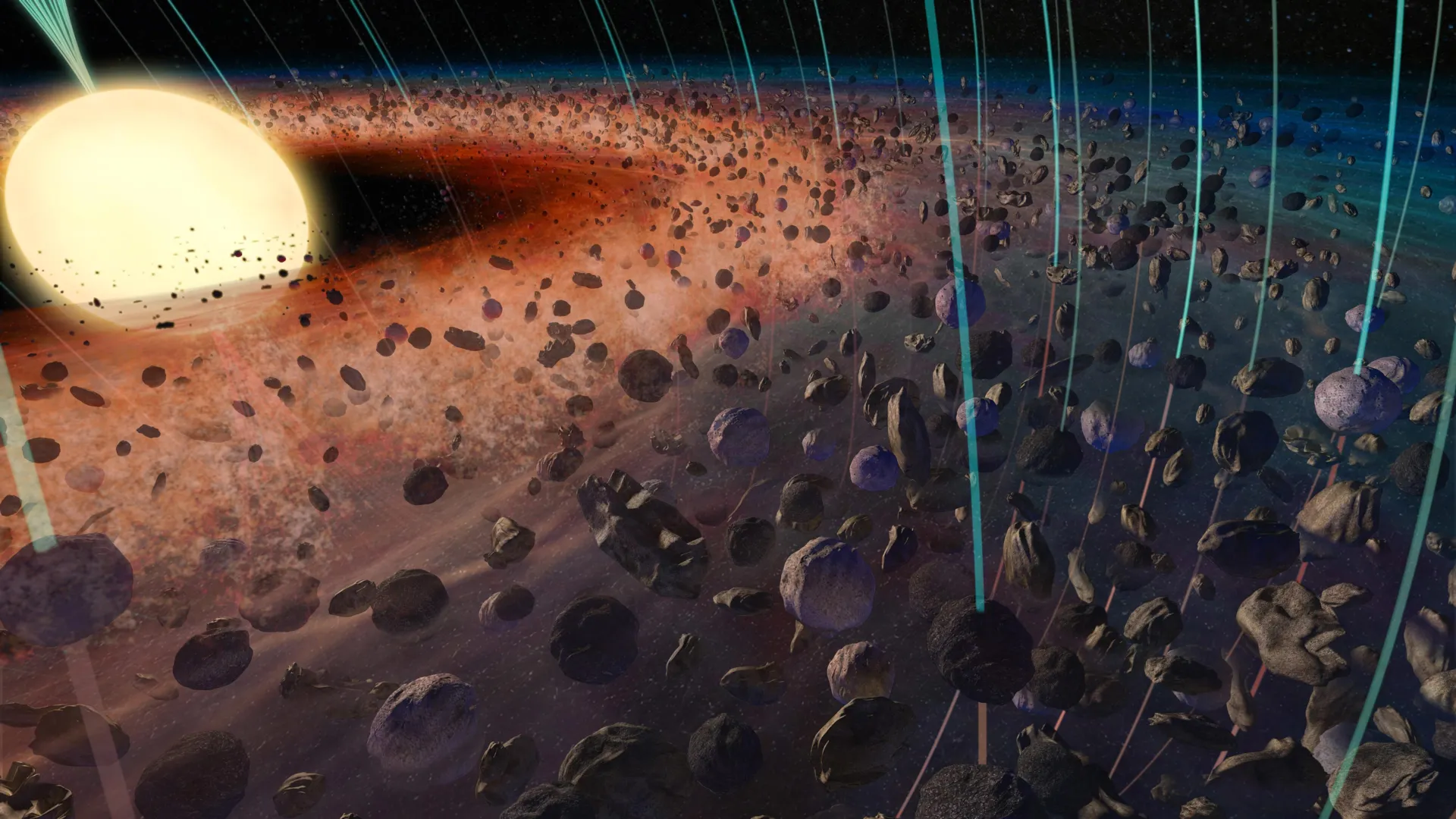
A dead white dwarf with no detectable disk has somehow produced a powerful shock wave that appears to have persisted for at least 1,000 years. Its magnetic field may be partly responsible, but astronomers say an unexplained “mystery engine” may also be at work.
Ancient grains inside one of the oldest known meteorites reveal that a surprisingly strong magnetic field existed during the solar system’s first 200,000 years. The discovery suggests magnetism worked alongside gravity to help transform a vast cloud of gas and dust into the sun and planetary disk.
Scientists discovered a surprising backup system that lets mammalian cells make the essential amino acid cysteine even when the pathways once considered indispensable are disabled. The same survival mechanism may help cancer cells resist treatment, raising the possibility that shutting it down could make tumors easier to kill.
A severely deformed 1834 British silver sixpence preserves physical evidence most consistent with an unusual minting anomaly, according to an IA STUDIO study published in npj Heritage Science. The coin was individually marked £8 in a mixed coin album at a flea market in Greater Manchester. The album was later acquired as a bulk lot, rather than the sixpence being purchased separately for £8.
Literacy promotion programs, combined with community-based support programs, can affect literacy development in Latino children from birth to 18 months of age, Rutgers researchers have found.