Science News
Why the creative brain feeds on movement
Movement and creativity go hand in hand. Scientists are working to discover why
📅
2026-10-05 13:00:00
•
Scientific American
Read Original Article →
Stay informed about scientific discoveries, research developments and new findings from around the world.
Movement and creativity go hand in hand. Scientists are working to discover why

Old age is often associated with reliance on others, loss of independence and inactivity. But these simplistic notions mask the diversity of people's experiences as they age, and can also lead to unsuitable policies and interventions—or even to explicit forms of ageism.
Scientists found that prolonged fasting triggers major changes throughout the body, but many of the most interesting effects only appeared after about three days without food. The results suggest fasting may influence health in ways that go beyond weight loss and could eventually inspire treatments that mimic its effects.

A Monash University study analyzed data from the Australian Bureau of Statistics' 2020–2022 National Study of Mental Health and Wellbeing and found more than half of cisgender nonheterosexual Australians and more than one-third of transgender Australians are diagnosed with a mental disorder.
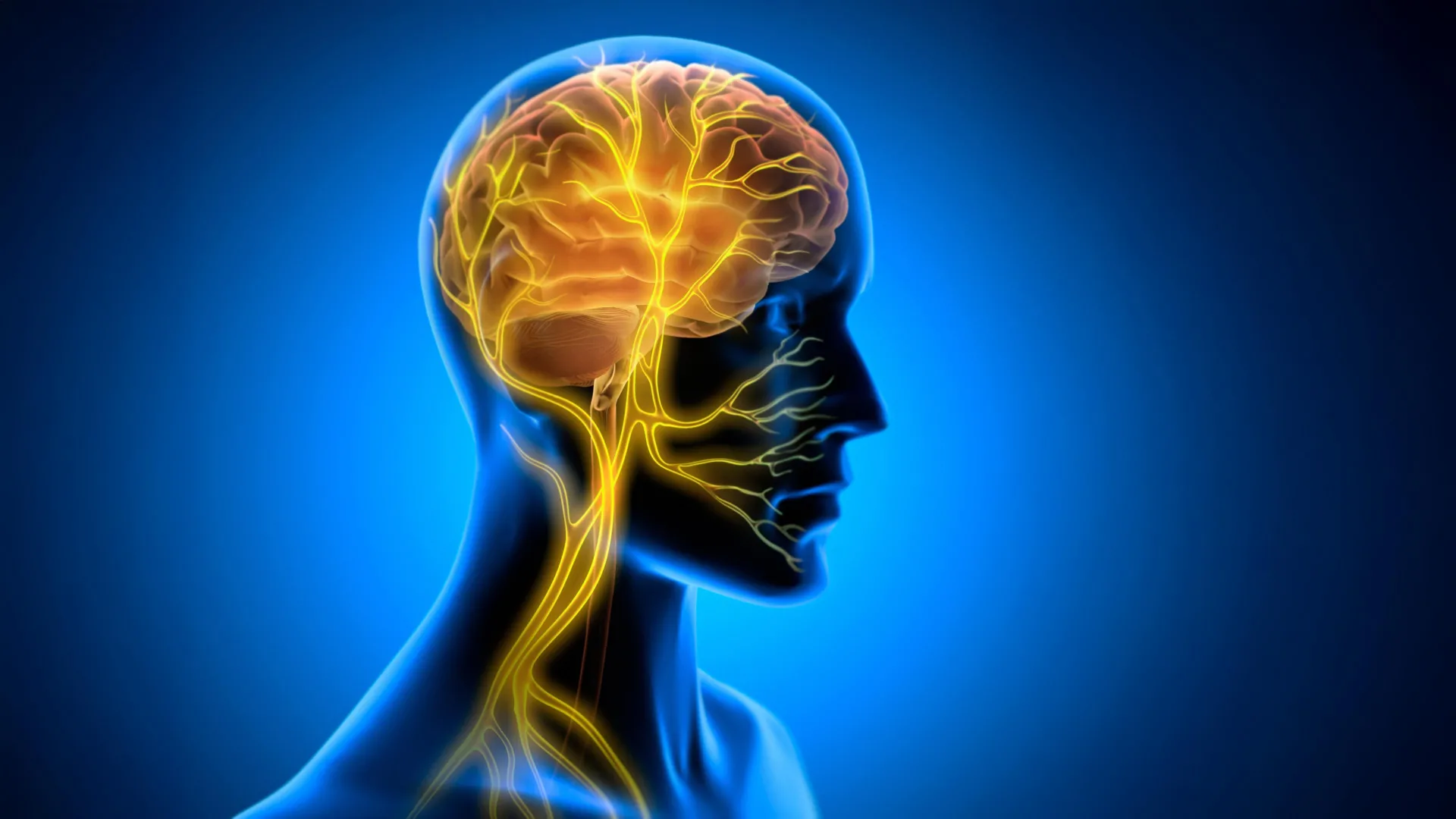
Stimulating the vagus nerve after practice helped mice develop stronger long-term motor learning, revealing a potentially important window when the brain is still locking in a new skill. The effect was linked to rhythmic changes in brain blood vessels, hinting that body-to-brain signals may help prepare the brain for lasting change.

Many complex quantum systems rapidly lose the recognizable patterns of their initial states as their components interact. To describe patterns of regular and chaotic motion in specific systems, physicists can construct a mathematical map called an effective phase space.

October skywatchers can see Saturn at opposition, catch meteors from Halley’s Comet during the Orionid peak, and watch the Moon sweep past the famous Pleiades star cluster. Moonlight may obscure some Orionids, but the best viewing should come before dawn after the Moon sets.
Scientists have discovered evidence of altermagnetism in a thin, highly tunable material that could help electronics use electron spin instead of relying only on electrical charge. The unusual magnetic state may enable faster, more energy-efficient devices without the unwanted magnetic interference caused by conventional magnets.
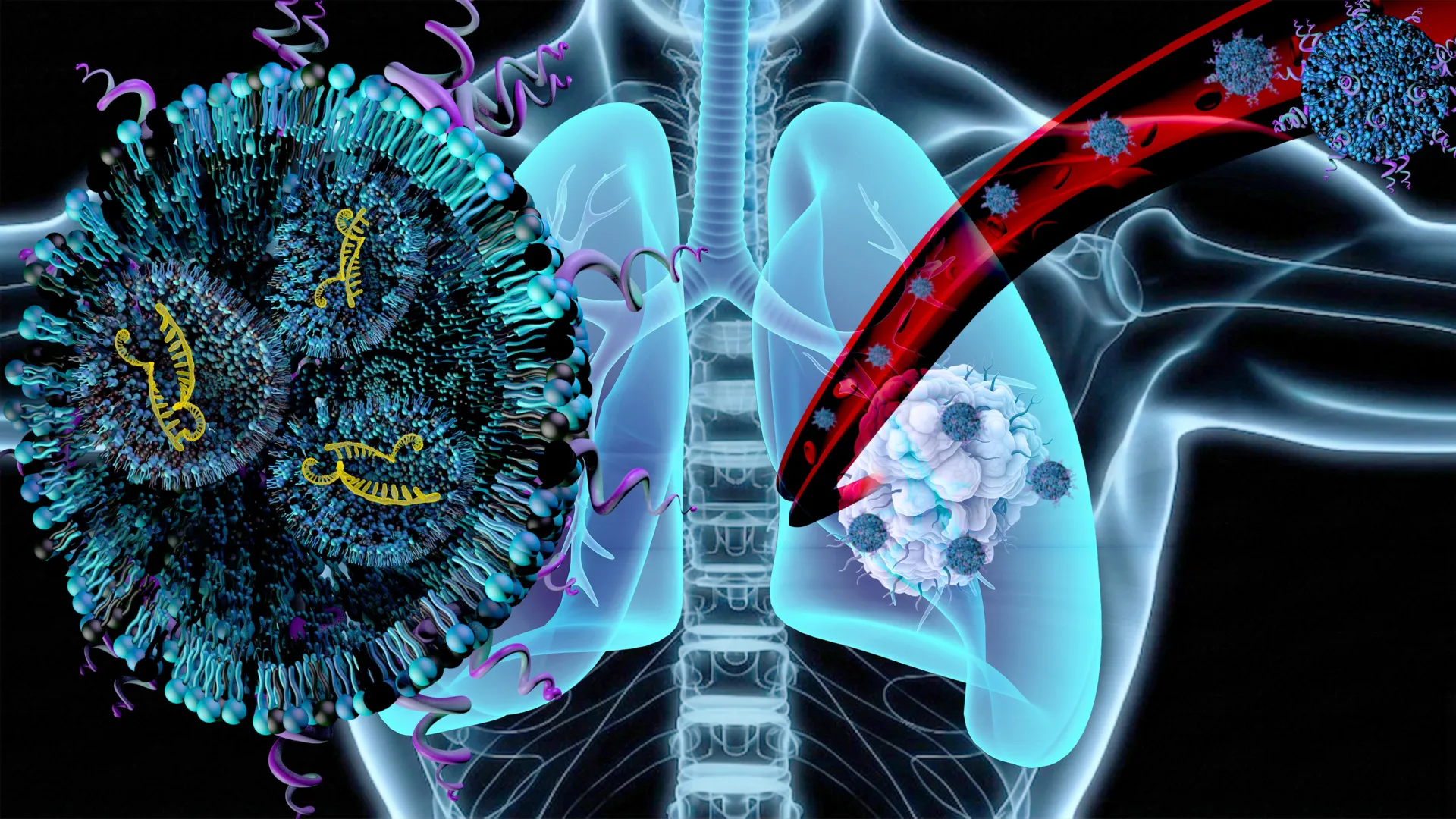
A new nanoparticle therapy reduced lung tumors in mice while also targeting cachexia, the severe muscle wasting that can accompany cancer. By delivering follistatin mRNA directly to tumors, the approach could eventually offer a way to fight both the disease and one of its most dangerous complications.

Your feces can tell you a lot about your health

The Nobel Prize in medicine was awarded Monday to U.S. psychiatrist and neurologist Karl Deisseroth and German scientists Peter Hegemann and Georg Nagel for their pioneering work in the neuroscience field of optogenetics.
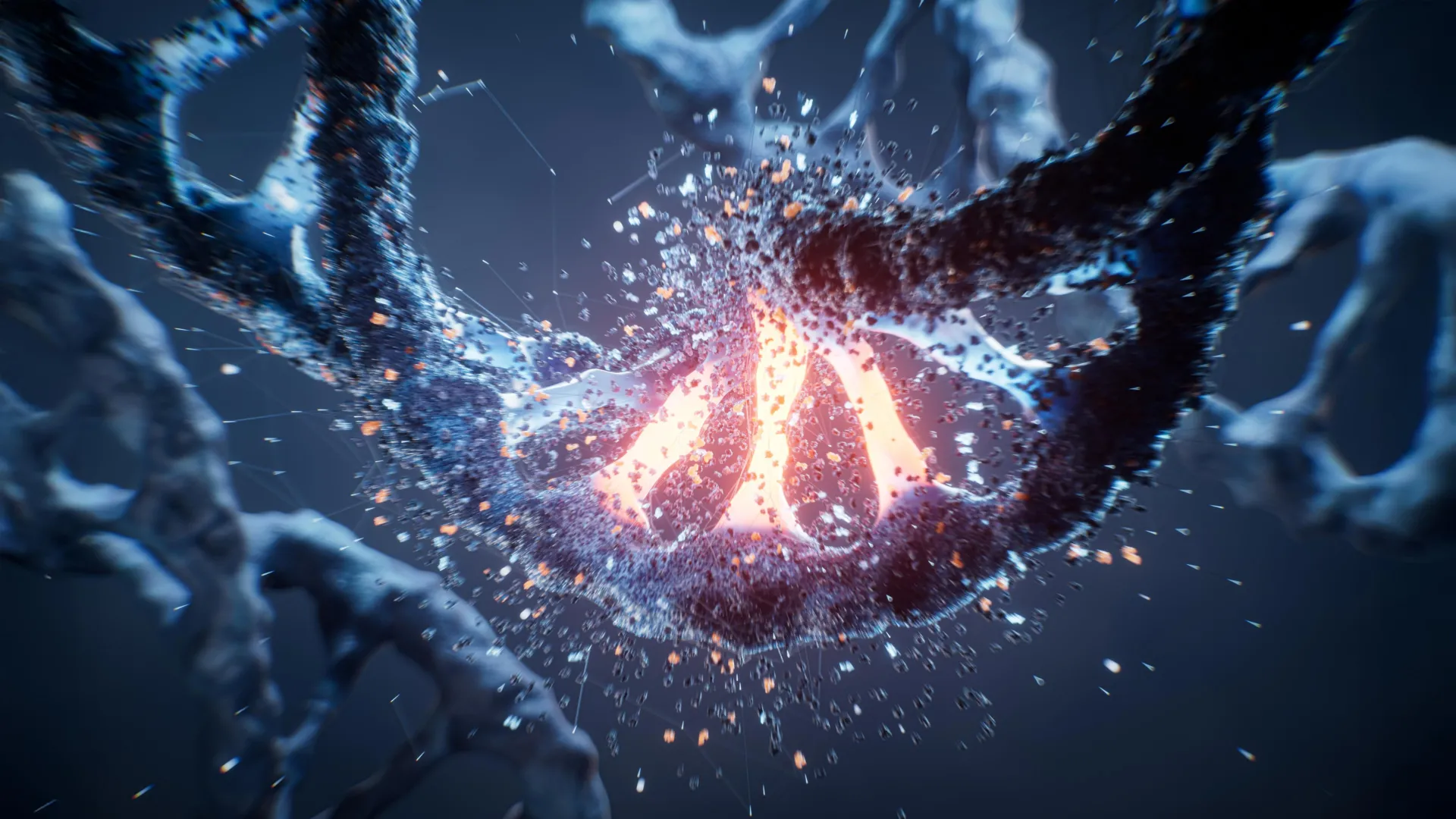
Scientists have discovered a human gene with a remarkable double life: it appears to play an important role in brain cells while still retaining the ability to jump around the genome. Called BC200, the gene evolved millions of years ago from a mobile piece of DNA known as a transposon, but unlike most genes that arose this way, it never lost its mobility. Researchers even found BC200 embedded inside a human poxvirus, suggesting it may have jumped from infected skin cells into the virus.
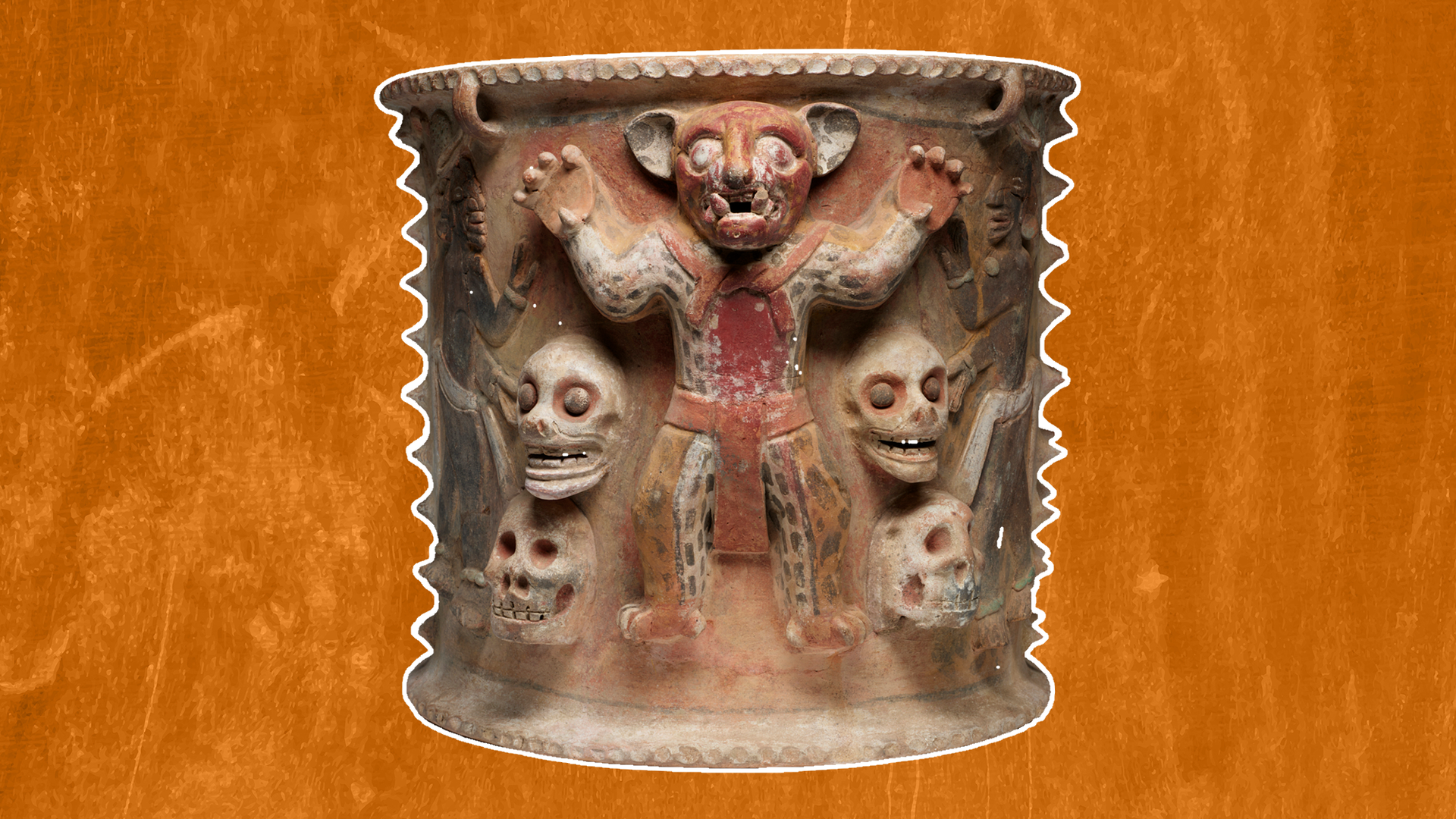
This burial urn depicts a person, accompanied by skulls, as they are received into the Maya underworld. (Image credit: The Walters Art Museum; (CC0 1.0 Universal))QUICK FACTSName: Urn with jaguars and skullsWhat it is: A ceramic burial urnWhere it is from: GuatemalaWhen it was made: Circa A.D. 600 to 900This colorful ceramic urn depicts a person wearing a jaguar costume and surrounded by human skulls, about to be received into the Maya underworld. The urn once held the bones of an ancestor for their descendants to venerate.The urn was anonymously gifted to The Walters Art Museum in Baltimore in 2008. According to the museum, the urn is about 17.5 inches (44.5 centimeters) tall and was likely...

An El Niño–driven ocean surge threatens coastal flooding, researchers warn that a plan to loosen vaccine requirements will increase measles risks in Florida, and experts debunk a viral TikTok cold remedy
Karl Deisseroth, Georg Nagel and Peter Hegemann developed optogenetics, which uses light and genetics to control individual cells
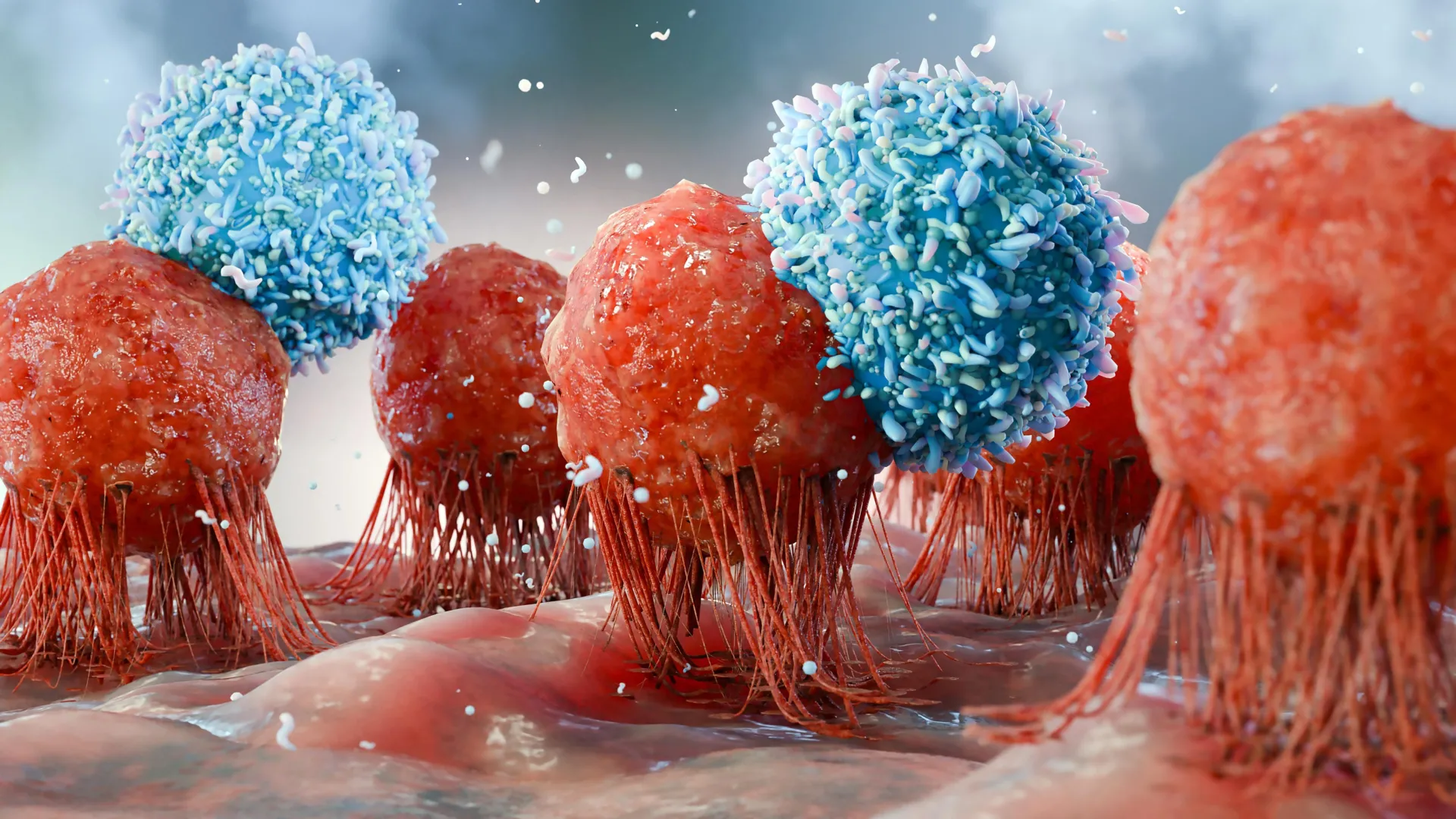
Cancer immunotherapy can lose its punch when tumor-fighting T cells become exhausted, but researchers may have found a way to keep them going longer. Scientists at Memorial Sloan Kettering Cancer Center identified a signaling molecule called MEK that can push T cells to burn through their energy while producing cancer-killing proteins. In animal and laboratory studies, blocking MEK helped the cells conserve energy, survive longer, and remain active even in the harsh environment around tumors.

The truth is out there—but identifying signs of life in space involves an intense search for biosignatures within our solar system and beyond. However, developing sensitive yet compact technologies capable of detection has proven to be an out-of-this-world challenge.
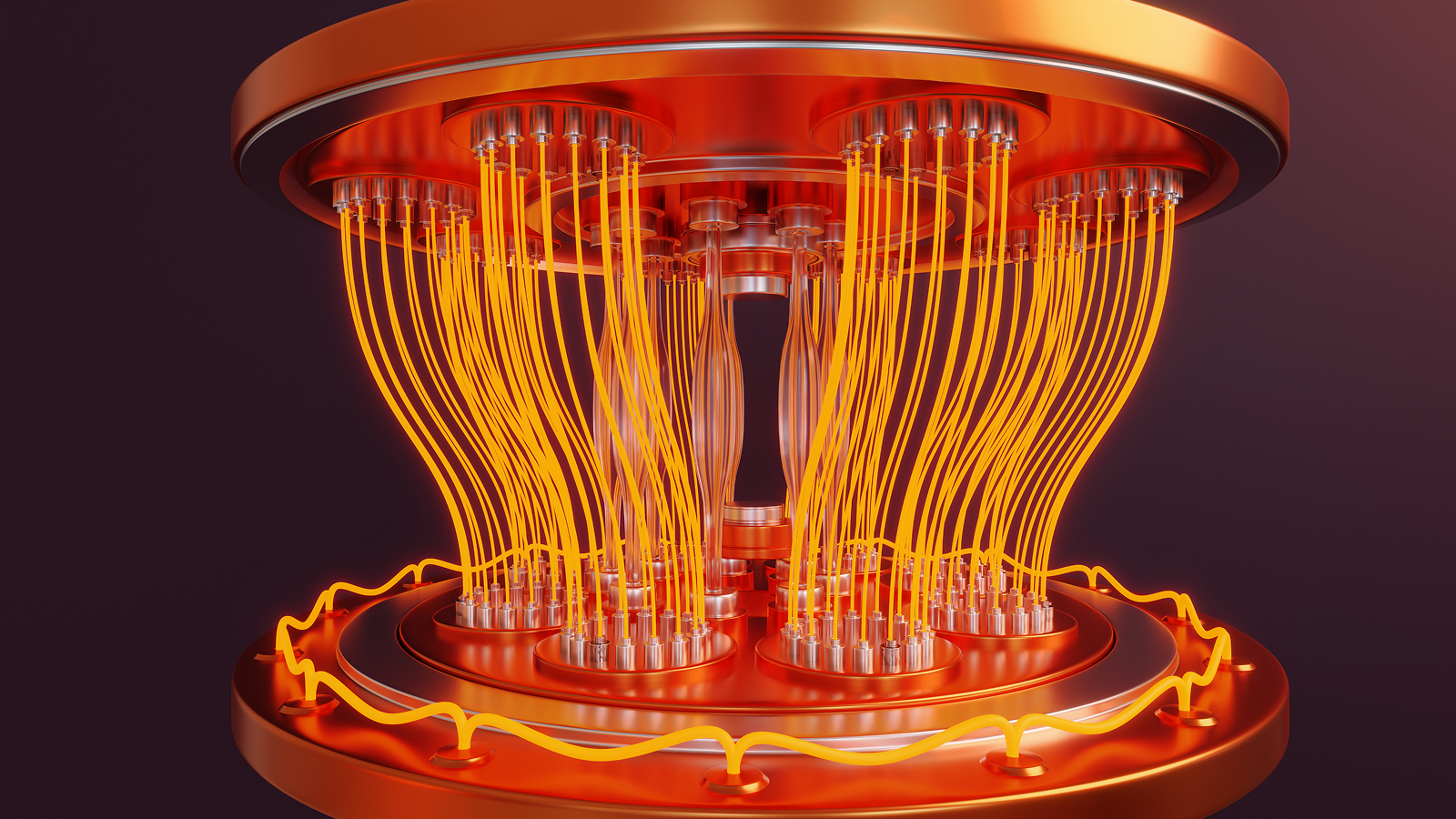
Researchers have developed a new type of interconnected architecture for quantum computing chips, and it could pave the way for machines capable of large-scale processing, including those with over a million qubits.In a study published June 15 in the journal APL Quantum, scientists aimed to resolve a huge problem with the leading quantum processing units (QPUs): Qubits struggle to communicate and share quantum information with each other if they aren't immediate neighbors.That's why the scientists pioneered Quantum Phononic Links (QPLs) — an approach for long-range coupling between qubits that leans on phonons — quasiparticles that carry vibration energy — to convey information. By contrast,...

Extreme heat is putting pregnant mothers and their newborns at increasing risk, United Nations climate chief Simon Stiell will warn on Monday.

Research into hormones that regulate appetite is on everybody's lips for the Nobel medicine prize, to be announced on Monday when the 2026 Nobel season kicks off.

The sun had barely risen, but diving volunteer Elizaveta Bodrova was already raring to plunge into the cold waters of Lake Issyk-Kul, where the ruins of a once-thriving city have lain submerged for centuries.

NASA has selected the GIMLI project to investigate whether the Marius Hill Pit opens into a vast underground cave or lava tube. Using radar, seismic sensors, gravity measurements, and cameras, researchers will search beneath the lunar surface and estimate the size of any hidden void. Such caves could preserve clues to the Moon’s volcanic history and potentially provide protected shelters for future astronauts.

Over 500 years before the building of the Great Pyramid in Egypt, First Dynasty kings were buried in a tomb surrounded by many burials of household officials and artisans—many of which seem to have taken place at the same time, a suspiciously high number of simultaneous deaths.
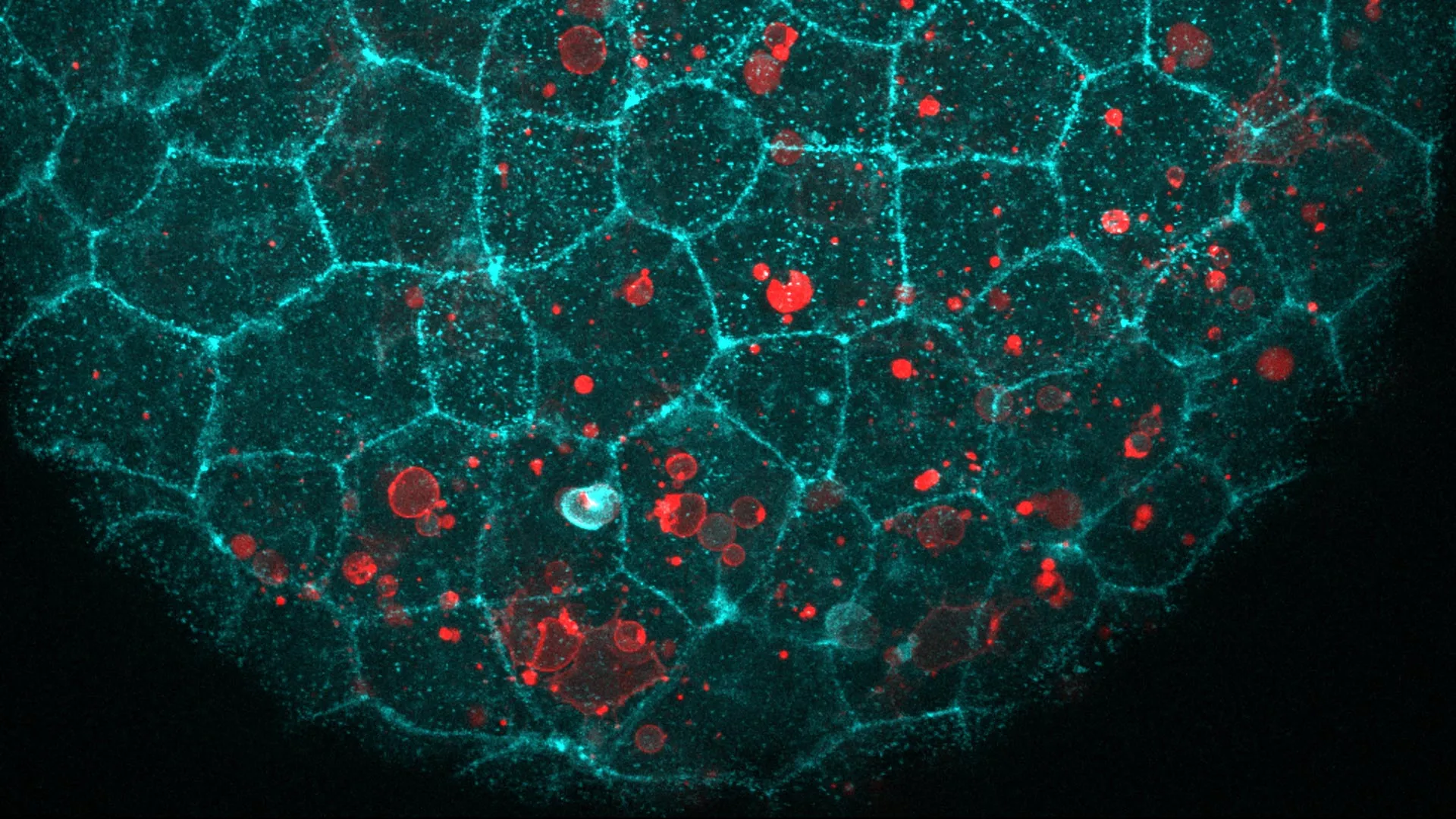
Scientists have discovered that E-cadherin, a protein best known as the “glue” holding cells and tissues together, has a surprising second job: helping epithelial cells swallow nearby dead cells. Using live zebrafish and mouse embryos, researchers found that cells can dramatically reshape their lower surfaces to engulf cellular debris while keeping their upper surfaces stable, allowing protective barriers to remain sealed.