Latest Science & Research News

Stay informed about scientific discoveries, research developments and new findings from around the world.

Latest News

View All →
'Most people can't handle driving in 2 dimensions let alone 3': Readers respond to our poll about flying cars
Science News

'Most people can't handle driving in 2 dimensions let alone 3': Readers respond to our poll about flying cars

Last week, Tesla unveiled a new "flying" edition of its Roadster electric vehicle. While some experts remain skeptical that the new "Rocket" EV is feasible in the real world, the demonstration reignited a long-standing debate about whether flying cars could soon become a reality. In response to this demonstration, Live Science polled its readers on whether they think flying cars will be available to consumers in the next five years. Over 280 readers responded, with the largest voting group, 34% of readers, picking "No, we need more than five years for flying cars to take off." The next-highest voting bloc was even more skeptical with 23% of readers choosing "No, flying cars will never happen...

📅 2026-10-23 16:55:34    •    Live Science
Read Original Article →
Personalised cancer vaccine expected to be approved next year
Science News

Personalised cancer vaccine expected to be approved next year

A scanning electron micrograph of a melanoma cellScience Photo Library/Alamy A personalised mRNA vaccine for melanoma, the deadliest form of skin cancer, is expected to be approved for use in the US, Europe and the UK next year. The vaccine is designed to stimulate immune responses against genetic mutations that are unique to an individual’s cancer. When used alongside standard treatment in a late-stage trial, it substantially cut the risk of cancer recurrence or death within the next two years. “I think approval could be quick, and next year sounds reasonable,” says Alan Melcher at the Institute of Cancer Research in London, who wasn’t involved in the trial. Read more Rare cancer spread bet...

📅 2026-10-23 14:42:27    •    New Scientist
Read Original Article →
Brazil presidential election dogged by alleged bias by Meta AI tools
Science News

Brazil presidential election dogged by alleged bias by Meta AI tools

Supporters of Lula protest at Meta’s headquarters in DublinNatalia Campos/Getty Images A deluge of AI-generated content and unfair treatment by social media platforms could prove pivotal in Brazil’s presidential election, according to supporters of the left-wing incumbent Luiz Inácio Lula da Silva. Lula will face off against right-wing challenger Flávio Bolsonaro on 25 October in the second round of the contest. Lula’s campaign has formally accused Meta – which owns WhatsApp, Instagram and Facebook – of favouring Bolsonaro by suspending Lula’s campaign advertising account, suppressing posts and blocking AI-generated content. Read more The truth about social media and screen time’s impact on ...

📅 2026-10-23 13:58:34    •    New Scientist
Read Original Article →
One of Earth’s most powerful supervolcanoes is refilling with fresh magma
Science News

One of Earth’s most powerful supervolcanoes is refilling with fresh magma

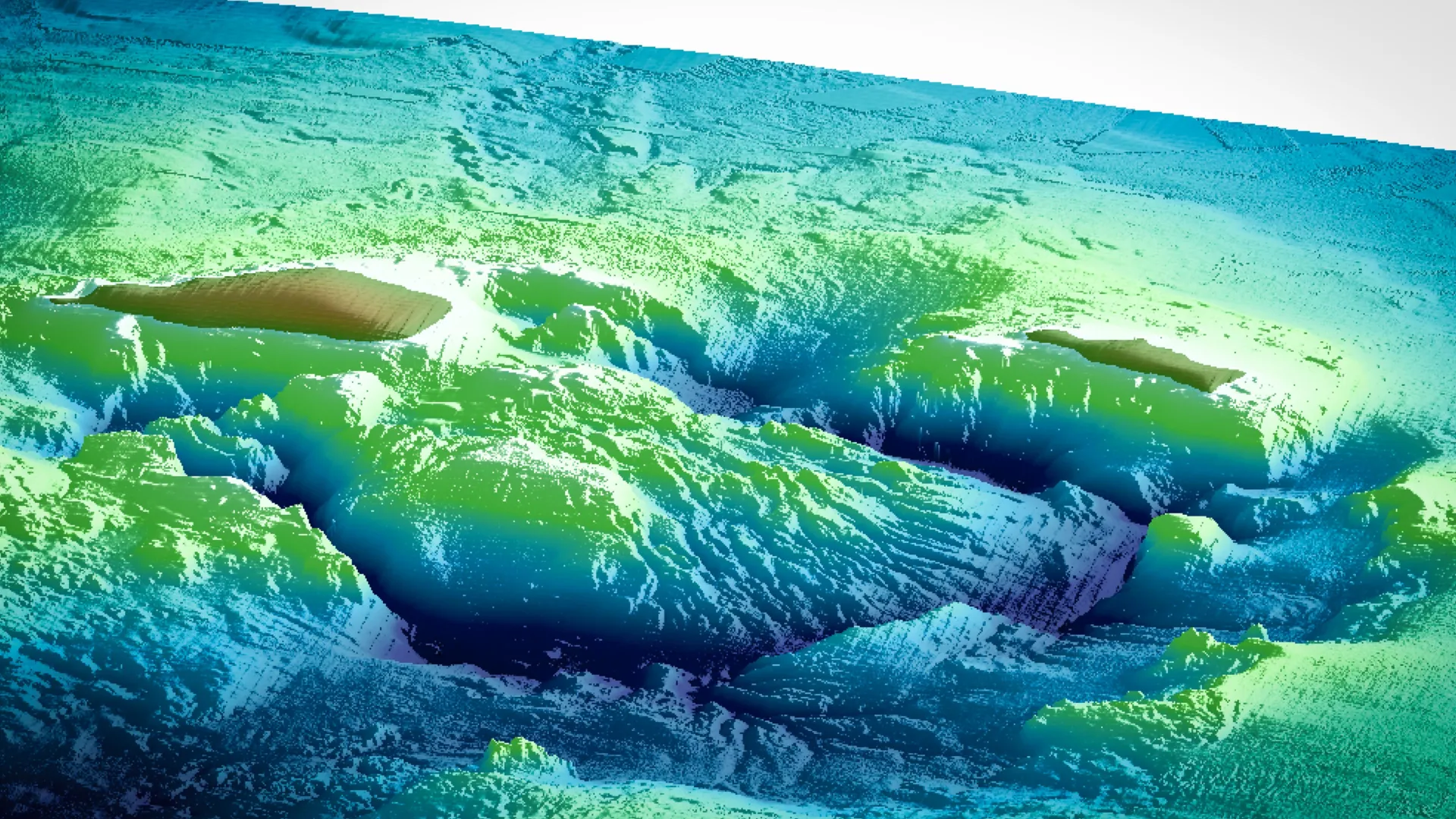
Deep beneath Japan’s Kikai caldera, a massive magma reservoir is refilling 7,300 years after one of the most powerful volcanic eruptions in Earth's recent geological history. Scientists used underwater seismic surveys to reveal a vast store of magma that appears to have accumulated since the ancient catastrophe. The discovery could help explain how supervolcanoes like Yellowstone and Toba rebuild their magma supplies.

📅 2026-10-23 11:23:19    •    ScienceDaily
Read Original Article →
Breakthrough PTSD treatment achieves 68% remission rate in clinical trial
Science News

Breakthrough PTSD treatment achieves 68% remission rate in clinical trial

A newly FDA-cleared PTSD treatment uses personalized brain mapping and magnetic stimulation to target abnormal brain activity, with a clinical trial reporting a 52% reduction in symptoms and 68% remission. Researchers believe the technology could transform PTSD care and pave the way for more precise treatments for other mental health conditions.

📅 2026-10-23 11:02:25    •    ScienceDaily
Read Original Article →
A tiny defect in a crystal reveals a big quantum surprise
Science News

A tiny defect in a crystal reveals a big quantum surprise

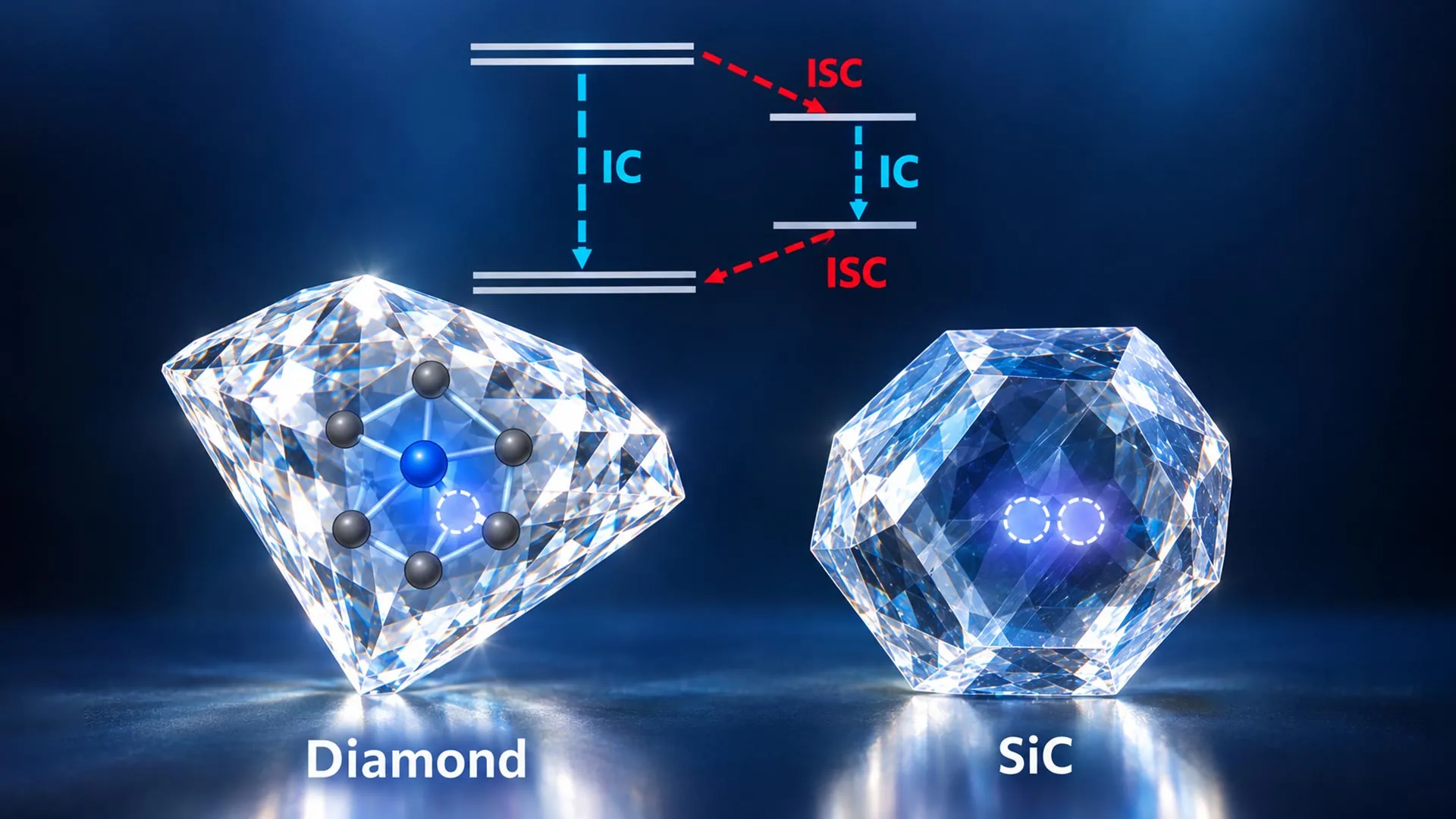
Researchers have solved a long-standing challenge in understanding how tiny defects in materials like diamond and silicon carbide behave when exposed to light. Their new computational method revealed a surprisingly important energy-loss mechanism in silicon carbide that scientists had previously underestimated. The finding helps explain a mystery that has puzzled researchers for years and could improve the design of quantum computers and sensors.

📅 2026-10-23 10:22:55    •    ScienceDaily
Read Original Article →
Scientists discover a surprising double benefit of exercise for Parkinson’s
Science News

Scientists discover a surprising double benefit of exercise for Parkinson’s

A seven-year study found that people with Parkinson’s disease who were more physically active experienced slower declines in memory, thinking, and movement abilities. Those exercising more than eight hours per week showed almost no average cognitive decline, suggesting that staying active may offer important benefits as the disease progresses.

📅 2026-10-23 10:10:11    •    ScienceDaily
Read Original Article →
Scientists can now 'watermark' AI-generated proteins to deter bioweapon creation. But will it really work?
Science News

Scientists can now 'watermark' AI-generated proteins to deter bioweapon creation. But will it really work?

With artificial intelligence (AI), scientists have a powerful new tool for creating never-before-seen proteins, which can be used to make either groundbreaking new medicines or devastating bioweapons. To help guard against nefarious uses of these proteins, scientists have recently figured out a way to "watermark" them without compromising their function. A team from Google DeepMind developed this technique to better track the provenance of AI-designed proteins."This has the potential to reduce biosecurity threats, such as unauthorized toxin creation, and may help with database curation, preventing artificial designs from cluttering the standard databases," said Roy Sleator, a biology profess...

📅 2026-10-23 09:44:19    •    Live Science
Read Original Article →
Nearly 20% of Switzerland’s glacier ice has vanished in just five years
Science News

Nearly 20% of Switzerland’s glacier ice has vanished in just five years

Switzerland’s glaciers are disappearing at an alarming rate, losing more than 5% of their ice volume in 2026 alone. Some of the country’s most famous glaciers experienced their worst melting on record, while several smaller glaciers vanished completely. Nearly 20% of Switzerland’s glacier ice has disappeared in just five years, driven by unusually snowless winters and extreme summer heat.

📅 2026-10-23 09:42:58    •    ScienceDaily
Read Original Article →
Emily St. John Mandel: ‘I don’t want to write something relentlessly bleak’
Science News

Emily St. John Mandel: ‘I don’t want to write something relentlessly bleak’

Emily St. John Mandel, best known for her prescient flu pandemic novel Station Eleven, joined the New Scientist Book Club to talk about her latest book, the science-fiction novel Exit Party. Emily discussed everything from why she is compelled to write about the aftermath of disaster – this latest book takes place in a near-future US, after a civil war – to how hard it was to keep ahead of the US news cycle as she wrote. Read more Read an extract from Exit Party by Emily St. John Mandel

📅 2026-10-23 09:00:00    •    New Scientist
Read Original Article →
Scientists discover a hidden messaging system deep inside the brain
Science News

Scientists discover a hidden messaging system deep inside the brain

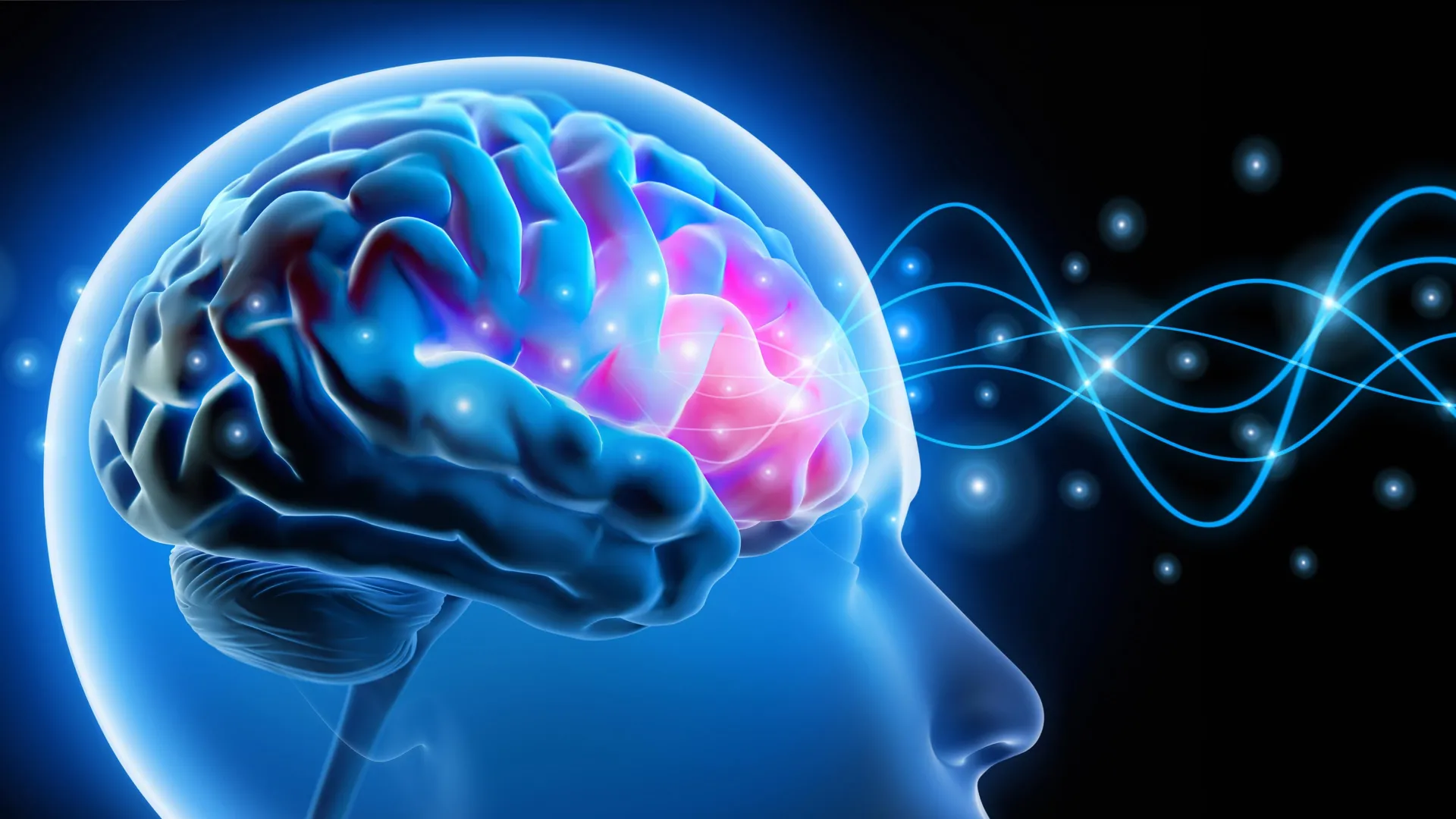
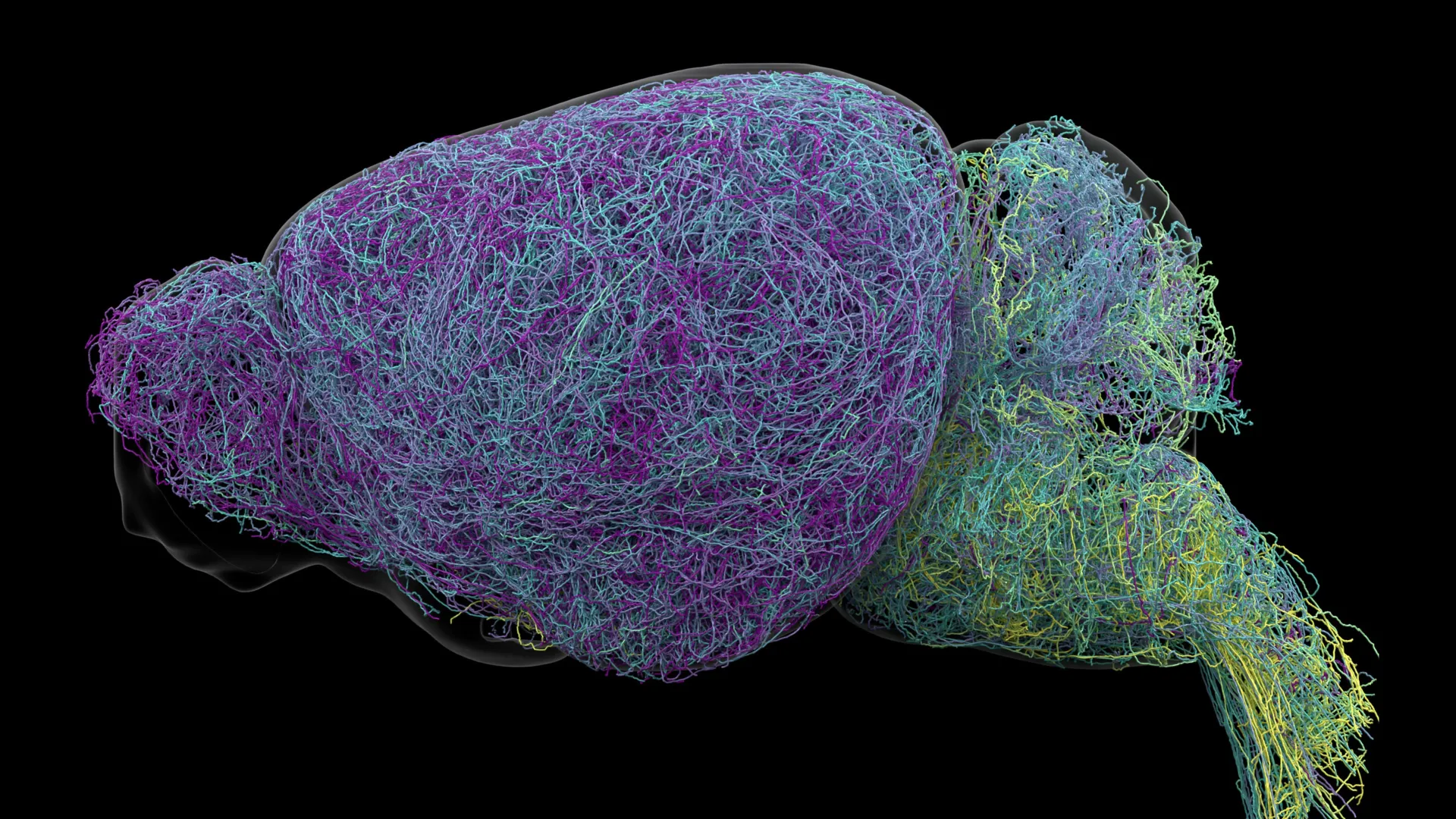
A tiny region deep within the brain has surprised scientists by revealing a remarkably sophisticated communication system. Previously thought to broadcast the same chemical signal throughout the brain, this region actually sends targeted messages that help control learning, attention, and behavior, according to new research in mice.

📅 2026-10-23 08:28:22    •    ScienceDaily
Read Original Article →
Cambridge scientists create a $10 chip that could put a medical lab on your wrist
Science News

Cambridge scientists create a $10 chip that could put a medical lab on your wrist

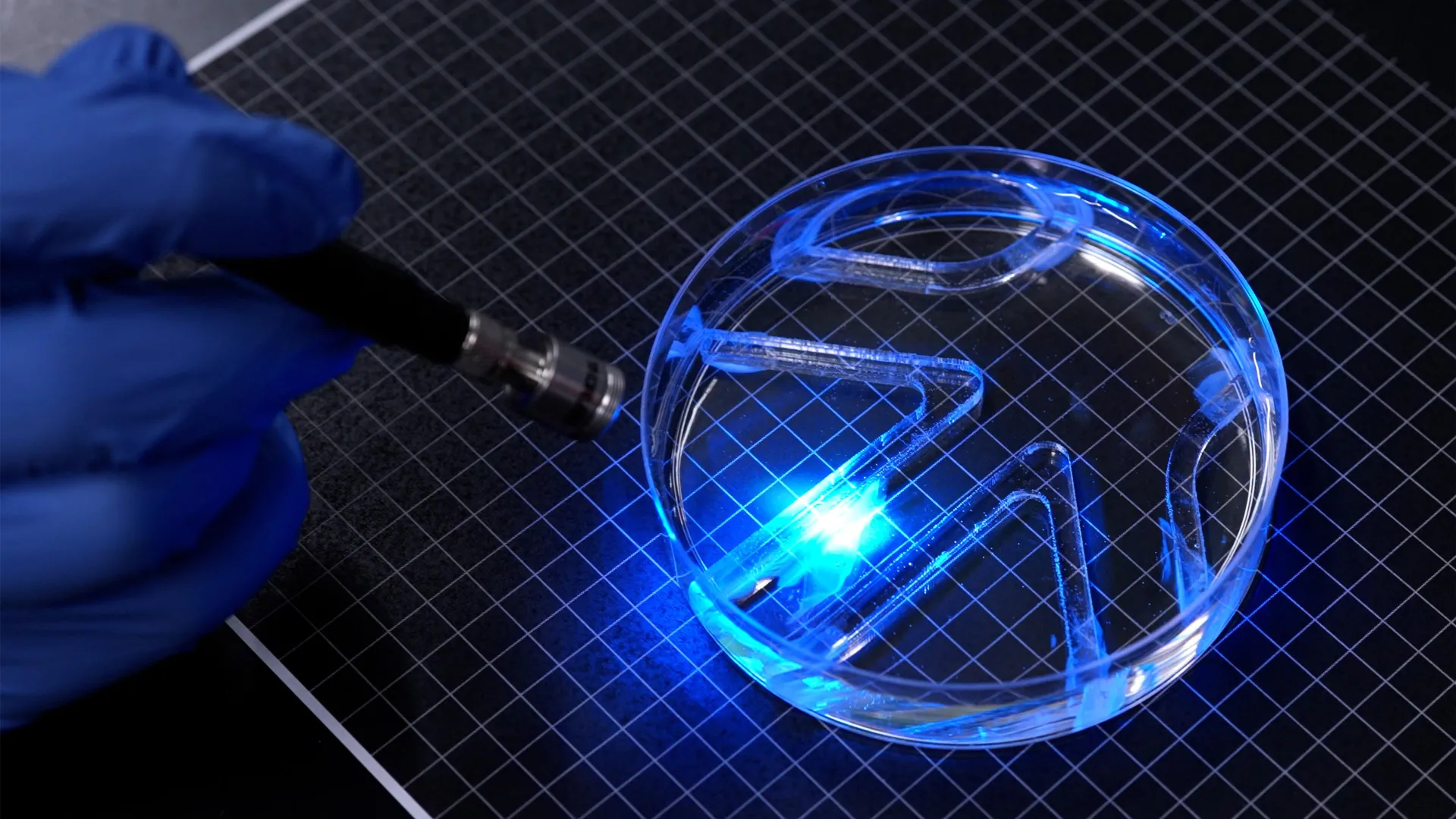
Cambridge researchers have created a groundbreaking $10 optical sensor that delivers the precision of laboratory equipment in a device small enough for wearable technology. It identified foods, plastics, and medicines with 100% accuracy in tests and demonstrated the ability to monitor blood glucose, alcohol, and other health markers without invasive procedures.

📅 2026-10-23 01:21:47    •    ScienceDaily
Read Original Article →
Page 5of 171   •   4,090articles