Latest Science & Research News

Stay informed about scientific discoveries, research developments and new findings from around the world.

Latest News

View All →
A hidden bias in human language challenges 70 years of science
Science News

A hidden bias in human language challenges 70 years of science

A groundbreaking study challenges 70 years of assumptions about how human language works. By analyzing billions of word uses, scientists discovered that meaning is organized around power, danger, and order rather than emotion alone. Even more surprisingly, human language shows a powerful hidden preference for safety, suggesting that our words may reflect ancient survival instincts.

📅 2026-10-24 13:01:22    •    ScienceDaily
Read Original Article →
Ancient stalagmites reveal exceptions to Asia–South America monsoon seesaw over the past 450,000 years
Science News

Ancient stalagmites reveal exceptions to Asia–South America monsoon seesaw over the past 450,000 years

In places like South Asia, Africa and parts of the Americas, monsoon rains supply water for drinking, crops and hydropower for billions of people. Understanding the patterns that monsoons tend to follow can help people plan for drought risks affecting agriculture, reservoirs and hydropower across distant regions.

📅 2026-10-24 13:00:01    •    Phys.org
Read Original Article →
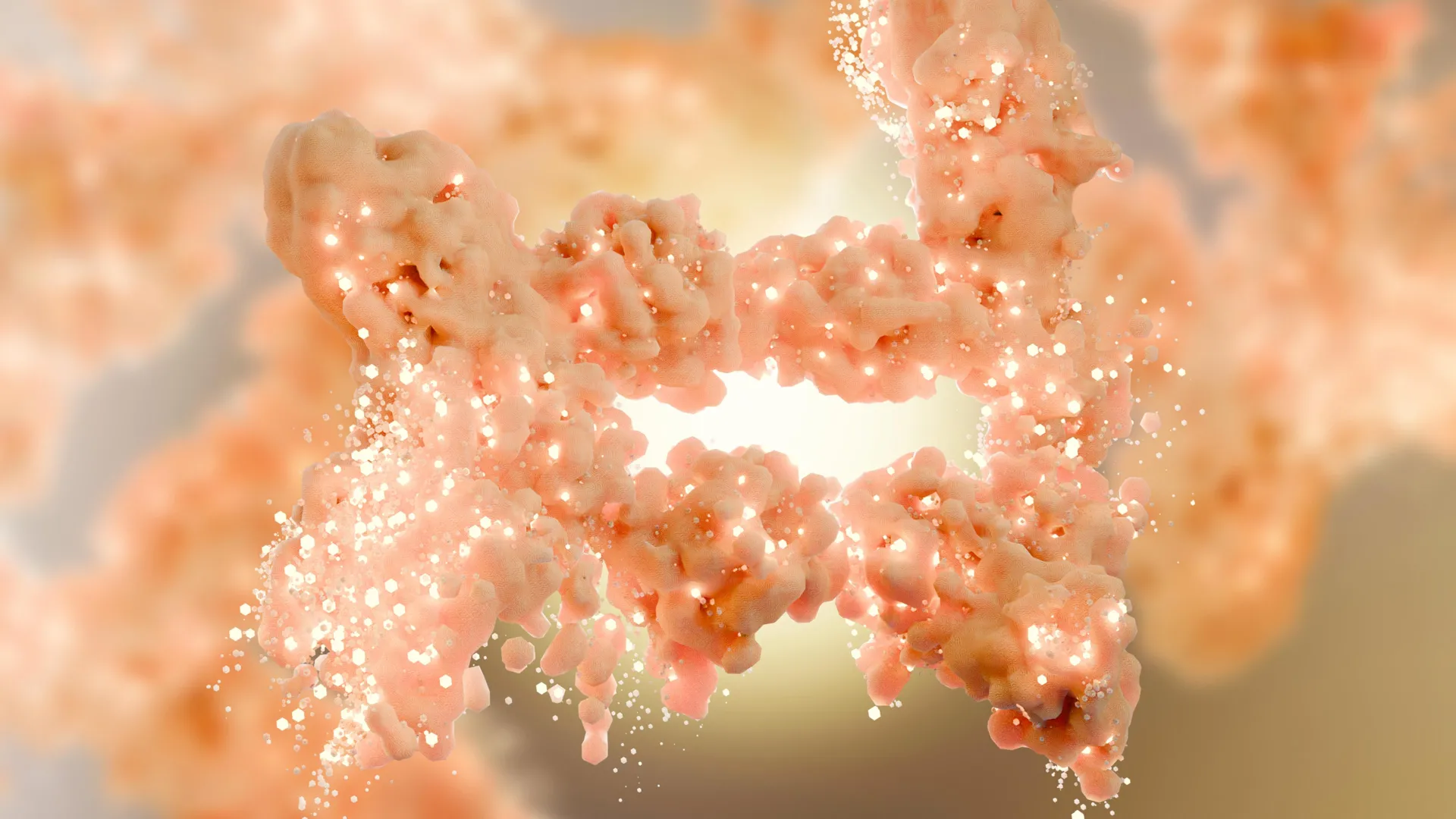
Scientists propose a way to detect dangerous “mirror life” before it exists
Science News

Scientists propose a way to detect dangerous “mirror life” before it exists

Scientists have proposed a way to detect “mirror life,” a hypothetical form of life that could pose serious risks to humans, animals, and ecosystems if artificially created. Using special fluorescent molecules and a type of polarized light also used in 3D movie technology, researchers believe they could distinguish ordinary organisms from their mirror-image counterparts.

📅 2026-10-24 12:39:16    •    ScienceDaily
Read Original Article →
Astronomers uncover a mysterious magnetic web above the Sun
Science News

Astronomers uncover a mysterious magnetic web above the Sun

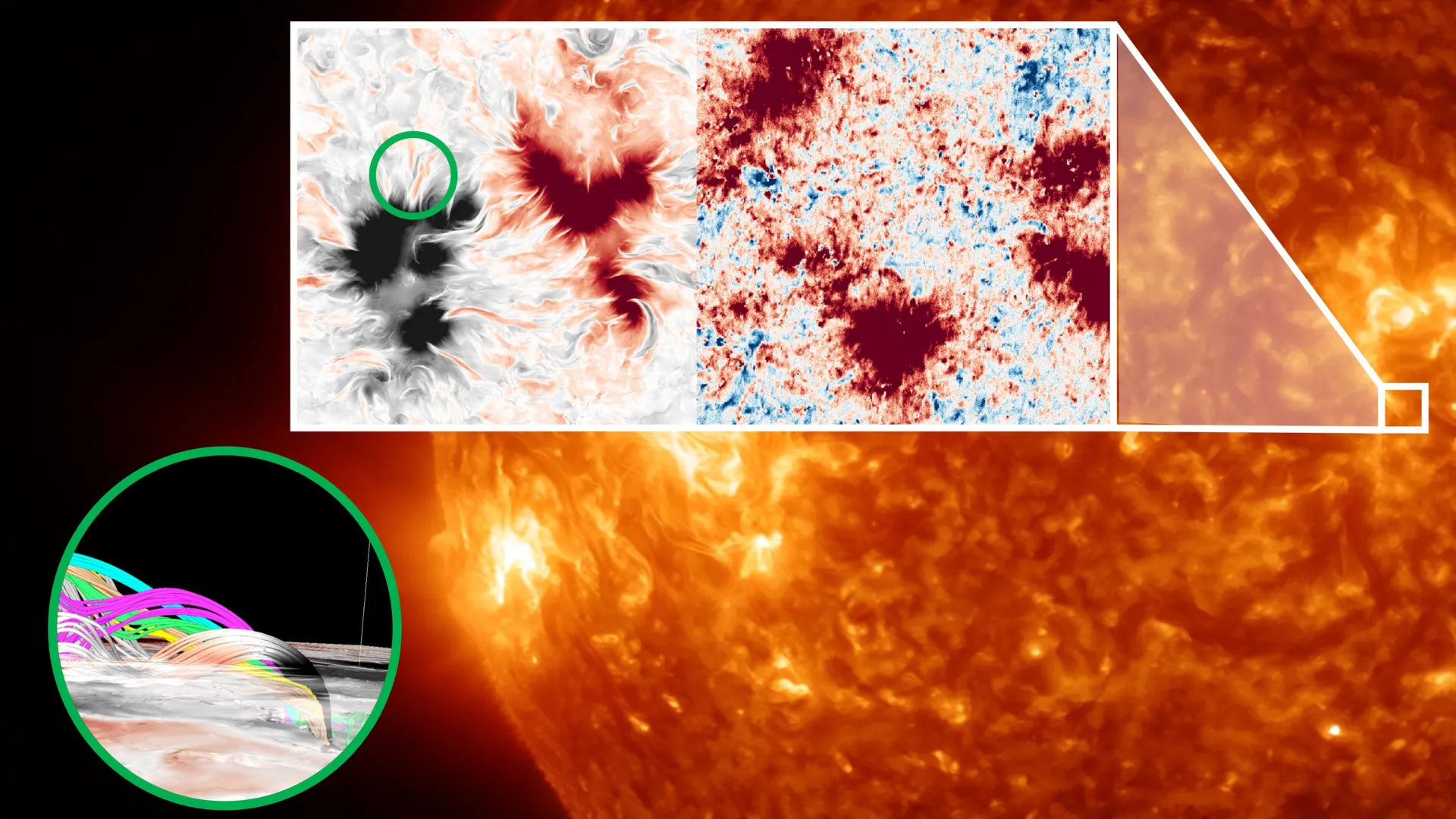
The Sun’s seemingly peaceful regions are hiding a surprisingly complex magnetic world. Using a balloon-borne telescope high above Earth, scientists discovered delicate, thread-like magnetic structures woven through the solar atmosphere, apparently shaped by twisting motions on the Sun’s surface. They also mapped magnetic fields inside towering jets of solar material, revealing how those fields change with height.

📅 2026-10-24 12:23:38    •    ScienceDaily
Read Original Article →

These tiny snakes roll four times faster than they slither
Science News

These tiny snakes roll four times faster than they slither

Tiny snakes in Southeast Asia have mastered an extraordinary escape technique: rolling across the ground at speeds up to four times faster than ordinary slithering. Scientists discovered that dwarf reedsnakes accomplish this feat through precisely coordinated body movements that allow their bodies to rotate while their heads remain remarkably stable.

📅 2026-10-24 12:12:03    •    ScienceDaily
Read Original Article →
AI giants are one big mistake away from catastrophe. They could learn a lot from the nuclear industry.
Science News

AI giants are one big mistake away from catastrophe. They could learn a lot from the nuclear industry.

The largest artificial intelligence (AI) firms increasingly understand that they are hostages of one another. If one firm pushes ahead recklessly, others may feel compelled to follow. If one deploys a dangerous model without adequate safeguards, others may see it as a green light to do the same. The debate over AI has centered on what governments should do to regulate this frontier technology. That remains essential. But a more immediate question is emerging: Can the companies building these powerful systems take action independently before they lose credibility and suffer legal consequences? That question no longer looks theoretical and is being recognized as an urgent challenge. We've alre...

📅 2026-10-24 12:00:00    •    Live Science
Read Original Article →
The human voice
Science News

The human voice

Editor in Chief Nancy Shute discusses the power of the human voice, hopeful advances in treating stiff person syndrome and new controversy about using AI in mathematics.

📅 2026-10-24 11:00:00    •    Science News
Read Original Article →
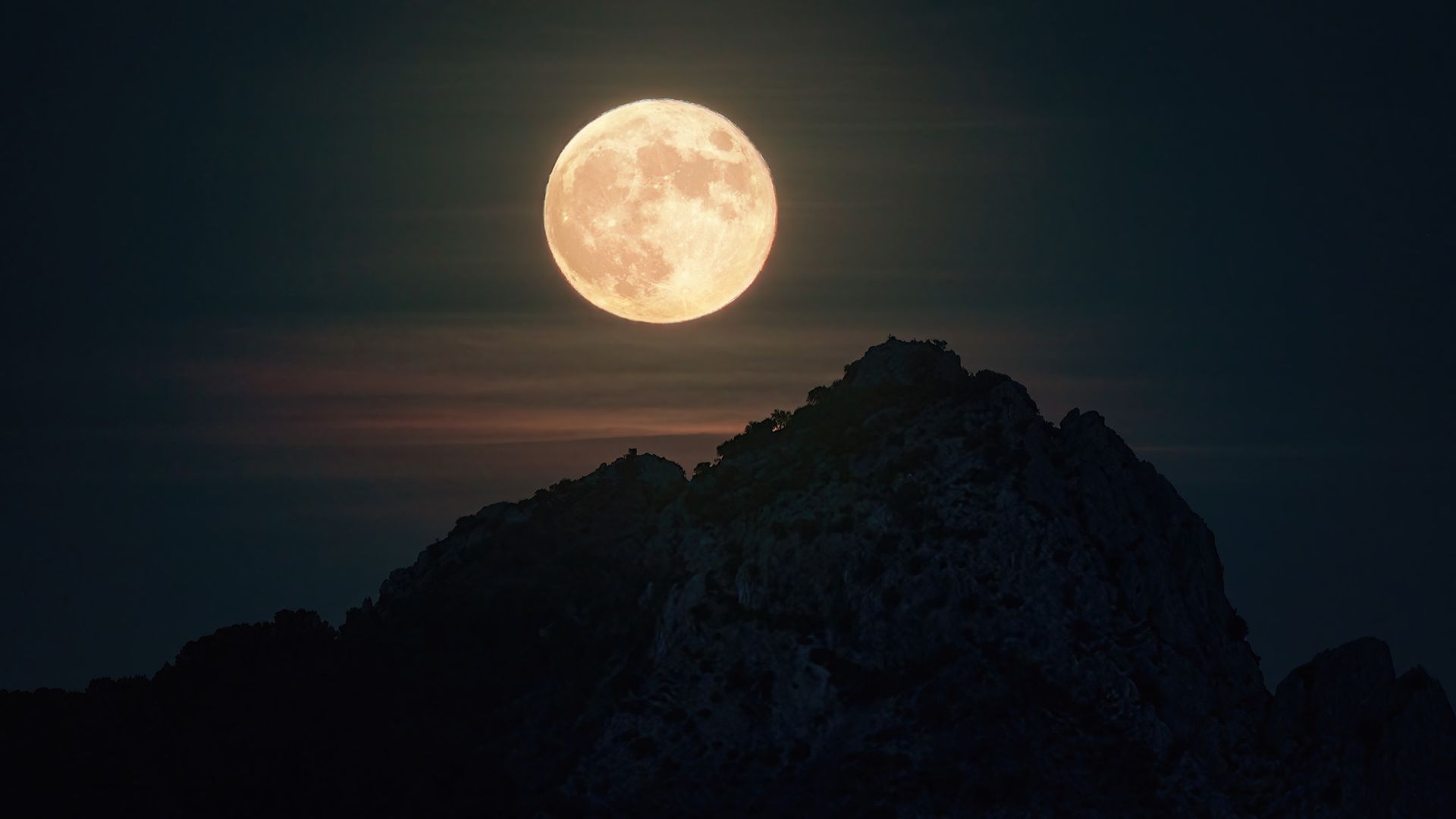
Watch the full 'Hunter's Moon' rise next to Saturn this weekend
Science News

Watch the full 'Hunter's Moon' rise next to Saturn this weekend

October's full "Hunter's Moon" is about to rise, and skywatchers will get two great chances to see it appear on the eastern horizon around sunset.Although it officially turns full at 12:11 a.m. EDT on Monday (Oct. 26), the Hunter's Moon will appear almost perfectly full as it rises on both Sunday (Oct. 25) and Monday evenings, giving skywatchers two opportunities to observe it. October's full moon is nicknamed the Hunter's Moon because it was traditionally a signal for hunters to prepare for the coming cold winter by hunting, slaughtering and preserving meat, according to Time and Date. That's an Anglo-Saxon name; Native American names for October's full moon include the Drying Rice Moon, th...

📅 2026-10-24 11:00:00    •    Live Science
Read Original Article →
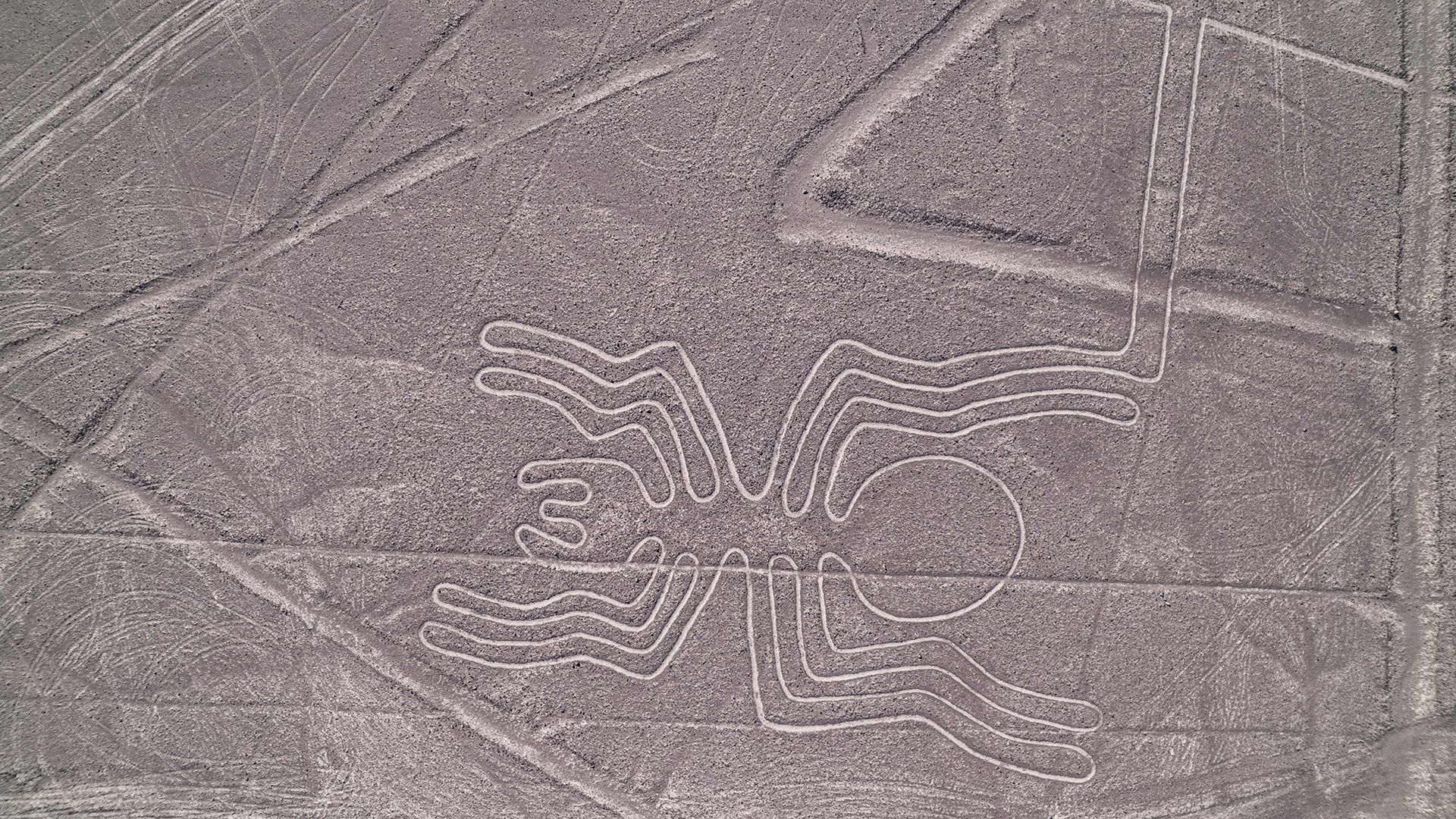
Why were the Nazca Lines built?
Science News

Why were the Nazca Lines built?

The Nazca Lines are the most famous geoglyphs in the world. Dating back around 2,000 years and reaching a combined length of more than 800 miles (1,300 kilometers), they depict a variety of motifs, including humans, animals, geometric shapes, plants and flowers. These designs were constructed on the arid hills and valleys of coastal Peru by the Nazca people between 200 B.C. and A.D. 500, long before writing was used in the region.It's not clear exactly how many Nazca Lines there are, but they number in the thousands, with new geoglyphs continuing to be discovered with the help of AI.But why were the Nazca Lines built?Scientists have been debating this question since the lines were first form...

📅 2026-10-24 09:00:00    •    Live Science
Read Original Article →
Surveying the genetic battlefield to uncover the rules of rapid evolution
Science News

Surveying the genetic battlefield to uncover the rules of rapid evolution

The Malik Lab thrives on competition. But for HHMI investigator Harmit Malik and his team at the Fred Hutchinson Cancer Center, it's the genomes—not the people—that are in conflict. The lab studies rapid evolution—the genetic changes that happen in a species over a few generations rather than thousands of years. These fast changes are often fueled by genetic conflicts—competitions between different entities trying to maximize their success at the expense of another.

📅 2026-10-24 03:20:02    •    Phys.org
Read Original Article →
Child-led citizen science helps Ecuadorian community tackle beach pollution and shape environmental decisions
Science News

Child-led citizen science helps Ecuadorian community tackle beach pollution and shape environmental decisions

Pollution from human-generated waste in marine ecosystems has reached critical levels, with cigarette butts (CBs) among the most persistent and harmful pollutants. Globally, an estimated 4.5 trillion cigarette butts are discarded annually, making them the most common type of litter on beaches over the past three decades.

📅 2026-10-24 02:20:01    •    Phys.org
Read Original Article →
Glioblastoma breakthrough reveals how brain cancer cells become more aggressive
Science News

Glioblastoma breakthrough reveals how brain cancer cells become more aggressive

Scientists discovered that the thick, sticky fluid surrounding glioblastoma tumors can make brain cancer cells smaller, more flexible, and better at invading surrounding tissue. Even more troubling, some of these changes persist after the cells leave the thick fluid, revealing a previously overlooked mechanism that could help this deadly cancer spread.

📅 2026-10-24 00:48:21    •    ScienceDaily
Read Original Article →
Page 3of 171   •   4,090articles