Latest Science & Research News

Stay informed about scientific discoveries, research developments and new findings from around the world.

Latest News

View All →
Ancient Hox code reveals the developmental roots of vertebrate hind fins and limbs
Science News

Ancient Hox code reveals the developmental roots of vertebrate hind fins and limbs

Paired appendages—the pectoral and pelvic fins of fishes and the forelimbs and hindlimbs of tetrapods—were a major innovation in vertebrate evolution. Their emergence greatly expanded the ways vertebrates could move through their environments and ultimately provided the developmental foundation for the evolution of limbs. Yet how the genetic system responsible for building paired appendages was assembled during evolution remains an unresolved question.

📅 2026-10-19 14:00:22    •    Phys.org
Read Original Article →
What evolved first—our brain or gut?
Science News

What evolved first—our brain or gut?

What if the brain evolved to serve the gut? Scientists at Flinders University are challenging a cornerstone of biology, arguing that the gut's nervous system may be the body's original "brain," with the brain evolving later to support its needs.

📅 2026-10-19 13:40:06    •    Phys.org
Read Original Article →
Plasmonic coating on bacterial surfaces paves the way for rapid sepsis diagnosis
Science News

Plasmonic coating on bacterial surfaces paves the way for rapid sepsis diagnosis

A research team led by senior researcher Minyoung Lee and principal researcher Sunggyu Park of the Advanced Bio and Healthcare Materials Research Division at the Korea Institute of Materials Science (KIMS), has developed a label-free surface-enhanced Raman scattering (SERS) analysis technology that rapidly detects extremely low concentrations of viable bacteria by directly growing plasmonic metal nanostructures on and around bacterial cells.

📅 2026-10-19 13:40:01    •    Phys.org
Read Original Article →
How bacteria survive in a world full of killer bacteriophages
Science News

How bacteria survive in a world full of killer bacteriophages

Humans throughout history have invented a variety of ways to fight back against troublesome bacteria. But bacteria live in a dangerous world too. The human body and other bacteria-rich environments abound with bacteriophages, or viruses that prey upon bacteria. Phages can sometimes outnumber bacteria a hundredfold, yet the bacteria endure and even thrive. What gives?

📅 2026-10-19 13:20:08    •    Phys.org
Read Original Article →
Alaska’s monster tsunami sent water 1,580 feet up a mountain
Science News

Alaska’s monster tsunami sent water 1,580 feet up a mountain

A massive landslide in Alaska triggered the second-highest tsunami ever recorded, sending water and debris 1,580 feet up a mountainside just hours after tourists visited the area. Scientists discovered that the disaster was preceded by several warning signs, including rapid glacier retreat, heavy rainfall, and thousands of tiny seismic tremors. As glaciers retreat, similar disasters could become a growing danger in mountainous coastal regions.

📅 2026-10-19 13:09:18    •    ScienceDaily
Read Original Article →
Why some people escape Alzheimer’s despite carrying a high-risk gene
Science News

Why some people escape Alzheimer’s despite carrying a high-risk gene

Scientists have discovered why some people with a high genetic risk of Alzheimer’s remain mentally sharp into their 80s, uncovering a rare mutation that protects the brain from harmful protein buildup. The findings reveal a potential new way to prevent early brain damage and could pave the way for treatments that mimic this natural defense.

📅 2026-10-19 12:57:02    •    ScienceDaily
Read Original Article →
Early heat and drought stress can have lasting effects on corn growth
Science News

Early heat and drought stress can have lasting effects on corn growth

A brief period of heat and drought early in a corn plant's life can affect its growth and flowering months after the stress ends, according to new research from the Donald Danforth Plant Science Center and the University of Minnesota. The findings could help guide efforts to develop crops better equipped to withstand hot, dry growing conditions.

📅 2026-10-19 12:40:02    •    Phys.org
Read Original Article →
Something strange is happening beneath a volcano near 2 million people
Science News

Something strange is happening beneath a volcano near 2 million people

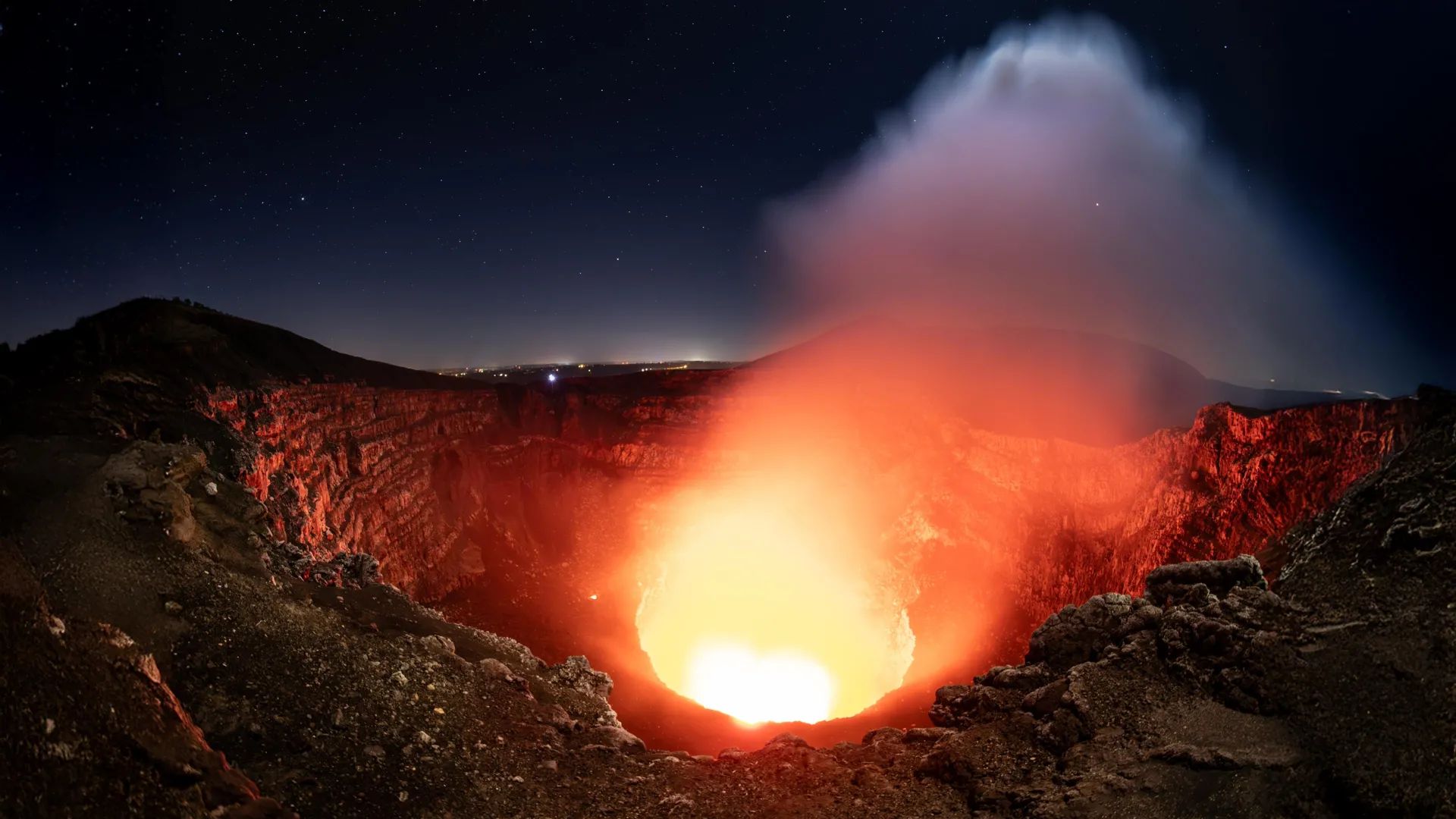
Scientists have discovered evidence of two hidden magma sources beneath Nicaragua’s Masaya volcano, where satellite observations revealed mysterious ground movements suggesting magma is shifting deep underground. The findings could improve eruption forecasting for the active volcano, which sits near 2 million people and attracts tourists to its spectacular lava lake.

📅 2026-10-19 12:35:09    •    ScienceDaily
Read Original Article →
Scientists discover why some people still can’t taste food after COVID-19
Science News

Scientists discover why some people still can’t taste food after COVID-19

Scientists have uncovered a possible explanation for why some people struggle to taste food more than a year after recovering from COVID-19. By examining taste buds from patients with lingering symptoms, researchers discovered molecular abnormalities that weaken the signals responsible for detecting sweet, bitter, and savory flavors.

📅 2026-10-19 12:03:02    •    ScienceDaily
Read Original Article →

Romans may have set fire to Celtic town during conquest to 'humiliate' the enemy, archaeologists find
Science News

Romans may have set fire to Celtic town during conquest to 'humiliate' the enemy, archaeologists find

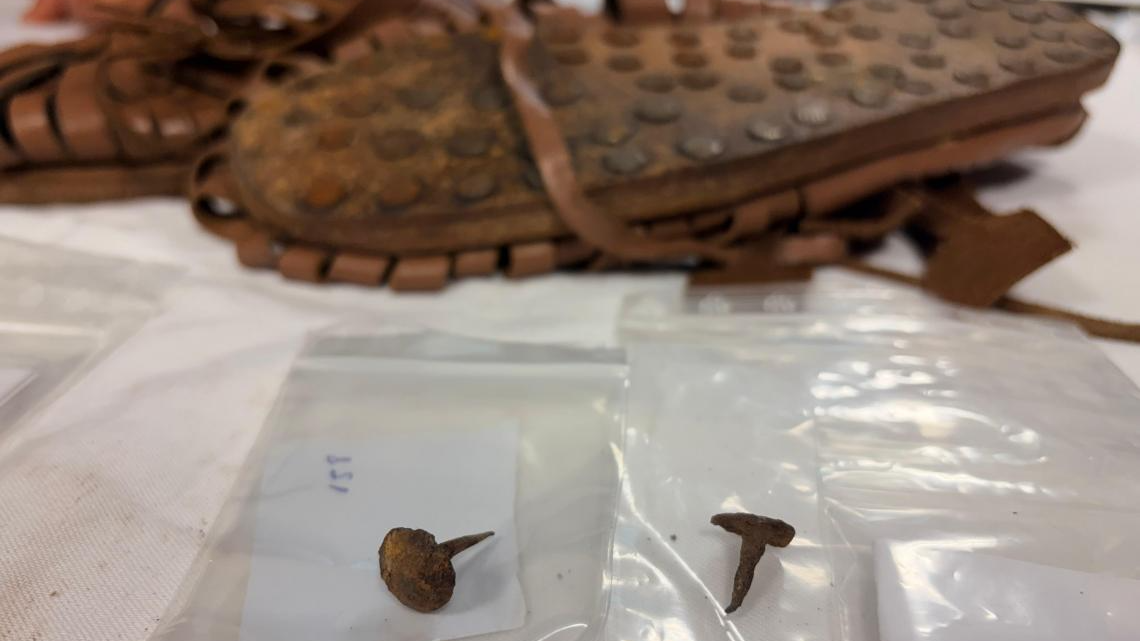
Archaeologists have unearthed a Roman military camp in Spain, where they found fragments of weapons and metal tacks from soldiers' shoes. The camp was used during the Cantabrian Wars fought by Emperor Augustus as he expanded the Roman Empire in the first century B.C.The fortified military camp is made up of an earthen platform roughly 39 feet (12 meters) wide, which is surrounded by a stone perimeter wall about 5 feet (1.5 m) thick, according to a translated statement. Uncovered during excavations earlier this year, the camp is situated about one-third of a mile (500 m) from where an Iron Age settlement was once inhabited by the Cantabri people, a group of Celtic tribes that lived among the ...

📅 2026-10-19 12:00:00    •    Live Science
Read Original Article →
Just 3,000 steps a day may help slow Alzheimer's, scientists find
Science News

Just 3,000 steps a day may help slow Alzheimer's, scientists find

Walking just 3,000 steps a day could help slow Alzheimer’s-related brain changes, according to new research. Scientists discovered that physical activity was linked to less buildup of harmful tau proteins and nearly half the cognitive and functional decline, even in people already showing early signs of the disease. The strongest benefits appeared at 5,000 to 7,500 daily steps, suggesting that the popular 10,000-step goal may not be necessary.

📅 2026-10-19 11:23:26    •    ScienceDaily
Read Original Article →
A simple touch can bring dying corals back to life in just 7 weeks
Science News

A simple touch can bring dying corals back to life in just 7 weeks

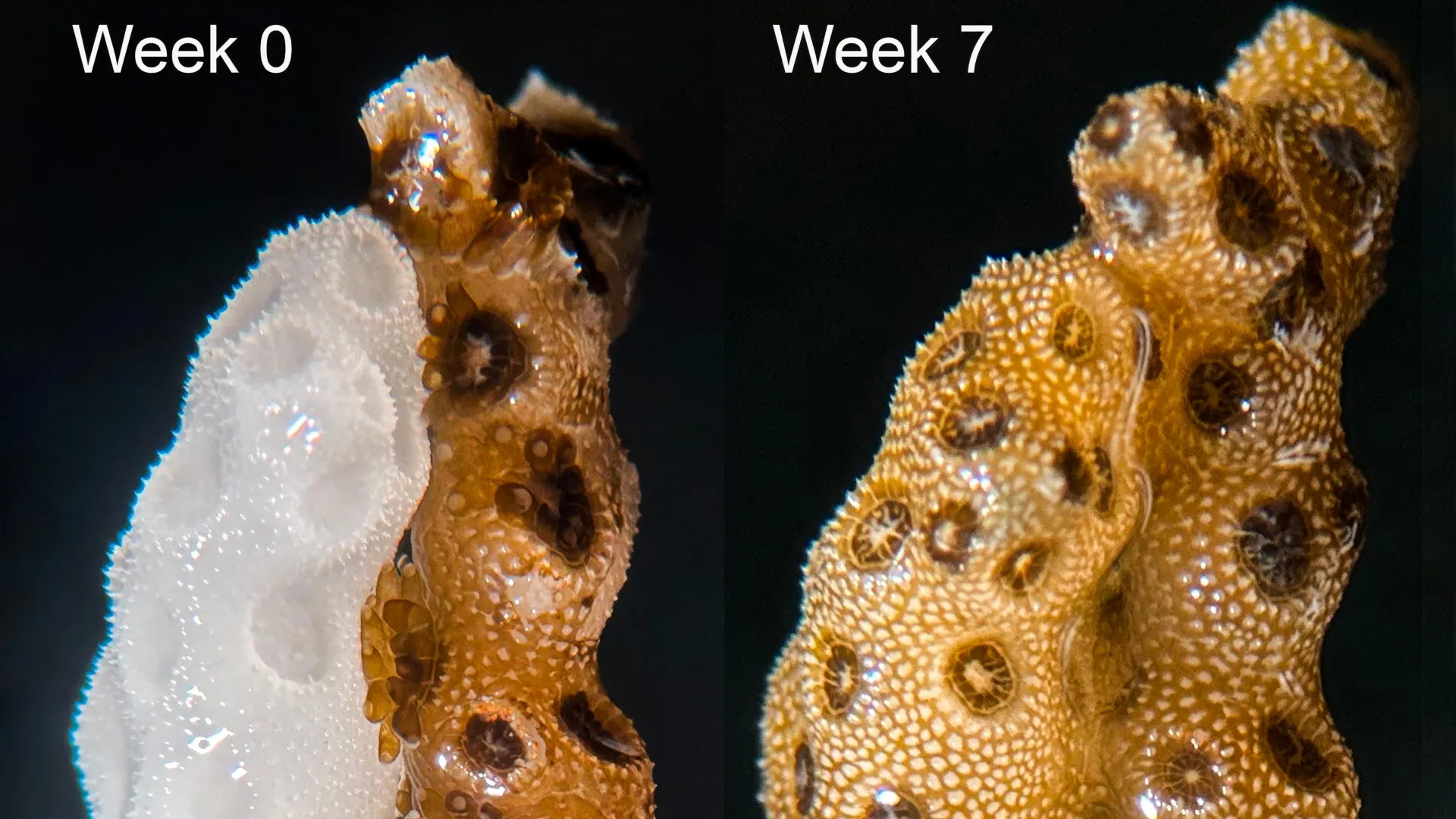
Scientists have discovered that severely bleached corals can make a remarkable comeback simply by touching healthy, genetically identical corals. In laboratory experiments, dying corals regained their color and fully recovered within seven weeks, with as little as five days of contact sometimes enough to start the healing process.

📅 2026-10-19 11:05:52    •    ScienceDaily
Read Original Article →

Astronomers discover a ghostly green star unlike any known before
Science News

Astronomers discover a ghostly green star unlike any known before

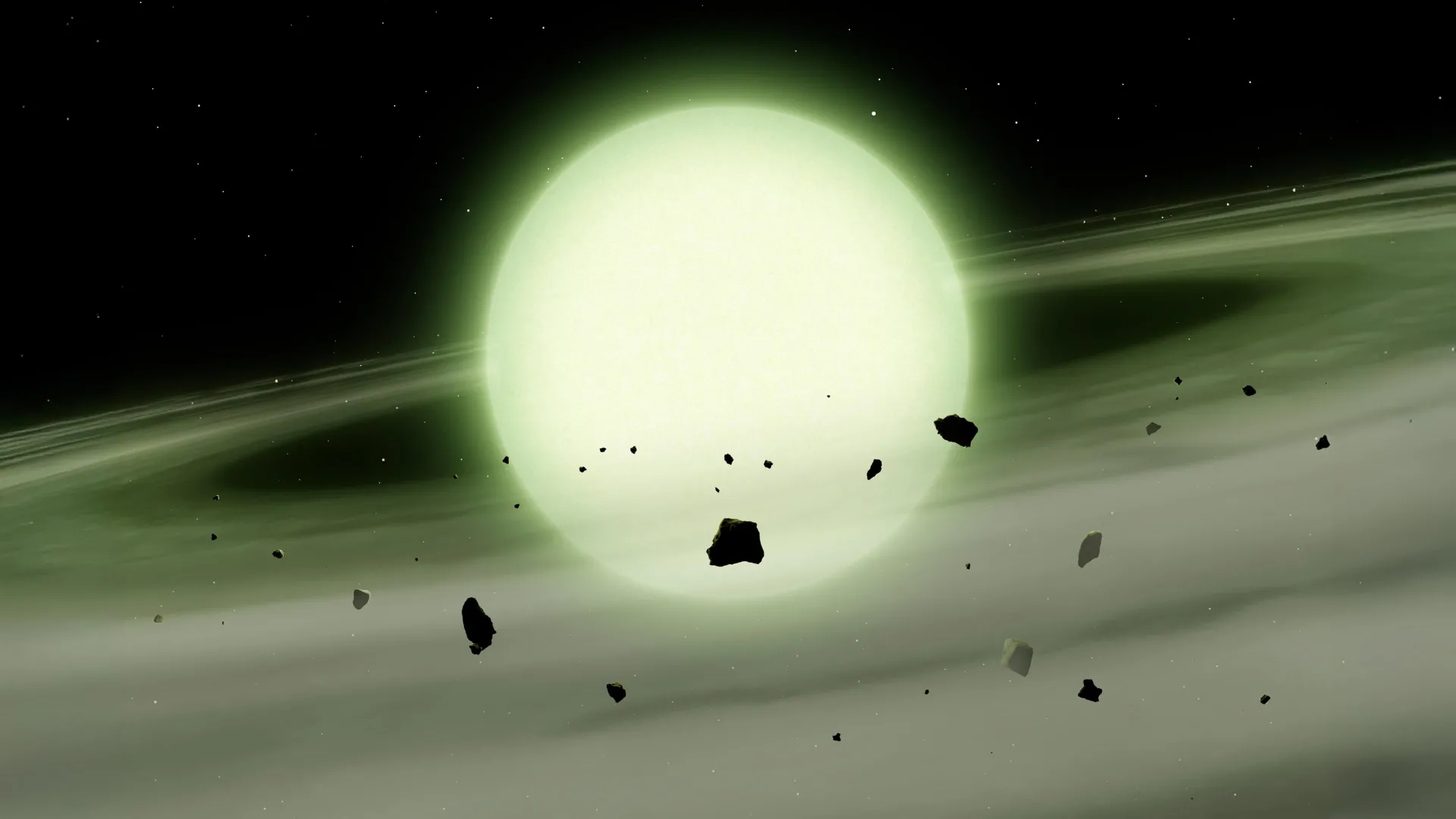
Astronomers have uncovered a surprising rainbow of dead stars, including the first known star that would appear genuinely green to human eyes. Researchers found that white dwarfs can glow in unexpected shades of pink, purple, yellow, and cyan because of unusual chemical interactions in their extremely dense atmospheres.

📅 2026-10-19 10:26:03    •    ScienceDaily
Read Original Article →
'Birdman' copper plate: A 700-year-old depiction of a Native American warrior that may be a woman holding a weapon and a severed head
Science News

'Birdman' copper plate: A 700-year-old depiction of a Native American warrior that may be a woman holding a weapon and a severed head

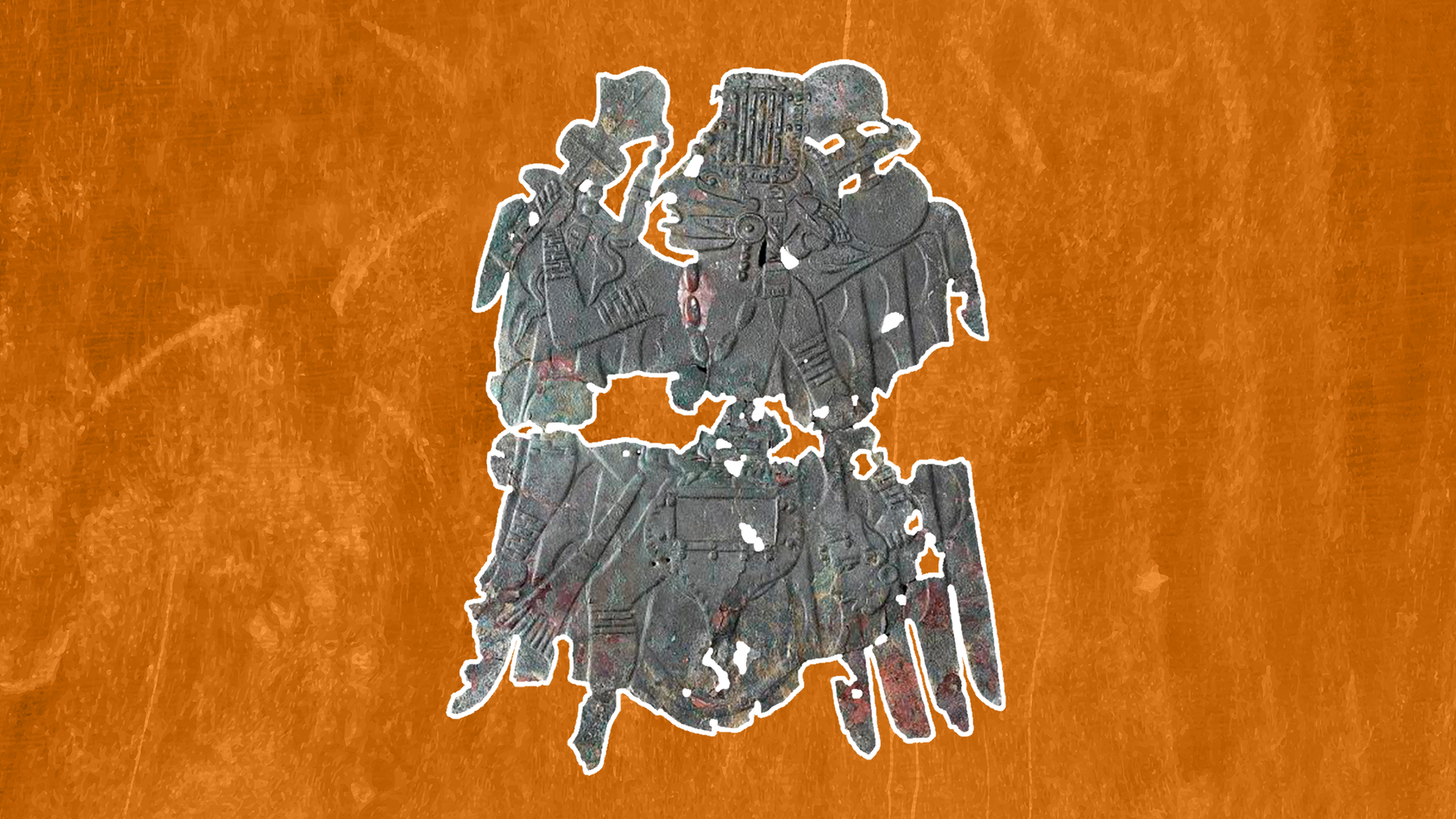
This hammered copper artifact depicts an Indigenous person wearing a bird costume and holding a severed head and a mace. (Image credit: Smithsonian National Museum of Natural History (CC0))QUICK FACTSName: "Birdman" copper plateWhat it is: A copper plate with a hammered decorationWhere it is from: Cahokia Mounds, IllinoisWhen it was made: 13th centuryThis copper plate was discovered in the late 19th century in a prehistoric Native American burial at the Etowah Indian Mounds archaeological site in Georgia, but it was likely made hundreds of miles away at Cahokia Mounds in Illinois. While the decorative plate showcases long-distance trade and a shared ritual culture among early Indigenous grou...

📅 2026-10-19 10:00:00    •    Live Science
Read Original Article →
Page 22of 171   •   4,090articles