What can minerals tell us about Earthβs past? This geologist is finding out
Smithsonian geologist Gabriela Farfan studies corals, gemstones and other minerals for clues to changing oceans and environments.
Stay informed about scientific discoveries, research developments and new findings from around the world.
Smithsonian geologist Gabriela Farfan studies corals, gemstones and other minerals for clues to changing oceans and environments.
Sometimes, while people are interacting with each other, their movements and physiological responses can fall into step. Some past studies have linked synchronized bodily responses to cooperation and being attuned to the emotions of others.
A surgeon has told New Scientist they have performed a transplant on someone with a complete spinal cord injury using a piece of spinal cord from a brain-dead donor, but researchers have raised concerns
The patient: A 29-year-old man in IndiaThe symptoms: The man, a fighter pilot in the Indian Air Force, went to a civilian neurologist after having persistent headaches for 18 months. The headaches would occur approximately two to three times per month, starting in the late afternoon and lasting up to three days. Sleep did not improve his symptoms. The pain was typically greater on the right side of his head, but he would often feel pain on the left side as well. The pilot also reported that just before a headache, he would experience a "sense of lousiness," his doctors wrote in a report of the case. Sometimes, the pain was so intense that the man was unable to take part in scheduled flights....
Scientific American spoke to the candidate for Massachusettsβs fourth congressional district about climate change, misinformation and why, when it comes to health care, some socialism may be required
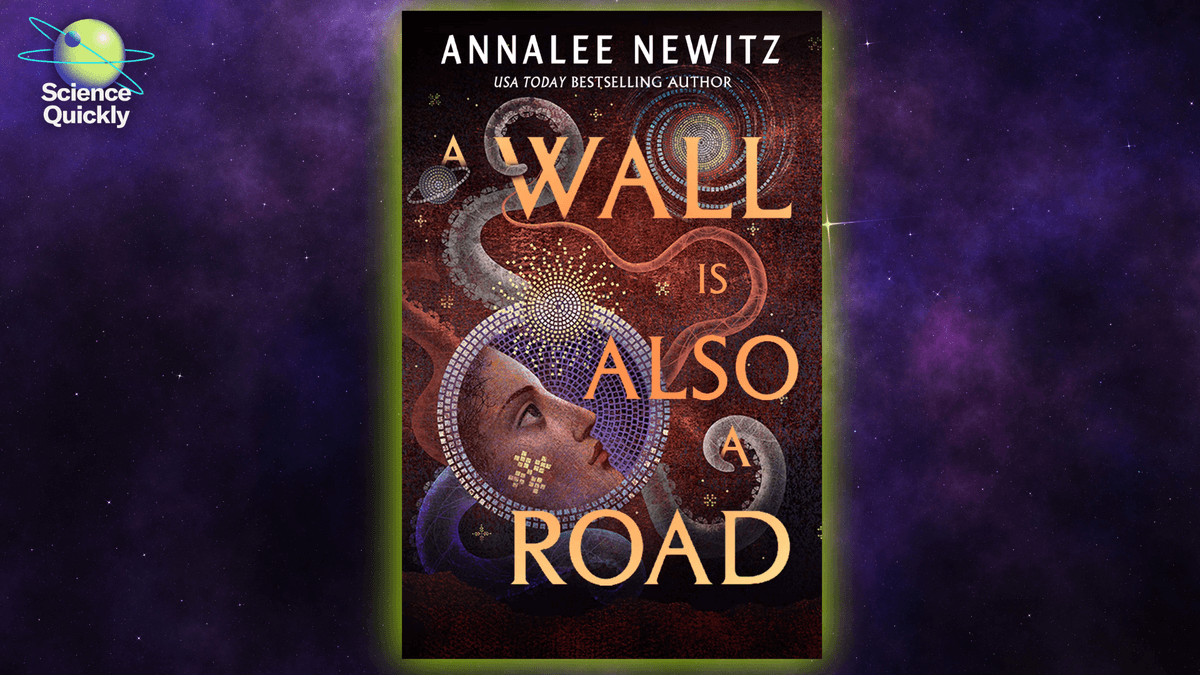
Slime mold aliens explore Pompeiiβand humanityβin a new book by Annalee Newitz
A new Penn State study suggests that just four minutes of daily strength training can significantly improve mobility and physical function in older adults. After 12 weeks, participants showed meaningful gains in balance, leg strength, and their ability to stand up from a chair, all important factors for maintaining independence and reducing fall risk.
South Korean authorities began a new attempt Wednesday to coax a shark-turned-viral sensation back to sea, with falling temperatures in the Busan canal where it is stranded raising concerns for its survival.
NASAβs Perseverance rover has shattered a historic space exploration record, traveling farther across another world than any vehicle before it. Its advanced self-driving system helped it surpass Opportunityβs 28.06-mile record in just five and a half years, a feat that previously took nearly 15. Now, Perseverance is exploring some of the oldest rocks in the solar system, searching for clues about ancient Martian environments that may once have supported life.
A rare wild pepper endemic to Madagascar and prized by international chefs is facing an uncertain future, a victim of its own success and the destruction of its forest habitat.
In the early 1980s, scientists observed an anomaly. Embedded within cell membranes, they identified ion channels with extraordinarily high conductance. These so-called "BK" (Big K, or Big Potassium) channels had roughly 10 times the unitary conductance (i.e., conductance per individual channel molecule) of other potassium channels, enabling much more efficient, rapid transport of potassium ions. And while later structural characterization explained how this happened, no one could understand why. That is, until now.
Researchers at Uppsala University have adapted Cell Painting, a widely used imaging method in drug discovery, to look at individual cells inside small 3D clusters of cancer cells. Two drugs that looked almost identical in ordinary flat cell cultures behaved differently in 3D, and the team linked the difference to how each drug switches on the cell's p53 stress response.
For thousands of years, Indigenous peoples have passed down their traditions and culture through oral storytelling. Now, a Canadian Indigenous community is using a data center to help preserve its heritage.
SpaceX reported a bigger quarterly profit than expected Tuesday as its satellite communications operations and its business of leasing computing power to other companies boomed.
Research in New Phytologist reveals a gene that regulates tea plants' flavor and cold tolerance, providing insights on how to expand the potential for better-tasting tea to be grown in a wider variety of locations.
As part of U.S. welfare reforms in the 1990s to provide adequate financial support to low-income families while avoiding disincentivizing work, policymakers expanded the Earned Income Tax Credit (EITC). This change encouraged people to work more by giving greater benefits with greater earned income, and single mothers faced stronger incentives to enter the workforce than married mothers.
The best-case scenario now is that the planet will only temporarily breach 1.5Β°C of warming, but current climate pledges fall way short of that hope
A decades-long mystery beneath the North Sea has finally been solved. Scientists have confirmed that the Silverpit Crater, buried 700 meters below the seabed, was created when a 160-meter-wide asteroid struck Earth roughly 43 to 46 million years ago. The violent collision blasted a towering curtain of rock and water 1.5 kilometers into the air and triggered a tsunami more than 100 meters high.
The 67th Supplement to the American Ornithological Society's (AOS's) Check-list of North American Birds, which was published today in Ornithology, includes several significant updates to the classification of bird species found in North America, Central America and the Caribbean.
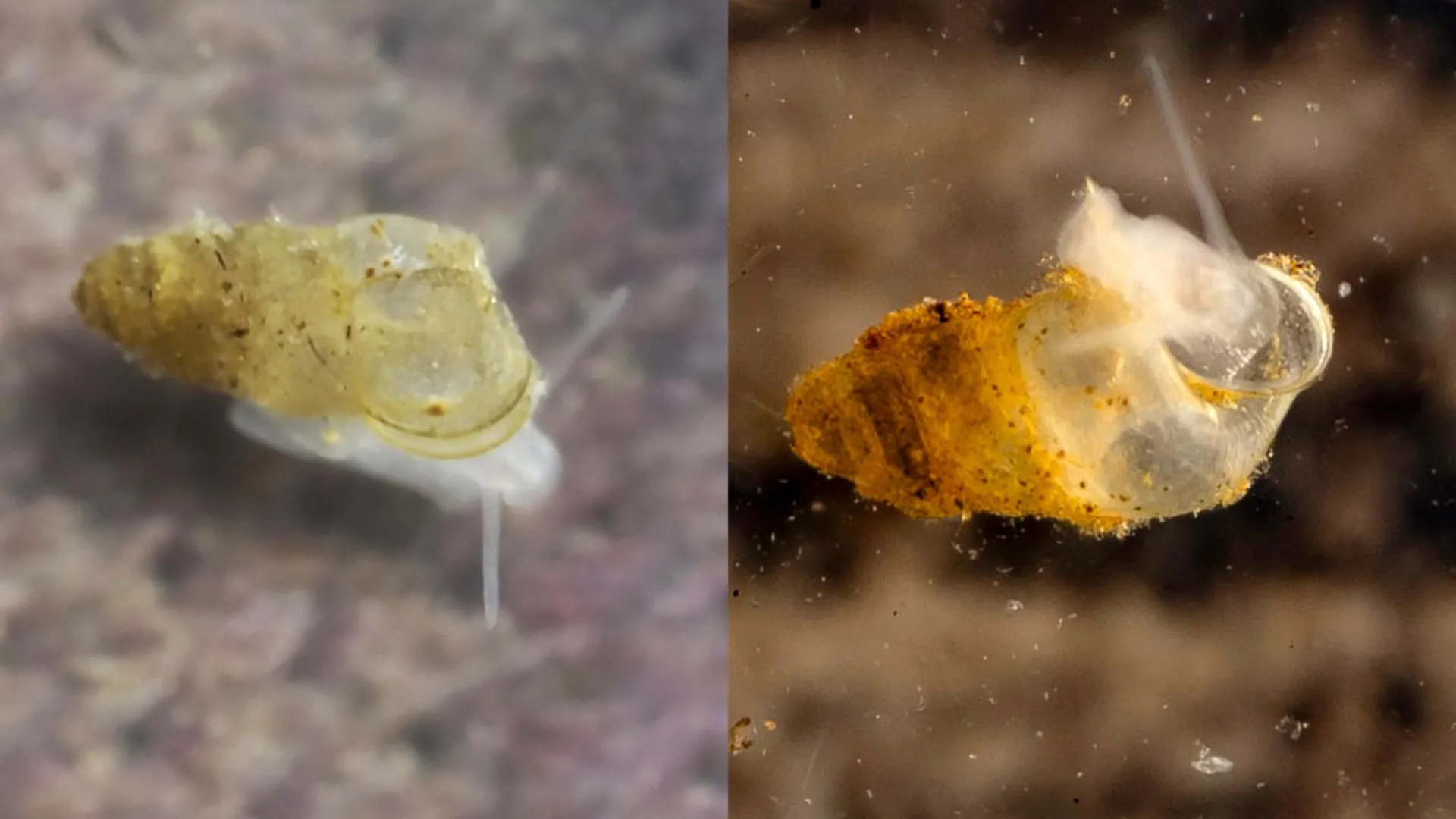
Deep inside a high-altitude Chinese cave, scientists discovered a ghostly, eyeless freshwater snail that has evolved to live entirely in darkness, marking the first recorded discovery of its kind in China. Named after a faceless mythical creature, the rare species may already be in danger, with researchers finding only three living adults.
All neutron stars have intense magnetic fields. The typical magnetic field of a neutron star is about 100,000 times stronger than the strongest magnetic fields we can create on Earth. But about 1% of neutron stars have even stronger magnetic fields. Known as magnetars, their magnetic fields can be 1,000 times stronger than a regular magnetic field. They are a likely cause of powerful transient events such as soft gamma-ray repeaters and fast radio bursts. A new study looks at how magnetars might form. The findings are published on the arXiv preprint server.
Public and private investments must address the financial barriers preventing women from benefiting fully from digital technologies and artificial intelligence as multiple global crises and aid cuts bite.
With the midterms fast approaching, communicating just the right message has been top of mind on all sides of the political aisle.
A study by DZNE finds that healthy eating is associated with slower biological agingβand that there is more than one way to eat healthily. The researchers examined ten dietary patterns considered healthy, including the Mediterranean, Nordic, and a plant-based diet, as well as the DASH diet, which is designed to help lower blood pressure. The findings are published in the journal Nature Communications.