Latest Science & Research News

Stay informed about scientific discoveries, research developments and new findings from around the world.

Latest News

View All β†’
Millions take calcium and vitamin D for bone health. A major review finds little benefit
Science News

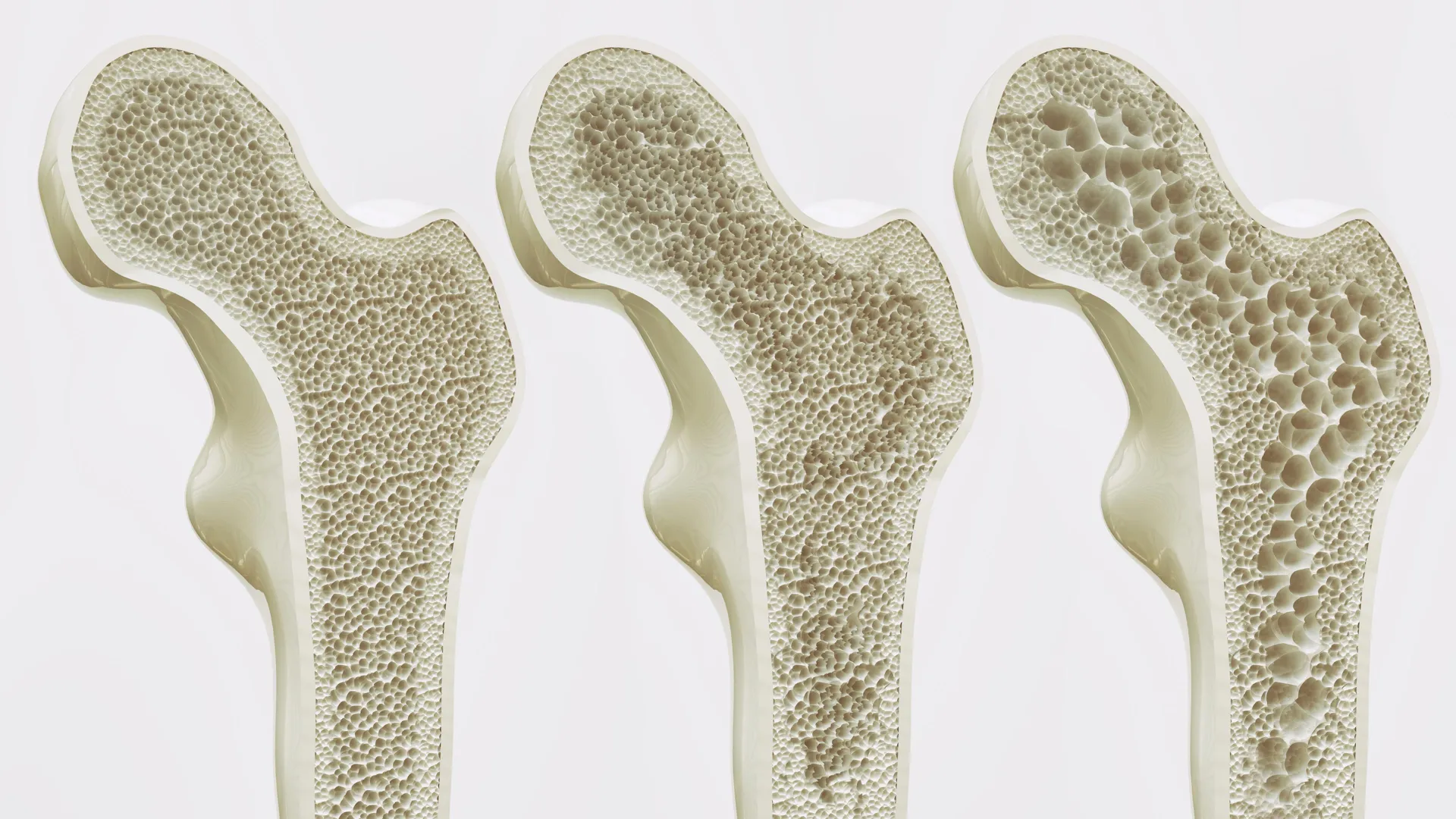
Millions take calcium and vitamin D for bone health. A major review finds little benefit

A sweeping review of more than 153,000 adults found that calcium and vitamin D supplements, alone or together, do little to prevent fractures or falls in most older people. Researchers say the findings challenge routine supplementation for prevention and point instead toward strategies such as balance and resistance exercise.

πŸ“… 2026-09-21 01:59:17    β€’    ScienceDaily
Read Original Article β†’
British food was complex, multicultural and flavorful in the 18th centuryβ€”despite what you might think
Science News

British food was complex, multicultural and flavorful in the 18th centuryβ€”despite what you might think

The stereotype of bland British food is notorious, and people mock the horrors of jellied eels and overcooked vegetables. Even roast beef and pudding are seen as uninspired compared with the cuisines of other nations. But British food is and has historically been complex, multicultural and flavorful.

πŸ“… 2026-09-21 00:30:04    β€’    Phys.org
Read Original Article β†’
'Nothing short of a minor miracle': 'Rusty treasure' found in the Danube is full of 2,200-year-old iron bars that could equip an entire army with weapons
Science News

'Nothing short of a minor miracle': 'Rusty treasure' found in the Danube is full of 2,200-year-old iron bars that could equip an entire army with weapons

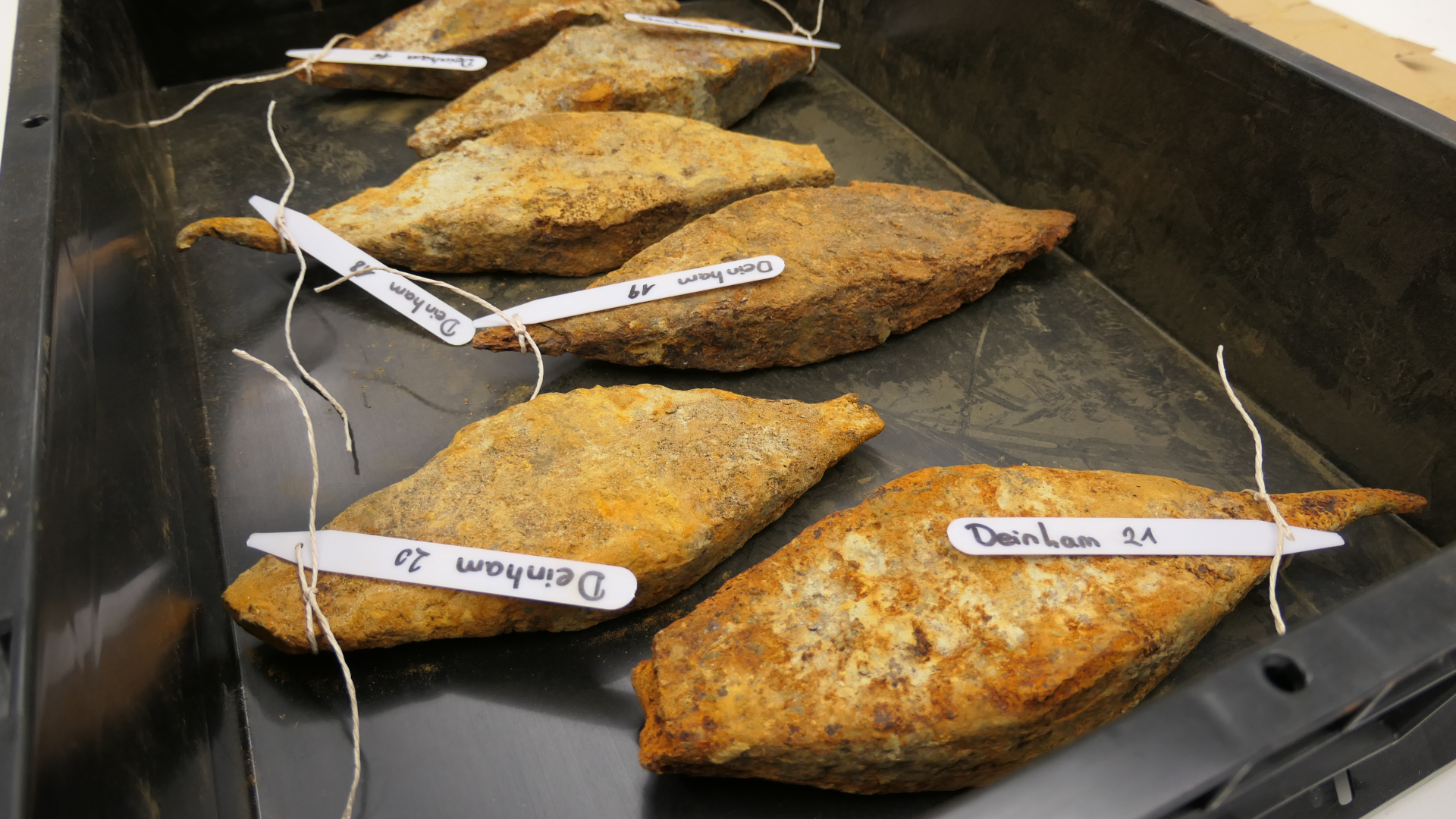
More than two millennia ago, a ship carrying a wealth of iron sank in the Danube River in what is now Austria. Archaeologists have identified the "rusty treasure" as a collection of 500 iron bars β€” the largest cache of ancient iron ever discovered in Europe and enough metal to equip an army.The assortment was discovered in 2019, when workers who were extracting gravel from the river near the village of Deinham spotted a few unusual double-pointed iron objects and reported them to the Austrian monument authority. "It is nothing short of a minor miracle that the largest mass find of prehistoric iron bars in Europe did not end up at scrap dealers," Peter Trebsche, an archaeologist at the Univer...

πŸ“… 2026-09-20 23:01:00    β€’    Live Science
Read Original Article β†’
Cooling liquids reveal self-limiting particle clusters behind glass transition
Science News

Cooling liquids reveal self-limiting particle clusters behind glass transition

Before diving into the mystery of glass, theoretical physicist Corentin Laudicina takes us back to high school physics for a moment. Although he has spent years studying exactly what happens in a material during the glass transition, he also understands that his research is not the easiest thing to explain off the cuff at the cafeteria table.

πŸ“… 2026-09-20 21:30:01    β€’    Phys.org
Read Original Article β†’
Tiny beach-dwelling crustaceans are big-time sand movers, shaping the California coast
Science News

Tiny beach-dwelling crustaceans are big-time sand movers, shaping the California coast

Stand on the damp sand on a California beach and chances are you're standing on top of an active earthworks site. Sand hoppers (Megalorchestia spp.), the tiny, shrimp-like creatures commonly found eating away at kelp on the shore, have been found to move massive amounts of sand, excavating up to 50 kg (110 pounds) of sand per meter (3.3 feet) of shoreline per day.

πŸ“… 2026-09-20 20:20:01    β€’    Phys.org
Read Original Article β†’
To understand the solar cycle, notice how the sun sleeps
Science News

To understand the solar cycle, notice how the sun sleeps

The sun is such a constant in our lives that it can be difficult to imagine our star ever changing. But the sun can be quite variable. There are times when its magnetic field is turbulent and generates many sunspots and other times when it is quiet and dormant. Since the 1800s, we've known that these active and passive periods follow an 11-year pattern known as the solar cycle. But even after centuries of observation, we still have a difficult time predicting exactly when solar maximum will occur and just how intense it will be. This is important because solar activity can have a significant impact on our modern technological infrastructure.

πŸ“… 2026-09-20 17:20:01    β€’    Phys.org
Read Original Article β†’
Longitudinal survey finds little evidence that social tech predicts life satisfaction in adults
Science News

Longitudinal survey finds little evidence that social tech predicts life satisfaction in adults

Social technologies, digital tools that allow people to communicate and share content with each other online, have become a central way of communicating for many people worldwide. Yet the possible effects of these technologies on the well-being and life satisfaction of regular users are still widely debated.

πŸ“… 2026-09-20 14:00:01    β€’    Phys.org
Read Original Article β†’
8 common food additives linked to high blood pressure and heart disease
Science News

8 common food additives linked to high blood pressure and heart disease

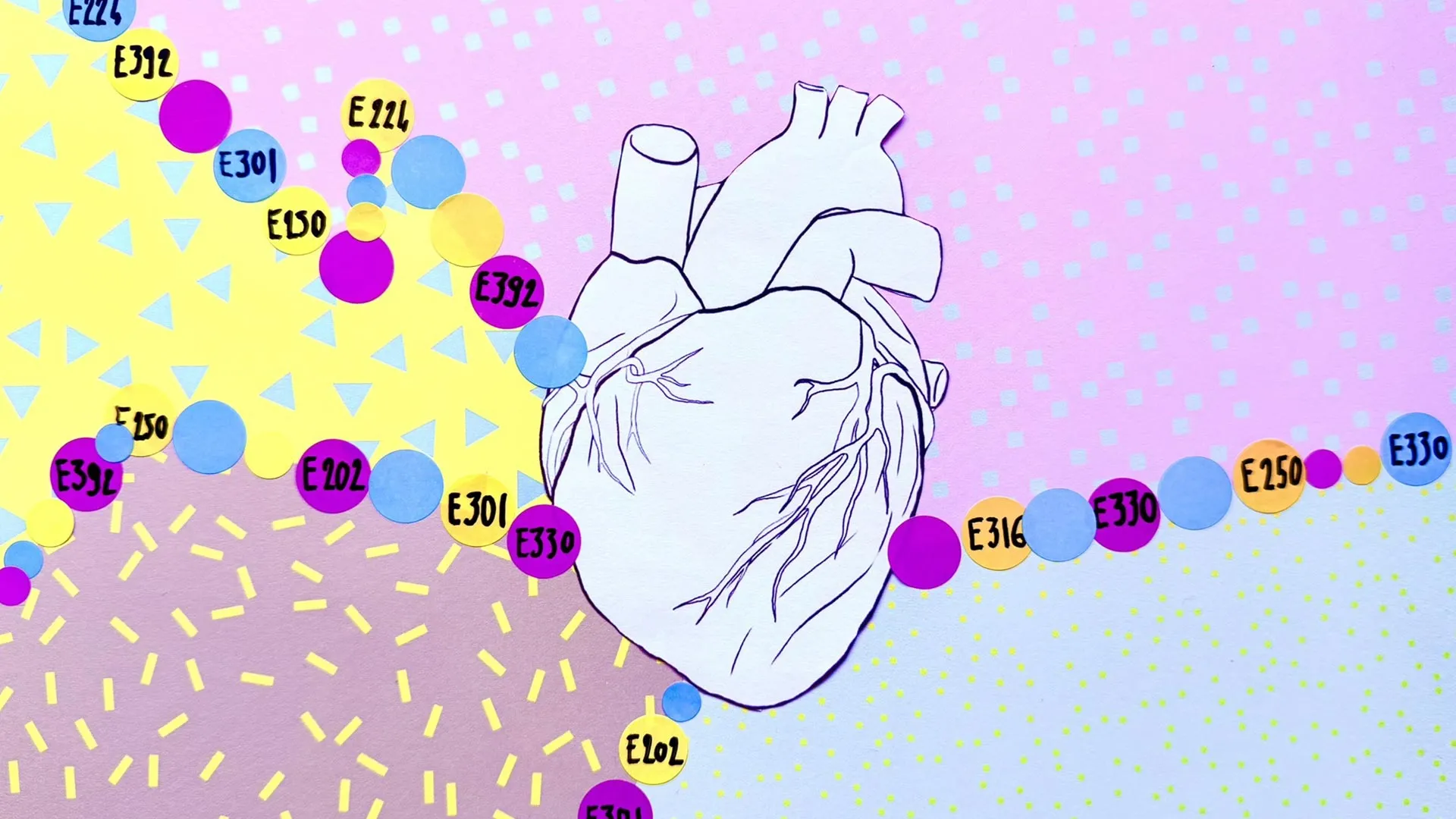
Common preservatives hiding in processed foods may carry unexpected heart risks, with heavy consumption linked to substantially higher rates of high blood pressure and cardiovascular disease. Researchers identified eight widely used preservatives associated with hypertension, although the observational study cannot prove they were directly responsible.

πŸ“… 2026-09-20 12:43:41    β€’    ScienceDaily
Read Original Article β†’
Scientists may have solved a 2,000-year-old Dead Sea Scrolls mystery
Science News

Scientists may have solved a 2,000-year-old Dead Sea Scrolls mystery

Researchers may have solved a long-running mystery surrounding the Dead Sea Scrolls by proposing that the Qumran sect really did use its distinctive 364-day calendar. Its perfectly ordered 52-week system kept holidays on the same weekdays, but it slowly drifted out of sync with the seasons because it was shorter than the true solar year.

πŸ“… 2026-09-20 11:58:13    β€’    ScienceDaily
Read Original Article β†’
New nanoparticles make hidden chemical differences light up
Science News

New nanoparticles make hidden chemical differences light up

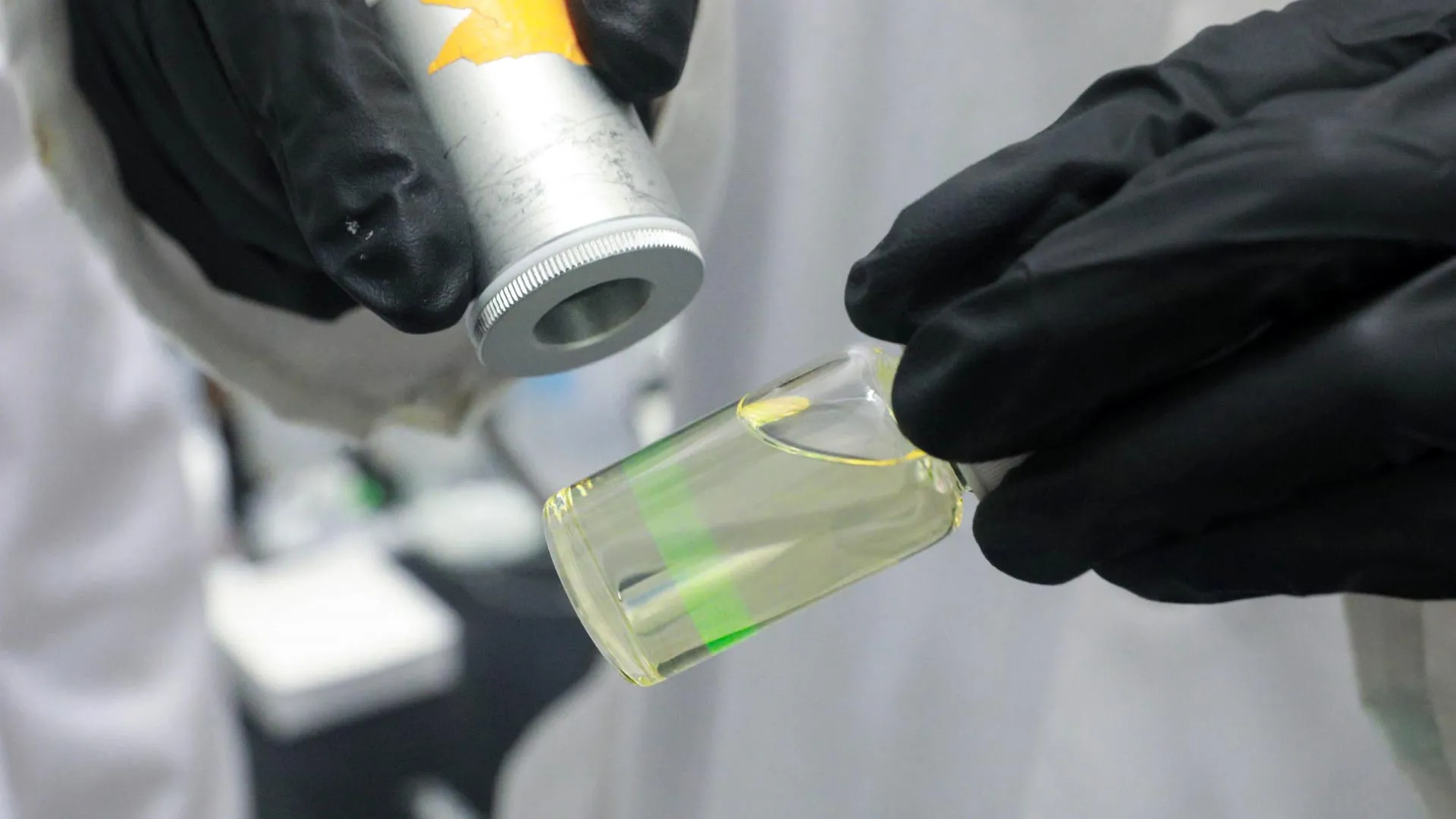
Scientists have developed ultra-bright nanoparticles that can detect tiny amounts of chemicals and distinguish between molecules that look almost identical. The technology could one day provide a cheaper way to catch dangerous drug impurities or trace pollutants using simple low-cost lasers.

πŸ“… 2026-09-20 11:35:28    β€’    ScienceDaily
Read Original Article β†’
Scientists opened a sealed envelope after 10 years. Gravity still didn’t make sense
Science News

Scientists opened a sealed envelope after 10 years. Gravity still didn’t make sense

A decade-long NIST experiment has produced a new measurement of the universal gravitational constant that differs unexpectedly from another leading result, deepening a 225-year-old physics puzzle. The discrepancy is tiny, but for one of nature’s most fundamental constants, it is large enough to keep scientists wondering whether hidden experimental errors or something more surprising is involved.

πŸ“… 2026-09-20 10:30:31    β€’    ScienceDaily
Read Original Article β†’
'On our way to groundbreaking science': Stars turn neon-green in first test image from NASA's Roman telescope
Science News

'On our way to groundbreaking science': Stars turn neon-green in first test image from NASA's Roman telescope

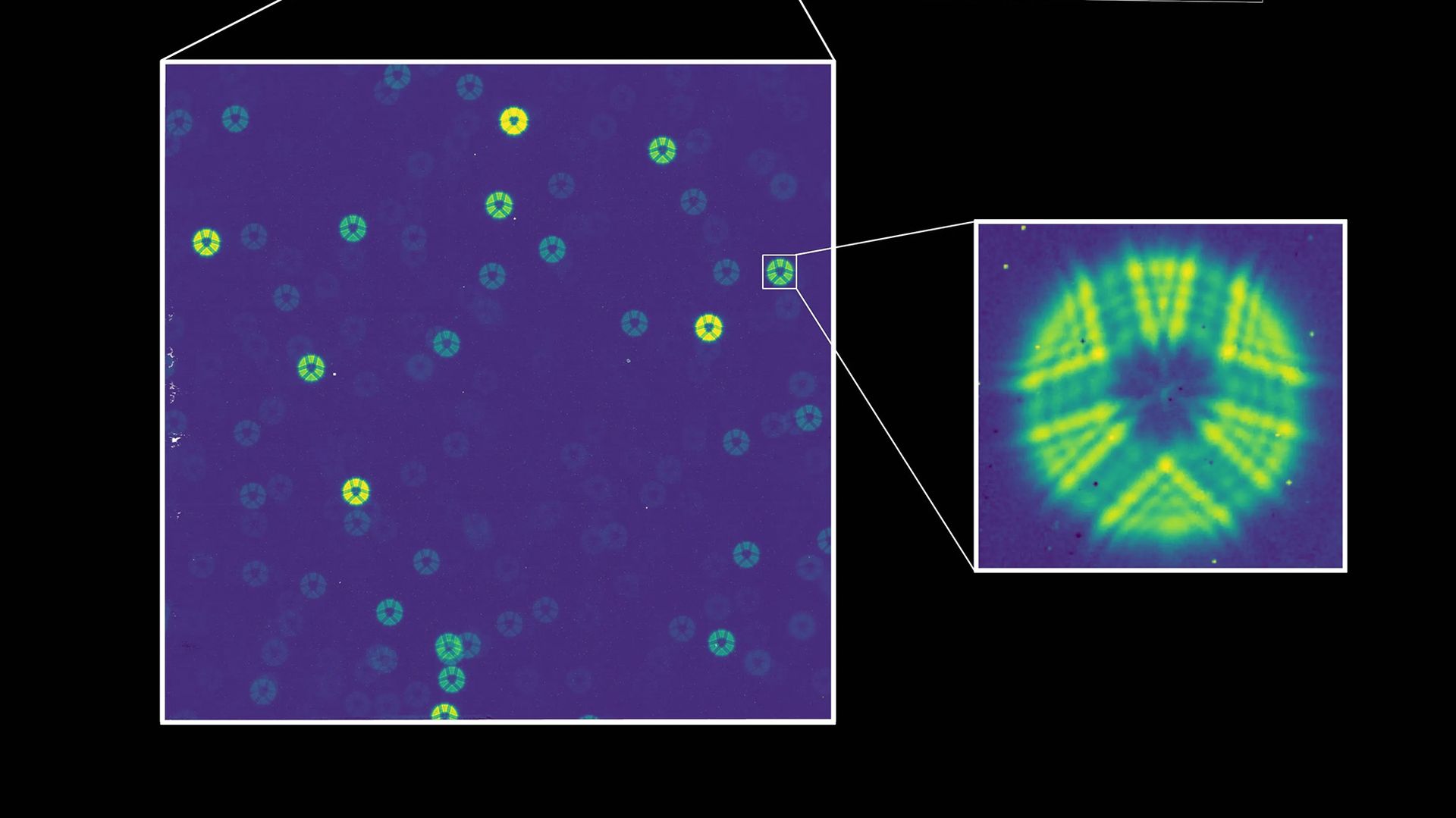
Roman's first test image shows hundreds of stars as green rings of light. After a few more months of tuning, it will capture images as crisp as Hubble's but 100 times bigger. (Image credit: NASA's Goddard Space Flight Center, Tyler Desjardins (STScI))Quick factsWhat it is: Hundreds of stars, captured in the Nancy Grace Roman Space Telescope's first test imageWhere it is: An unknown section of spaceWhen it was shared: Sept. 15, 2026Imagine opening your eyes for the first time and seeing that the sky is full of green doughnuts.This was the view that greeted NASA's Nancy Grace Roman Space Telescope, which just activated its powerful, 300-megapixel infrared camera for the first time. The telesco...

πŸ“… 2026-09-20 10:00:00    β€’    Live Science
Read Original Article β†’
Did the Vikings really shoot fiery arrows at funeral boats?
Science News

Did the Vikings really shoot fiery arrows at funeral boats?

In movies and TV shows, it's a popular motif: A dead Viking is placed on a boat, and it drifts slowly out to sea; from land, an archer shoots a fiery arrow that falls onto the boat and engulfs it in flames.It's been seen in the 1958 movie "The Vikings," the History Channel show "Vikings" and fantasy series such as "Game of Thrones." But did the Vikings actually do this?To find out, we asked experts whether there is any archaeological or historical evidence to support the idea.Archaeological evidenceSign up for our newsletterSign up for our weekly Life's Little Mysteries newsletter to get the latest mysteries before they appear online.Our sources noted that a burial like this would leave litt...

πŸ“… 2026-09-20 09:00:00    β€’    Live Science
Read Original Article β†’
Ancient DNA reveals how plague kept returning for 400 years after the Black Death
Science News

Ancient DNA reveals how plague kept returning for 400 years after the Black Death

Ancient DNA reveals that plague repeatedly returned to Europe for more than 400 years after the Black Death, evolving into new lineages and spreading through trade, migration, and war. Researchers also developed a method to date ancient plague genomes more precisely, linking many of them to specific outbreaks recorded in historical sources.

πŸ“… 2026-09-20 06:46:18    β€’    ScienceDaily
Read Original Article β†’
A 66-million-year-old tooth reveals T. rex was nearly as warm as a human
Science News

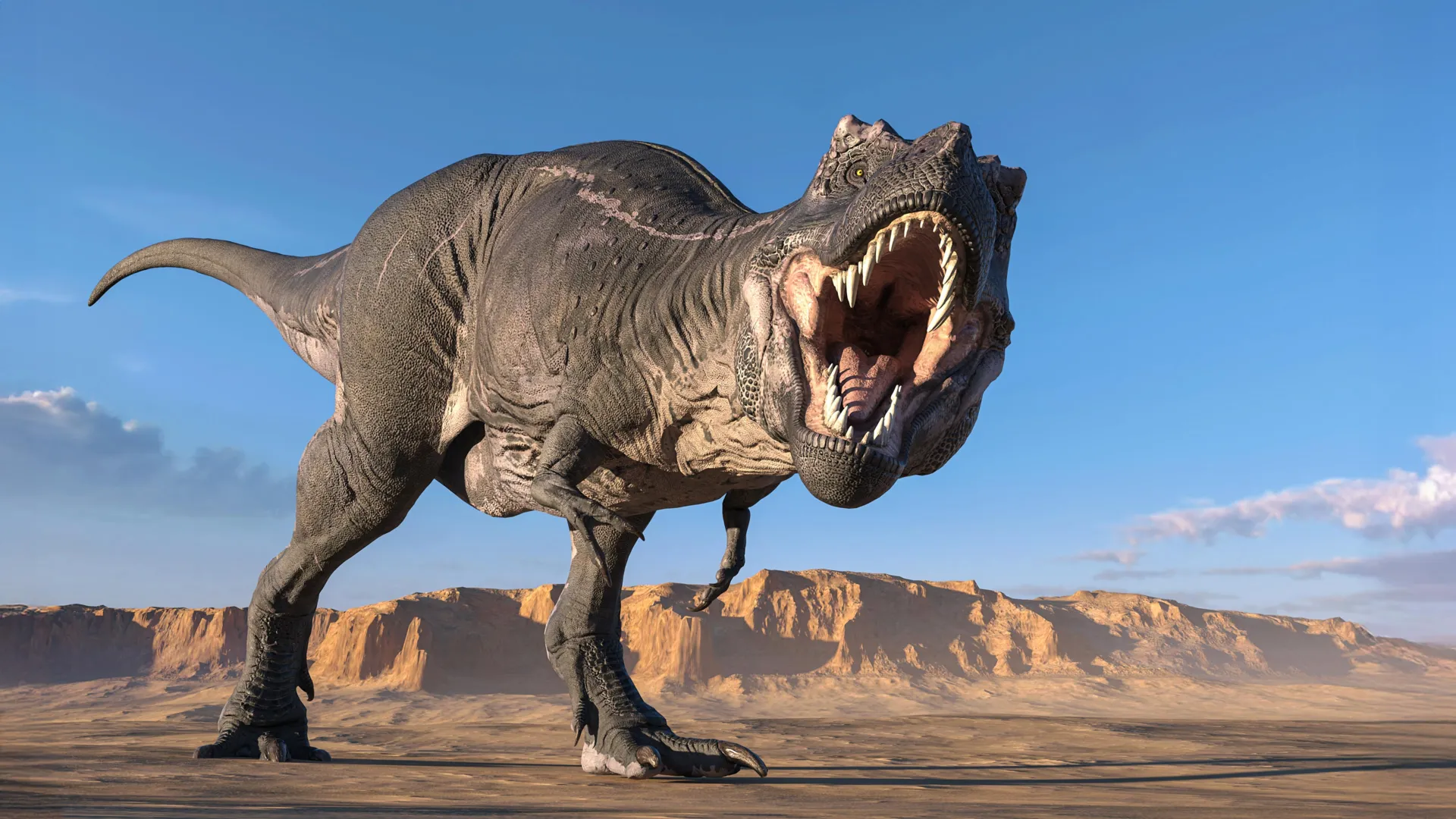
A 66-million-year-old tooth reveals T. rex was nearly as warm as a human

Chemical clues preserved inside fossilized T. rex teeth reveal that the dinosaur maintained a body temperature of about 97 degrees Fahrenheit, almost identical to humans. The finding provides direct evidence that the giant predator was warm-blooded, helping explain how it stayed active and survived in chilly environments as far north as Alaska.

πŸ“… 2026-09-20 05:56:26    β€’    ScienceDaily
Read Original Article β†’
Page 105of 174   β€’   4,166articles