Latest Science & Research News

Stay informed about scientific discoveries, research developments and new findings from around the world.

Latest News

View All →
Carter Stubbs named Institute auditor
Research Institutions

Carter Stubbs named Institute auditor

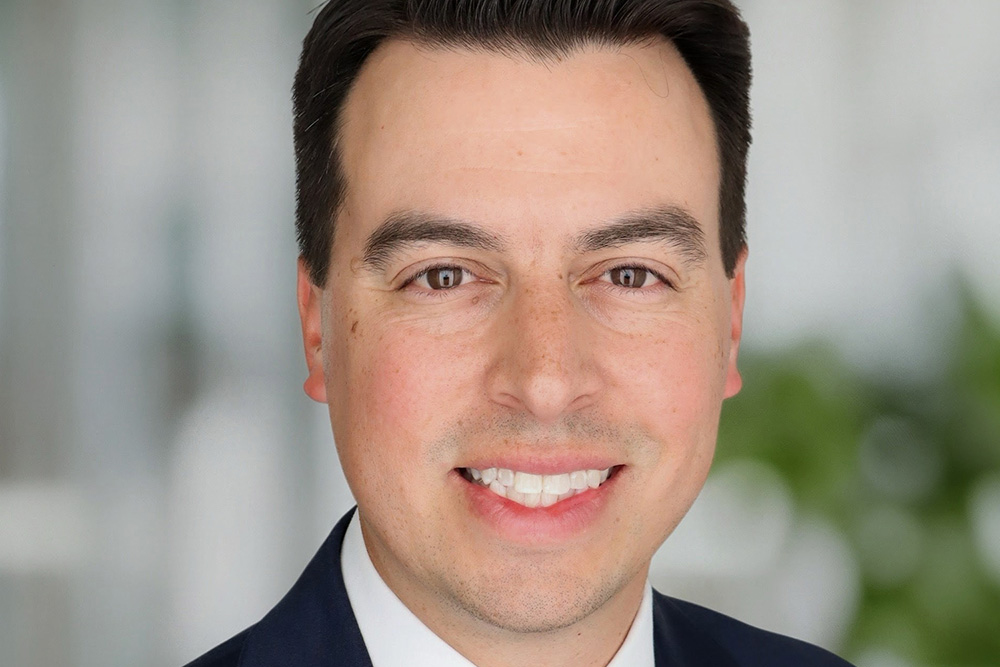
Carter Stubbs has been appointed MIT’s Institute auditor, effective Nov. 2. Stubbs, who currently serves as audit assistant director for IT Audit and Advisory Services, has been a member of the MIT community for more than 11 years and brings deep institutional knowledge, highly salient management experience, and a forward-looking vision to the role. Stubbs will succeed Michael Moody, who has served as Institute auditor for 12 years and will retire from MIT in October. Executive Vice President and Treasurer Glen Shor announced the news today in a letter to MIT’s Academic Council.“Carter stood out in a competitive field of candidates thanks to his impressive audit and IT expertise, collaborati...

📅 2026-09-21 17:00:00    •    MIT News
Read Original Article →
Southern Taurid meteor shower begins ‪—‬ how to spot blazing 'fireballs' from now till November
Science News

Southern Taurid meteor shower begins ‪—‬ how to spot blazing 'fireballs' from now till November

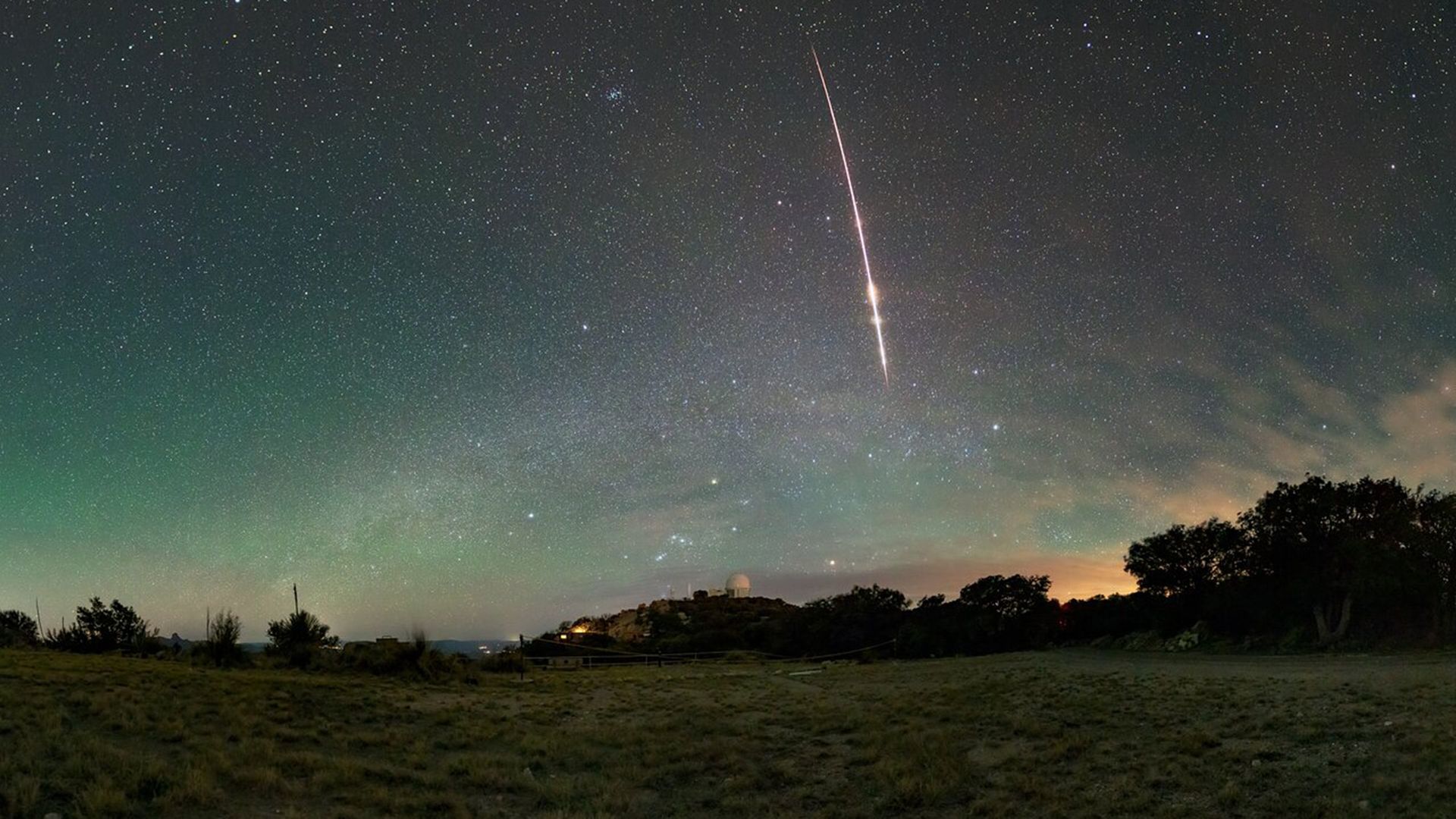
One of the longest-running meteor showers of the year began on Sunday (Sept. 20), as the Southern Taurids start sending occasional "shooting stars" — and, potentially, spectacular fireballs — across the night sky.The Southern Taurid meteor shower runs from Sept. 20 through Nov. 20, peaking overnight on both Oct. 13-14 and Nov. 4-5, according to the American Meteor Society. Although only about five to 10 meteors per hour can be expected during the shower's peak, the Taurids have a reputation for producing fireballs — very bright meteors that appear as flashes while falling through the atmosphere.Patience is often rewarded with some of the most impressive meteors of the year, partly because th...

📅 2026-09-21 16:06:06    •    Live Science
Read Original Article →
Batteries that safely break down in the GI tract could improve ingestible devices
Research Institutions

Batteries that safely break down in the GI tract could improve ingestible devices

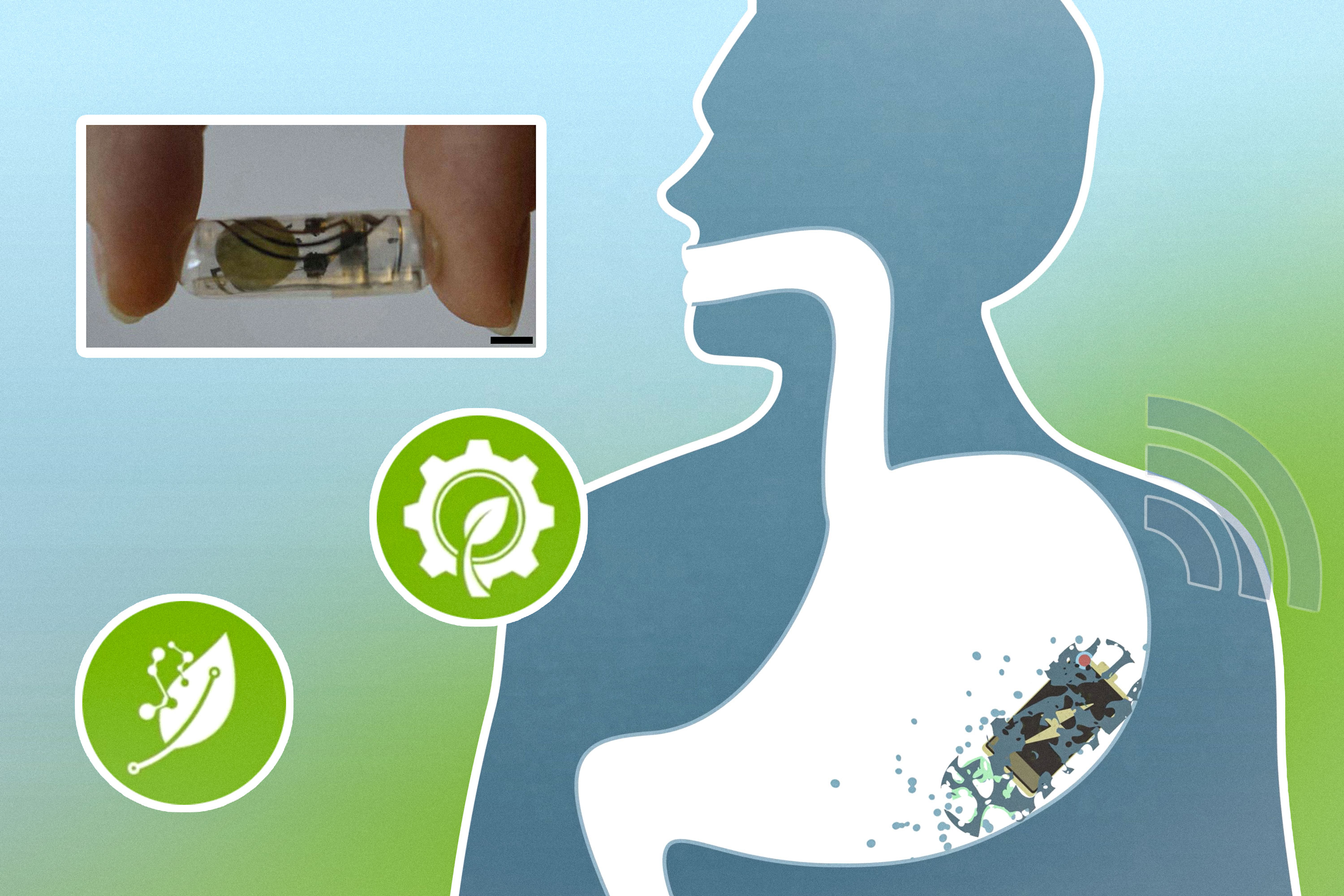
Using materials safe for human consumption, MIT researchers have created tiny batteries that could be used to power ingestible electronic devices. Such batteries could make the devices safer for patients and minimize the environmental impact of the batteries after they are excreted.In a new study, the researchers showed that the batteries, which generate 1.84 volts, could power two different types of devices: an RFID tag that can transmit from the stomach, and a capsule that produces a small electrical current that stimulates production of ghrelin, the hunger hormone.This type of battery, which contains electrodes made from magnesium and molybdenum trioxide, could also be deployed in other i...

📅 2026-09-21 15:00:00    •    MIT News
Read Original Article →
Stopping Ozempic may raise heart attack and stroke risk
Science News

Stopping Ozempic may raise heart attack and stroke risk

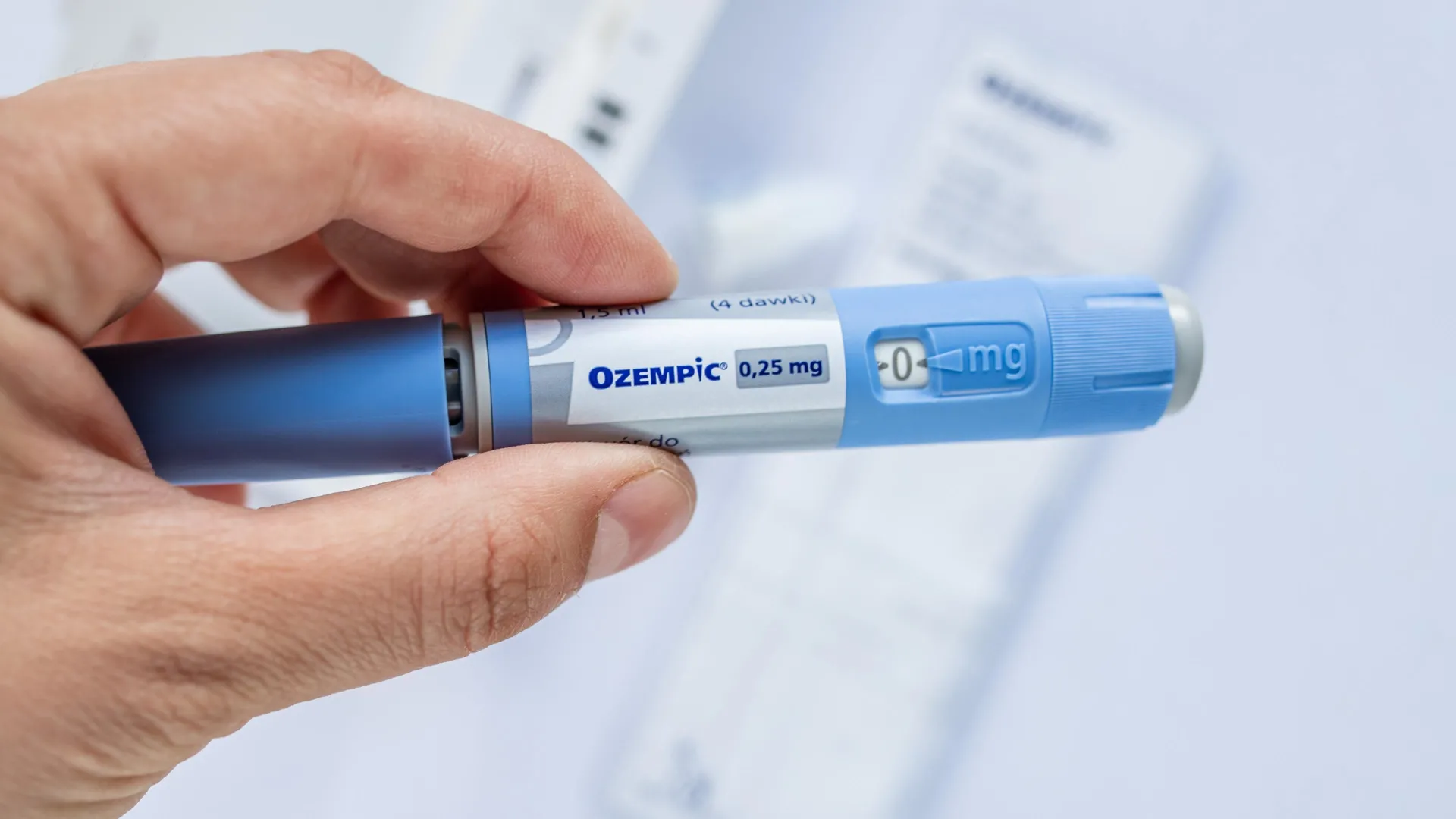
A large study suggests the cardiovascular benefits of GLP-1 drugs such as Ozempic, Wegovy, Mounjaro, and Zepbound can disappear surprisingly quickly when treatment stops. After two years off the medications, patients had a 22% higher risk of heart attack, stroke, and death compared with those who stayed on them.

📅 2026-09-21 13:35:30    •    ScienceDaily
Read Original Article →
Black holes of every size follow the same surprising rule
Science News

Black holes of every size follow the same surprising rule

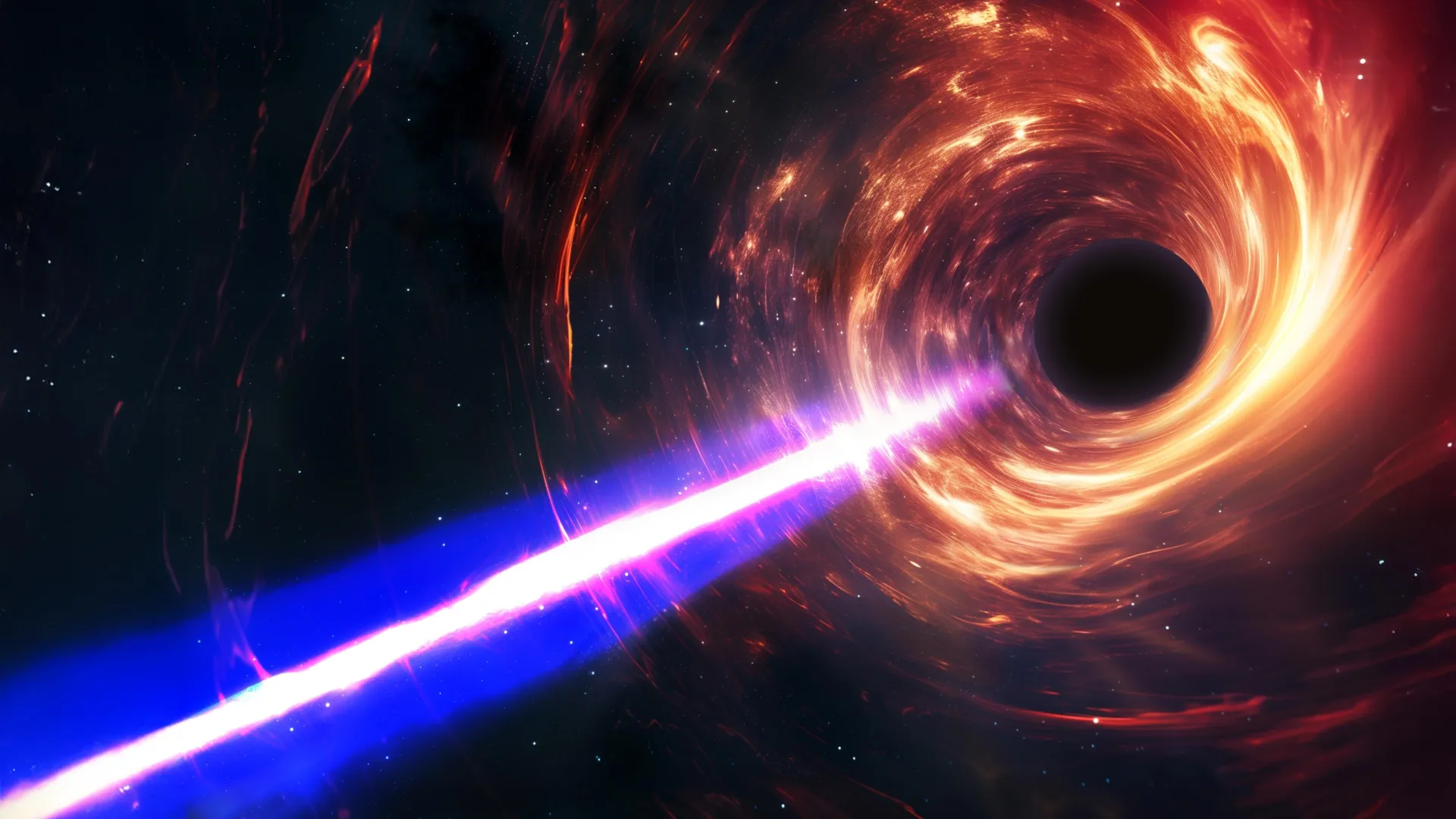
Scientists have found evidence that black holes of vastly different sizes may launch powerful jets according to the same universal rule. Supermassive black holes can produce jets soon after tearing apart a star, then fire up again hundreds or thousands of days later when their feeding rate drops to about 2% of the Eddington limit. That same threshold is known to trigger jets from much smaller black holes in the Milky Way.

📅 2026-09-21 13:23:10    •    ScienceDaily
Read Original Article →
A new process turns plastic waste into gasoline and diesel fuel
Science News

A new process turns plastic waste into gasoline and diesel fuel

Scientists at Oak Ridge National Laboratory have developed a surprisingly simple way to turn polyethylene, the common plastic used in shopping bags and cutting boards, into gasoline and diesel-like fuels. The process uses inexpensive aluminum-based molten salts to break long plastic molecules into smaller hydrocarbons, producing about 60% gasoline under relatively mild conditions.

📅 2026-09-21 13:08:40    •    ScienceDaily
Read Original Article →
NASA just powered up Roman’s massive 300-megapixel camera
Science News

NASA just powered up Roman’s massive 300-megapixel camera

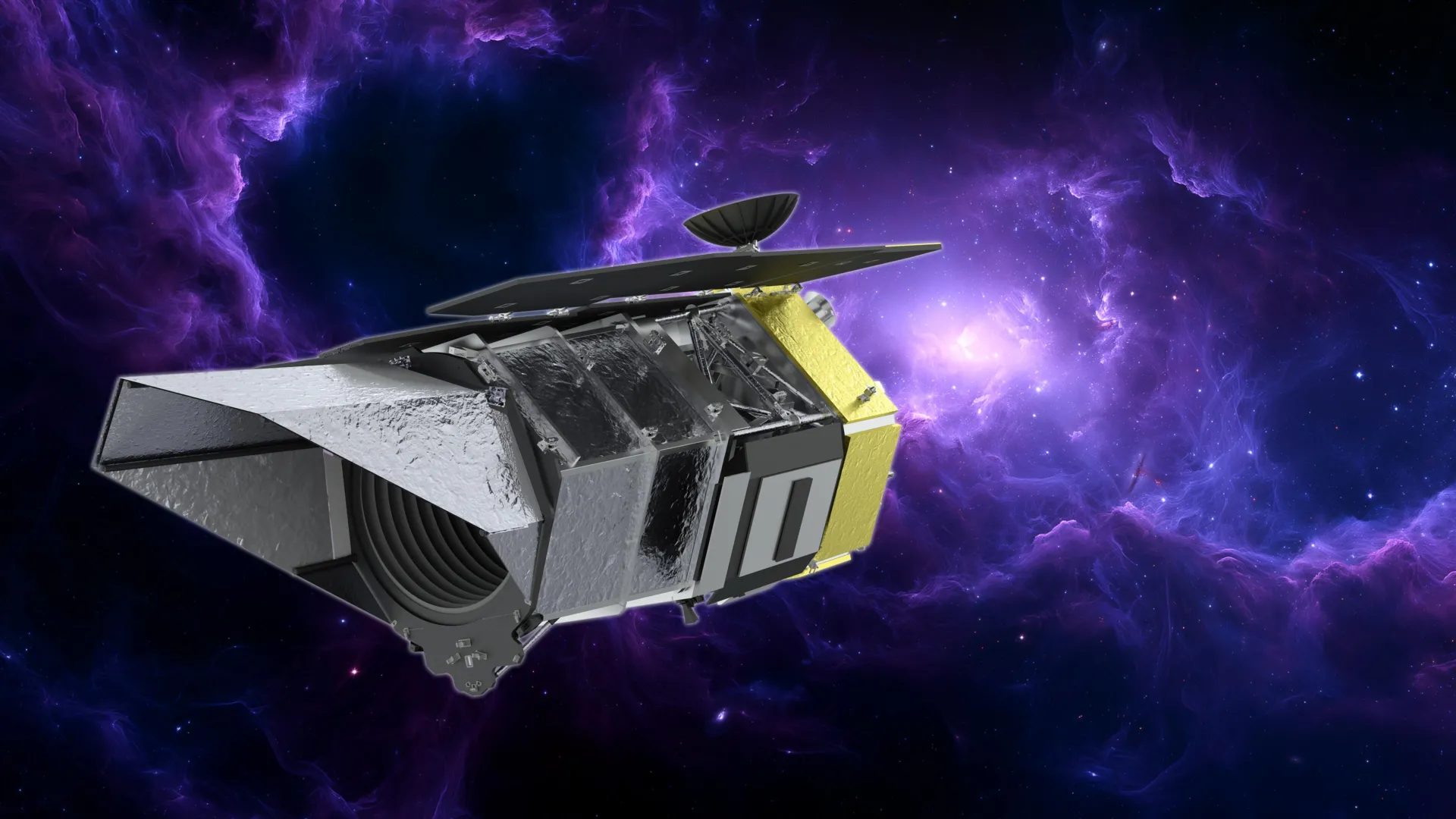
NASA’s Roman Space Telescope has successfully activated its 300-megapixel infrared camera, which will capture enormous stretches of the cosmos with Hubble-like sharpness. Its planet-hunting coronagraph is also working as expected, putting Roman another major step closer to beginning science operations in 2027.

📅 2026-09-21 12:10:58    •    ScienceDaily
Read Original Article →
Amazon study reveals the best strategies for protecting biodiversity and carbon
Science News

Amazon study reveals the best strategies for protecting biodiversity and carbon

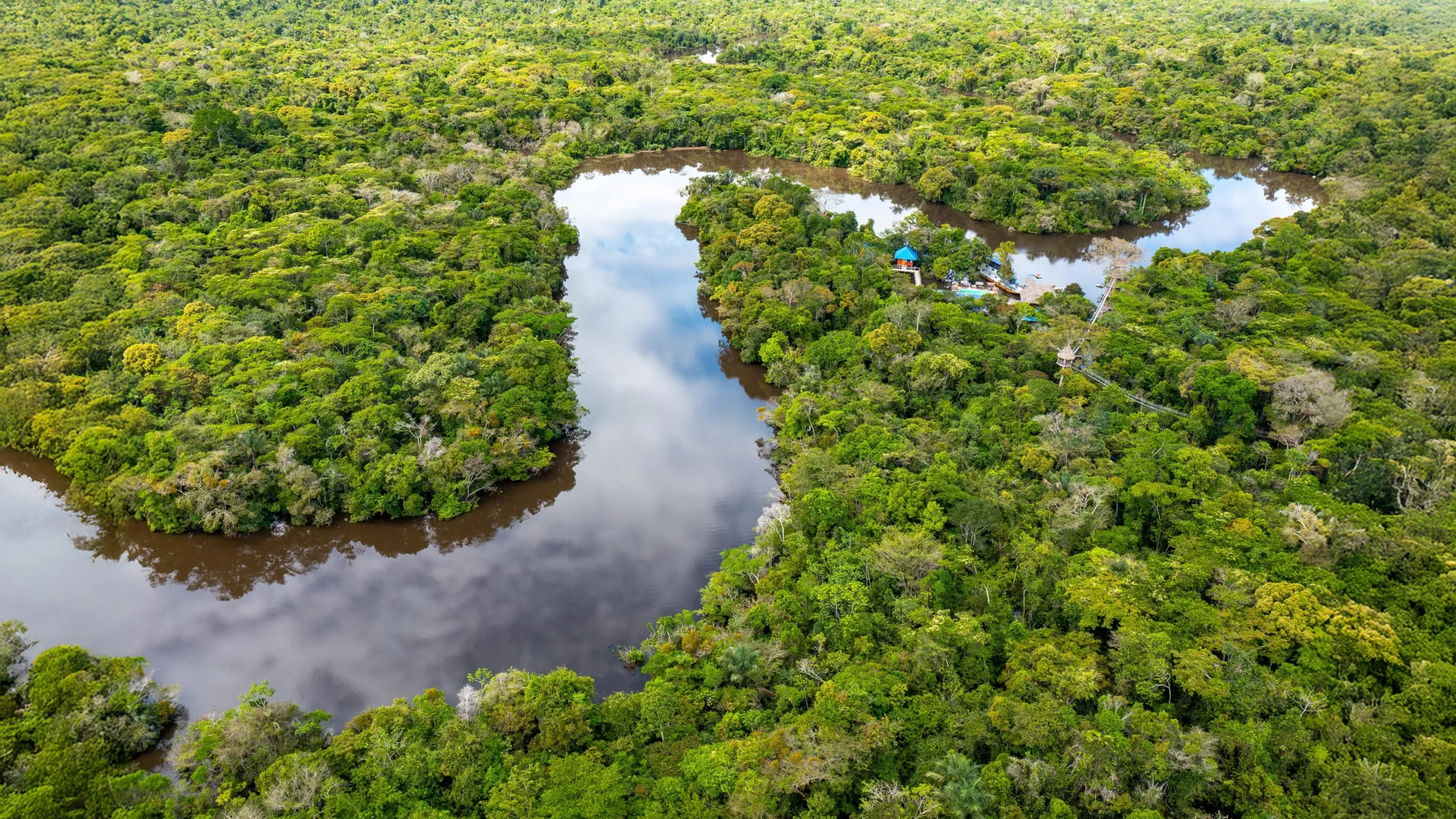
A large Amazon study suggests the most powerful conservation move may be protecting the forests that are already standing. Preventing damage from wildfires and logging delivered the greatest biodiversity benefits and nearly matched deforestation prevention for protecting carbon. Restoration remains important, particularly where forests have already been heavily cleared, but it was more expensive and less effective on its own.

📅 2026-09-21 11:54:17    •    ScienceDaily
Read Original Article →
Chronic stress may be quietly reshaping your heart
Science News

Chronic stress may be quietly reshaping your heart

Chronic inflammation tied to stress, lifestyle, mental health, and socioeconomic conditions may silently change the heart for years before any symptoms appear. People with the highest inflammation levels faced a 43% greater risk of heart attack and stroke, raising hopes that earlier testing and anti-inflammatory treatments could help prevent serious heart disease.

📅 2026-09-21 11:35:13    •    ScienceDaily
Read Original Article →
Stanford scientists discover the human brain may actually be two separate organs
Science News

Stanford scientists discover the human brain may actually be two separate organs

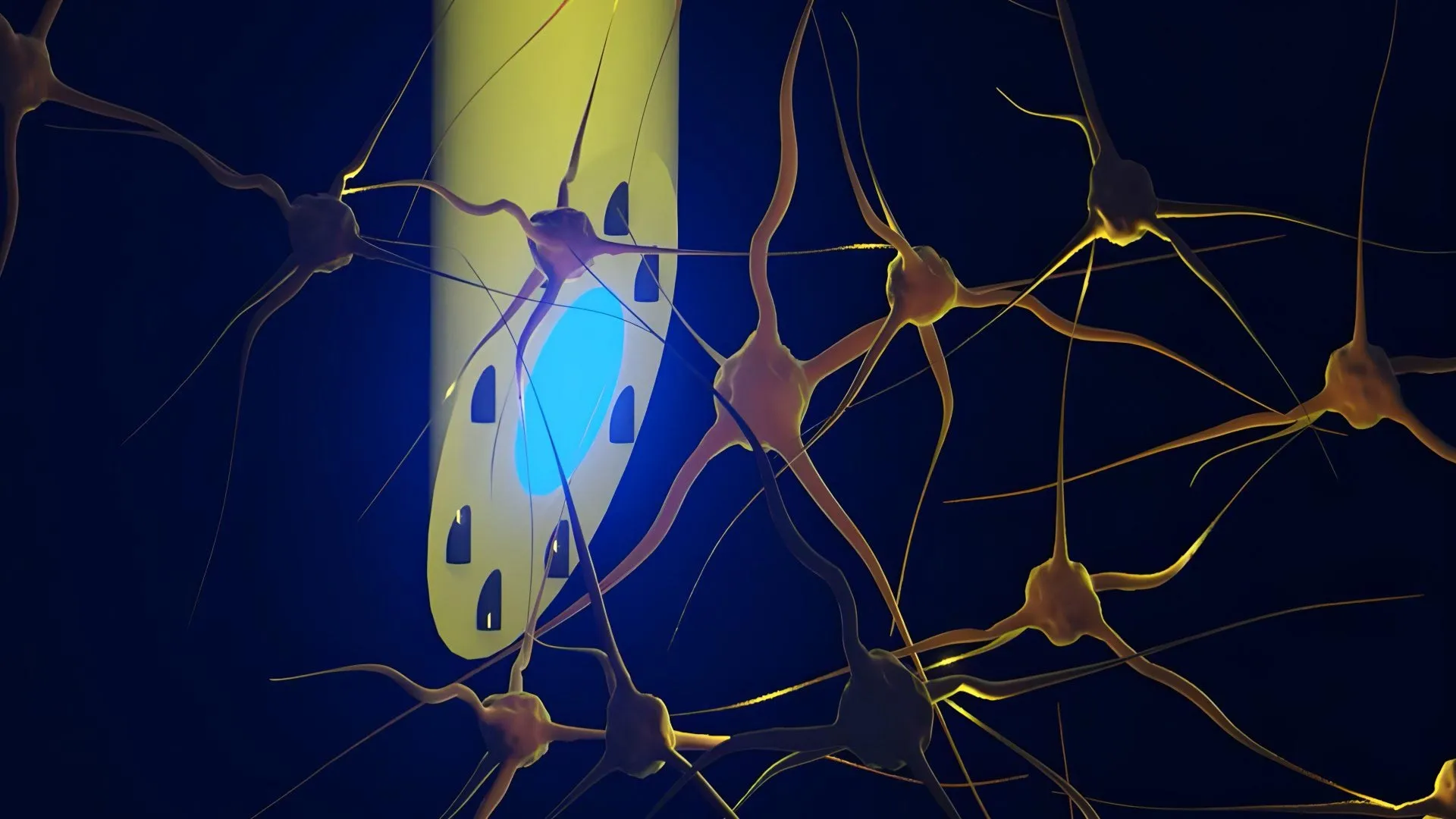
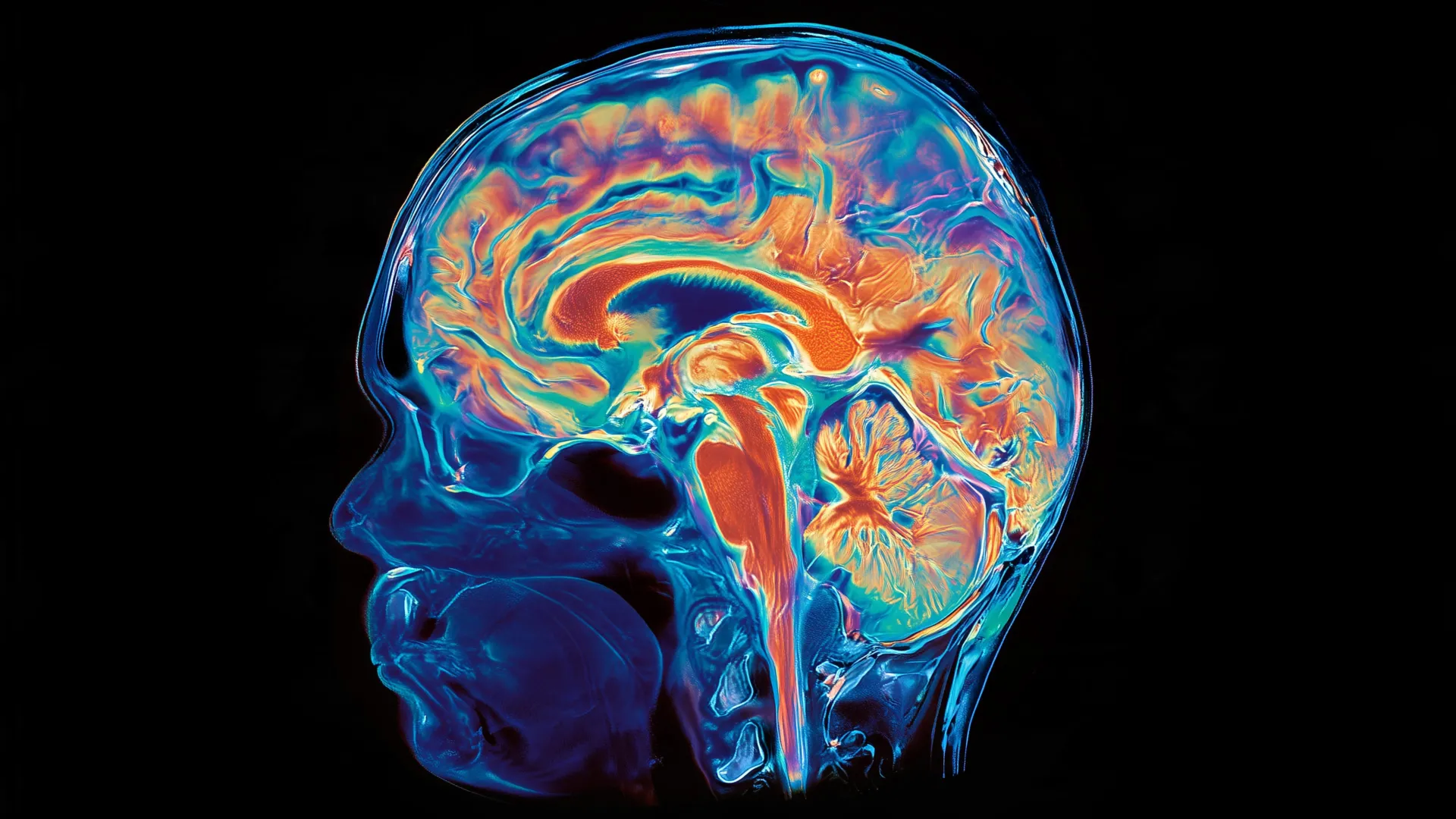
Scientists have found that the human brain develops from two distinct cellular systems, suggesting that evolution fused together two ancient nervous systems with very different jobs. The discovery also allowed researchers to grow human hindbrain neurons in the lab, opening new possibilities for studying ALS, spinal muscular atrophy, and other brainstem diseases.

📅 2026-09-21 10:12:51    •    ScienceDaily
Read Original Article →
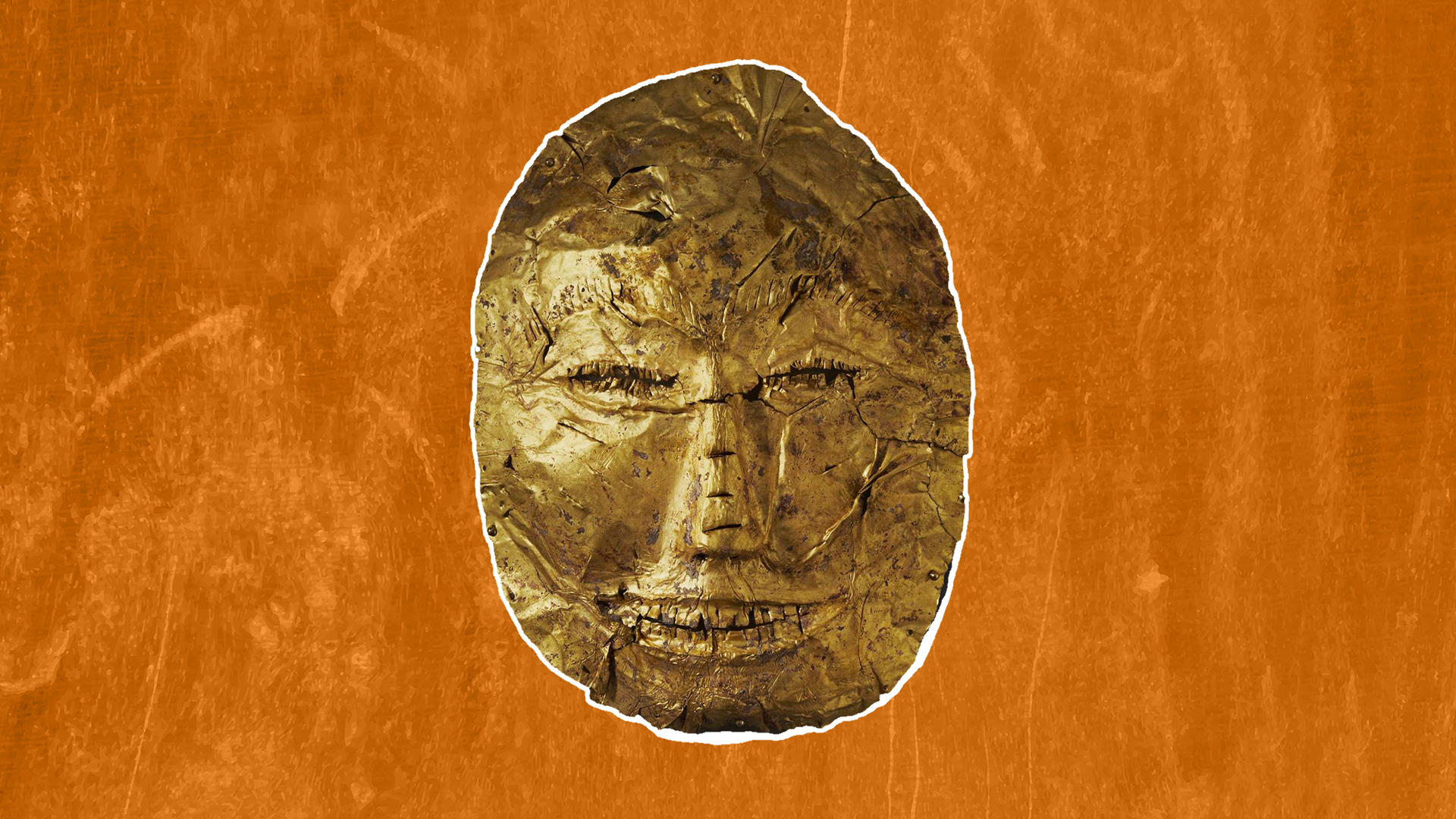
Funeral mask: A 2,000-year-old gold face covering designed to confuse the deceased's spirit so it didn't torment the living
Science News

Funeral mask: A 2,000-year-old gold face covering designed to confuse the deceased's spirit so it didn't torment the living

A prehistoric gold funeral mask from Java. (Image credit: Yale University Art Museum (CC0 1.0 Universal))QUICK FACTSName: Funeral maskWhat it is: A gold mask with a humanlike faceWhere it is from: Java, IndonesiaWhen it was made: Between 500 B.C. and A.D. 200This gold mask was made on the Indonesian island of Java around two millennia ago and was likely used to cover the face of a corpse, possibly with the aim of "confusing" the deceased's spirit so that it did not torment the living.According to the Yale University Art Gallery, which has the prehistoric artifact in its collection, the mask measures roughly 8.9 by 6.7 inches (22.6 by 17 centimeters) and weighs about 2.1 ounces (60.9 grams). ...

📅 2026-09-21 10:00:00    •    Live Science
Read Original Article →
What kills Schrödinger’s cat? Gravity may not be the answer
Science News

What kills Schrödinger’s cat? Gravity may not be the answer

Physicists have put a decades-old idea about why the strange rules of quantum mechanics disappear in our everyday world to one of its toughest experimental tests yet. Deep beneath Italy’s Gran Sasso mountain, researchers searched for an extremely faint radiation signal predicted by a theory suggesting that tiny fluctuations in spacetime, caused by gravity, gradually destroy quantum superpositions. After 62 days of measurements with a highly shielded germanium detector, they found no such signal.

📅 2026-09-21 09:24:50    •    ScienceDaily
Read Original Article →
Sex differences in attention are present at birth, study finds
Research Institutions

Sex differences in attention are present at birth, study finds

Sex differences in attention are present at birth, study finds Anonymous (not verified) Mon, 09/21/2026 - 10:00 The findings suggest that some psychological differences between males and females (such the development of social skills) may be influenced by both prenatal biology as well as later experience.The study, published today in Biology of Sex Differences, involved testing 130 newborn infants only hours after birth. It builds on previous research by the same lab and uses robust methods to demonstrate the differences.For years, research has shown that girls, on average, learn to talk earlier and develop social skills faster than boys. Scientists have long debated whether these difference...

📅 2026-09-21 09:00:00    •    Cambridge News
Read Original Article →
Unmasking “zombie cells” in aging tissue with an AI-powered barcode
Research Institutions

Unmasking “zombie cells” in aging tissue with an AI-powered barcode

As we age, some of the cells in our body enter a state of senescence, in which they stop dividing but do not die. Those senescent cells can contribute to age-related disorders such as cancer, tissue degeneration, and inflammatory diseases.In an advance that could lead to better ways to diagnose and treat those diseases, MIT researchers have developed a noninvasive way to detect biomarkers of senescence. Their method is based on Raman microscopy, which can reveal the biochemical composition of cells without harming them.By combining Raman microscopy with gene expression data at single-cell resolution from the same cells, the researchers were able to identify unique “barcodes” that can be used...

📅 2026-09-21 09:00:00    •    MIT News
Read Original Article →
The devastating Nepal floods highlighted the danger of glaciers. Here's where the next disaster may occur.
Science News

The devastating Nepal floods highlighted the danger of glaciers. Here's where the next disaster may occur.

The massive Nepal-Tibet flood on Aug. 26 showed just how devastating glacier-related disasters can be. As of Sept. 16, the event killed at least 1,400 people, with more than 6,000 people still missing. The Himalayas, with their steep slopes studded with rapidly melting glaciers, are high risk, but areas across much of the world carry the risk of glacier-related disasters, including one tropical region that is at particular risk, experts told Live Science."Slope failure from glacier shrinkage is occurring everywhere," Mark Carey, a professor of environmental studies and geography and director of The Glacier Lab at the University of Oregon, told Live Science in an email. Nepal-Tibet floodThe r...

📅 2026-09-21 09:00:00    •    Live Science
Read Original Article →
Page 104of 174   •   4,166articles