Latest Scientific Discoveries

All News β†’
NASA develops batteries to power humanity's return to moon
Science News

NASA develops batteries to power humanity's return to moon

If you've ever had your car start sluggishly, or not at all, on a particularly frigid winter morning, you know standard batteries do not like extreme cold. That's why NASA researchers are working to develop a battery that could function in the brutal cold of the moon's south pole, where nighttime temperatures plunge to minus 328 degrees Fahrenheit (minus 200 degrees Celsius).

πŸ“… 2026-10-14 23:40:02    β€’    Phys.org
Scientists reveal 93% of Australia's Indigenous population was lost in just 73 years
Science News

Scientists reveal 93% of Australia's Indigenous population was lost in just 73 years

A groundbreaking study suggests that 2.22 million Indigenous Australians lived on the continent before European colonization, far more than previously believed. Researchers estimate that 93% of this population was lost within 73 years, revealing a demographic catastrophe on a scale that dramatically changes our understanding of Australian history.

πŸ“… 2026-10-14 23:34:00    β€’    ScienceDaily
Uganda's sugarcane boom leaves families hungry: What needs to change
Science News

Uganda's sugarcane boom leaves families hungry: What needs to change

Busoga, in eastern Uganda, is a low, fertile plateau surrounded on three sides by Lake Victoria, the Nile River and Lake Kyoga. Most of its 4.3 million people farm small, rain-fed plots. Yet hunger is common: in the 2024 census, about a third of Busoga households reported going whole days without food.

πŸ“… 2026-10-14 23:20:11    β€’    Phys.org
Fine particles from aircraft exhaust become more harmful over time, lab tests suggest
Science News

Fine particles from aircraft exhaust become more harmful over time, lab tests suggest

Fine particulate matter consists of tiny particles with diameters in the nanometer range. They are produced, for example, by fuel combustion, remain suspended in the air and can penetrate deep into the respiratory tract. There, they can trigger oxidative stress, a process that promotes inflammation and, over the long term, can lead to serious health problems such as respiratory or cardiovascular diseases. Scientists call this harmful property the particles' oxidative potential.

πŸ“… 2026-10-14 23:20:02    β€’    Phys.org
New chip-scale gyroscope measures rotation with unprecedented sensitivity
Science News

New chip-scale gyroscope measures rotation with unprecedented sensitivity

Researchers have developed a chip-scale optical ring-laser gyroscope that can measure rotation as slow as 37 degrees per hour. This record sensitivity, approaching Earth's rotation rate of 15 degrees per hour, could eventually be useful for precision navigation and orientation systems, particularly where GPS is unavailable.

πŸ“… 2026-10-14 23:00:10    β€’    Phys.org
A trip to Mars could come at a heartbreaking cost
Science News

A trip to Mars could come at a heartbreaking cost

When astronauts first travel to Mars or anywhere else in deep space, they will have to contend with two problems that our planet protects us from on its surfaceβ€”radiation and weightlessness. Scientists already know both can have a profound impact on the human body, but the extent of that impact and how long it can last remain a mystery.

πŸ“… 2026-10-14 23:00:01    β€’    Phys.org
A forgotten fossil reveals a fearsome dinosaur with giant claws
Science News

A forgotten fossil reveals a fearsome dinosaur with giant claws

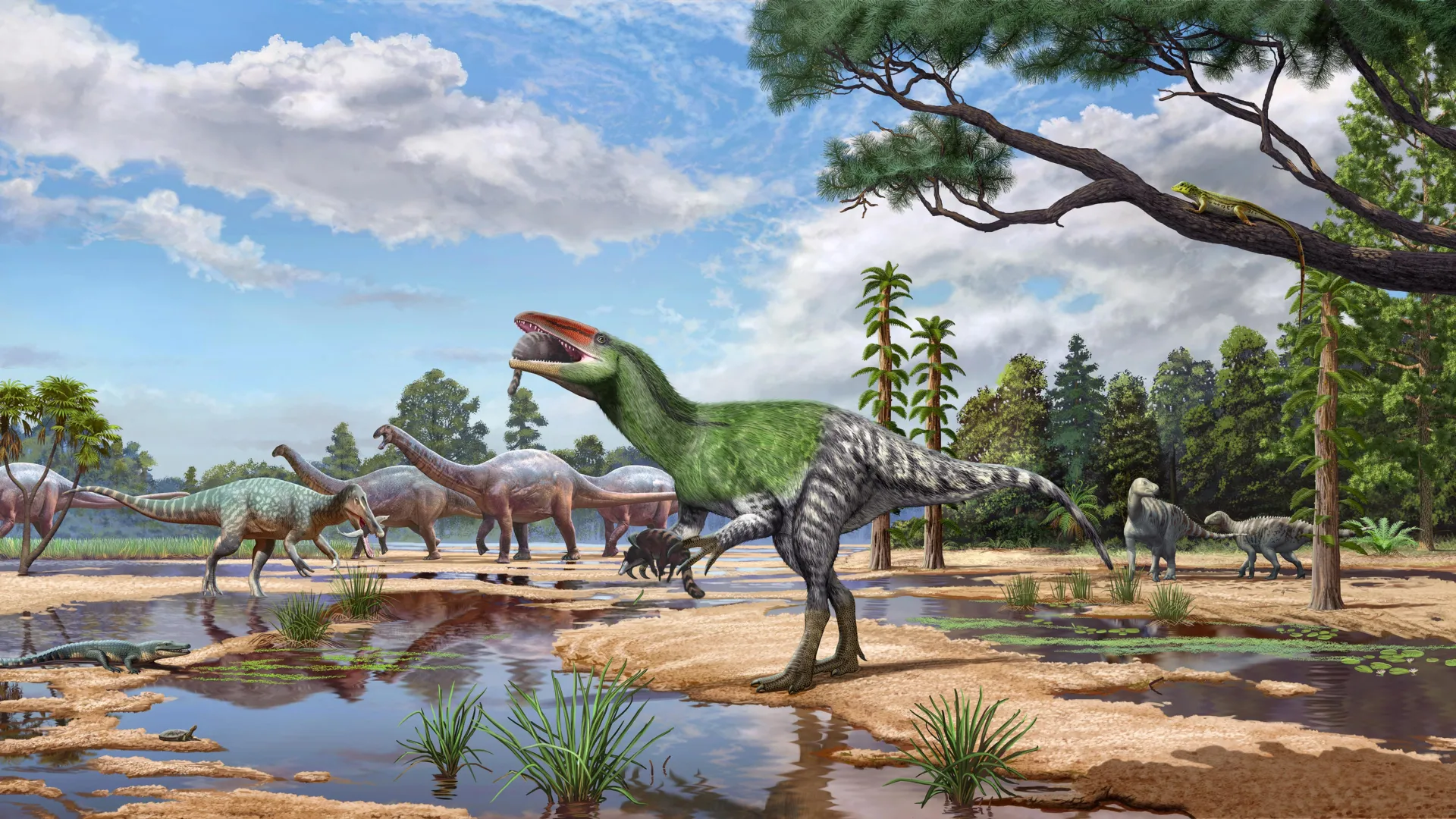
A 120-million-year-old fossil forgotten in a museum for nearly a century has revealed a terrifying new dinosaur that may have been more dangerous to humans than a T. rex. The tiger-sized predator also provides the first evidence of megaraptorans in Europe, helping explain how these mysterious dinosaurs eventually became gigantic hunters.

πŸ“… 2026-10-14 22:51:56    β€’    ScienceDaily
When parents don't see eye to eye: Are differences in parenting styles a bad thing?
Science News

When parents don't see eye to eye: Are differences in parenting styles a bad thing?

Sometimes it can be hard for parents to agree on how to raise children. One parent might insist their child's homework has to be finished before they're allowed to use devices. The other may think a bit of screen time before studying is perfectly reasonable. Rules and consequences might be the preferred strategy of one parent, while the other favors a more flexible approach.

πŸ“… 2026-10-14 22:40:01    β€’    Phys.org
Waste plastics become molecular sponges that capture water from air
Science News

Waste plastics become molecular sponges that capture water from air

Discarded plastic packaging materials, old CDs and even LEGO bricks can be transformed into materials that capture significant amounts of moisture from the air. Materials chemists Anastasiia Naryshkina, Paul Schweng and Robert Woodward at the University of Vienna have converted several types of plastic waste into water-attracting polymer networks that take up water even in dry climates and release it again under moderate heating, for example, using sunlight. The study, published in Chem Circularity, offers a route to give plastic waste a second life as an adsorbent for atmospheric water harvesting.

πŸ“… 2026-10-14 22:20:07    β€’    Phys.org
Cancer is rising in younger adults, and scientists can't fully explain why
Science News

Cancer is rising in younger adults, and scientists can't fully explain why

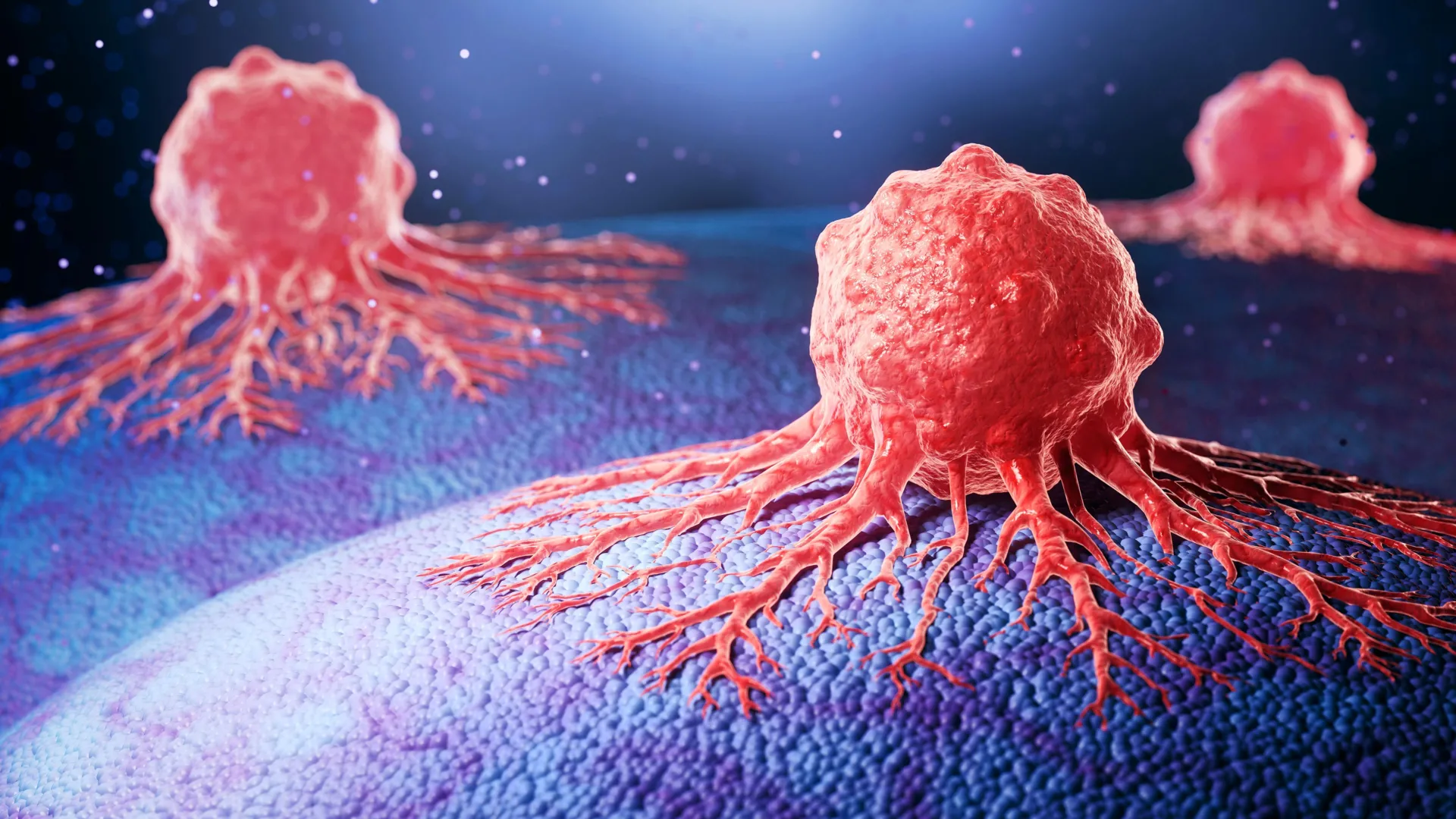
A major study found that several cancers are rising faster among younger adults in England, even as smoking, diet, and other established risk factors have generally improved. Excess weight explains only part of the increase, leaving scientists searching for other possible causes, including changes in the gut microbiome and early-life exposures.

πŸ“… 2026-10-14 22:03:26    β€’    ScienceDaily