Anthropicās AI worm research raises new fears about smart device security
Researchers explored how AI could spread through everyday gadgets. But cybersecurity experts have seen these tricks before
Explore the latest scientific discoveries, science news, breakthroughs and developments from around the world.
Researchers explored how AI could spread through everyday gadgets. But cybersecurity experts have seen these tricks before
Confident bees work harder to convince their peers of tasty treats
Einstein's theory of general relativity describes gravity as the bending of spacetime, a mathematical model that combines three-dimensional space and time into a single, four-dimensional continuum. The theory also predicts that a rotating object, such as Earth, slightly drags the surrounding spacetime as it rotates, a phenomenon known as frame-dragging.
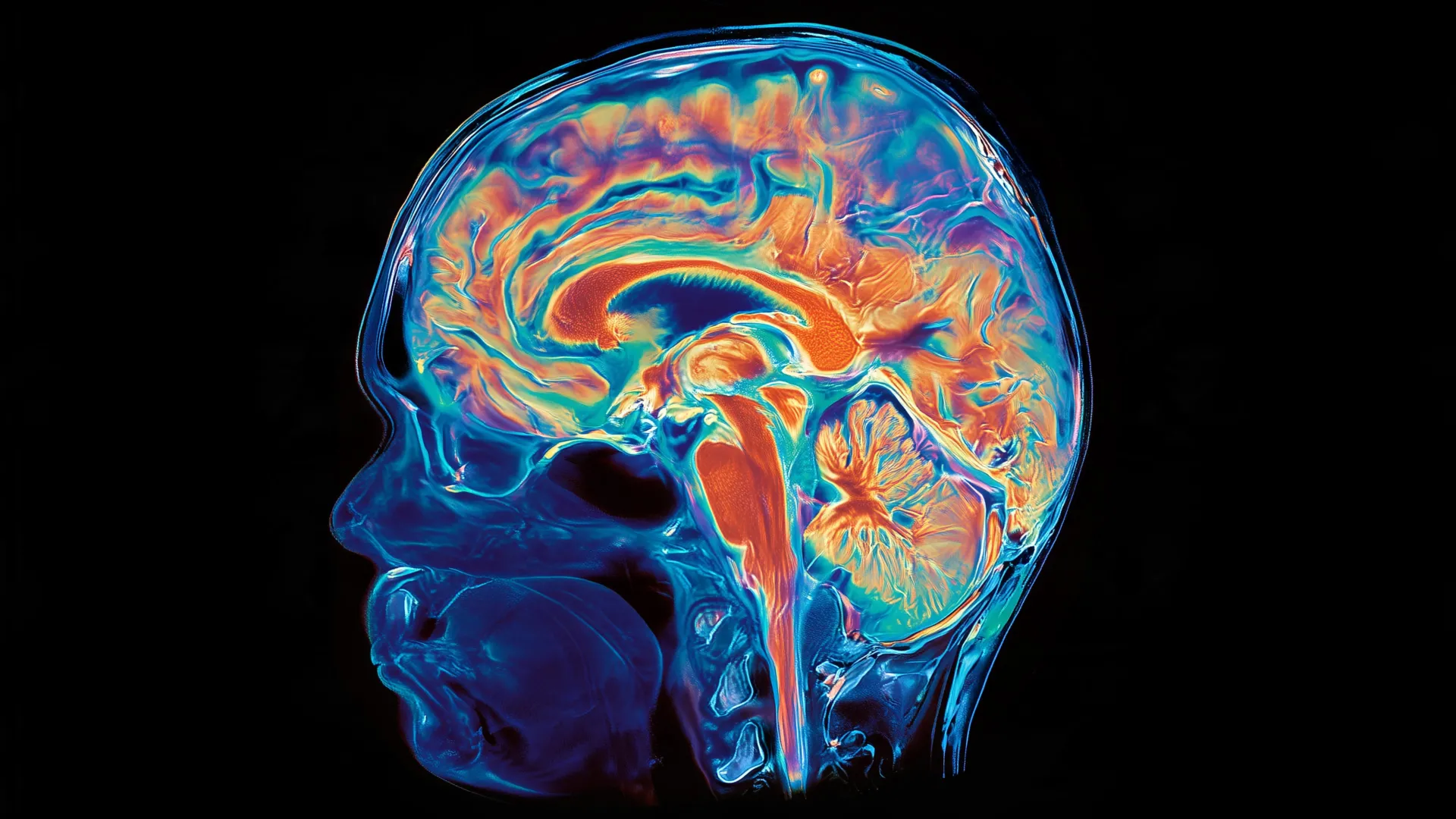
A rare examination of an Alzheimerās patientās brain revealed that regions cleared of amyloid plaques had remarkably little of the harmful tau buildup associated with memory loss, while neighboring areas showed extensive damage. The discovery suggests that removing amyloid may have lasting protective effects and could help slow Alzheimerās progression, especially when treatment begins early.
Countries highly vulnerable to the phase-out of oil, gas and coal account for just 6% of global economic output, countries in Africa stand to benefit from their vast solar energy potential, and the economic interests of the U.S., Europe and China are affected by climate policy in surprisingly similar ways. A study by the Potsdam Institute for Climate Impact Research (PIK) published in Nature Sustainability now shows, for 169 countries around the world, how the fight against global heating affects national assetsāand what geopolitical challenges and opportunities arise as a result.
New research has revealed an unexpected new mechanism through which the killer fungus Candida auris is resisting antifungal drug treatment. A team led by the University of Exeter and City St George's, University of London, discovered that the fungus creates multiple versions of its entire genome, including mutating a gene that plays a role in cell wall integrity, called "Crazy-one" (CRZ1).
If you're approaching menopause, you are likely being bombarded by online ads for treatments promising relief for everything from hot flashes to brain fog. Some of these therapies have been approved by the Food and Drug Administration (FDA) and have strong evidence to support them ā but one hormone-based treatment that's gaining in popularity has much less science to back its use for menopause.More doctors are writing their menopausal patients prescriptions for testosterone therapy. A 2026 study conducted in the U.S. recorded over 90,000 off-label prescriptions for testosterone to women in 2025, mainly among women ages 45 to 64 and those with diagnoses of menopause. This marked a 58.7% incre...
In the middle of nowhere, a small island emerges in the Atlantic Ocean. This unique territory completely changed in the 19th century thanks to the efforts of two British scientists: Charles Darwin and Joseph Dalton Hooker, researchers who stopped at the British naval base and documented the island during their expeditions.
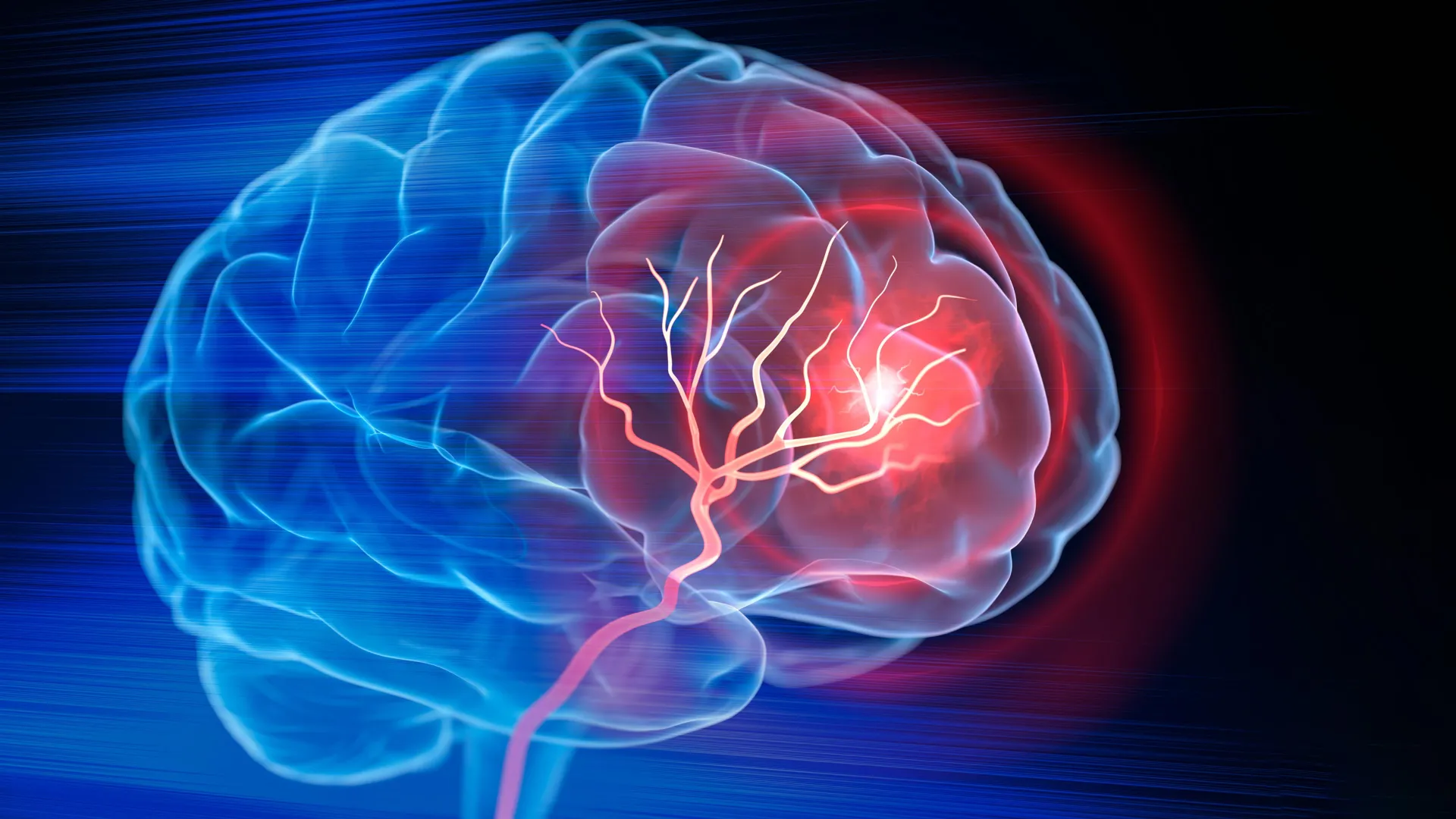
Strokes are becoming alarmingly common among younger adults, with rates nearly doubling among people ages 20 to 54 over nearly three decades. Researchers found that blocked blood vessels in the brain accounted for much of the increase, while high blood pressure, diabetes, and substance use also became more common among younger stroke patients. Although survival rates have improved, more young adults may now face the lasting consequences of stroke.
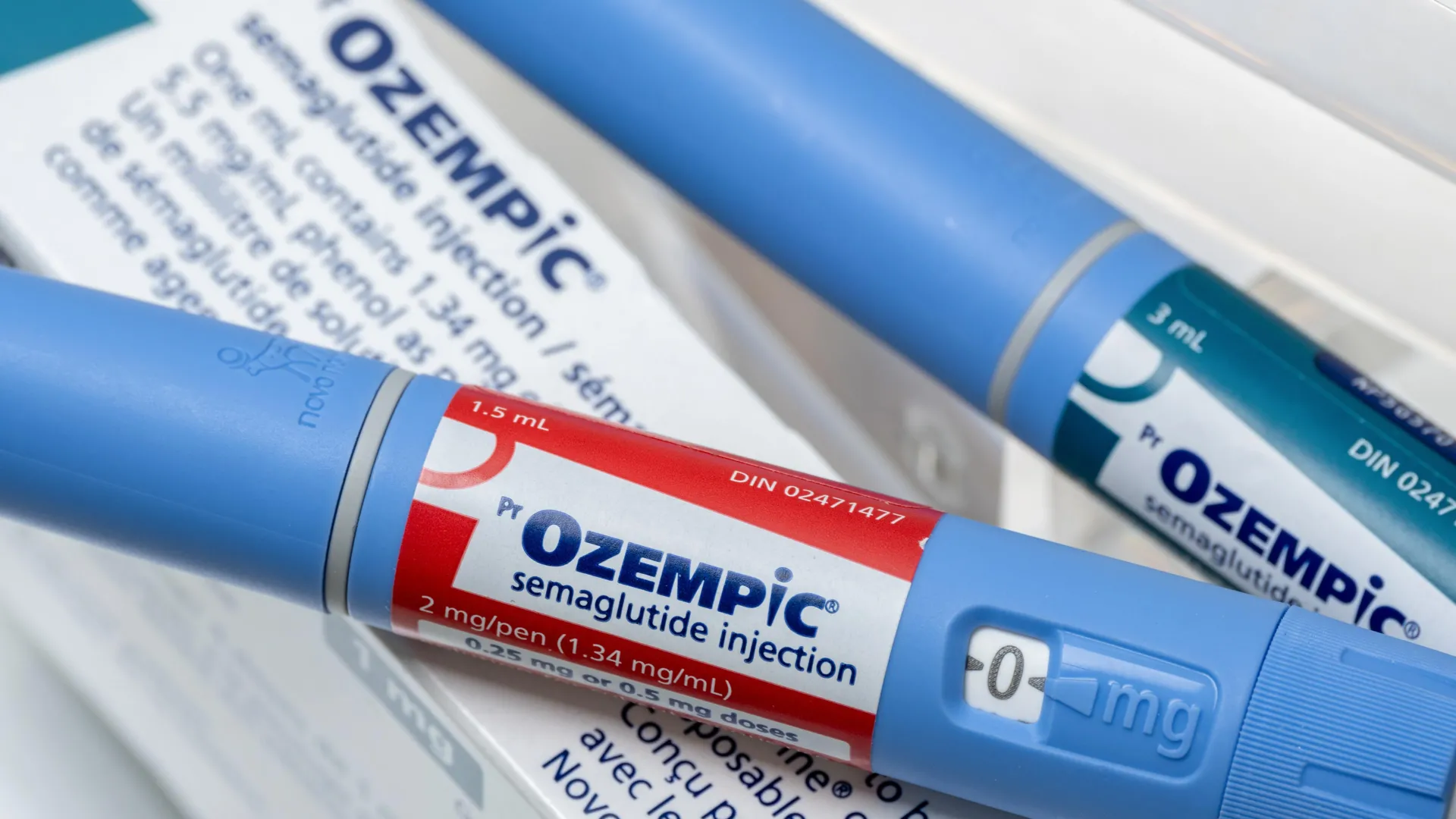
Popular diabetes and weight loss drugs such as Ozempic and Wegovy have been linked to a slightly increased risk of a rare condition that can cause sudden, potentially permanent vision loss. Although the risk remains very low, Rutgers researchers say the findings warrant attention as millions of people turn to GLP-1 medications.
Consumers may not fully understand precision fermentation yet, but many are curious enough to taste the results. New qualitative research from the EIT Food Consumer Observatory, published ahead of World Food Day on Oct. 16, suggests that this curiosity creates an important opportunity for food innovation, provided companies can answer consumers' questions clearly and deliver on the first bite.
A new report by CSIRO, Australia's national science agency, has found a growing suite of promising options already available to reduce on-farm emissions, as well as further opportunities for practical solutions for Australian producers.