The Selfish Gene at 50
A half century ago The Selfish Gene by Richard Dawkins became an instant bestseller and transformed public awareness of evolutionary biology. Today scientists are still debating its core message
Explore the latest scientific discoveries, science news, breakthroughs and developments from around the world.
A half century ago The Selfish Gene by Richard Dawkins became an instant bestseller and transformed public awareness of evolutionary biology. Today scientists are still debating its core message
As much as half of the human genome is composed of so-called "jumping genes." These DNA sequences can make copies of themselves that are inserted back into the genome at another location, playing a significant functional role in creating the diversity that drives evolution and in regulating how other genes are turned on or off. However, their jumps can also make the genome less stable and create mutations that have been associated with neurodevelopmental disorders, autoimmune disease and cancer.
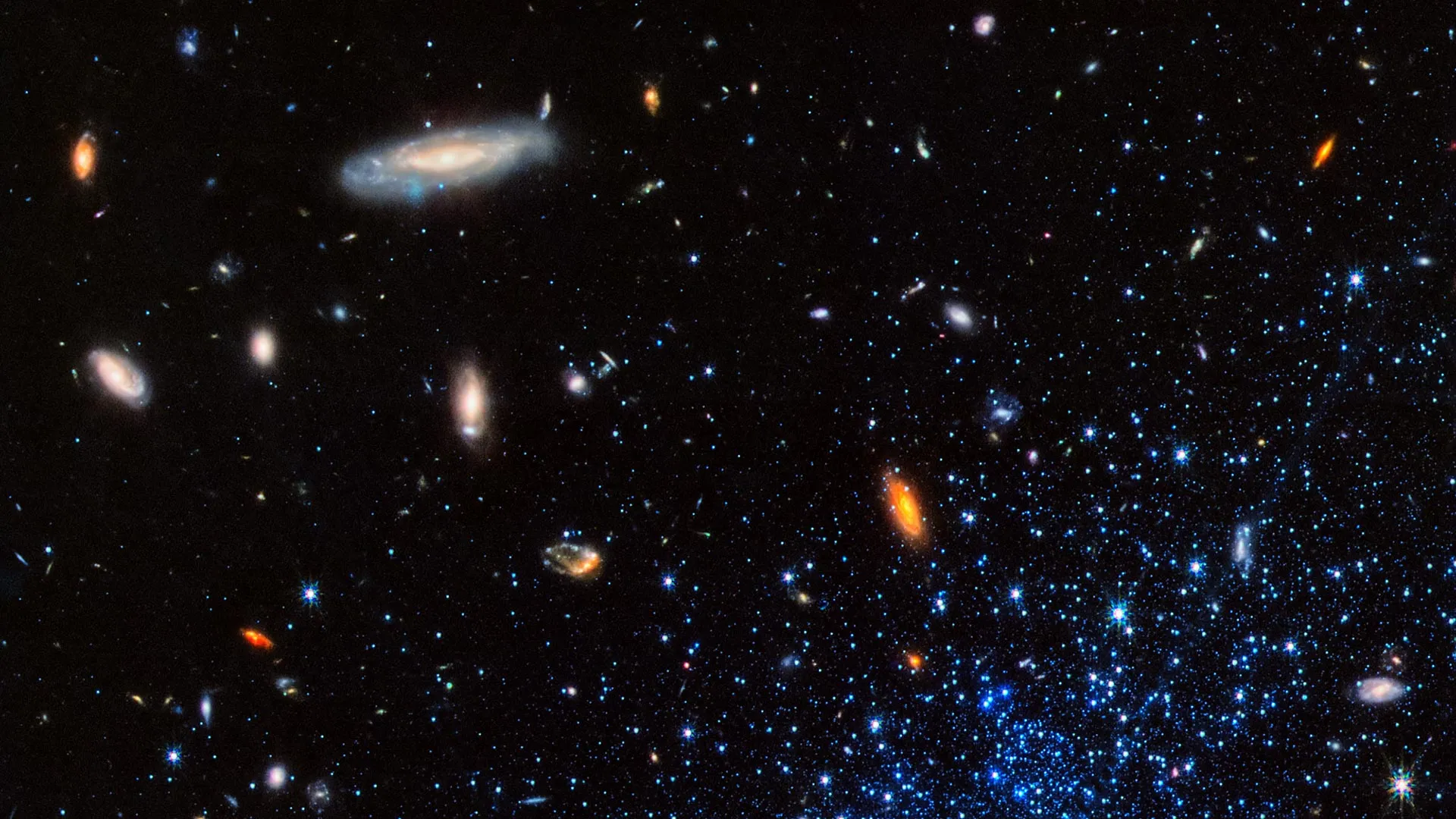
Scientists have achieved a major breakthrough in understanding the Universe’s earliest moments, measuring the amount of helium formed in the first five minutes after the Big Bang with unprecedented precision. Using one of the world’s most powerful telescopes, an international team studied 15 remarkably pristine galaxies that act as cosmic time capsules, preserving clues from nearly 13.8 billion years ago.
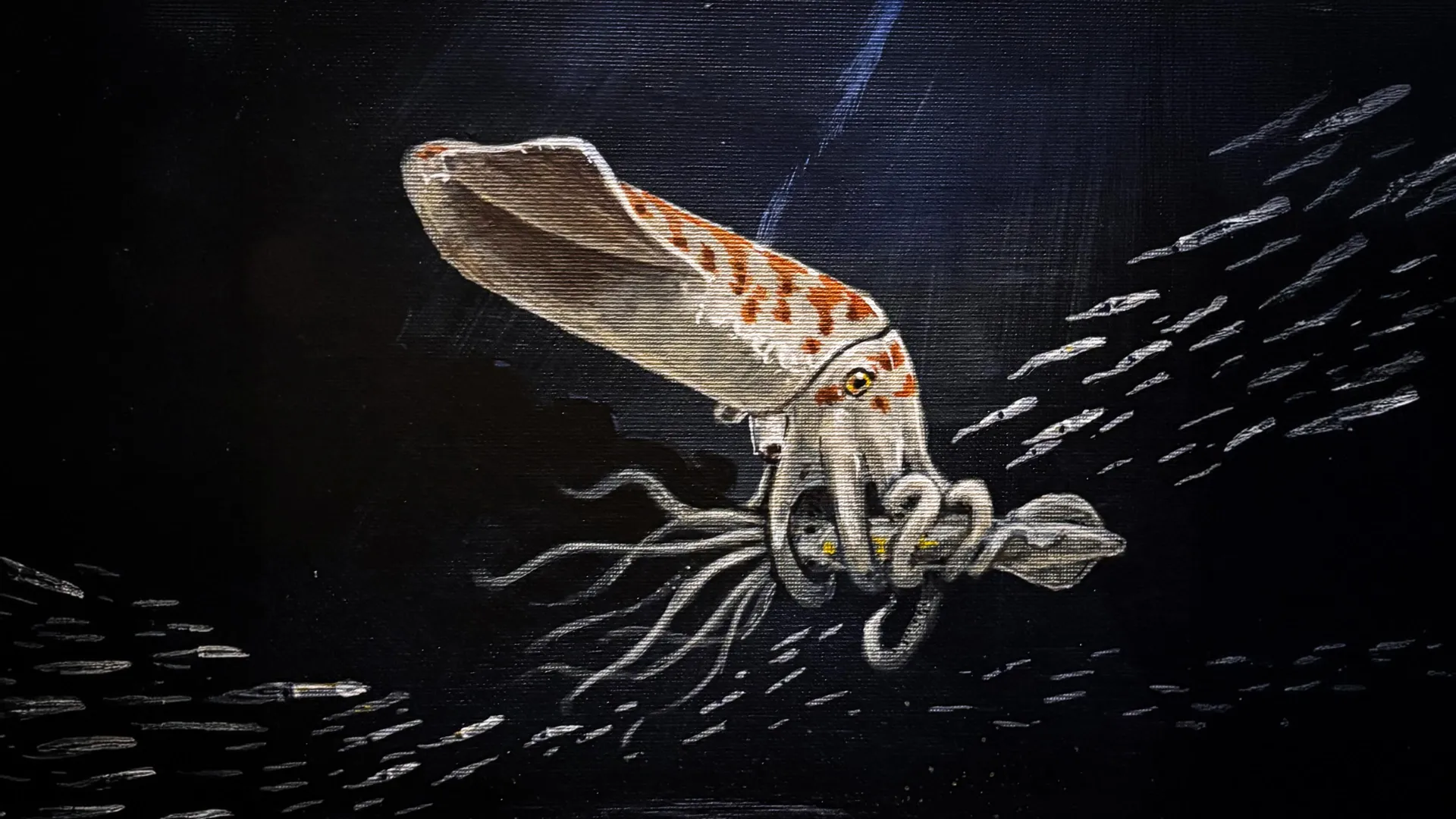
Scientists have identified the “fattest” belemnite ever discovered, a bizarre, barrel-shaped squid relative that lived in Wyoming’s ancient seas 160 million years ago. The exceptionally rare fossils reveal a creature unlike anything previously known, potentially a predator of smaller squid-like animals and a surprising survivor of a supposedly vanished family.
Turnover related to menopause has become a critical global socioeconomic challenge, affecting female career longevity and organizational productivity. A new study suggests that, although many employers have attempted to make special accommodations in the workplace, they fail to address a woman's increased psychological burdens related to the menopause transition.
The interstellar comet 3I/ATLAS brought material from another planetary system within reach of our telescopes, but reading its chemistry poses a problem. Energetic particles encountered during its journey through space may have changed its outer layers, so how much of what astronomers detect still reflects the comet's birthplace?
Scientists have discovered a natural compound that targets dangerous C. difficile bacteria without wiping out the gut's beneficial microbes. Successful early tests suggest it could lead to a gentler, more effective treatment for stubborn intestinal infections that frequently return.
The aging brain may be undergoing a remarkable transformation rather than simply losing its abilities, shifting its focus from remembering details to understanding the bigger picture. Scientists suggest this change could be an evolutionary adaptation that helps older adults develop wisdom and share decades of knowledge with younger generations.
People who have lost the ability to talk are finding new voices with technology. This technological feat is changing what it means to lose a voice.
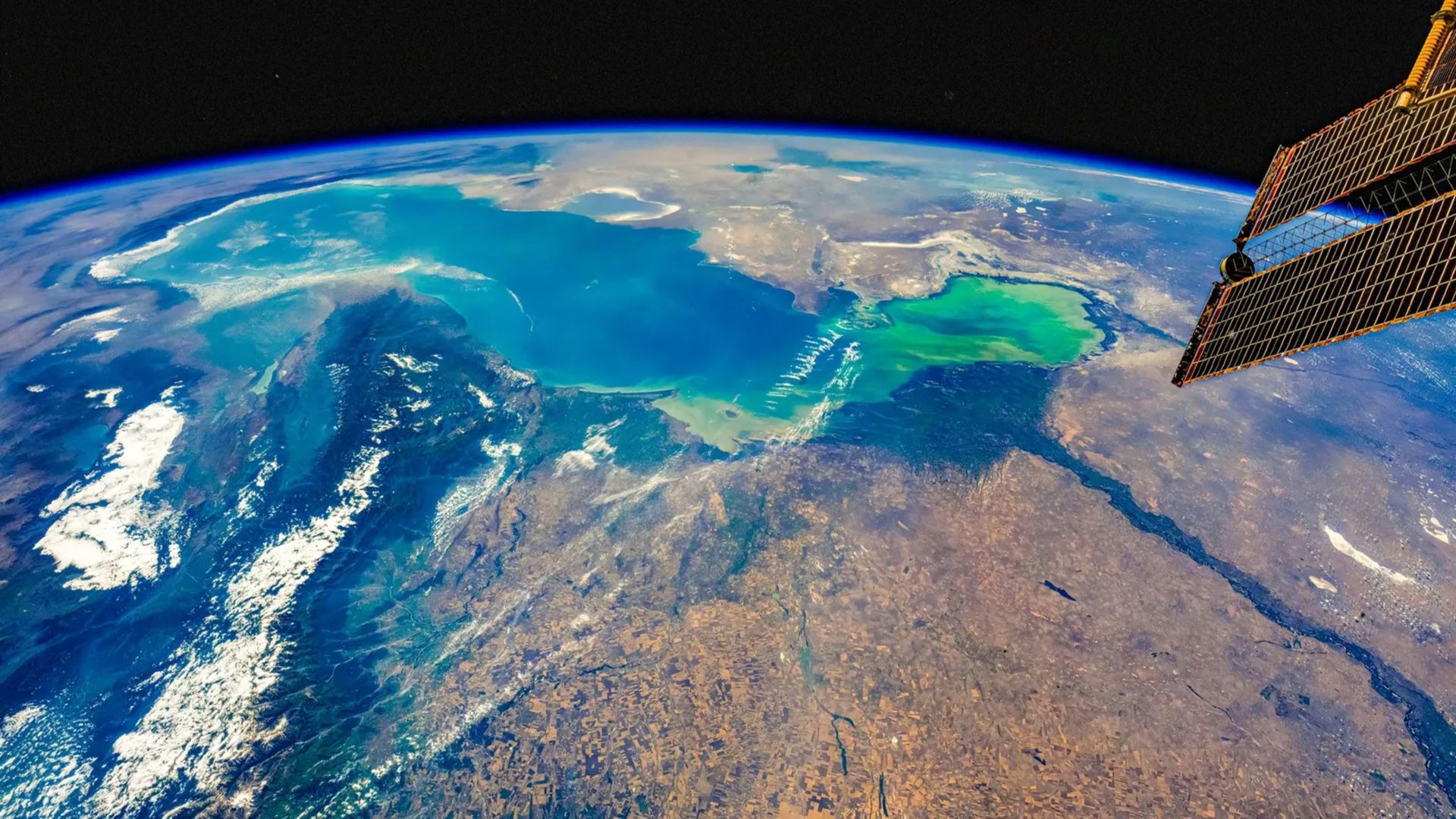
FRASCATI, Italy — Observing Earth from space provides a much-needed insight into the evolution of our planet's health. This is particularly important in the face of climate change, as environmental degradation, food insecurity and extreme weather events can all reveal themselves in stark images taken from high above our planet's surface.Simonetta Cheli is the director of Earth observation programs at the European Space Agency (ESA) and the head of the European Space Research Institute (ESRIN) in Frascati, Italy. With nearly 40 years of experience in the field, she is one of the world's leading experts on Earth observation. Live Science spoke with Cheli on a recent visit to ESRIN to talk abou...
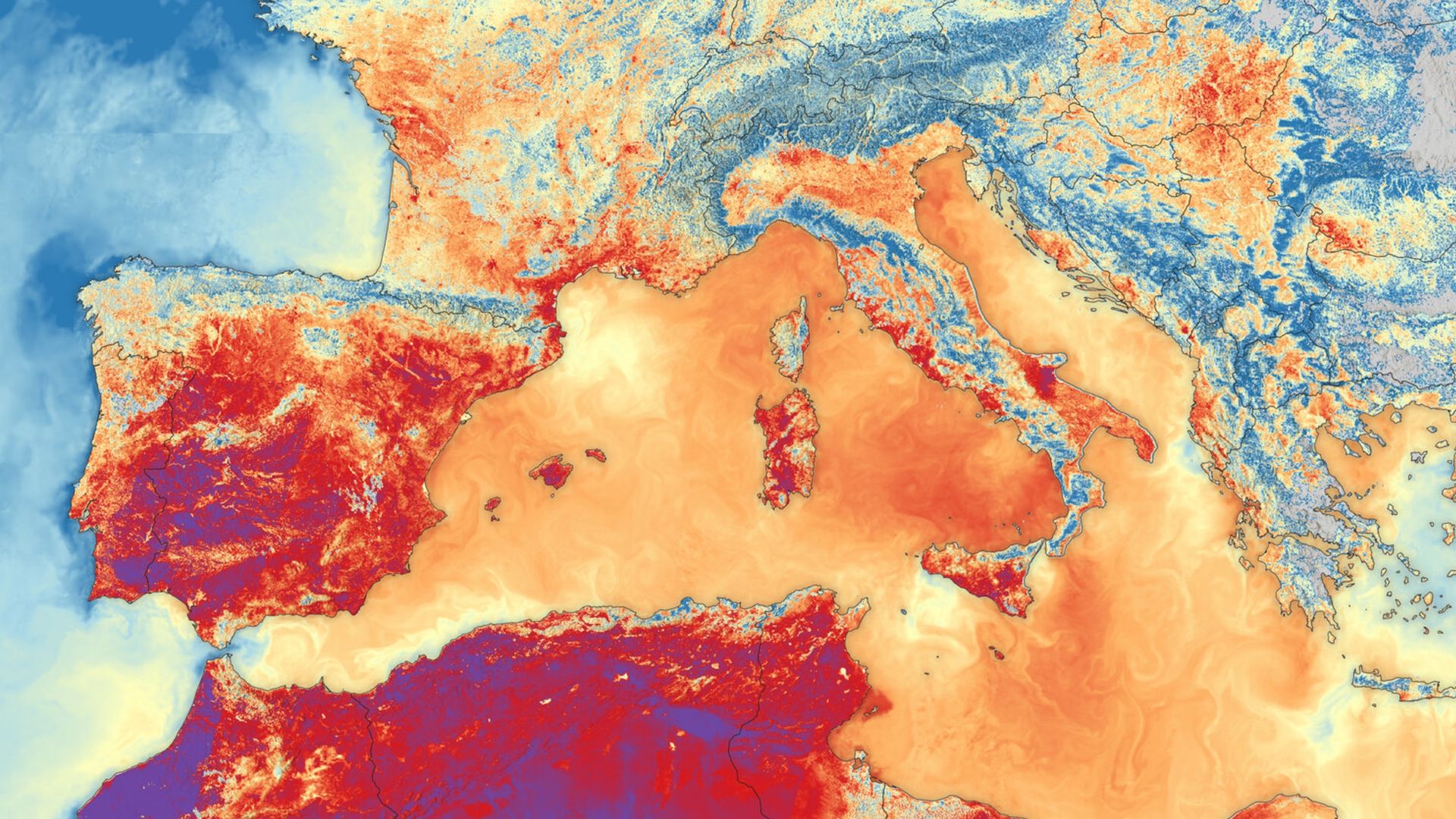
QUICK FACTSWhere is it? Southern Europe and North AfricaWhat's in the photo? Land and sea surface temperatures during one of Europe's record-breaking summer heat wavesWhich satellite took the photo? Sentinel-3BWhen was it taken? June 23, 2026This striking satellite snap shows the scorching land and sea surface temperatures that hit Southern Europe during one of the continent's record-breaking heat waves this summer.The image was created using data from the Sea and Land Surface Temperature Radiometer (SLSTR) on board the European Space Agency's (ESA) Sentinel-3B satellite. It was selected for this week's edition of Earth from space by Simonetta Cheli, director of Earth observation programs at...
Solve a new-parent dilemma with this math puzzle