Science News
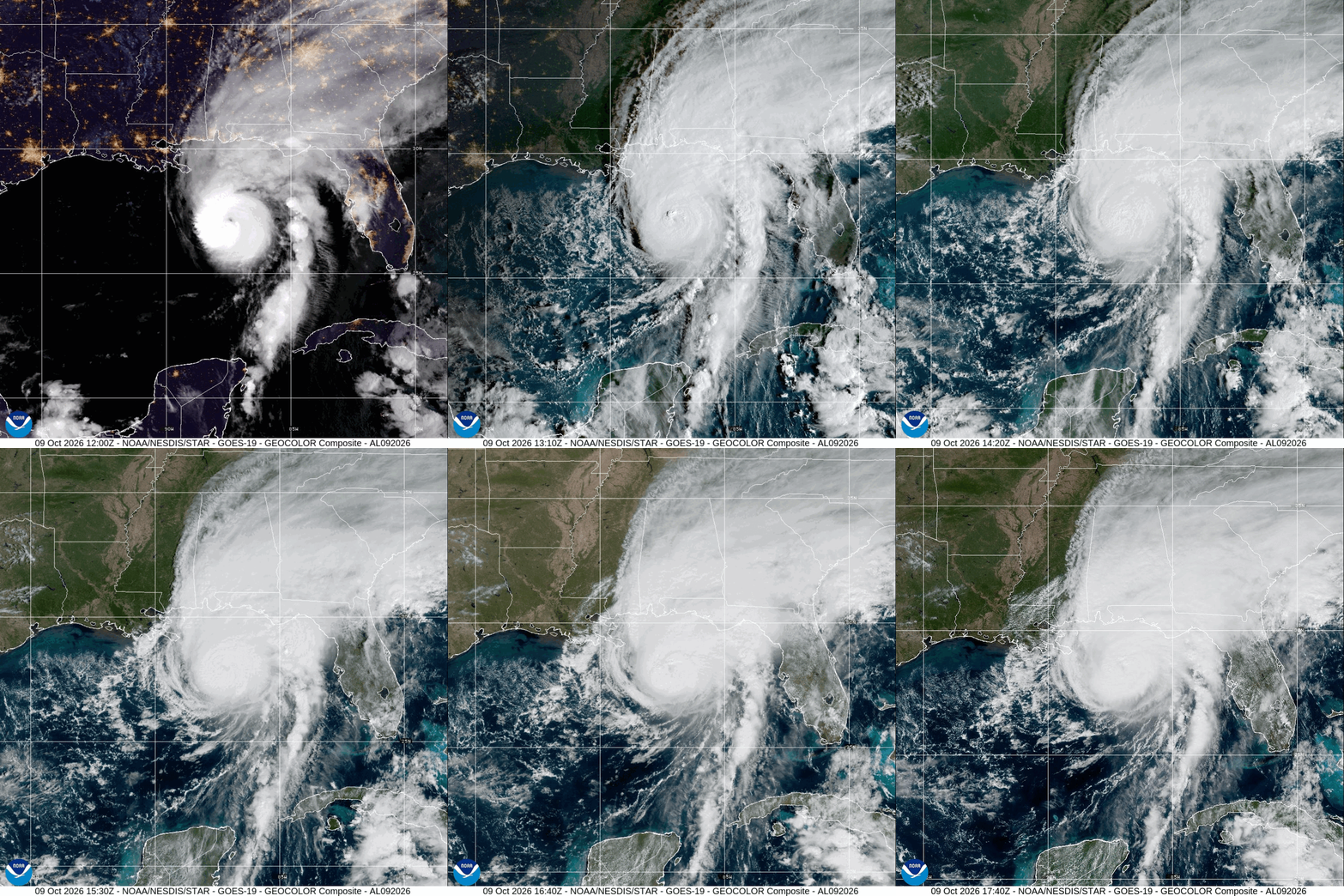
How Hurricane Isaias got so dangerously strong so fast
The Category 3 storm intensified overnight—and is headed toward the U.S. Gulf Coast. Here’s what to know
📅
2026-10-09 20:05:00
•
Scientific American
Explore the latest scientific discoveries, science news, breakthroughs and developments from around the world.
The Category 3 storm intensified overnight—and is headed toward the U.S. Gulf Coast. Here’s what to know

A novel nanovesicle-based platform developed at Institute of Science Tokyo can measure hydrostatic pressure by converting pressure-induced molecular changes into fluorescence signals.

The fact that ecosystems change is nothing new. What is new, however, is the speed and scale at which new species communities are emerging as a result of climate change. Processes that once unfolded over centuries or even millennia are now being observed within just a few decades.

Polar oceans may play an important role in storing carbon and supporting biodiversity, but current science and policy frameworks are not yet ready to fully recognize their potential.

Cornell researchers have designed a new, faster form of two-photon fluorescence imaging for observing cell metabolism in real time, a method that could enable quicker screening of new therapeutic treatments. The findings were published Sept. 4 in Science Advances. The co-lead authors are former postdoctoral researcher Lu Ling, Ph.D. '20, and doctoral student Jack Crowley, M.S. '22.
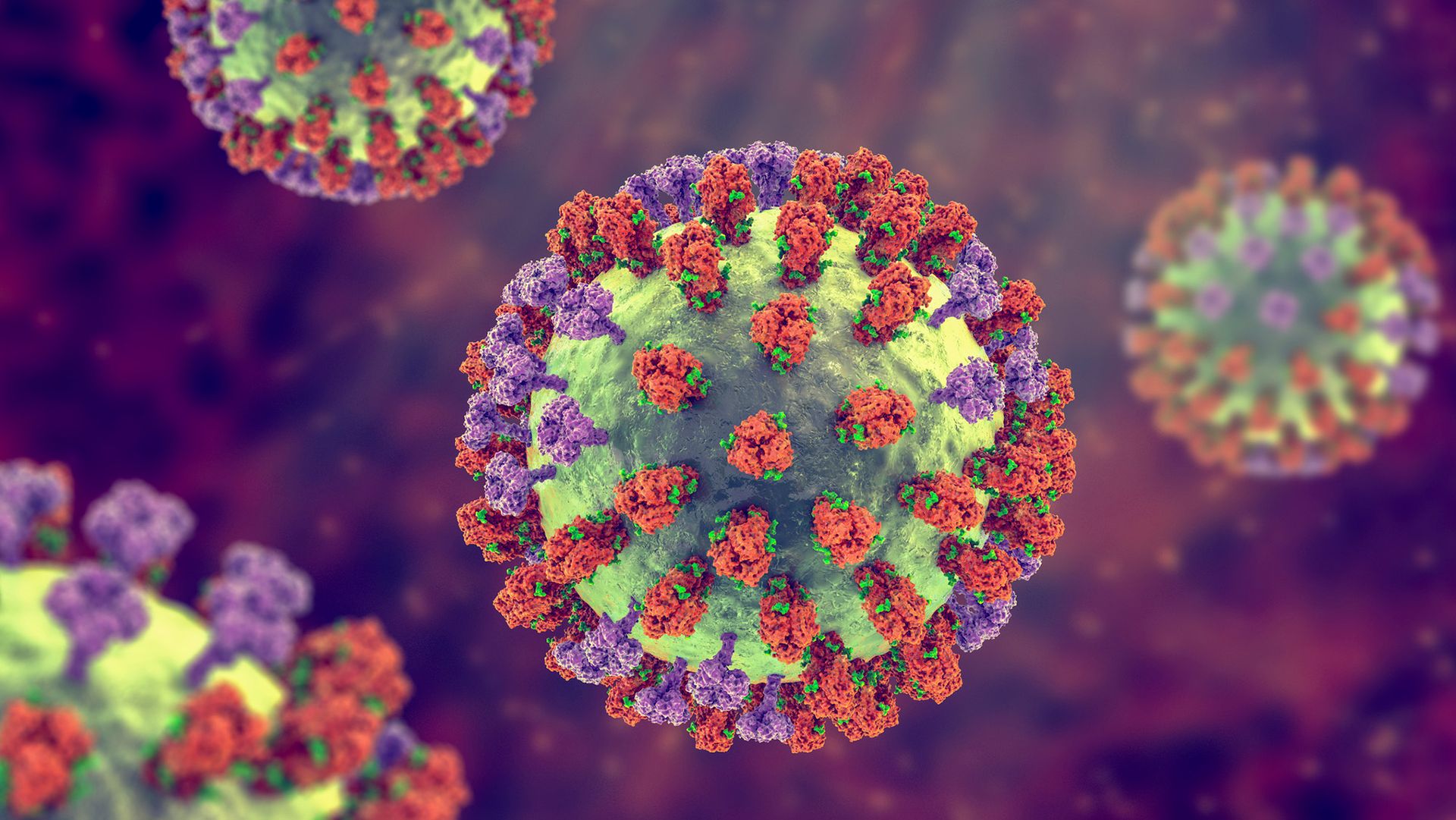
Flu season is off to an early start in some parts of the U.S., data shows. In a typical year, U.S. flu activity starts building in late fall — typically in October or November — and peaks between December and February. This year, flu activity is currently low but rising nationwide: During the week ending Sept. 26, 3.4% of respiratory samples tested by clinical labs were positive for flu, according to Centers for Disease Control and Prevention (CDC) data. That's about seven times the rate that was seen at the same point last year. About 0.5% of samples tested positive during the week ending Sept. 27, 2025."This particular year, it appears to be starting early — like right now," Dr. William Sc...

A new study of 4,200 adolescents revealed that cyberbullying rarely occurs in isolation; it almost always functions as an extension of physical and verbal aggression already present in the school environment. The study, conducted at the Federal University of São Paulo (Unifesp) in Brazil, mapped students' involvement in bullying and found that the lines between victims and perpetrators often blur in a cycle of violence spanning both the physical and digital worlds.

Filmmaker and outdoorsperson Quinn Barabash recently made headlines when he found a swordfish carcass nearly two meters (6.6 feet) long on the remote shores of Haida Gwaii in northern British Columbia.

The European nightjar (Caprimulgus europaeus) is a nocturnal migratory bird that travels between Europe and southern Africa each year. However, its wings are not only used for long-distance journeys. When hunting insects, the nightjar must be able to slow down, turn sharply and fly at low speeds. Researchers at Lund University have now shown how this trade-off is reflected in the bird's flight mechanics. The study is published in the journal PLOS Biology.

Genetic analysis revealed that several seeds from a batch sold as Sidra were not, in fact, Sidra; their genetic profile was closer to that of Batian, a Kenyan variety.
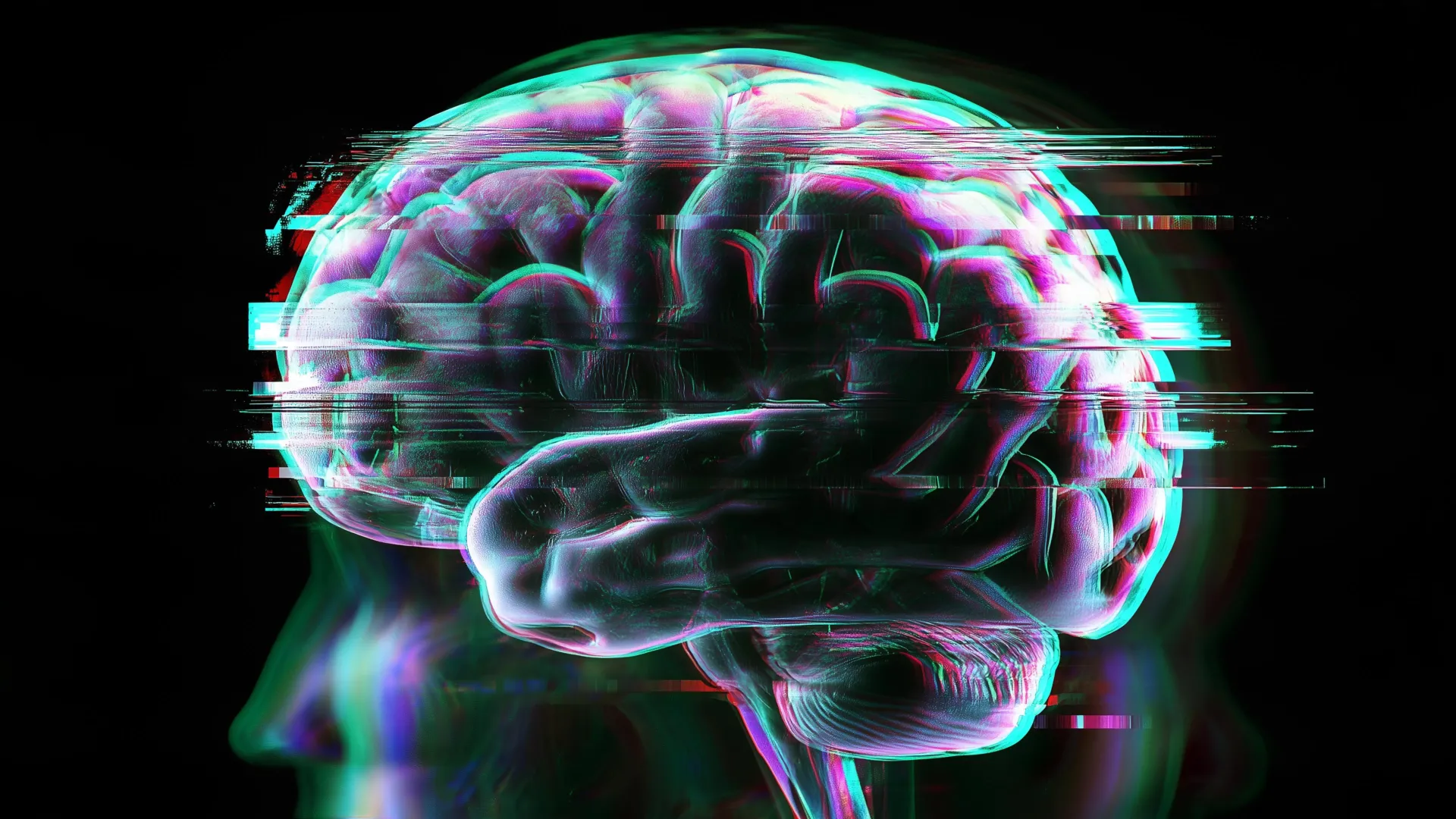
Depression may not be one biological condition, but several distinct patterns of brain activity hiding under the same diagnosis. Researchers studying 263 people with depression identified five brain profiles, each showing different patterns of communication between brain regions and associations with symptoms such as anxiety, trauma, and substance abuse.

AI is being integrated into our work at a growing rate. Andreas Bergqvist, a Ph.D. student at the Department of Information Technology, has teamed up with colleagues to investigate how AI, automation and robotization affect work engagement.