Science News
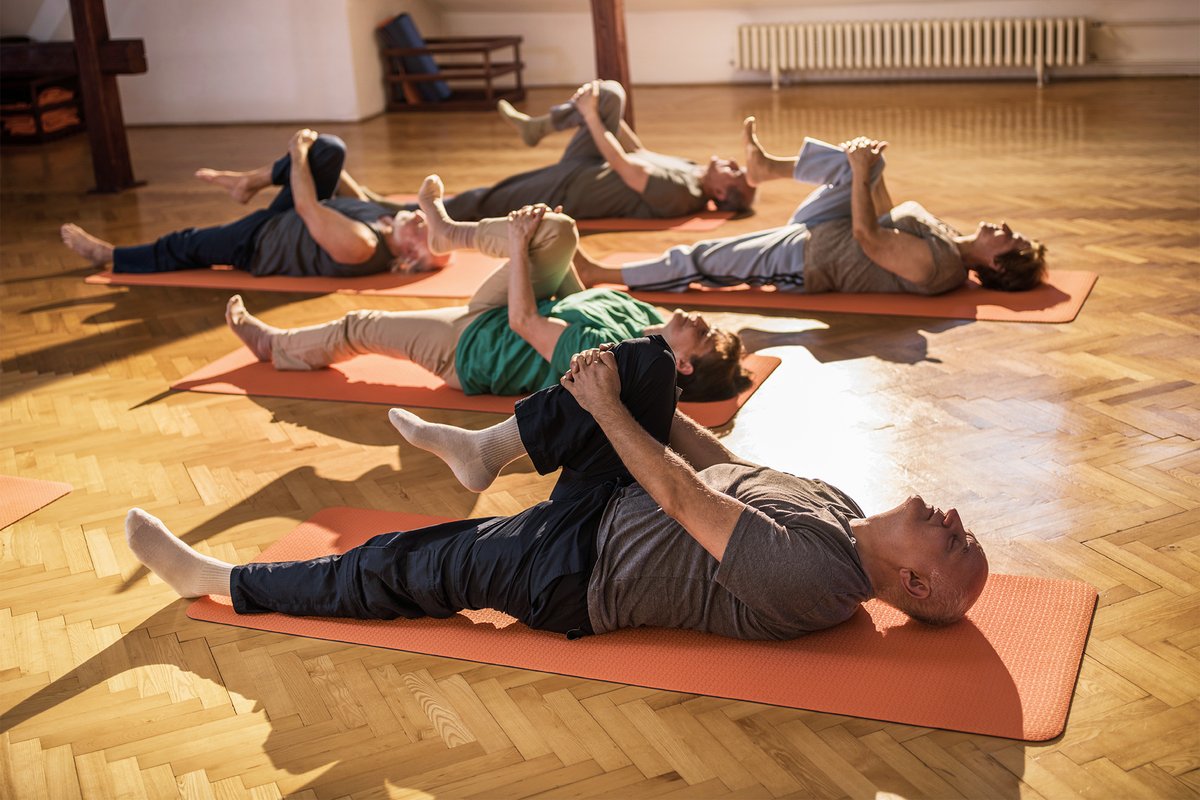
Why taking a break from exercise might not mean you need to start from scratch
Why taking a break from exercise doesn't may not mean you need to start from scratch
📅
2026-10-10 10:00:00
•
Scientific American
Explore the latest scientific discoveries, science news, breakthroughs and developments from around the world.
Why taking a break from exercise doesn't may not mean you need to start from scratch
The written word is one of humanity's most important information technologies. Without it, mathematical and scientific discoveries would be lost to history. But it can also lock ideas in place long after they've stopped making sense. So does writing speed up cultural change or slow it down?Russell Gray, a professor in the Department of Linguistic and Cultural Evolution at the Max Planck Institute for Evolutionary Anthropology in Germany, heads a research project investigating how writing affects the way languages change. His team uses methods borrowed from evolutionary biology to trace languages through family trees — similar to the way biologists trace species. Language is one element of cu...
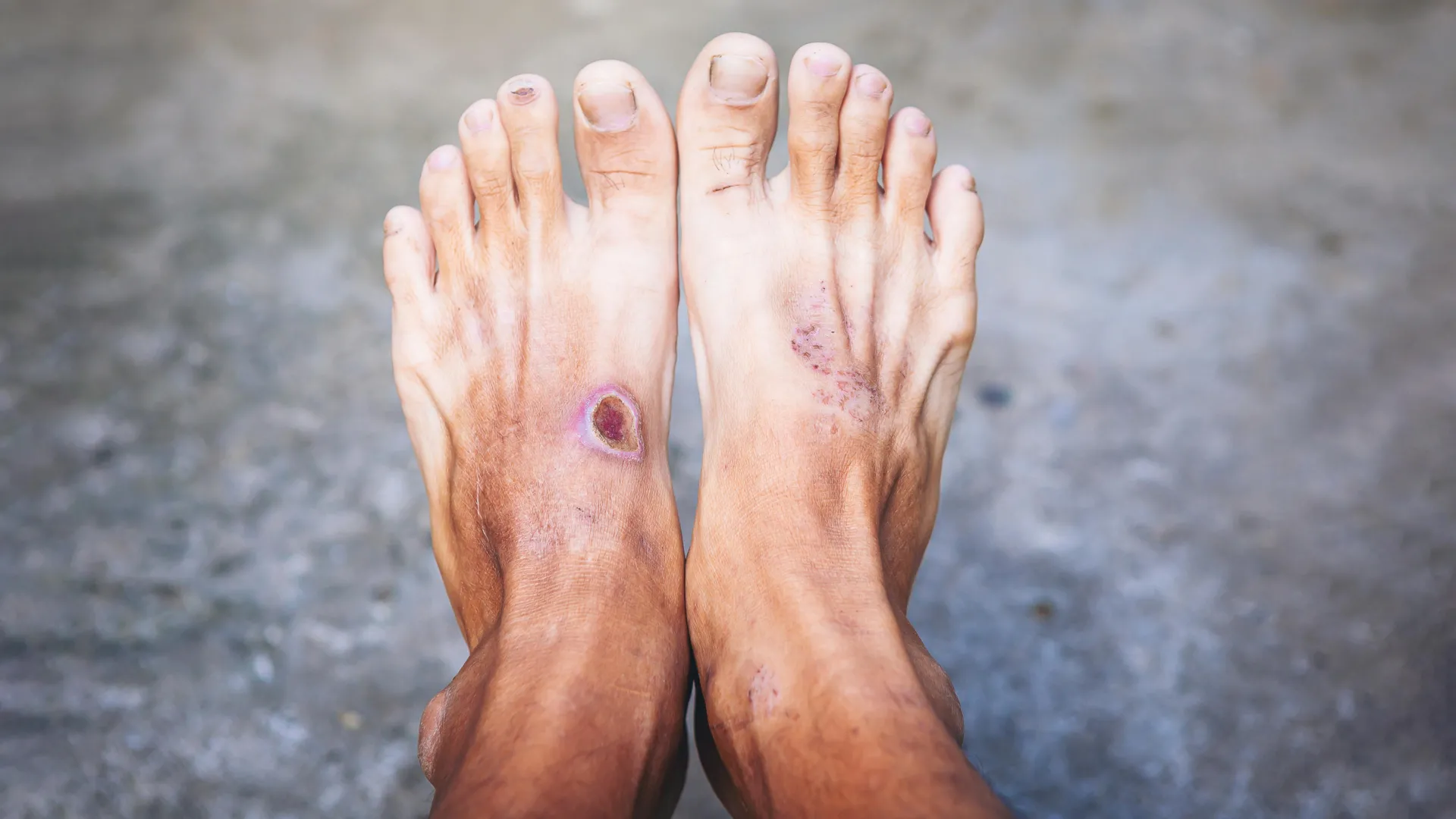
Chronic diabetic wounds may fail to heal because immune cells remain locked in damaging inflammatory states instead of transitioning toward tissue repair. Researchers are exploring treatments that reprogram these immune responses, raising hopes for more targeted and effective therapies for diabetic ulcers.
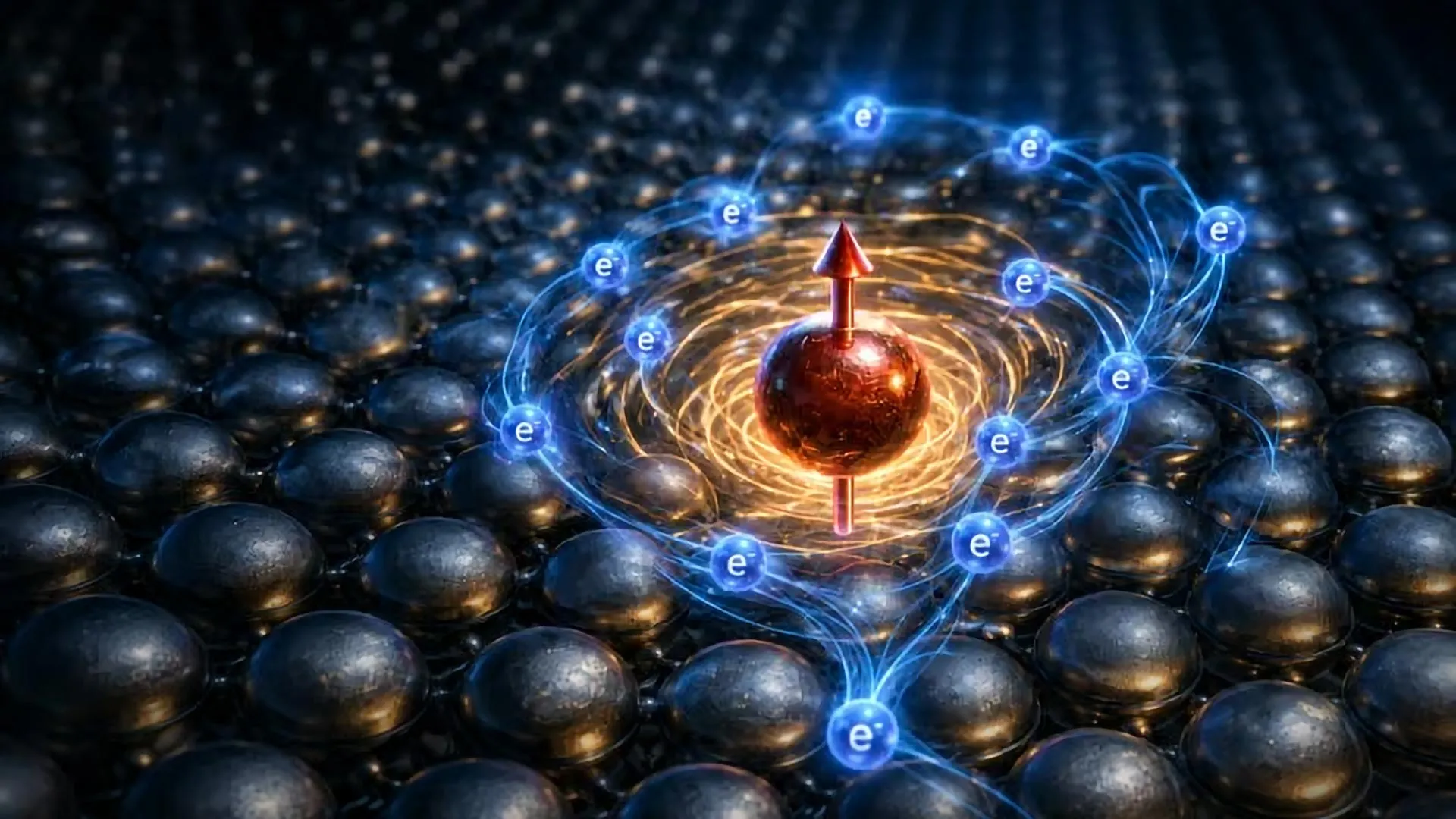
Scientists have developed a powerful new way to calculate the Kondo effect, a strange quantum phenomenon that appears when magnetic atoms are embedded in metals. Instead of relying on simplified models, the method uses the real atomic and electronic structures of materials, allowing researchers to predict their behavior with far greater accuracy.

Seventy-three years ago, Tenzing Norgay stood on top of Everest, known as Chomolungma in Tibetan, which roughly translates as "Goddess Mother of the World."

Mountains preserve evidence of ancient oceans, moving continents and tectonic processes that have shaped Earth over millions of years. Later deformation, erosion and burial, however, can obscure important parts of this geological record. An international research team led by Istanbul Technical University (ITU) has identified evidence of a previously unrecognized Late Cretaceous continental magmatic arc in northwestern Iran.

Per- and polyfluoroalkyl substances (PFAS)—a vast family of chemicals used largely for their nonstick, water-repellent and grease-resistant properties—are called "forever chemicals" because of their remarkable resistance to degradation. They are now ubiquitous in our environment.

Every black hole hides a question at its center. Einstein's theory predicts that whatever falls in is crushed into a singularity, a point of infinite density where the theory itself breaks down. Most physicists expect quantum gravity to replace that point with something finite. But the center lies hidden behind the horizon. How could we ever learn what is there?
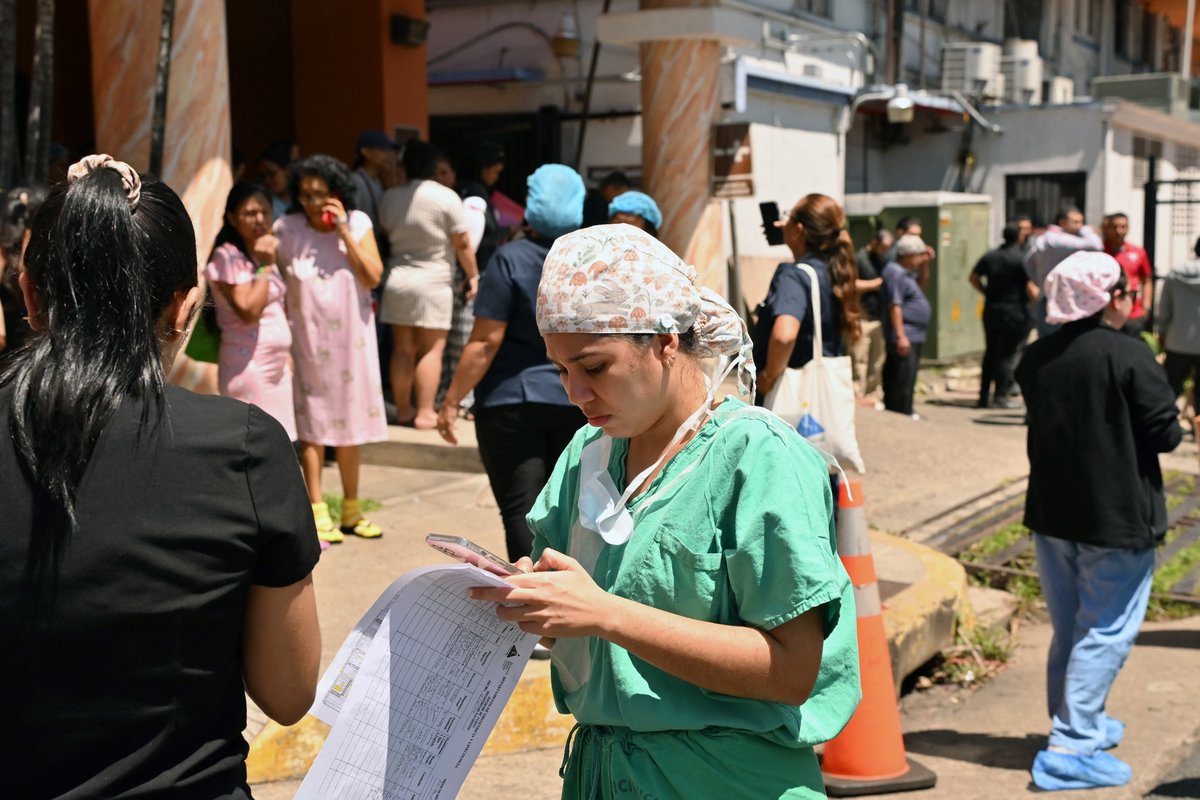
The quake was a strike-slip event, and strong aftershocks could follow

Drought is written into trees, appearing as narrow bands in their annual growth rings. But aspen may go farther, creating "functional memories" of previous dry years reflected in the chemistry of their leaves, according to new research by University of Utah biologists.

NASA has taken the next step in the process of developing a new all-glass telescope for the LISA (Laser Interferometer Space Antenna) mission, a space observatory designed to detect ripples in space-time called gravitational waves.

A new study led by Paul Schulze-Lefert from the Max Planck Institute for Plant Breeding Research in Cologne, in collaboration with Ricardo F.H. Giehl at the Leibniz Institute of Plant Genetics and Crop Plant Research in Gatersleben, revealed how Arabidopsis plants adapt their chemical communication with the bacterial root microbiota to maximize the acquisition of bio-unavailable iron from acidic or calcareous soils. The study is now published in Cell.