Latest Science & Research News

Stay informed about scientific discoveries, research developments and new findings from around the world.

Latest News

View All →
Earth is in the firing line of a strange new type of cosmic object, astronomers say
Science News

Earth is in the firing line of a strange new type of cosmic object, astronomers say

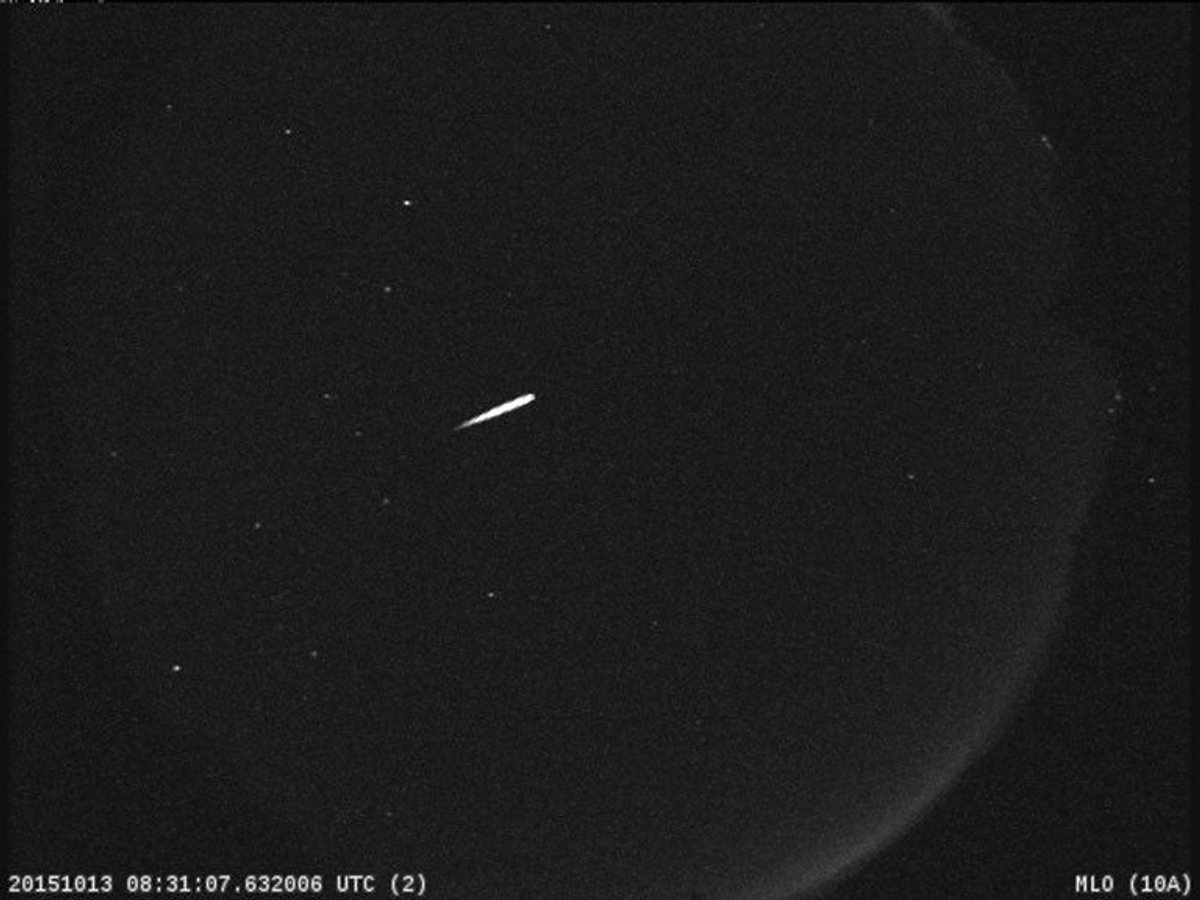
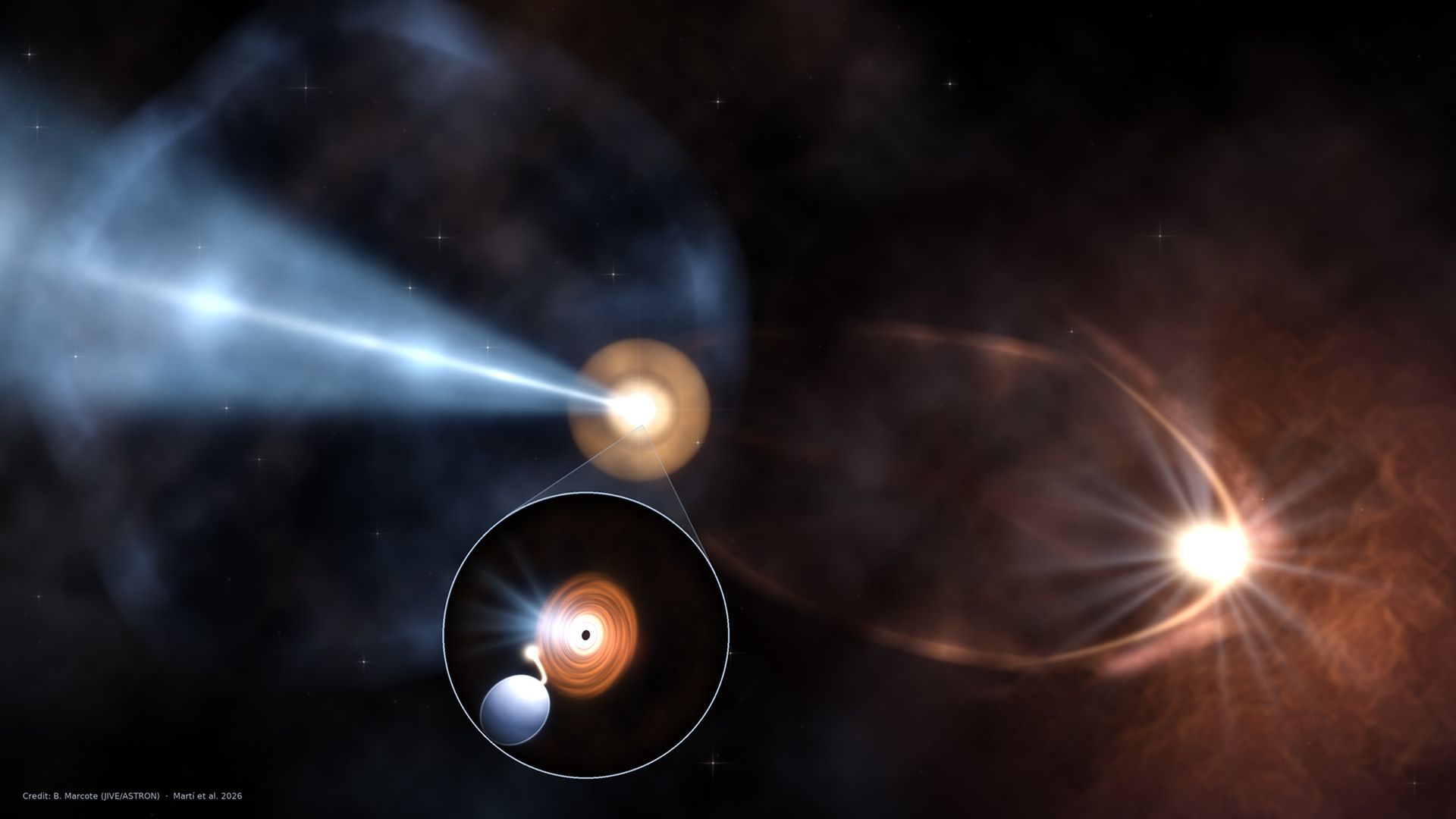
Researchers have observed the strongest candidate yet for a "microblazar" — a dazzling object that has long been predicted to exist but never spotted. Observations of microblazars would give astronomers closer views of black holes emitting powerful jets of energy and help them understand how these extreme objects behave. Blazars are some of the most energetic objects in the universe. They are a type of quasar — a brightly glowing object fueled by a supermassive black hole stripping material from its host galaxy and then ejecting some of it in powerful, opposing jets of particles and radiation. To qualify as a blazar, one of those near-light-speed jets needs to point directly at Earth. Astron...

📅 2026-10-06 20:41:50    •    Live Science
Read Original Article →
Flexible protein gate controls access to mitochondrial folds, simulations suggest
Science News

Flexible protein gate controls access to mitochondrial folds, simulations suggest

Twenty-four hours a day, seven days a week, mitochondria in our cells churn out energy from the food we eat, which keeps our bodies functioning. Much of this work happens along cristae—deep pockets in the mitochondria's inner membrane. To work properly, cristae must maintain their shape while carefully controlling which molecules enter and exit. At their narrow entrances sits a protein complex called MICOS, which helps stabilize these pockets and acts as a molecular filter. When this architecture is disrupted, the consequences can include neurodegenerative diseases and cancer. But exactly how MICOS works has remained unclear.

📅 2026-10-06 20:40:20    •    Phys.org
Read Original Article →
Laughter, sighs and screams reveal unwritten social rules in everyday life
Science News

Laughter, sighs and screams reveal unwritten social rules in everyday life

Alongside words, humans have a treasure trove of nonverbal tools to help express themselves. We chuckle, sigh and gasp to communicate our feelings without uttering a word. What has amazed researchers for ages is how we rarely stop to think about how we know which sound belongs in which situation. Could unwritten social rules guide these everyday nonverbal sounds?

📅 2026-10-06 20:40:14    •    Phys.org
Read Original Article →
Mathematical model makes image encryption more resilient to real-world uncertainty
Science News

Mathematical model makes image encryption more resilient to real-world uncertainty

In today's digital world, everything from medical images and financial records to personal photos and secure communications depends on encryption systems that can protect sensitive information. But real-world technologies rarely operate under perfect conditions. Measurements can be imprecise, hardware introduces small errors, and communication channels are often affected by noise.

📅 2026-10-06 20:40:07    •    Phys.org
Read Original Article →
Archaeologists discover a child's skull built into the floor of a 2,500-year-old Scandinavian house
Science News

Archaeologists discover a child's skull built into the floor of a 2,500-year-old Scandinavian house

Archaeologists have unearthed evidence that men, women and children were subjected to violence within their communities in ancient Scandinavia — and that these victims were buried in unusual places, such as pits or wells or under a family's house or yard.During the Scandinavian Iron Age and Viking Age (from roughly 500 B.C. to A.D. 1050), violent encounters between individuals and communities steadily increased, resulting in archaeological evidence of elite warrior burials and mass graves from battles. To better understand the context of violence in the Iron and Viking ages, researchers analyzed 192 human bones from people buried in domestic areas at settlements in what are now Denmark, Norw...

📅 2026-10-06 20:22:45    •    Live Science
Read Original Article →
NASA's Curiosity rover catches stunning Martian dawn
Science News

NASA's Curiosity rover catches stunning Martian dawn

A newly released panorama captured by NASA's Curiosity rover offers the most detailed view yet of distant, wind-carved Martian cliffs, highlighting features the mission's scientists have long been waiting to see up close. The scene was snapped at 8:30 a.m. local Mars time, showing striking blue hues in the foreground as bright morning light illuminates crags known as yardangs on the horizon.

📅 2026-10-06 20:00:07    •    Phys.org
Read Original Article →
Diet alone cannot explain differences in gut bacterial communities
Science News

Diet alone cannot explain differences in gut bacterial communities

Why do the gut microbiomes of people from industrialized and nonindustrialized regions differ? A study by the Helmholtz Center for Infection Research (HZI) in collaboration with the European Molecular Biology Laboratory (EMBL), the University of Trento (Italy) and the University of Tübingen shows that diet alone does not explain these differences.

📅 2026-10-06 20:00:02    •    Phys.org
Read Original Article →
Reading beyond the peaks: Optical analysis decodes spectral complexity in twisted semiconductor layers
Science News

Reading beyond the peaks: Optical analysis decodes spectral complexity in twisted semiconductor layers

A study from the Research Center for Materials Nanoarchitectonics (MANA), one of the centers under the National Institute for Materials Science (NIMS), presents a new method to reveal hidden material disorder reflected in complex photoluminescence spectra, paving the way for new optical diagnostics of material disorder in two-dimensional semiconductors and related light-emitting materials.

📅 2026-10-06 19:40:10    •    Phys.org
Read Original Article →
New Zealand's native plant seeds may survive wildfires
Science News

New Zealand's native plant seeds may survive wildfires

Mākaka (native broom) and kōwhai seeds might be able to survive the heat of fires, new research shows. Scientists heated native and exotic seeds in a lab oven to temperatures they may face in the soil during a fire, expecting only the exotics—which often experience fires in their homelands—to survive. However, mākaka and kōwhai seeds survived up to 80°C, and mākaka seeds even sprouted in response. Māhoe, tī kōuka (cabbage tree) and matagouri seeds died after heating, while invasive gorse survived 100°C and sprouted. As fires get more common in NZ, it's important to understand if any native seeds could survive and grow back, the researchers say.

📅 2026-10-06 19:40:01    •    Phys.org
Read Original Article →
'She knew she had something really important on her hands': Rosalind Franklin figured out DNA's helical structure before Watson and Crick, study suggests
Science News

'She knew she had something really important on her hands': Rosalind Franklin figured out DNA's helical structure before Watson and Crick, study suggests

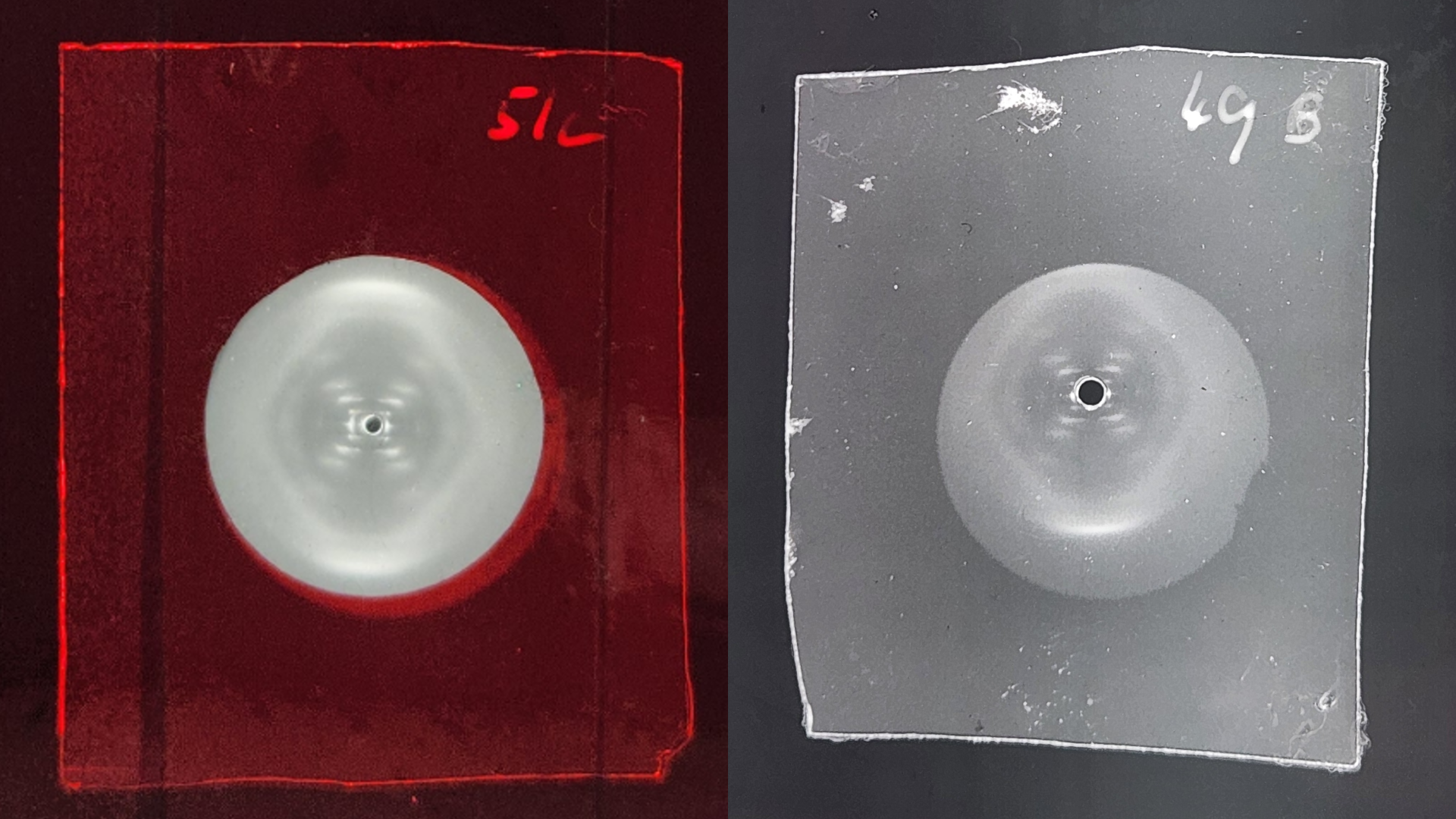
Rosalind Franklin, whose photographs of the molecular structure of DNA led to a 1962 Nobel Prize for three other scientists, knew that her famous images held the secret of the double helix, new research suggests. An examination of archival material reveals that Franklin's Photograph 51, which was taken in May 1952 and later published to show the double-helix structure, was specifically taken for the purpose of publication — not, as some narratives have held, an experimental shot that Franklin believed was insignificant. The new research revealed that Photograph 51 was a new exposure of a sample Franklin had already photographed. She started Photograph 51 the same day she saw that photograph,...

📅 2026-10-06 17:33:06    •    Live Science
Read Original Article →
Amazon Prime Day 2026: Best stargazing deals on telescopes and binoculars
Science News

Amazon Prime Day 2026: Best stargazing deals on telescopes and binoculars

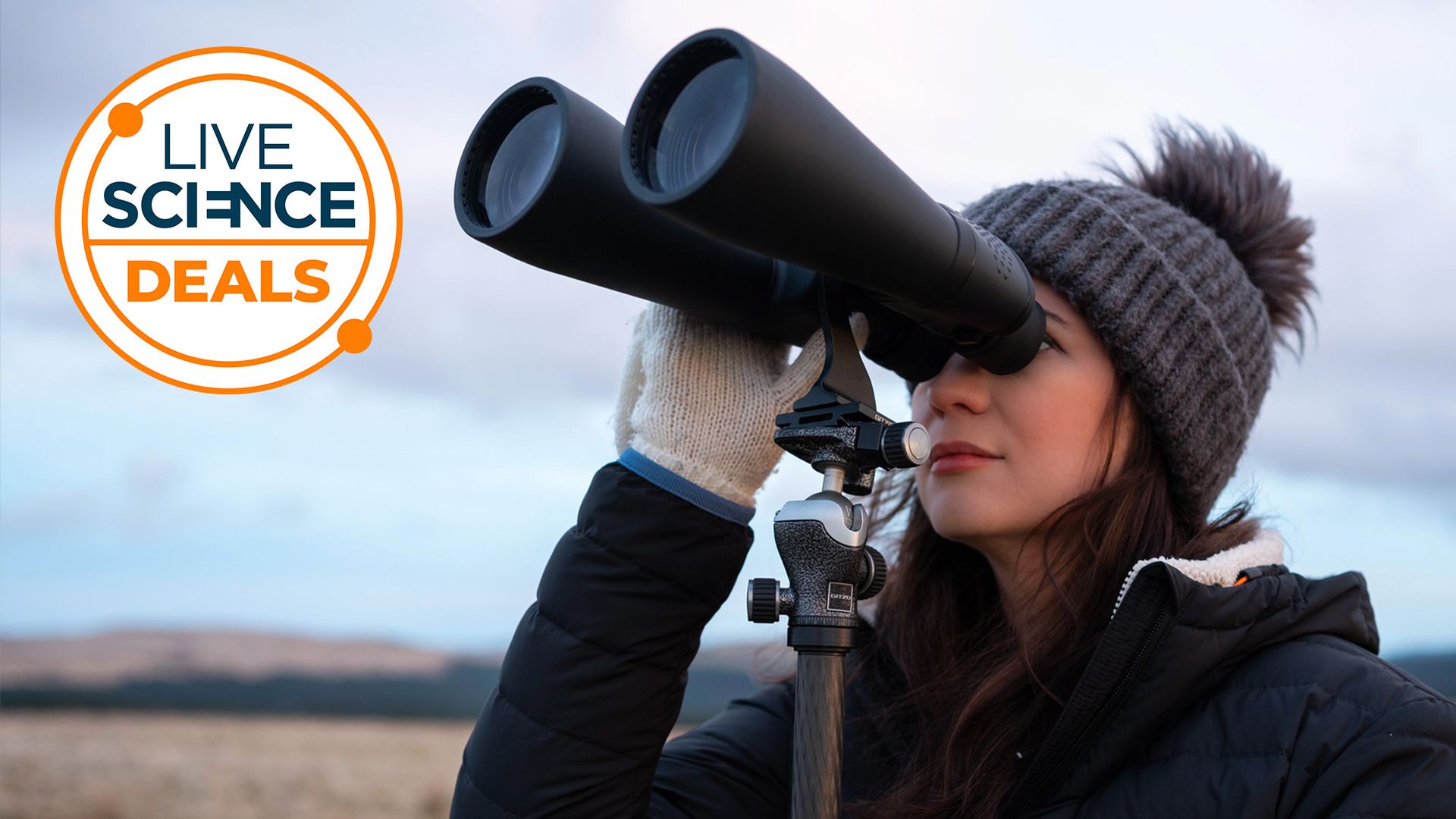
Amazon Prime Day is underway, and we've found some tempting deals on our favorite stargazing equipment at Amazon. The sale ends at 23:59 tonight, Wednesday, October 7, 2026, and we'll keep an eye on the deals so you can keep an eye on the skies. Fall is a fantastic time to stargaze, with meteor showers, full moons, constellations and planetary oppositions — some of which you can only see with binoculars or a telescope. Shop the best deals on telescopes and binoculars below.Telescope dealsIf you want a small, easy-to-use smart telescope with minimal investment, you can save $99 on the ZWO Seestar S30.These small smart telescopes are ideal for deep-sky astrophotography, particularly for large ...

📅 2026-10-06 14:50:56    •    Live Science
Read Original Article →

Goodbye joint replacements? Stanford scientists found a way to regrow cartilage and stop arthritis
Science News

Goodbye joint replacements? Stanford scientists found a way to regrow cartilage and stop arthritis

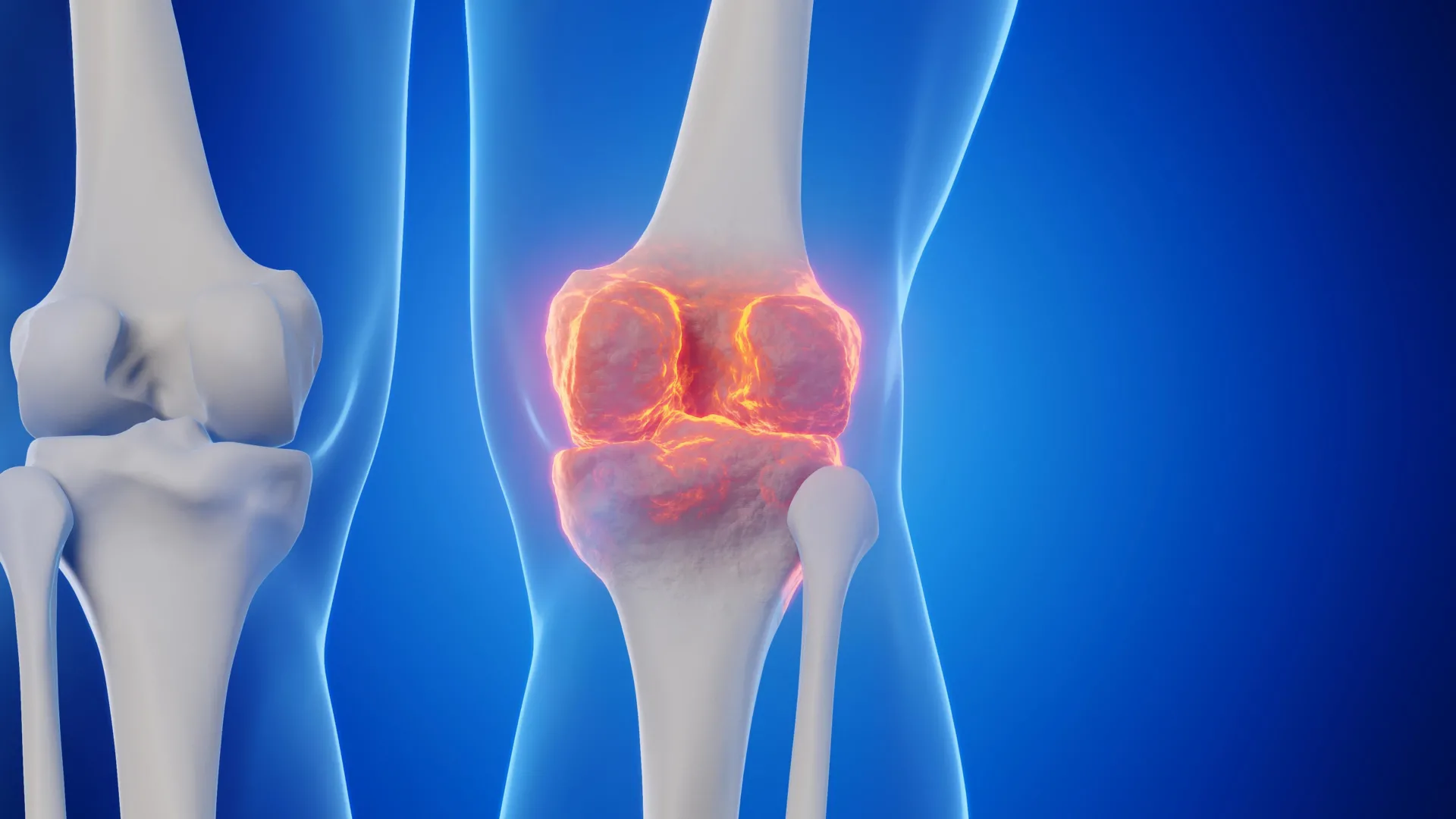
Scientists have found a surprising way to regrow damaged knee cartilage by blocking a protein that becomes more abundant with age. In old mice, the treatment restored naturally lost cartilage and also helped prevent osteoarthritis after ACL-like knee injuries, while human cartilage taken from knee replacement patients began producing new, functional joint cartilage after exposure to the same inhibitor.

📅 2026-10-06 13:03:47    •    ScienceDaily
Read Original Article →
Page 57of 171   •   4,102articles