Latest Science & Research News

Stay informed about scientific discoveries, research developments and new findings from around the world.

Latest News

View All β†’
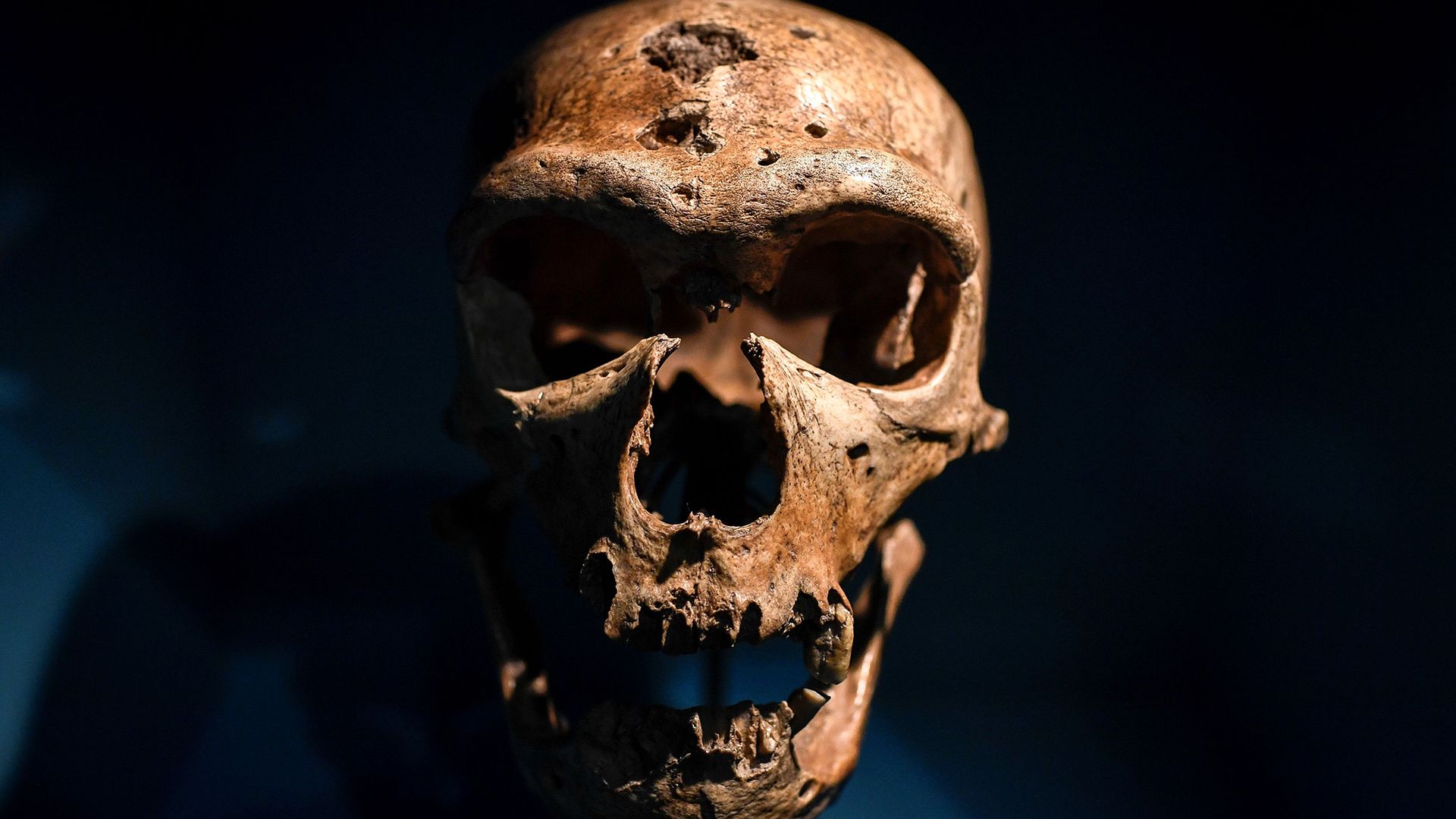
'News reports tweaked the science to speak to contemporary anxieties': How Neanderthal extinction is a projection of our own, modern fears
Science News

'News reports tweaked the science to speak to contemporary anxieties': How Neanderthal extinction is a projection of our own, modern fears

Since the discovery of their remains in the 19th century, Neanderthals have fascinated scientists and the general public alike. Although our understanding of these ancient hominins has been transformed tremendously since then, how we have viewed this other human lineage became deeply entrenched in how we see our own species, with geopolitical events shaping the rhetoric around our ancient relatives. In his new book, "Neanderthals Among Us: The Making of a Prehistoric Human" (Oneworld Publications, 2026), historian and author Peter Sahlins examines our complicated view of Neanderthals, with this lost human lineage being viewed through the lens of cultural and political ideologies. In this exc...

πŸ“… 2026-10-11 11:00:00    β€’    Live Science
Read Original Article β†’
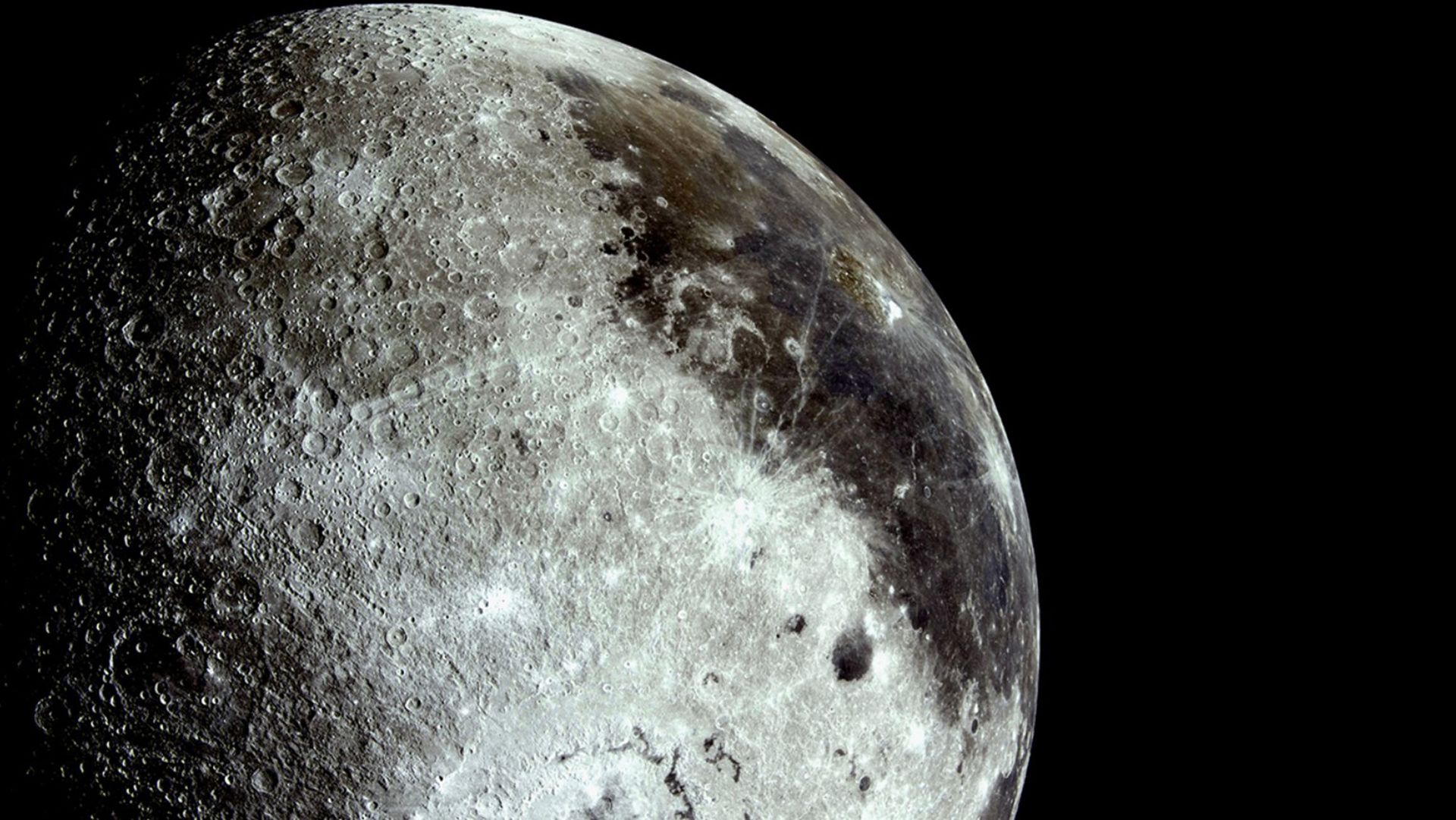
'Swamp-like colors' on the moon: NASA report reveals strange sights from Artemis II mission
Science News

'Swamp-like colors' on the moon: NASA report reveals strange sights from Artemis II mission

Quick factsWhat it is: A view of the moon from the Artemis II crewWhere it is: Aristarchus Plateau, on the moon's near sideWhen it was shared: Oct. 8, 2026What color is the moon? Ask an Earthling, and you'll get a predictably monochromatic answer: white or gray. But ask the four crewmembers of NASA's Artemis II mission β€” who spent nearly seven hours circling the moon from just 4,000 miles (6,400 kilometers) from the lunar surface this April β€” and you'll wonder if they're talking about the same dusty satellite we can see from Earth.Yellow, brown, green, blue and tan features fan across vast volcanic plains and lurk at the edges of ominous craters, according to the crew's in-the-moment observa...

πŸ“… 2026-10-11 10:00:00    β€’    Live Science
Read Original Article β†’
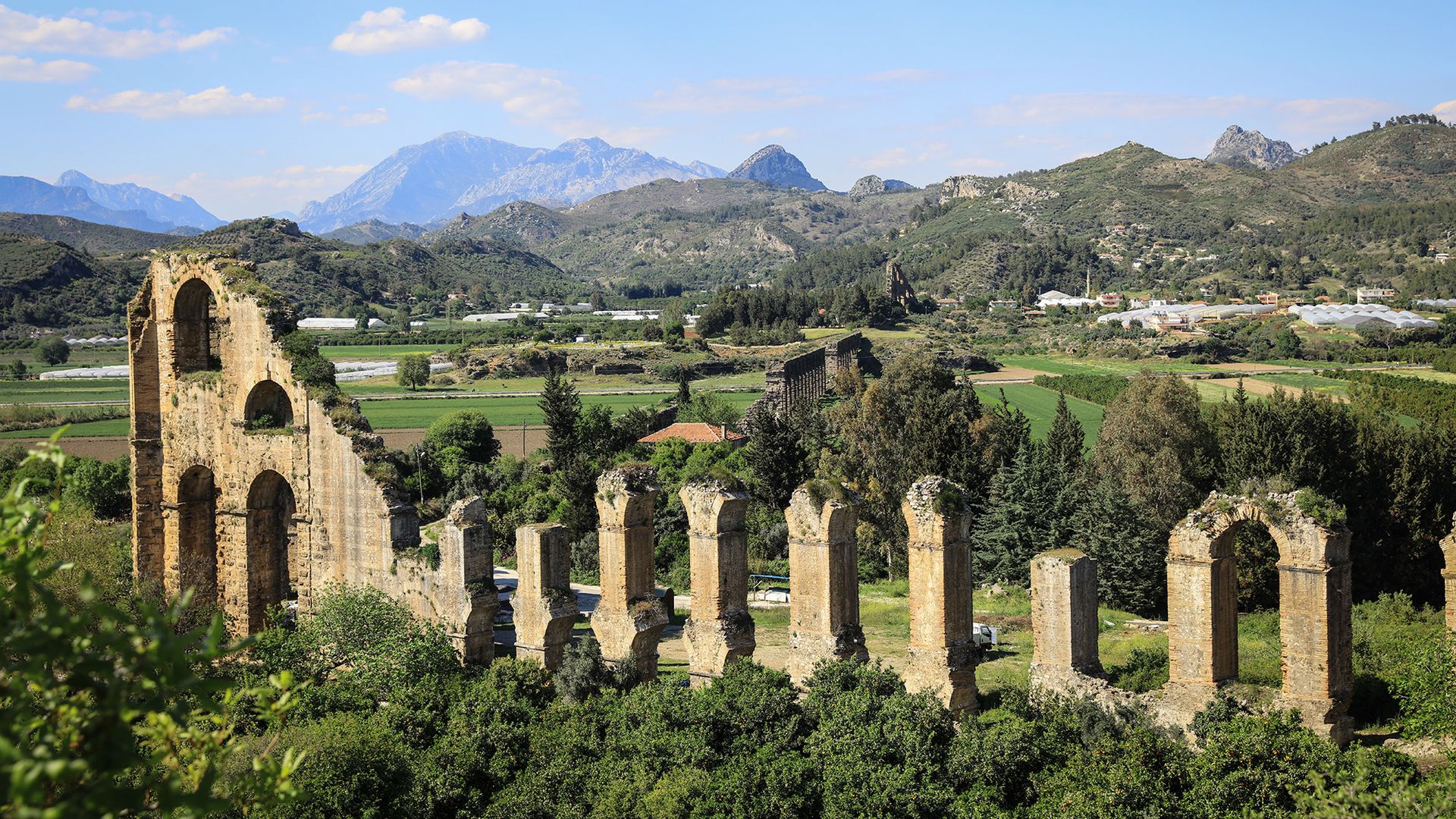
How did Roman aqueducts get water to go uphill?
Science News

How did Roman aqueducts get water to go uphill?

Aqueducts are some of the ancient Romans' most prominent surviving archaeological remains. These aqueducts relied on gravity to bring down the water to cities gradually. But some, such as the aqueduct at Aspendos in Turkey, had sections where they had to go uphill. So how did the Romans get water to flow upward?The Romans used a few methods, including siphons and various water-lifting devices, experts told Live Science. Inverted siphonsOne strategy was a system called an inverted siphon (sometimes simply called a siphon).At Aspendos, in southern Turkey, there is a second-century-A.D. Roman aqueduct with inverted siphons that scholars have reconstructed with a virtual modeling simulation. To ...

πŸ“… 2026-10-11 09:00:00    β€’    Live Science
Read Original Article β†’
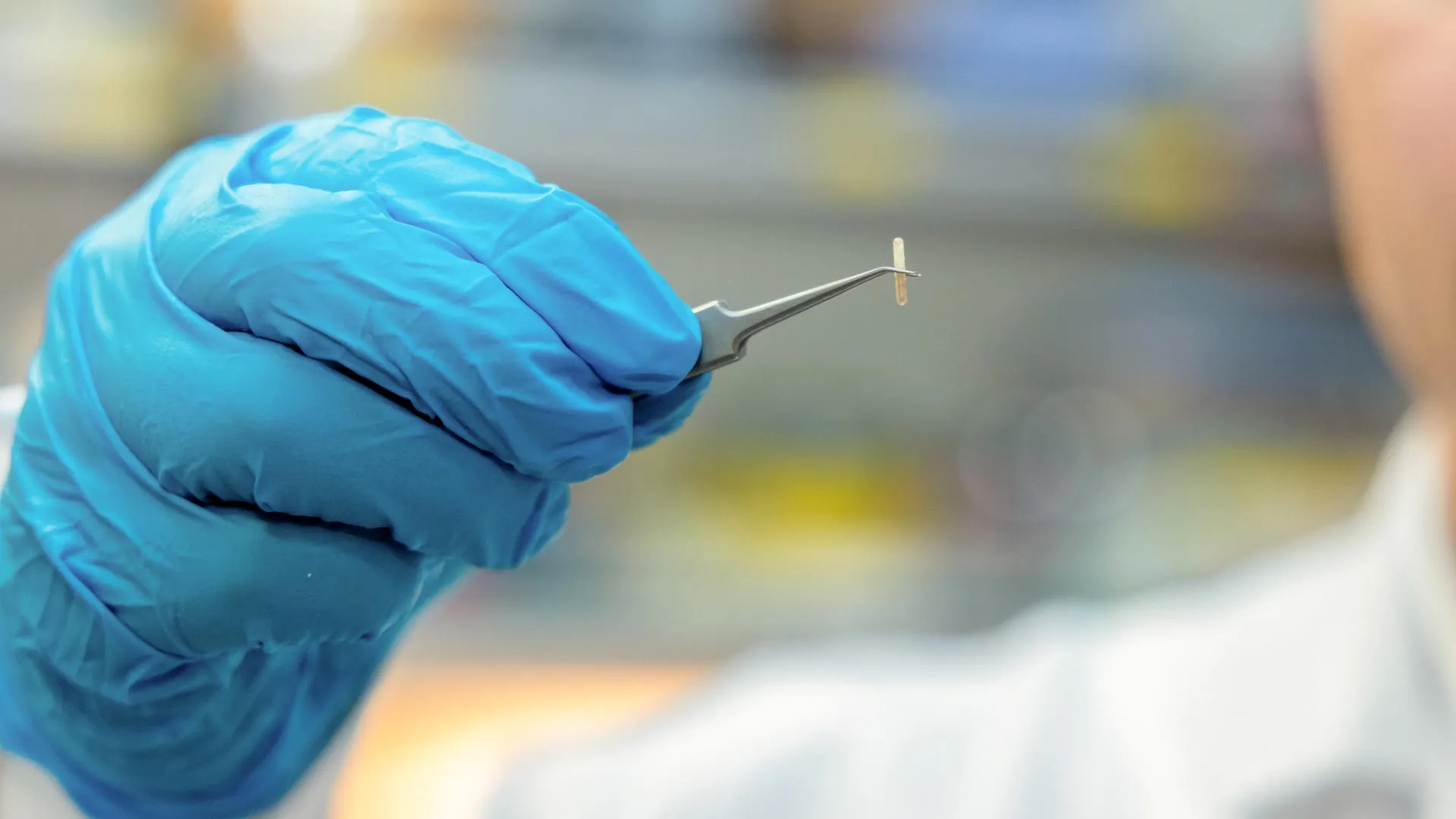
Scientists build a nuclear clock that could make atomic clocks obsolete
Science News

Scientists build a nuclear clock that could make atomic clocks obsolete

Scientists in Vienna have achieved a major breakthrough in timekeeping by creating the world’s first self-stabilizing nuclear clock, a technology that could eventually surpass even the most precise atomic clocks. Instead of relying on electrons in atoms, the clock uses the tiny nuclei of thorium atoms, which are far less sensitive to outside disturbances.

πŸ“… 2026-10-11 03:06:35    β€’    ScienceDaily
Read Original Article β†’
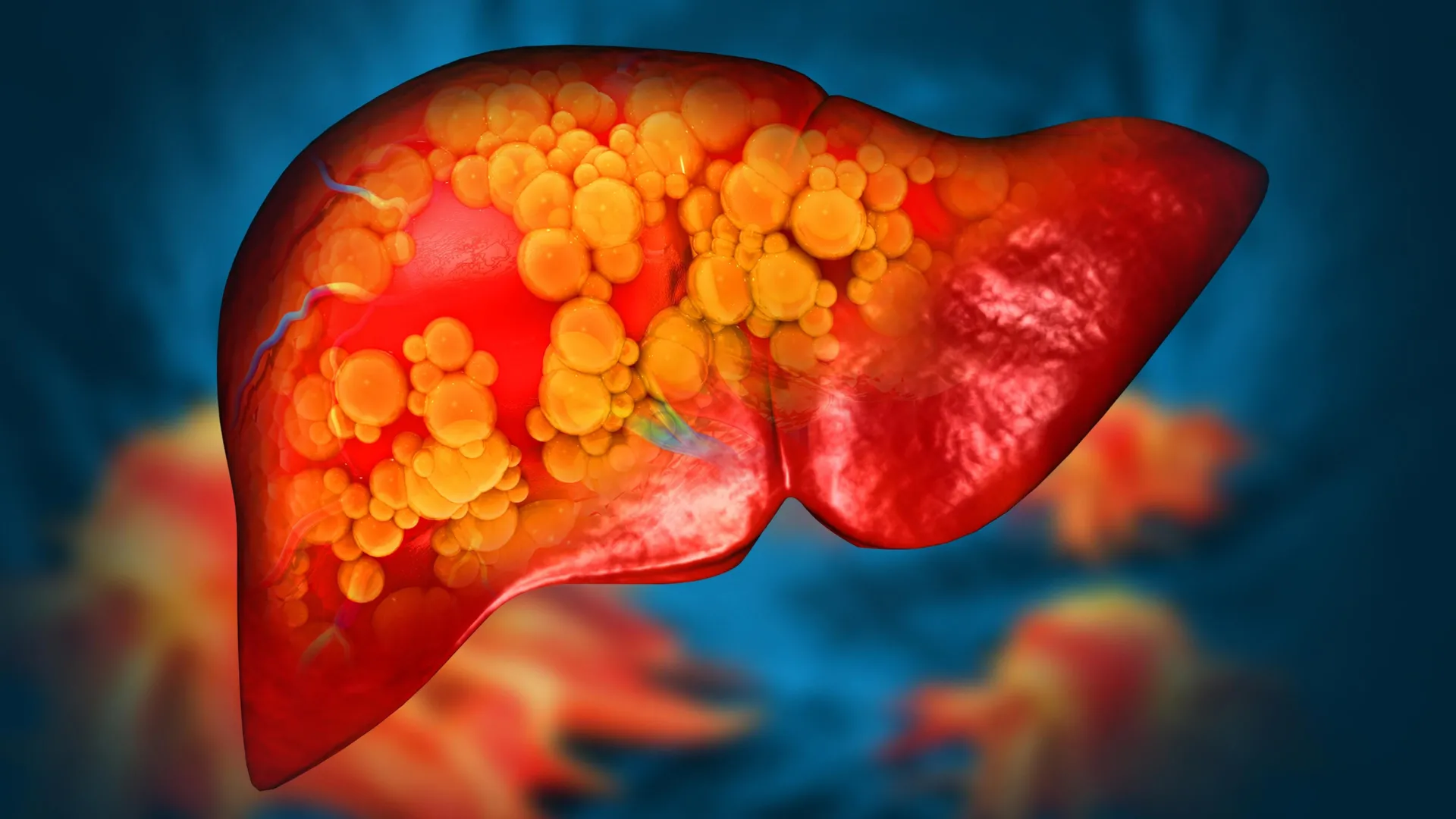
A plastic once thought harmless may be fueling fatty liver disease
Science News

A plastic once thought harmless may be fueling fatty liver disease

One of the world's most common plastics may pose a hidden threat to liver health. Texas A&M researchers discovered that polyethylene microplastics can contribute to fatty liver disease, with potentially worse effects when combined with an unhealthy diet. Even more surprising, this widely used plastic was previously considered relatively harmless.

πŸ“… 2026-10-11 00:47:05    β€’    ScienceDaily
Read Original Article β†’
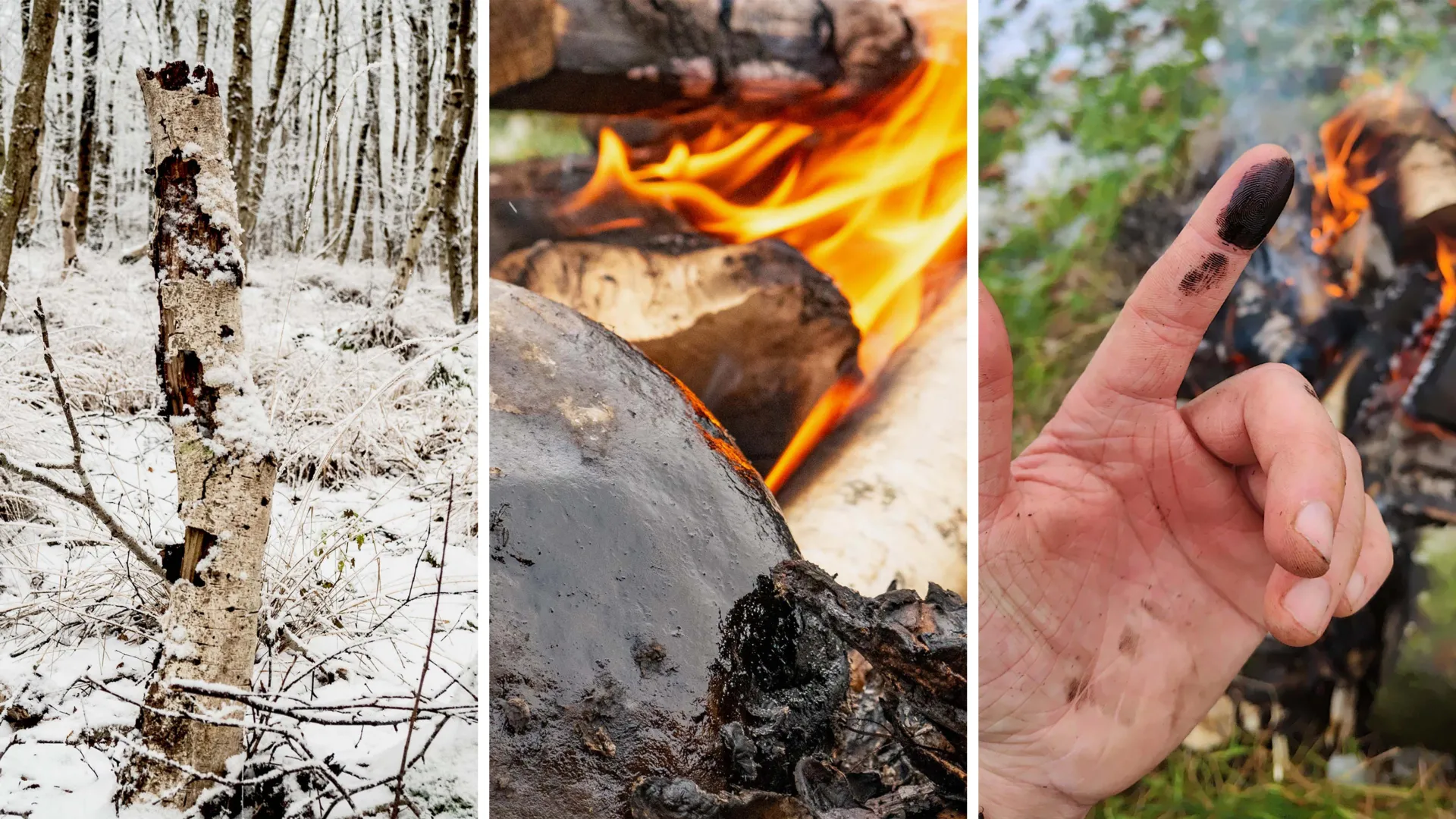
Neanderthals may have used prehistoric glue as an ancient antibiotic
Science News

Neanderthals may have used prehistoric glue as an ancient antibiotic

Neanderthals may have used a sticky substance made from birch bark to treat wounds thousands of years before antibiotics existed. Researchers recreated ancient birch tar production techniques and discovered that every sample could inhibit the growth of bacteria responsible for dangerous wound infections. Previously known mainly as a prehistoric glue, birch tar may have doubled as a surprisingly effective natural medicine.

πŸ“… 2026-10-11 00:45:37    β€’    ScienceDaily
Read Original Article β†’
Zimbabwe's dinosaurs were different from South Africa's: New species offers clues
Science News

Zimbabwe's dinosaurs were different from South Africa's: New species offers clues

Africa boasts up to 25% of Earth's animal and plant species. This diversity is driven by varied habitats: harsh deserts, vast grasslands, dense forests, towering mountains, lush coastlines and teeming seas. It is also due to deep evolutionary roots, as many animal and plant groups originated here in the distant past. Paleontologists have been excavating this material for nearly two centuries.

πŸ“… 2026-10-11 00:30:01    β€’    Phys.org
Read Original Article β†’
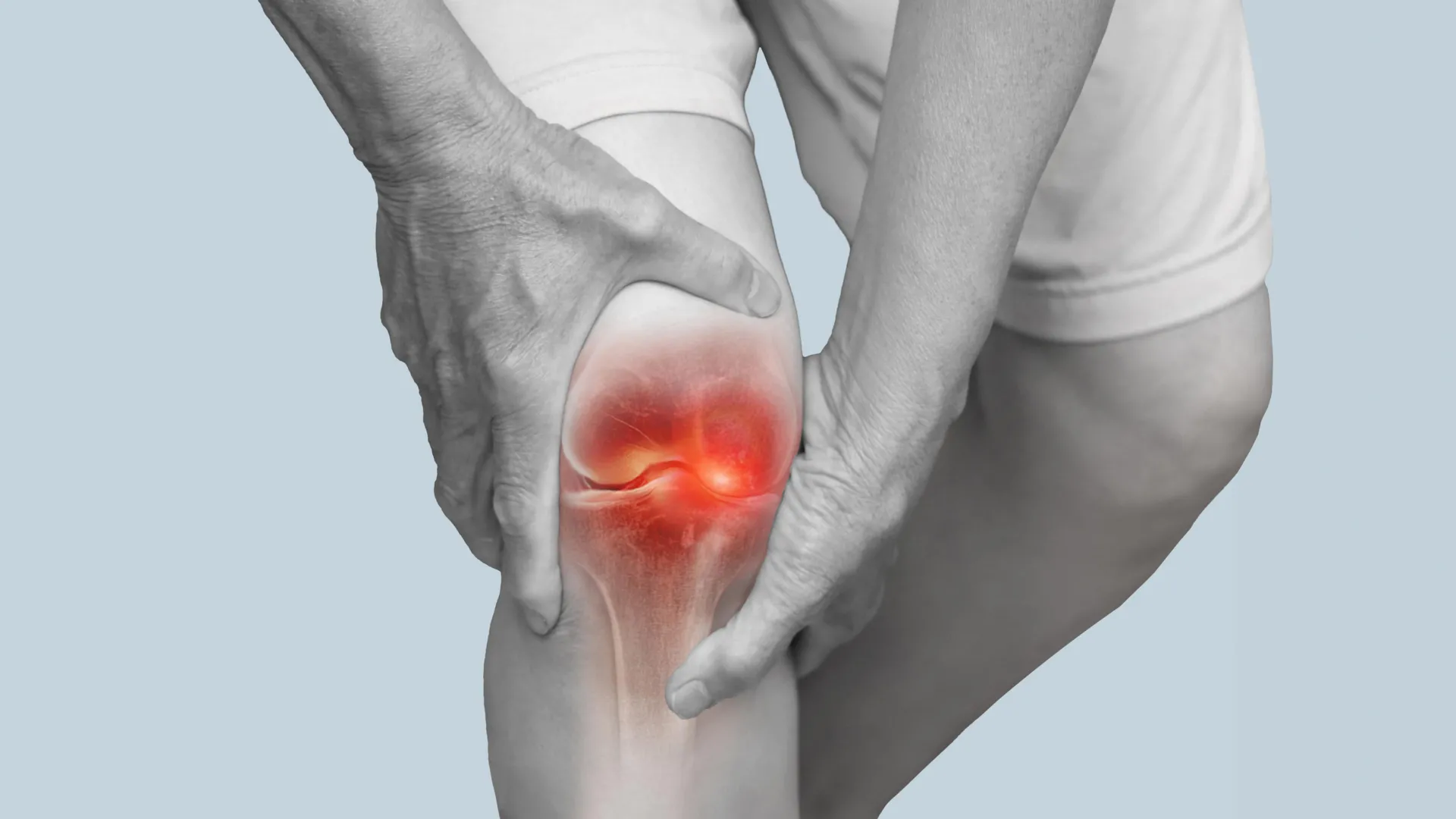
A surprisingly simple way to relieve knee arthritis pain without pills or surgery
Science News

A surprisingly simple way to relieve knee arthritis pain without pills or surgery

A surprisingly simple change in how you walk could help relieve knee arthritis pain and even slow joint damage. In a year-long clinical trial, researchers found that adjusting the angle of a person's foot while walking reduced osteoarthritis pain by an amount comparable to medication, without requiring drugs or surgery. Even more promising, MRI scans revealed that participants who adopted the personalized walking technique experienced slower deterioration in a marker of knee cartilage health.

πŸ“… 2026-10-11 00:00:24    β€’    ScienceDaily
Read Original Article β†’
Ultraviolet laser pulses engineer diamond defects selectively, leaving quantum qubits intact
Science News

Ultraviolet laser pulses engineer diamond defects selectively, leaving quantum qubits intact

When we think about a diamond, we often think about a material whose value comes from its perfection. In my research, however, I am interested in something almost opposite: the tiny imperfections inside diamonds. These atomic-scale defects can give diamonds new optical and electronic properties, and some of them can serve as quantum systems. The challenge is learning how to control these defects without disturbing the others.

πŸ“… 2026-10-10 21:20:01    β€’    Phys.org
Read Original Article β†’
Scientists may have found a shortcut to fusion energy
Science News

Scientists may have found a shortcut to fusion energy

Princeton Plasma Physics Laboratory may have found a dramatically more efficient route to fusion energy by reversing the traditional approach: heating plasma first, then increasing its density. Their calculations could help future reactors reach self-sustaining fusion with far less energy while avoiding hidden problems that make ignition harder.

πŸ“… 2026-10-10 18:57:27    β€’    ScienceDaily
Read Original Article β†’
MIT astronomers catch a star in a feast that could last billions of years
Science News

MIT astronomers catch a star in a feast that could last billions of years

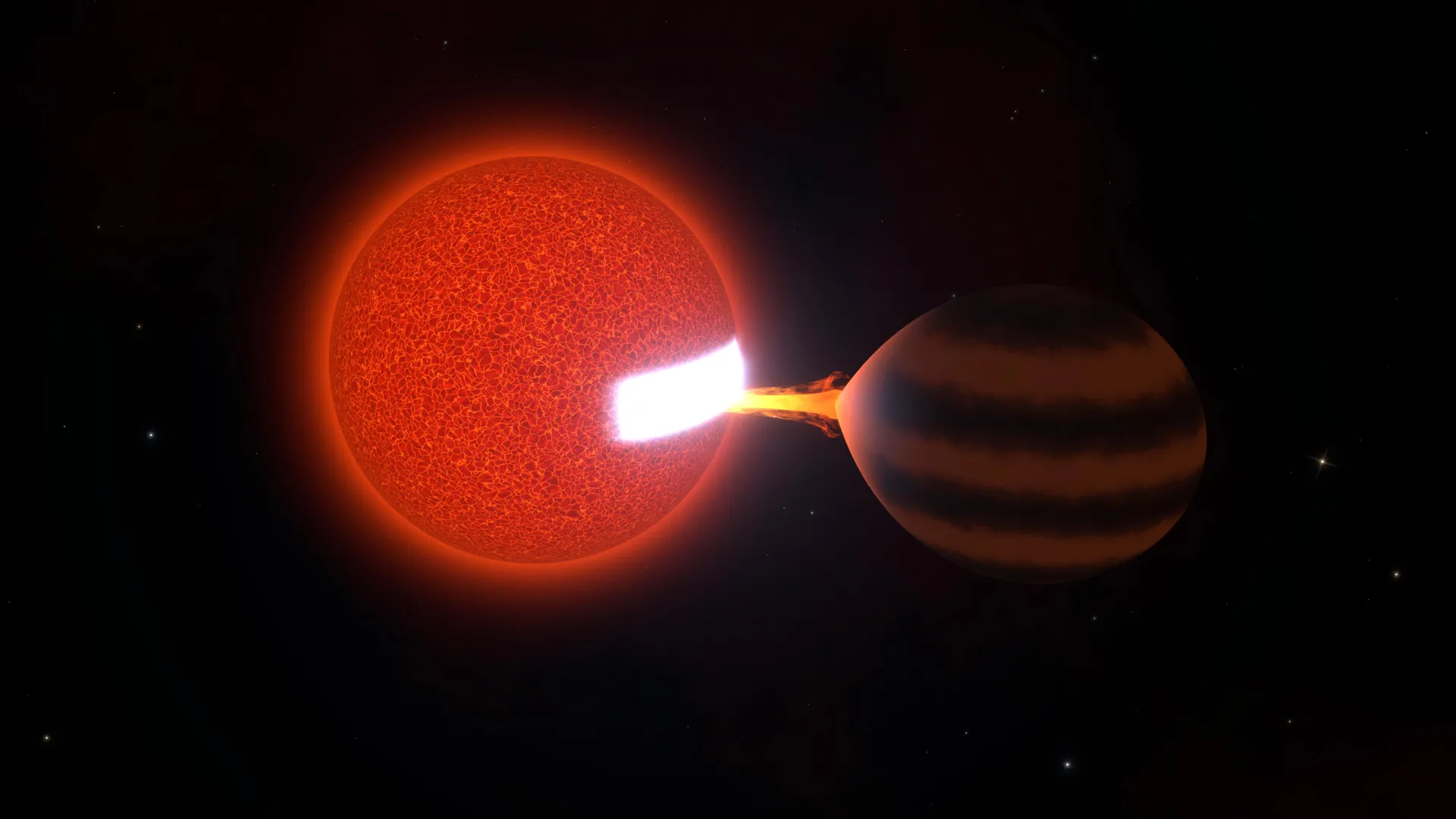
Astronomers have discovered a bizarre star system about 300 light-years from Earth where a small star is slowly devouring a nearby brown dwarf, an object too massive to be a planet but too small to be a true star. Unlike stars that rapidly swallow their companions, this one is gradually stealing material in a process that could continue for billions of years.

πŸ“… 2026-10-10 18:56:25    β€’    ScienceDaily
Read Original Article β†’
Bowel cancer β€œmelted away” after immunotherapy, then stayed away
Science News

Bowel cancer β€œmelted away” after immunotherapy, then stayed away

A short course of immunotherapy before surgery may offer remarkably durable protection for some patients with stage two or three bowel cancer. In the NEOPRISM-CRC trial, 32 patients with a specific genetic form of bowel cancer received pembrolizumab for up to nine weeks before surgery instead of the usual post-surgery chemotherapy. After nearly three years of follow-up, none of the patients had experienced a cancer recurrence, including those who still had small traces of disease after treatment.

πŸ“… 2026-10-10 18:42:35    β€’    ScienceDaily
Read Original Article β†’
New stability rules distinguish quantum phases of matter that an older method wrongly groups together
Science News

New stability rules distinguish quantum phases of matter that an older method wrongly groups together

Most of us recognize basic phases of matter and their properties: solids maintain their shape, liquids flow freely with constant volume, and gases expand to fill their container. Quantum phases, on the other hand, are much harder to categorize, overturning traditional notions of what a phase even is and forcing physicists to rethink their definitions.

πŸ“… 2026-10-10 17:00:02    β€’    Phys.org
Read Original Article β†’
Page 45of 171   β€’   4,102articles