Crackers are past date on box. Should I toss them?
Policy expert says new California law highlights need for national standards on safety labels to cut high levels of U.S. food waste
Stay informed about scientific discoveries, research developments and new findings from around the world.
Policy expert says new California law highlights need for national standards on safety labels to cut high levels of U.S. food waste
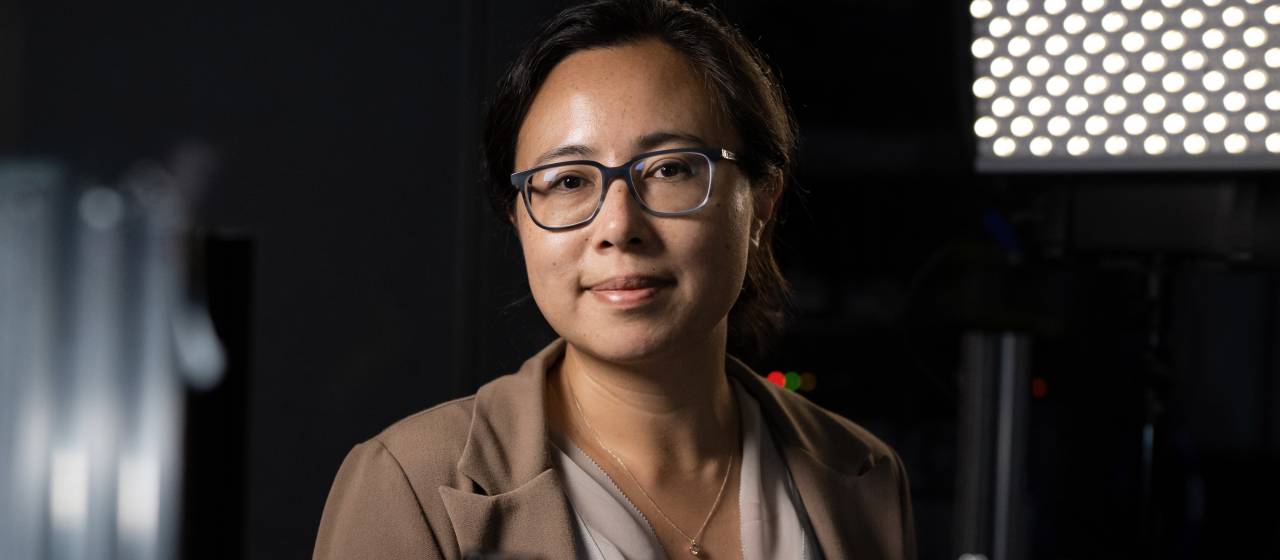
Nathalie de Leon will direct the new institute, which is one of eight announced as part of the National Science Foundation’s Quantum Leap Challenge Institutes program.
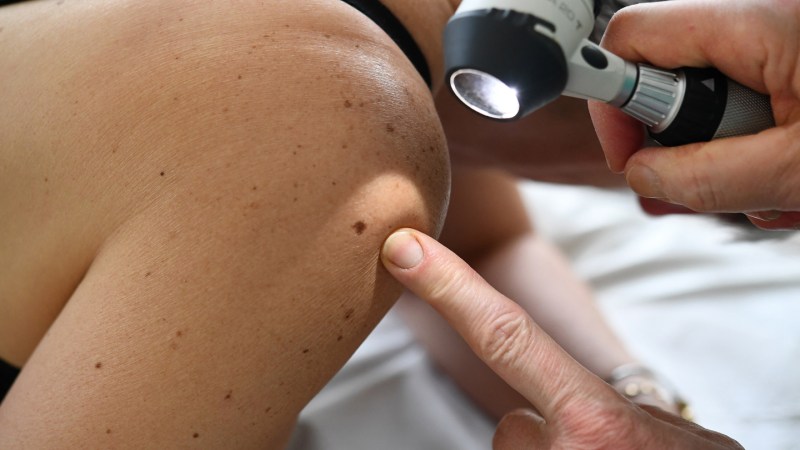
A personalized mRNA vaccine paired with Keytruda may help keep skin cancer from returning after surgery, a large clinical trial suggests.
At the height of the Cold War, one very specialized computer was so secret that the world didn’t know it existed. It ran its jobs up to 200 times as fast as any other computer of its time. It was the U.S. National Security Agency’s main cryptographic processor in operation from the time of the Cuban Missile Crisis in 1962 through the Vietnam War and on past the 1975 Helsinki Accords. The machine stopped running only when its moving parts finally gave out.The Harvest computer mattered because of what it was as well as when it ran. For 14 years, it was the engine processing the NSA’s most sensit...
Physicists solve 40-year-old magnetic mystery Sarah Collins Tue, 08/25/2026 - 11:05 A quantum particle that crosses a ‘duality defect’ – a boundary between order and disorder – is never reflected. It always passes through, but it comes out changed: not a particle, but a spread-out, thread-like excitation that researchers compare to a wisp of fog. The findings, published in the journal Nature Physics, may help solve a 40-year-old puzzle in physics known as the magnetic monopole paradox. The researchers, from the University of Cambridge, Ghent University and the University of Oxford, borrowed the wisp of fog image from Goethe’s poem Erlkönig, made famous by the composer Franz Schubert in his 1815 setting. In the poem, a father tells his frightened son that the ghostly figure he sees is only ‘ein Nebelstreif’ – a wisp of fog. But the father turns out to be tragically wrong.Since the 1980s, physicists have theorised what happens when a charged particle scatters off a magnetic monopole: an isolated magnetic charge. Some scientists showed that the particle’s outgoing state seemed to disappear, while later work suggested the missing states were hidden in ‘twisted’ sections of the monopole. Now, the team behind the current work say they have shown where these particles go. Using a model called a spin chain, they fired quantum wave packets – localised bundles of quantum waves that help pinpoint a particle’s probable location and motion – at a duality defect. The particle always crossed the boundary, and re-emerged transformed: faint, spread out, and trailing a thread back to the boundary, like Goethe’s Nebelstreif. “The particle goes through every time – it has no choice, because the defect can be moved around freely, so there’s nothing for the particle to bounce off,” said co-author Professor Frank Verstraete from Cambridge’s Department of Applied Mathematics and Theoretical Physics (DAMTP), and Ghent University. “But what comes out on the other side is no longer an ordinary particle. It’s what we call a nonlocal object – a particle attached to an invisible string that stretches back to the defect.” The research builds on years of work describing quantum matter through entanglement – a feature of quantum theory that causes two particles to be intrinsically linked – rather than particles, using mathematical tools called tensor networks. In this framework, the duality defect is represented by an object that includes a virtual space usually treated as mathematical bookkeeping. In the current study, the researchers found that the virtual space is actually physical: it is the defect’s own internal quantum state, and its size sets how many internal degrees of freedom the defect has. “The defect carries a hidden quantum space, and that space dictates both the perfect transmission and the particle’s new identity,” said first author Dr Atsushi Ueda from Ghent University. “Dualities are strange symmetries: you can’t apply them particle by particle, only to the whole system at once,” said co-author Dr Laurens Lootens, also from DAMTP, who helped establish the mathematical framework behind the result. “For years, non-invertible symmetries and duality defects have been studied as beautiful but abstract structures,” said co-author Professor Paul Fendley from the University of Oxford. “This work gives them an operational meaning: throw something at one, and see what comes out.” Because the underlying model is a simple spin chain, the effect could be tested on existing quantum simulation platforms, such as cold atoms, trapped ions and superconducting processors. The researchers say this could lead to the first direct observation of a particle changing identity as it crosses a topological interface. Goethe’s poem ends tragically: the father reaches the courtyard of his home, and the child in his arms is dead, taken by the Erlkönig. But the researchers reached the opposite verdict: it really was ein Nebelstreif. Reference:Atsushi Ueda et al. ‘Perfect particle transmission through duality defects.’ Nature Physics (2026). DOI: 10.1038/s41567-026-03390-5 PASIEKA via Getty Images Abstract lines Yes
This article is brought to you by Ollobot.From about 2017, individuals began to truly connect with the initial wave of companion robots. These devices had personality, moved around, joked, and answered when you spoke to them. Most early companion robots, however, were still limited by simple voice-command interactions and narrow functionality. Once the novelty wore off, many ended up sitting unused on shelves. As some of those companies went out of business and turned off their servers, many owners likened it to losing a pet.What Ollobot describes as “gentle intelligence” is a useful way to th...
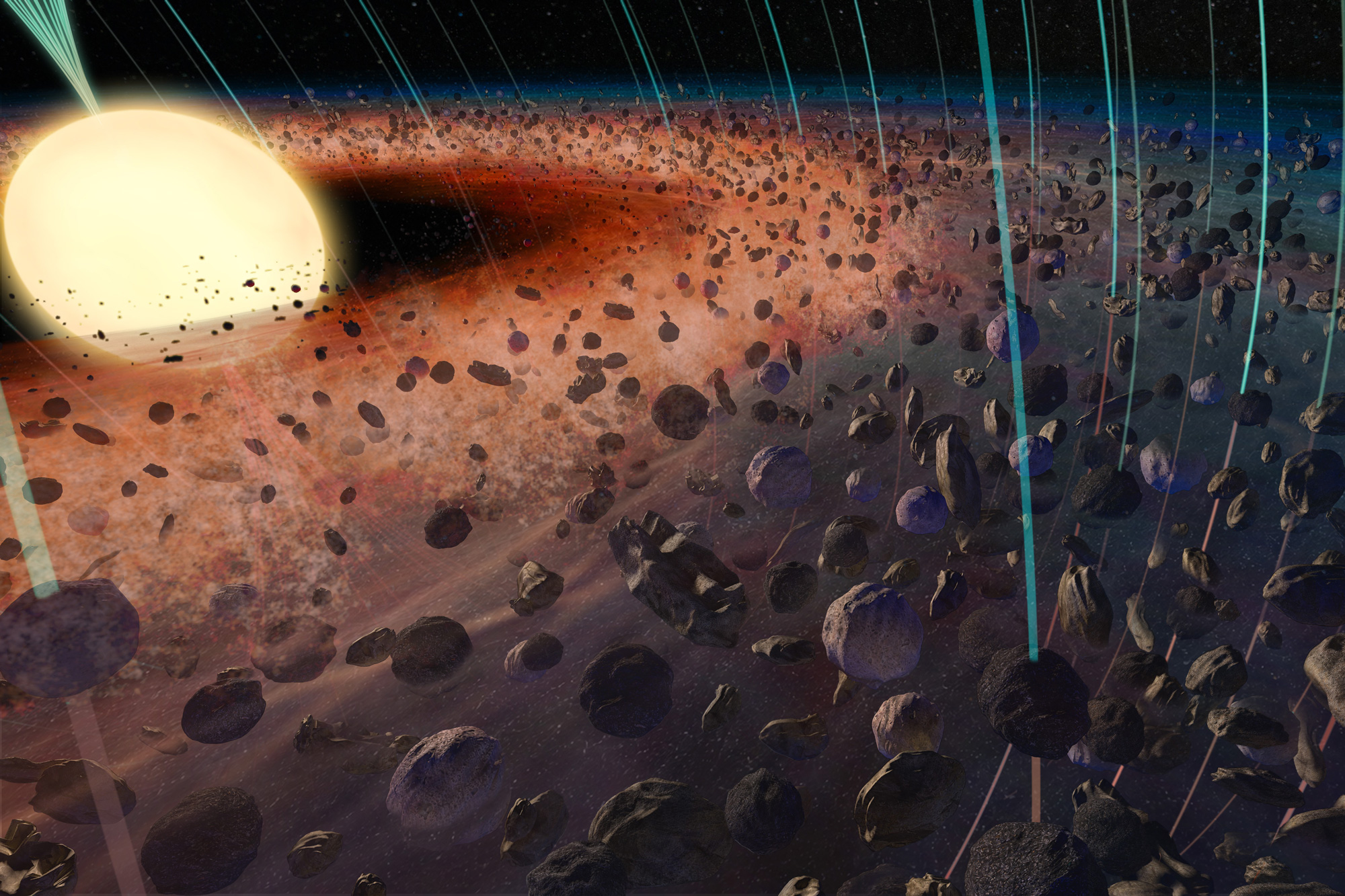
The discovery likely represents the earliest known evidence of a magnetic field in the infant solar system.
For most of my career, my IEEE membership sat quietly in the background—a line on my résumé, a discount code for a conference registration, and access to the IEEE Xplore digital library, which I underutilized. I didn’t think much about the grade of membership available above that of the regular member. I assumed senior membership was reserved for people further along in their career than I was. They published more papers, had more gray hair, and had worked longer in the field.I was wrong on all three counts. The misunderstanding cost me an important validation of my skills and professional com...
A new algorithm learns to anticipate the unprecedented scenarios that critical infrastructure and global supply chains are least prepared for.
2,500-year-old marble sculpture of young man hid face-down for centuries, broken and recycled as paving stones
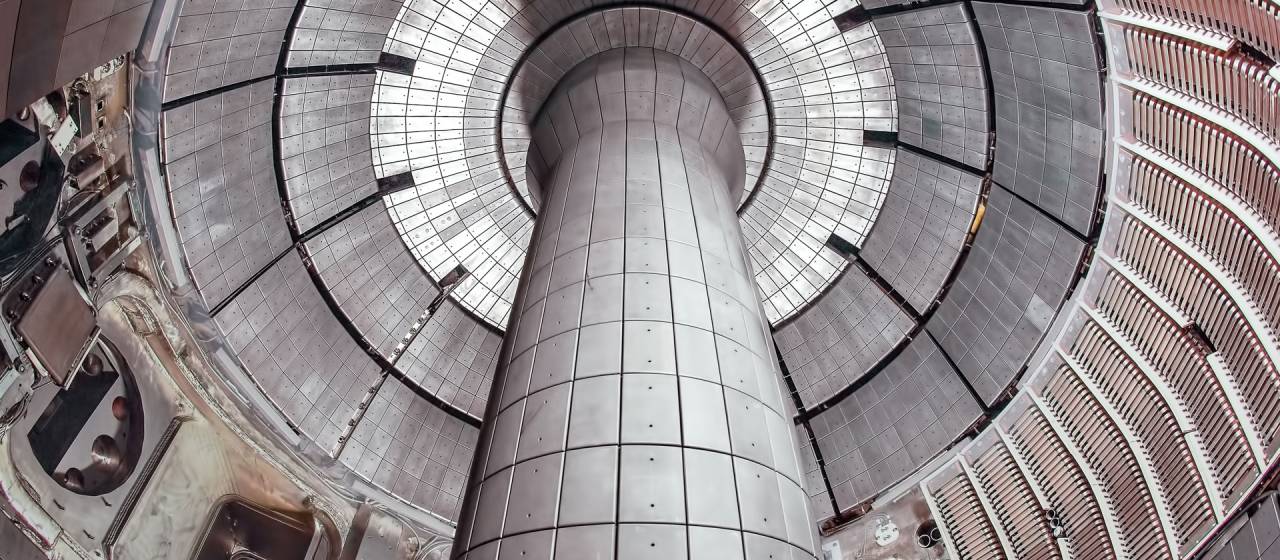
The U.S. Department of Energy and Princeton University have signed a five-year extension of the contract for Princeton’s management and operation of the Princeton Plasma Physics Laboratory.
The AI boom has disrupted the way engineers work, introducing new tools to learn, raising expectations for what teams can achieve in a workday, and making it harder to get hired in the first place. This makes it difficult to advise students on which specific coding languages or technical skills they should learn. So amidst the uncertainty, advice for young professionals often turns to a common refrain: Be adaptable. But what does adaptability look like in practice? Engineers often operate on the cutting edge of technology, so dealing with change is a normal part of the job, says Samantha Brunh...
This article is brought to you by Emerson.I’ve spent much of my career as an engineer, including years in the semiconductor industry. And one lesson has stayed with me through every major technology shift: innovation always creates new complexity.In semiconductors, we have seen that repeatedly. Every generation has delivered breakthroughs in performance and capability, but each step forward made it harder to understand system behavior. What used to be easy to validate on the component level with a test bench now needs a much wider view. “The future of engineering will be defined by who can ver...
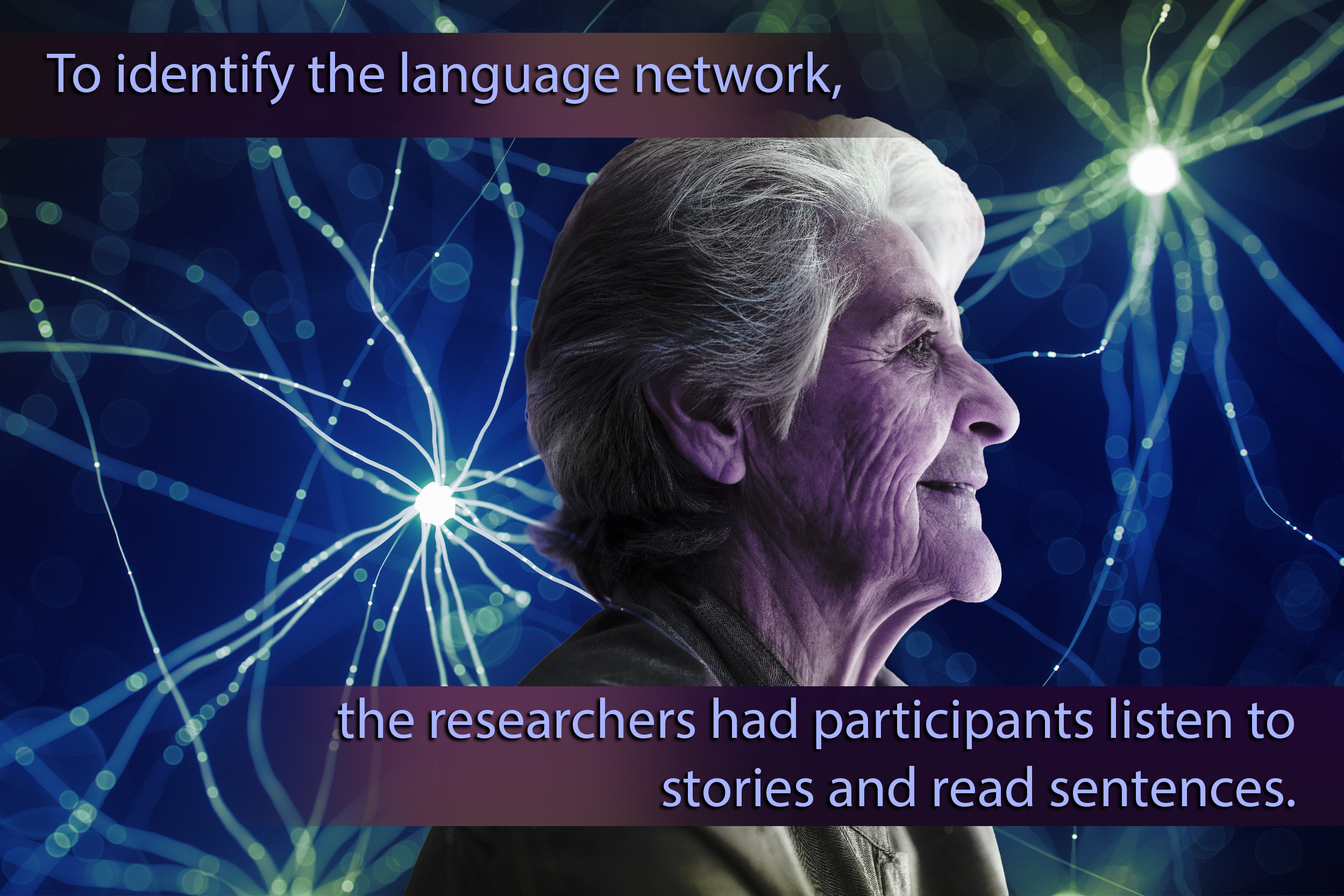
MIT researchers find that activity in the brain’s language network is nearly identical in young and old people.
How do I touch youacross the ocean,across cold depthswhere light travels through glass.Not copper—fibers. Optical. Through liquid glass, through flickering lightthat carries you in fragments. Light broken into pulses. You say: it’s easier this way. What are we missing like this? You smile.Safe distance. I say: network. Signals slide beneath the sea, through cables thinner than trust, faster than touch,slower than longing. We stand alone, together. Synchronous, yet apart. Icons replace skin, latency replaces breath. This distance protects us. Silence that feels intentional. Everything is under ...
Balaji Ingole rarely saw televisions while growing up in Udgir, India. No one in the small Maharashtra village had computers or phones. Only one household owned a television, and neighbors often gathered there to watch shows together.Ingole never even saw a computer growing up. It wasn’t until he reached middle school that he encountered a computer lab, an experience he says changed his life. Almost immediately, he says, the machine felt like a window into a different scale of possibility for him.Balaji IngoleEmployer Amla Commerce in MilwaukeeTitle Project managerMember grade Senior memberAlm...
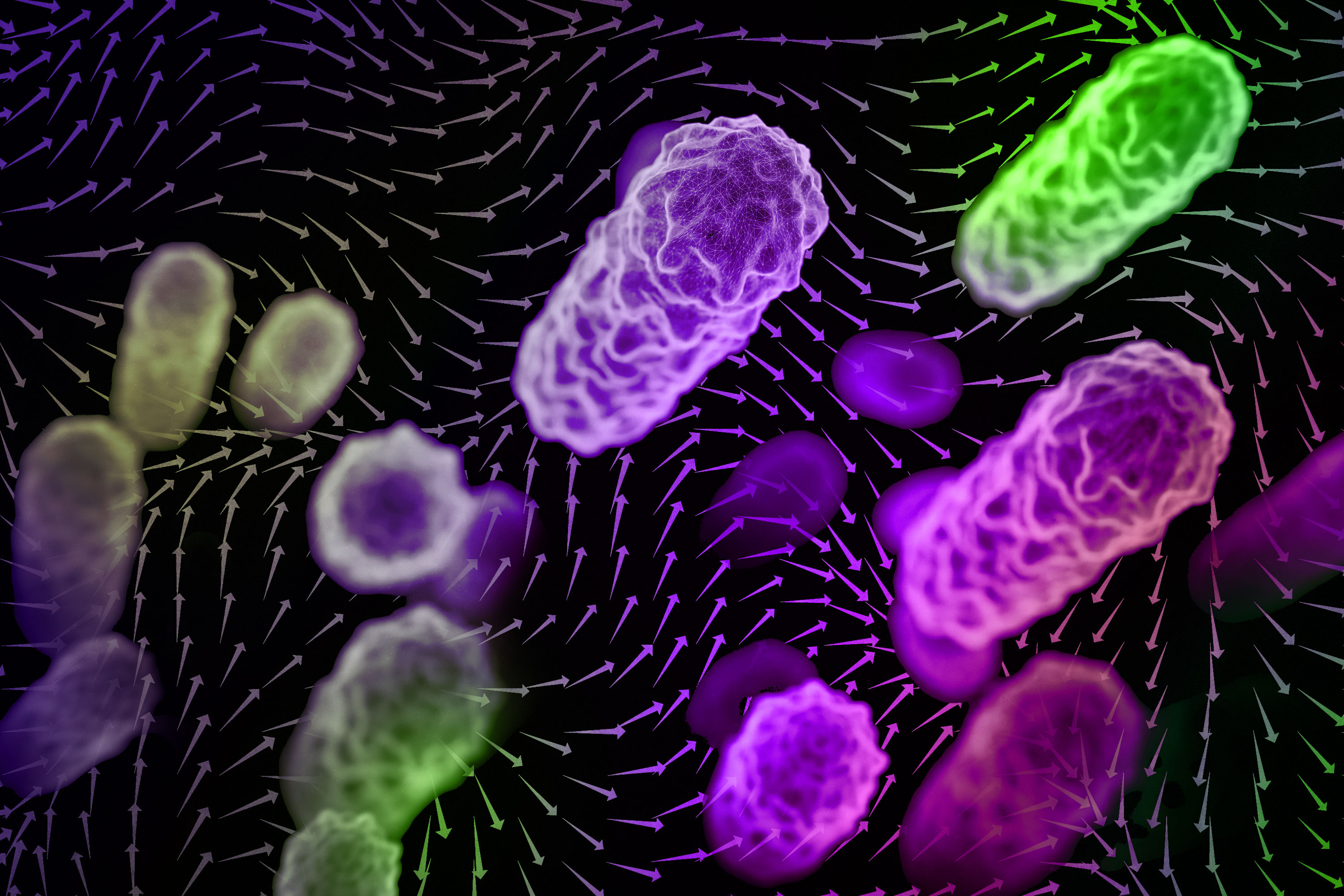
Researchers explore how a key factor can mitigate or promote tuberculosis transmission.
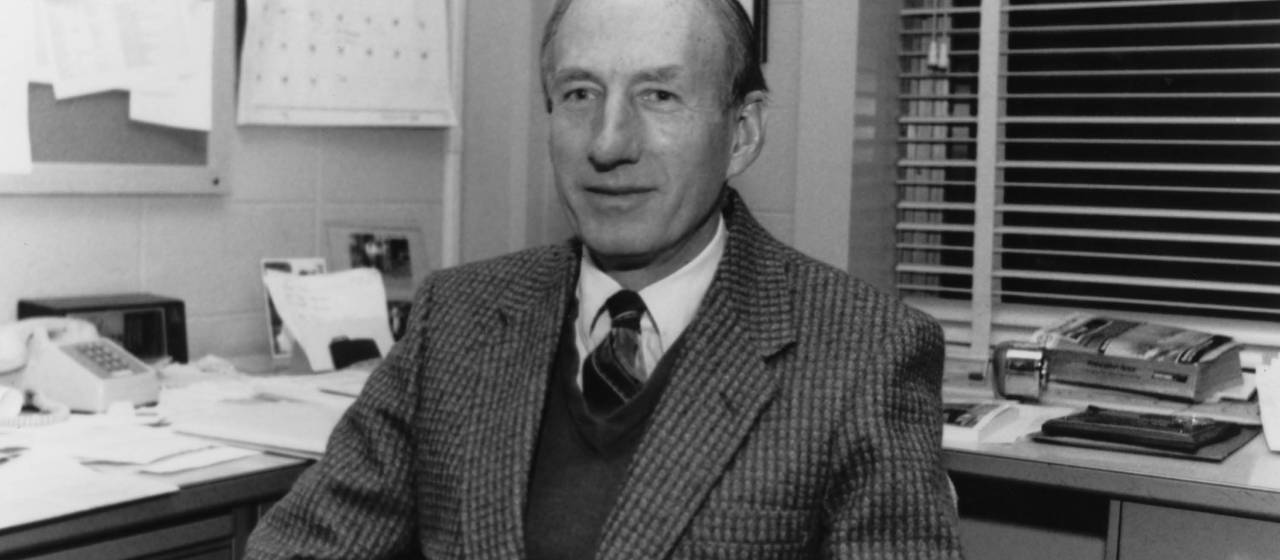
Jackson applied mathematical rigor to the study of flowing mixtures to shape a new era of chemical engineering.
Med School lecturer nods to wider implications in blueprint for Hungary
About this WebinarTurn Yield Excursions into Faster, More Confident Root Cause AnalysisWhen a yield issue emerges, the answer rarely lives in a single system. Critical clues are spread across metrology data, tool traces, chemical analysis, and facilities systems, while growing data volumes make traditional dashboards slow, fragmented, and difficult to act on.What You’ll Learn:Discover how a purpose-built semiconductor analytics platform can help engineers connect insights across domains without moving data. See how Agentic AI, semiconductor-specific visualizations, and push-down compute enable...
Testing the waters: A day at the nation’s largest oil spill simulation tank Located at Naval Weapons Station Earle Waterfront in Leonardo, New Jersey, the National Oil Spill Response Research and Renewable Energy Test Facility (Ohmsett) features a massive 2.6-million-gallon outdoor saltwater tank that serves as the nation’s testing ground for evaluating full-scale oil spill response equipment and marine technologies under realistic ocean conditions. (Image credit: Bureau of Safety and Environmental Enforcement, bsee.gov) Download Image August 20, 2026 Ocean & Coasts 0 Off
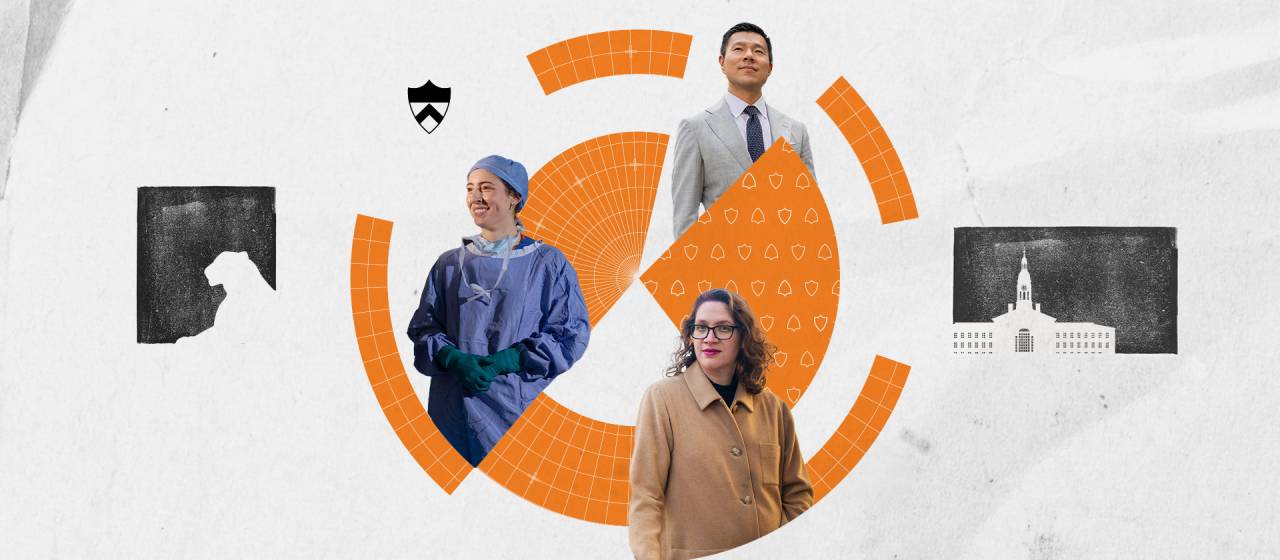
Recent Princeton alumni from the University’s 50-plus humanities departments and programs have gone on to a breathtaking array of careers.
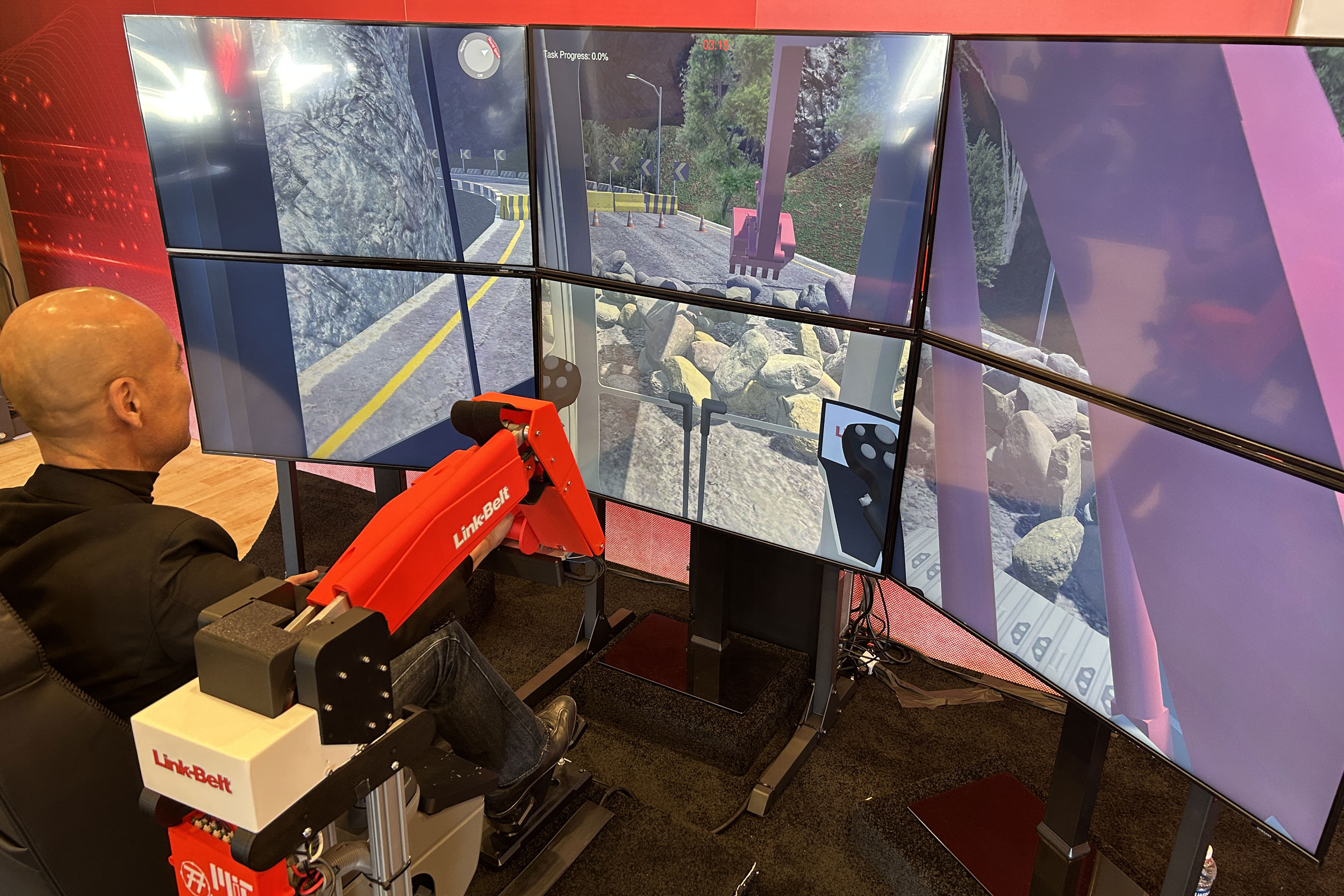
The new, more intuitive system could speed up the training process for excavator operators.
Research details answer to a question that’s more complex than it seems