Research Institutions
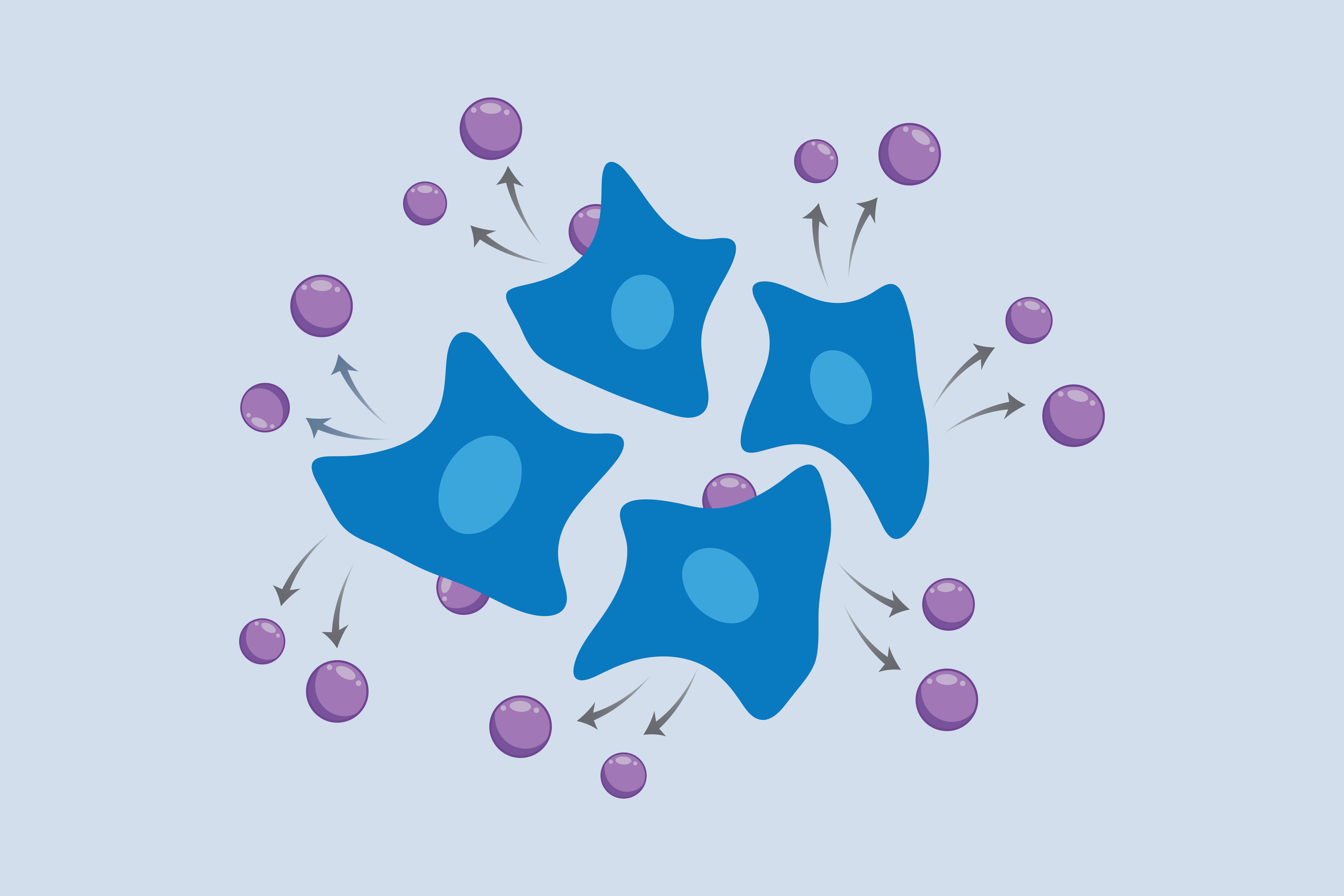
Cancer cells release antioxidants to prevent immune cells from destroying them Craig Brierley Thu, 09/03/2026 - 19:00 Now, scientists have discovered that certain immune cells depend on these very molecules to activate and destroy cancer cells, and that tumours exploit this dependency by releasing natural antioxidants to shut down the immune attack.The findings, published today in Science, could help improve the effectiveness of cancer immunotherapies. Our immune system keeps us healthy by hunting down and destroying harmful material, including invading bacteria and viruses, but also cancer cells. It does so by deploying a number of different types of immune cells, including specialised cells known as T cells. These T cells hunt down and destroy tumour cells, but T cells need small amounts of reactive oxygen species to activate and switch on their killing ability.A team at the University of Cambridge, UK, and Oregon Health & Science University, USA, analysed the fluid surrounding cells within tumours grown in mice and found that cancers chemically ‘smother’ T cells, stopping their activation and preventing them from destroying cancer cells. Tumours do this by releasing large amounts of a protein that is a natural antioxidant, Peroxiredoxin 1 (PRDX1), which mops up reactive oxygen species and deprives T cells of the activating signals they need to perform cancer killing. Next, the team used CRISPR gene-editing technology to create mouse cancer cells that could no longer make the antioxidant protein. They found that removing the capacity for the cancer cells to produce the antioxidant promoted immune-cell activity and limited tumour growth.Finally, the team looked for the same mechanism in people. They analysed published data on the proteins released by human cancer cell lines, examined gene activity across thousands of human tumours, and isolated the fluid surrounding tumours removed from patients. All three approaches pointed the same way: human cancers also release PRDX1 into their surroundings, where it can strip away the reactive oxygen species that T cells depend on.Dr Xan Wesolowski from the Department of Pathology at the University of Cambridge, one of the lead authors, said: “We tend to think of reactive oxygen species purely as damaging byproducts of metabolism. But we are increasingly understanding they have important functions within cells, and T cells need them to activate. Our study develops this picture, revealing that tumours can exploit this very dependency to evade elimination.”The treatment of cancer is increasingly moving towards leveraging the immune system to eradicate the disease. However, while immunotherapies can be incredibly effective, they are only effective in some patients. Removing the ability of cancer cells to produce PRDX1 enhanced the cancer’s response to immunotherapy.Professor Rahul Roychoudhuri, also from Cambridge’s Department of Pathology, said: “We’ve found a new way by which cancers shut down the immune system. When we block this process, tumours that don’t respond to some immunotherapies start responding to treatment. That tells us this is a pathway worth targeting therapeutically, and there are several ways we might be able to achieve this.”Dr Robert Eil from the School of Medicine at Oregon Health & Science University said: “Our study suggests a possible way to boost T cell immunotherapies. Rather than using antioxidants, it could be that prooxidants can kickstart the T cells into action against tumour cells.”The findings also carry broader implications. Several large randomised clinical trials have found that antioxidant supplements fail to reduce cancer risk, and in some cases worsen outcomes. The discovery that T cells depend on reactive oxygen species to fight tumours may help to explain why: antioxidants could inadvertently blunt the immune system's ability to attack cancer. However, the team stresses that as its findings are in preclinical laboratory models, and people living with cancer should not change their treatment or diet without medical advice.The research was largely funded by the Medical Research Council, European Research Council, Wellcome and the National Institutes of Health/National Cancer Institute.ReferenceWesolowski, AJ, et al. Tumor-derived antioxidants suppress immunity by depriving T cells of reactive oxygen species. Science; 3 Sept 2026; DOI: 10.1126/science.adz8203 We’ve found a new way by which cancers shut down the immune system. When we block this process, tumours that don’t respond to some immunotherapies start responding to treatment Rahul Roychoudhuri National Institutes of Health Killer T cells surrounding a cancer cell Yes Licence type Public Domain
📅
2026-09-03 18:00:00
•
Cambridge News
Read Original Article →