Latest Science & Research News

Stay informed about scientific discoveries, research developments and new findings from around the world.

Latest News

View All β†’
Has pancreatic cancer met its match?
Research Institutions

Has pancreatic cancer met its match?

Health Has pancreatic cancer met its match? Frontline researcher sees newly approved medication as β€˜critical first step’ toward transformation of care Alvin Powell Harvard Staff Writer September 9, 2026 7 min read Brian Wolpin. Last month, the Food and Drug Administration approved a new drug for one of the deadliest cancers, lending new hope to patients whose treatment options had been severely limited. The drug, daraxonrasib, doubled survival time for patients with previously treated metastatic pancreatic cancer to a median of 13.2 months from 6.7 months for those who received the chemotherapy standard of care. According to the National Cancer Institute, more than 67,000 people will be diag...

πŸ“… 2026-09-09 19:42:52    β€’    Harvard Gazette
Read Original Article β†’
'Why would you ruin your career?': OpenAI claims to have cracked one of math's greatest unsolved problems, but mathematicians allege it played dirty
Science News

'Why would you ruin your career?': OpenAI claims to have cracked one of math's greatest unsolved problems, but mathematicians allege it played dirty

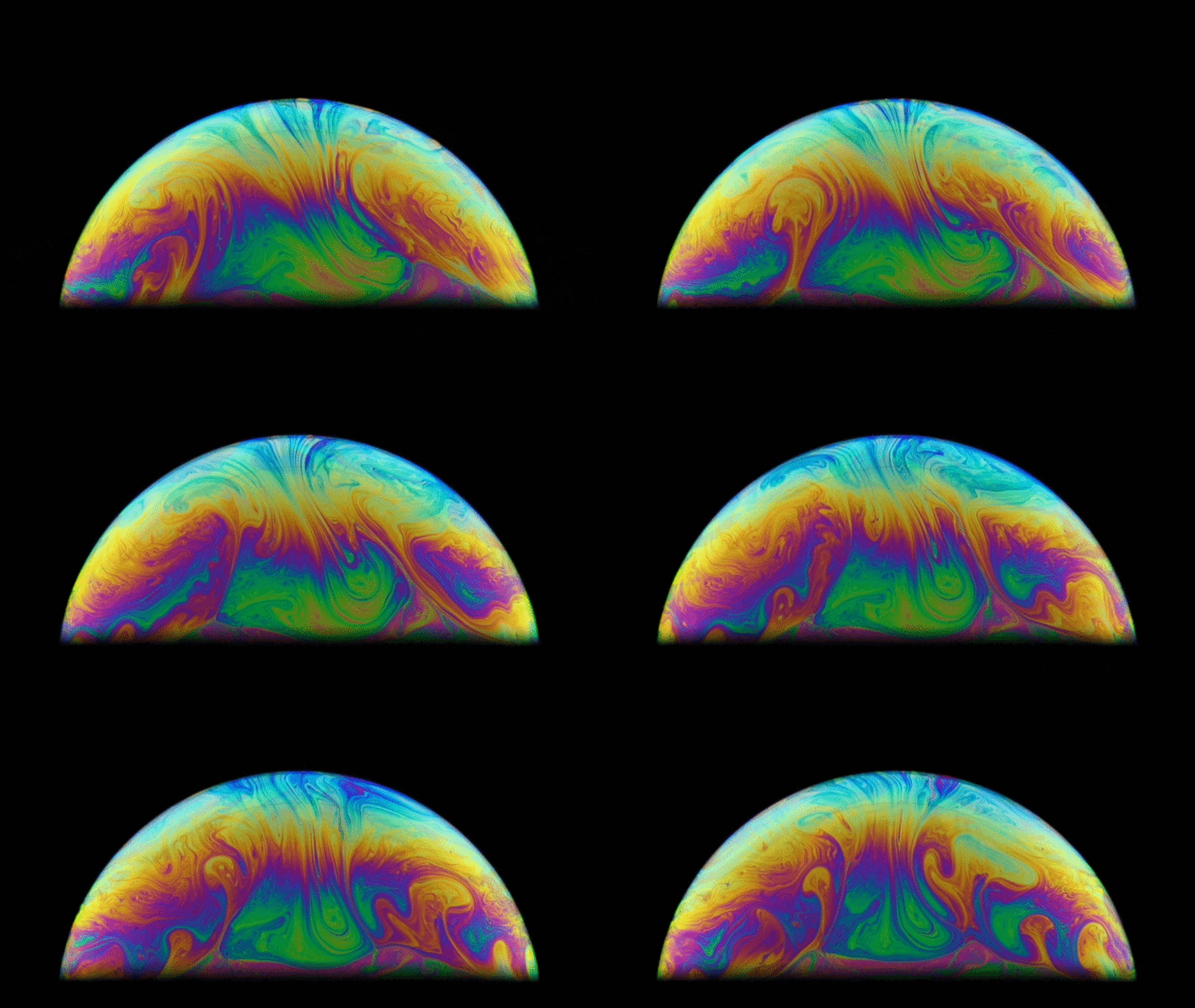
Tristan Buckmaster, a mathematician at New York University, had just spent months working on what he believed could be a life-defining mathematical proof. Then, during a Sept. 6 meeting with OpenAI employees, he claims that he was issued a stark warning: "Why would you ruin your career?"That exchange, which Buckmaster described in a detailed public statement this week, sits at the heart of a ballooning controversy around a famous set of mathematical equations called Navier-Stokes. OpenAI says its artificial intelligence (AI) model has solved an outstanding problem tied to this 200-year-old set of fluid dynamics equations. The set of equations appears on the list of one of the seven Millenniu...

πŸ“… 2026-09-09 19:25:51    β€’    Live Science
Read Original Article β†’
A burst of β€œpink noise” may lead to more restorative sleep
Research Institutions

A burst of β€œpink noise” may lead to more restorative sleep

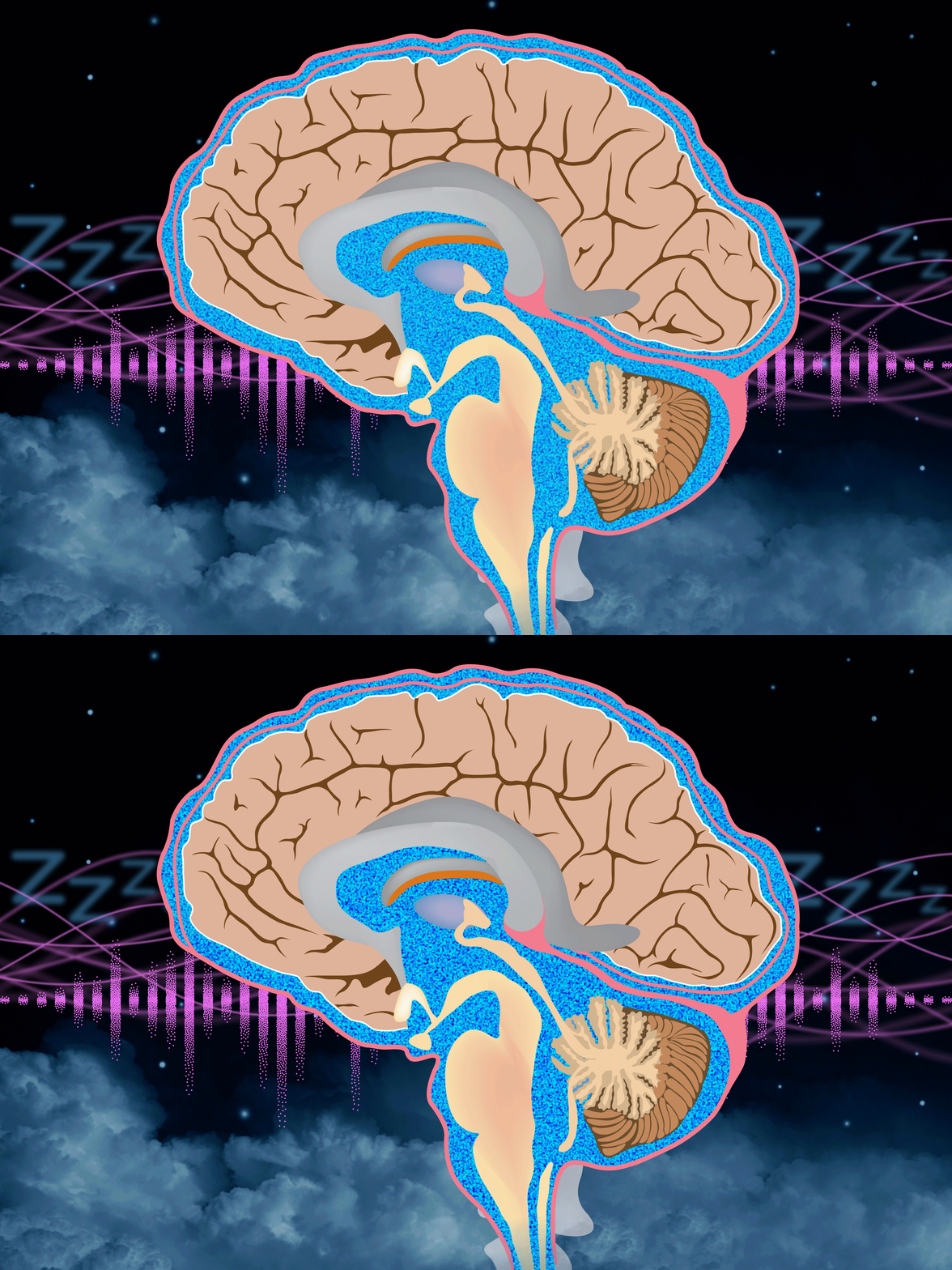
During the day, waste products such as lactic acid and worn-out proteins build up in the brain. When we sleep at night, waves of cerebrospinal fluid (CSF) help to wash away this waste, keeping the brain healthy.In a new study, MIT researchers have shown that they can strengthen these CSF waves through exposure to short bursts of a gentle, staticky sound known as β€œpink noise” during sleep. These bursts increase the amplitude of slow electrical waves in the brain, which then enlarges the CSF waves.The researchers now hope to explore whether this enhanced CSF flow could help to boost cognitive function, improve memory, or even slow the progression of neurodegenerative diseases caused by the bui...

πŸ“… 2026-09-09 18:00:00    β€’    MIT News
Read Original Article β†’
Record-breaking rain in California was caused by abnormally high temperatures on the other side of the world, study finds
Science News

Record-breaking rain in California was caused by abnormally high temperatures on the other side of the world, study finds

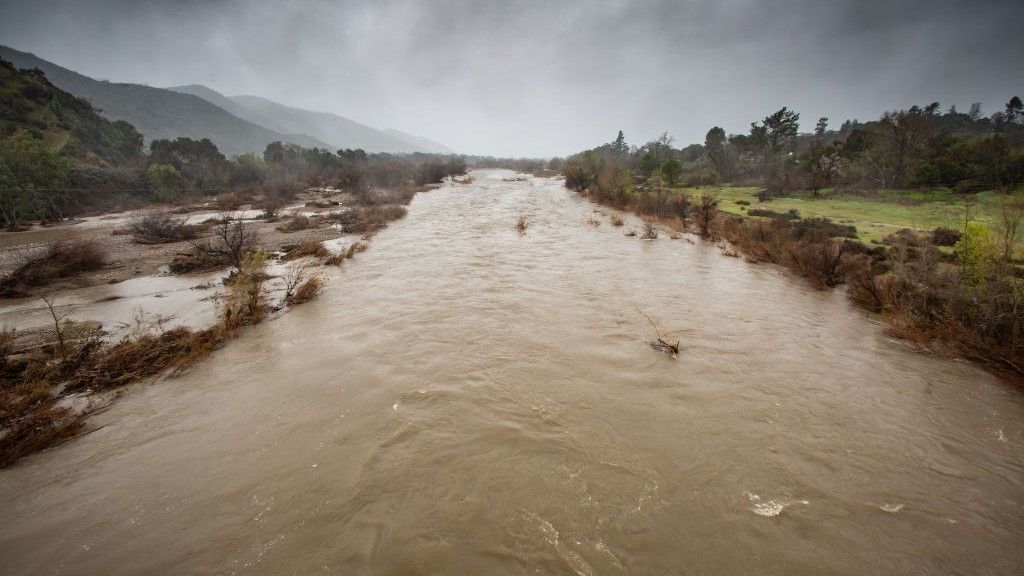
Abnormally high temperatures on the Tibetan Plateau triggered two catastrophic rainfall events halfway around the world in California and nearby states in early 2017 and 2023, a new study reports.This is the first time that researchers have identified this link, known as a climate teleconnection. The results could improve forecasts of extreme weather in the western U.S., which, in turn, could improve warnings for coastal communities and potentially save lives as well as billions of dollars in property damage, the study's authors say.In December 2016 and February 2023, the Tibetan Plateau was warmer than usual for these times of the year. Roughly one month after each of these hotspots appeare...

πŸ“… 2026-09-09 18:00:00    β€’    Live Science
Read Original Article β†’
World's oldest evidence of habitual drug use traced back 25,000 years to Indonesia
Science News

World's oldest evidence of habitual drug use traced back 25,000 years to Indonesia

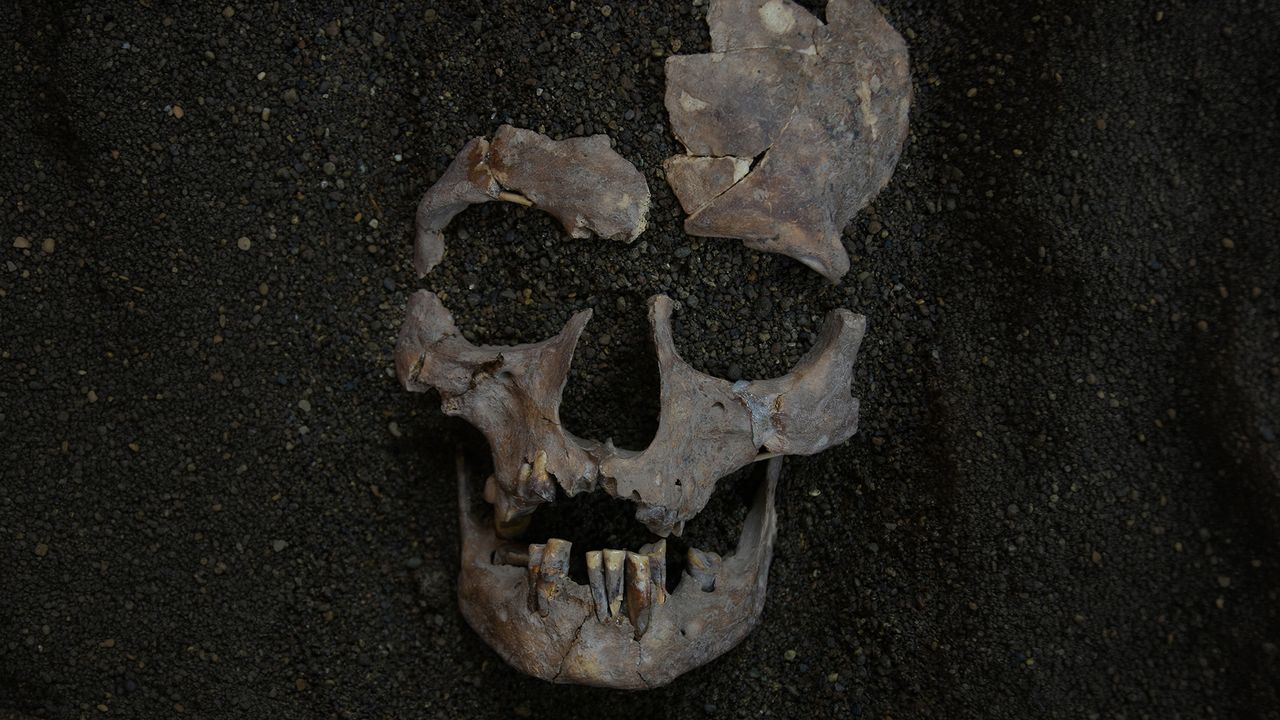
The world's oldest known habitual drug use can be traced to an island in Indonesia, where ice age hunter-gatherers sucked on betel nuts β€” palm seeds that contain a neuroactive substance, a new study finds. Scientists made the discovery after studying strange grooves in the teeth of two prehistoric hunter-gatherers. The deep grooves were caused by regularly sucking on betel nuts (Areca catechu), likely for relief from the pain of toothache, according to the study, which was published Wednesday (Sept. 9) in the journal Science Advances.The partial skeletons of the two people were found on the island of Sulawesi, but their lives were separated in time by thousands of years. One of them, a man w...

πŸ“… 2026-09-09 18:00:00    β€’    Live Science
Read Original Article β†’
See the highest-resolution footage of a black hole jet ever taken, thanks to AI and 27 years of observations
Science News

See the highest-resolution footage of a black hole jet ever taken, thanks to AI and 27 years of observations

Astronomers just dropped a video 27 years in the making: the highest-definition animation of a gargantuan black hole jet blasting out of a distant galaxy and twisting off into space.The video, made from 116 images taken between 1995 and 2022, captured a blazar known as 3C 345, in the constellation Hercules. A blazar is a sort of quasar β€” a bright, feeding supermassive black hole embedded in the center of a faraway galaxy β€” that emits huge jets of gas into its environment. The jets blaze at nearly the speed of light and are charged with highly concentrated X-rays and gamma rays.As described in an Aug. 26 study in the journal Nature, scientists gathered the images of 3C 345 using decades of ob...

πŸ“… 2026-09-09 17:34:51    β€’    Live Science
Read Original Article β†’
What it takes to solve math’s toughest problems
Research Institutions

What it takes to solve math’s toughest problems

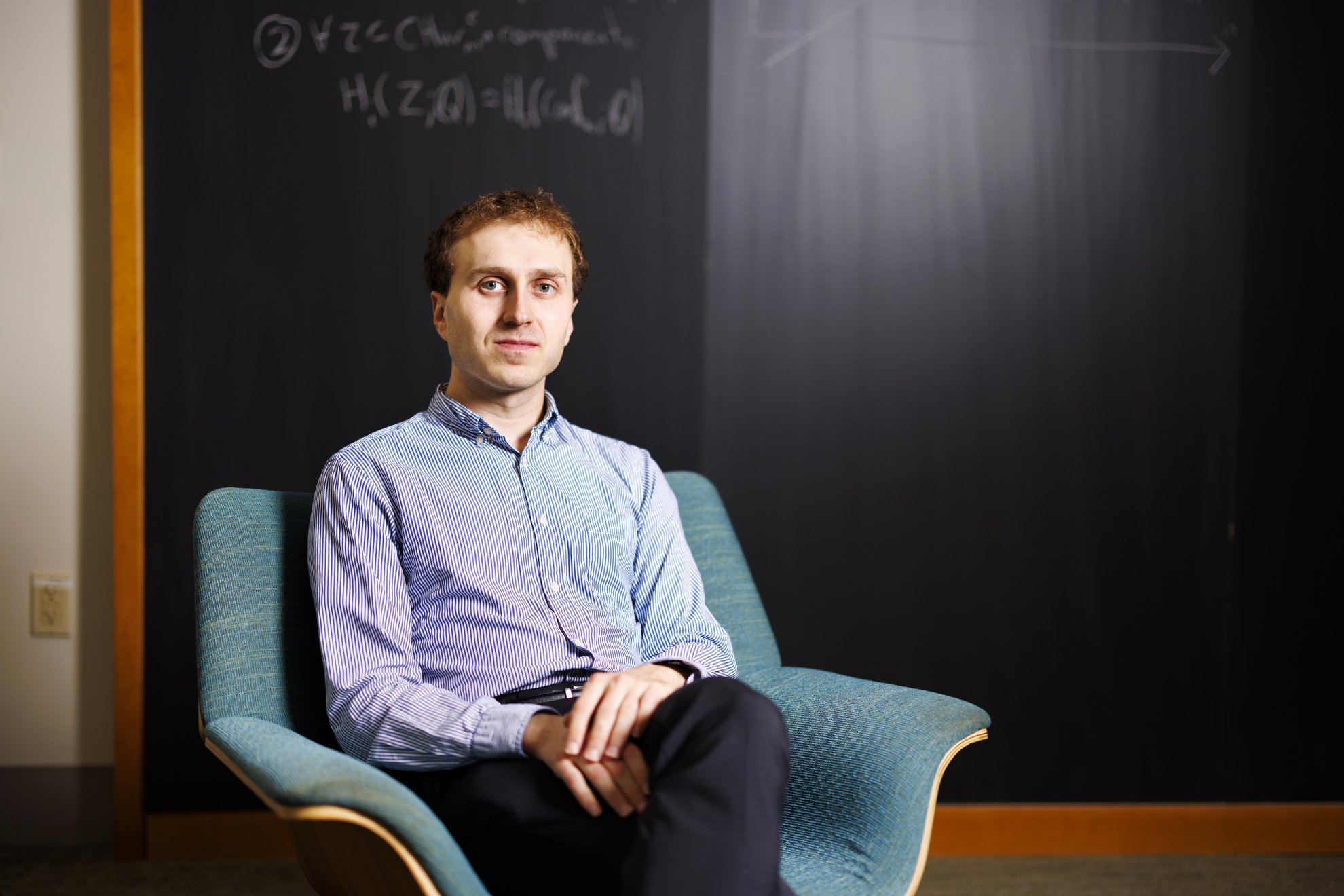
Aaron Landesman. Veasey Conway/Harvard Staff Photographer Science & Tech What it takes to solve math’s toughest problems Sy Boles Harvard Staff Writer September 9, 2026 6 min read Logic skills, yes, but also two seemingly incompatible traits: Confidence and humility This is a story about keeping the faith in a discipline not exactly known for its religiosity: mathematics. The field of arithmetic statistics β€” the study of statistical patterns in arithmetic objects such as number fields, class groups, and elliptic curves β€” rests on sets of conjectures whose predictions have been only partially proven. In 2001, mathematician Jordan Ellenberg ’93, Ph.D. ’98, and some colleagues set out on a humb...

πŸ“… 2026-09-09 16:20:52    β€’    Harvard Gazette
Read Original Article β†’
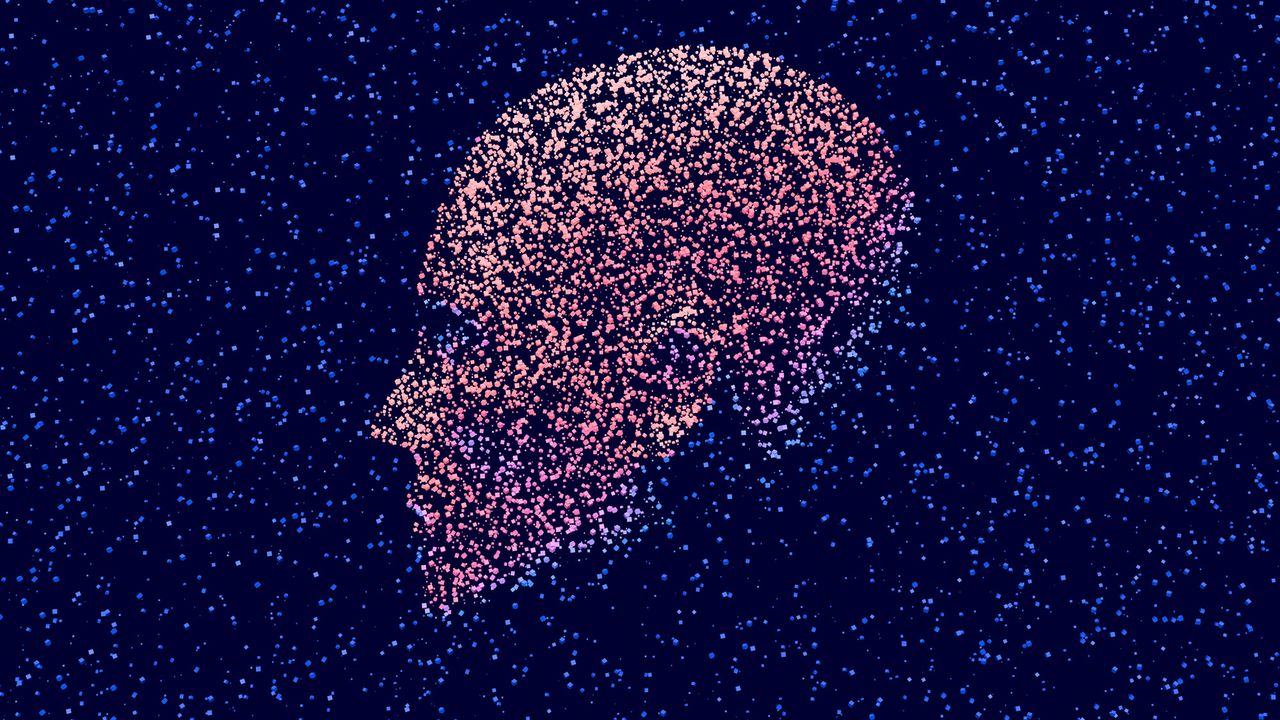
Do you think Al could ever become self-aware?
Science News

Do you think Al could ever become self-aware?

Related storiesNext-generation AI 'swarms' will invade social media by mimicking human behavior and harassing real users, researchers warn'A dangerous proposition': How AI is warping the social fabric and the ways we collectively imagine the future'There's a sense that these algorithms are objective and they get to know you': How social media warps our understanding of healthcareArtificial intelligence (AI) systems can now hold conversations, reason through difficult mathematical equations, and respond in ways that seem more human. As AI grows more advanced, the question is shifting from the realm of science fiction to scientific debate. A recent preprint study examined "consciousness steeri...

πŸ“… 2026-09-09 15:28:32    β€’    Live Science
Read Original Article β†’
Has Homeland Security kept up with its mission?
Research Institutions

Has Homeland Security kept up with its mission?

Nation & World Has Homeland Security kept up with its mission? Former DHS secretary says U.S. safer now than before 9/11, agency has largely successfully evolved with emerging threats Christina Pazzanese Harvard Staff Writer September 9, 2026 7 min read AP Photo/Alex Brandon The attacks against the U.S. on Sept. 11, 2001, exposed critical gaps in information-sharing among key security agencies. In response, the government brought together 22 federal entities to form the Department of Homeland Security (DHS) to better anticipate and address the threat of terrorism from overseas and to strengthen coordination among various emergency-response agencies. Now the third-largest Cabinet-level depart...

πŸ“… 2026-09-09 15:26:52    β€’    Harvard Gazette
Read Original Article β†’
A 'wholistic' view of cellular communication across an entire animal
Science News

A 'wholistic' view of cellular communication across an entire animal

It can't be heard, but different parts of the human body are in constant conversation, communicating to keep the entire system running efficiently. For biologists, being able to listen in on this discussion is a long-sought-after goal. Over the years, researchers have caught snippets of these exchanges, but the complete dialogue has remained out of reach.

πŸ“… 2026-09-09 15:00:15    β€’    Phys.org
Read Original Article β†’
Next-gen gravitational wave detectors could spot the first black holes
Science News

Next-gen gravitational wave detectors could spot the first black holes

A few hundred million years after the Big Bang, the first stars ignitedβ€”literally the "let there be light" moment for the universe. Now known to astronomers as Population III, or Pop III, stars, these giants were very different from the stars we know today. They formed from pristine hydrogen and helium, with almost no "metal" (i.e., other elements) holding them back. They were also huge, growing to tens to hundreds of times larger than the sun. And they died young, in many cases collapsing into the universe's earliest black holes.

πŸ“… 2026-09-09 15:00:11    β€’    Phys.org
Read Original Article β†’
An electrochemical approach turns ammonia into pure hydrogen
Research Institutions

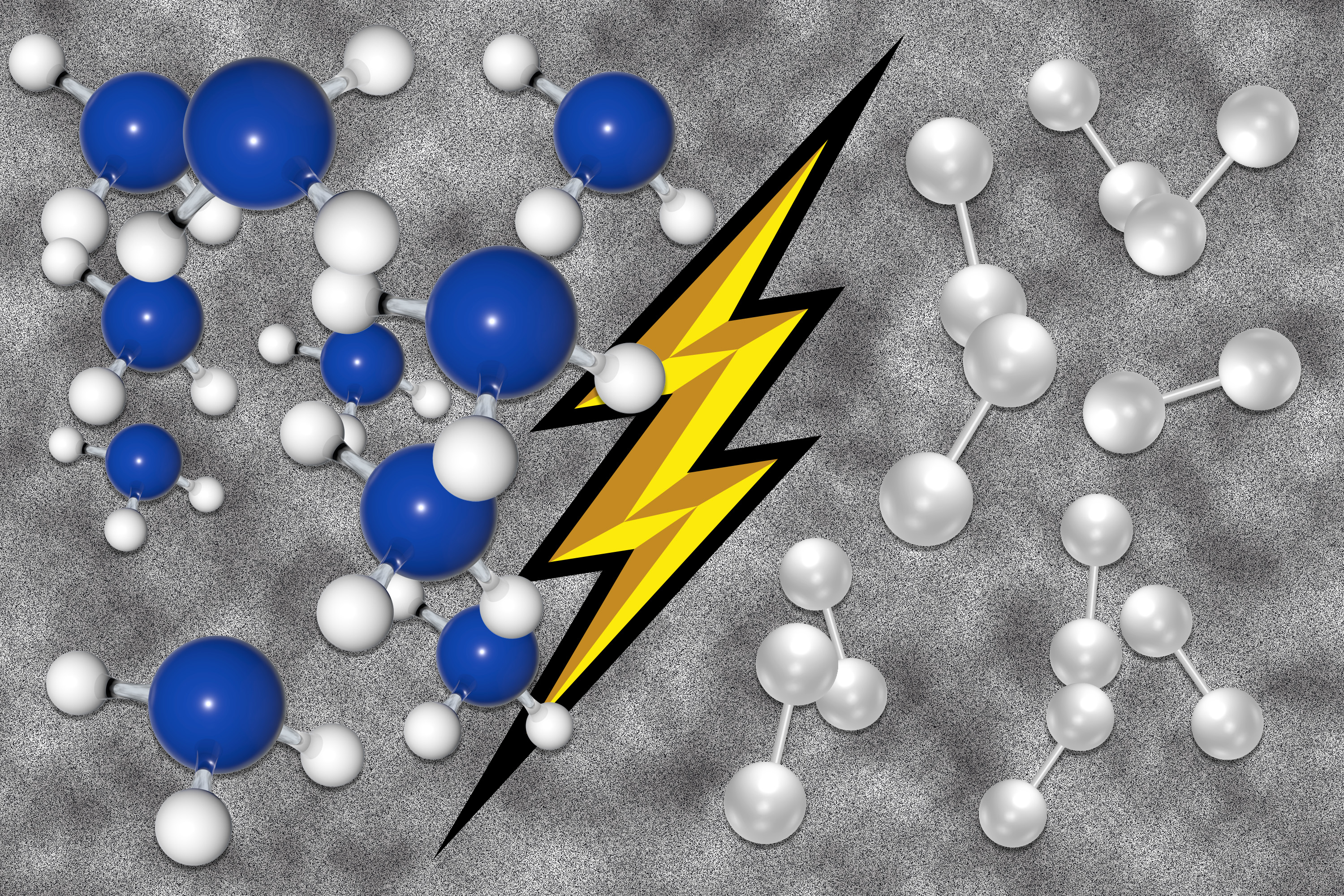
An electrochemical approach turns ammonia into pure hydrogen

As a liquid that is easily stored and transported, ammonia (NH3) is an attractive carrier for hydrogen, which is used in fuel cells, semiconductor manufacturing, chemical processing, and other applications. However, breaking ammonia into hydrogen and nitrogen typically requires high temperatures, and the resulting gas mixture must undergo additional purification before the hydrogen can be used in many applications. MIT researchers have now developed an electrochemical approach to promote hydrogen release from ammonia while simultaneously separating and concentrating the hydrogen into a high-purity stream. Their strategy, which uses electricity to speed up the extraction, reduces the temperat...

πŸ“… 2026-09-09 15:00:00    β€’    MIT News
Read Original Article β†’
Enigmatic Denisovans lived by cave in what is now China for 100,000 years, rare fossils and handcrafted tools reveal
Science News

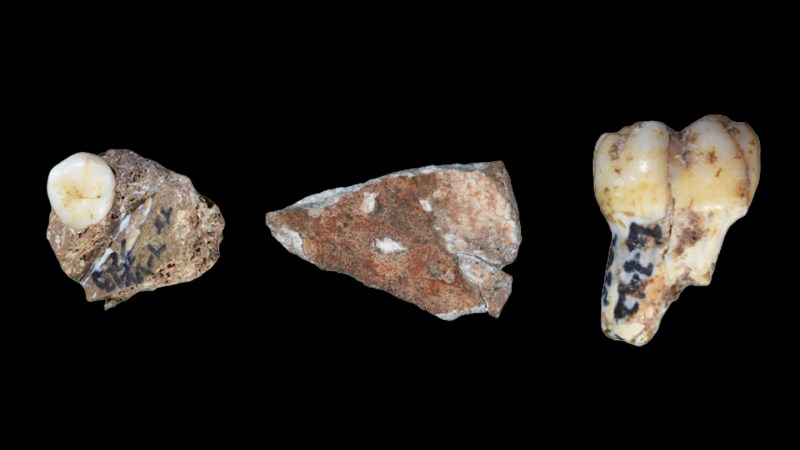
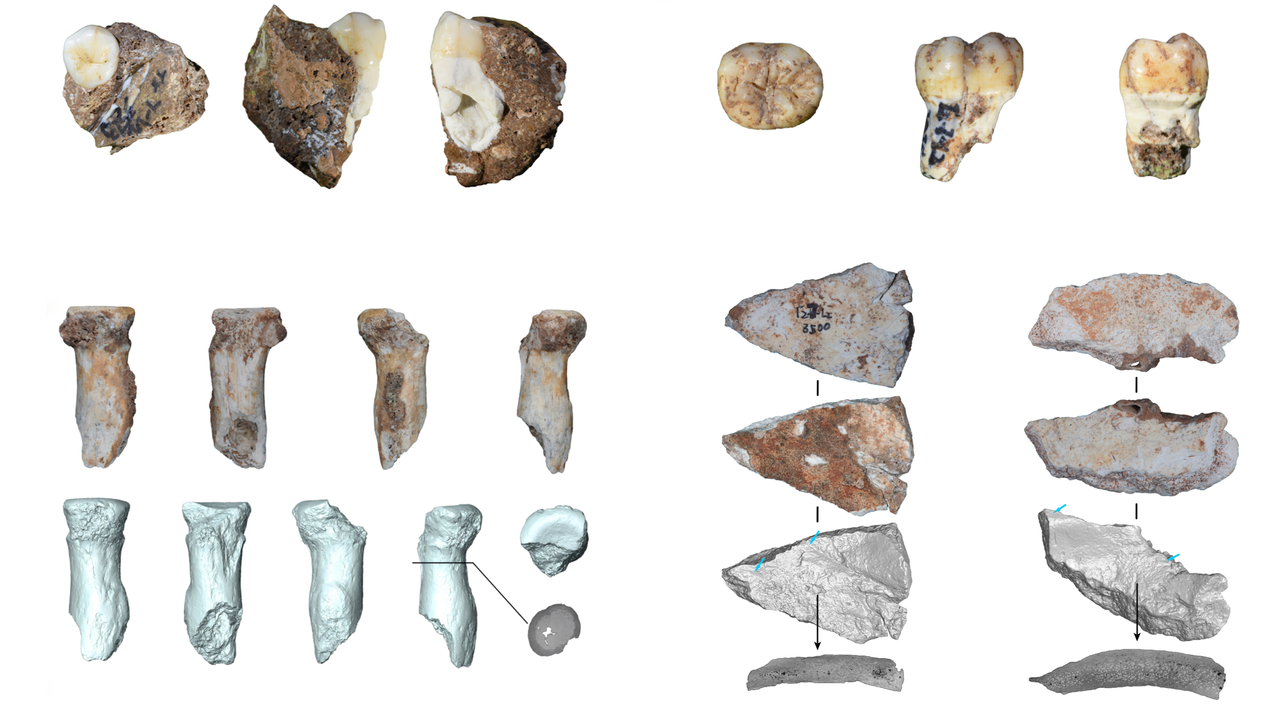
Enigmatic Denisovans lived by cave in what is now China for 100,000 years, rare fossils and handcrafted tools reveal

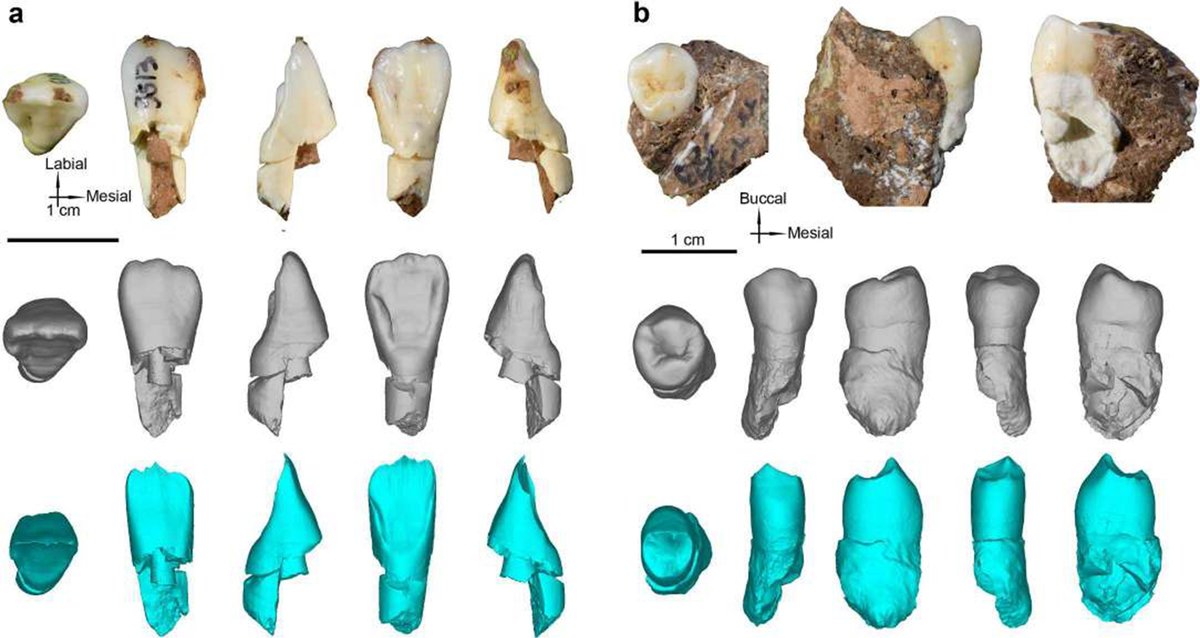
Archaeologists excavating in southwestern China have discovered a cave that was used by Denisovans for more than 100,000 years. Five human fossils, scores of stone tools, and hundreds of animal bones recovered from the cave reveal for the first time that the enigmatic Denisovans thrived in a forested environment where they hunted and ate large game animals.Denisovans were a lineage of humans who lived in Asia and went extinct around 30,000 years ago. Ancient DNA has shown that Denisovans, Neanderthals and modern humans (Homo sapiens) are distantly related and that all three groups interbred in the past. But while archaeologists have found numerous Neanderthal and modern-human skeletons, Deni...

πŸ“… 2026-09-09 15:00:00    β€’    Live Science
Read Original Article β†’
Reading app boosts kids' literacy
Science News

Reading app boosts kids' literacy

A new Flinders University study of primary school children shows a science-based digital phonics reading app can accelerate early reading while helping teachers quickly identify students needing extra support.

πŸ“… 2026-09-09 14:20:07    β€’    Phys.org
Read Original Article β†’
The moon may have formed in just 5 hours, new simulations suggest
Science News

The moon may have formed in just 5 hours, new simulations suggest

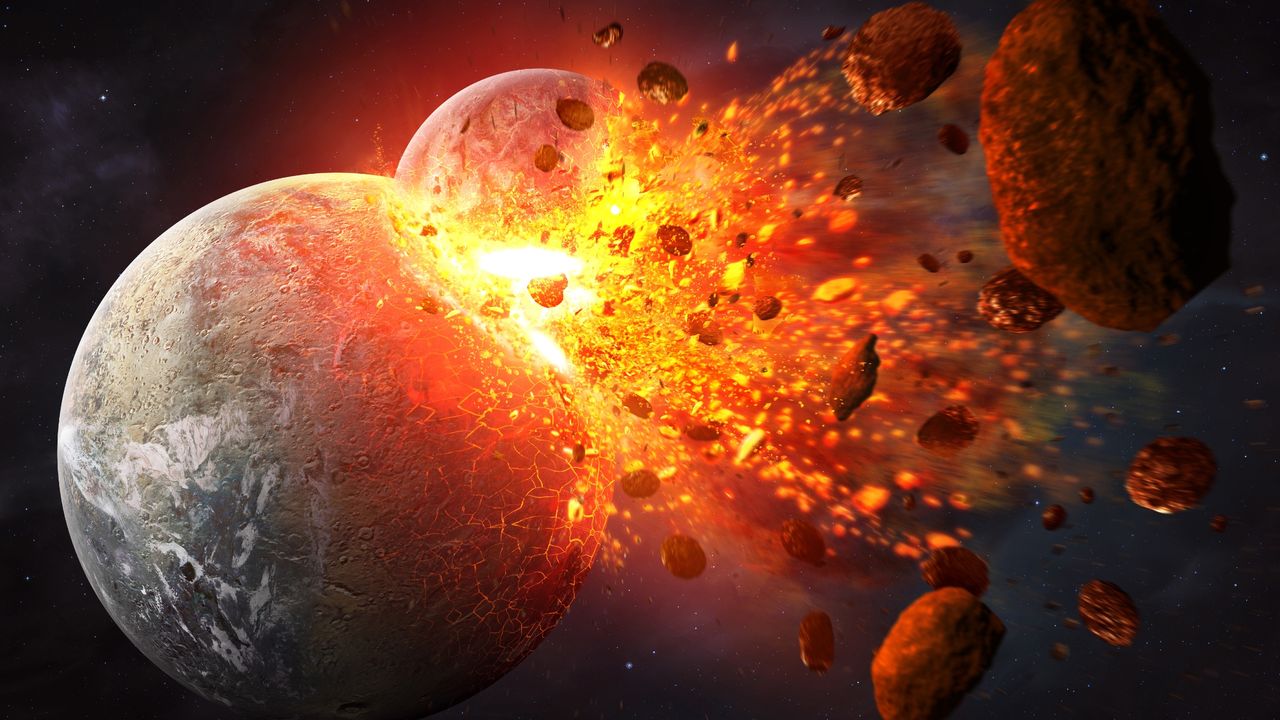
The moon may have formed in as few as five hours after the cataclysmic collision between Earth and a long-lost protoplanet, new simulations suggest. The surprising findings could help shed light on other historic impacts throughout our cosmic neighborhood and beyond.Experts strongly suspect that the moon was created when a Mars-size space rock called Theia smashed into an early version of our planet, back when the solar system was young and extremely unstable. This colossal impact likely would have turned the once-neighboring worlds into spinning clumps of molten rock that eventually coalesced and cooled into the versions of Earth and the moon we see today. Without this collision, which also...

πŸ“… 2026-09-09 14:08:25    β€’    Live Science
Read Original Article β†’
Page 132of 171   β€’   4,102articles