Latest Science & Research News

Stay informed about scientific discoveries, research developments and new findings from around the world.

Latest News

View All →
Water isotopes reveal early drought signals in Central Amazon rainfall
Science News

Water isotopes reveal early drought signals in Central Amazon rainfall

The historic droughts of 2023 and 2024 in the Amazon reduced river flows and altered the region's rainfall composition. Daily monitoring in Manaus, the capital of the Brazilian state of Amazonas, revealed these changes through the use of isotopes, which act as a kind of water "fingerprint." This method demonstrated how El Niño and warming in the North Atlantic affected the origin of moisture and precipitation dynamics.

📅 2026-09-10 20:30:01    •    Phys.org
Read Original Article →
An unusual bacterium that penetrates and lives inside human cells may offer a new drug target
Science News

An unusual bacterium that penetrates and lives inside human cells may offer a new drug target

Research underway in the lab of Rebecca Alexander, a professor in Wake Forest University's Department of Chemistry, is shedding light on an unusual human bacterium, Mycoplasma penetrans. Alexander's work to understand how and why this unique pathogen acts as it does could one day lead to new classes of drugs that better target illnesses associated with this particular pathogen, as well as others that act similarly.

📅 2026-09-10 20:20:01    •    Phys.org
Read Original Article →
Where U.S. has lost ground since 9/11
Research Institutions

Where U.S. has lost ground since 9/11

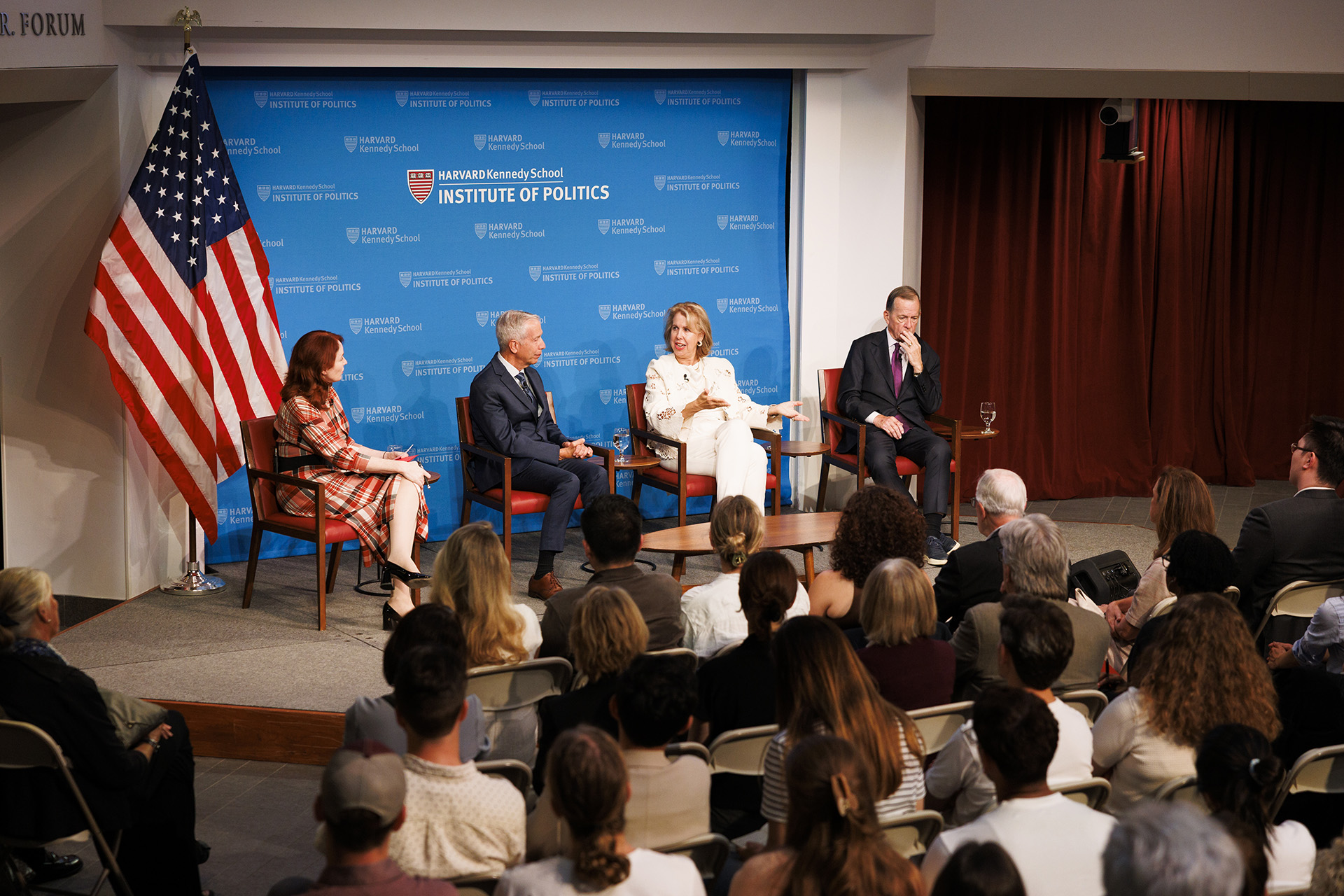
Nation & World Where U.S. has lost ground since 9/11 Moderator Meghan O’Sullivan (from left), Joseph Pfeifer, Nancy Gibbs, and Michael Mullen. Niles Singer/Harvard Staff Photographer Clea Simon Harvard Correspondent September 10, 2026 5 min read FDNY chief, admiral who survived Pentagon attack, Time journalist say decline in national unity since then is perhaps most damaging problem After the terrorist attacks on Sept. 11, 2001, the nation rallied under the cry “Never forget.” But 25 years later, several lessons that emerged from that day of death and destruction have been forgotten, according to a panel of experts at a John F. Kennedy Jr. Forum at the Institute of Politics on Tuesday night....

📅 2026-09-10 19:26:37    •    Harvard Gazette
Read Original Article →
Who needs opioids?
Research Institutions

Who needs opioids?

Health Who needs opioids? Kathleen Refior HSDM Communications September 10, 2026 5 min read As concerns about misuse persist, paper suggests role for AI in making pain treatment more precise For a patient having their wisdom teeth removed, the days after surgery can bring an important question: How much pain medication will I actually need? Over-the-counter medications such as acetaminophen and ibuprofen provide adequate pain relief for most, but some patients experience breakthrough pain that does not respond to these medications and may benefit from an opioid. For clinicians, the challenge is knowing before surgery which patients will need additional pain relief. Harvard School of Dental M...

📅 2026-09-10 19:19:25    •    Harvard Gazette
Read Original Article →
Infectious diseases will seed new ground as the planet warms — here's where they'll spread
Science News

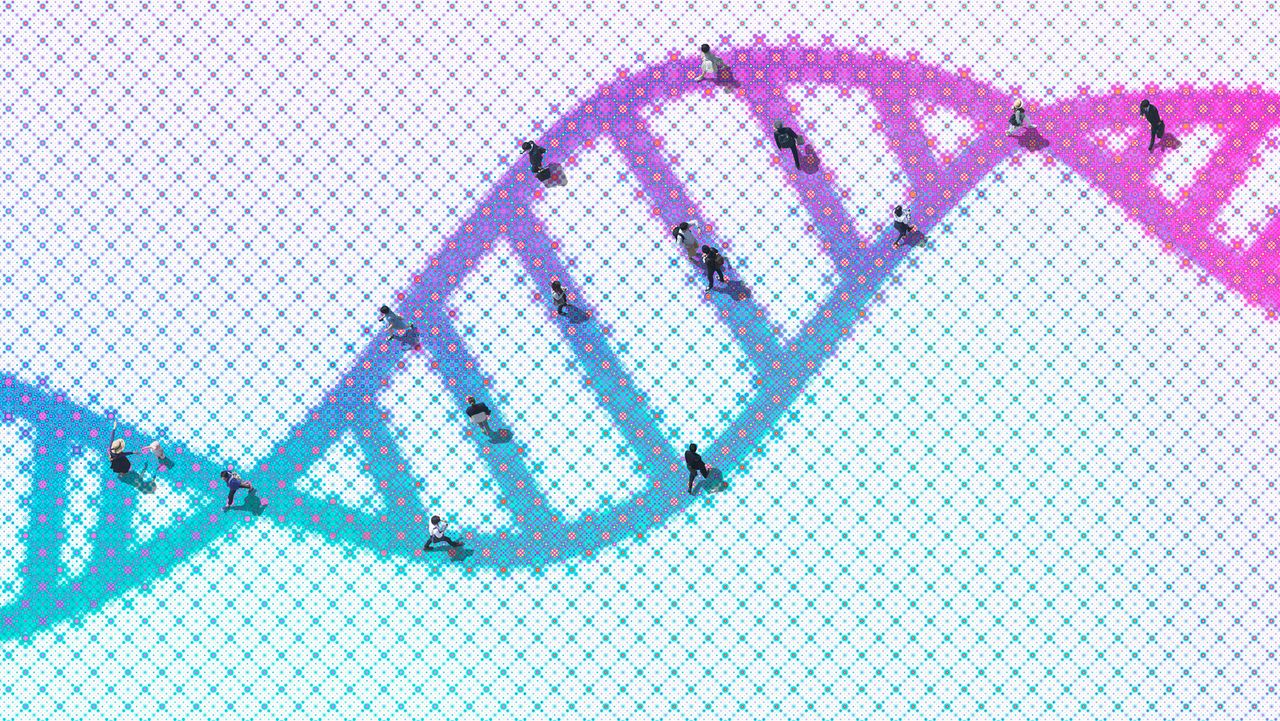
Infectious diseases will seed new ground as the planet warms — here's where they'll spread

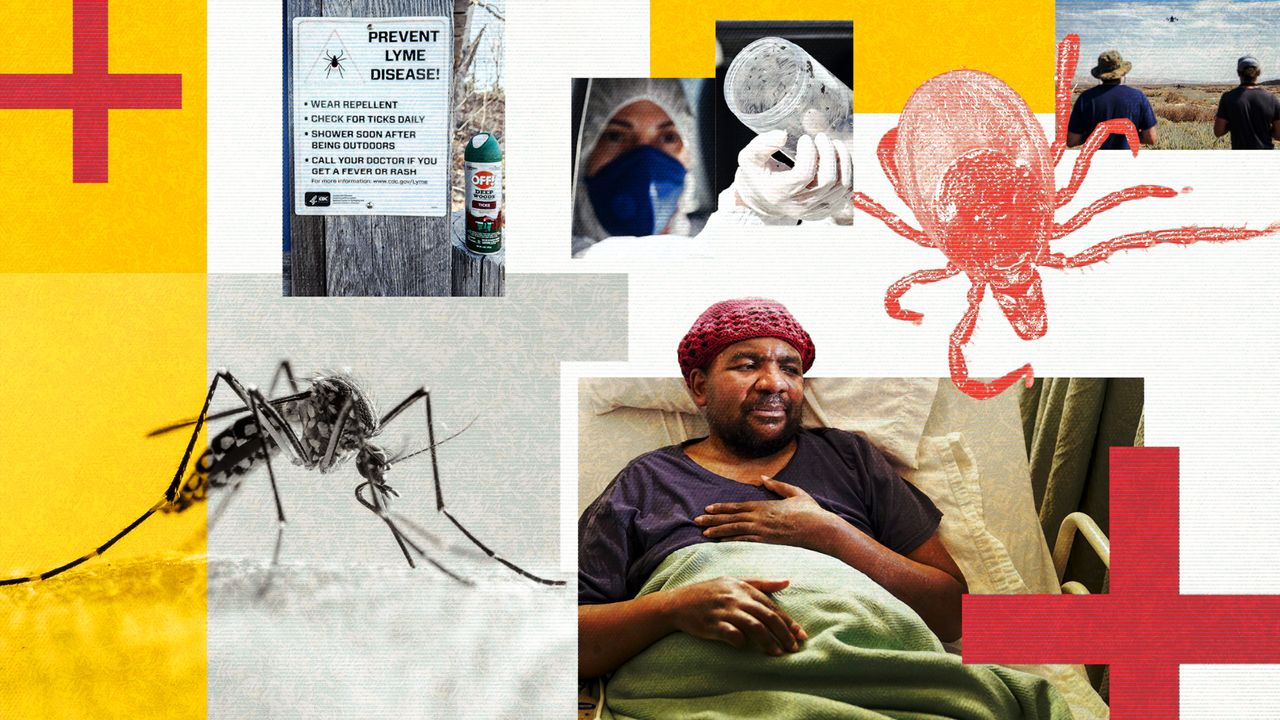
Burning UpAs the planet warms, our environment will be transformed, but so will our bodies. In this series, 'Burning up,' we investigate the health impacts of climate change, focusing on heat, air quality, food and infection risk. We also evaluate the promising solutions that could help us adapt to our warmer future.To the untrained eye, Xiaoyu Shan's lab bench looked like a home gardening experiment gone bad: dishes filled with dirt — some that looked like mud pies and others that were bone-dry — and not a plant to be seen. But those dishes held a warning. The dirt that Shan, a postdoctoral research associate in biology and biological engineering at Caltech, was studying contained soil micr...

📅 2026-09-10 17:00:15    •    Live Science
Read Original Article →
Does having a bad dream make you a bad person?
Research Institutions

Does having a bad dream make you a bad person?

Illustration by Liz Zonarich/Harvard Staff Health Does having a bad dream make you a bad person? Psychologist breaks down what those negative night narratives might be trying to tell you Samantha Laine Perfas Harvard Staff Writer September 10, 2026 4 min read Part of the Wondering series A series of random questions answered by Harvard experts. Deirdre Leigh Barrett is a dream researcher and a Harvard Medical School lecturer on psychology in the department of psychiatry at Cambridge Health Alliance. She is also the author of “The Committee of Sleep: How Artists, Scientists, and Athletes Use Their Dreams for Creative Problem Solving — And How You Can Too.” Dream interpretation is tricky. Let’...

📅 2026-09-10 16:57:09    •    Harvard Gazette
Read Original Article →
Exquisite 66-million-year-old bird feather preserved in dinosaur dropping
Science News

Exquisite 66-million-year-old bird feather preserved in dinosaur dropping

A feather preserved in a dinosaur dropping, found in 2016 in north-eastern Montana’s Hell Creek FormationO'Connor et al. A bird that was eaten and partially excreted by a dinosaur 66 million years ago has left behind the best-preserved feathers ever recovered by scientists from dinosaur-age rock. This pushes the evolution of feathers, like the ones on modern birds, back by 10 million years and may tell us more about why most birds didn’t survive the post-asteroid mass extinction. “This is the best feather we’ve ever seen in a Mesozoic [252 million to 66 million years ago] deposit,” says Jingmai O’Connor at the Field Museum in Chicago. “[It’s] like a feather you could pick up off the ground.”...

📅 2026-09-10 15:00:00    •    New Scientist
Read Original Article →

Scientists capture two DNA strands zipping together for the first time
Science News

Scientists capture two DNA strands zipping together for the first time

Scientists have directly observed how two negatively charged DNA molecules can pair up despite normally repelling each other. Positively charged metal ions appear to bridge the gap, helping matching DNA helices align groove for groove like a molecular zipper. The discovery confirms a theory proposed two decades ago and could help researchers understand DNA interactions involved in cancer and other cellular processes.

📅 2026-09-10 14:33:06    •    ScienceDaily
Read Original Article →
1 million people's genes reveal the heritability of the Big Five personality traits — and it's complicated
Science News

1 million people's genes reveal the heritability of the Big Five personality traits — and it's complicated

A family photo album can reflect how physical traits, such as blue eyes or lanky limbs, have been passed down — but a new analysis suggests that the way personality emerges across generations is far more complicated.The meta-analysis, published Sept. 2 in the journal Nature, is the largest of its kind ever attempted. The work identified over 1,200 genes linked to five personality traits: extraversion, agreeableness, conscientiousness, openness to experience and neuroticism.However, the scientists behind the study said its most important conclusion is that no single gene determines whether an individual will have a particular personality trait. Instead, thousands of genes exert tiny effects t...

📅 2026-09-10 14:30:00    •    Live Science
Read Original Article →
Mercury may have shrunk much more than we thought, new study hints
Science News

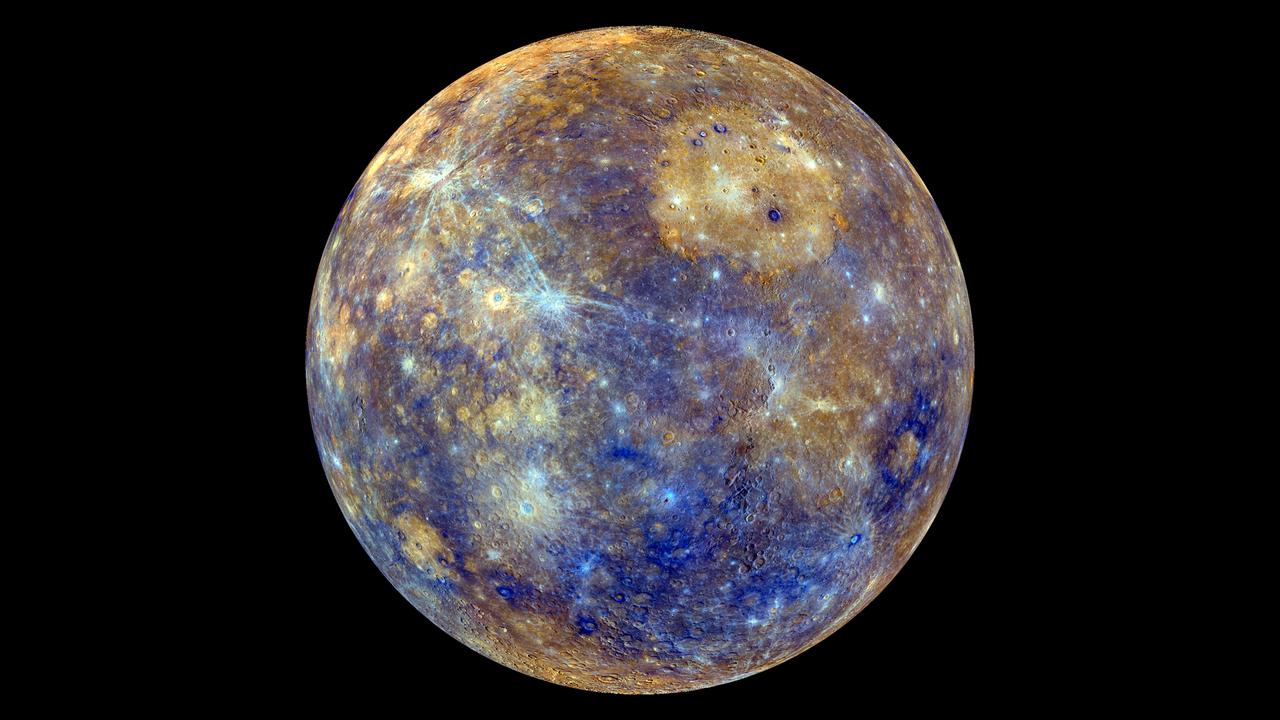
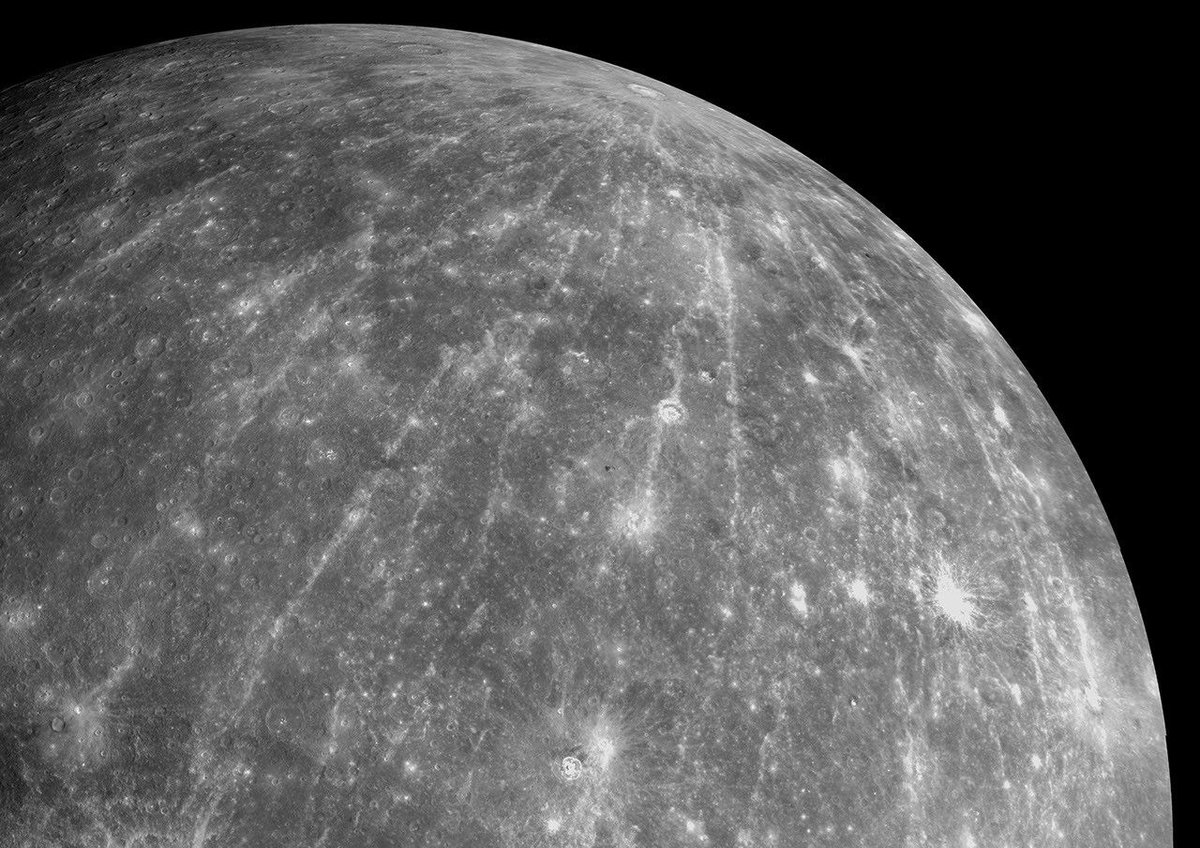
Mercury may have shrunk much more than we thought, new study hints

Mercury, which is about one-third the size of Earth, may have shrunk more in its evolution than scientists originally thought.A new study suggests that the tiny planet may have contracted 10% to 30% more than previous models suggested — meaning the planet’s total diameter shrunk almost 12 miles (19 km) since Mercury was formed. (Mercury’s diameter today is roughly 3,032 miles (4,880 km). Previous missions overlooked the extent of the shrinkage because impact-crater debris on Mercury's surface hid the evidence, according to a study published Thursday (Sept. 10) in the journal Geophysical Research Letters. That size difference is important when researchers consider the planet's history, said G...

📅 2026-09-10 13:00:00    •    Live Science
Read Original Article →
Page 129of 171   •   4,102articles