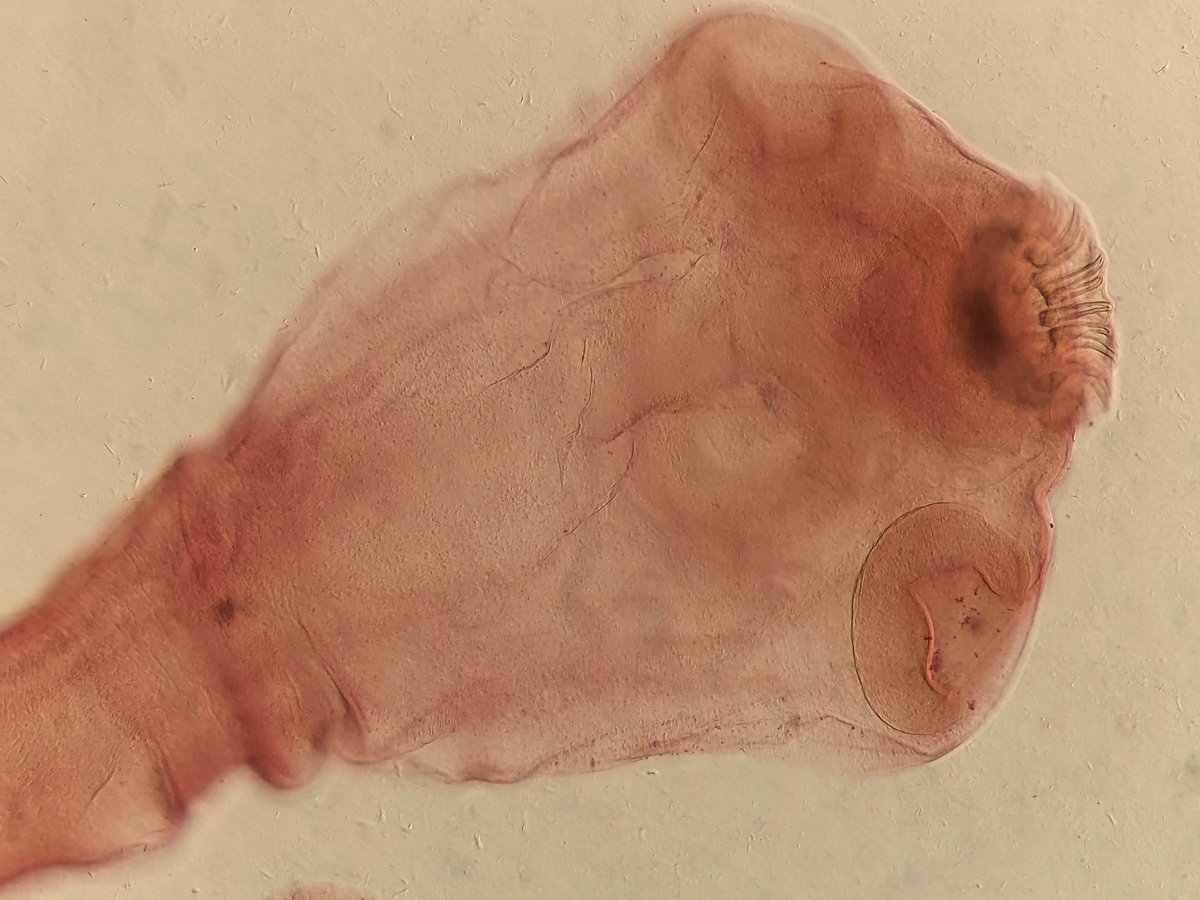
What caused this woman’s hallucinations? Doctors reveal an infestation of brain worms
After months of headaches and visual hallucinations, a woman was finally revealed to have brain cysts filled with tapeworm larvae
Stay informed about scientific discoveries, research developments and new findings from around the world.
After months of headaches and visual hallucinations, a woman was finally revealed to have brain cysts filled with tapeworm larvae
As new 9/11 documents emerge, AI transforms math and fuels debates over pollution, power and progress
Nazir Afzal OBE launches part one of the independent review following the death of Professor Jason Arday Anonymous (not verified) Mon, 09/14/2026 - 10:28 On Friday 4 September, the University announced in broad terms how the review process following the death of Professor Jason Arday will work. A statement was also published on the University website.We explained that part one will examine the support, interventions and protections available to Professor Jason Arday, and that the University Council had agreed to appoint Nazir Afzal OBE to serve as the independent lead of this part. The University Council has now agreed Mr Afzal’s terms of reference for part one of the review.Anyone who wishe...
As Africa prepares for the arrival of a powerful El Niño weather event, an international team of researchers led by the University of Sydney and Imperial College London has found that access to improved forecasts alone will not protect many of the region's poorest livestock farmers from the impacts of climate change.
In women's reproductive years, their brains are exposed to high levels of sex hormones, and their neurons may come to depend on those hormones to function optimally. But leading up to and after menopause, the ovaries produce far less estrogen and progesterone, raising concerns that this drop in hormones may contribute to women's dementia risk."We think that the loss of those hormones at menopause renders those neurons more vulnerable to age-related cellular decline and pathologies like Alzheimer's," said Karyn Frick, a neuroscientist and professor of psychological and brain sciences at the University of Wisconsin-Milwaukee.So, if falling hormone levels are a risk factor for dementia, could r...
A surge in Indonesia's wood pellet and chip production is driving a new wave of deforestation, threatening the vast archipelago's remaining tropical forests, vital biodiversity hot spots and the land of Indigenous peoples, according to new satellite analysis from environmental nongovernmental organizations.
The discovery of water in dark craters at the moon's poles has sparked a "moon rush" to establish bases there, followed by villages, cities and heavy industry. How sustainable is this rush?
The world needs more homes. The world also has too much plastic. Perhaps the only thing those two problems have in common is that they’re hard to solve.Atlas Building Composites, a spinout of MIT, is on a mission to address both problems with a single solution. The company has developed an AI-powered robotic manufacturing platform capable of turning single-use plastics into durable building materials.The company emerged from MIT HAUS, a research effort in the MIT Department of Mechanical Engineering that’s short for “Home Architecture for Universal Sustainability.” Atlas uses waterless plastic recycling and large-scale composite additive manufacturing technology to make parts like home found...
MIT researchers have developed a new technique that helps generative artificial intelligence models find solutions to high-stakes problems.In these settings, a plausible answer is not enough: The output often must also satisfy nonnegotiable safety, physical, or task-specific requirements, known as hard constraints.The researchers developed a method that helps generative models meet these strict requirements without sacrificing the quality of their outputs. The key to their technique is to give the model more freedom during the generation process and enforce hard constraints on the final output, rather than at every intermediate step. In experiments spanning robotics, control of physical proc...
Scientists discovered that aging cells can use malfunctioning mitochondria to unlock inflammatory genes and keep the immune system stuck in a prolonged state of alert. Blocking one part of this process reduced inflammation and improved healthy aging in mice, suggesting a promising new strategy for fighting age-related decline.
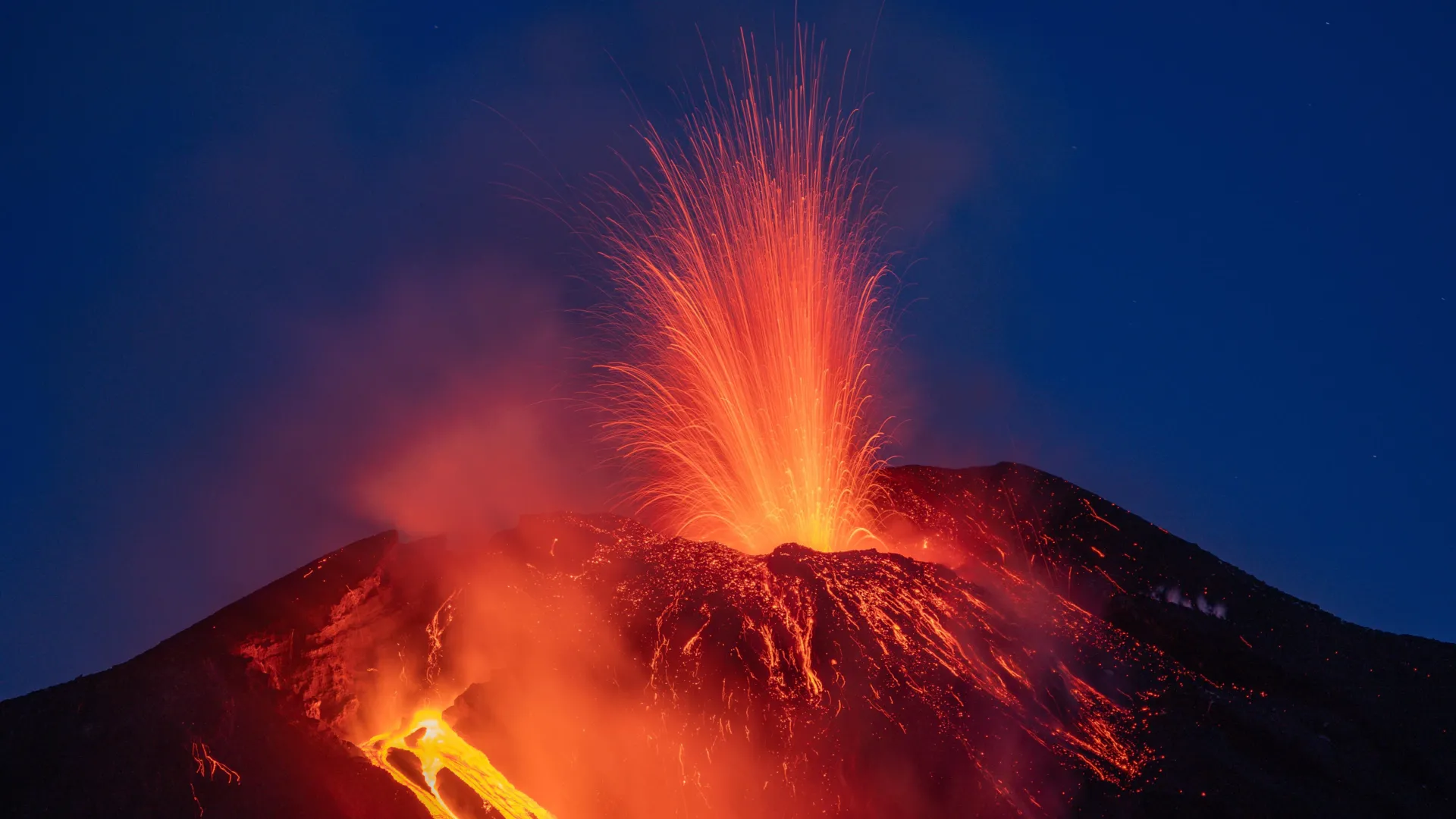
Mount Etna’s ancient eruptions followed radically different paths, with some magma lingering near the surface for weeks while other magma raced upward from nearly 30 kilometers deep in just hours. Scientists traced the difference to volcanic gases such as carbon dioxide and water, offering a powerful new way to understand and potentially anticipate explosive eruptions.
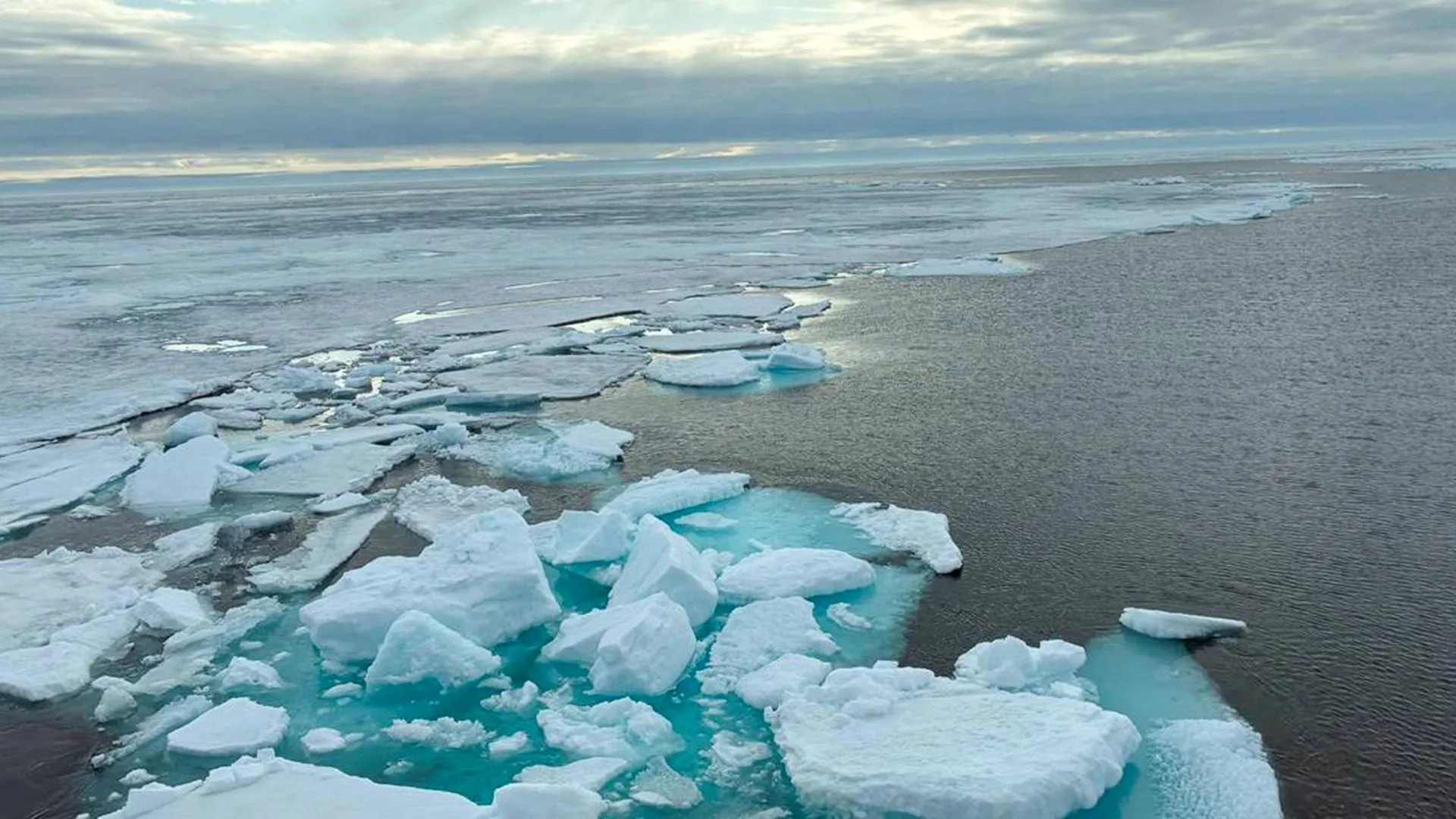
Scientists have found that Arctic cyclones become especially destructive when several strike one after another. These storm clusters cause about twice as much sea ice loss as isolated cyclones, with impacts that persist roughly two and a half times longer. As Arctic ice becomes thinner and weaker, the damage from these storms appears to be increasing, potentially creating a feedback loop that accelerates future ice loss.
Sucralose, the artificial sweetener used in Splenda, came under scrutiny after a study found that a related chemical damaged DNA and weakened the gut barrier in laboratory experiments. But later findings have complicated that alarming picture.
Transparent supply chains boost consumer trust—if the results are positive. But what if they aren't? A new paper by Kühne Logistics University (KLU), in collaboration with the University of Tennessee and Tilburg University, published in the Journal of Business Logistics, reaches a surprising conclusion. The researchers advise companies: It's better to publish mixed results than none at all.
The James Webb Space Telescope (JWST) has opened many wonders of the cosmos to scientists since it began science operations a few years ago. But one thing it hasn't done is find an "exomoon." These still-theoretical moons orbit exoplanets in other star systems, and JWST was supposed to find a plethora of them.
A distant star has captured astronomers' attention over the past decade, teasing them with indications that it will soon explode as a supernova. But new research shows that something else entirely is behind the star's outbursts. Rather than an impending catastrophic explosion, a previously unseen companion may be responsible for the star's behavior.
Researchers at the Department of Energy's Oak Ridge National Laboratory (ORNL) have developed an artificial intelligence framework that helps researchers use atomic force microscopes to identify important nanoscale features while autonomously targeting the most informative areas of a sample for closer study.
The surface of Mercury is filled with craters, ridges and steep cliffs. Over billions of years, as the planet's interior cooled, the planet also shrank. Just as the skin of a drying fruit wrinkles when what is inside it shrinks, Mercury's rocky surface crumpled into ridges and cliffs as its interior cooled and the planet contracted. Mercury has quite literally grown smaller with age.
With fall now upon us, many of us will be dusting off our binoculars and telescopes ready for the longer nights this season brings. Earlier sunsets mean more stargazing hours, and we'll start to see the return of some favorite celestial sights and deep-sky objects that we haven’t seen since before spring. Fall is also an excellent time for casual stargazers, with the earlier evenings and cooler temperatures offering a comfortable compromise before we head into those freezing winter nights when we can't feel our toes. Don't worry if you're just starting out and don't have any gear yet, as many of this season's celestial objects are visible with the naked eye — and some are actually best viewe...
Cell membranes and the proteins within them control many vital processes and play a key role in health and disease. But studying them in 3D images of cells has so far meant slow, manual work. A team from Helmholtz Munich, the Technical University of Munich (TUM) and the Biozentrum of the University of Basel has developed MemBrain v2, an AI tool that automates this task—cutting work that once took weeks down to a few hours. The study is published in Nature Methods.
Saltwater isn't something most people associate with English farmland. But in parts of eastern England, it's becoming a growing problem, not just for crops but for farm incomes too.
Deep within an ancient sinkhole lie the remains of dozens of mammoths, prehistoric wanderers who waded into the warm springs to their deaths. These deaths had long been accepted as having occurred roughly 26,000 years ago, but new dates published in the journal Quaternary Research suggest these ice-age giants were more than 160,000 years old.
Solo travel is surging—and an industry still largely built for two is taking note. Google reported in April 2026 that online searches involving "solo travel" hit an all-time high this year, with queries for "women solo travel" reaching a 15-year peak. Hilton's 2026 trends report found that 26% of travelers planned to take a trip alone this year and that nearly half said they planned to add solo days to the front or back of a family trip.
Black holes are regions of spacetime where gravity is so strong that nothing, not even light, can escape. When two black holes orbit each other and merge, they produce gravitational waves (i.e., ripples in spacetime) that can resemble those emitted by mergers involving other exotic compact objects.