Latest Scientific Discoveries

All News →
Watch the full 'Hunter's Moon' rise next to Saturn this weekend
Science News

Watch the full 'Hunter's Moon' rise next to Saturn this weekend

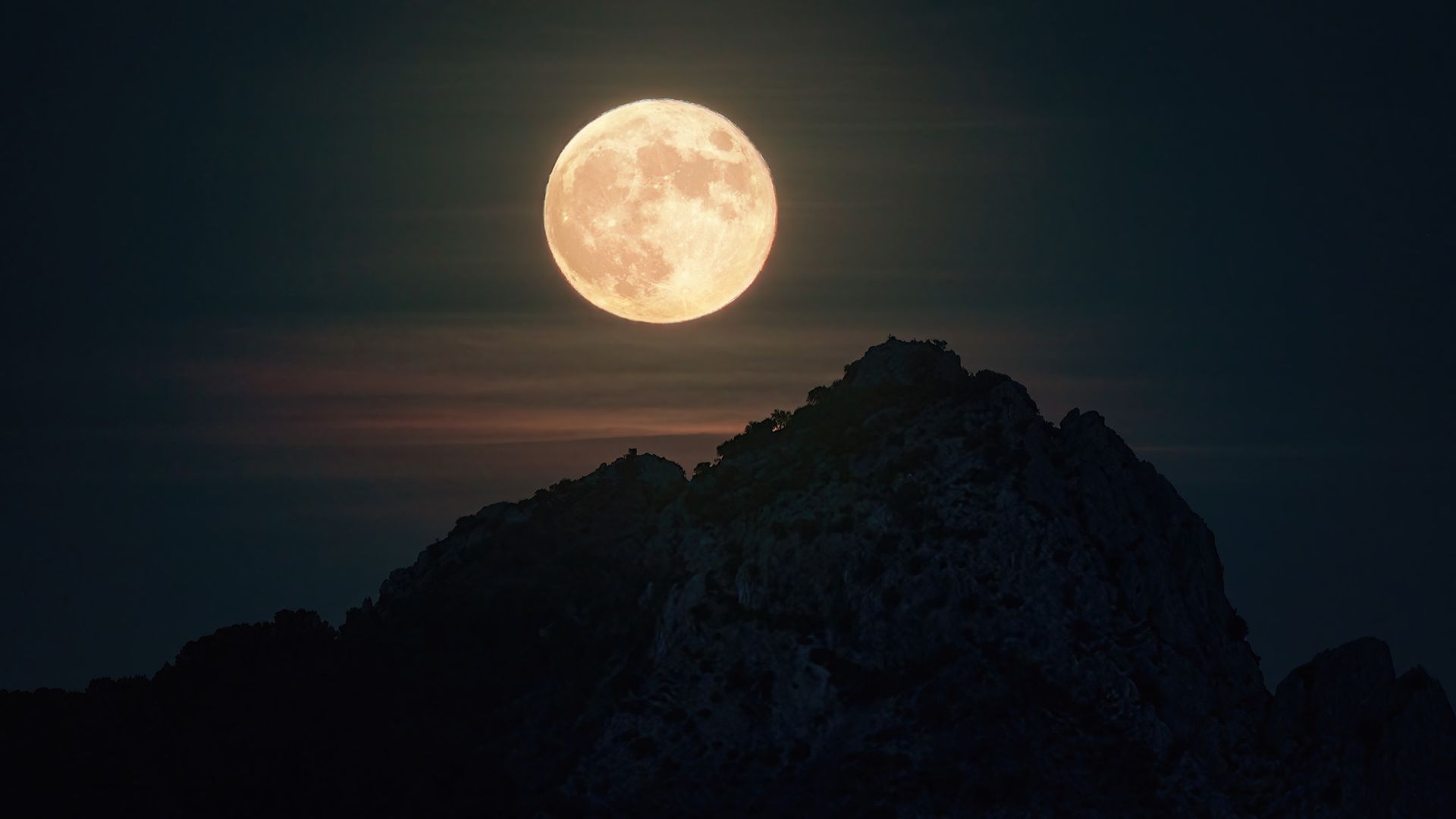
October's full "Hunter's Moon" is about to rise, and skywatchers will get two great chances to see it appear on the eastern horizon around sunset.Although it officially turns full at 12:11 a.m. EDT on Monday (Oct. 26), the Hunter's Moon will appear almost perfectly full as it rises on both Sunday (Oct. 25) and Monday evenings, giving skywatchers two opportunities to observe it. October's full moon is nicknamed the Hunter's Moon because it was traditionally a signal for hunters to prepare for the coming cold winter by hunting, slaughtering and preserving meat, according to Time and Date. That's an Anglo-Saxon name; Native American names for October's full moon include the Drying Rice Moon, th...

📅 2026-10-24 11:00:00    •    Live Science

Swinging virtual lightsabers and punching improve pattern-based learning in VR tests
Science News

Swinging virtual lightsabers and punching improve pattern-based learning in VR tests

Punching a virtual response box or swinging a virtual lightsaber can dramatically improve learning on certain tasks, according to new research from Florida Atlantic University's College of Engineering and Computer Science, which challenges long-standing assumptions about how people learn.

📅 2026-10-24 10:20:01    •    Phys.org
Typhoon Champi knocks out power to thousands in Taiwan
Science News

Typhoon Champi knocks out power to thousands in Taiwan

Emergency crews scrambled on Saturday to restore power to tens of thousands of homes in Taiwan after Typhoon Champi's fierce winds battered the island, with the storm moving toward China and Japan.

📅 2026-10-24 09:40:01    •    Phys.org
Why were the Nazca Lines built?
Science News

Why were the Nazca Lines built?

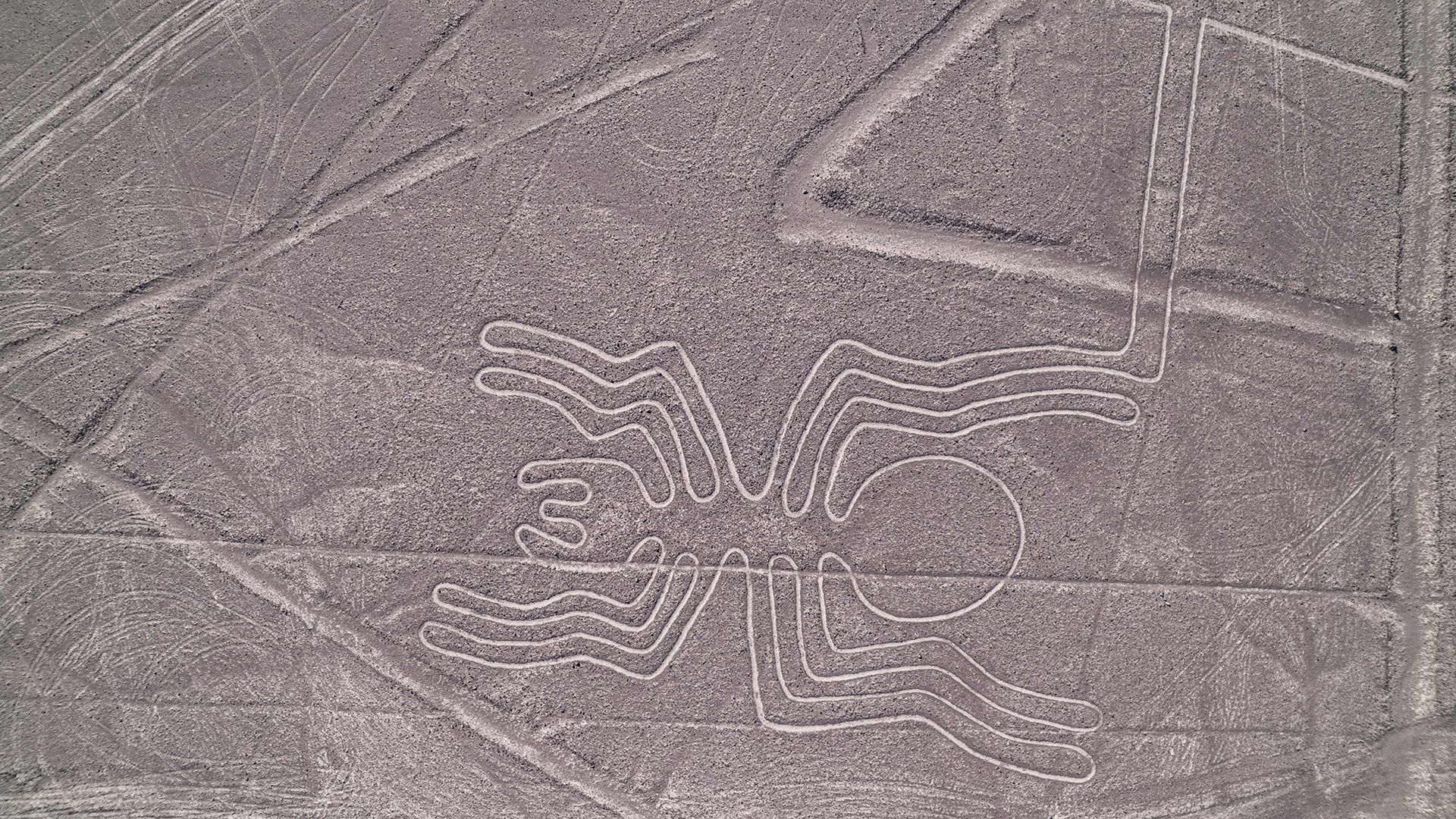
The Nazca Lines are the most famous geoglyphs in the world. Dating back around 2,000 years and reaching a combined length of more than 800 miles (1,300 kilometers), they depict a variety of motifs, including humans, animals, geometric shapes, plants and flowers. These designs were constructed on the arid hills and valleys of coastal Peru by the Nazca people between 200 B.C. and A.D. 500, long before writing was used in the region.It's not clear exactly how many Nazca Lines there are, but they number in the thousands, with new geoglyphs continuing to be discovered with the help of AI.But why were the Nazca Lines built?Scientists have been debating this question since the lines were first form...

📅 2026-10-24 09:00:00    •    Live Science
Surveying the genetic battlefield to uncover the rules of rapid evolution
Science News

Surveying the genetic battlefield to uncover the rules of rapid evolution

The Malik Lab thrives on competition. But for HHMI investigator Harmit Malik and his team at the Fred Hutchinson Cancer Center, it's the genomes—not the people—that are in conflict. The lab studies rapid evolution—the genetic changes that happen in a species over a few generations rather than thousands of years. These fast changes are often fueled by genetic conflicts—competitions between different entities trying to maximize their success at the expense of another.

📅 2026-10-24 03:20:02    •    Phys.org
This 150-million-year-old bird had dinosaur teeth and a strange secret
Science News

This 150-million-year-old bird had dinosaur teeth and a strange secret

A 150-million-year-old fossil discovered in China reveals a bizarre early bird with sharp teeth, a dinosaur-like claw, and a body built for life on the ground rather than flight. Scientists believe it represents the earliest known example of flight loss in birds, overturning assumptions about how these animals evolved.

📅 2026-10-24 02:42:19    •    ScienceDaily
Habitat explains Finnish animal distributions better than climate, study finds
Science News

Habitat explains Finnish animal distributions better than climate, study finds

Researchers at the University of Helsinki wanted to understand which is the dominant factor for species occurrence and abundance: the climate or habitat-related variables, such as their natural state and the share of land shaped by human activity. Solutions to mitigate biodiversity loss depend on the answer to this question.

📅 2026-10-24 01:00:02    •    Phys.org
Glioblastoma breakthrough reveals how brain cancer cells become more aggressive
Science News

Glioblastoma breakthrough reveals how brain cancer cells become more aggressive

Scientists discovered that the thick, sticky fluid surrounding glioblastoma tumors can make brain cancer cells smaller, more flexible, and better at invading surrounding tissue. Even more troubling, some of these changes persist after the cells leave the thick fluid, revealing a previously overlooked mechanism that could help this deadly cancer spread.

📅 2026-10-24 00:48:21    •    ScienceDaily