Latest Scientific Discoveries

All News →
Kids and teens are going to AI chatbots for advice. How can parents make sure this is safe?
Science News

Kids and teens are going to AI chatbots for advice. How can parents make sure this is safe?

Last week, Australian Federal Police Commissioner Krissy Barrett warned artificial intelligence (AI) chatbots are not a sufficient replacement for human support for children. The comment was in response to a recent Adelaide University study that found more than one in three Australian children turn to AI chatbots for support when they are sexually victimized online or otherwise tell nobody at all.

📅 2026-10-16 13:40:08    •    Phys.org
The force behind our strength: How mechanical processes regulate muscle development
Science News

The force behind our strength: How mechanical processes regulate muscle development

Skeletal muscles grow and regenerate as individual precursor cells—called myoblasts—fuse into long fibers from which mature muscle fibers develop. How they coordinate this process and form functional muscles is not yet fully understood. A research team at the Max-Planck-Zentrum für Physik und Medizin (MPZPM) has now shown that mechanical stress influences the fusion of muscle cells.

📅 2026-10-16 13:40:02    •    Phys.org
AI and wastewater DNA-based mapping help identify sewer pipes at risk of corrosion
Science News

AI and wastewater DNA-based mapping help identify sewer pipes at risk of corrosion

Underground sewers that safely manage wastewater are essential to modern cities. However, since they are buried underground and difficult to access, their condition can be hard to monitor. Traditional camera inspections are costly and time-consuming, but we need regular inspections so aging pipes do not continue to deteriorate until they reach a breaking point. When damaged pipes leak, they can pose serious risks to public health by contaminating surrounding water, while more severe failures can even damage infrastructure above them, causing sinkholes in city streets.

📅 2026-10-16 13:38:48    •    Phys.org
Shredded star reveals a massive black hole wandering far from its galaxy's center
Science News

Shredded star reveals a massive black hole wandering far from its galaxy's center

Astronomers have discovered a star being torn apart by a massive black hole more than 1,000 parsecs from the center of its host galaxy. The tidal disruption event, TDE 2023mfm, was first discovered by ZTF and then studied with a wide range of telescopes, including Keck, Lick, Hubble, Swift, Chandra, XMM-Newton and the VLA. The discovery paper was posted to the arXiv preprint server on Sept. 28.

📅 2026-10-16 13:20:17    •    Phys.org
USC scientists discover how to create a never-ending supply of cancer-fighting cells
Science News

USC scientists discover how to create a never-ending supply of cancer-fighting cells

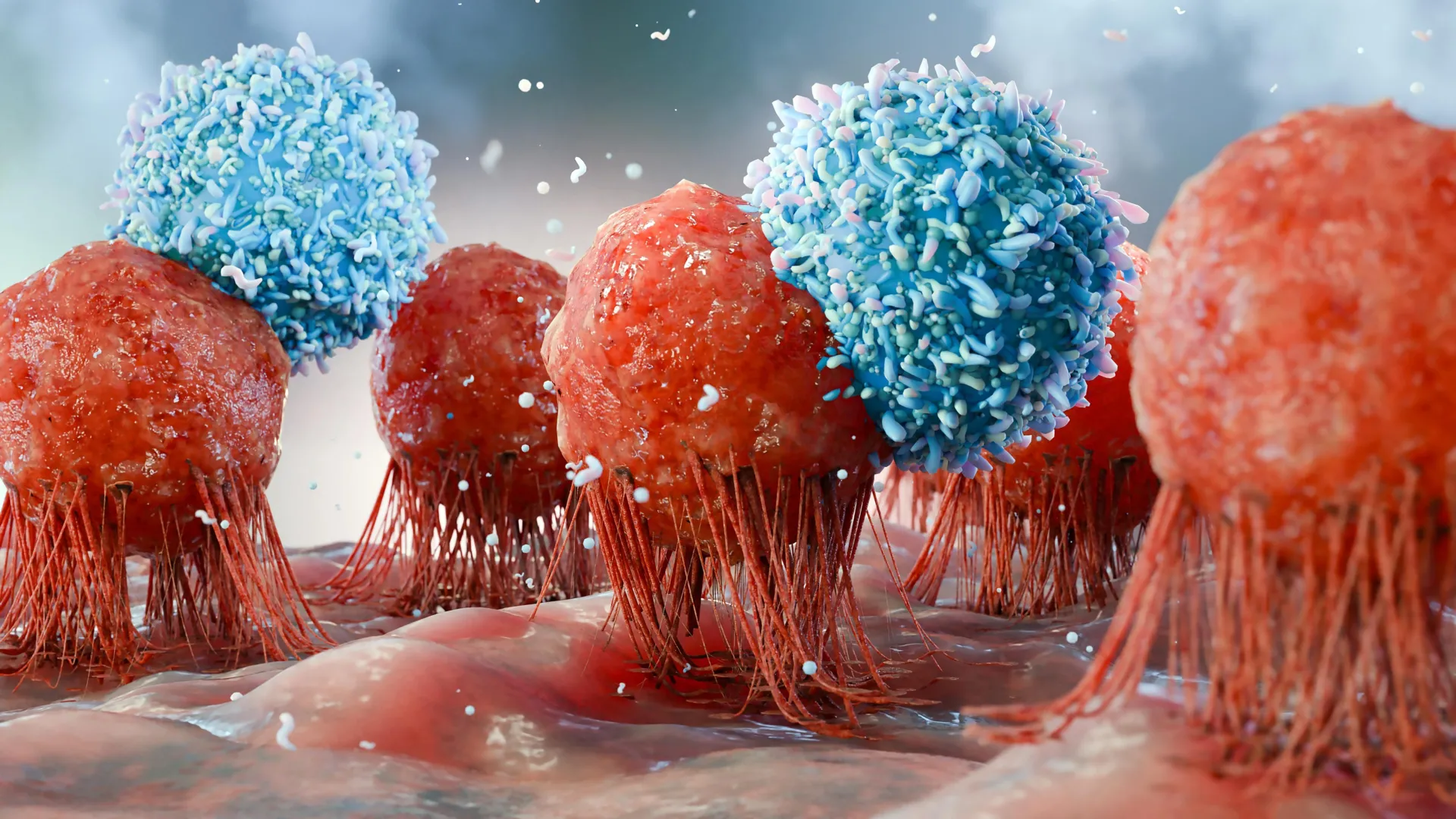
USC scientists have discovered a way to create a potentially renewable supply of genetically engineered immune cells that can attack cancer and strengthen the body's natural defenses. By growing and modifying immature immune cells rather than mature ones, researchers developed a system that can continuously produce tumor-fighting cells inside the body.

📅 2026-10-16 12:46:50    •    ScienceDaily
The uranium cubes that exposed Nazi Germany’s nuclear failure
Science News

The uranium cubes that exposed Nazi Germany’s nuclear failure

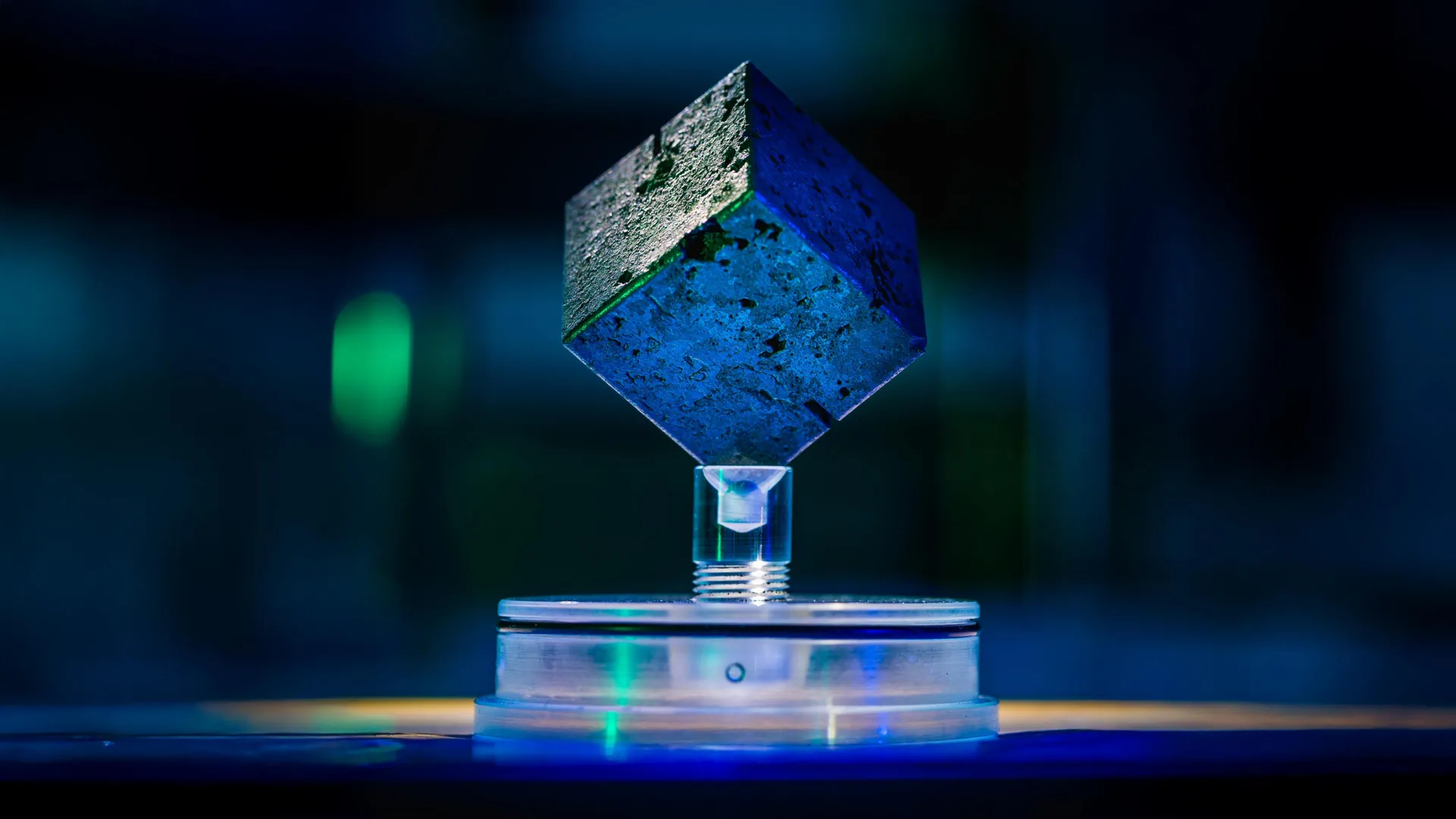
Scientists investigating Nazi Germany's secret nuclear program have uncovered evidence that its final experimental reactor was nowhere near as close to working as previously claimed. Analysis of surviving uranium cubes and wartime documents reveals that Germany lacked the enormous quantities of uranium and heavy water needed to make its reactor operational.

📅 2026-10-16 12:32:52    •    ScienceDaily
Crossword: Time lines
Science News

Crossword: Time lines

Solve the crossword from our November 2026 issue, in which we cultivate an understanding of growth curves.

📅 2026-10-16 12:00:00    •    Science News
Yale scientists discover how stress changes the brain to make memories stronger
Science News

Yale scientists discover how stress changes the brain to make memories stronger

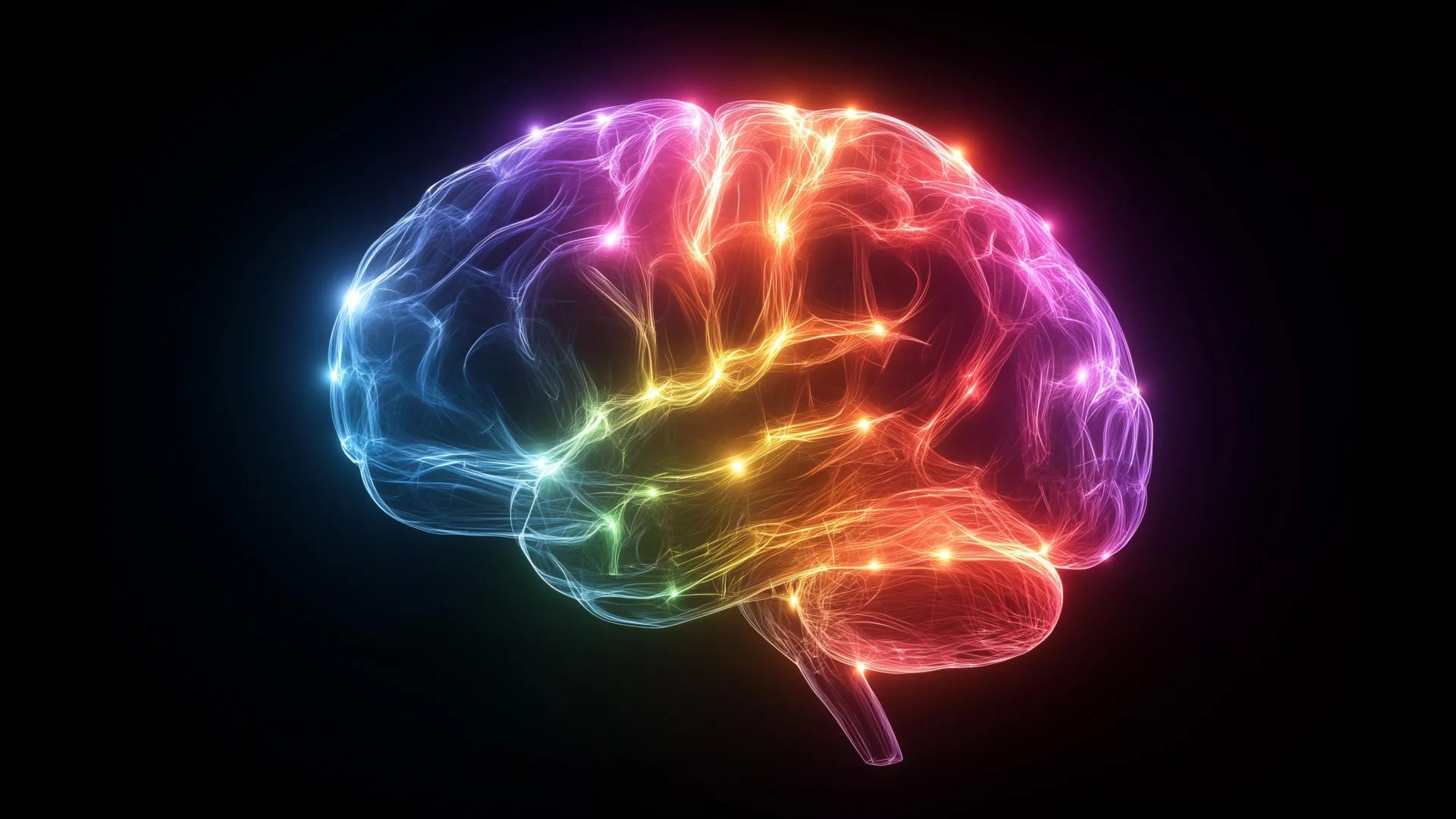
Yale scientists have uncovered how the stress hormone cortisol helps the brain turn emotional experiences into stronger, longer-lasting memories. The discovery reveals that stress can reshape communication between brain networks involved in emotion and memory, potentially explaining why certain moments are so difficult to forget.

📅 2026-10-16 11:55:35    •    ScienceDaily