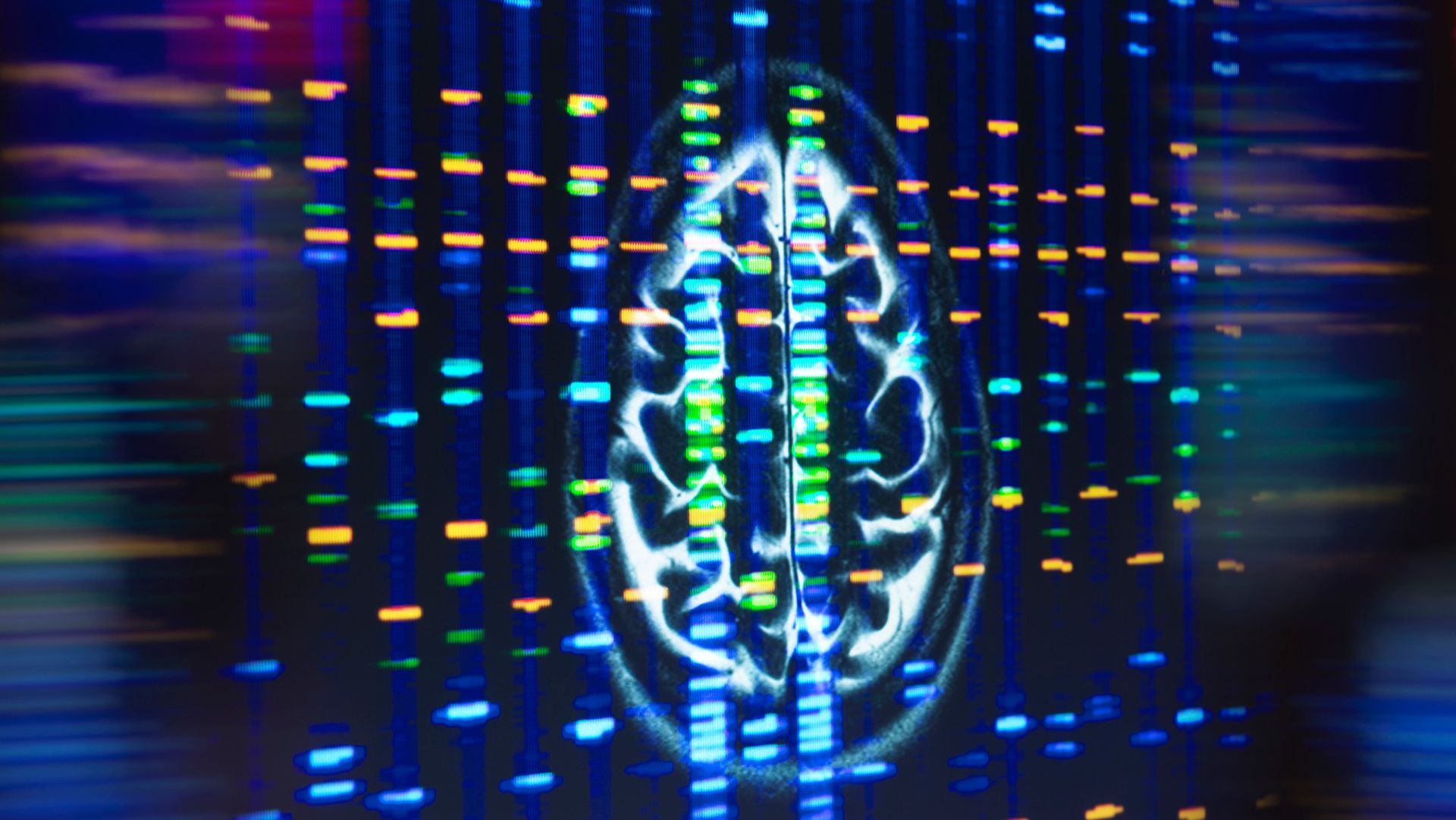
Scientists are growing human brain tissue in living mice—could this make their welfare harder to assess?
What happens when scientists start changing the brain—the very system through which an animal's mental states are expressed in behavior?
Explore the latest scientific discoveries, science news, breakthroughs and developments from around the world.
What happens when scientists start changing the brain—the very system through which an animal's mental states are expressed in behavior?
A new study, led by IIASA researchers and coauthored by UNEP colleagues, finds that if governments fully implement their methane reduction plans, they could reduce global emissions by 11% between 2020 and 2030. This would reverse the current trend of increasing methane emissions, but would not be sufficient to achieve the goal of the Global Methane Pledge.
"Why haven't farm animals evolved to protect themselves against humans?—Sarang, age 15, Latur, Maharashtra, India"
Astronomers using the Atacama Large Millimeter/submillimeter Array (ALMA) were surprised to discover the earliest phases of giant planet formation between the dense layers of gas and dust in the "Gomez's Hamburger" system, referred to as GoHam.
The gas orbiting Sagittarius A (Sgr A*), the supermassive black hole at the center of the Milky Way galaxy, is rich in metals, researchers at McGill University's Trottier Space Institute have found. The metal enrichment probably resulted from stars that exploded and released material into the black hole's surroundings over time, they said.
Earlier this year, I gave birth to my fourth child. My baby and I entered "karasunk," the traditional Armenian 40-day postpartum period during which mother and newborn remain close to home, sheltered from the outside world.
The Martian Moons Exploration mission will aim to bring back samples from Phobos
Every loaf of bread has a carbon footprint, a supply chain and a workforce behind it. As climate change, food safety and labor rights attract growing attention, corporate disclosures on environmental, social and governance (ESG) issues are becoming increasingly important. But what do companies disclose, and have their priorities changed?
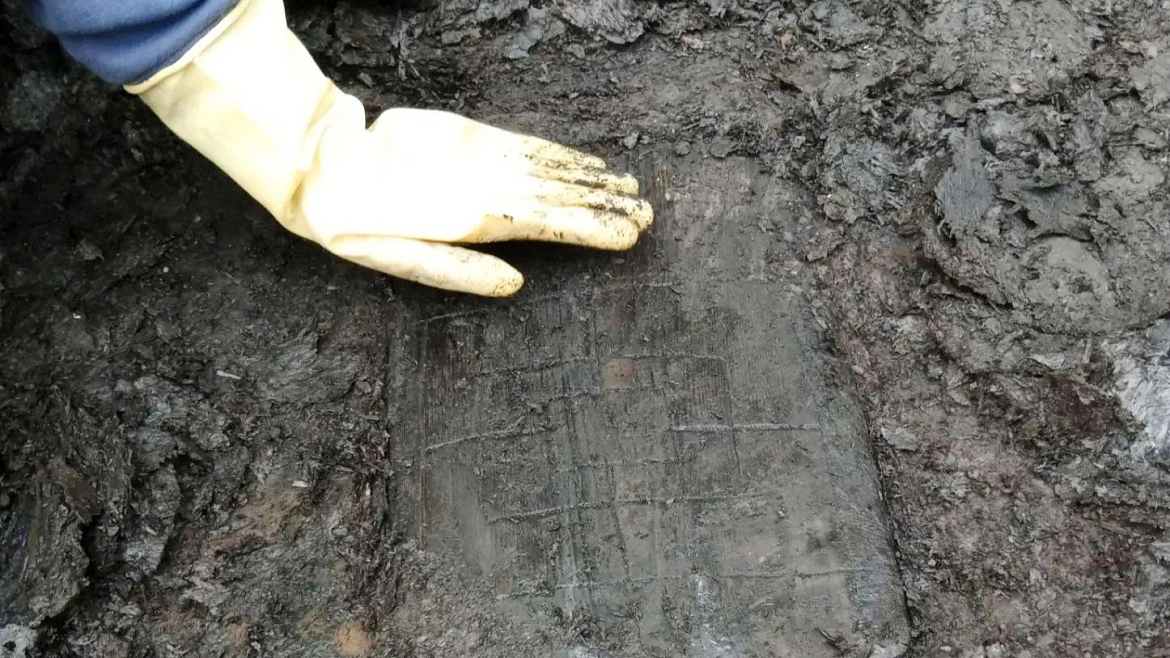
Archaeologists have unearthed an 11th-century wooden kitchen gadget with an ancient board game carved into the back. Medieval bakers may have used the wooden paddle not just to transfer bread into an oven but also to pass the time while they waited for the food to cook, the researchers said."We discovered a fragment of a fairly large shovel," Sergey Toropov, director of Novgorod State University's Center for Archaeological Research, said in a translated statement. "Most likely, it was a bread shovel, which was used to bake bread in an oven. On the reverse side, however, three squares have been carved, one inside the other."The "bread shovel" — also known to contemporary home bakers as a wood...
A gene variant called APOE4 dramatically increases the risk of late-onset Alzheimer's disease, the most common form of dementia. Now, emerging research is revealing APOE4's true role in the condition, and a new study pinpoints a possible way to treat it.Historically, scientists studying Alzheimer's disease have focused on two proteins that accumulate in patients' brains: amyloid-beta and tau. However, there's a "third thing that people didn't pay attention to, until recently," said study co-author Li-Huei Tsai, a neuroscientist at MIT. That third thing is the accumulation of droplets of fat, or lipids, in the brain, she told Live Science.The APOE gene makes proteins responsible for transport...
We have long had a seemingly simple question about neutrinos: how much do they weigh? Now, a gigantic experiment in China is poised to find out – and the answer could transform particle physics forever
How close is too close for encounters between sensitive spacecraft orbiting Earth? With a mysterious approach to another satellite, Russia’s military may be trying to find out