Latest Scientific Discoveries

All News →
Here’s a look at the Nobel Prizes for science
Science News

Here’s a look at the Nobel Prizes for science

An icy window into the cosmos, a light switch for the brain and solving the mystery of mirror image molecules all took home the top prize.

📅 2026-10-09 13:00:00    •    Science News
Rising water is creating inland ghost forests in the US
Science News

Rising water is creating inland ghost forests in the US

Dying trees in a ghost forest, South CarolinaPETER FALKNER/SCIENCE PHOTO LIBRARY Millions of trees seem to be dying in the US, both near the coasts and inland near lakes, thanks to rising water levels. The finding may force a re-evaluation of how much carbon is stored in forests, which are important carbon sinks for mitigating the more severe effects of climate change. Rising sea levels and intense storms linked to climate change have driven widespread tree die-offs along the US Atlantic coast, creating armies of skeletal dead trees known as ghost forests. North Carolina, for example, is thought to have lost 21 per cent of its coastal forest between 1985 and 2021 because of waterlogged soil ...

📅 2026-10-09 13:00:00    •    New Scientist
Grief and tech collide in uneasily brilliant sci-fi film The Remotes
Science News

Grief and tech collide in uneasily brilliant sci-fi film The Remotes

Shown at the New York Film Festival, John Torres’s film The Remotes tells of a mysterious app that seems to be controlling drivers' bodies, causing them to crash. It is challenging but worth it, says Karmela Padavic-Callaghan

📅 2026-10-09 11:00:00    •    New Scientist
Only one workout helped older adults lose fat and keep muscle
Science News

Only one workout helped older adults lose fat and keep muscle

A six-month study suggests that high-intensity interval training (HIIT) may offer older adults a powerful advantage: losing body fat while keeping their muscle. Unlike moderate-intensity workouts, which led to a small loss of lean muscle, HIIT preserved it while also improving body composition around the waist.

📅 2026-10-09 10:57:40    •    ScienceDaily
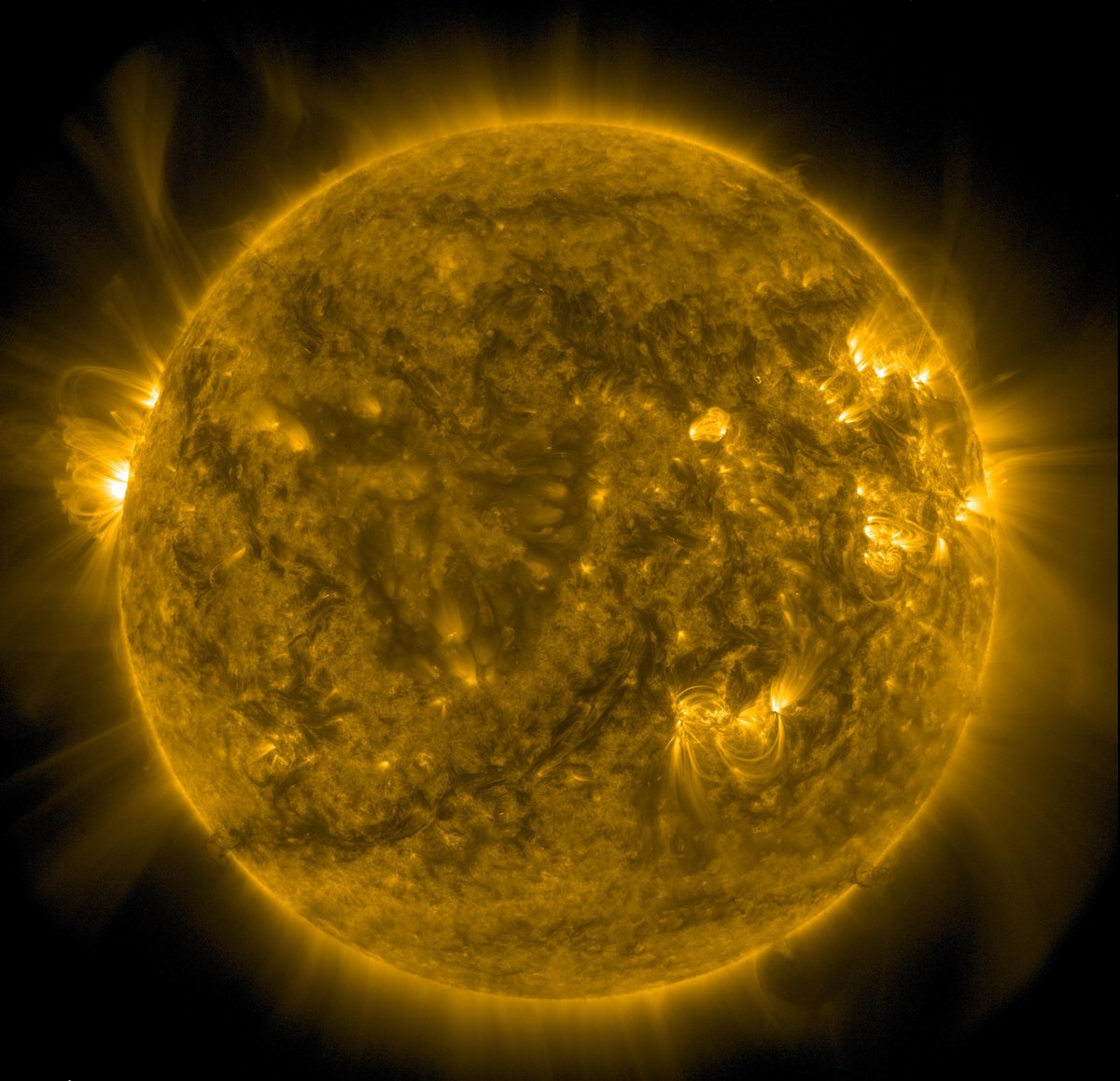
Just how sunlike is the sun?
Science News

Just how sunlike is the sun?

When compared with similar stars, where does sun fit in?

📅 2026-10-09 10:45:00    •    Scientific American
Scientists find hidden materials that could improve batteries and solar fuels
Science News

Scientists find hidden materials that could improve batteries and solar fuels

Scientists have uncovered a hidden world of “in-between” materials that briefly form as chemical ingredients are heated, revealing structures that conventional methods can miss. Among the discoveries is a previously unknown form of bismuth vanadate, a material widely studied for using sunlight to help produce clean hydrogen. The new version has a different atomic structure and interacts with light in a strikingly different way, potentially opening new possibilities for solar fuels, catalysts, and electronics.

📅 2026-10-09 10:20:23    •    ScienceDaily
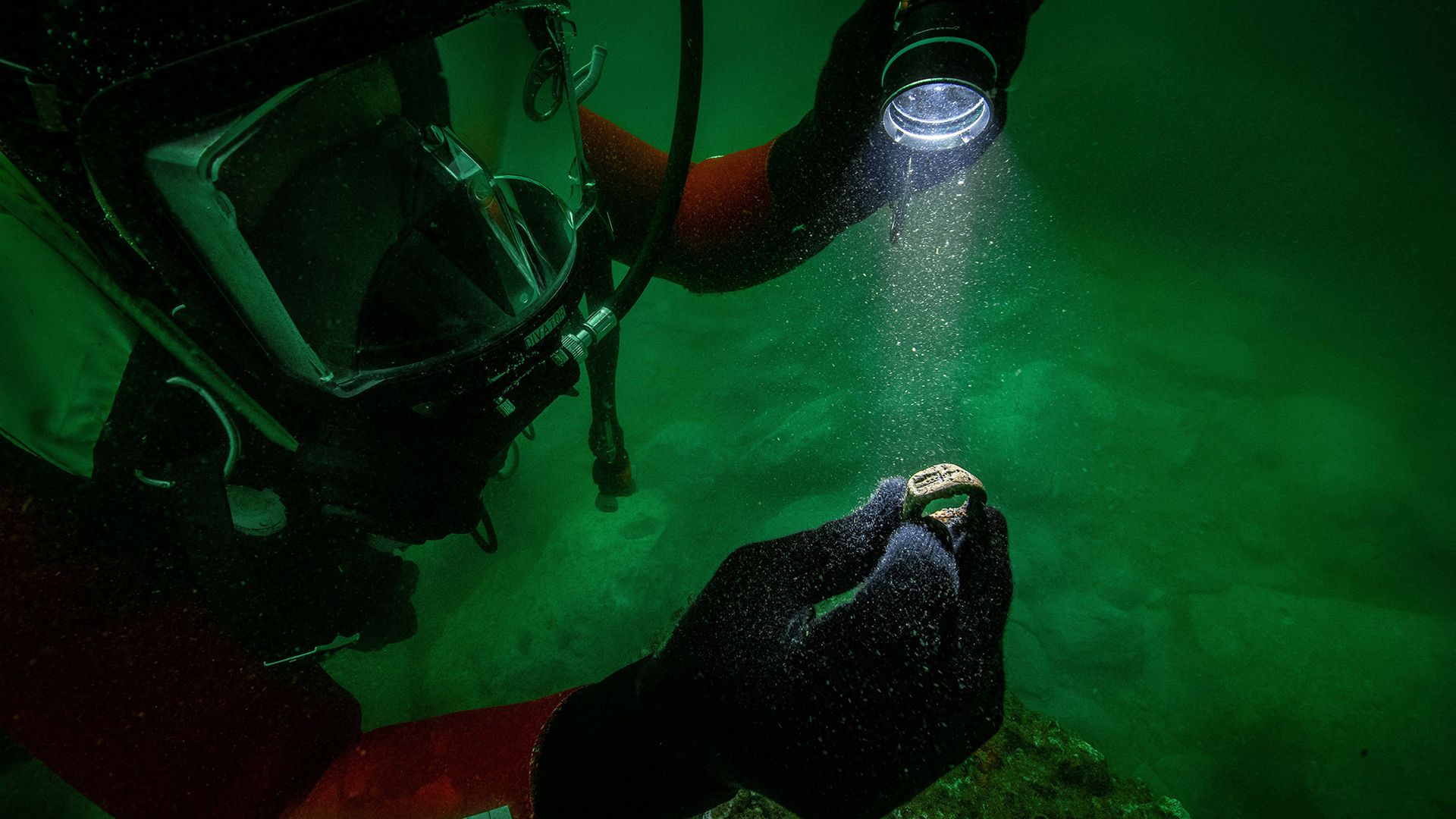
Bronze ring with Lighthouse of Alexandria engraving discovered at palace on submerged island in Egypt
Science News

Bronze ring with Lighthouse of Alexandria engraving discovered at palace on submerged island in Egypt

A bronze signet ring depicting the Lighthouse of Alexandria, a wonder of the ancient world, has been discovered underwater in the Mediterranean off Alexandria, Egypt.A joint team from the European Institute for Underwater Archaeology (IEASM) and the Egyptian Ministry of Tourism and Antiquities found the artifact in the remains of a palace on the now-submerged island of Antirhodos, marking the first time a signet ring featuring the image of the lighthouse has been found, the IEASM team said in a statement. The image on the ring is similar to depictions of the lighthouse that have been previously found on coins dating to the second century, representatives of IEASM said. "The discovery of the ...

📅 2026-10-09 10:00:00    •    Live Science
Bacteria turn a virus’ own weapon against it
Science News

Bacteria turn a virus’ own weapon against it

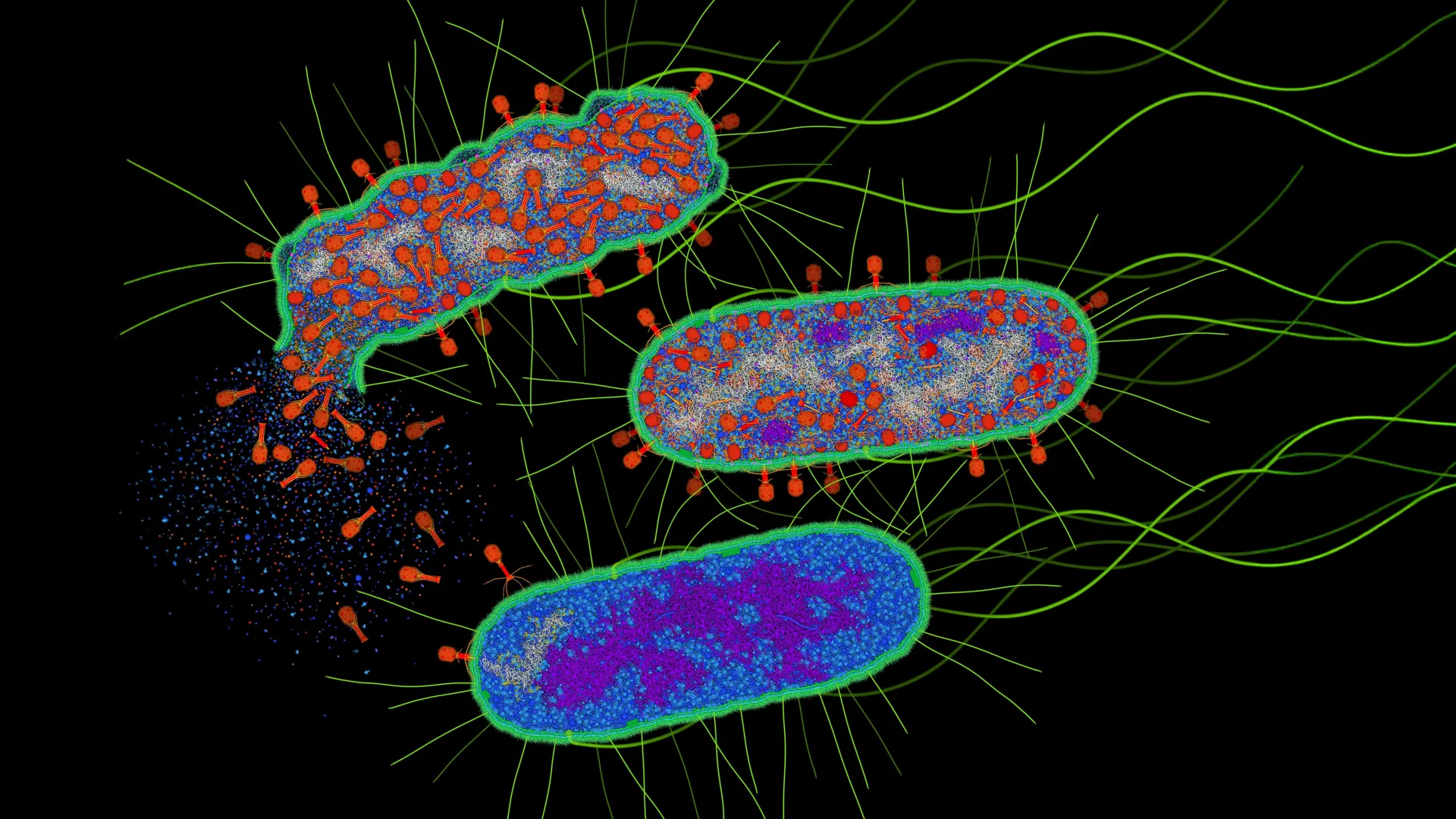
Researchers have uncovered a new way bacteria detect viral attacks: a virus-produced enzyme cuts a bacterial sensor protein, triggering a self-destructing immune response. The discovery could lead to more effective phage therapies against antibiotic-resistant bacteria and provide insight into ancient immune mechanisms shared with humans.

📅 2026-10-09 09:51:19    •    ScienceDaily