Egypt's Fayoum mummy portraits to travel abroad for first time after restoration
Egypt unveiled Sunday a restored version of the "Tondo of the Two Brothers," a prized second-century painting from the famed Fayoum portraits.
Explore the latest scientific discoveries, science news, breakthroughs and developments from around the world.
Egypt unveiled Sunday a restored version of the "Tondo of the Two Brothers," a prized second-century painting from the famed Fayoum portraits.
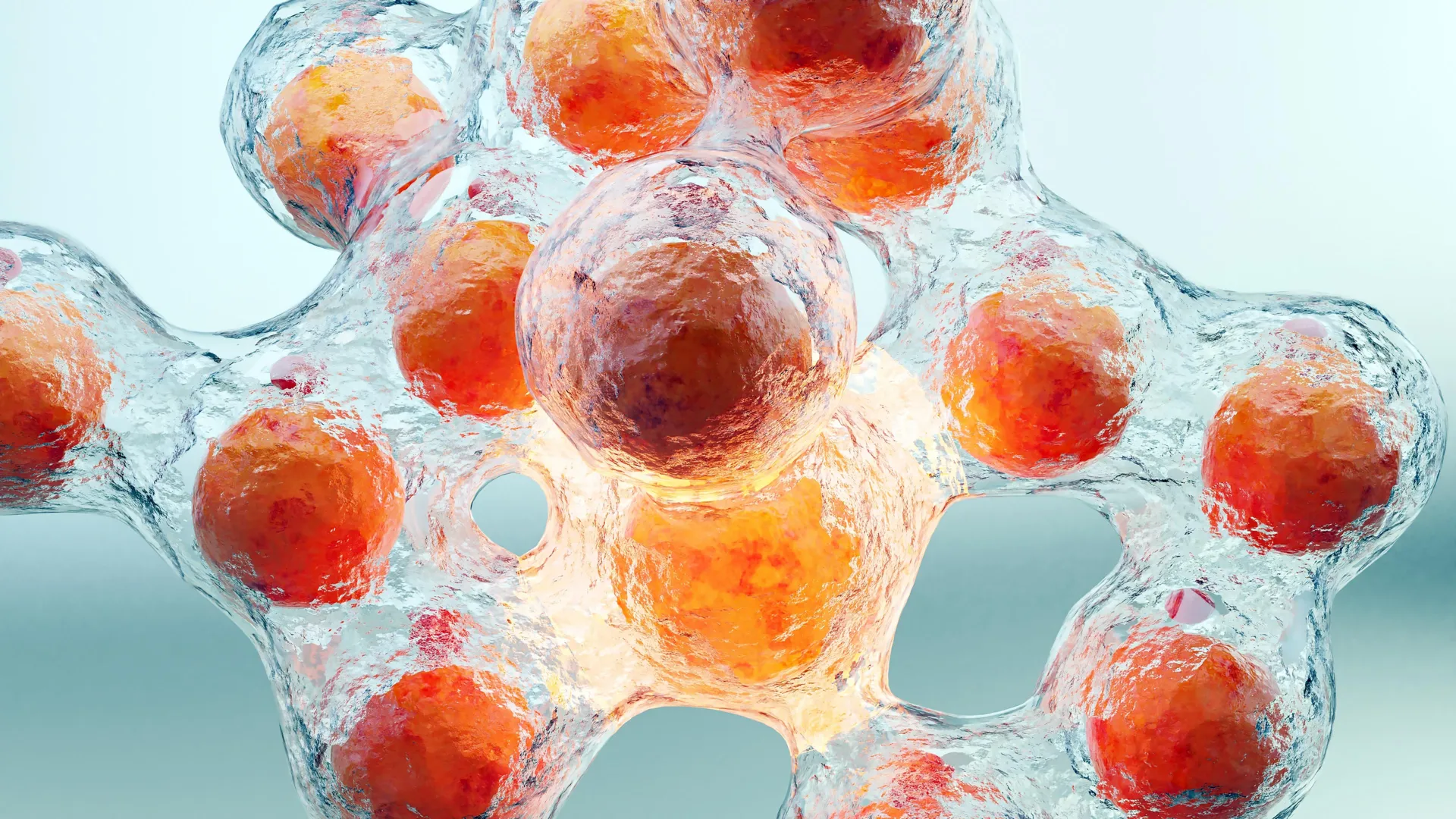
Scientists have developed an experimental injection that destroys fat cells and significantly reduces dangerous belly fat, potentially opening a new path to treating obesity. Early research also suggests it could help prevent the weight regain that often follows stopping popular weight loss drugs like Ozempic and Wegovy.
Researchers at the Mubadala Arabian Center for Climate and Environmental Sciences (ACCESS) at NYU Abu Dhabi have developed a new algorithm that can forecast Arctic sea ice extent up to nine months in advance, offering a new way to anticipate changes in the Arctic that can affect the global climate system. The research is published in the journal Scientific Reports.
A spinach leaf can turn light into chemical energy. A struggling heart cannot. Researchers in China have brought part of the leaf's energy-making machinery into rat heart cells to test whether borrowed photosynthesis could help an overworked heart.
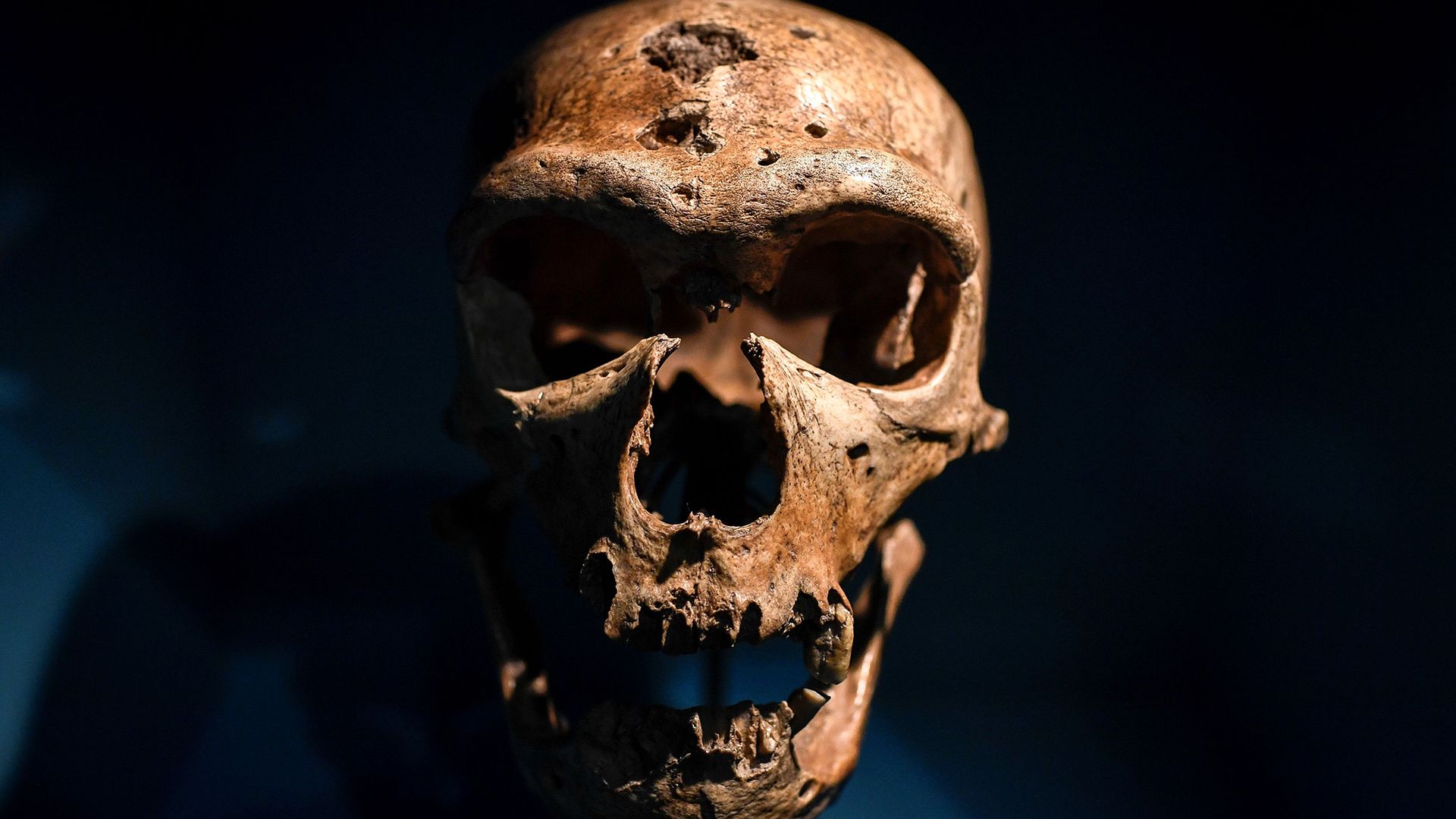
Since the discovery of their remains in the 19th century, Neanderthals have fascinated scientists and the general public alike. Although our understanding of these ancient hominins has been transformed tremendously since then, how we have viewed this other human lineage became deeply entrenched in how we see our own species, with geopolitical events shaping the rhetoric around our ancient relatives. In his new book, "Neanderthals Among Us: The Making of a Prehistoric Human" (Oneworld Publications, 2026), historian and author Peter Sahlins examines our complicated view of Neanderthals, with this lost human lineage being viewed through the lens of cultural and political ideologies. In this exc...
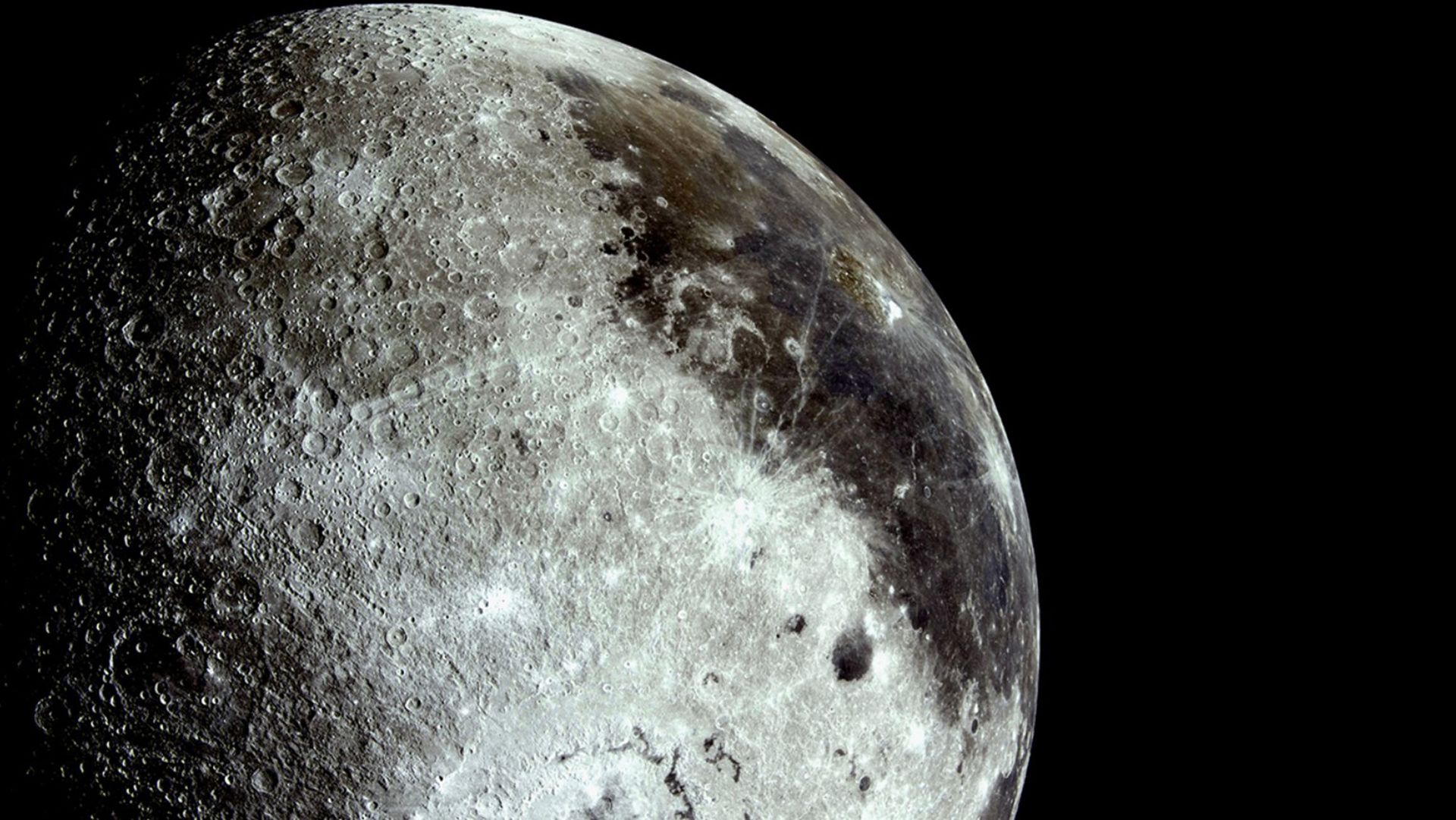
Quick factsWhat it is: A view of the moon from the Artemis II crewWhere it is: Aristarchus Plateau, on the moon's near sideWhen it was shared: Oct. 8, 2026What color is the moon? Ask an Earthling, and you'll get a predictably monochromatic answer: white or gray. But ask the four crewmembers of NASA's Artemis II mission β who spent nearly seven hours circling the moon from just 4,000 miles (6,400 kilometers) from the lunar surface this April β and you'll wonder if they're talking about the same dusty satellite we can see from Earth.Yellow, brown, green, blue and tan features fan across vast volcanic plains and lurk at the edges of ominous craters, according to the crew's in-the-moment observa...
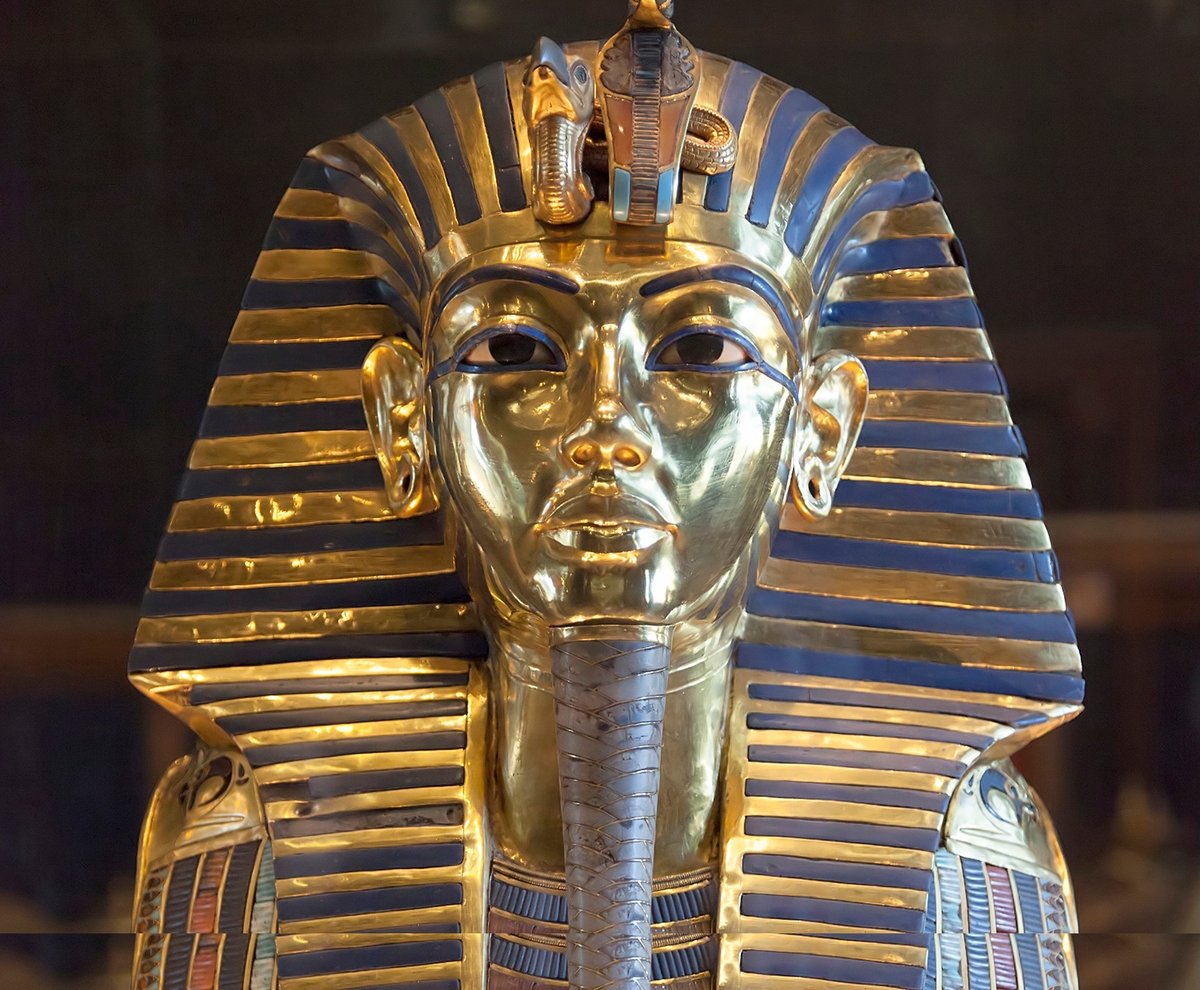
Signs of hidden chambers in the walls of the famous boy king's tomb have raised hopes among researchers of finding hints of Nefertiti's burial placeβTutankhamun's stepmother and mother-in-law
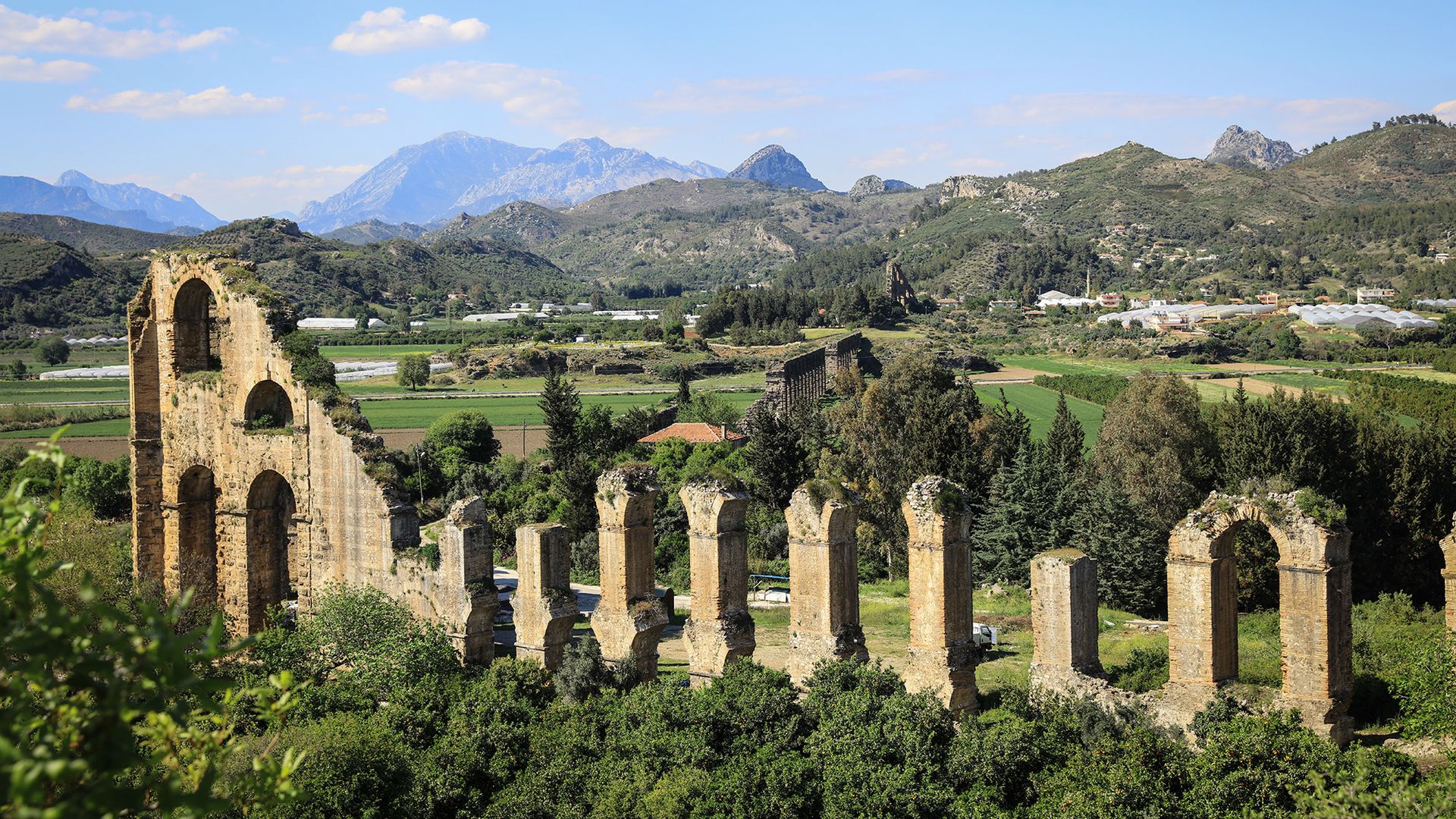
Aqueducts are some of the ancient Romans' most prominent surviving archaeological remains. These aqueducts relied on gravity to bring down the water to cities gradually. But some, such as the aqueduct at Aspendos in Turkey, had sections where they had to go uphill. So how did the Romans get water to flow upward?The Romans used a few methods, including siphons and various water-lifting devices, experts told Live Science. Inverted siphonsOne strategy was a system called an inverted siphon (sometimes simply called a siphon).At Aspendos, in southern Turkey, there is a second-century-A.D. Roman aqueduct with inverted siphons that scholars have reconstructed with a virtual modeling simulation. To ...
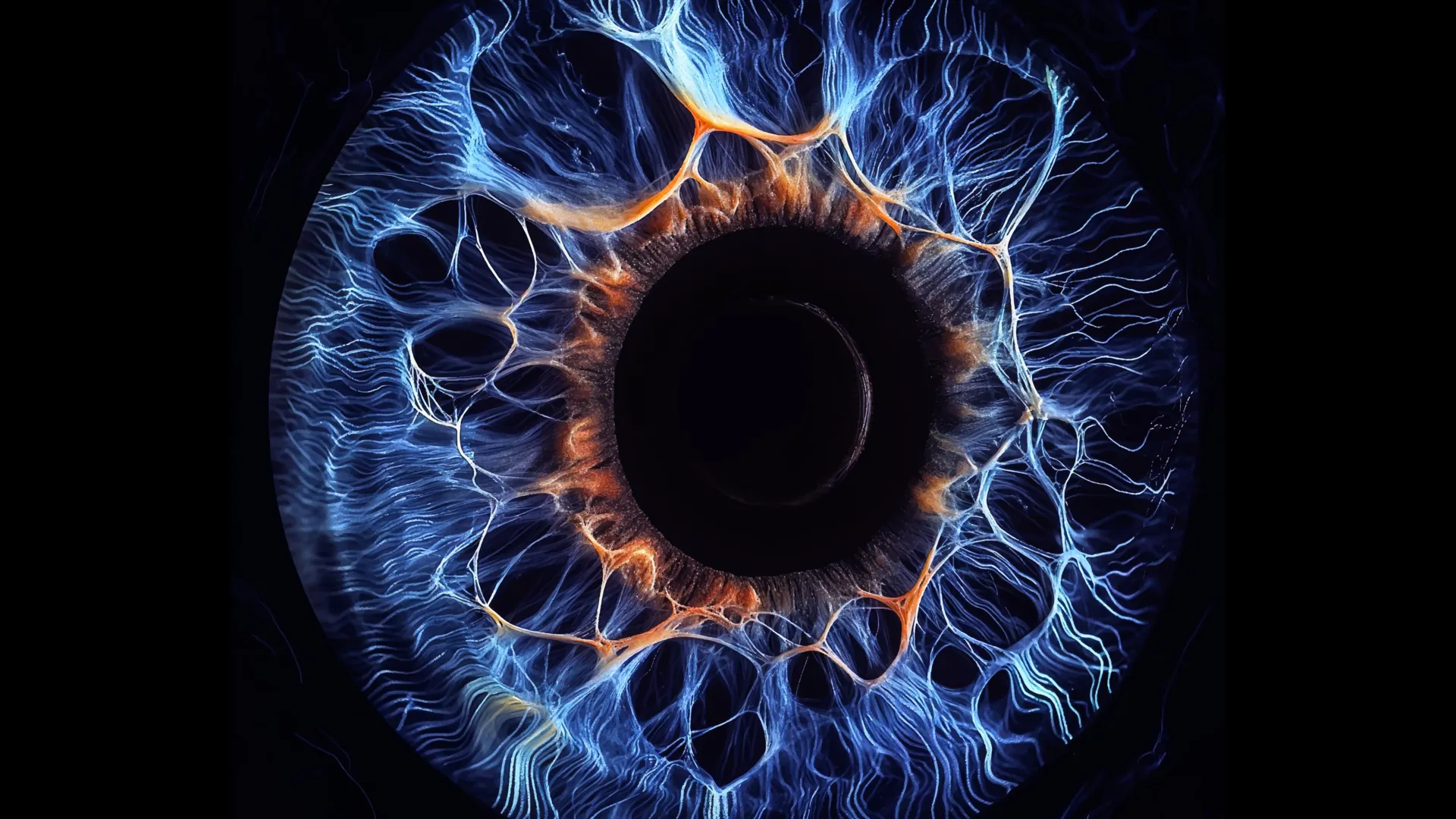
Scientists have discovered a hidden cleanup system at the back of the eye that drains fluid and waste through a previously unknown pathway. The surprising finding, demonstrated in mice, could open the door to new treatments for glaucoma, macular degeneration, and other causes of blindness.
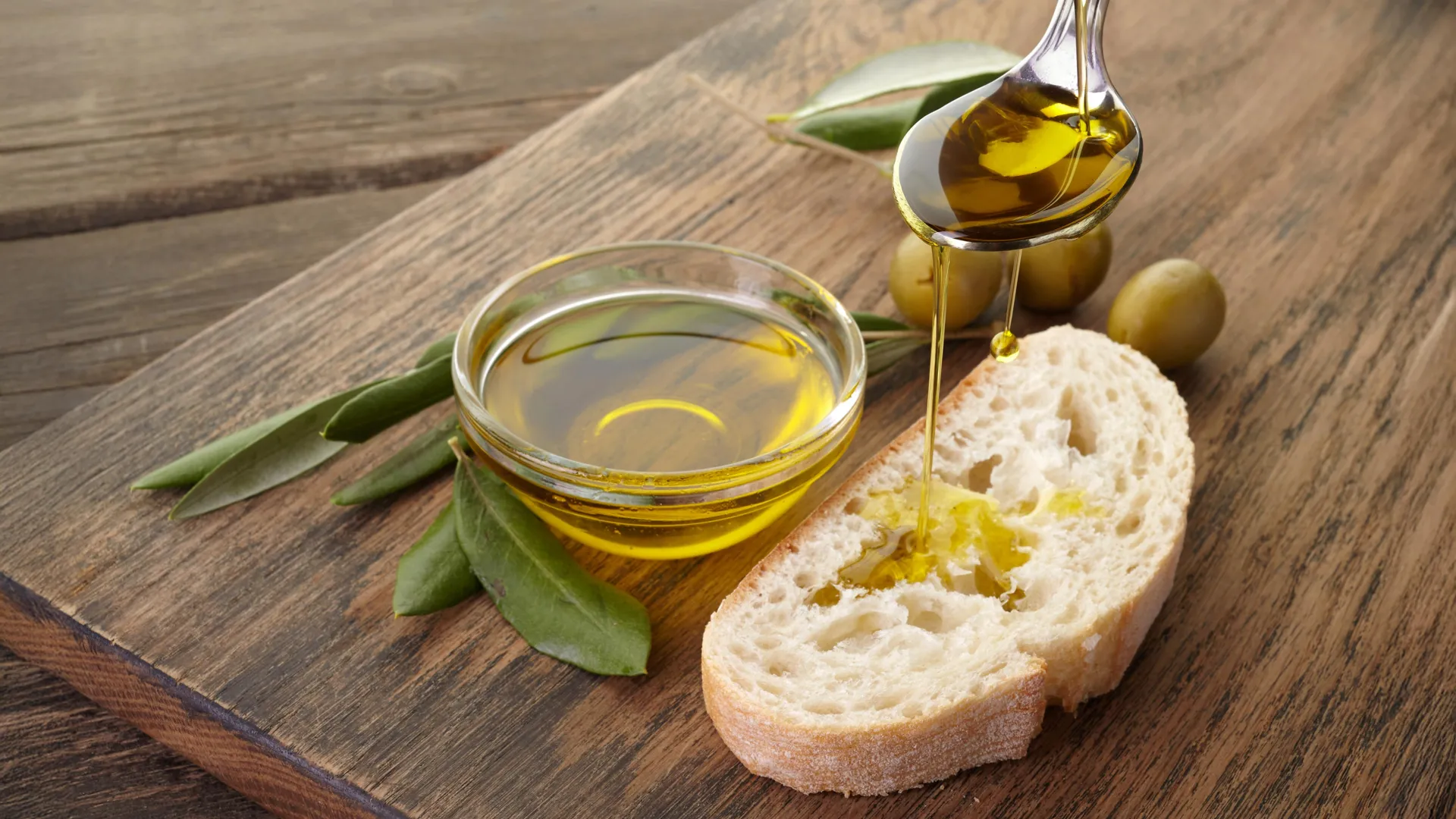
A simple change in the order you eat your food could help prevent blood sugar spikes. Scientists discovered that giving mice olive oil before carbohydrates slowed digestion and activated a surprising combination of hormones and nerve signals that helped regulate blood sugar, even in mice with type 2 diabetes.
Scientists in Vienna have achieved a major breakthrough in timekeeping by creating the worldβs first self-stabilizing nuclear clock, a technology that could eventually surpass even the most precise atomic clocks. Instead of relying on electrons in atoms, the clock uses the tiny nuclei of thorium atoms, which are far less sensitive to outside disturbances.
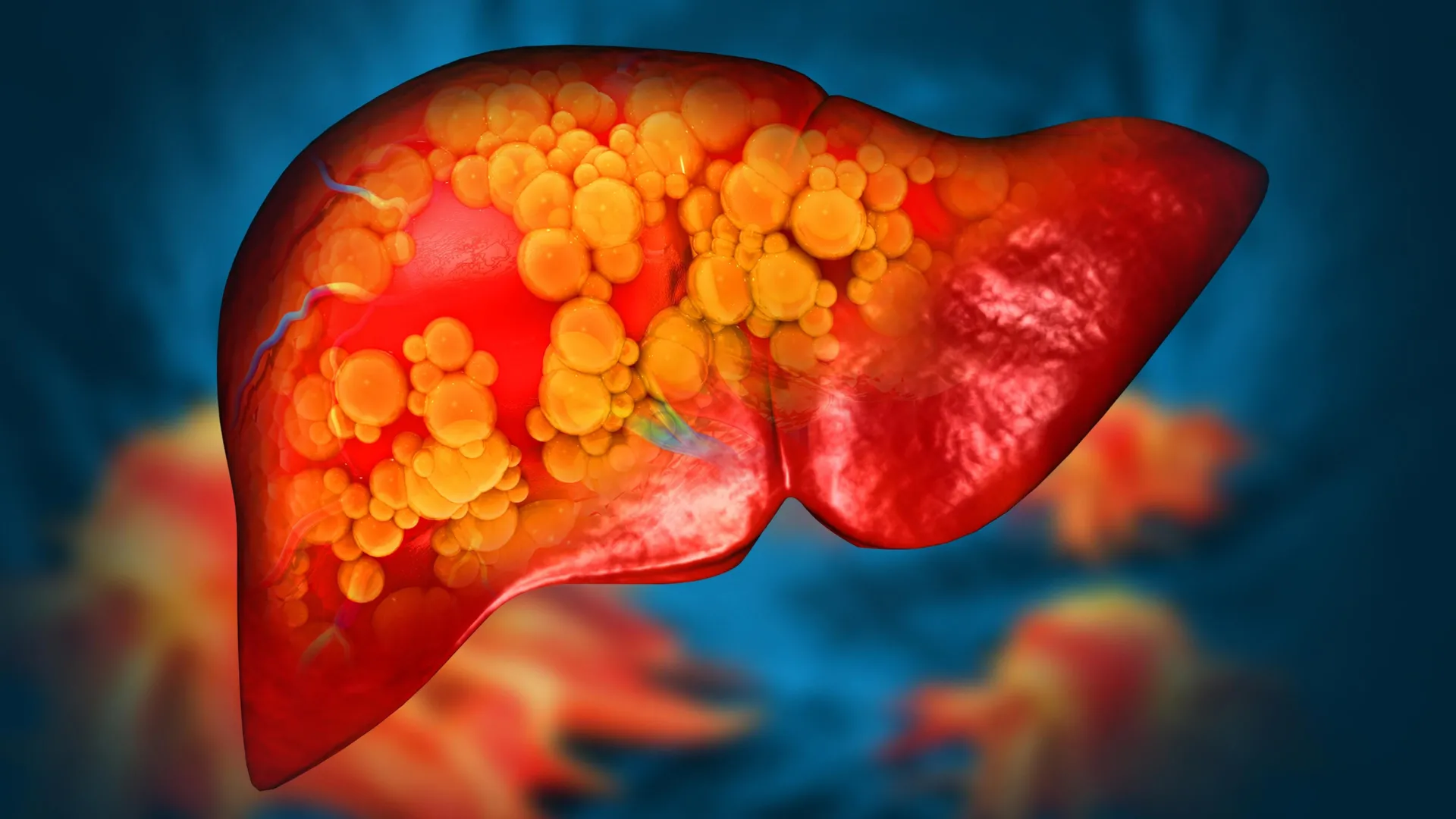
One of the world's most common plastics may pose a hidden threat to liver health. Texas A&M researchers discovered that polyethylene microplastics can contribute to fatty liver disease, with potentially worse effects when combined with an unhealthy diet. Even more surprising, this widely used plastic was previously considered relatively harmless.