
Science News
Earth entered its ‘bad decades’ after dinosaur-ending asteroid strike
We now have a clearer picture of what happened in the decades following the asteroid impact that led to the extinction of almost all dinosaurs
Latest science news, discoveries and scientific developments.
We now have a clearer picture of what happened in the decades following the asteroid impact that led to the extinction of almost all dinosaurs
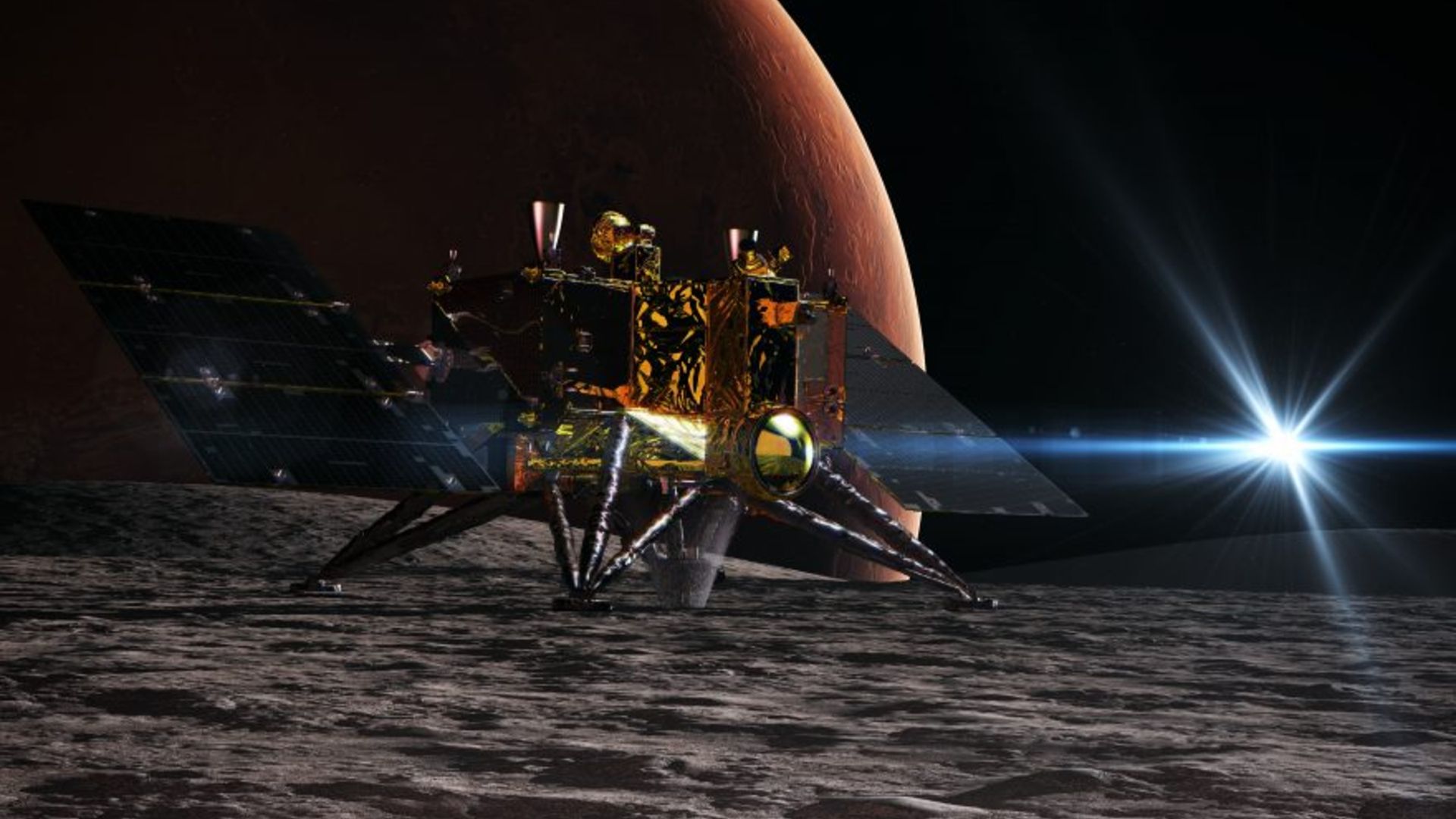
On Monday (Oct. 19), Japan's space agency launched a first-of-its-kind sample-return mission to Mars. The historic endeavor marks another major step toward humanity's shared goal of understanding — and perhaps eventually colonizing — one of our closest planetary neighbors, experts say. The Japan Aerospace Exploration Agency's (JAXA) Martian Moons Exploration (MMX) probe is an international effort, constructed with help from NASA, the European Space Agency (ESA) and others. Over the next few years, it will closely study the Red Planet's twin moons, Phobos and Deimos. The spacecraft will snap close-up photos of the pair before attempting to land on the larger satellite, Phobos, to scoop up roc...

Attacks against data centers in Europe and the Middle East are raising questions as to how we protect the infrastructure on which our digital lives depend

AI’s solution to the Navier-Stokes problem, and the details of how it happened, preview a chaotic future for math—and the world

About 251 million years ago, volcanic eruptions wiped out most life on Earth. For about a million years, the Siberian Traps in Russia spewed huge clouds of carbon dioxide into the atmosphere, leading to the most severe extinction event in our planet's history.Equatorial temperatures spiked, making much of the land too hot for life. Meanwhile, the oceans became acidic and most of the creatures in them suffocated from lack of oxygen. Known as the Permian-Triassic mass extinction or the "Great Dying," it ultimately destroyed more than 90% of ocean life and 70% of terrestrial species.However, in a corner of what is now China, a refuge of pollen-producing plants avoided that fate and created an o...
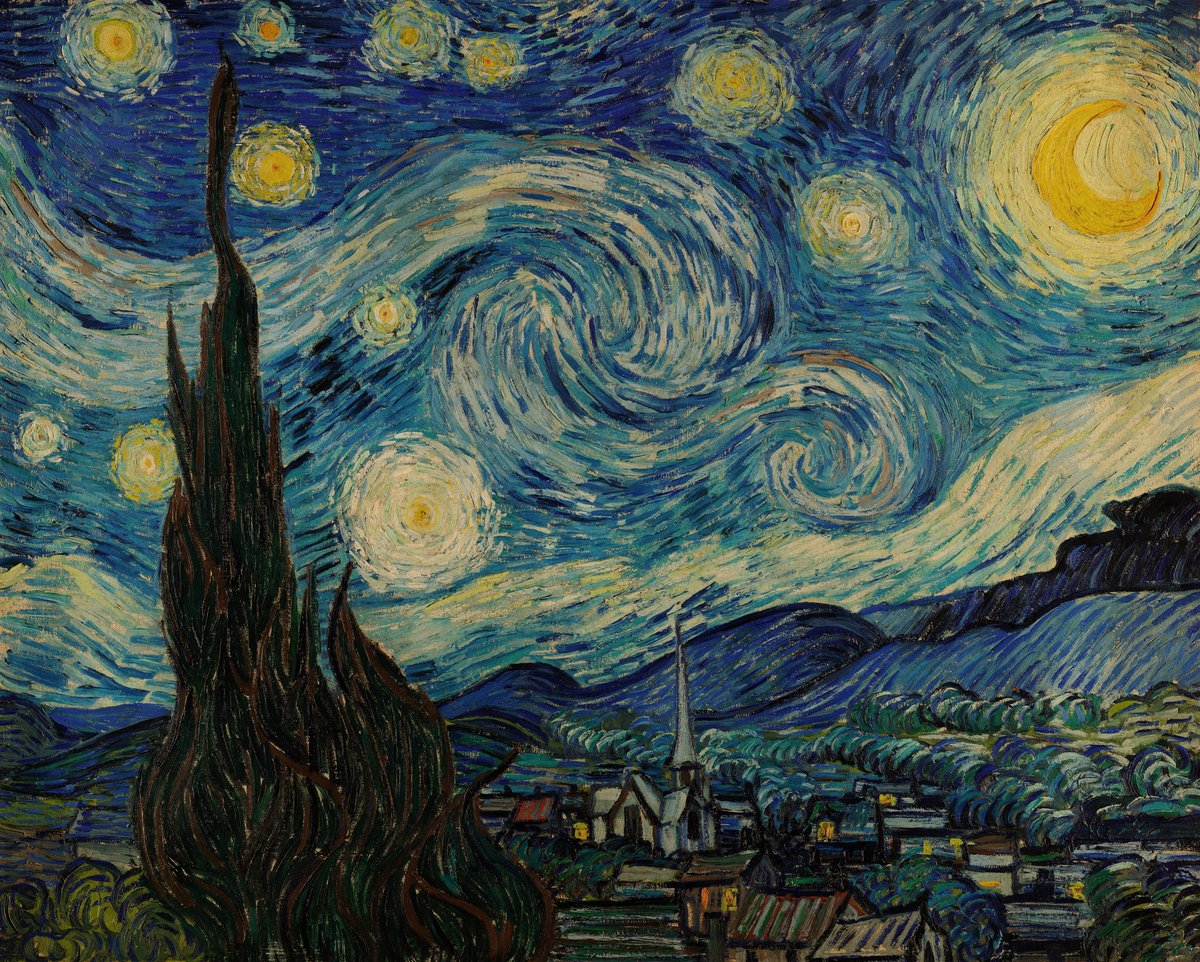
A misidentified constellation could revise the timeline for Vincent van Gogh’s creation of his iconic painting

Vincent van Gogh'spainted the iconic work in the summer of 1889. Now researchers claim to have pinned down which night the stars were from.

Shallow-water coral reefs are at high risk of disappearing by 2075, the IUCN has warned at a UN biodiversity conference. The loss would decimate fisheries and speed up coastal erosion

A new study by Miki Shibata, a professor at Hiroshima University's Graduate School of Humanities and Social Sciences, reveals a paradox in Japan's English-medium higher education: Official English instruction coexists with local peer expectations that drive classroom interactions back into Japanese.

Residential evictions are associated with adverse health outcomes, particularly among low-income populations. Less is known, however, about whether interventions designed to prevent evictions can improve health outcomes—including whether they may reduce visits to the emergency department (ED).

Unlike classical physics, quantum mechanics generally cannot tell us exactly what will happen in an individual event. Instead, it predicts the probabilities of different outcomes. As one of the theory's early pioneers, Erwin Schrödinger played a key role in debates about what this randomness really means. However, part of his contribution has stayed hidden for more than 80 years.

If given the green light by the FDA, a CAR T cell therapy from Kyverna Therapeutics would be the first approved treatment for stiff person syndrome.

A surprising two-year clinical trial found that fish oil supplements successfully delivered omega-3s to the brain but failed to improve memory or protect against Alzheimer's-related brain shrinkage. Researchers suspect that getting these nutrients through a healthy diet may offer benefits that supplements alone cannot provide.

Adelaide University researchers have found that some estuarine fishes that live in habitats with highly variable temperatures can withstand the warmer ocean conditions expected to result from climate change.

Citywide measures of urban sustainability can conceal sharp differences between neighborhoods. A city may appear to provide good streets overall while some areas lack greenery, openness or pedestrian-friendly space where diverse populations live.

The benefits of being creative span generationsWestend61 GmbH / Alamy Adults are often thought to be less creative than children, as we swap painting for presentations and sandpits for spreadsheets. But in a new study, children actually performed worse on creativity tests than adults – yet made up for it in confidence. “We found that adults are actually more creative thinkers,” says Mathias Benedek at the University of Graz in Austria. “But children enjoy creativity more and are much less worried about what others think about their ideas.” Read more How to extend and improve your life by getting more creative There is a popular belief that children are more creative than adults, he says, whi...
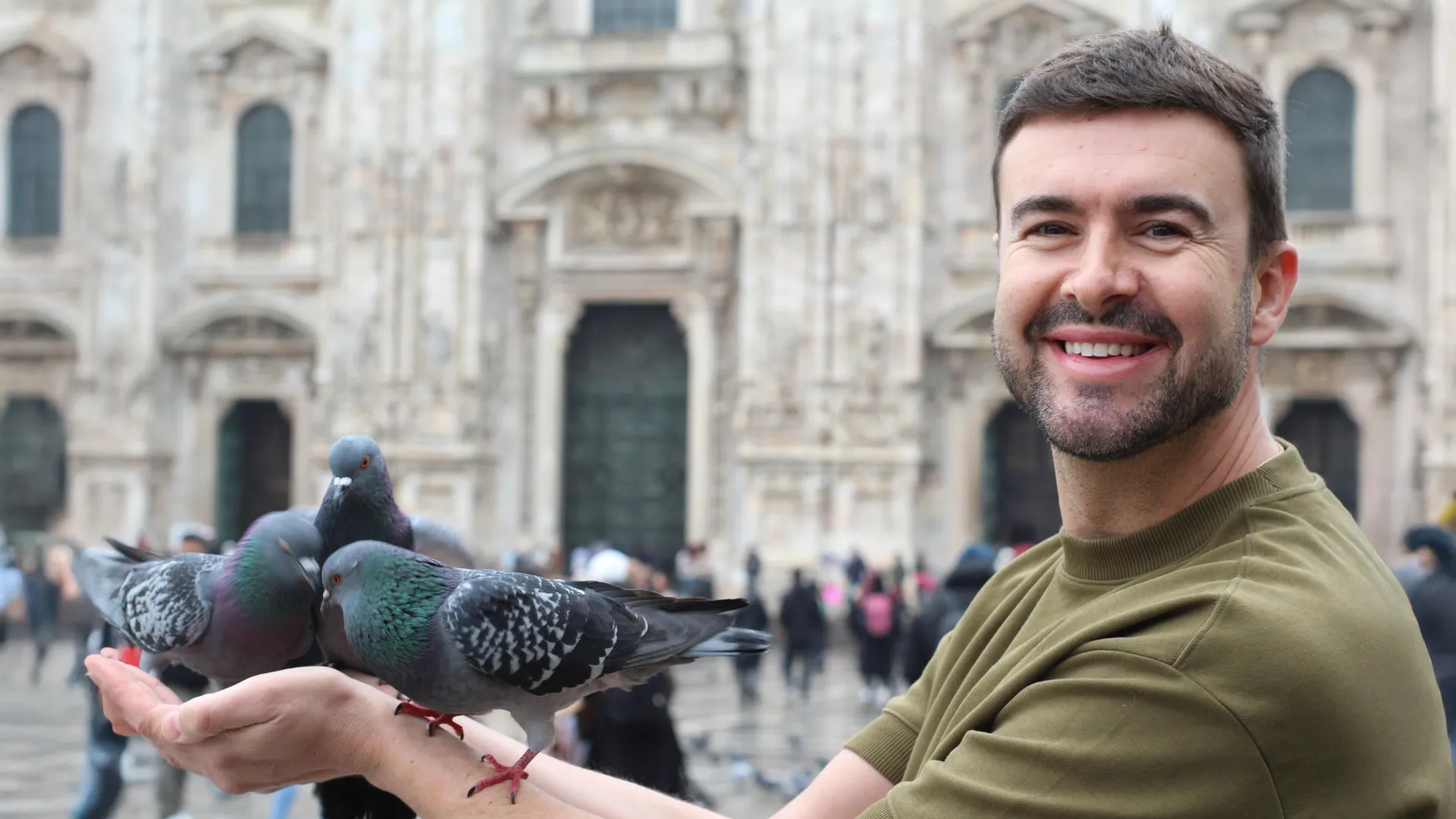
Scientists have uncovered a strange pattern in urban bird behavior: Across five European countries and 37 species, birds consistently fled sooner when approached by women than men. Researchers have no clear explanation for the difference, raising intriguing questions about how birds recognize and respond to humans.

There's a good reason why that fine china set or crystal stemware collection inherited from grandma sits in a box gathering dust in the basement. According to new research co-written by a University of Illinois Urbana-Champaign marketing expert, consumers don't simply donate family heirlooms and move on from them when they no longer spark joy. Instead, they remain concerned with how those heritage goods will be passed on to new owners and whether their legacy will continue.

Ten years ago, in 2016, a metal detectorist came upon a hoard of gold. It had been buried in the dirt for around 1,800 years and consisted of around 396 grams (14 ounces) of gold rings. The detectorist handed in his finds to a museum and received the largest finder's fee ever paid out in Norwegian history. He had been rewarded for the gold weight, not its rarity.
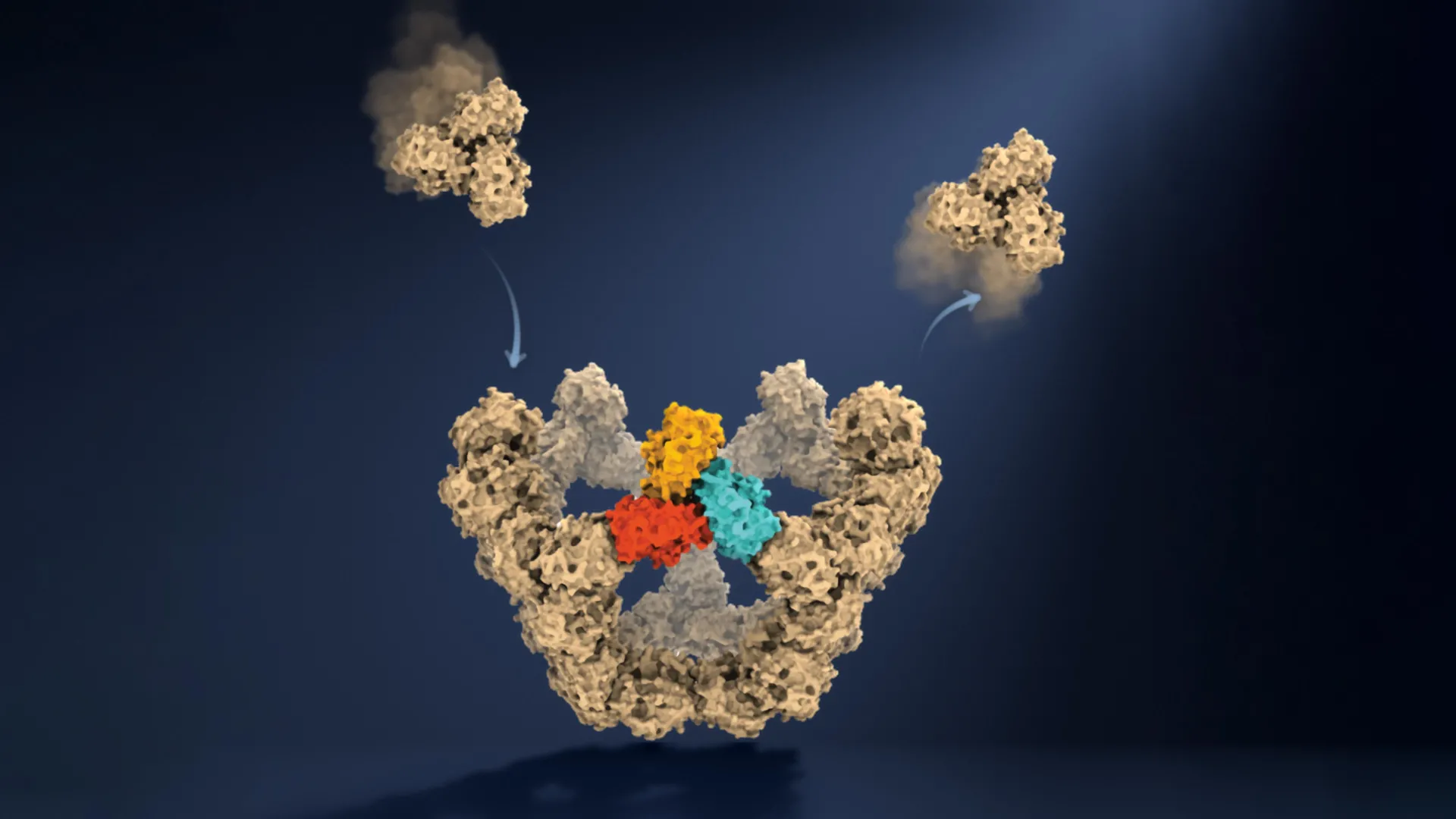
Scientists have captured virus-like particles assembling themselves step by step, revealing how a surprisingly simple process of trial and error produces complex structures with remarkable precision. The discovery uncovers a crucial molecular turning point that speeds up assembly and could lead to new ways to disrupt viruses and develop vaccines.