Science News

Latest science news, discoveries and scientific developments.

Natural forest regeneration helps curb spread of invasive species
Science News

Natural forest regeneration helps curb spread of invasive species

The presence of non-native trees is often seen as an obstacle to the recovery of tropical forests regrowing in previously deforested areas. To better understand the behavior of these plants over time in both humid and dry forests, researchers from approximately 60 institutions analyzed data from over 1,500 areas of forest regeneration across the Americas. The results, published in the journal Nature Plants, indicate that the initial dominance of exotic species is temporary. They multiply easily during the first 10 to 20 years, taking advantage of abundant sunlight in open areas. However, they decline as native trees grow and shade the forest.

📅 2026-10-22 21:20:10    •    Phys.org
The assumption about farm automation that may be wrong
Science News

The assumption about farm automation that may be wrong

You've likely heard this assumption: When AI-enabled and autonomous machines arrive on the farm, jobs will disappear. But researchers at the University of California, Davis, who studied 16 fruit tree operations in California and Washington for three years, found that automation still takes human knowledge. What changes is how the work gets done. The study, drawing on 165 in-depth interviews with workers and growers, was published in the journal New Technology, Work and Employment.

📅 2026-10-22 21:10:01    •    Phys.org
Public health programs can 'rewire' social networks, study finds
Science News

Public health programs can 'rewire' social networks, study finds

An educational program intended to improve maternal and child health fundamentally altered the social fabric of the rural Honduran villages where it was implemented, a new Yale-led study finds. The findings, researchers say, have implications for interventions anywhere that seek to improve people's well-being by disseminating information or changing behaviors through social contagion.

📅 2026-10-22 21:00:12    •    Phys.org
Disiplinang walang palo: Challenging common Filipino parenting misbeliefs
Science News

Disiplinang walang palo: Challenging common Filipino parenting misbeliefs

More frequent spanking is linked to greater anxiety and aggression in children over time, according to international research that includes Filipino families presented by psychology professor Dr. Liane Peña Alampay of the Ateneo de Manila University. The findings challenge the familiar belief that "pamamalo" produces more disciplined children, pointing instead to the benefits of warm relationships in the home, clear expectations and nonviolent disciplining.

📅 2026-10-22 21:00:01    •    Phys.org
Study: Pandemic arrest patterns may have deepened existing inequalities in policing
Science News

Study: Pandemic arrest patterns may have deepened existing inequalities in policing

The COVID-19 pandemic was a public health crisis that affected more than the public's health. It brought complex changes across many aspects of society, including having an influence on suburban arrest patterns, according to a study co-authored by University at Buffalo researchers.

📅 2026-10-22 20:40:12    •    Phys.org
Ants break a basic rule of biology to help them adapt to new environments
Science News

Ants break a basic rule of biology to help them adapt to new environments

A new study led by researchers in the Eco-Evo-Devo lab at the University of Ottawa finds that ants can decouple antenna size from both head and body size as they develop into different social castes, revealing how social signals and hormones help shape traits for specialized colony roles.

📅 2026-10-22 20:40:01    •    Phys.org
Microplastics in sediment could trace decades of human activity worldwide
Science News

Microplastics in sediment could trace decades of human activity worldwide

In a review article recently published in the journal Earth-Science Reviews, researchers from the Leibniz Institute for Baltic Sea Research Warnemünde (IOW), in collaboration with colleagues from the University of Leicester (United Kingdom), report on how human activity has altered Earth's sediments over the decades.

📅 2026-10-22 20:20:19    •    Phys.org
A house ages alongside its occupants, according to researcher
Science News

A house ages alongside its occupants, according to researcher

Flemish people are very attached to their homes and generally wish to stay there for as long as possible. However, many homes were not designed to be lived in for a lifetime. Architect and researcher Sander Lambrix has analyzed the relationship between our homes and our well-being as we grow older. His conclusion: a home is much more than just a physical environment, whether or not it is suited to an aging body. People and their homes are deeply connected on an emotional level.

📅 2026-10-22 20:20:06    •    Phys.org
Study highlights need for policymakers to look at digital policies as part of energy, climate planning
Science News

Study highlights need for policymakers to look at digital policies as part of energy, climate planning

A new study underscores the extent to which digital policies cannot be separated from energy policies. The research evaluates the relationship between information communication technologies and carbon dioxide emissions and finds that the variables the researchers used as proxies for digitalization were associated with increased emissions. The paper, "ICT and CO₂ Emissions in the G20: A Channel-Based Mediation Analysis," is published in the journal Sustainability.

📅 2026-10-22 20:00:14    •    Phys.org
A parasite carried by one-third of humanity can't reproduce if one key protein is disabled
Science News

A parasite carried by one-third of humanity can't reproduce if one key protein is disabled

A protein discovered in a Virginia Tech–led study may open a gateway to treatments for a parasite responsible for a deadly disease in immunocompromised people. The team led by Raj Gaji, assistant professor of parasitology at the Virginia-Maryland College of Veterinary Medicine working in the Center for One Health Research, identified a protein the team named DDP that helps Toxoplasma gondii build its offspring. When researchers switched it off, the parasites stopped multiplying entirely.

📅 2026-10-22 20:00:01    •    Phys.org
'We're never going to come home': Artemis II commander recalls the most terrifying moment of his 10-day trip around the moon
Science News

'We're never going to come home': Artemis II commander recalls the most terrifying moment of his 10-day trip around the moon

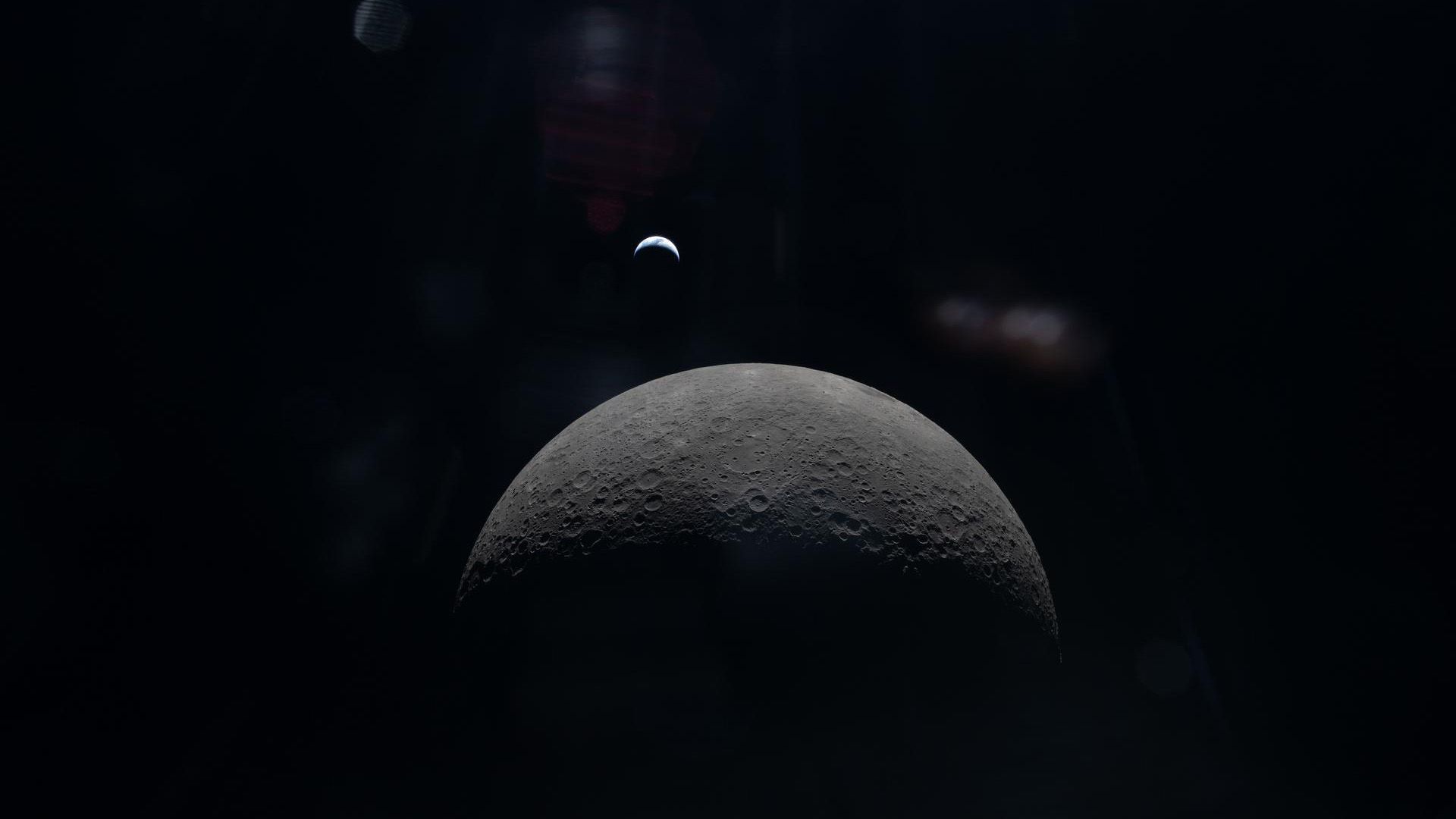
TENERIFE, Spain — The commander of NASA's Artemis II mission briefly feared that he and his crew would never return home from their trip around the moon after overshooting their turn-back point.Commander Reid Wiseman and his three crewmates were supposed to reach 219,667 nautical miles (252,788 standard miles, or 406,823 kilometers) — farther than any humans have ever traveled from their home planet — before turning back toward Earth on the sixth day of their 10-day mission to the moon. But the odometer on the Integrity spacecraft continued to tick upward as they shot past their intended point of return, leading the astronaut to fear that something had gone terribly wrong, he told an audienc...

📅 2026-10-22 20:00:00    •    Live Science
Clustering changes how charged polymers separate in water, challenging old assumptions
Science News

Clustering changes how charged polymers separate in water, challenging old assumptions

A polymer science revelation about how liquid mixtures separate could have major implications for human health, metabolism and disease, new research indicates. In a brief report published in the Proceedings of the National Academy of Sciences, University of Chicago Pritzker School of Molecular Engineering (UChicago PME) Professor Matthew Tirrell and Freie Universität Berlin Professor Matthias Ballauff revealed previously overlooked factors at play in the separation of charged polyelectrolyte polymers in water, challenging assumptions that have dominated the field since the 1950s.

📅 2026-10-22 19:40:10    •    Phys.org
Crows may make lightning-fast decisions, sometimes twice as fast as humans, study hints
Science News

Crows may make lightning-fast decisions, sometimes twice as fast as humans, study hints

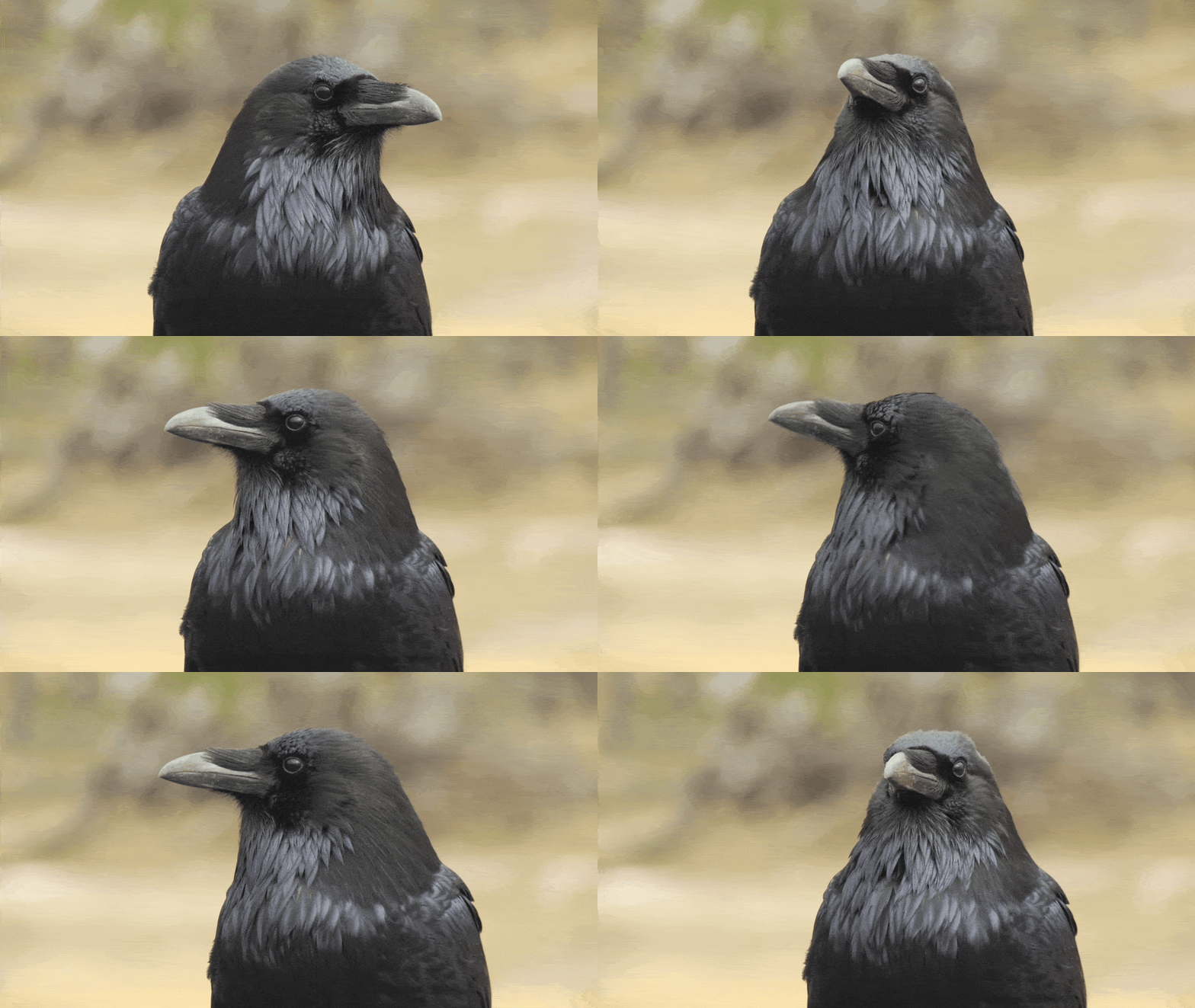
Crows are intelligent animals that can use tools, hold grudges and even host funerals. Now, new research suggests these birds can make certain decisions faster than humans and monkeys — another potential sign of their smarts, the researchers argue. In a study published Thursday (Oct. 22) in the journal Science, researchers found that two carrion crows (Corvus corone) could distinguish the direction of moving dots on a screen in an average of 235 milliseconds, or less than a quarter of a second. By contrast, historical studies of humans suggest they make decisions in similar tasks six seconds as fast. The birds were highly accurate, and recordings of their brain activity suggested that their ...

📅 2026-10-22 19:34:26    •    Live Science
Brain scans reveal 'number line' that's used to mentally compare values
Science News

Brain scans reveal 'number line' that's used to mentally compare values

Picture a number line, with the values running from the smallest to the largest. New research shows that the human brain uses a similar system when comparing numbers; in the study, scientists uncovered a "mental map" in which numbers have unique coordinates in the brain, which may help us place them in order of magnitude."Numbers are abstract concepts, but our brains have ways of organizing them that allow us to compare and reason about their values," said study co-authors Daniela Valério, a postdoctoral researcher in the INSERM-CEA Cognitive Neuroimaging Unit (UNICOG) in France, and Stanislas Dehaene, the director of UNICOG. "What is fascinating is that the brain can bring together numbers ...

📅 2026-10-22 18:00:00    •    Live Science
Watch bizarre snake 'cartwheel' away from danger at more than 12 feet per second
Science News

Watch bizarre snake 'cartwheel' away from danger at more than 12 feet per second

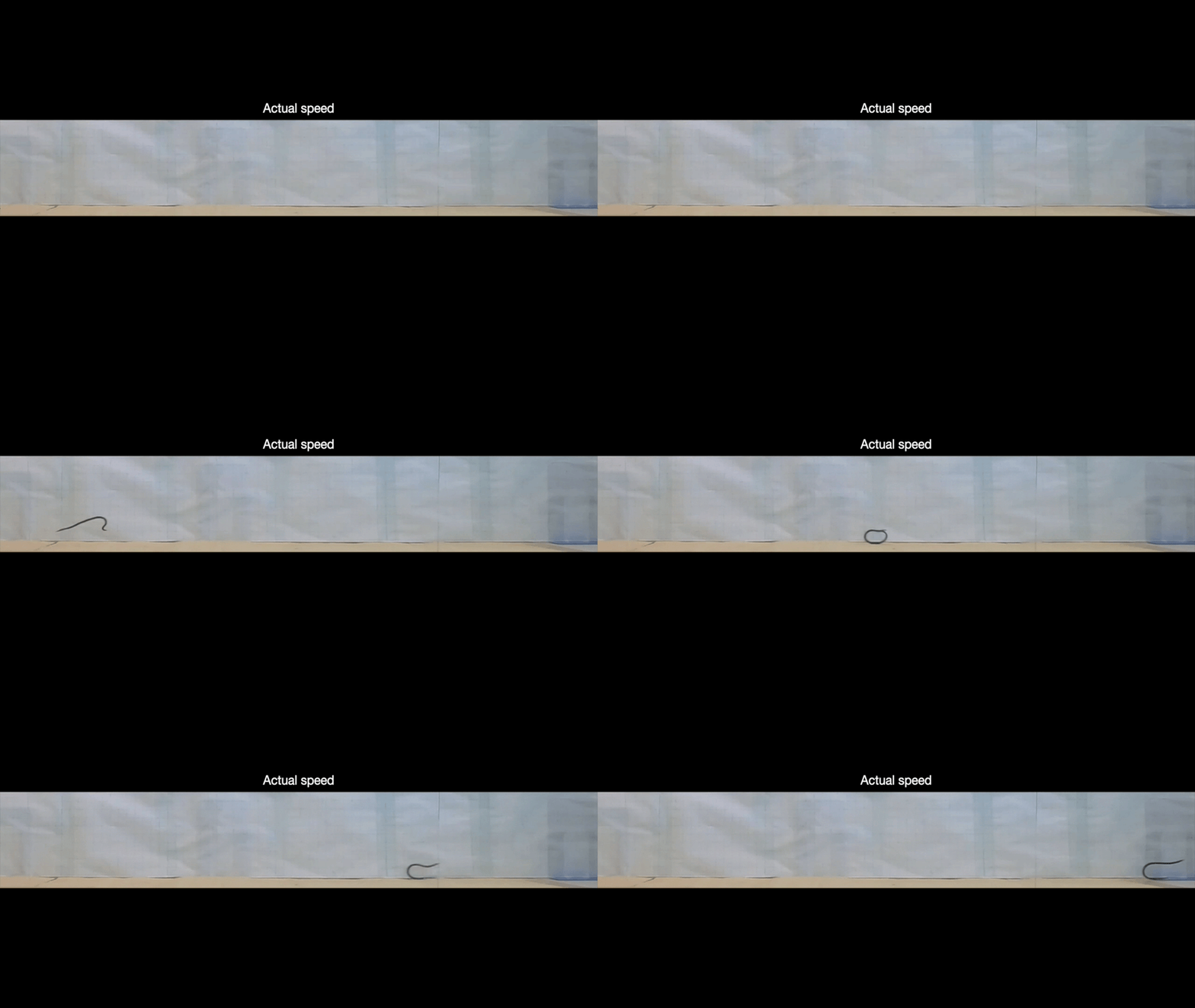
Cryptic snakes in Southeast Asia have evolved a remarkable trick for evading predators: Instead of slithering, they arch their long bodies and tumble away at high speeds. The dwarf reed snakes (Pseudorabdion) pull off this acrobatic feat by keeping their head in a relatively fixed position while rotating the rest of their body, according to a new study published Monday (Oct. 19) in the journal Current Biology. Researchers filmed the snakes from different angles to better understand the mechanics of the rolling, or cartwheeling, behavior. They found that the snakes were capable of reaching velocities of up to 12.1 feet per second (3.69 meters per second), which is much faster than they can sl...

📅 2026-10-22 17:25:38    •    Live Science