Science News

Latest science news, discoveries and scientific developments.

ESA’s Juice just used Earth as a slingshot to Jupiter
Science News

ESA’s Juice just used Earth as a slingshot to Jupiter

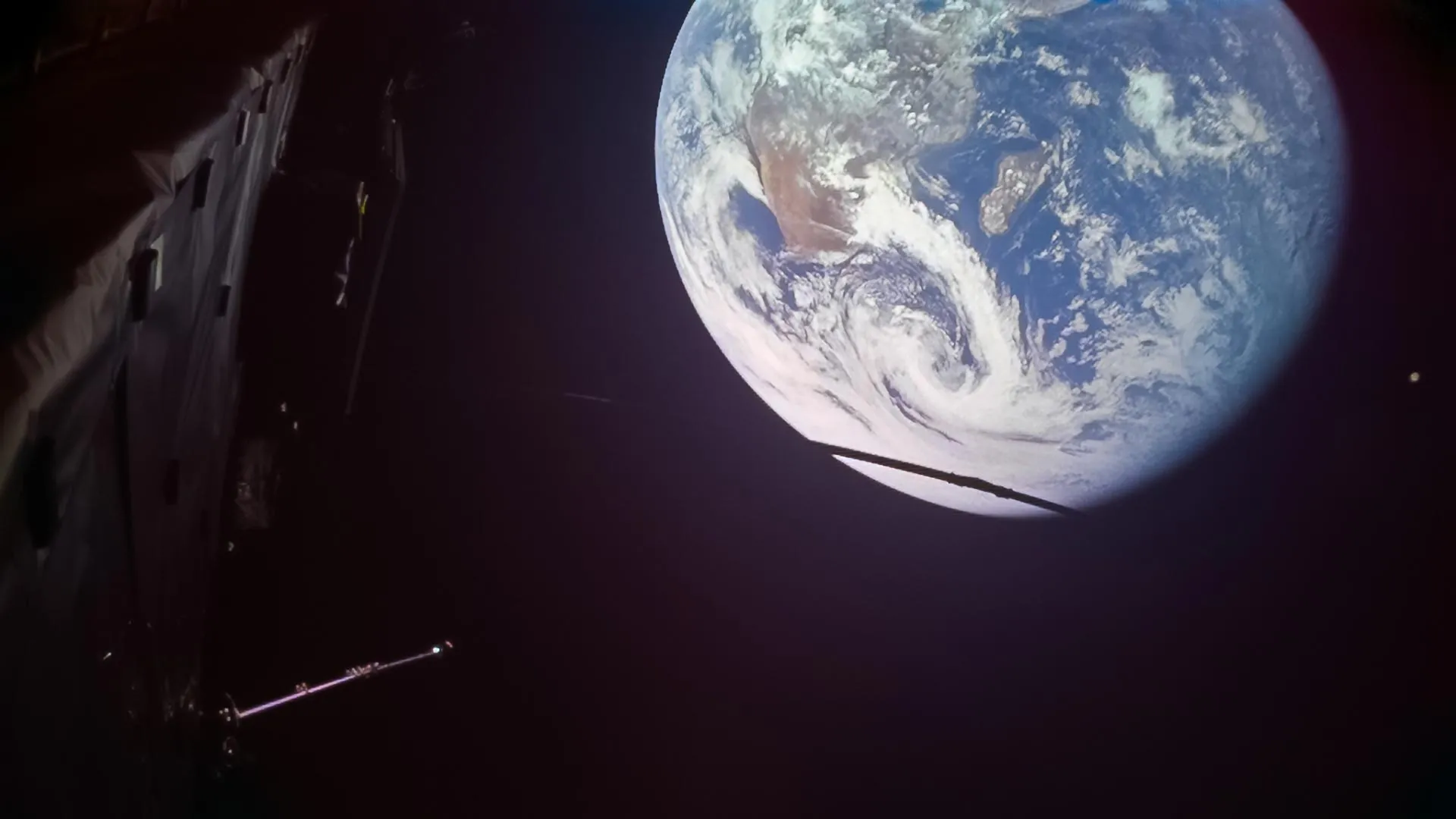
ESA’s Juice spacecraft raced past Earth on September 28, using our planet’s gravity to dramatically reshape its path toward Jupiter without burning much fuel. The flyby changed its direction by 20 degrees and increased its speed by 3.5 km/s, while also giving scientists a rare chance to test its instruments on Earth and the Moon.
📅 2026-10-03 13:34:11    •    ScienceDaily
Chang’e-6 lunar soil contains a surprising magnetic time capsule
Science News

Chang’e-6 lunar soil contains a surprising magnetic time capsule

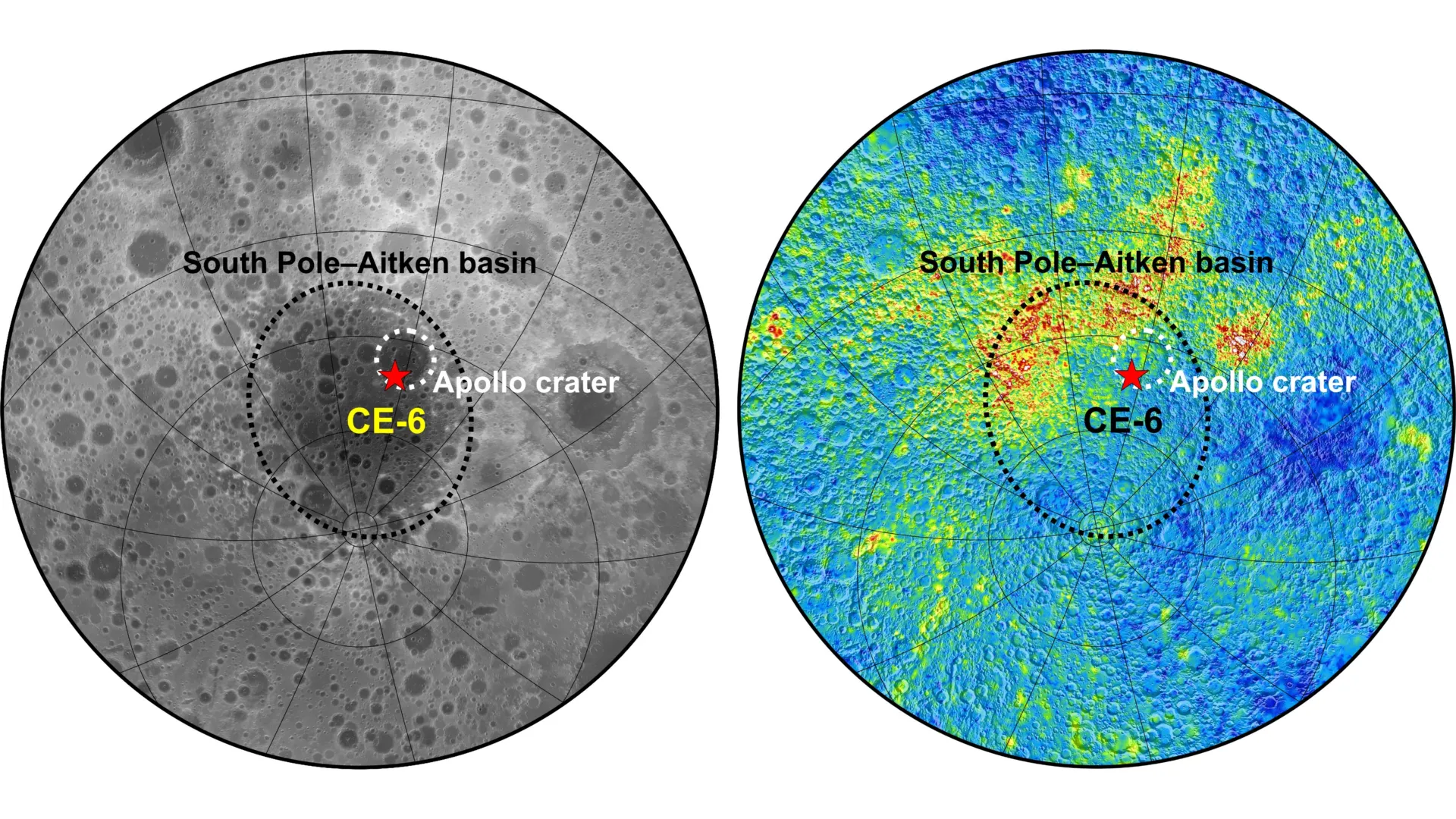
Scientists studying Chang’e-6 lunar soil have discovered a previously unknown magnetic mineral in natural Moon samples: a form of metallic iron called γ-Fe. Found inside tiny impact-glass particles, the nanoscale iron can preserve a stable magnetic signal, potentially acting like a microscopic fossil of the Moon’s long-lost magnetic field.

📅 2026-10-03 13:12:14    •    ScienceDaily
Milky Way may have begun as thousands of galaxies, new simulations suggest
Science News

Milky Way may have begun as thousands of galaxies, new simulations suggest

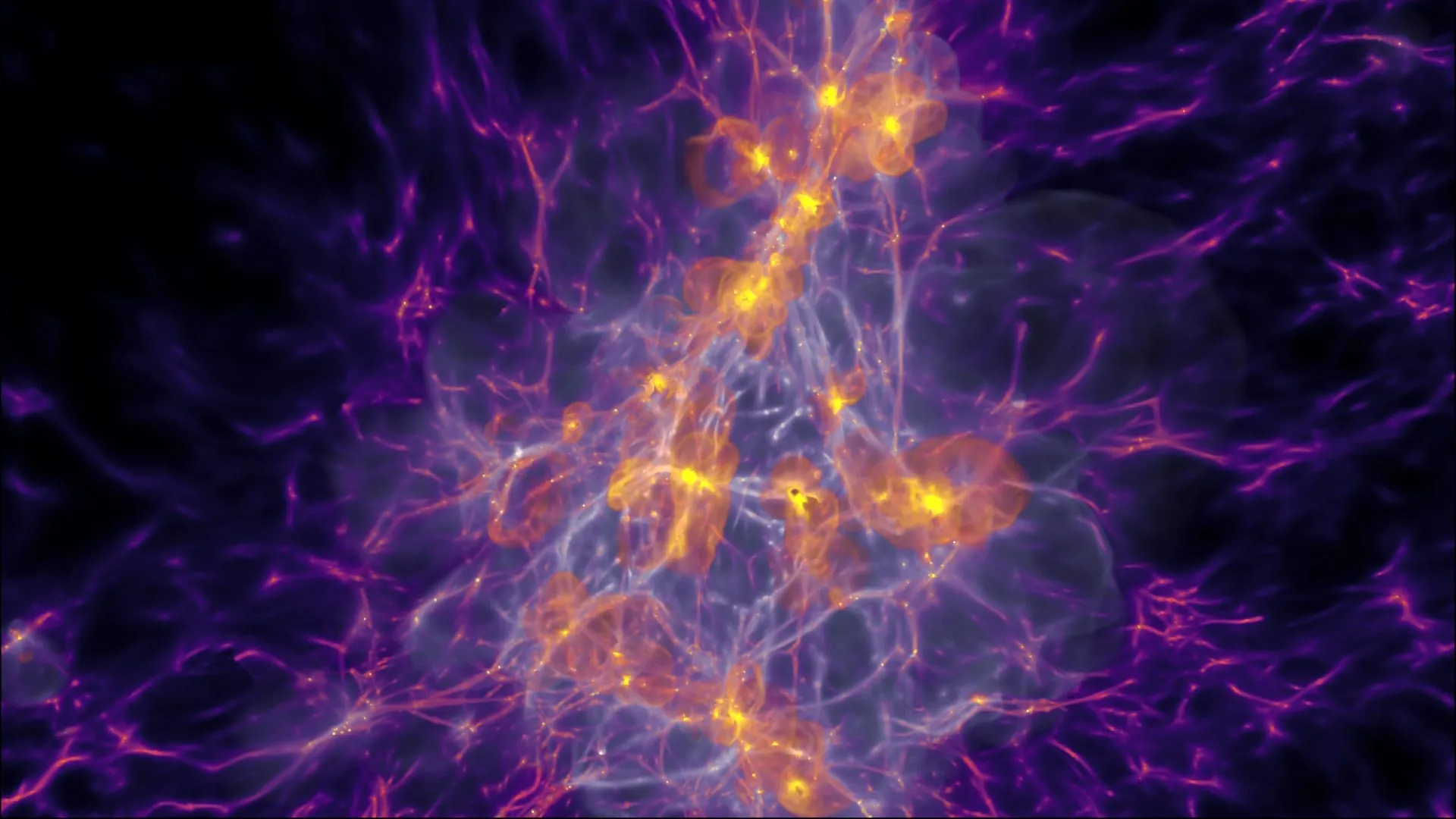
In the early days of the universe, our home looked very different from how it does today. Back then, the region in our universe that would eventually become our Milky Way neighborhood was a collection of thousands of smaller galaxies—some pumping out tons of new stars, others filled only with gas or littered with dead stars and black holes.

📅 2026-10-03 13:00:07    •    Phys.org
Powerful simulations reveal how the first stars changed the universe
Science News

Powerful simulations reveal how the first stars changed the universe

Ultra-detailed simulations are showing how the first stars lit up the dark Universe and seeded space with elements such as carbon, oxygen, and iron. The MEGATRON project could bridge JWST observations of the earliest galaxies with chemical clues preserved in ancient stars today.

📅 2026-10-03 12:50:57    •    ScienceDaily
Leucine does more than build muscle. It powers up your cells
Science News

Leucine does more than build muscle. It powers up your cells

The essential amino acid leucine can boost cellular energy production by protecting key proteins on mitochondria from being destroyed. The discovery reveals a new connection between nutrition and metabolism that could eventually lead to new approaches for metabolic disorders and cancer.

📅 2026-10-03 12:33:15    •    ScienceDaily
Your gut may be making a molecule that raises Alzheimer’s risk
Science News

Your gut may be making a molecule that raises Alzheimer’s risk

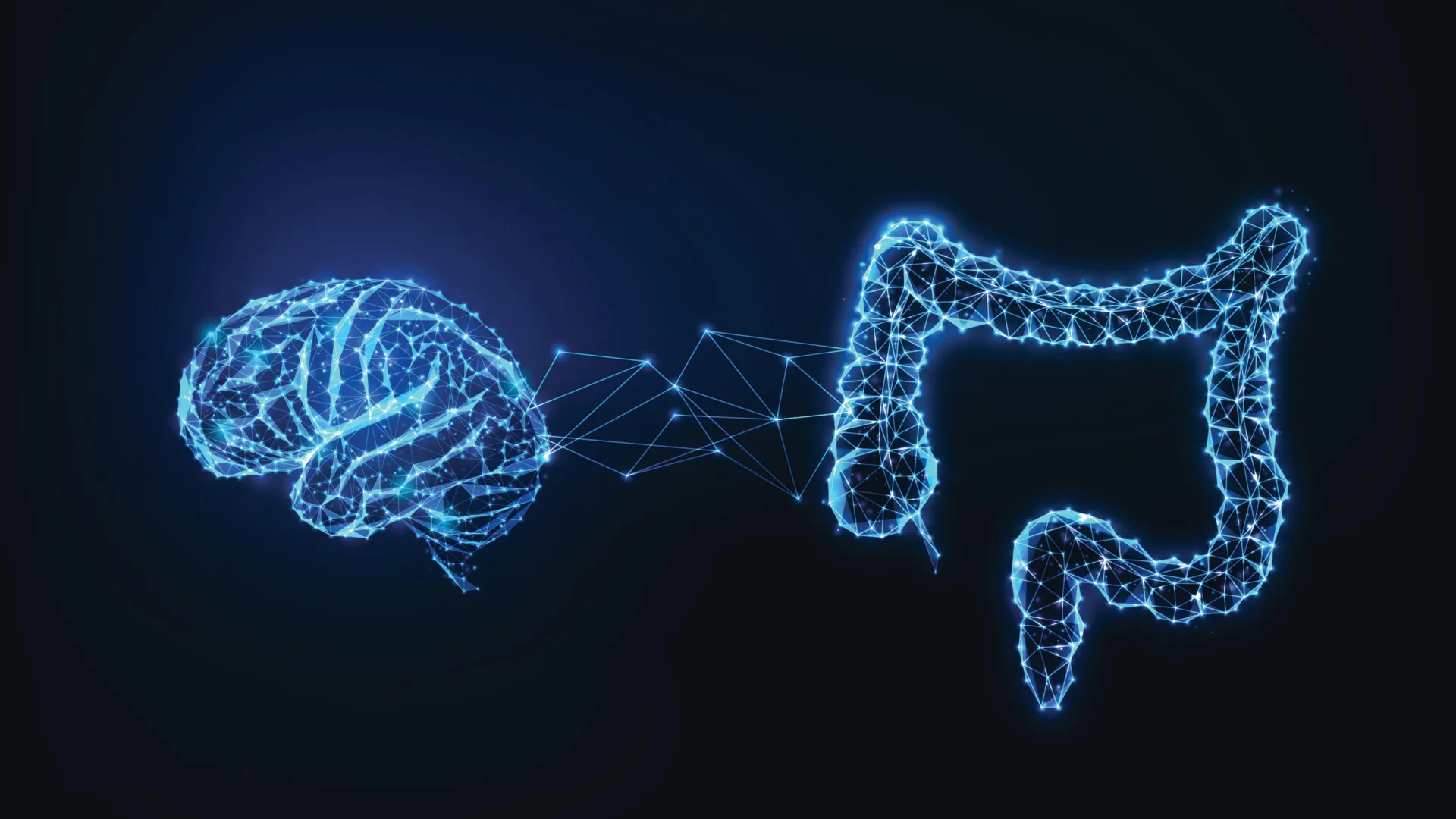
Scientists have linked a gut bacterial compound called ImP to greater Alzheimer’s risk, harmful brain protein buildup, and faster cognitive decline. The finding raises the possibility that reducing ImP in the blood could one day help slow or prevent dementia.

📅 2026-10-03 12:13:21    •    ScienceDaily
Scientists just made a superconductor stronger using “empty space”
Science News

Scientists just made a superconductor stronger using “empty space”

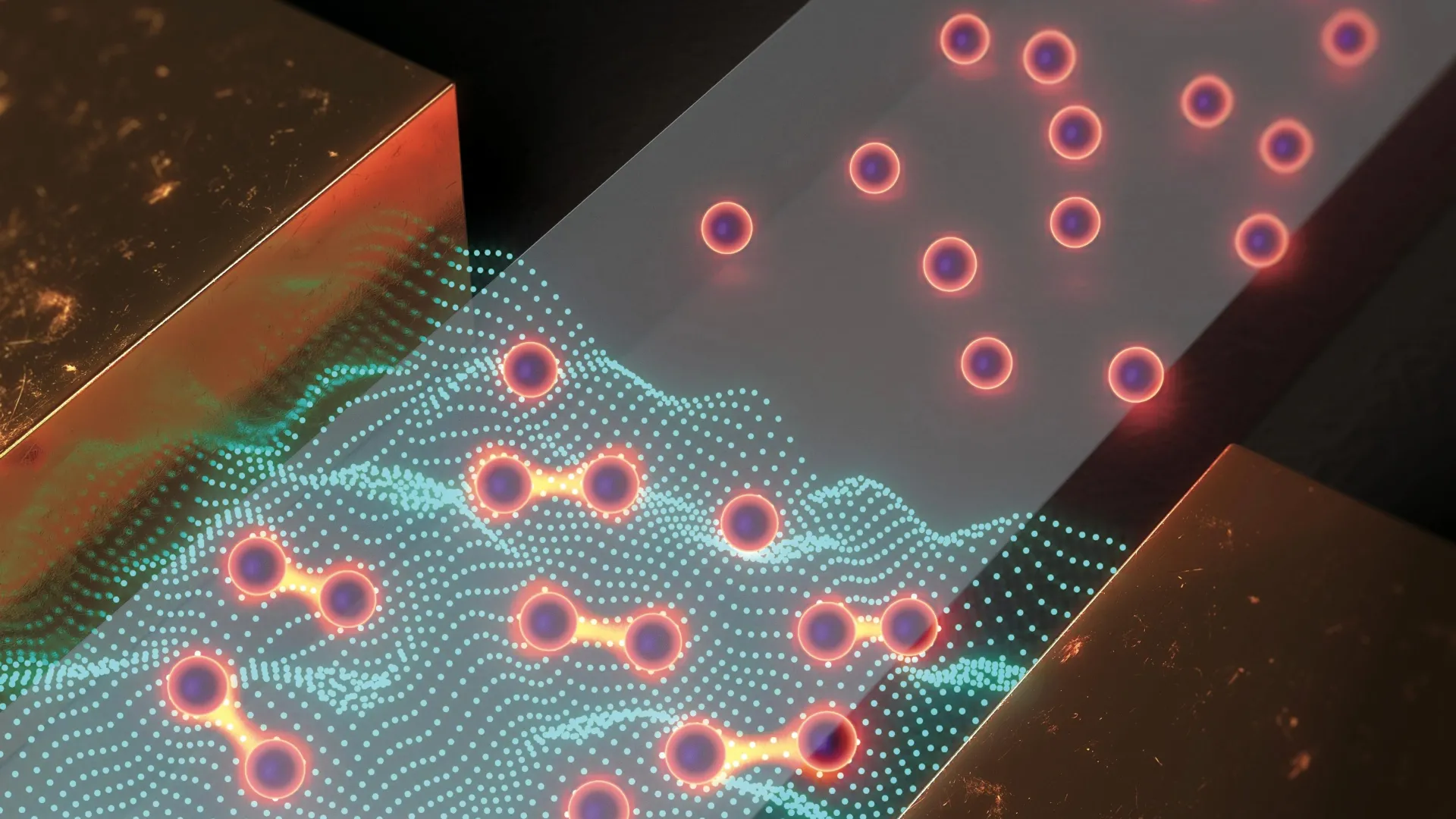
Researchers have demonstrated that quantum fluctuations in supposedly empty space can strengthen superconductivity, raising the transition temperature of an ultrathin material by as much as 5.4%. The discovery opens the possibility of using specially engineered vacuum environments to control quantum materials without direct contact or external driving.

📅 2026-10-03 12:03:23    •    ScienceDaily
Energy production, virus defenses and toxin loading emerge as vulnerabilities in resistant bacteria
Science News

Energy production, virus defenses and toxin loading emerge as vulnerabilities in resistant bacteria

Antimicrobial resistance is one of the world's top public health threats. Often termed a silent pandemic, antimicrobial-resistant bacteria have caused millions of deaths annually. If left unchecked, the number of deaths attributed to antimicrobial-resistant bacteria is expected to increase to 10 million a year by 2050, according to estimates by the World Health Organization.

📅 2026-10-03 12:00:18    •    Phys.org
French deportation rulings show how judges navigate conflicting rules on forced removal
Science News

French deportation rulings show how judges navigate conflicting rules on forced removal

European deportation practices are governed by a complex web of European, national and human rights law, says the author of a paper published in the International Journal of Migration and Border Studies. Based on 100,000 French court cases, the study shows that national courts play a central role in determining whether individuals can be removed.

📅 2026-10-03 12:00:13    •    Phys.org
Vitamin C linked to fewer deaths in blood disorder trial
Science News

Vitamin C linked to fewer deaths in blood disorder trial

Vitamin C may do more than support the immune system. In a phase 2 trial of people with precancerous or low risk blood cancers, daily vitamin C did not slow abnormal cell growth, but it was linked to favorable changes in inflammation and fewer serious complications. An exploratory follow up also found fewer deaths among participants taking vitamin C than among those receiving placebo.

📅 2026-10-03 11:17:37    •    ScienceDaily
Cooper pairs found above superconducting critical temperature in pair density waves
Science News

Cooper pairs found above superconducting critical temperature in pair density waves

Physicists with the University of Illinois Urbana-Champaign's Grainger College of Engineering have identified a new form of superconducting behavior. Experiments on the metal uranium ditelluride reveal that Cooper pairs, the composite electron units responsible for superconductivity, can organize into nonuniform patterns that exist even when the main superconducting phase is absent.

📅 2026-10-03 11:00:01    •    Phys.org
What medieval people made of fossils before vertebrate paleontology
Science News

What medieval people made of fossils before vertebrate paleontology

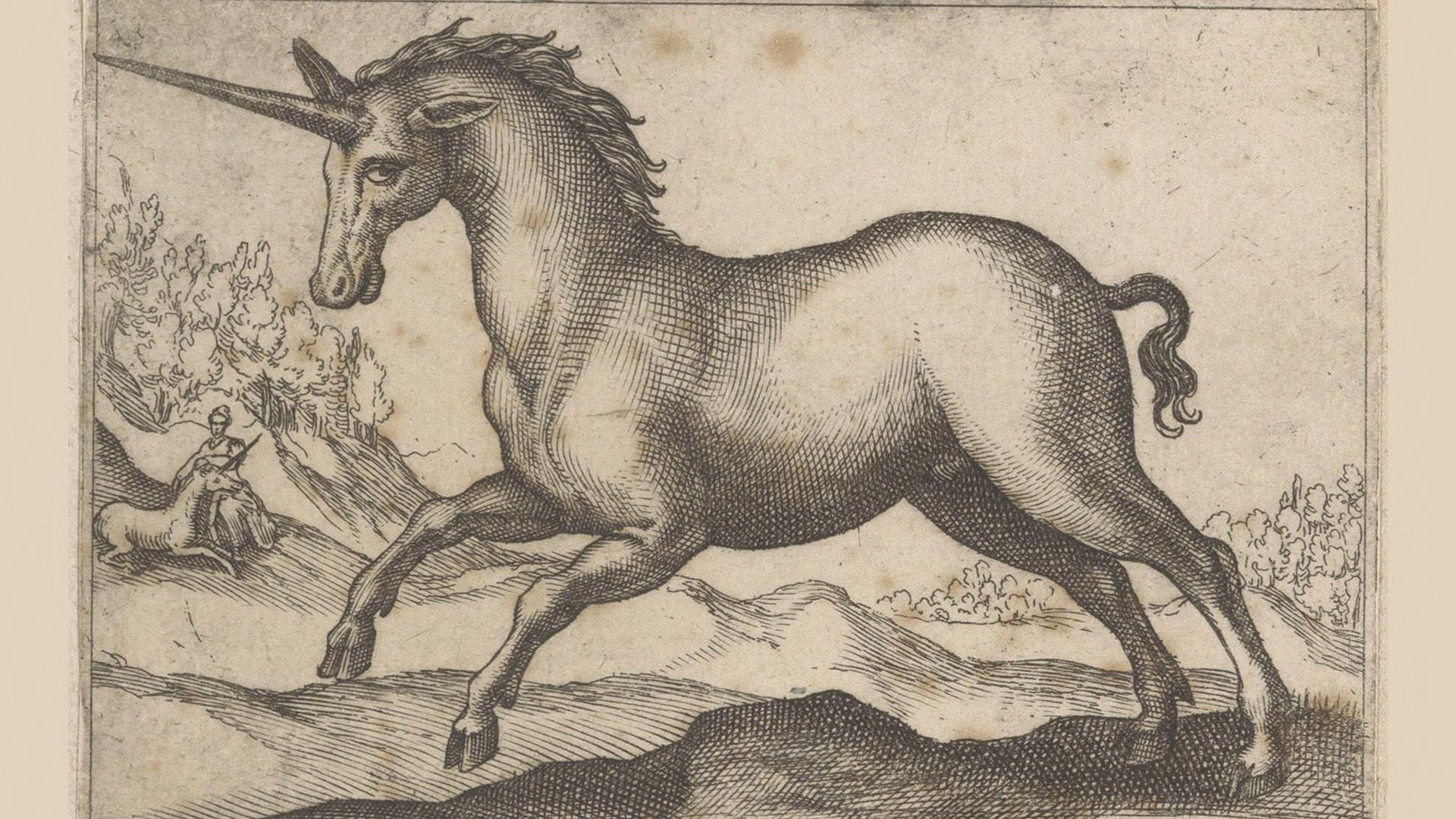
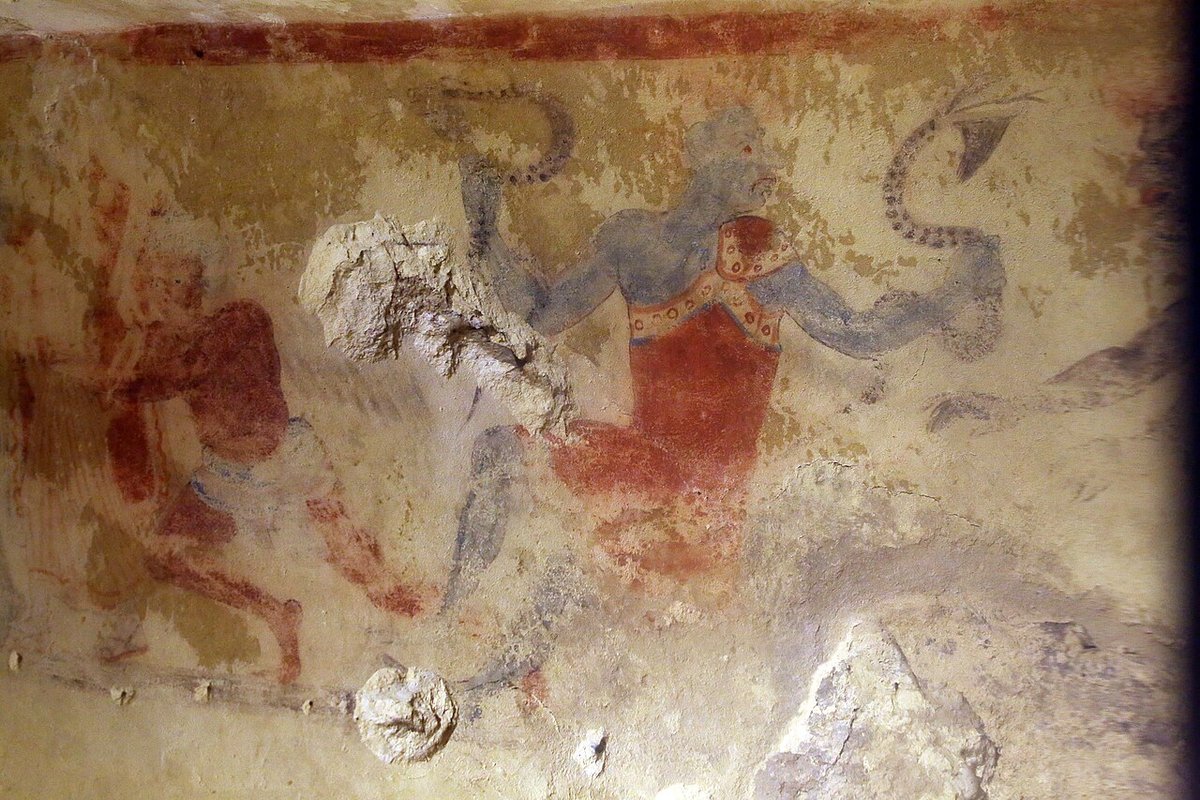
Mammals first appeared on Earth over 200 million years ago, scuttling around alongside the dinosaurs as little mouse-sized creatures. But after the asteroid hit 66 million years ago, it was their time to shine ‪—‬ and the Age of Mammals began. But the path to understanding our own branch of the animal kingdom hasn't been straightforward. In this excerpt from "The Story of the Mammals in 25 Discoveries" (Columbia University Press, 2026), author Donald R. Prothero looks at a time when philosophers and early naturalists believed giants roamed the Earth and explores the idea that extinction was heresy. Many cultures around the world have a mythology that includes legends about gigantic races of ...

📅 2026-10-03 11:00:00    •    Live Science
Could psilocybin treat brain injuries? Neuroscientist explains how psychedelics could fill a gap in head trauma care
Science News

Could psilocybin treat brain injuries? Neuroscientist explains how psychedelics could fill a gap in head trauma care

Could a psychedelic drug help the brain recover from mild injuries? New research suggests that psilocybin, the mind-bending ingredient in magic mushrooms, might protect the brain from the damage caused by minor head impacts. Even mild head impacts that don't count as concussions can raise the risk of neurodegenerative disorders such as chronic traumatic encephalopathy (CTE), so finding an effective treatment for these blows could be useful for warding off debilitating conditions down the line.The new research, published in the journal Communications Biology, included only lab rats, so there's more work to be done to translate the findings to humans. But the early results hint at a new applic...

📅 2026-10-03 10:00:00    •    Live Science
Could we ever create artificial gravity on a spaceship?
Science News

Could we ever create artificial gravity on a spaceship?

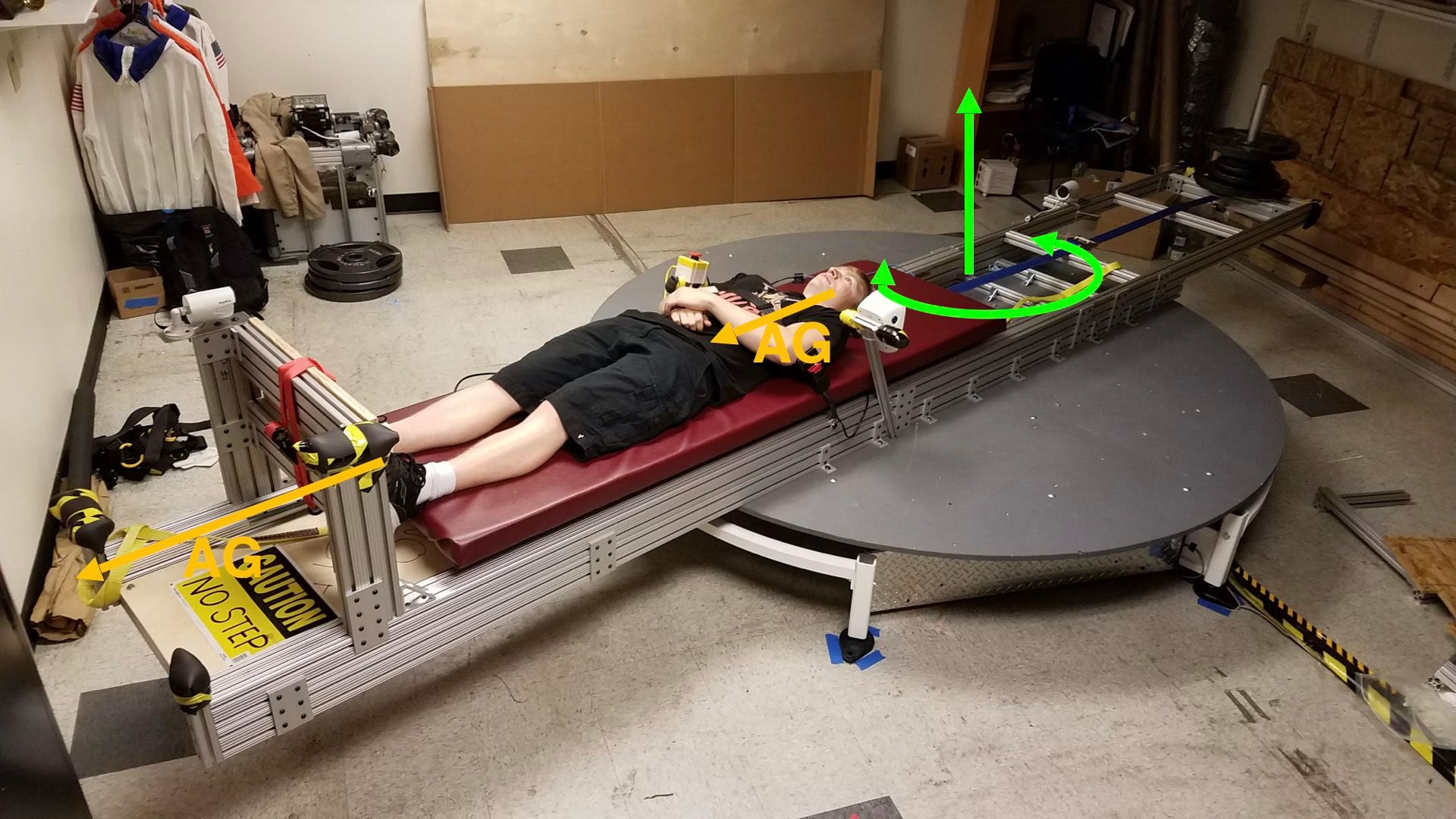
Among the many risks astronauts face during long-haul spaceflight, an extended stay in microgravity is one of the most consequential for long-term health, with effects on vision, bones, muscles and many other aspects of the body. One solution might be artificial gravity —‬ some way to create forces similar to Earth's gravity on a spaceship, akin to the giant rotating ring from Stanley Kubrick's 1968 film "2001: A Space Odyssey." But is that technology ever coming, or will it remain science fiction? "There's really no reason it couldn't happen," Torin Clark, an associate professor of aerospace engineering at the University of Colorado Boulder, told Live Science. "From a technical perspective,...

📅 2026-10-03 09:00:00    •    Live Science