Science News

Latest science news, discoveries and scientific developments.

Informal businesses belong in entrepreneurial ecosystems, review argues
Science News

Informal businesses belong in entrepreneurial ecosystems, review argues

A systematic review of informal businesses published in the International Journal of Entrepreneurship and Small Business argues that they should be treated as part of the larger entrepreneurial ecosystem rather than as a peripheral feature of the economy.

📅 2026-10-04 21:00:01    •    Phys.org
Gamma-ray search sets new limits on dark matter annihilation in the inner Milky Way
Science News

Gamma-ray search sets new limits on dark matter annihilation in the inner Milky Way

Dark matter could be a type of matter in the universe that does not emit, absorb or reflect detectable light and appears to interact very weakly with regular matter. Although physicists have observed gravitational effects attributed to dark matter, they have not yet been able to determine what it is made of.

📅 2026-10-04 19:20:01    •    Phys.org
Taste shapes support for climate-friendly school meals
Science News

Taste shapes support for climate-friendly school meals

Students in a new study were neither clearly positive nor negative about more climate-friendly school meals. Whether the food tasted good, was filling and felt familiar played an important role. Students were somewhat more positive about reducing the amount of meat in recipes than about having more all-vegetarian days.

📅 2026-10-04 18:40:01    •    Phys.org
Hidden X-ray phase revealed in likely neutron star merger
Science News

Hidden X-ray phase revealed in likely neutron star merger

An international team of astronomers, including researchers from the Department of Physics and the Hong Kong Institute for Astronomy and Astrophysics (HKIAA) at The University of Hong Kong (HKU), has discovered a previously hidden phase of high-energy activity following the merger of compact stars.

📅 2026-10-04 17:00:02    •    Phys.org
Heat-trapping gas once frozen in Arctic ground is slowly leaking and warming the planet
Science News

Heat-trapping gas once frozen in Arctic ground is slowly leaking and warming the planet

As Ted Schuur stepped along the edges of Smith Lake, a bubble surfaced from the muck underfoot. And then another. They're bubbles of methane, a potent heat-trapping gas made from decomposing plants and animals that had once been stuck in Alaska's frigid permafrost. But that frozen ground is thawing because the Arctic is warming four times faster than the rest of the globe. For thousands of years that frozen ground stored dead plants and animals, but the accelerating thaw is allowing them to decay into methane and carbon dioxide.

📅 2026-10-04 16:20:01    •    Phys.org
How Enceladus' ocean spray becomes chemically diverse ice grains
Science News

How Enceladus' ocean spray becomes chemically diverse ice grains

Saturn's icy moon Enceladus hides a global ocean beneath its frozen surface. From fractures near its south pole, material from this ocean is ejected into space as a plume of water vapor and ice particles. These particles offer scientists a rare opportunity to investigate an extraterrestrial ocean without drilling through kilometers of ice.

📅 2026-10-04 16:00:01    •    Phys.org
Inka scattered sacred coca leaves over sacrificed llamas, excavation suggests
Science News

Inka scattered sacred coca leaves over sacrificed llamas, excavation suggests

Deep in Peru's Acarí Valley lie the ruins of Tambo Viejo, an Inka provincial center where excavations have uncovered tasseled sacrificial llamas and brightly adorned guinea pigs. But save for a few seeds and some stored leaves, evidence of how the Inka used one of their most sacred plants in rituals remained elusive. Now, archaeologists have discovered coca leaves still stuck in the wool of some sacrificed llamas.

📅 2026-10-04 13:40:01    •    Phys.org
A meteor hit Oklahoma 100 million years later than scientists thought
Science News

A meteor hit Oklahoma 100 million years later than scientists thought

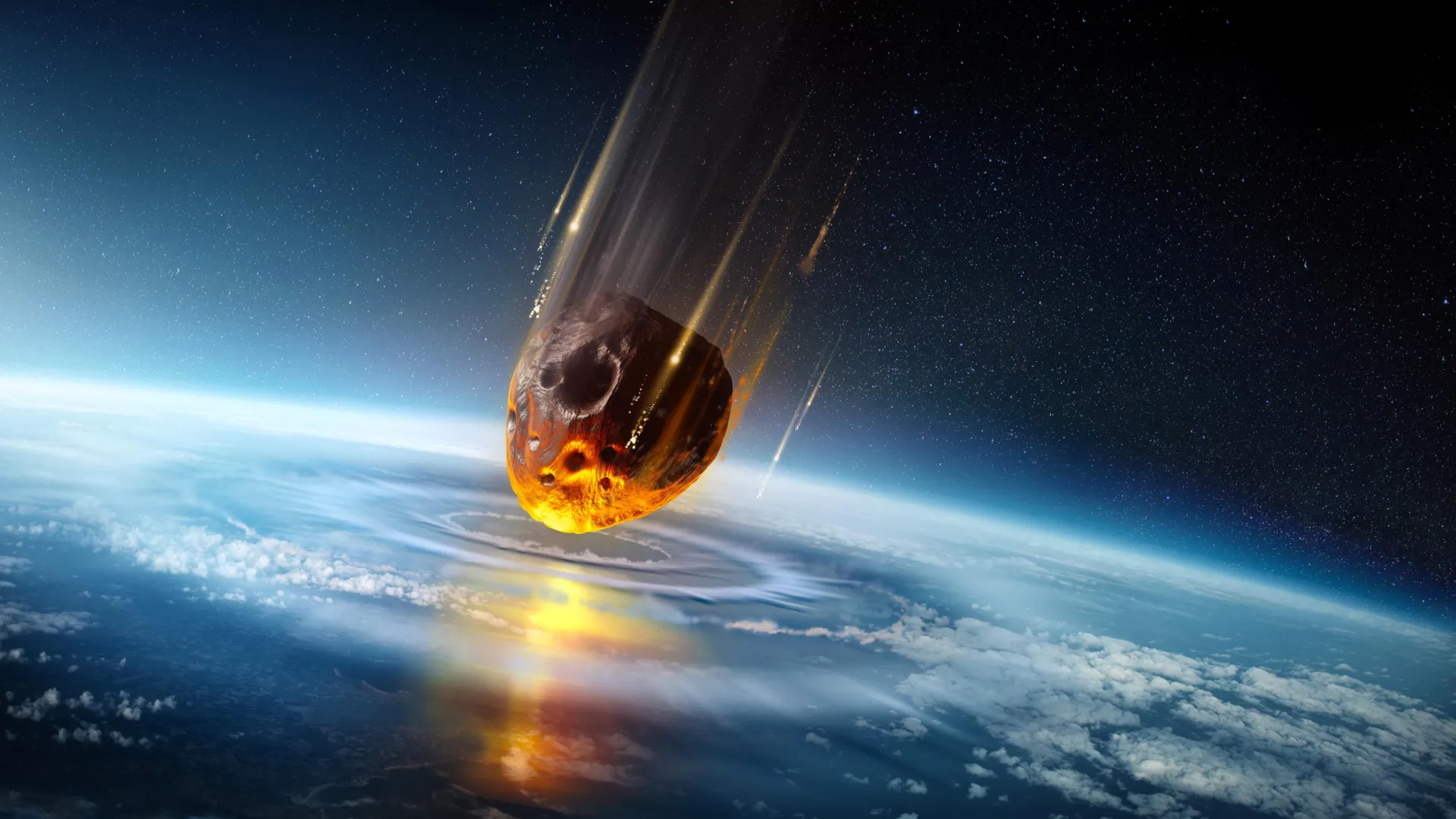
A meteor crater buried beneath Oklahoma has turned out to be nearly 100 million years younger than scientists thought. Zircon crystals show the Ames impact occurred about 370 million years ago, meaning it was not part of the mysterious Ordovician bombardment once linked to a possible ring of debris around Earth. Instead, the impact coincided closely with a major mass extinction that devastated marine life.

📅 2026-10-04 12:41:43    •    ScienceDaily
Scientists find a surprising clue to why the universe’s expansion doesn’t add up
Science News

Scientists find a surprising clue to why the universe’s expansion doesn’t add up

Tiny magnetic fields created shortly after the Big Bang may help explain the long-running disagreement over how fast the universe is expanding. Detailed simulations show that these primordial fields could have changed the formation of hydrogen in the early universe, affecting the cosmic microwave background and the expansion rate inferred from it.

📅 2026-10-04 12:05:54    •    ScienceDaily
Giant fluctuations of focused light reveal hidden correlations in opaque materials
Science News

Giant fluctuations of focused light reveal hidden correlations in opaque materials

When light travels through a strongly scattering material, such as biological tissue or other disordered opaque media, it follows many different paths and produces a seemingly random speckle pattern. Wavefront shaping makes it possible to control this complex interference and focus light through such materials.

📅 2026-10-04 12:00:01    •    Phys.org
Scientists recreate the universe's first moments and find something they didn't expect
Science News

Scientists recreate the universe's first moments and find something they didn't expect

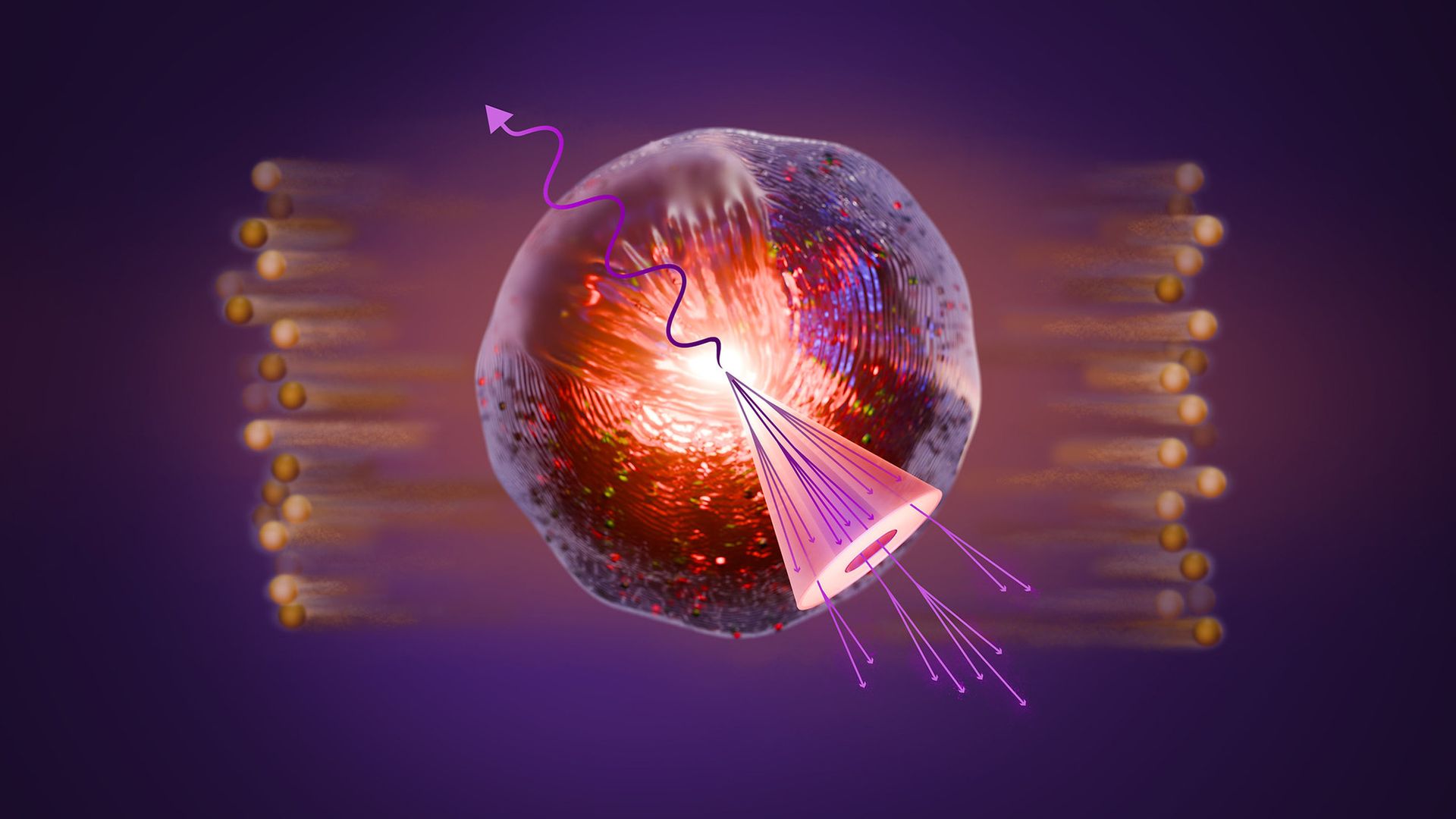
Physicists smashed gold nuclei together at nearly the speed of light and found an unexpected pattern in the particles these collisions sprayed out. If confirmed, that pattern could help reveal how the hot soup of quarks and gluons that filled the universe in the first few microseconds after the Big Bang cooled and condensed into the protons and neutrons that make up ordinary matter today. In every collision, particles are flung out sideways; how hard they are flung, on average, varies slightly from one collision to the next. Physicists expected the size of these variations to change smoothly as they adjusted the collision energy. Instead, the variations dipped, shrinking and then growing aga...

📅 2026-10-04 12:00:00    •    Live Science
A forgotten 30-year forest experiment just delivered a huge surprise
Science News

A forgotten 30-year forest experiment just delivered a huge surprise

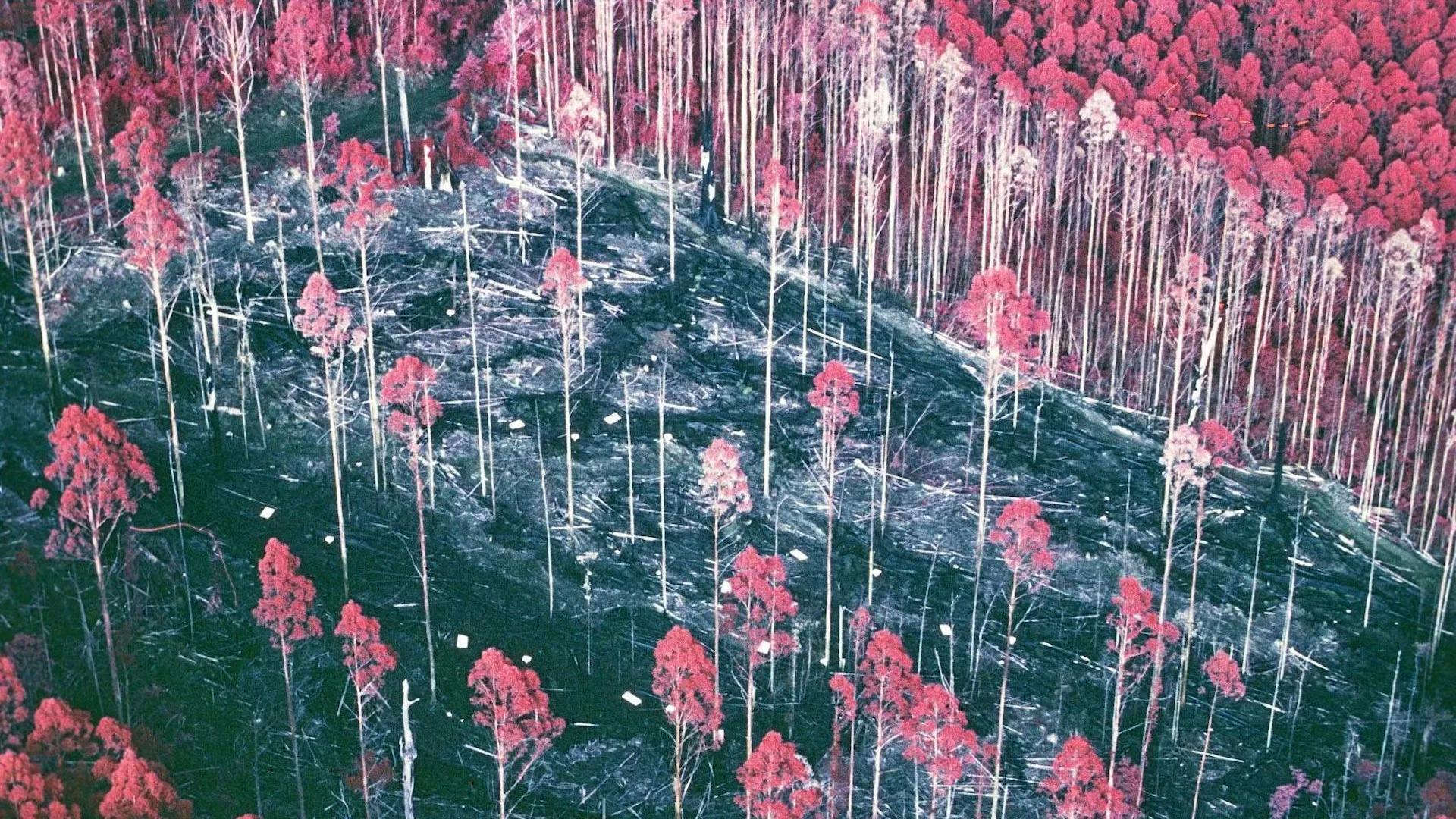
A 30-year forestry experiment in Australia found that heavily thinned mountain ash forests grew unusually large trees while recovering enough carbon to match or exceed untouched areas. The results suggest carefully managed thinning could support timber production, wildlife habitat, and carbon storage at the same time.

📅 2026-10-04 11:50:46    •    ScienceDaily
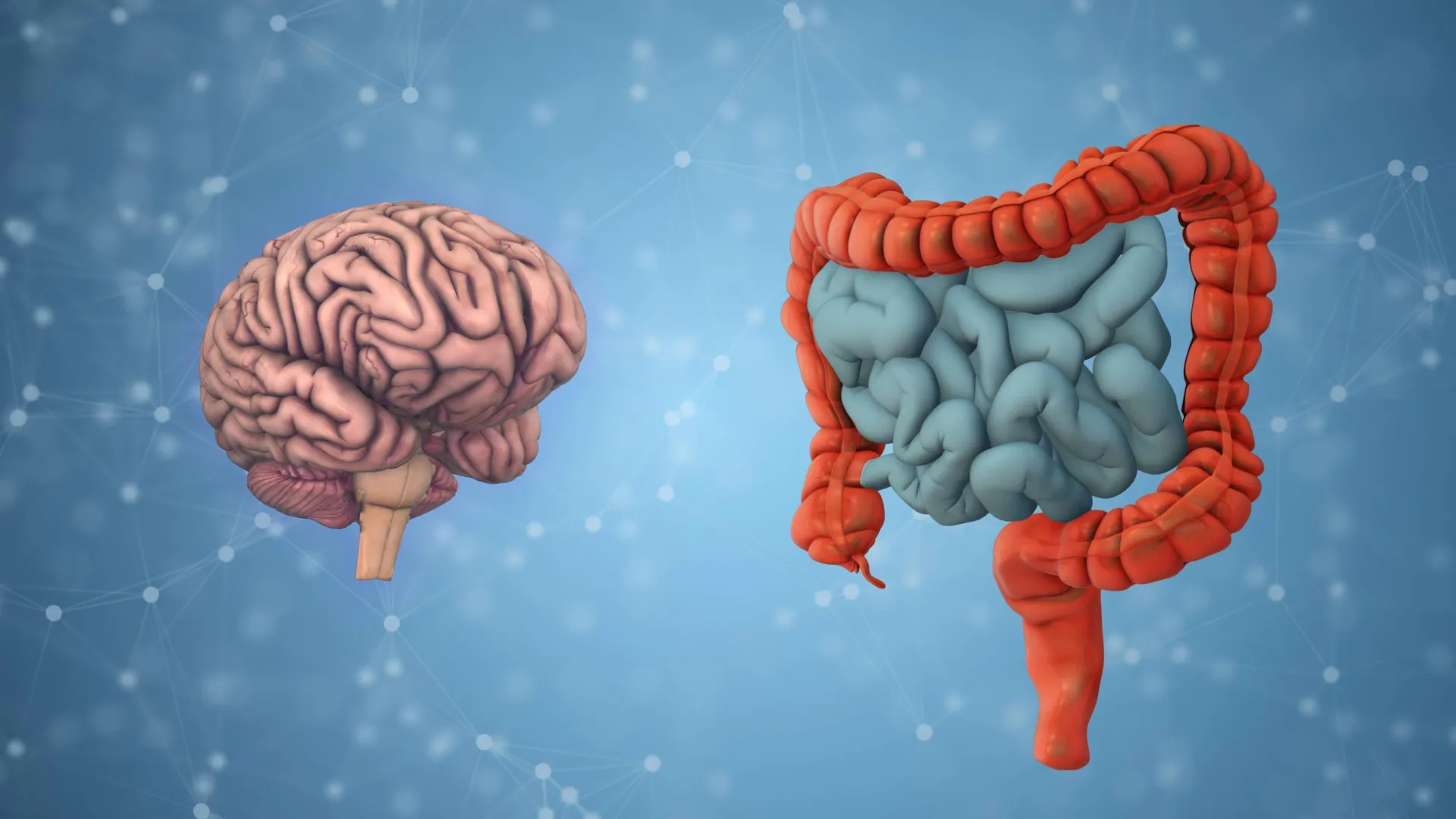
Your gut bacteria may reveal how fast your brain is aging
Science News

Your gut bacteria may reveal how fast your brain is aging

A UCLA study links faster brain aging to specific gut bacteria and chemical byproducts, with older-looking brains also associated with poorer memory, focus, and mood. The findings suggest that biological signs of brain aging may appear decades before obvious symptoms and could eventually make the gut a target for prevention.

📅 2026-10-04 11:28:03    •    ScienceDaily
Scientists just found a new way to make hydrogen from water
Science News

Scientists just found a new way to make hydrogen from water

A new light-activated material can efficiently produce hydrogen from water without requiring an additional expensive metal catalyst. Researchers say its unusual sulfur-based chemistry could point toward cheaper and more practical ways to turn sunlight into clean fuel.

📅 2026-10-04 11:11:24    •    ScienceDaily
Cry for help as French-Swiss lake dries up
Science News

Cry for help as French-Swiss lake dries up

The picturesque Lac des Brenets between France and Switzerland has dried up after a record-breaking hot summer, leaving locals crying out for help to save the lake.

📅 2026-10-04 11:01:39    •    Phys.org
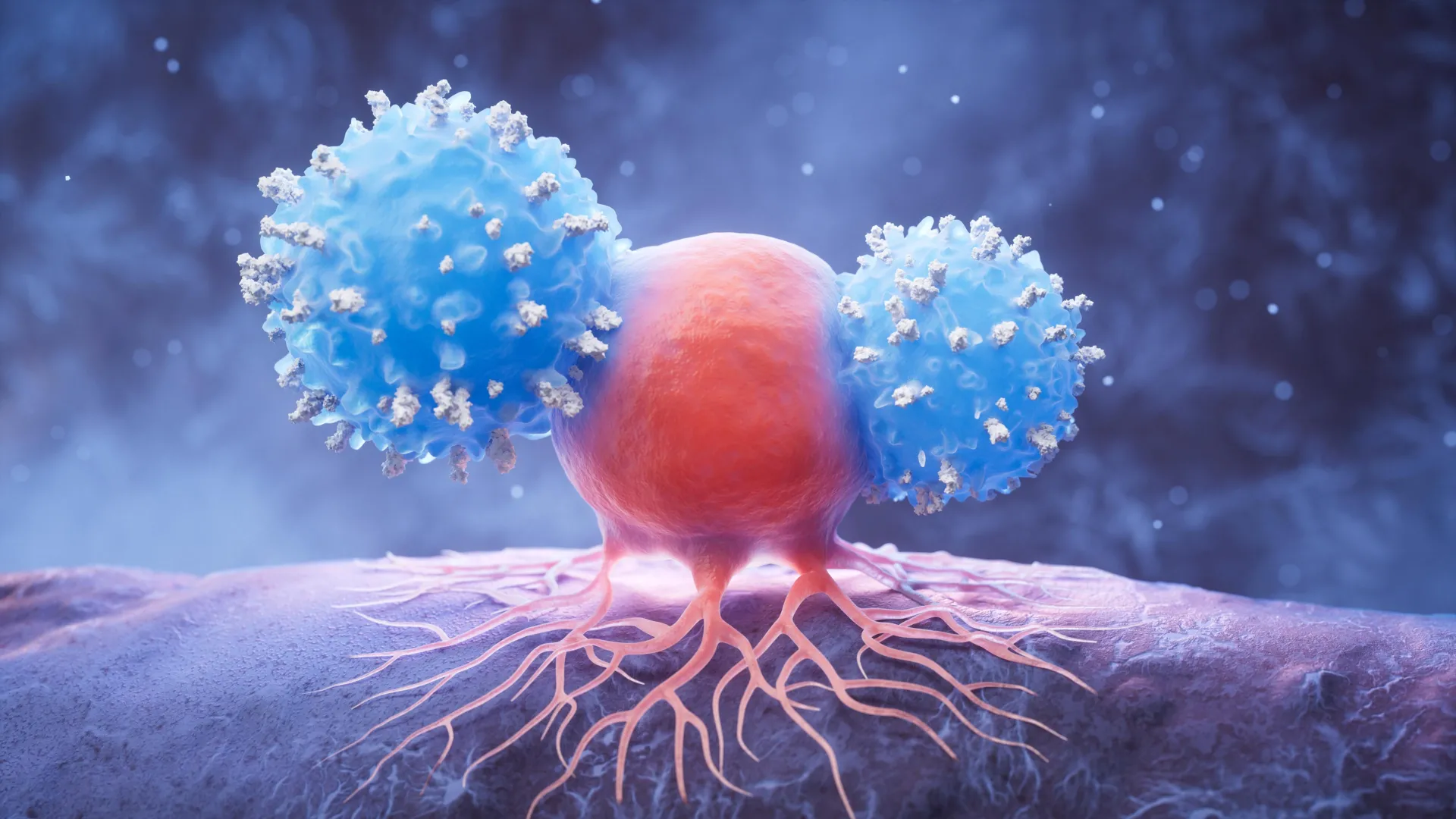
This common vitamin could help fight one of the deadliest brain cancers
Science News

This common vitamin could help fight one of the deadliest brain cancers

High-dose vitamin B3 is showing intriguing early promise as an addition to standard glioblastoma treatment, with 82% of patients in a small trial remaining progression-free after six months. Researchers believe niacin may help revive immune cells suppressed by the cancer, but larger studies are still needed to confirm the benefit and safety.

📅 2026-10-04 10:09:00    •    ScienceDaily