Science News

Latest science news, discoveries and scientific developments.

Physicists just found the ‘ghost’ of superconductivity
Science News

Physicists just found the ‘ghost’ of superconductivity

Physicists have found striking evidence for an unusual form of superconducting behavior in uranium ditelluride, where electron pairs organize into rippling patterns called pair density waves. Even more surprisingly, these patterns appear to survive after ordinary superconductivity disappears, suggesting that the electron pairs responsible for superconductivity may begin forming before the material actually becomes superconducting.


📅 2026-10-07 12:34:39    •    ScienceDaily
Drug target could block brain inflammation linked to Alzheimer’s and Parkinson’s
Science News

Drug target could block brain inflammation linked to Alzheimer’s and Parkinson’s

Blocking a receptor called P2X7 significantly reduced inflammation in human brain tissue, revealing a potential new treatment strategy for neurological and psychiatric disorders. The discovery could help researchers repurpose existing drugs for conditions including traumatic brain injury, Alzheimer’s, Parkinson’s, depression, and schizophrenia.

📅 2026-10-07 12:13:35    •    ScienceDaily
Webb finds a surprising atmosphere on a scorching lava world
Science News

Webb finds a surprising atmosphere on a scorching lava world

The James Webb Space Telescope has found strong evidence that the rocky lava world HD 3167 b has an atmosphere, despite circling its star every 24 hours under extreme heat. The surprising discovery could help scientists understand how rocky planets retain atmospheres and what the young, molten Earth may once have looked like.

📅 2026-10-07 11:58:25    •    ScienceDaily
Earth’s center is moving, and NASA just measured it
Science News

Earth’s center is moving, and NASA just measured it

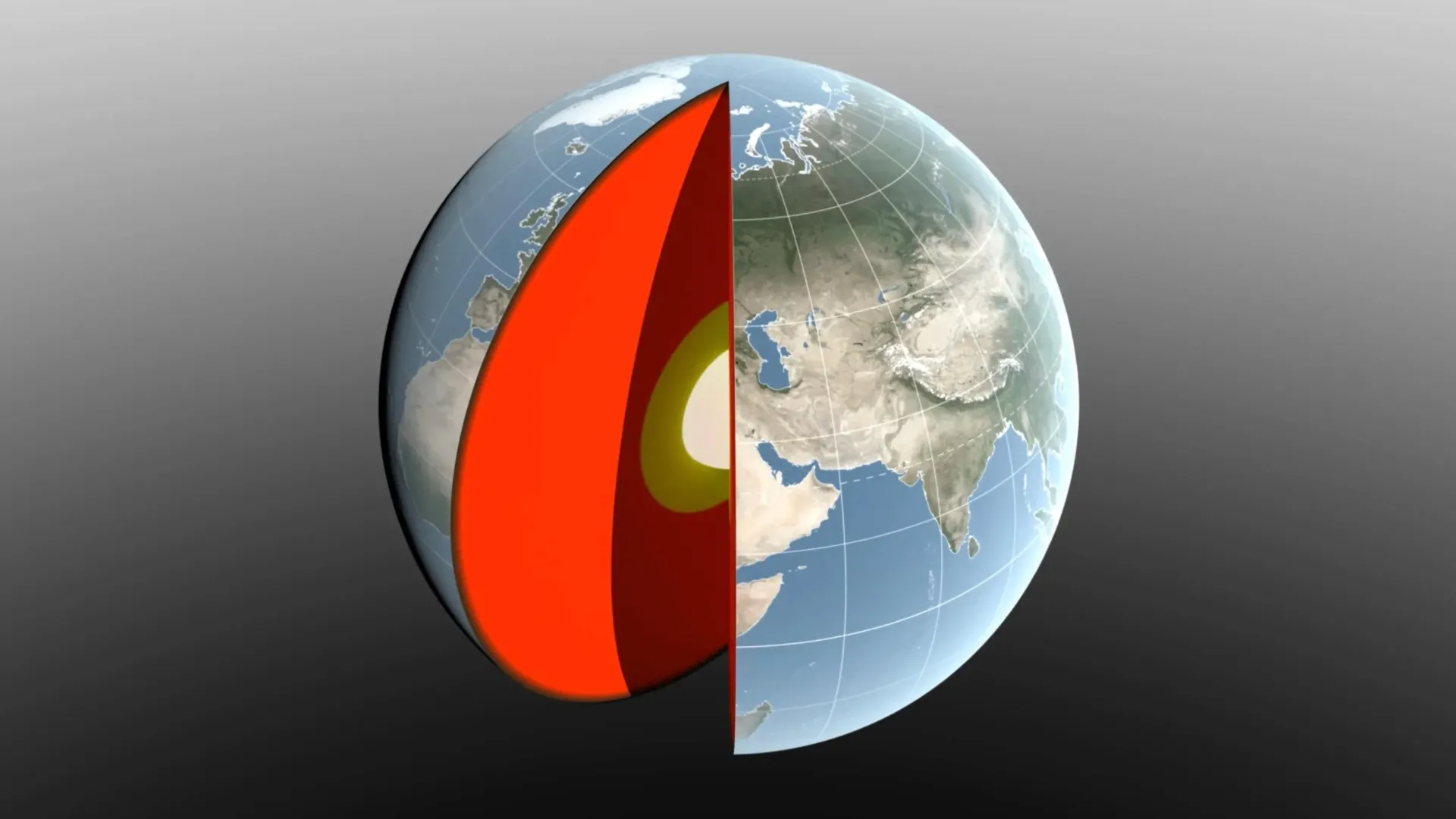
Earth’s center of mass is constantly on the move, shifting by a few millimeters as enormous amounts of water, ice, and even air migrate around the planet with the seasons. NASA scientists have developed a more precise way to track these tiny swings using laser-ranging satellites, GPS data, and measurements of how water and ice deform Earth’s crust.

📅 2026-10-07 11:30:51    •    ScienceDaily
The Draconids, an unpredictable shower that can bring hundreds of meteors per minute, has begun
Science News

The Draconids, an unpredictable shower that can bring hundreds of meteors per minute, has begun

The Draconids, one of the year's most unpredictable meteor showers, will peak this week. Although only a few "shooting stars" are expected, the shower has a history of producing spectacular meteor storms with little warning.The Draconid meteor shower takes place Oct. 6-10 each year, peaking on Oct. 8-9, when around 10 "shooting stars" per hour are expected. Whereas most meteor showers are best seen after midnight or during the dark hours before dawn, the best time to view the Draconids is in the evening, according to Timeanddate.com, making it one of the more convenient meteor showers of the year. Just after dark Thursday (Oct. 8) will be the best time to look.The Draconids are different fro...

📅 2026-10-07 11:00:00    •    Live Science
'Zombie cells' may drive aging, and scientists are devising new ways to get rid of them
Science News

'Zombie cells' may drive aging, and scientists are devising new ways to get rid of them

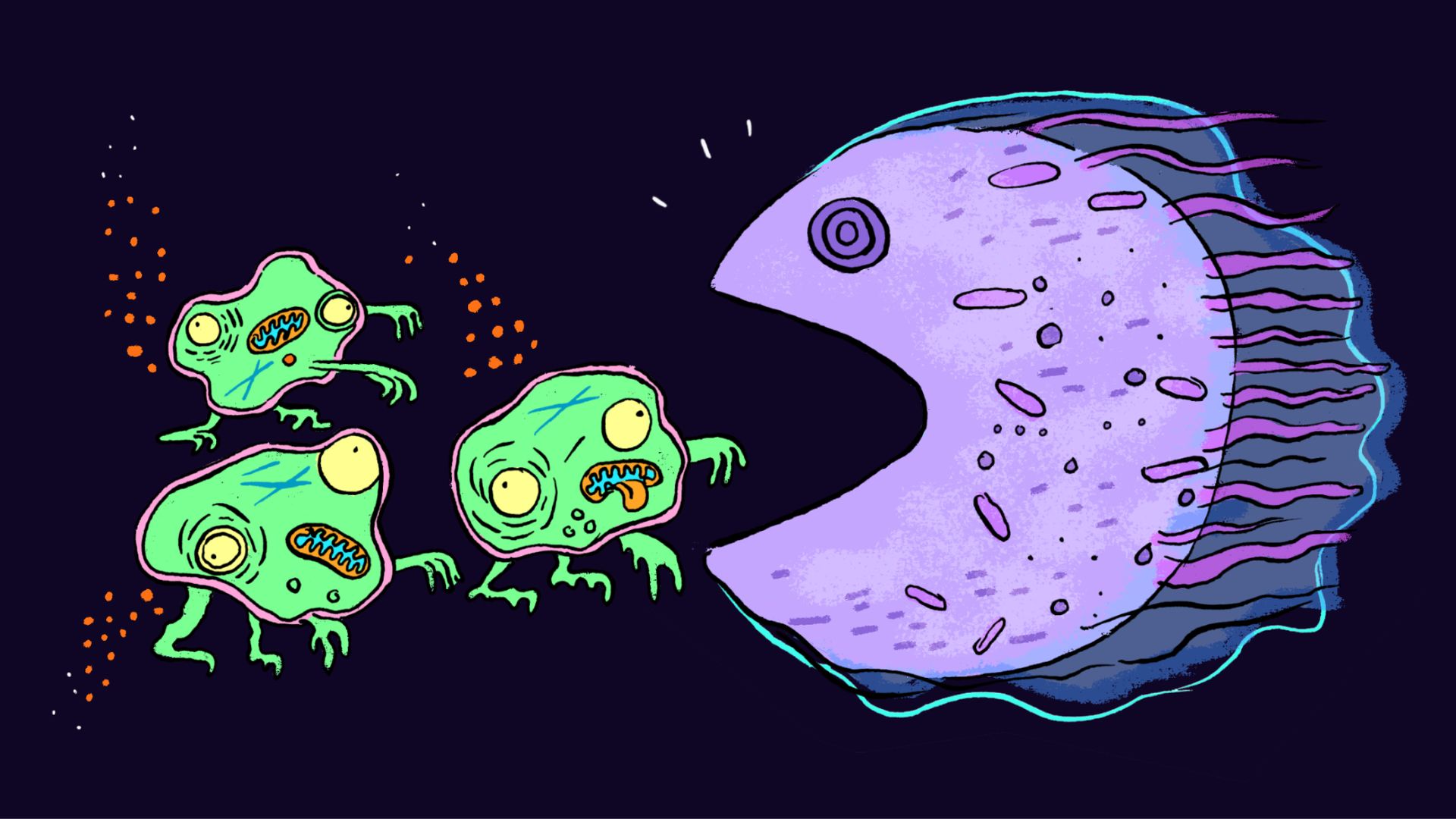
Emerging treatments aim to reverse or stall signs of aging in the body and thus cut the risk of age-related diseases. One of those signs is an accumulation of "zombie cells" — damaged cells that spew harmful substances rather than dying off and getting cleared away by the immune system. Some scientists are designing treatments aimed at killing those zombies directly. But what if we instead helped the body's cleanup crew get rid of them?"I think rejuvenating the immune system could rectify a lot of problems," said Roel de Maeyer, an immunologist at the University of Oxford. "We know hospitals are full of older people suffering from infections that younger people don't need to go to [the] hosp...

📅 2026-10-07 10:00:00    •    Live Science
Woman 'saw dead people' and fired a gun at them after taking too many aspirin
Science News

Woman 'saw dead people' and fired a gun at them after taking too many aspirin

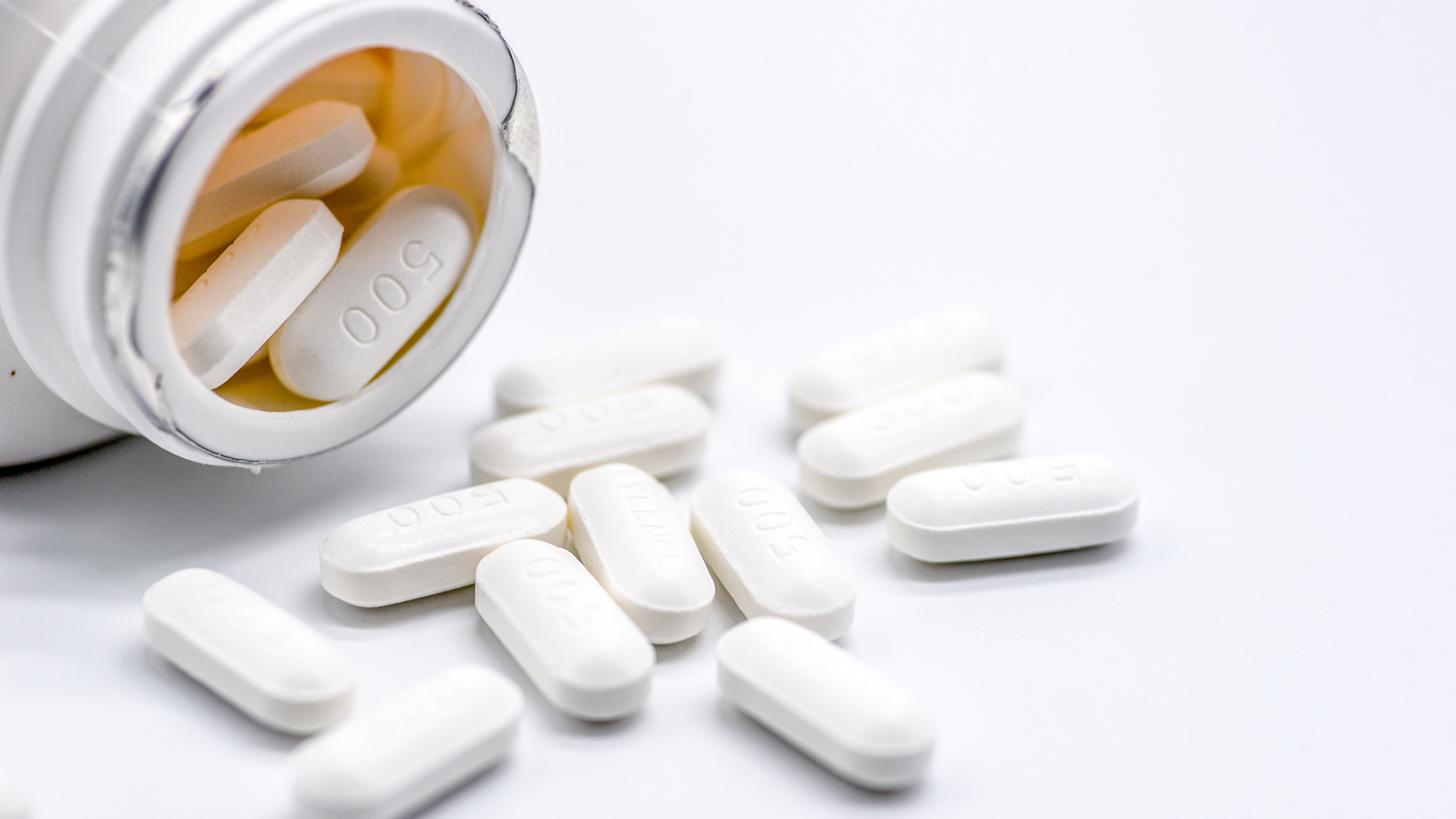
The patient: A 65-year-old woman in MichiganThe symptoms: The woman arrived at the emergency room via ambulance and asked to see a psychiatrist for her visual hallucinations. "I'm seeing dead people," she told clinicians, adding that she'd even fired a gun at her hallucinations in one instance, according to a report of her case. (The report does not describe what the hallucinations looked like.)Despite this reaction to her hallucinations, she was calm and alert during her physical exam, with normal vital signs other than high blood pressure. She reported a history of high blood pressure, diabetes, heart failure and chronic back pain but no prior psychiatric history.What happened next: Since ...

📅 2026-10-07 10:00:00    •    Live Science
Scientists reprogram immune cells inside the body to fight cancer
Science News

Scientists reprogram immune cells inside the body to fight cancer

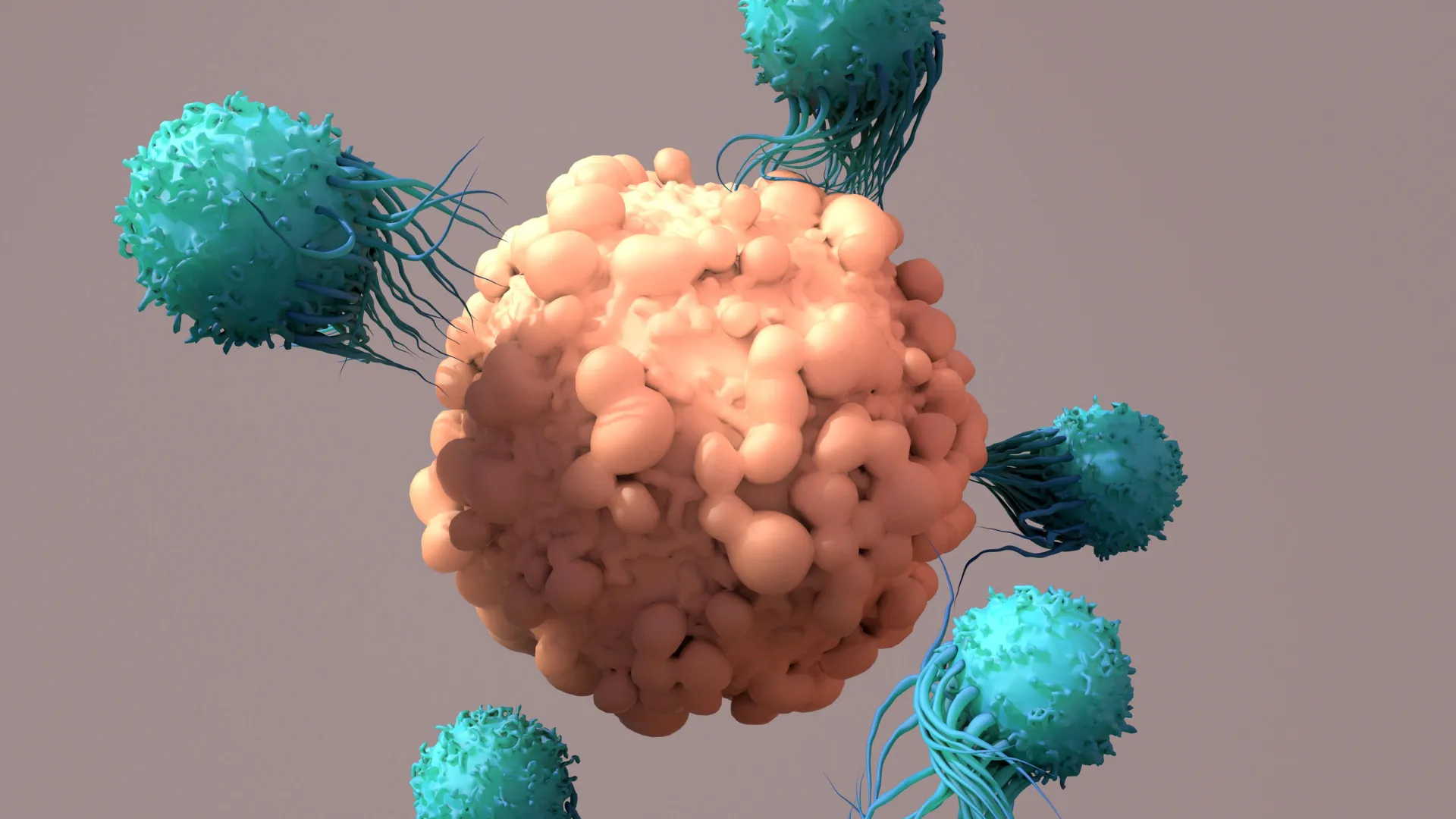
Scientists at UC San Francisco have developed a way to create cancer-fighting CAR-T cells directly inside the body, potentially avoiding the slow and extremely expensive process of removing, engineering, and reinfusing a patient’s immune cells. Using a two-particle delivery system, the researchers sent CRISPR gene-editing tools and new cancer-targeting DNA specifically into T cells, where the DNA was inserted at a precise location in the genome.

📅 2026-10-07 09:50:16    •    ScienceDaily
Amazon wildfires are generating ozone that weakens surviving trees' carbon uptake
Science News

Amazon wildfires are generating ozone that weakens surviving trees' carbon uptake

Ozone pollution caused by Amazon wildfires is significantly reducing the rainforest's ability to absorb carbon dioxide from the atmosphere, new research reveals. Ground-level ozone is formed when pollutants from sources such as wildfires react in the presence of sunlight. This harms human health and interferes with plants' ability to absorb carbon dioxide (CO2) from the atmosphere.

📅 2026-10-07 09:00:01    •    Phys.org
Roboticists showcase tiny, frog-like robot that can hop across wet surfaces and swim
Science News

Roboticists showcase tiny, frog-like robot that can hop across wet surfaces and swim

The animal kingdom has influenced several robot designs over the years to solve fundamental challenges in propulsion and movement — from horses to insects. Now, frogs are the latest creatures to inspire roboticists. As seen in a new study published Sept. 18 in the journal Science Advances, researchers probed how twisting bent elastic rods could produce a "snapping motion" that enabled a small robot to hop or swim. This mechanism could be used to improve robots with limited power and ones that need to traverse rough terrain and even water, the scientists said in the study. They also built a prototype to demonstrate the work. The palm-sized robot weighs just 3.4 ounces, or about as much as a d...

📅 2026-10-07 09:00:00    •    Live Science
Petal 'windows' affect the abundance of microbes within flowers
Science News

Petal 'windows' affect the abundance of microbes within flowers

Some flowers have petals with small semitranslucent sections. Research in New Phytologist reveals that these "windows" alter the amount of light and heat entering the flower and create conditions that influence microbial abundance.

📅 2026-10-07 07:10:18    •    Phys.org
Biodegradable nanoparticle technology may improve agricultural production
Science News

Biodegradable nanoparticle technology may improve agricultural production

Farmers use a manufactured version of a natural plant hormone called gibberellic acid to improve the health and growth of crops, but it is highly sensitive to heat and light. A study in the Journal of the Science of Food and Agriculture shows that loading gibberellic acid into biodegradable nanoparticles can improve grape yield and quality, making it a promising and environmentally friendly approach for sustainable agricultural production.

📅 2026-10-07 07:10:14    •    Phys.org
Fierce lobbying in EU over 'forever chemicals'
Science News

Fierce lobbying in EU over 'forever chemicals'

The European Union is under pressure to ban "forever chemicals," but a battle is heating up in Brussels over the toxic substances known as PFAS, with industry groups seeking as many exemptions as possible.

📅 2026-10-07 06:28:50    •    Phys.org
The world's oyster reefs could add $12 trillion to planetary health each year—if they were better managed
Science News

The world's oyster reefs could add $12 trillion to planetary health each year—if they were better managed

A new study shows that the world's oyster reefs are a precious resource that's vastly underestimated and underutilized. The authors set out to calculate the reefs' potential gross ecosystem product (GEP), the ecological counterpart of the gross economic product, and arrived at trillions of dollars in ecosystem goods and services delivered each year to different aspects of planetary health, including human well-being. But for their full potential to be realized, oyster reefs around the world will need to be restored and protected.

📅 2026-10-07 04:00:01    •    Phys.org
A new way to fight gum disease without wiping out good bacteria
Science News

A new way to fight gum disease without wiping out good bacteria

Scientists discovered that disrupting the chemical messages bacteria use to communicate can push dental plaque toward a healthier microbial balance. The approach could lead to new treatments for gum disease that control harmful bacteria without destroying beneficial species.

📅 2026-10-07 03:55:00    •    ScienceDaily