
Science News
What land crabs reveal about evolution's repeats
How can bodies adapt to survive environments completely different from the ones they evolved for?
Latest science news, discoveries and scientific developments.
How can bodies adapt to survive environments completely different from the ones they evolved for?

A Florida State University–led review shows how ultrahigh-resolution mass spectrometry can help researchers identify the molecular fingerprints of human activity in water systems around the world.

We’ve studied the moon with robotic spacecraft for decades. What do human observers add? Artemis II’s first science results offer some answers.
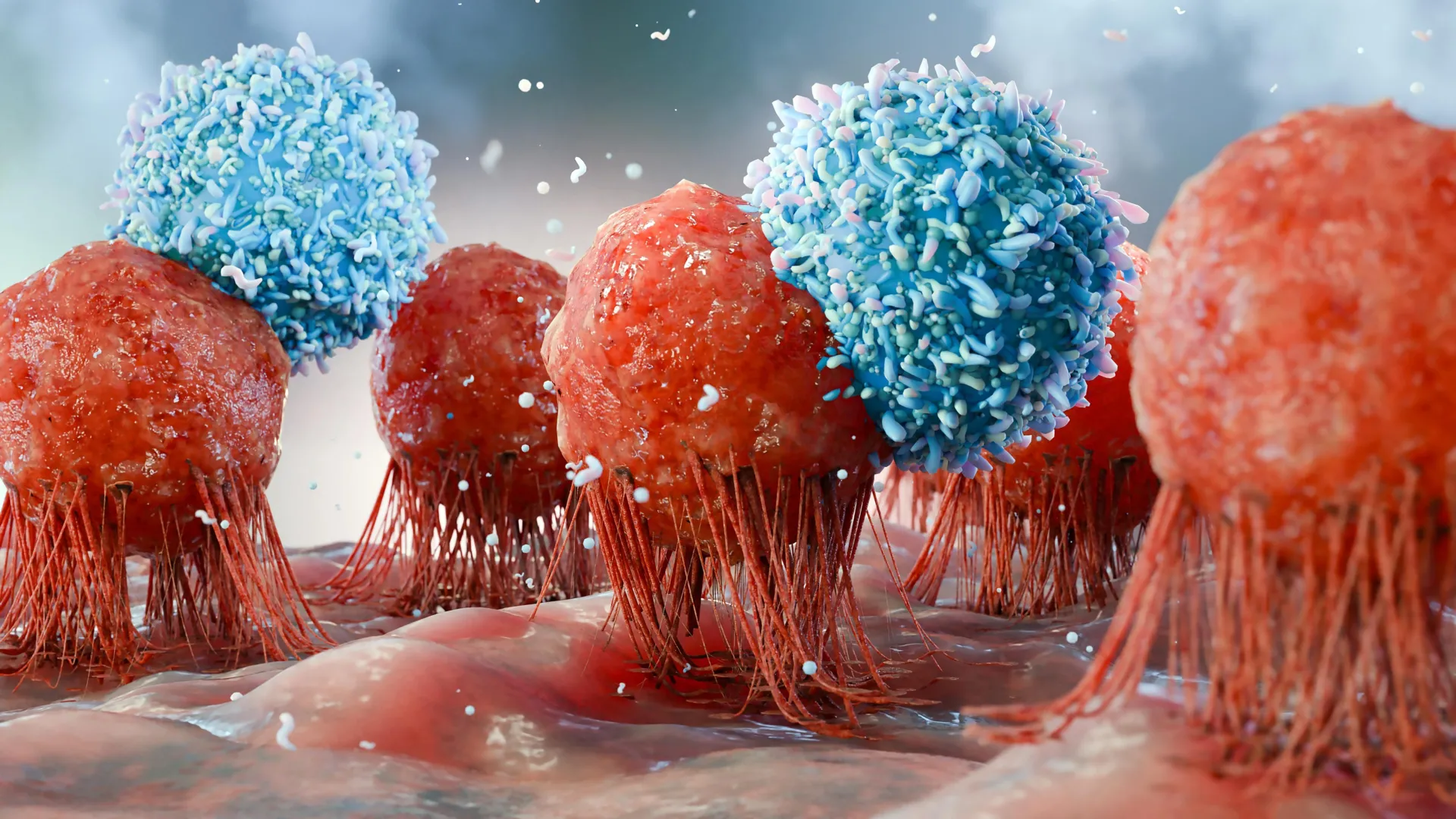
USC scientists have discovered a way to create a potentially renewable supply of genetically engineered immune cells that can attack cancer and strengthen the body's natural defenses. By growing and modifying immature immune cells rather than mature ones, researchers developed a system that can continuously produce tumor-fighting cells inside the body.
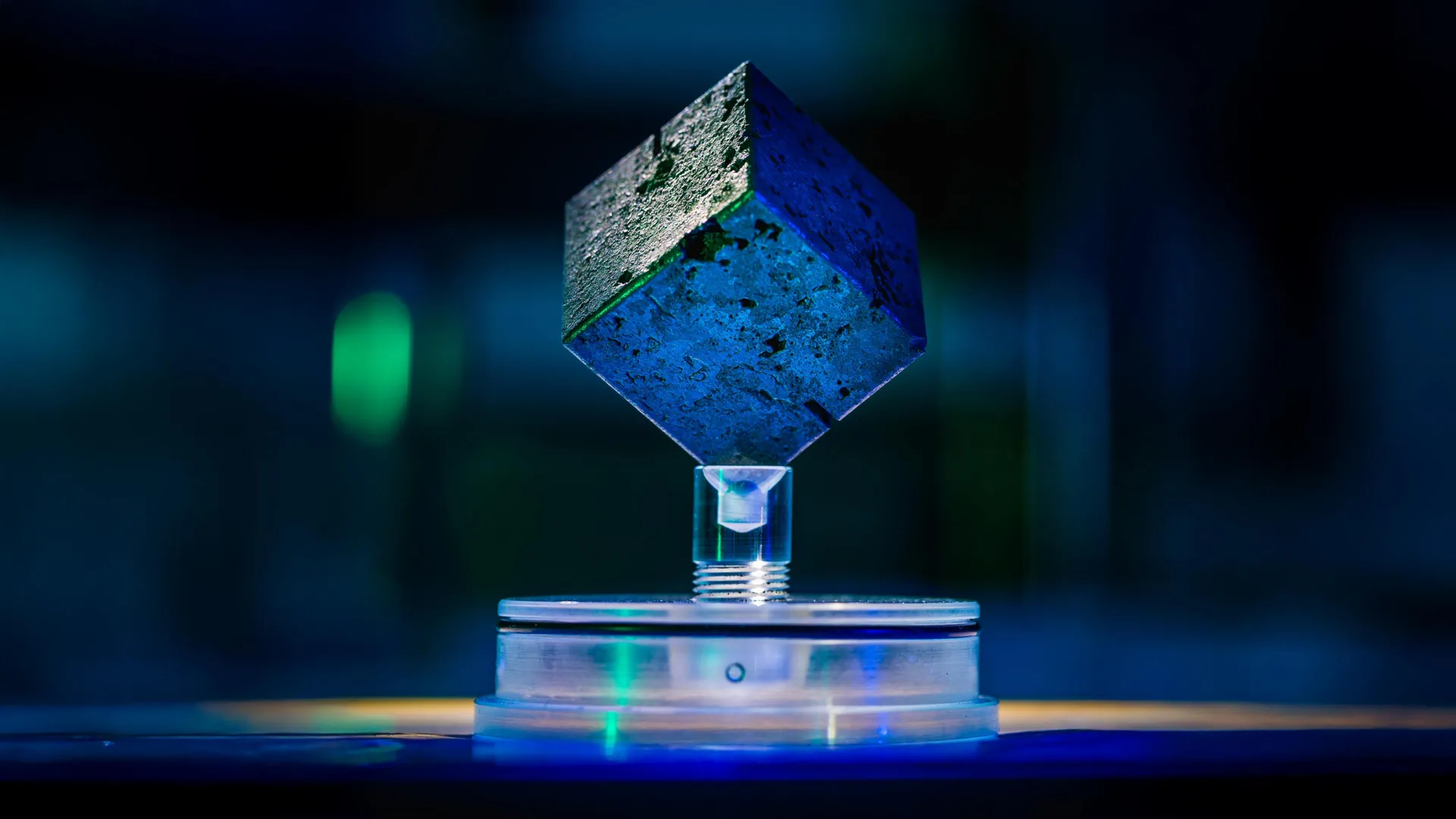
Scientists investigating Nazi Germany's secret nuclear program have uncovered evidence that its final experimental reactor was nowhere near as close to working as previously claimed. Analysis of surviving uranium cubes and wartime documents reveals that Germany lacked the enormous quantities of uranium and heavy water needed to make its reactor operational.

Solve the crossword from our November 2026 issue, in which we cultivate an understanding of growth curves.

You don’t need to sacrifice spookiness to keep real owls, bats and snakes safe
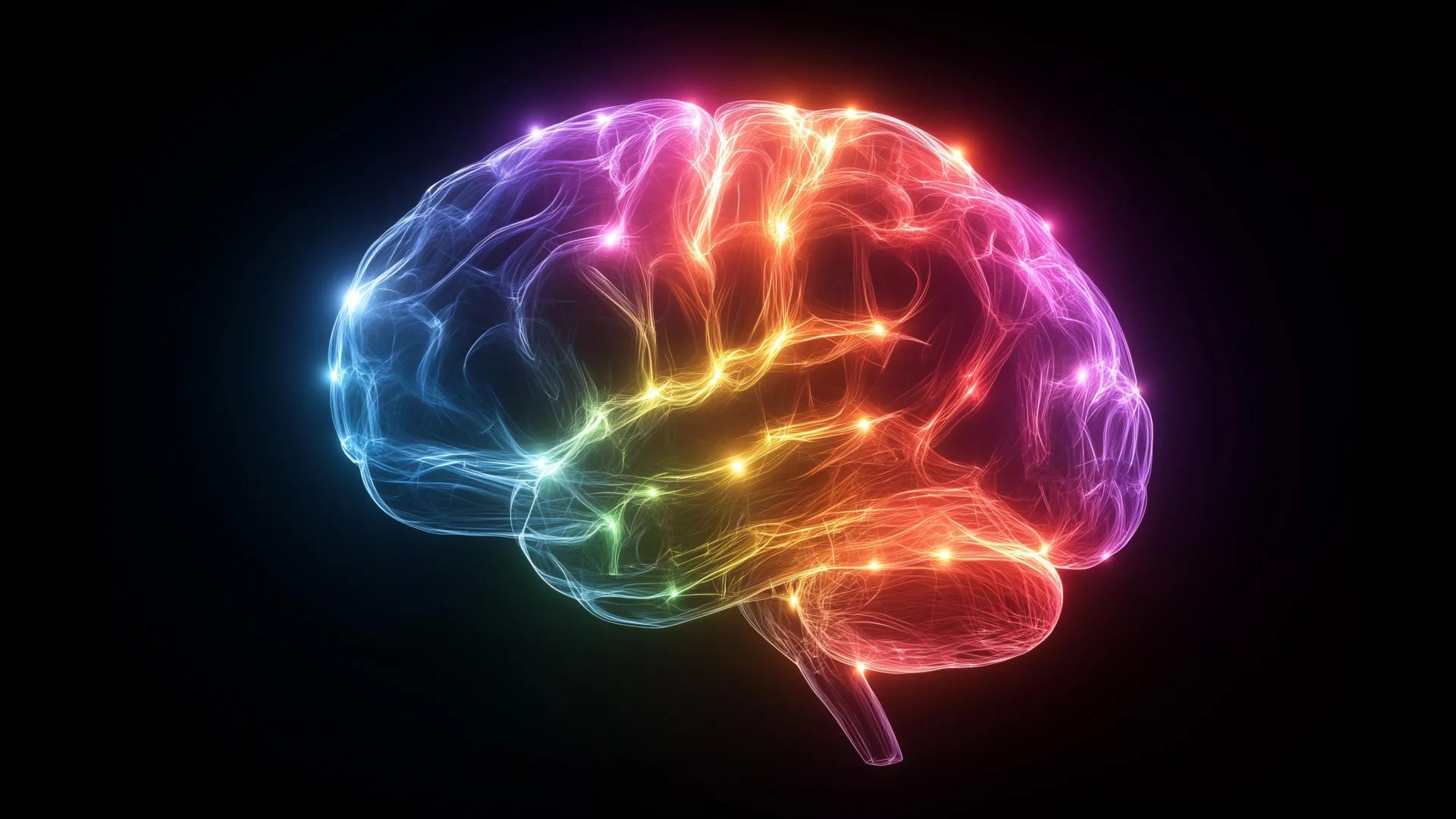
Yale scientists have uncovered how the stress hormone cortisol helps the brain turn emotional experiences into stronger, longer-lasting memories. The discovery reveals that stress can reshape communication between brain networks involved in emotion and memory, potentially explaining why certain moments are so difficult to forget.

Scientists have discovered that black holes of vastly different sizes appear to launch powerful jets according to the same universal rule. The breakthrough could explain why some black holes suddenly erupt years after devouring a star and help astronomers predict when these spectacular outbursts will happen.
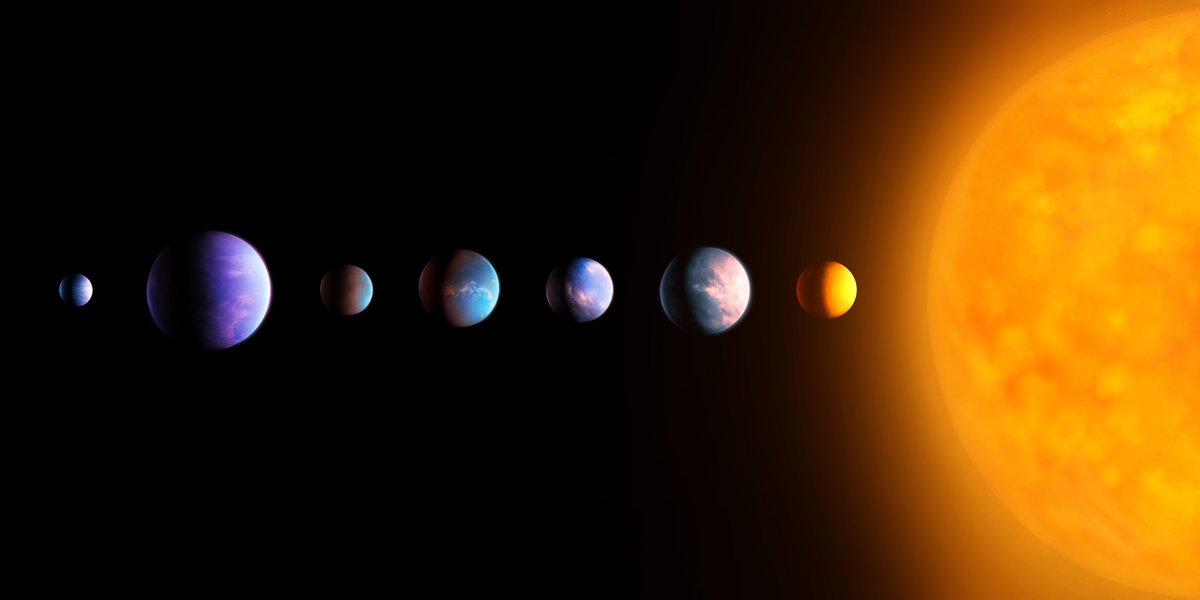
As far-fetched as it may seem, quirks of orbital mechanics could allow hundreds of planets to be packed around a star
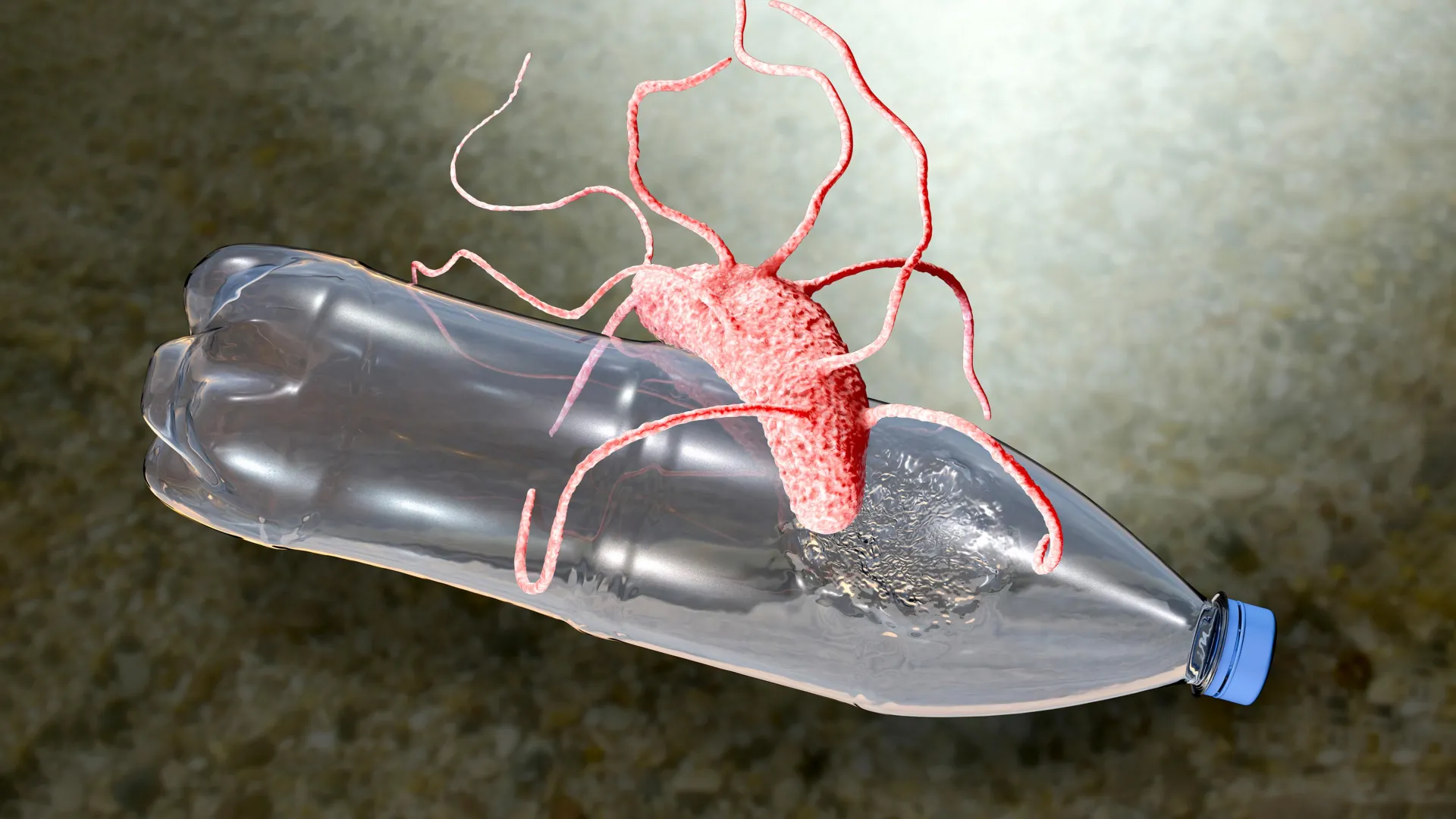
Scientists have discovered a remarkable “Pac-Man enzyme” that helps bacteria devour certain types of plastic and may offer new hope in the fight against plastic pollution. Researchers found that several biodegradable plastics completely broke down in soil within about a year, while conventional plastic remained largely unchanged.
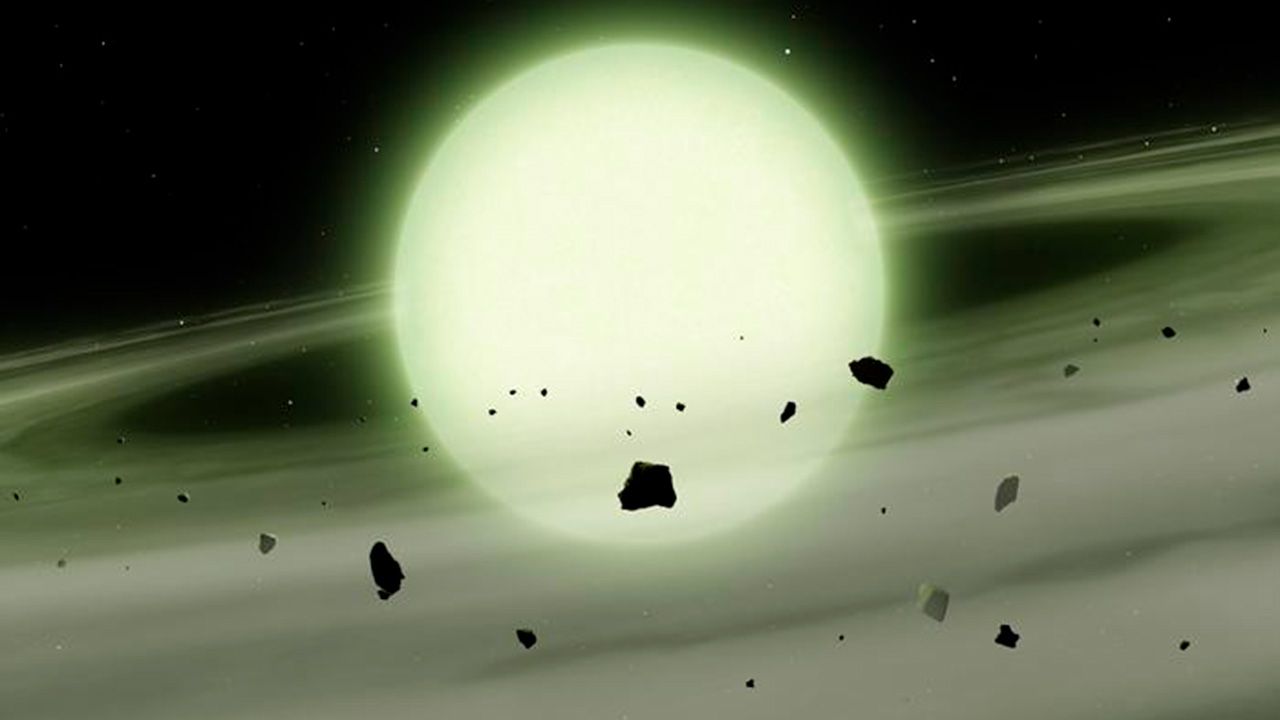
Stellar cores called white dwarfs come in an astonishing array of colors, including what scientists say is the first known green star and the reddest star ever found, new research reveals.A white dwarf star is the dense, cooling core that remains after a low- to medium-mass star runs out of fuel. The new study, published Thursday (Oct. 15) in the journal RAS Techniques and Instruments, shows that white dwarfs come in far more colors than their name suggests.White dwarf stars got their moniker because the first known examples glowed in either white or pale blue. The new study, however, suggests that "white" dwarfs also emit visible-light colors like pink, green, cyan, purple and yellow."Most ...

Experts unpack the science of screen addiction and how to build a healthier relationship with technology

Future Arctic winter sea ice is likely to shrink by around 1 million square kilometers (386,000 square miles) more than previously thought, after researchers used clues from a warm period 6,000 years ago to improve the reliability of climate models.

If you’re trying to avoid the worst of cold and flu season, looking after your mind can help shape your immune system, finds columnist David Robson

AI has taken huge strides in computer programming and mathematics – physics could be next

As Hurricane Simon unleashed destructive winds and flooding along Mexico’s coast, NASA satellites captured an extraordinary sight: massive atmospheric waves rippling high above the storm. The rare images reveal how powerful hurricanes can disturb the upper atmosphere, creating patterns that are usually invisible from space.

The decisive penalty kick in a final, match point in tennis or the last attempt in a competition: When a lot is at stake, even a well-practiced performance can suddenly break down. Yet pressure does not necessarily impair performance. Some people perform at their best precisely in the moments that matter most. Existing accounts can only partly explain why.
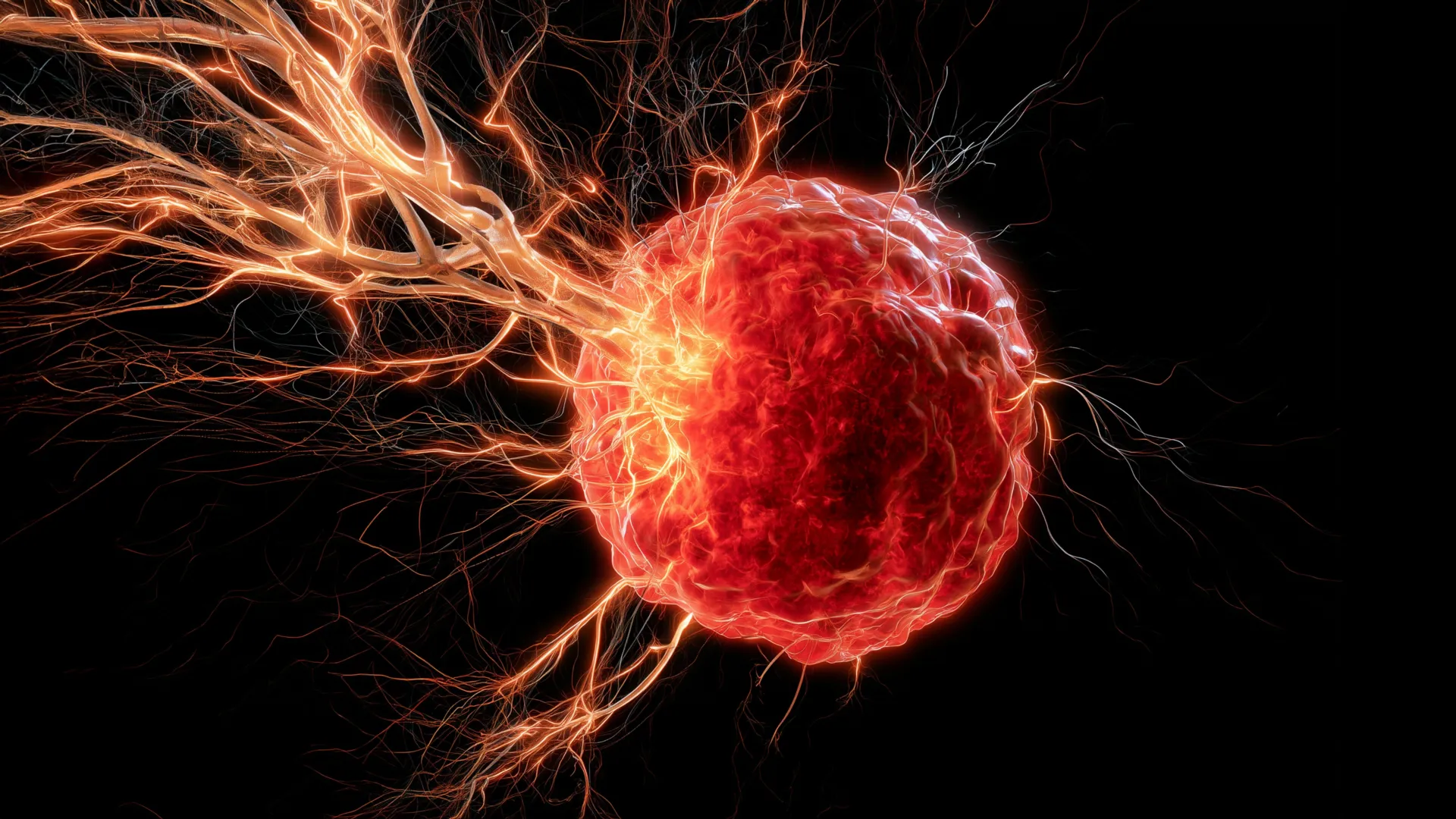
Scientists have discovered how to turn a protein that normally fuels cancer growth into a weapon against it. By activating PPARD in immune cells, researchers made them better at burning fat and attacking tumors, slowing or stopping cancer growth in laboratory experiments. The approach showed promise against colorectal, breast, and ovarian cancers, as well as melanoma.
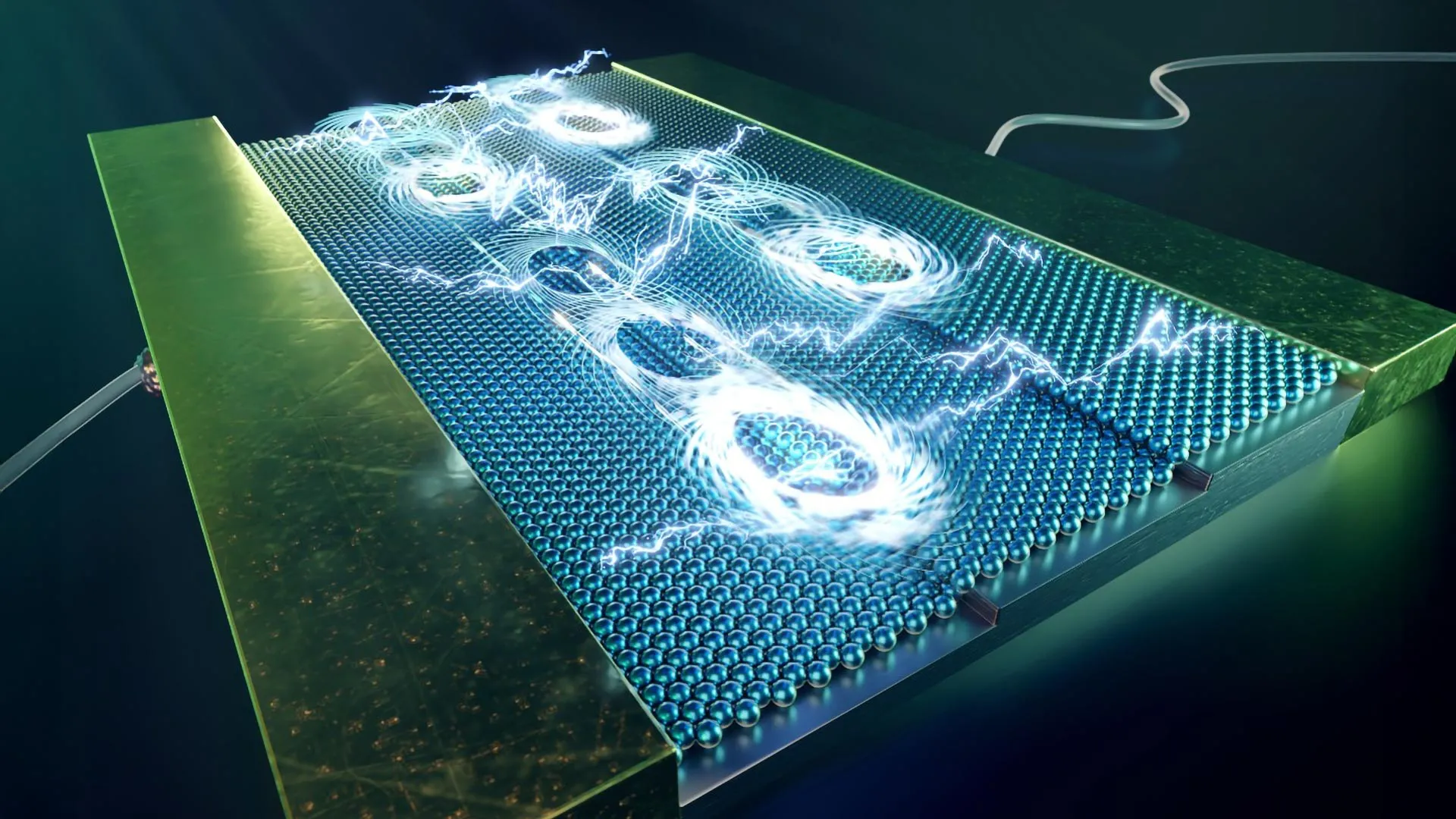
Scientists discovered that atomic steps just one atom high can guide quantum vortices through superconductors, making them move more than 1,000 times more easily in one direction than another. This remarkable control over quantum motion could lead to a new generation of ultra-efficient superconducting electronics.