Science News

Latest science news, discoveries and scientific developments.

The ambiguous costs of climate change
Science News

The ambiguous costs of climate change

As human activity has increased temperatures globally, determining the costs directly incurred by climate change is challenging. The effects of climate change on extreme weather events—such as hurricanes and heat waves—can be locally specific and variable, and observations and climate modeling might not accurately capture those effects.
📅 2026-10-17 14:20:01    •    Phys.org
New drug reverses severe fatty liver disease by repairing the gut
Science News

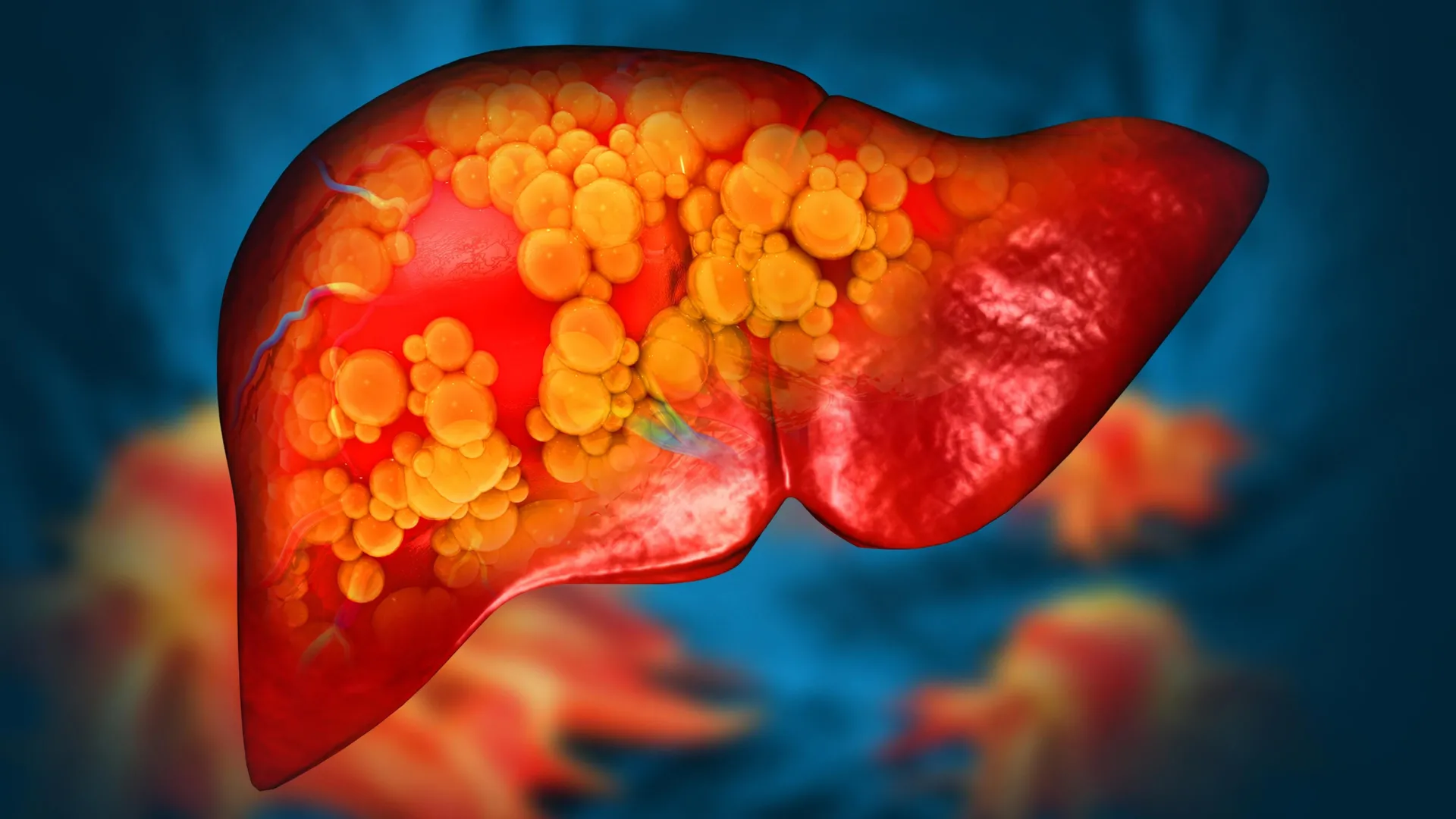
New drug reverses severe fatty liver disease by repairing the gut

Scientists have discovered that a potential new drug can reverse severe fatty liver disease in animal models by restoring gut health and blocking harmful substances from reaching the liver. The breakthrough could pave the way for new treatments for liver disease and potentially other serious conditions, including cardiovascular disease.

📅 2026-10-17 13:45:06    •    ScienceDaily
Lone, starless cloud may be a 'dark' galaxy
Science News

Lone, starless cloud may be a 'dark' galaxy

Astronomers using China's FAST radio telescope have discovered a compact cloud of hydrogen with no visible stars or galaxy around it. This could be one of the strongest candidates yet for an isolated "dark galaxy," containing nearly 500,000 times the sun's mass in neutral hydrogen. The discovery paper was posted to the arXiv preprint server on Sept. 24.

📅 2026-10-17 13:40:04    •    Phys.org
NASA’s Roman Space Telescope exceeds expectations by nearly 30%
Science News

NASA’s Roman Space Telescope exceeds expectations by nearly 30%

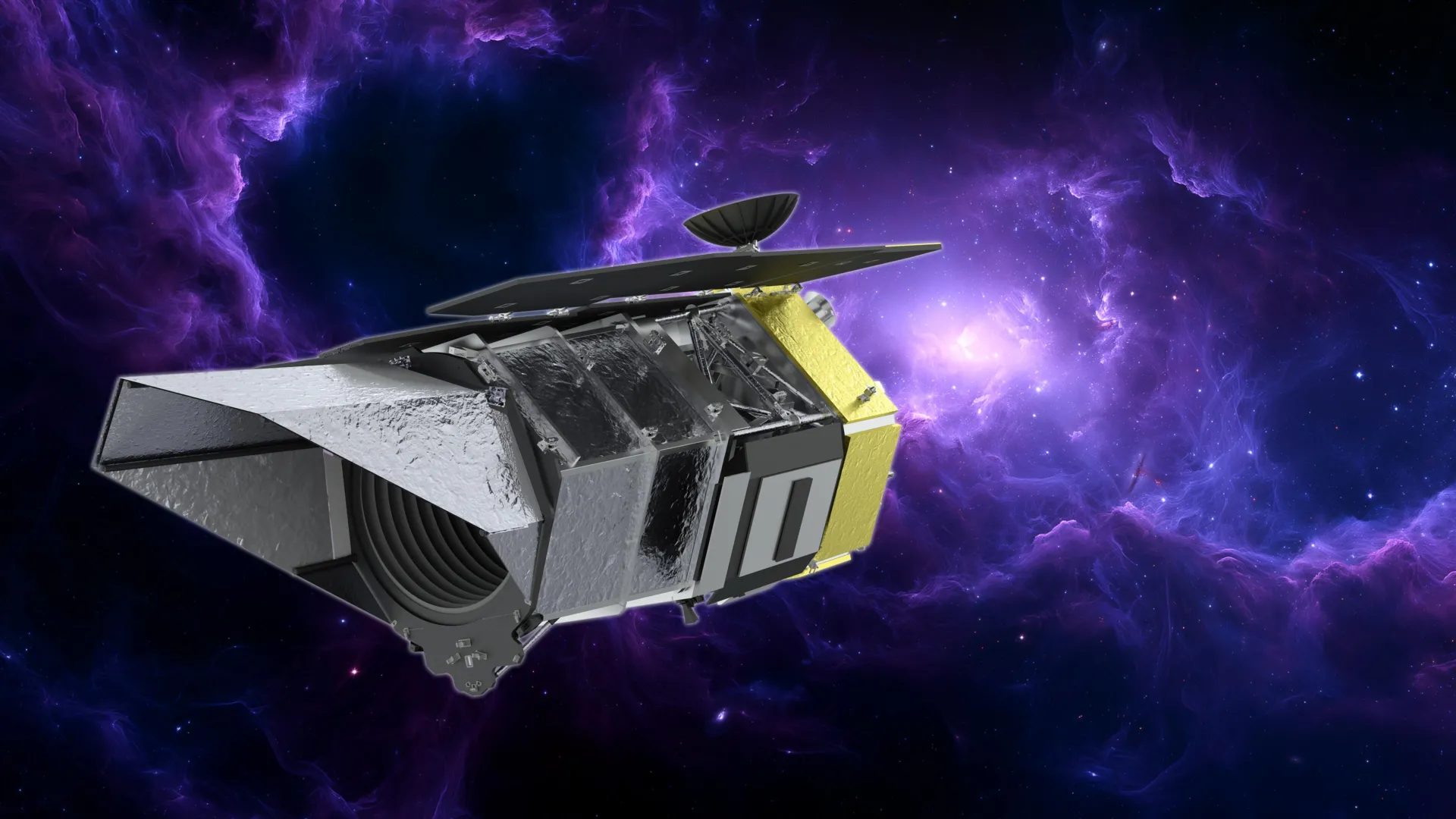
NASA’s Nancy Grace Roman Space Telescope has exceeded expectations after engineers made incredibly tiny adjustments to sharpen its view of the universe. By moving a mirror just one-sixteenth the width of a human hair, the team helped bring its powerful instruments into near-perfect alignment. Roman’s Wide Field Instrument now produces image quality nearly 30% better than predicted, promising exceptionally sharp cosmic surveys.

📅 2026-10-17 13:28:13    •    ScienceDaily
This bird flies thousands of miles, but its wings have a catch
Science News

This bird flies thousands of miles, but its wings have a catch

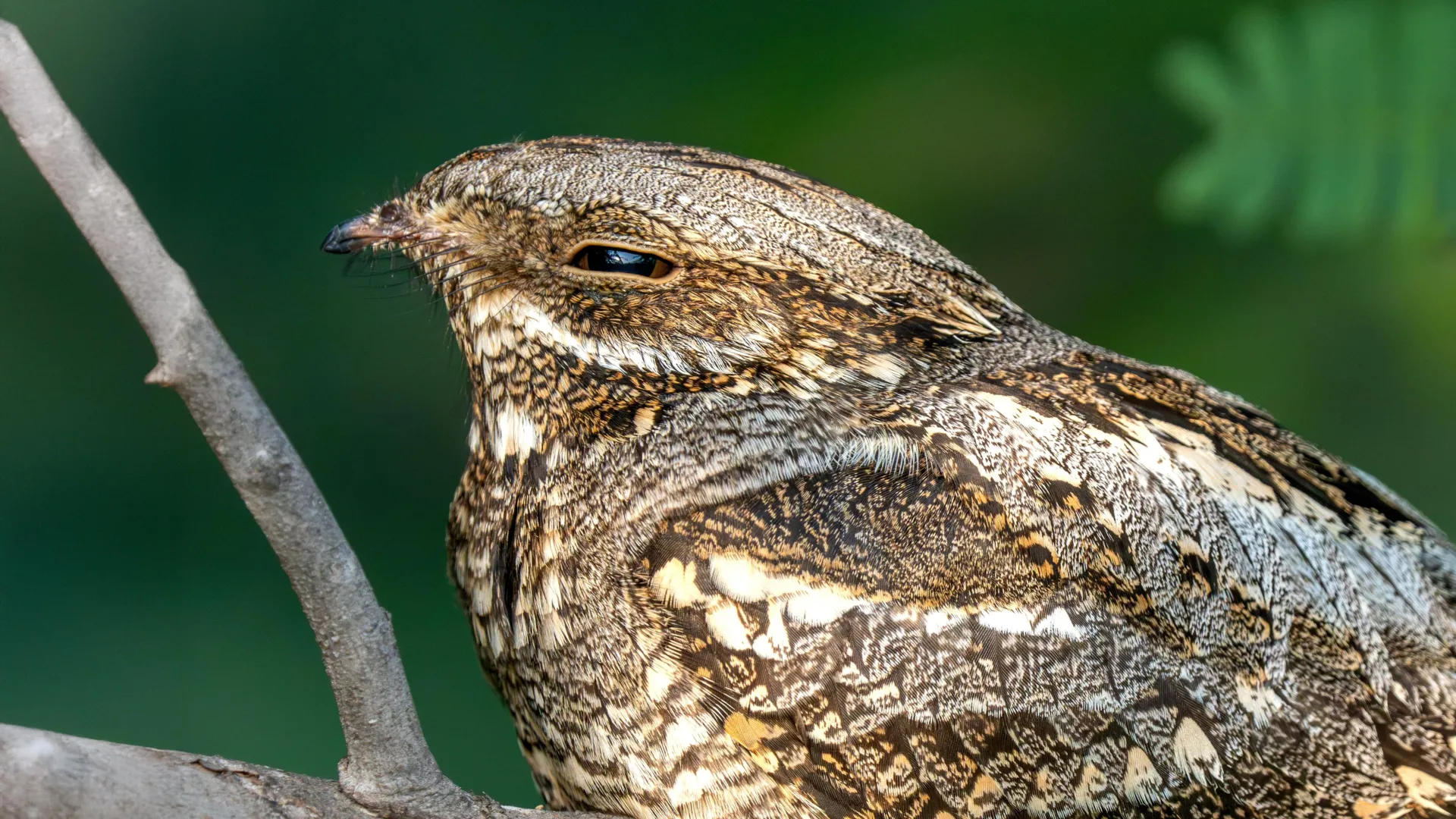
Scientists have uncovered an unexpected trade-off in the wings of the European nightjar, a bird that migrates thousands of kilometers but sacrifices high-speed flight efficiency to hunt insects with remarkable agility. Even more surprisingly, it generates thrust on the upward wingbeat, a technique that could inspire new flying technologies.

📅 2026-10-17 13:05:02    •    ScienceDaily
Red-sensitive pigments in mantis shrimp eyes act as reversible light switches
Science News

Red-sensitive pigments in mantis shrimp eyes act as reversible light switches

With about 30 visual pigments, compared to just three in humans, mantis shrimp possess a visual system that remains a mystery. Researchers from ULiège and Humboldt University in Berlin have, for the first time, analyzed these pigments one by one and discovered that some detect red light that very few animals can perceive. This finding, published in Science Advances, has potential applications in optogenetics.

📅 2026-10-17 13:00:01    •    Phys.org
Brain cells meant to protect us may be fueling cognitive decline
Science News

Brain cells meant to protect us may be fueling cognitive decline

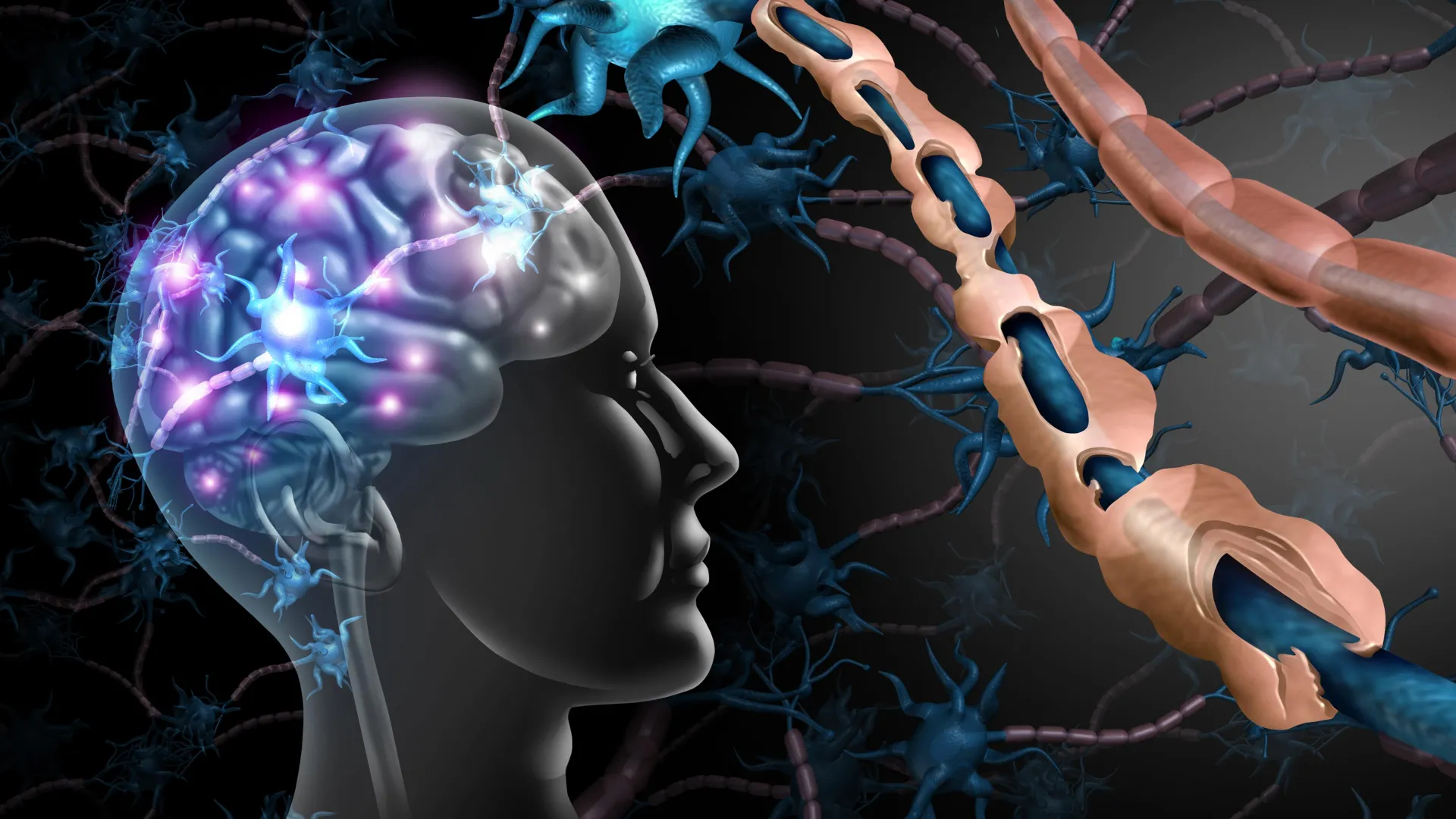
Scientists have uncovered a surprising cause of age-related cognitive decline involving brain cells previously thought to be entirely beneficial. As these cells become dysfunctional, they can produce abnormal amounts of myelin, disrupting nerve fibers and potentially contributing to worsening memory and thinking skills.

📅 2026-10-17 12:44:22    •    ScienceDaily
NASA’s Webb reveals the wild weather of a mysterious world 20 light-years away
Science News

NASA’s Webb reveals the wild weather of a mysterious world 20 light-years away

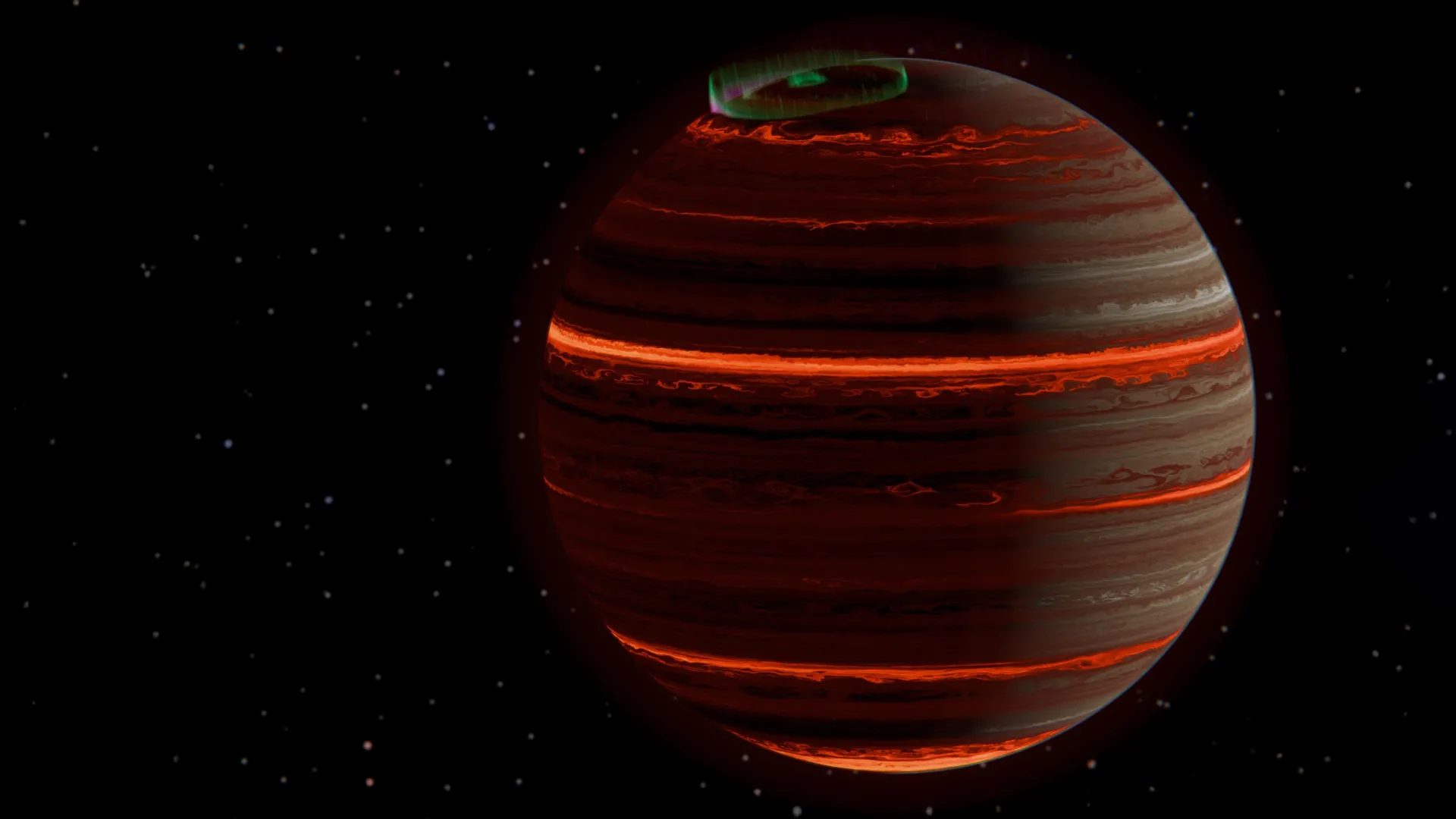
NASA’s James Webb Space Telescope has revealed that a turbulent world 20 light-years away has a surprisingly orderly weather system, with three recurring atmospheric states driven by temperature changes and shifting clouds. The breakthrough gives scientists a powerful new tool for uncovering weather patterns on distant worlds and understanding the conditions that shape their atmospheres.

📅 2026-10-17 12:26:49    •    ScienceDaily
Electrical sliding switches graphene between magnetic states
Science News

Electrical sliding switches graphene between magnetic states

In a discovery that could offer a new way to control quantum properties in two-dimensional materials, researchers at Cornell have found that electrically sliding the layers of ultrathin graphene can switch the material between distinct magnetic states that persist even after the voltage is removed.

📅 2026-10-17 12:00:06    •    Phys.org
Global survey links financial hardship to lower trust in science
Science News

Global survey links financial hardship to lower trust in science

Poor access to health care, limited local influence over research priorities and an unequal distribution of scientific benefits are undermining public confidence in science, experts warn, following the release of a global trust survey.

📅 2026-10-17 12:00:01    •    Phys.org
California redwoods are struggling in the heat — and it's not clear how much damage is being done
Science News

California redwoods are struggling in the heat — and it's not clear how much damage is being done

When temperatures spike, California redwoods slow down photosynthesis, new research has found. This finding has serious implications for the long-term survival of the iconic trees in a warming world, and their role in storing carbon from the atmosphere.California redwood (Sequoia sempervirens) forests are among the largest aboveground carbon stores on the planet. These towering trees are native to central and northern California, and evolved to take advantage of the region's historically mild weather. In recent decades, their range has contracted significantly. But climate change is threatening the health and function of these forests.The region has seen significant warming in recent decades...

📅 2026-10-17 11:45:00    •    Live Science
A 24-year study uncovers a surprising climate benefit beneath forests
Science News

A 24-year study uncovers a surprising climate benefit beneath forests

Scientists have discovered that some forest soils are becoming surprisingly better at removing methane from the atmosphere as temperatures rise and rainfall declines. A study spanning up to 24 years found methane absorption increasing by an average of 3% annually, challenging previous predictions about climate change's effects on forests.

📅 2026-10-17 11:33:48    •    ScienceDaily
During El Niño, a perfect storm of weather systems could spell disaster for the Great Barrier Reef
Science News

During El Niño, a perfect storm of weather systems could spell disaster for the Great Barrier Reef

The strong El Niño currently under way in the Pacific Ocean raises the specter of marine heat waves and coral bleaching once again threatening Australia's iconic Great Barrier Reef. And now new research has revealed the complex interplay of atmospheric patterns and weather systems thousands of kilometers apart that can combine in a recipe potentially fatal for coral reefs.

📅 2026-10-17 11:00:07    •    Phys.org
Is the brain actually 2 nervous systems smooshed together? A new study claims it is.
Science News

Is the brain actually 2 nervous systems smooshed together? A new study claims it is.

Recent research challenges a long-standing idea about how the brain develops: Rather than arising from a single source, the brain may emerge from two distinct populations of cells, the study finds."The brain appears as one organ," said study co-author Kyle Loh, an associate professor of developmental biology at Stanford University. "However, we discovered that the front part of the brain and the back part of the brain come from different sources, which are pushed together to create the appearance of a single organ," Loh told Live Science in an email.The findings, published in September in the journal Nature Neuroscience, not only challenge established models of how the brain forms but may al...

📅 2026-10-17 11:00:00    •    Live Science
Has there ever been a mountain taller than Everest?
Science News

Has there ever been a mountain taller than Everest?

Sometimes, it takes a great struggle to build towering peaks. And what more thunderous event is there than the clashing of continental plates? Geological pileups have birthed some of the largest and tallest mountains on the planet, including Mount Everest and its Himalayan neighbors. But has there ever been a peak taller than Mount Everest, which stands 29,032 feet (8,849 meters) above sea level? The answer is still a mystery, but there are some geological clues about where the tallest peaks would have been in the ancient past, experts told Live Science. Earth's lost mountainsGeologists don't have the level of detail required to pinpoint an exact highest peak hundreds of millions of years ag...

📅 2026-10-17 09:00:00    •    Live Science
New 4,300-mile-long internet cable will shuttle data along the ocean floor at 1 million gigabits per second
Science News

New 4,300-mile-long internet cable will shuttle data along the ocean floor at 1 million gigabits per second

A new 4,300-mile (7,000-kilometer) undersea fiber cable will shuttle data between the U.S. and France at breakneck speeds of up to 1 million gigabits per second (Gbps) — enough to move around 125 terabytes of data every second, or roughly 25,000 HD movies, each 5 gigabytes large. The cable, called Petal, will be funded and operated by Facebook and Instagram parent company Meta.When it comes online in 2029, the ocean-spanning cable will be the first to deliver petabit capacity — double the capacity of existing subsea cables of this length — across transoceanic distances, Meta representatives said in a statement. That's enough to allow 75% of the world's population to stream music at once.Peta...

📅 2026-10-17 09:00:00    •    Live Science
Optical imaging links altered metabolism and oxygen use in Alzheimer's disease
Science News

Optical imaging links altered metabolism and oxygen use in Alzheimer's disease

Alzheimer's disease is best known for its effects on memory and cognition, but the disease also involves changes in how brain cells produce and use energy. Mitochondria, the structures that supply much of a cell's energy, can become dysfunctional in Alzheimer's disease. At the same time, changes in blood flow and oxygen availability may place additional demands on brain tissue. Understanding how these processes interact could help researchers characterize metabolic changes that accompany the disease.

📅 2026-10-17 08:16:41    •    Phys.org
Scientists discover how deep sleep builds muscle, burns fat, and boosts the brain
Science News

Scientists discover how deep sleep builds muscle, burns fat, and boosts the brain

Scientists have discovered a surprising two-way relationship between sleep and growth hormone, revealing how the brain carefully balances physical recovery with wakefulness. The findings could help explain why poor sleep harms metabolism and brain health, potentially opening the door to new treatments for sleep and neurological disorders.

📅 2026-10-17 05:14:50    •    ScienceDaily