Japan to launch spacecraft on a mission to get samples from a Martian moon
Japan is set to launch a spacecraft on the world's first mission to bring back samples from Phobos, one of the two small, potato-shaped moons orbiting Mars.
Latest science news, discoveries and scientific developments.
Japan is set to launch a spacecraft on the world's first mission to bring back samples from Phobos, one of the two small, potato-shaped moons orbiting Mars.
Scientists have uncovered a surprising difference in how male and female skin repairs and renews itself. By tracking individual skin stem cells in living mice for five months, researchers discovered that female cells work together in a highly coordinated way, while male cells operate more independently. This synchronization, driven by sex hormones, helps explain why wounds heal faster in female mice, especially during the first few days.
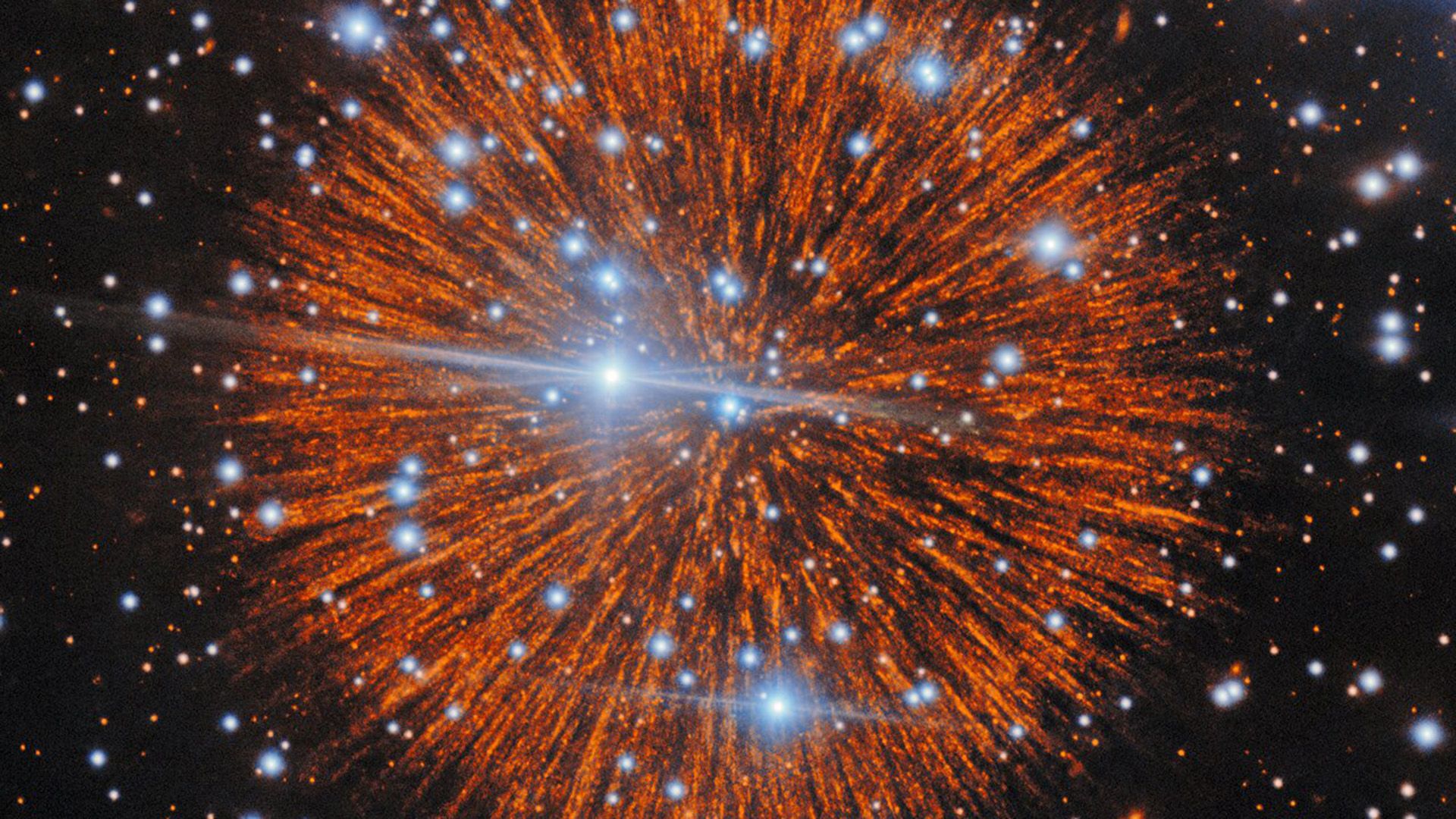
Quick factsWhat it is: Pa 30, a supernova remnantWhere it is: 7,500 light-years away, in the constellation CassiopeiaWhen it was shared: Oct. 6, 2026A mysterious "guest star" recorded by medieval astronomers nearly 850 years ago has revealed new secrets after scientists obtained the clearest images yet of its explosive aftermath. New observations of Pa 30, thought to be the leftovers of a historic supernova called SN 1181, show that its spectacular firework-like filaments are not smooth streams of material. Instead, they consist of chains of tiny gas knots.SN 1181 is so called because astronomers in China and Japan recorded its brief appearance in the year 1181, when they saw it as a naked-e...
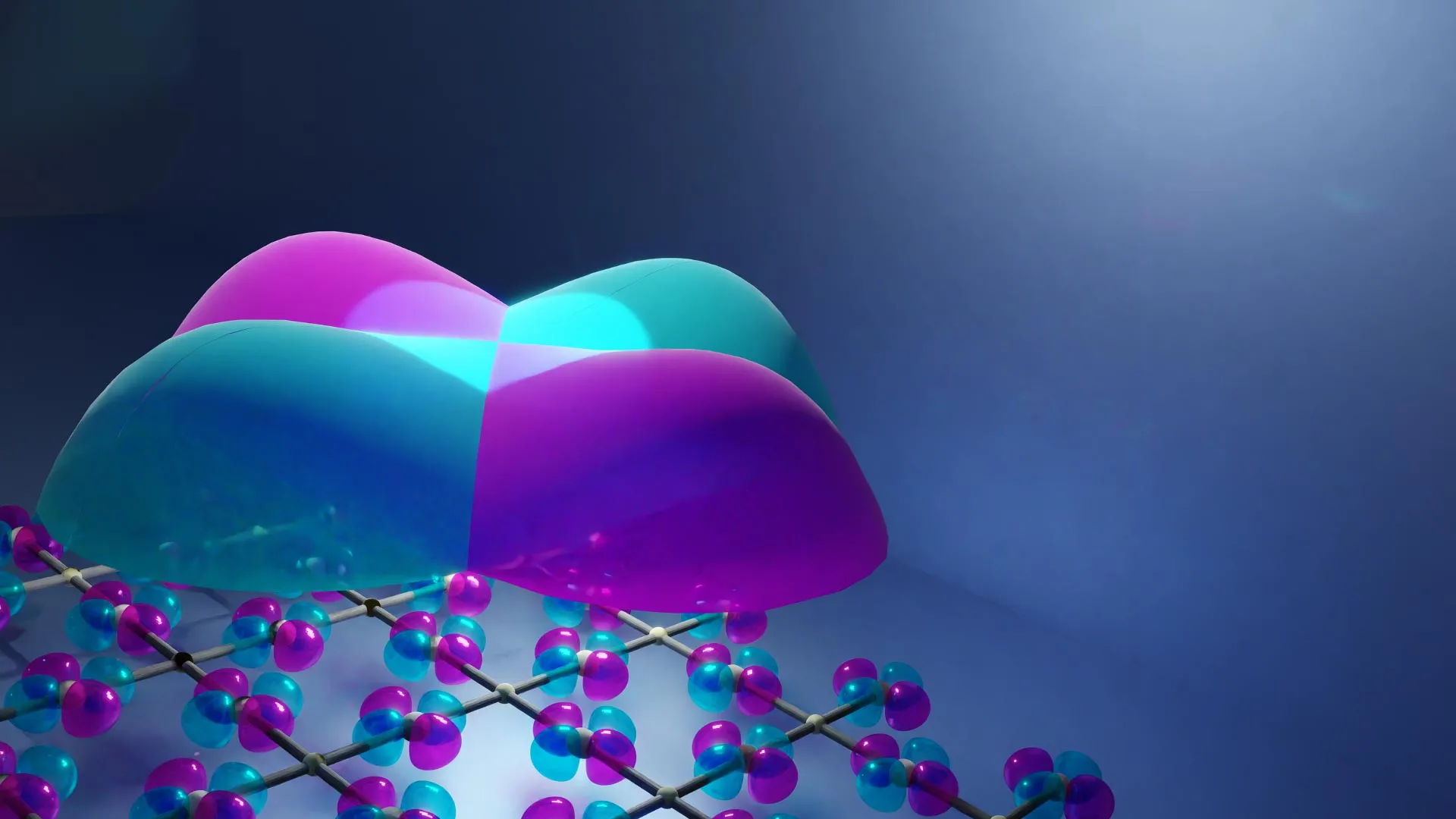
Physicists have uncovered a hidden third form of magnetism that challenges more than 100 years of established physics. Called altermagnetism, the discovery could transform future computing and electronics while opening an entirely new frontier in quantum research.
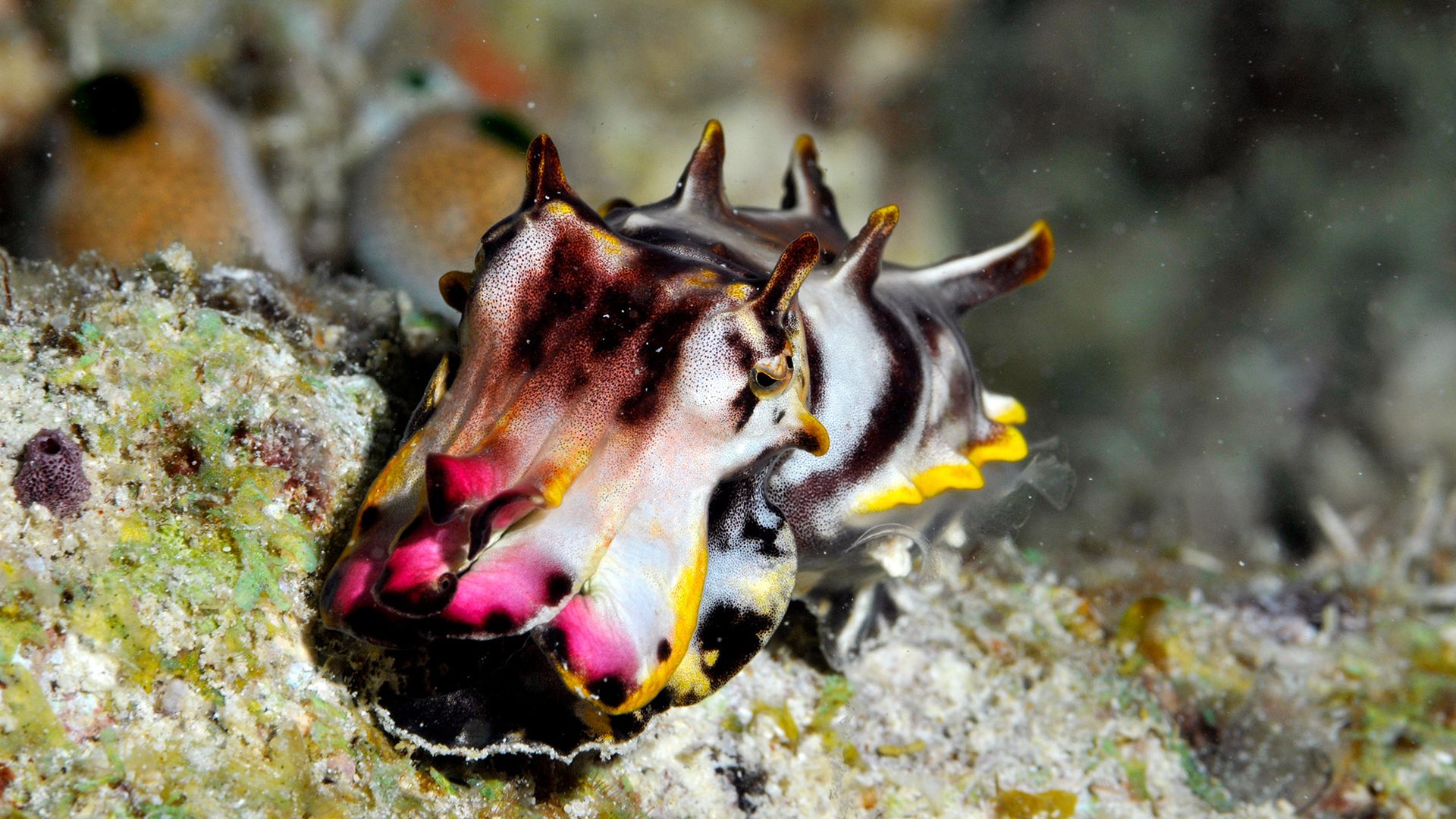
Like their cephalopod cousins the octopuses, cuttlefish are masters of disguise. As they hunt, these marine predators send waves of color across their skin. The rainbow display stops prey in their tracks, granting the cuttlefish just enough time to shoot out two specialized hunting tentacles at lightning speed and snatch them into range of their deadly beaks. But can cuttlefish actually mesmerize prey with their colorful skin changes? Or is something fishier at play?Experts told Live Science that cuttlefish are ingenious hunters, but that there's likely an even more mysterious process than hunter to prey hypnosis going down on the seafloor.A calculated hunterCuttlefish are visual hunters, us...
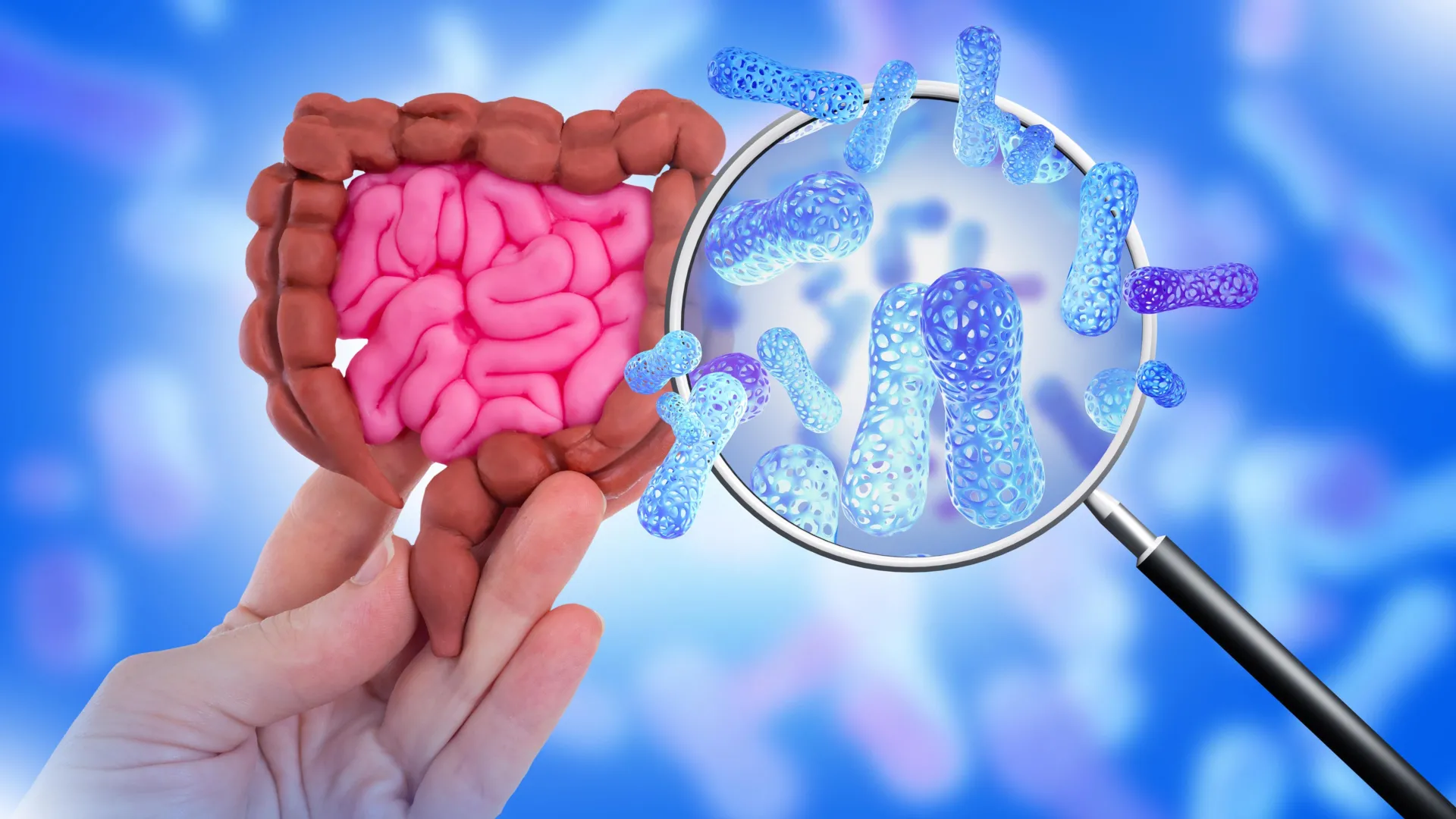
Scientists have discovered that many common sweeteners can interfere with gut bacteria, with some combinations involving medications producing surprisingly strong effects. One sweetener mixed with a widely prescribed antidepressant reduced beneficial bacteria and microbial diversity in laboratory experiments, raising new questions about potential effects on gut health and immunity.
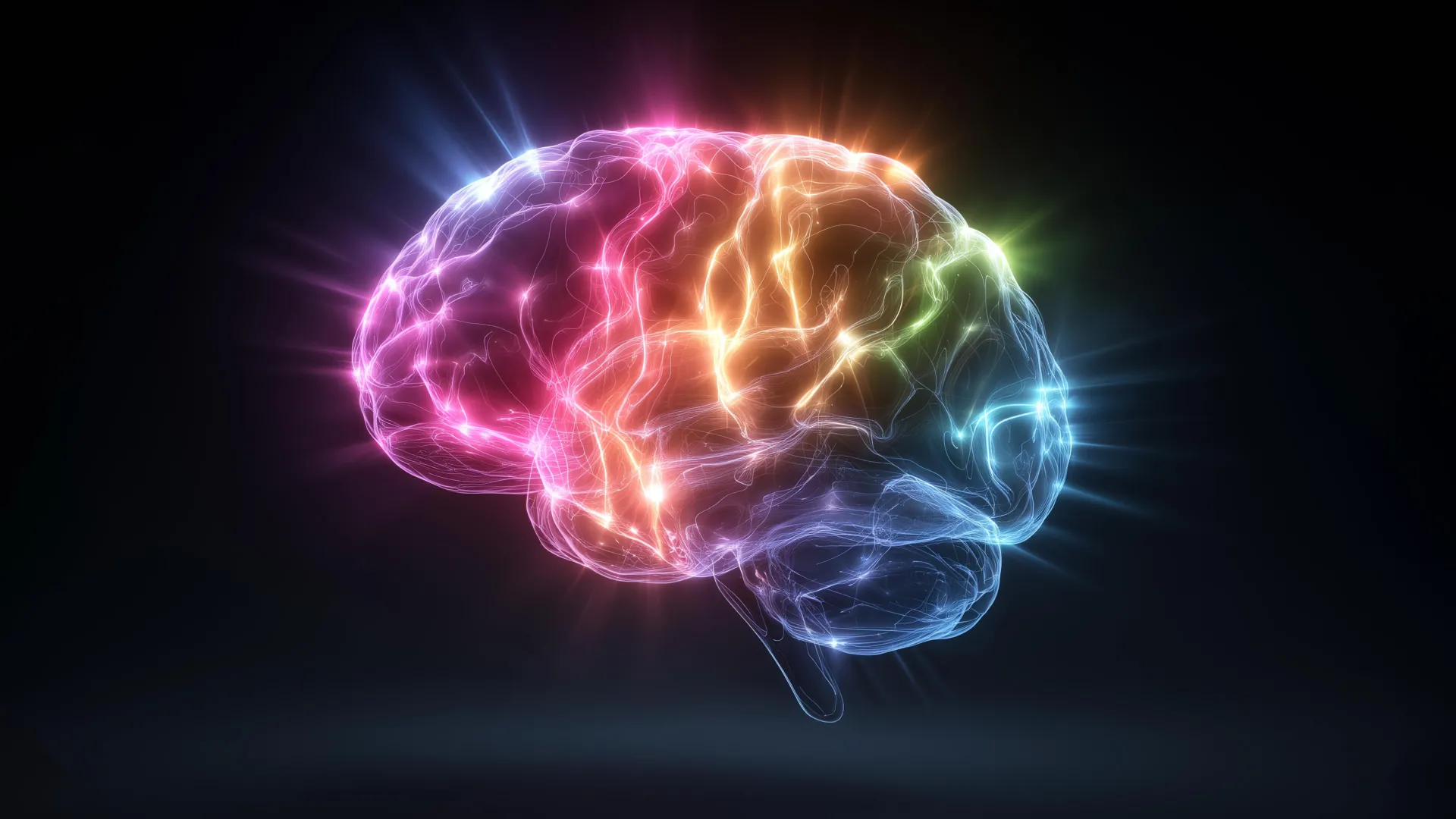
Scientists have discovered that a protein linked to youth helps protect the brain’s immune cells from age-related decline. Restoring the protein in older mice improved the cells’ ability to clear debris and reduced signs of inflammation, raising hopes for future treatments targeting brain aging and Alzheimer’s disease.
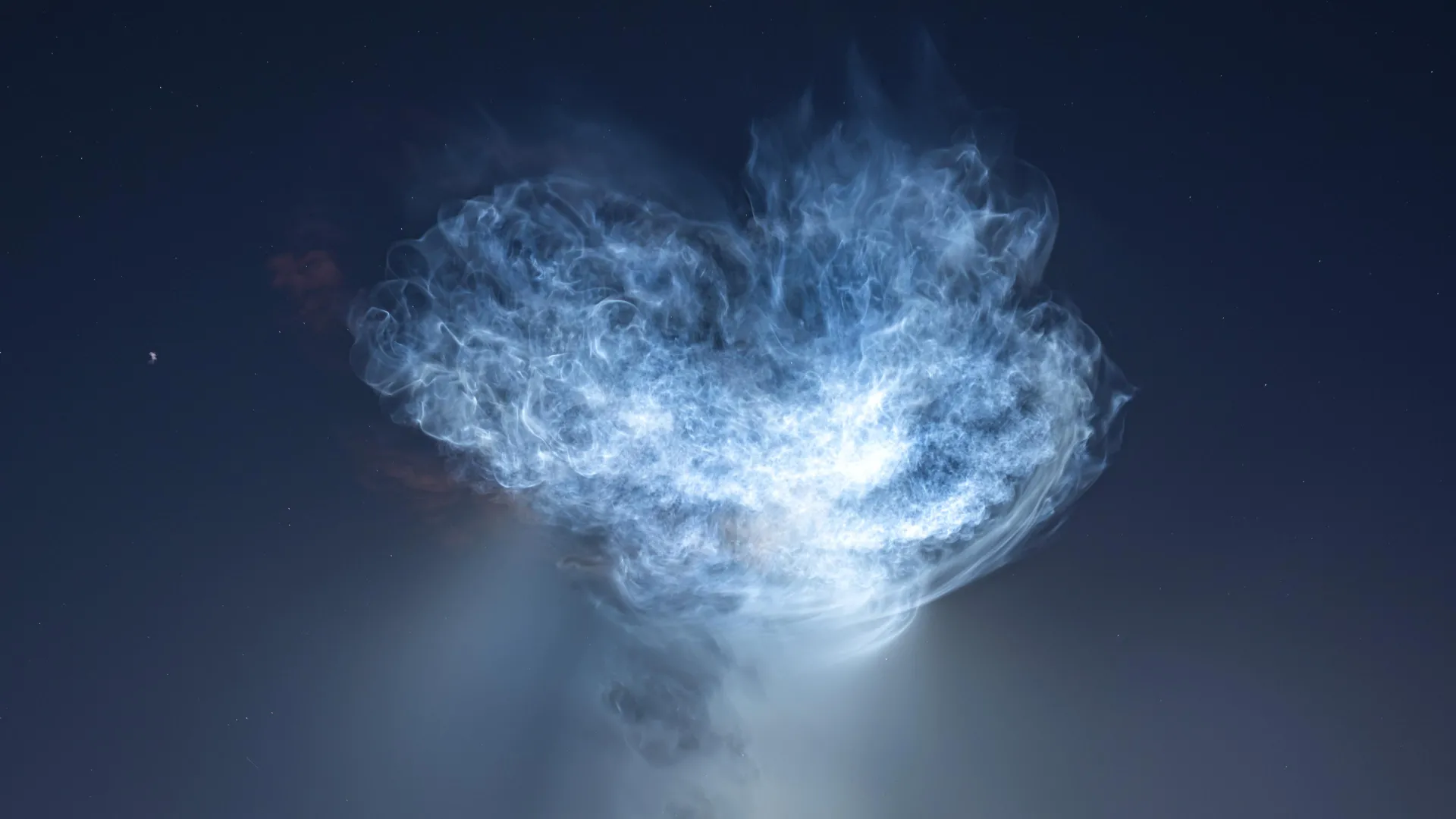
A SpaceX Falcon 9 rocket created a dazzling, jellyfish-shaped glow across the eastern United States as sunlight illuminated its exhaust during an early morning launch. The mission delivered equipment and scientific experiments to the International Space Station, including research that could advance treatments for blindness, Alzheimer's, Parkinson's, and other diseases.
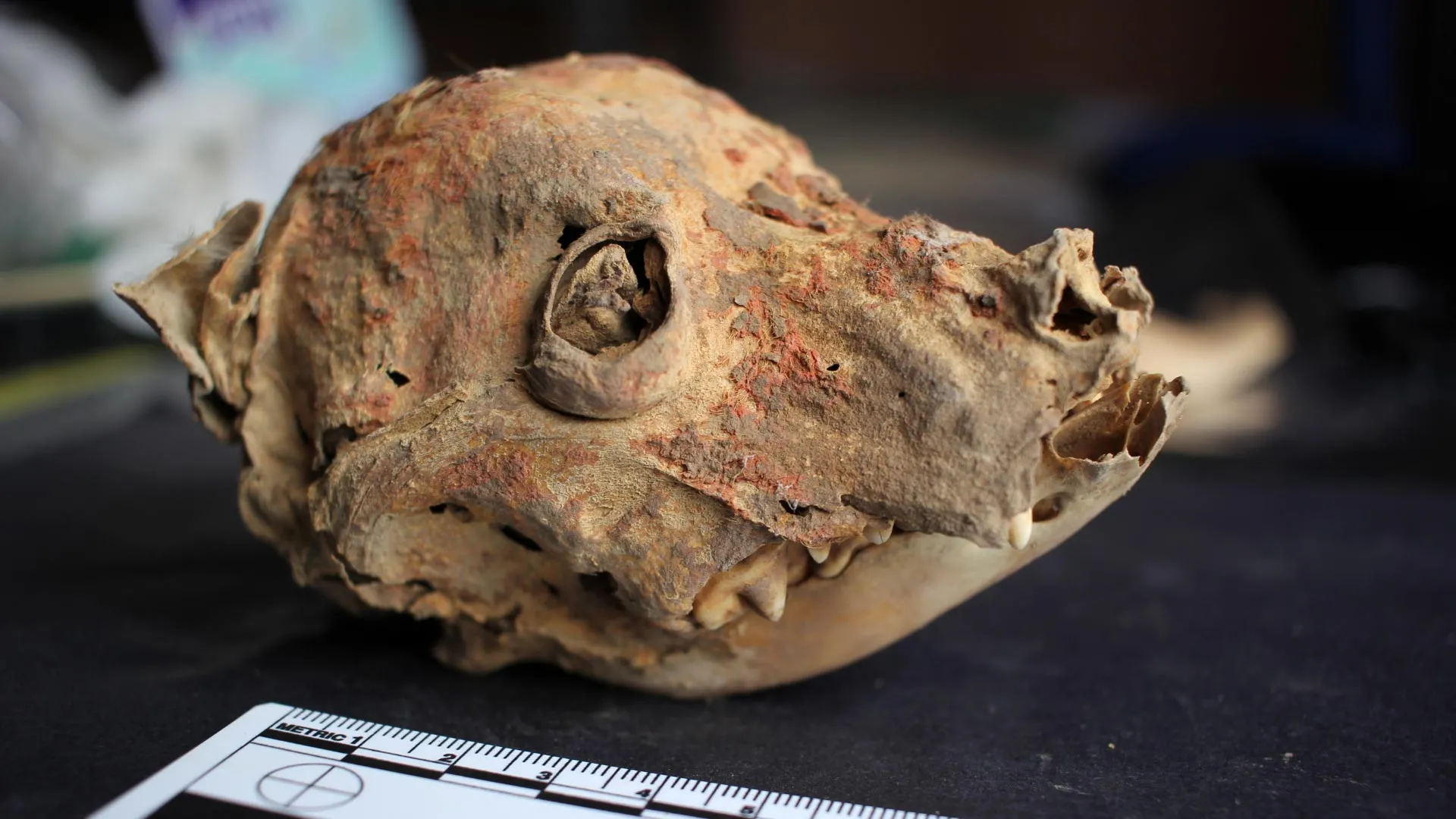
Archaeologists have discovered 1,200-year-old remains of Peru’s famous hairless dogs at an ancient Wari Empire burial site, including remarkably preserved mummies and puppies buried alongside humans. Their unusual teeth, diets, and burial arrangements reveal surprising clues about how ancient Peruvians cared for, bred, and sometimes discarded their dogs.
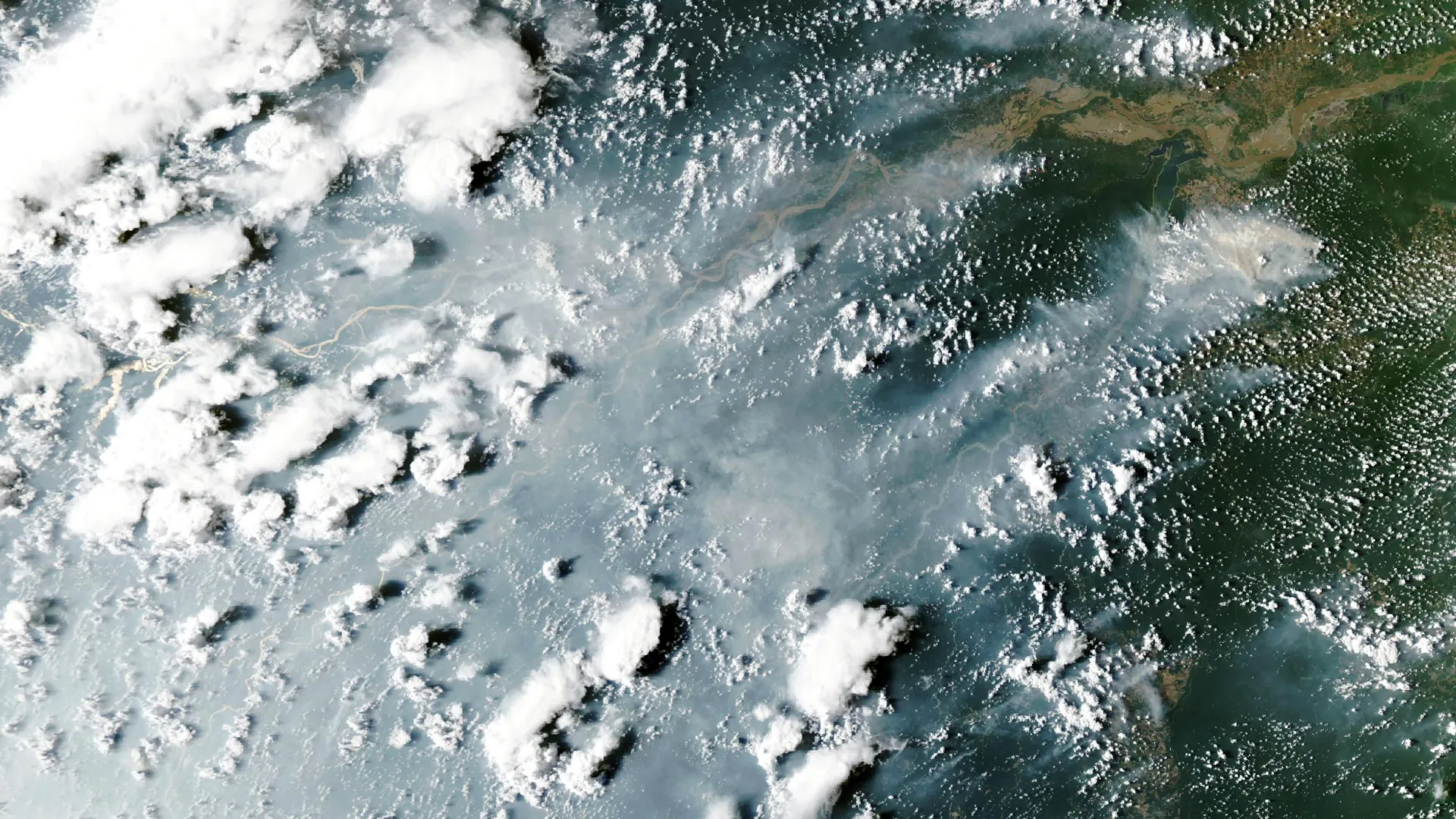
El Niño is fueling a dangerous cascade of wildfires across the tropics, with the Amazon rainforest now experiencing widespread burning and scientists warning that the worst may still be ahead. NASA researchers are uncovering dozens of previously undetected fires, suggesting the destruction could be even more extensive than satellite records show.
A shipwreck off the coast of Turkey is the oldest shipwreck in the world, our team of archaeologists believes. There's little left of the ship itself, but based on clues from its cargo—including pottery vessels—a research team I was part of has tentatively dated the wreck to around 2700–2400 B.C.
Ever wonder what goes on inside the brain of a worm—how it processes information, responds to stimuli and perceives the world around it? Northeastern University researchers have opened up that can of worms, specifically the one containing C. elegans, a tiny roundworm that's one of the most extensively studied animals in biology.
A new international study led by Lund University examines what happened to population levels after the Kikai-Akahoya volcanic eruption in prehistoric Japan. The results paint a more complex picture than what had previously been believed. The paper is published in the journal Science Advances.
Lawrence Livermore National Laboratory (LLNL) researchers are developing three-dimensional simulations to examine how a nuclear device could be used to deflect or potentially disrupt an asteroid threatening Earth.
Headphones could be a simple way to ease vomiting after surgeryAnchiy/Getty Images Nausea and vomiting are common after surgery, but wearing noise-cancelling headphones during the procedure helps prevent these unpleasant side effects. This simple intervention also supports the idea that our brain processes sounds even when we’re not consciously aware of our surroundings. “That data is really encouraging and is actually in line with decades of research showing that anaesthesia is not simply an off switch,” says Vigi Katlowitz at the Baylor College of Medicine in Houston. Read more Powerful new book explores how noise has taken over the world Nausea and vomiting are common side effects of anae...
Qubits, the quantum equivalent of digital bits, are fragile and prone to errors. That makes building reliable quantum computers extremely difficult. One fix has been to use traditional magic state distillation, which filters out flaws, but it is extremely resource-intensive.
When a massive environmental disaster strikes, do societies simply collapse and disappear? Or do people find a way to adapt, rebuild and recover?
When someone is badly injured, doctors urgently need two facts: the patient's blood type, so that a transfusion is safe, and their hematocrit, the share of the blood made up of red blood cells, which reveals blood loss or anemia. Hospitals measure both with large machines that need electricity and trained staff, which are often unavailable in ambulances, disaster zones or remote clinics.
The ocean beneath Saturn's moon Enceladus lies under kilometers of ice, but some of its contents do reach the surface. Jets near the south pole spray out water vapor and icy particles, offering a way to investigate the hidden ocean without drilling down to it.
When scientists talk about scavengers, you might imagine an animal sniffing out or stumbling across a carcass, eating as much as possible and slinking away.