Error-correction record pushes quantum computers closer to usefulness
Useful quantum computers will have to use many “logical qubits” as their computational building blocks, and researchers just broke the record for how reliable they can be
Latest science news, discoveries and scientific developments.
Useful quantum computers will have to use many “logical qubits” as their computational building blocks, and researchers just broke the record for how reliable they can be
Walking just 3,000 steps a day could help slow Alzheimer’s-related brain changes, according to new research. Scientists discovered that physical activity was linked to less buildup of harmful tau proteins and nearly half the cognitive and functional decline, even in people already showing early signs of the disease. The strongest benefits appeared at 5,000 to 7,500 daily steps, suggesting that the popular 10,000-step goal may not be necessary.
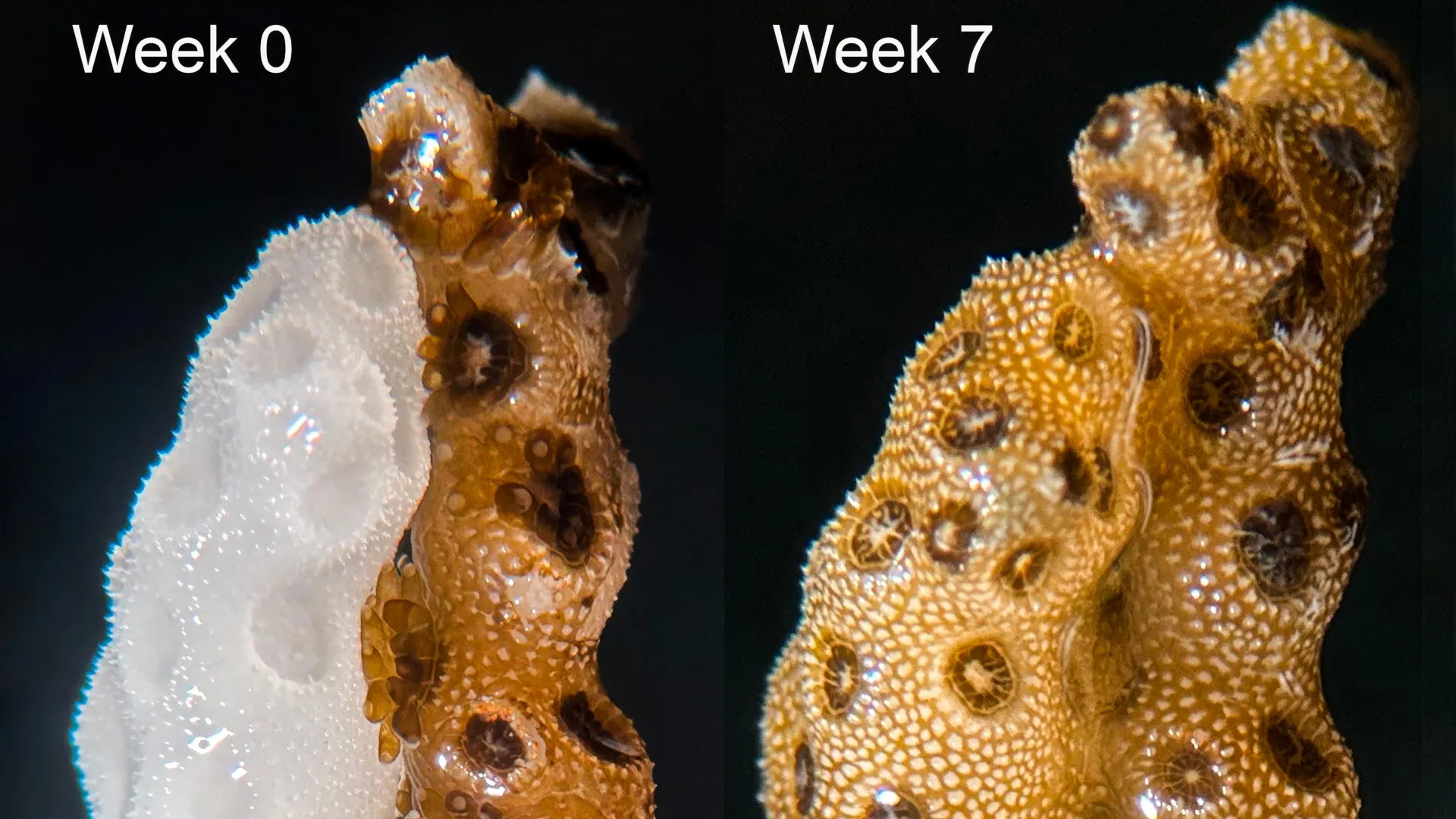
Scientists have discovered that severely bleached corals can make a remarkable comeback simply by touching healthy, genetically identical corals. In laboratory experiments, dying corals regained their color and fully recovered within seven weeks, with as little as five days of contact sometimes enough to start the healing process.
Astronomers have uncovered a surprising rainbow of dead stars, including the first known star that would appear genuinely green to human eyes. Researchers found that white dwarfs can glow in unexpected shades of pink, purple, yellow, and cyan because of unusual chemical interactions in their extremely dense atmospheres.
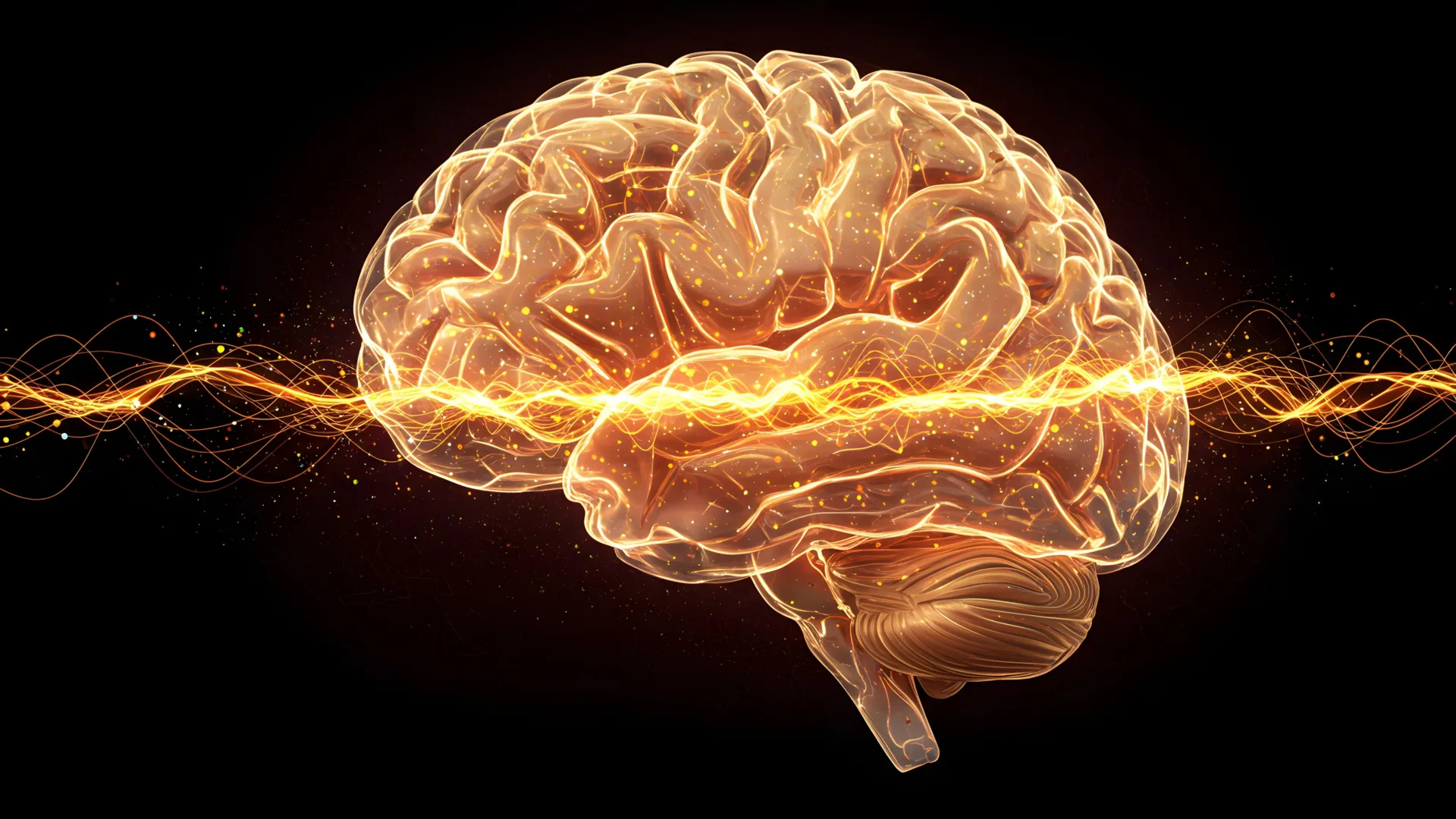
A discovery in tiny algae led to a Nobel Prize-winning breakthrough that allows scientists to switch brain cells on and off using light. The revolutionary technique has already helped researchers activate memories and is opening new possibilities for restoring vision and treating brain disorders.
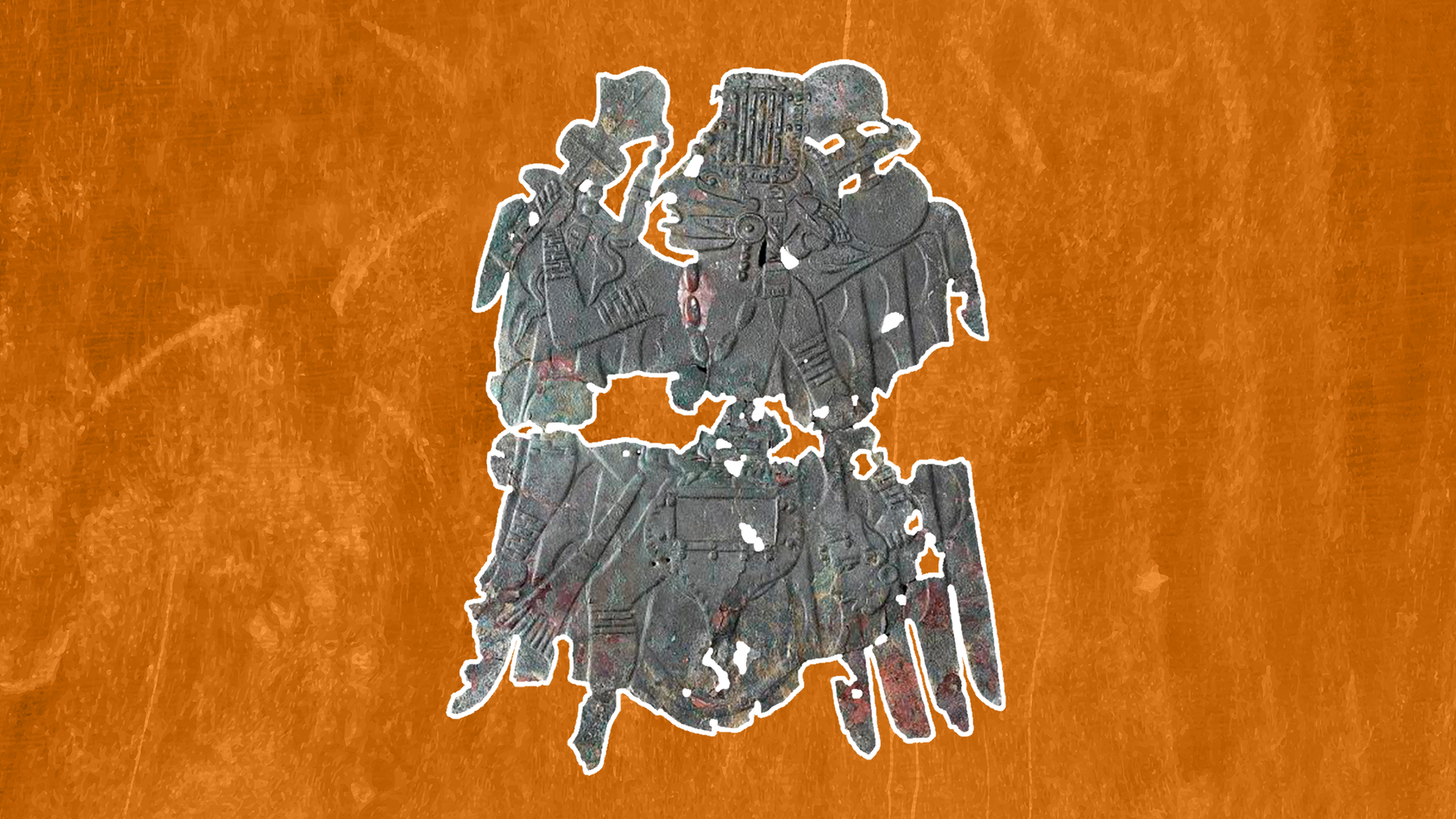
This hammered copper artifact depicts an Indigenous person wearing a bird costume and holding a severed head and a mace. (Image credit: Smithsonian National Museum of Natural History (CC0))QUICK FACTSName: "Birdman" copper plateWhat it is: A copper plate with a hammered decorationWhere it is from: Cahokia Mounds, IllinoisWhen it was made: 13th centuryThis copper plate was discovered in the late 19th century in a prehistoric Native American burial at the Etowah Indian Mounds archaeological site in Georgia, but it was likely made hundreds of miles away at Cahokia Mounds in Illinois. While the decorative plate showcases long-distance trade and a shared ritual culture among early Indigenous grou...
El Niño has already raised sea levels in part of the eastern Pacific by 40 centimetres and as it continues to strengthen, there could be coastal flooding from Alaska to Chile
New research reveals how bee stingers work, why microplastics may be harmful and what postmenopausal ovaries are doing decades later
Nearly 200 nations are gathering in Armenia on Monday for critical negotiations as governments come under pressure to salvage a landmark nature pact whose goals are slipping out of reach.
A bumblebee-like insect that was last seen in France 150 years ago was spotted again in the Paris region in 2025.
Scientists have uncovered an unexpected culprit behind sleep loss in Alzheimer’s disease: overactive immune cells in the brain. By temporarily removing these cells, researchers restored more than two hours of sleep per day in mice, revealing a promising new target for treatment.
A new study led by researchers at ETH Zurich (Switzerland) and the Vrije Universiteit Brussel (Belgium) reveals that glaciers worldwide could lose ice faster than previously projected. Published in Nature Communications, the research shows that accounting for daily weather variability leads to more realistic simulations of glacier melt and results in greater projected ice loss by the end of the century. The findings highlight the importance of short-lived weather events, such as the exceptional heat waves and extreme melt seasons recently observed in several glacierized regions around the globe.
Rising temperatures around the globe are contributing to a range of health risks, from infectious disease to food insecurity and wildfire smoke. Extreme heat is another major public health concern, as climate change drives up both average temperatures and the frequency of extremely hot days. This August was the world's hottest on record, and it drove upticks in heat-related emergency visits and deaths in various U.S. states.Hotter weather is expected to pose dangerous health risks for millions, and pregnant people are especially vulnerable to its impacts, experts caution."Pregnant people are physiologically more vulnerable to heat," Dr. Susanna Esposito, a pediatrician at the University of P...
Juan Mayorga smiled as a stingray glided across his computer screen, moving gracefully over the seabed near Portugal's Desertas Islands, part of the Madeira archipelago in the Atlantic Ocean.
Britain's Met Office says this year's El Niño is "unprecedented." Japan's weather agency has called it the strongest ever observed. U.S. forecasters say it still trails the biggest events in its record books.
Ken Schreiber was 9 when Neil Armstrong took his first steps on the moon in 1969—a moment he would never forget. Like Armstrong, he became a military fighter pilot.
Welcoming a new baby brings moments of joy, major milestones and significant expenses. And four in five parents say it costs too much to have a baby, according to the University of Michigan Health C.S. Mott Children's Hospital National Poll on Children's Health.
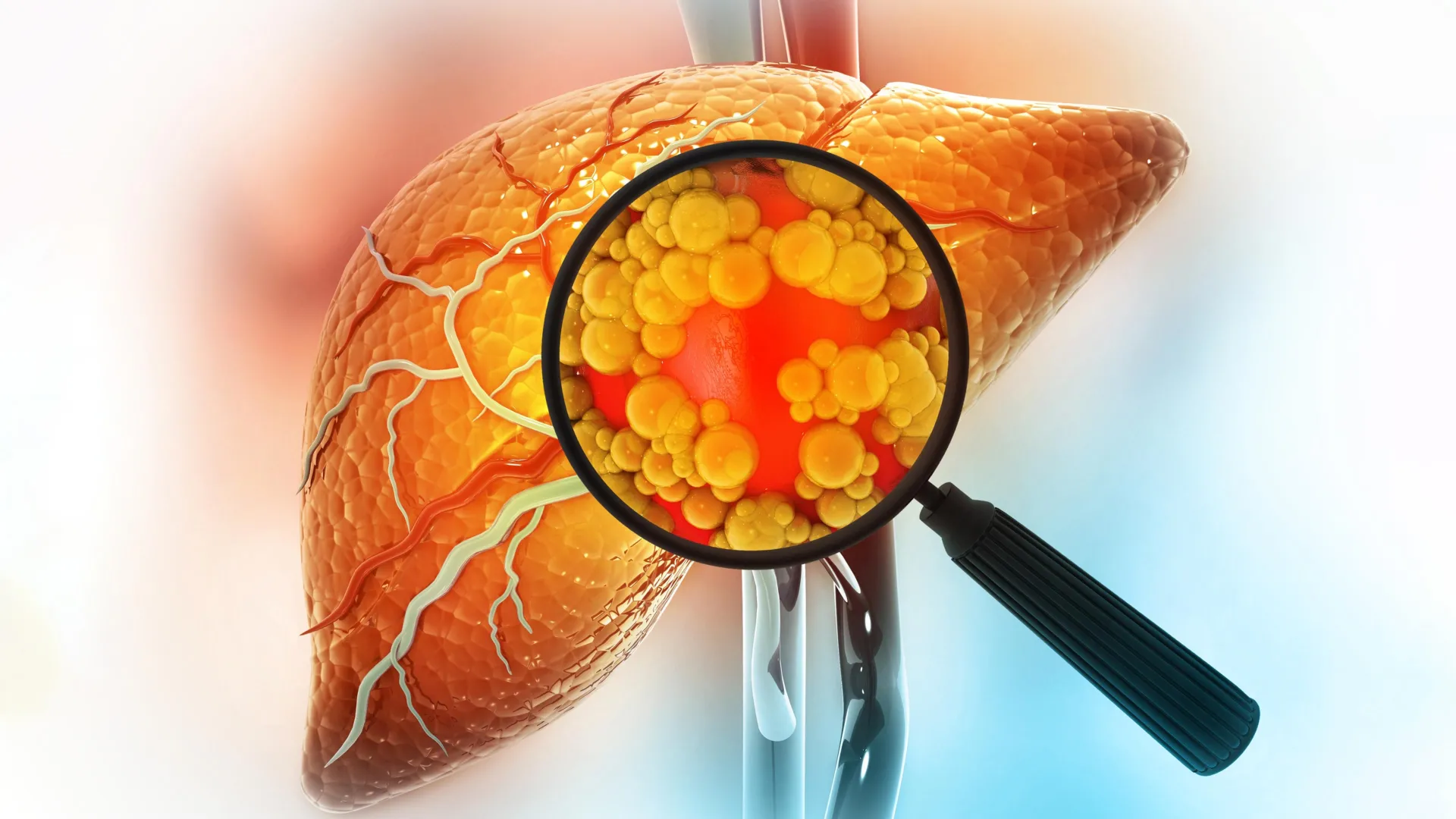
A common liver disease affecting nearly 30% of adults worldwide may be far more complicated than scientists previously realized. Mayo Clinic researchers have discovered that fatty liver disease actually consists of five distinct biological subtypes, each carrying different risks for liver failure, cancer, heart disease, and other serious complications.
Researchers have identified striking parallels between Sigmund Freud’s century-old theories and modern neuroscience, suggesting that the brain’s constant predictions shape how we experience reality. The findings could help explain why harmful thought patterns are so difficult to break and offer new insights into treating mental disorders.
Imagine a company that sells you equipment, invests money in your business and then rents back what you build with it. It's your supplier, your investor and your customer all at once.