
Science News
Quality of life improving for older Americans
Quality of life for Americans 65 and older increased over the past decade, according to new research from Shatakshee Dhongde in Georgia Tech's School of Economics.
Latest science news, discoveries and scientific developments.
Quality of life for Americans 65 and older increased over the past decade, according to new research from Shatakshee Dhongde in Georgia Tech's School of Economics.

The Cambrian explosion was a major diversification of animal life that unfolded early in the Cambrian period, which began around 538.8 million years ago. During this interval, marine animals became much more varied, building the foundations for current marine ecosystems.

OCD is a mental health disorder characterized by unwanted, recurring thoughts and repetitive behaviors that can severely interfere with everyday life. Exposure-based psychotherapy is one of the most effective treatments, but the biological mechanisms underlying treatment response remain poorly understood.

The Terracotta Army near Xi'an, China, is a breathtaking sight: thousands of life-size terracotta figures created in the third century B.C. to guard the tomb of Emperor Qin Shihuang. They were discovered in 1974, and people have assumed they were built exclusively by men. But new research on this underground army and its chariots, horses and weapons suggests women and children lent a helping hand.

Paired appendages—the pectoral and pelvic fins of fishes and the forelimbs and hindlimbs of tetrapods—were a major innovation in vertebrate evolution. Their emergence greatly expanded the ways vertebrates could move through their environments and ultimately provided the developmental foundation for the evolution of limbs. Yet how the genetic system responsible for building paired appendages was assembled during evolution remains an unresolved question.

New Curtin University research has found parents want to treat their children equally when helping them buy their first home.

What if the brain evolved to serve the gut? Scientists at Flinders University are challenging a cornerstone of biology, arguing that the gut's nervous system may be the body's original "brain," with the brain evolving later to support its needs.

A research team led by senior researcher Minyoung Lee and principal researcher Sunggyu Park of the Advanced Bio and Healthcare Materials Research Division at the Korea Institute of Materials Science (KIMS), has developed a label-free surface-enhanced Raman scattering (SERS) analysis technology that rapidly detects extremely low concentrations of viable bacteria by directly growing plasmonic metal nanostructures on and around bacterial cells.

Fires in Indonesia that have caused a regional haze crisis burned through over 1.9 million hectares (4.7 million acres) between January and the end of September this year, a monitor analyzing satellite imagery said on Monday.

Humans throughout history have invented a variety of ways to fight back against troublesome bacteria. But bacteria live in a dangerous world too. The human body and other bacteria-rich environments abound with bacteriophages, or viruses that prey upon bacteria. Phages can sometimes outnumber bacteria a hundredfold, yet the bacteria endure and even thrive. What gives?

Mercury remains one of our solar system's most elusive and difficult planets to study. It's easier to send probes to the icy moons of Saturn or Jupiter, or even to Pluto, than to land on our innermost planet, Mercury.

A massive landslide in Alaska triggered the second-highest tsunami ever recorded, sending water and debris 1,580 feet up a mountainside just hours after tourists visited the area. Scientists discovered that the disaster was preceded by several warning signs, including rapid glacier retreat, heavy rainfall, and thousands of tiny seismic tremors. As glaciers retreat, similar disasters could become a growing danger in mountainous coastal regions.

James Cook University researchers are calling for greater attention to financial literacy in schools after a new study found that people with a strong understanding of personal insurance were more likely to engage with insurance products.

Japan’s MMX mission will be the first to the moons of Mars and it aims to bring back precious rock samples — perhaps even indirectly from Mars.
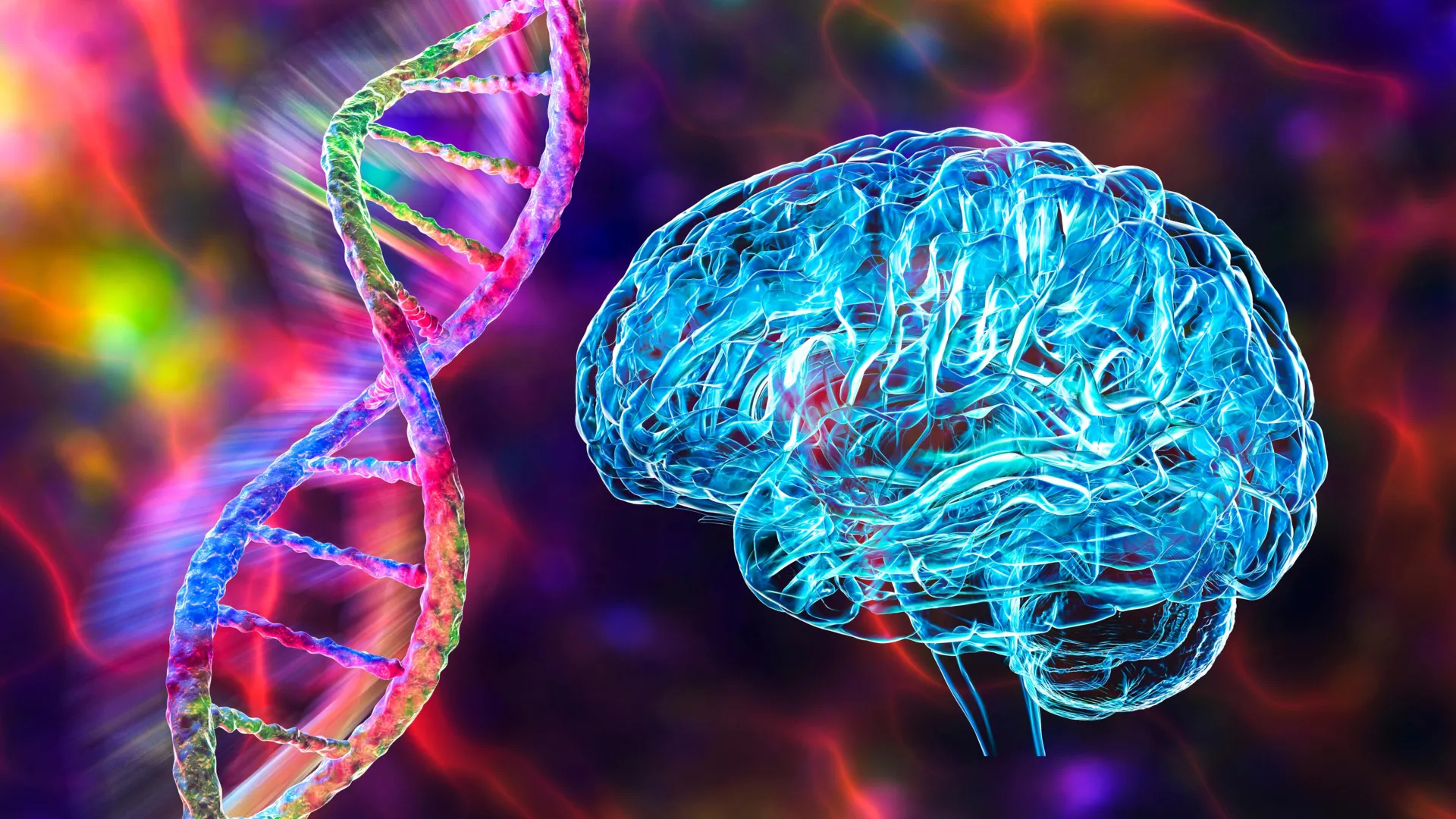
Scientists have discovered why some people with a high genetic risk of Alzheimer’s remain mentally sharp into their 80s, uncovering a rare mutation that protects the brain from harmful protein buildup. The findings reveal a potential new way to prevent early brain damage and could pave the way for treatments that mimic this natural defense.

A brief period of heat and drought early in a corn plant's life can affect its growth and flowering months after the stress ends, according to new research from the Donald Danforth Plant Science Center and the University of Minnesota. The findings could help guide efforts to develop crops better equipped to withstand hot, dry growing conditions.
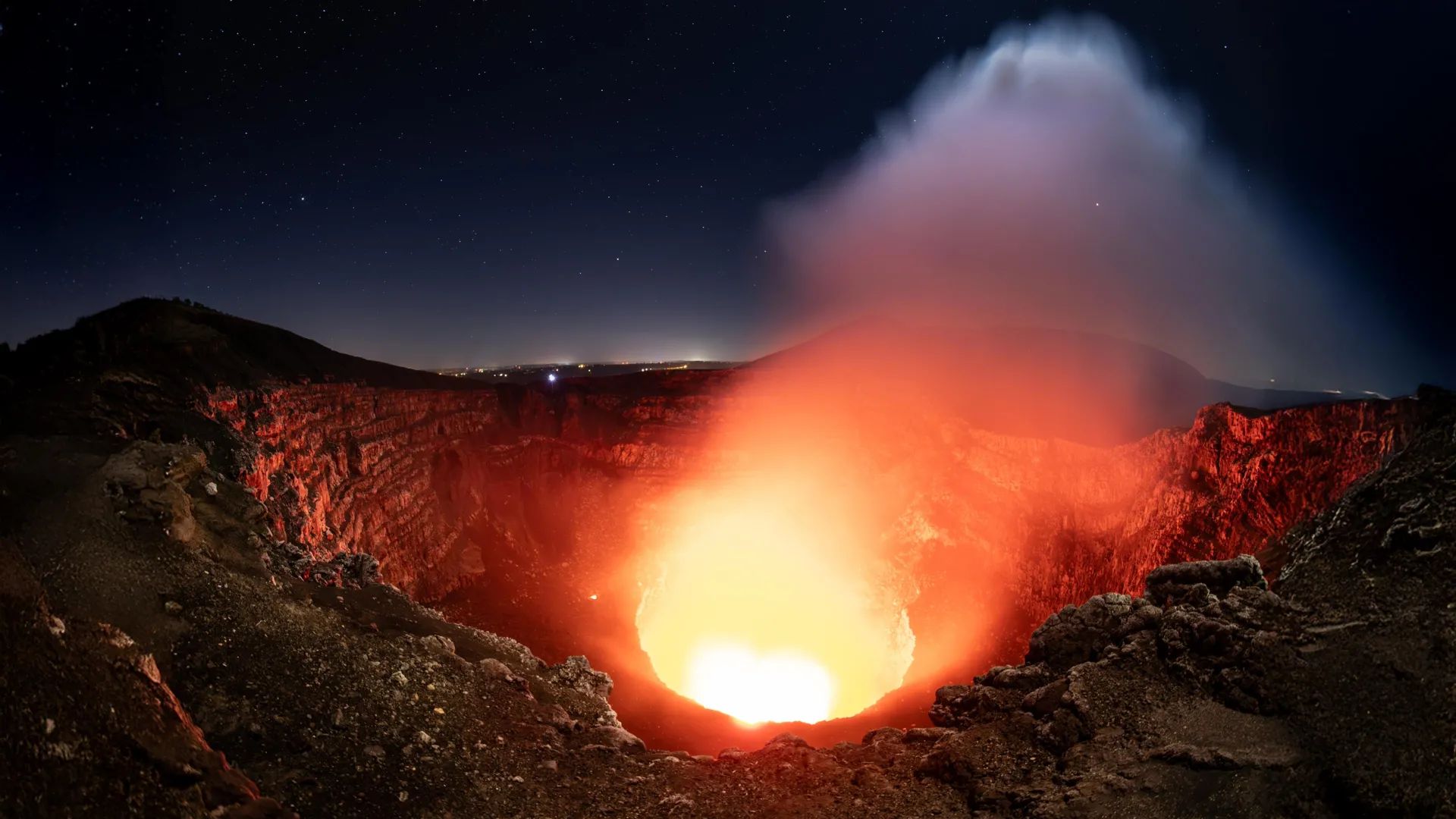
Scientists have discovered evidence of two hidden magma sources beneath Nicaragua’s Masaya volcano, where satellite observations revealed mysterious ground movements suggesting magma is shifting deep underground. The findings could improve eruption forecasting for the active volcano, which sits near 2 million people and attracts tourists to its spectacular lava lake.

The labeling of added sugar on food labels, which became mandatory in the U.S. by 2021, may reduce demand for and consumption of certain types of food, according to a study led by researchers in Penn State's College of Agricultural Sciences.

Scientists have uncovered a possible explanation for why some people struggle to taste food more than a year after recovering from COVID-19. By examining taste buds from patients with lingering symptoms, researchers discovered molecular abnormalities that weaken the signals responsible for detecting sweet, bitter, and savory flavors.
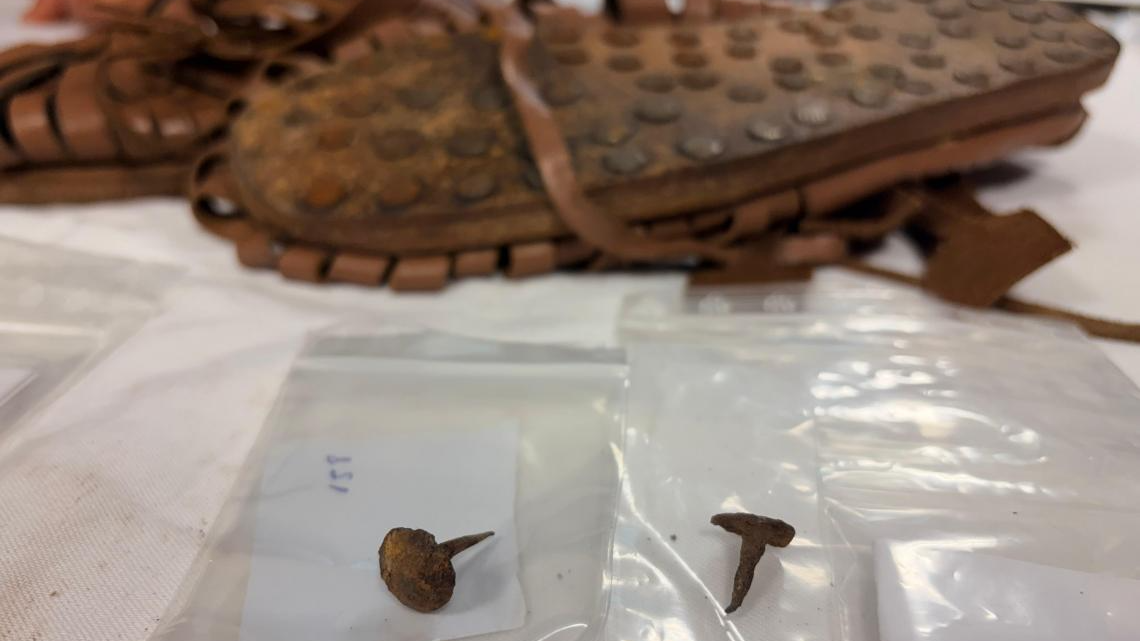
Archaeologists have unearthed a Roman military camp in Spain, where they found fragments of weapons and metal tacks from soldiers' shoes. The camp was used during the Cantabrian Wars fought by Emperor Augustus as he expanded the Roman Empire in the first century B.C.The fortified military camp is made up of an earthen platform roughly 39 feet (12 meters) wide, which is surrounded by a stone perimeter wall about 5 feet (1.5 m) thick, according to a translated statement. Uncovered during excavations earlier this year, the camp is situated about one-third of a mile (500 m) from where an Iron Age settlement was once inhabited by the Cantabri people, a group of Celtic tribes that lived among the ...