Science News
Why we probably live in a quantum multiverse
The once-fringe quantum Many Worlds theory now seems much more likely
Latest science news, discoveries and scientific developments.
The once-fringe quantum Many Worlds theory now seems much more likely

How doctors, scientists and “anonymous” programs are working to free people from their phones
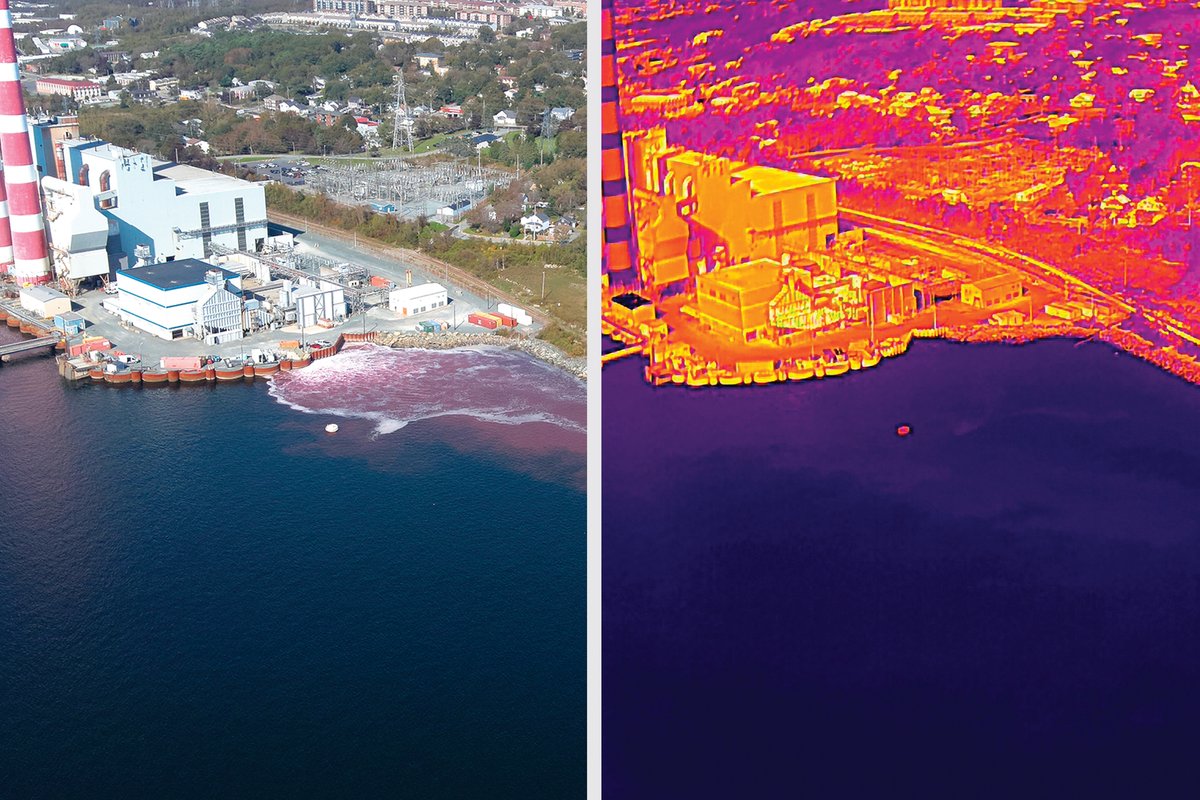
These start-ups are trying to suck CO2 from the air and stash in the sea. Is it working?
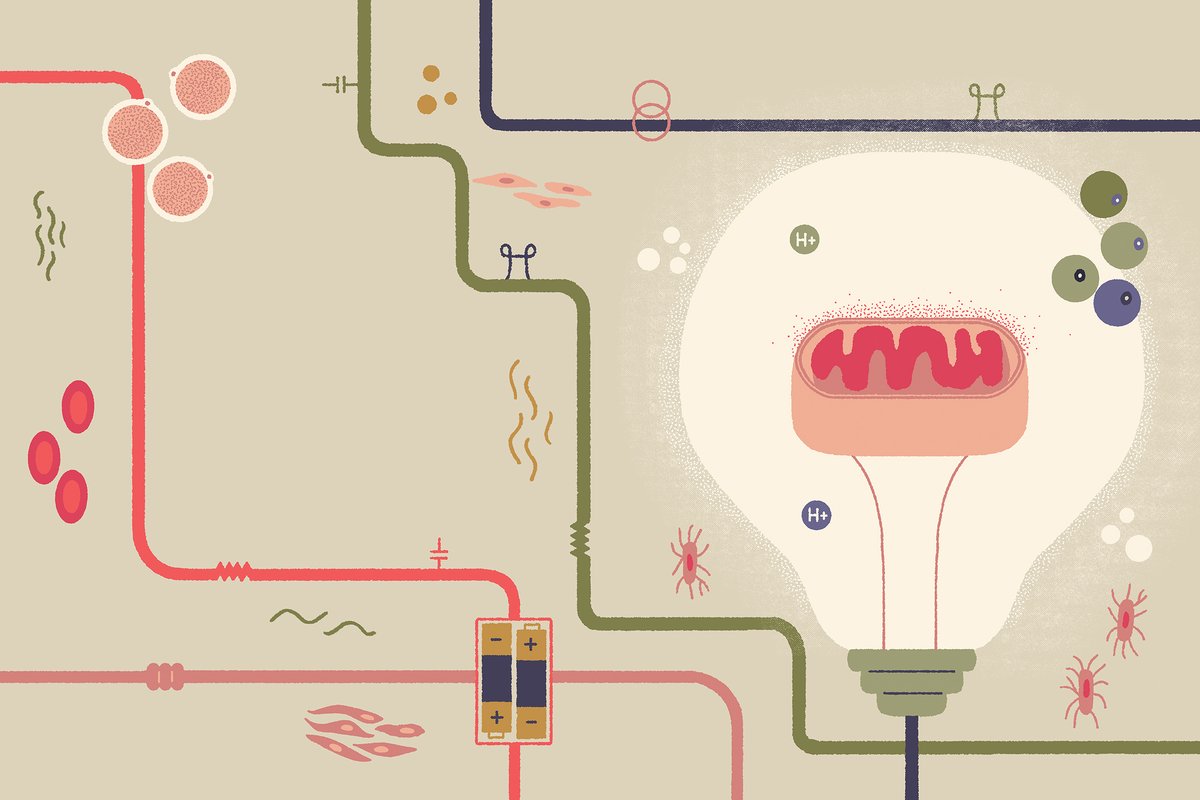
Could disruptions in the flow of energy through mitochondria cause everything from type 2 diabetes to Alzheimer’s?
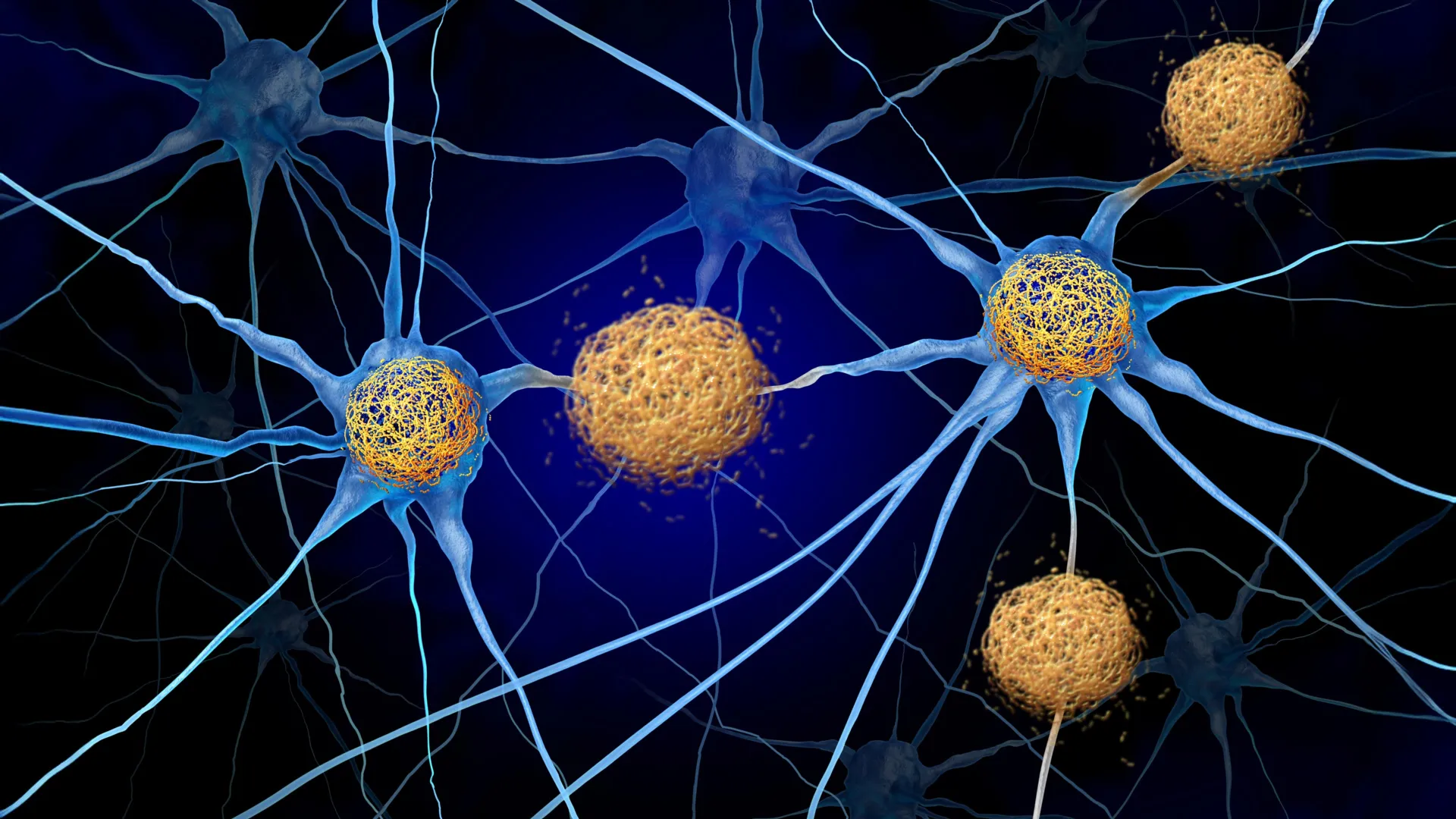
Scientists have found a promising way to protect the brain from Alzheimer’s-related damage by blocking immune cells that contribute to the destruction of neurons. In mice, the treatment preserved roughly 40% more tissue in memory centers and improved memory, even without removing harmful tau protein buildup.

Popular conceptions of AI differ drastically between the US and China. Columnist Annalee Newitz dives into the cultural, religious and sci-fi factors driving our impressions of its power
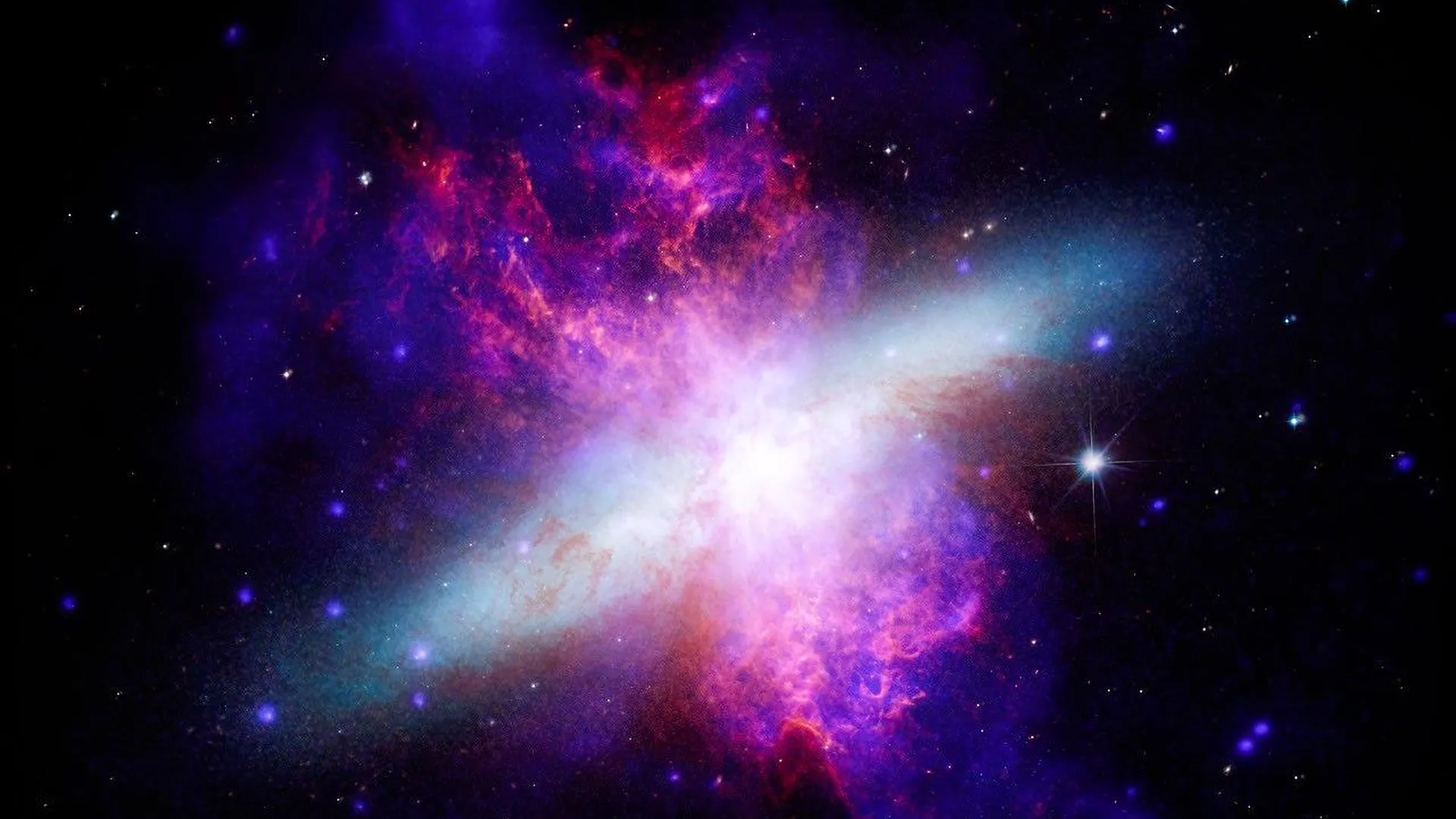
NASA's stunning new gallery of 16 galaxies reveals colossal black hole jets, explosive star formation, and spectacular cosmic collisions through the combined power of Chandra, James Webb, Hubble, and other telescopes. These extraordinary images expose the hidden forces shaping galaxies across the universe and offer clues about the Milky Way's own past and future.
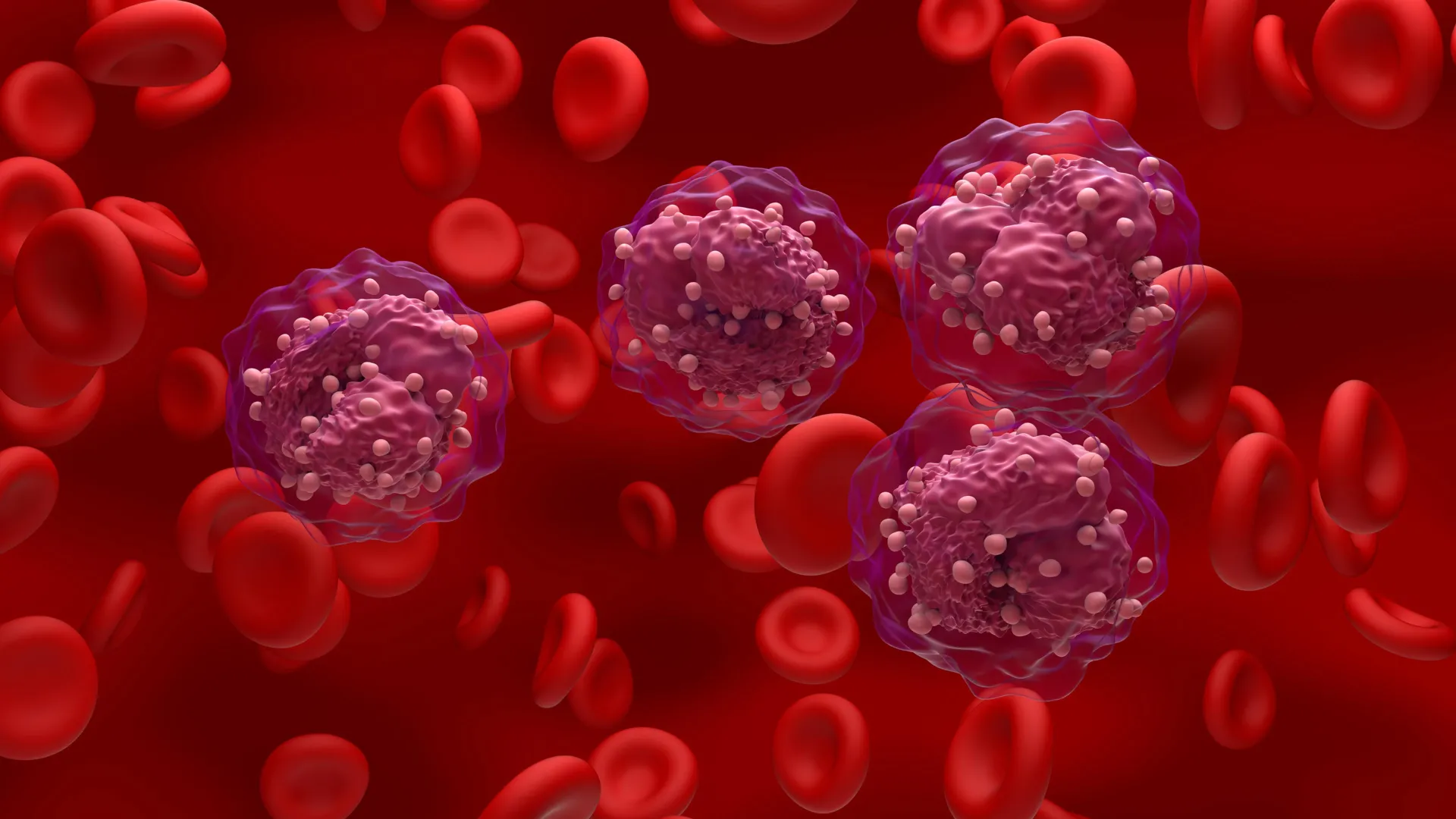
A surprising clinical trial suggests that taking vitamin C daily could improve survival in people with precancerous blood disorders and early-stage blood cancers. Patients receiving the supplement had fewer adverse events and showed a promising survival advantage, raising hopes that a common vitamin could help protect against leukemia-related complications.

A voter surveyed in October may give a different answer by January. An AI persona might not, depending on how it's built.
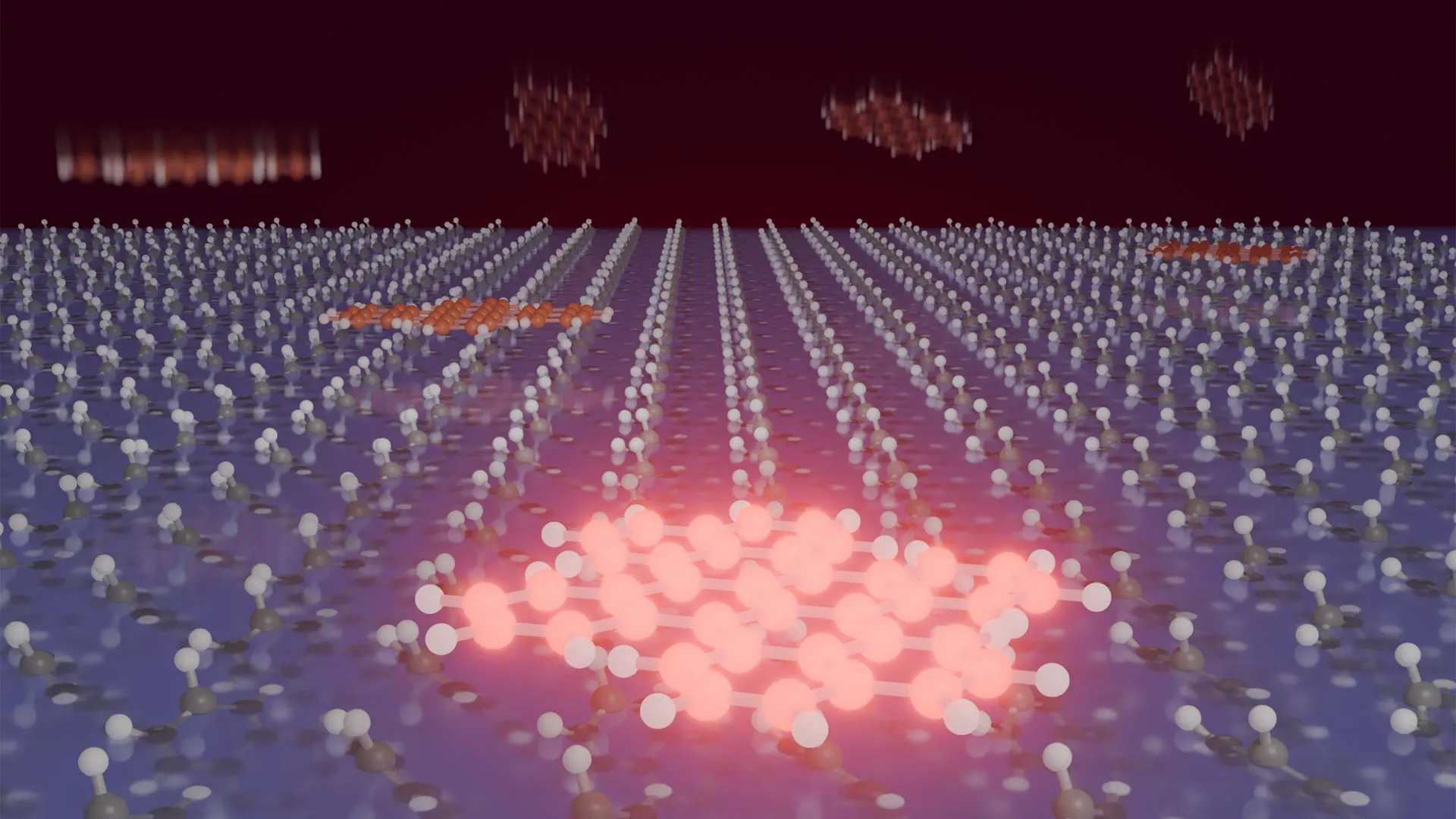
Scientists have achieved a quantum breakthrough by creating an ultra-clean surface where individual molecules can maintain their delicate quantum properties at the fundamental limit. The discovery could unlock unprecedented control over molecules and help drive the next generation of quantum technologies.

Much is being made of a record-strength El Niño event that could well spell a drier, windier summer for the north and east of New Zealand. But, as a major new assessment shows, it is forming against a backdrop of warming that's pushed the country's climate into "uncharted territory."
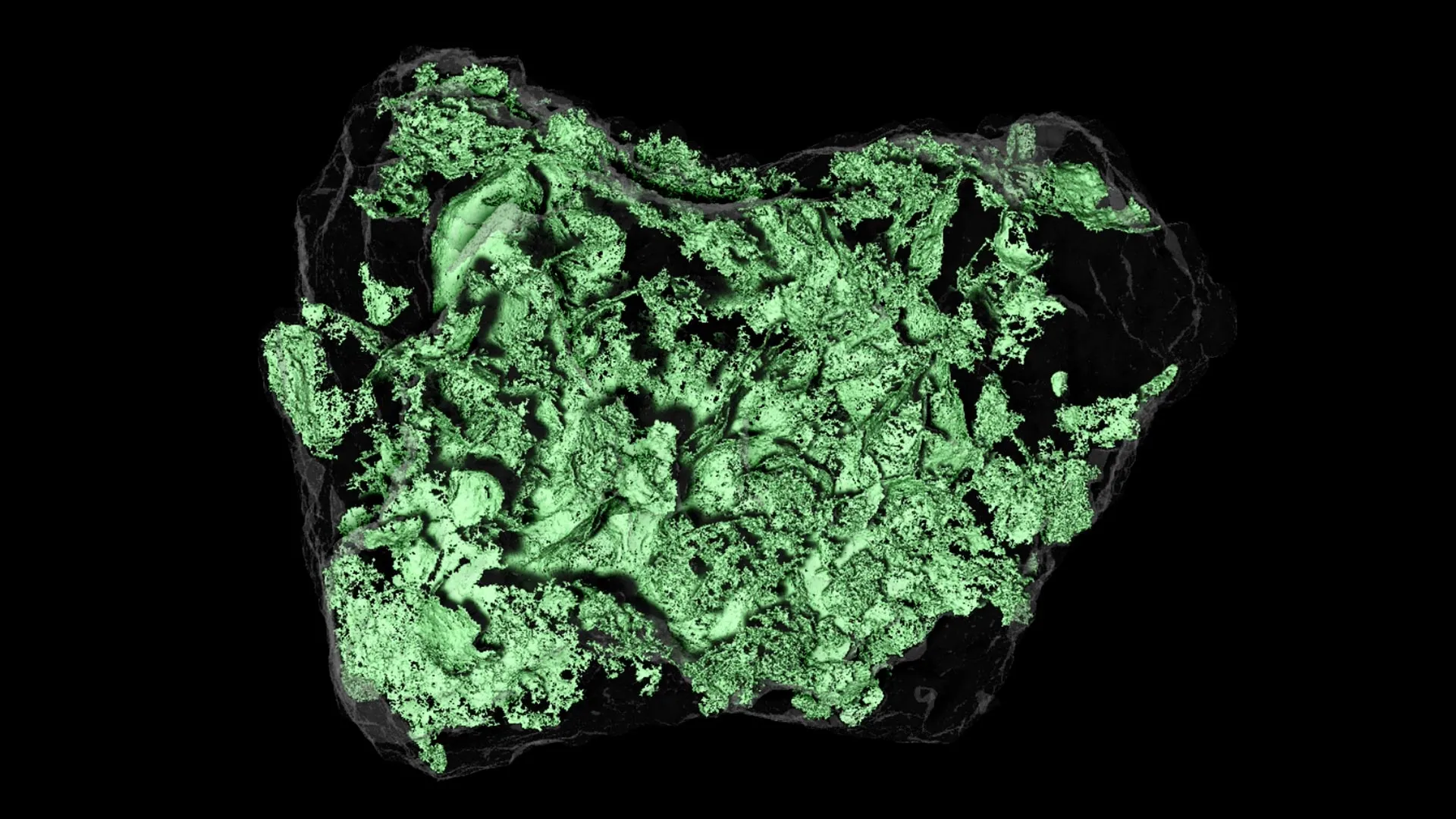
NASA scientists have finally uncovered why asteroid Bennu loses heat so quickly despite being covered in massive boulders. Samples returned to Earth reveal that its rocks are filled with hidden cracks, solving a mystery that has puzzled researchers for years.

Preliminary results from an ongoing long-term survey conducted by William & Mary's Virginia Institute of Marine Science (VIMS) suggest that an average year class of young-of-year striped bass was produced in the Virginia tributaries of the Chesapeake Bay in 2026. Striped bass are an important top predator in the Chesapeake Bay ecosystem and a valuable resource for commercial and recreational anglers. The 2026 year class, representing fish hatched this spring, will reach fishable sizes in three to four years.

After a cyclospora outbreak and recalls of imported beef over the summer, a recent Gallup poll found that Americans' confidence in food safety has fallen to a record low, and consumers may be wondering how foodborne illness outbreaks can be tracked and mitigated.

A technology developed at The University of Queensland allowing scientists to observe how disease-related proteins behave inside living neurons will be used to advance early drug discovery for neurodegenerative diseases. The NASTIC (Nanoscale Spatiotemporal Indexing Clustering) platform, spun out into Brisbane-based startup Accretion Bio, enables researchers to study real-time biological processes in living cells across space and time at the single-molecule level for the first time.
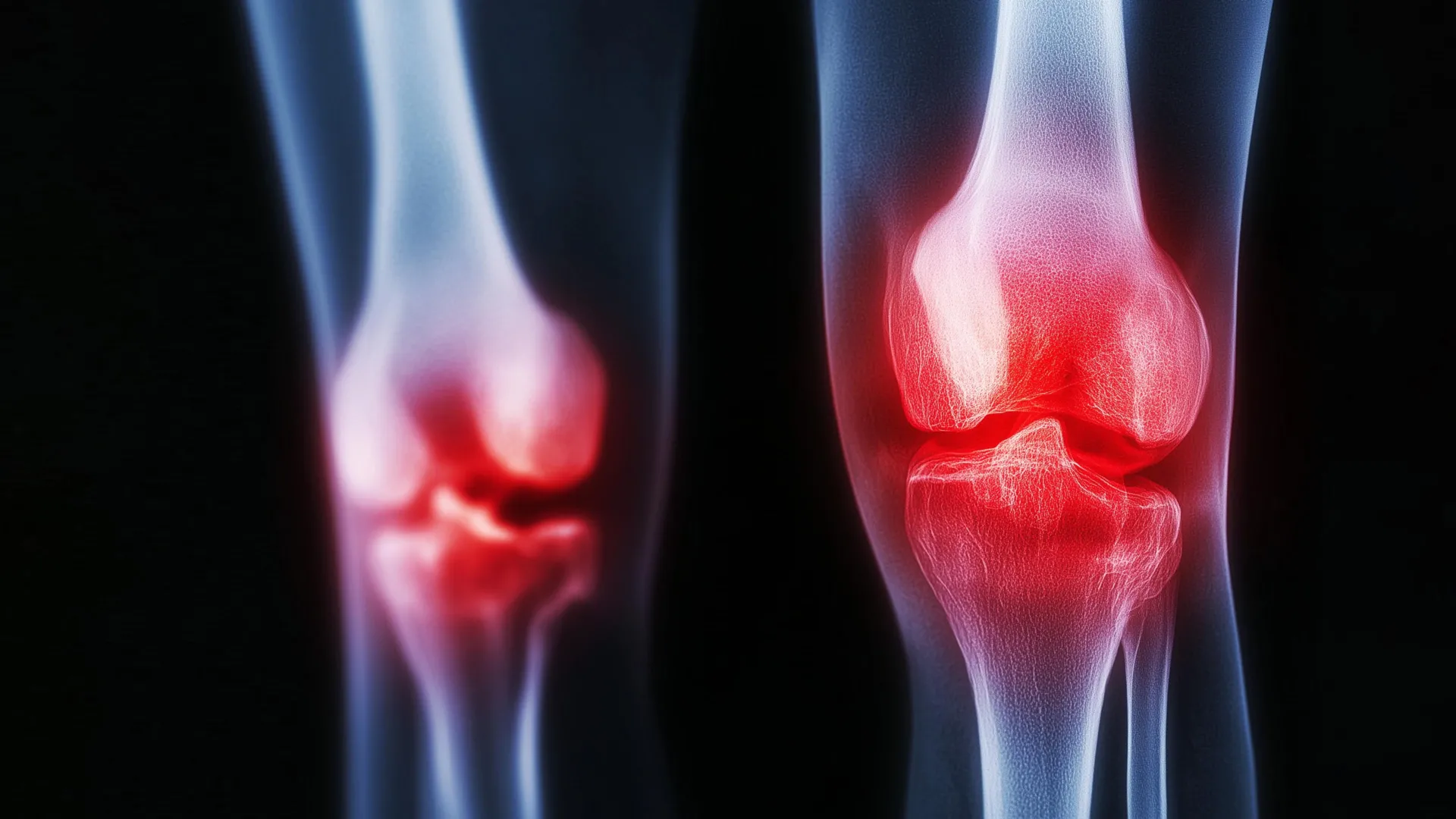
Researchers discovered that recurring arthritis triggered by cancer immunotherapy may be driven by immune cells that remember previous attacks and return in a more aggressive state. The findings could pave the way for treatments that prevent painful flare-ups while preserving the immune system's ability to fight cancer.

The public K-12 school system in the United States has become pervasively shaped by standardized testing.

If you've ever created a snowflake by folding, cutting and unfolding a piece of paper, you've practiced the art of kirigami. Like origami, kirigami has inspired innovations far beyond the elementary school classroom, with applications ranging from deployable structures for spacecraft to semiconductors.

Cells constantly recycle proteins and other cellular components. But how do they ensure that the right cargo ends up in the right recycling vesicle—one of the cell's transport carriers? A team at the University of Basel has identified a molecular switch that controls this process. The small protein ARF-1 ensures that recyclable cargo is efficiently loaded into transport vesicles and returned to the cell's surface.

As governments prepare to gather in Yerevan, Armenia, this week for the U.N. Biodiversity Conference (COP17), new research identifies 13% of Earth's land area as hotspots for biodiversity conservation, highlighting where conservation efforts are most urgently needed.