Science News

Latest science news, discoveries and scientific developments.

A few seconds of loading time can push online learners off track
Science News

A few seconds of loading time can push online learners off track

An online lesson takes an extra second to load. The wait may seem trivial, but in a study examining large learning platforms, these brief pauses were linked to unfinished assignments, lower scores and less time spent on the site.

📅 2026-10-25 15:20:02    •    Phys.org
Microorganisms show promise for reducing emissions from manure
Science News

Microorganisms show promise for reducing emissions from manure

Dairy farmers sometimes use additives in their cattle housing to reduce emissions from slurry. Emissions of substances such as ammonia occur when urine and feces mix on the floor of the housing. At the same time, dairy farmers want to increase the fertilizing value of the manure when it is applied to agricultural land.

📅 2026-10-25 13:00:01    •    Phys.org
Southern Africa's first known stenciled rock art found hiding in plain sight
Science News

Southern Africa's first known stenciled rock art found hiding in plain sight

Southern Africa has one of the most detailed and elaborate bodies of rock art anywhere in the world, from herds of running antelope to dancing men and humanoid beings with wings, hooves and horns. All are painted with fine brushstrokes or fingers. One thing this art lacks is stencils.

📅 2026-10-25 12:40:02    •    Phys.org
Scientists reveal the hidden danger of missing blood pressure medication
Science News

Scientists reveal the hidden danger of missing blood pressure medication

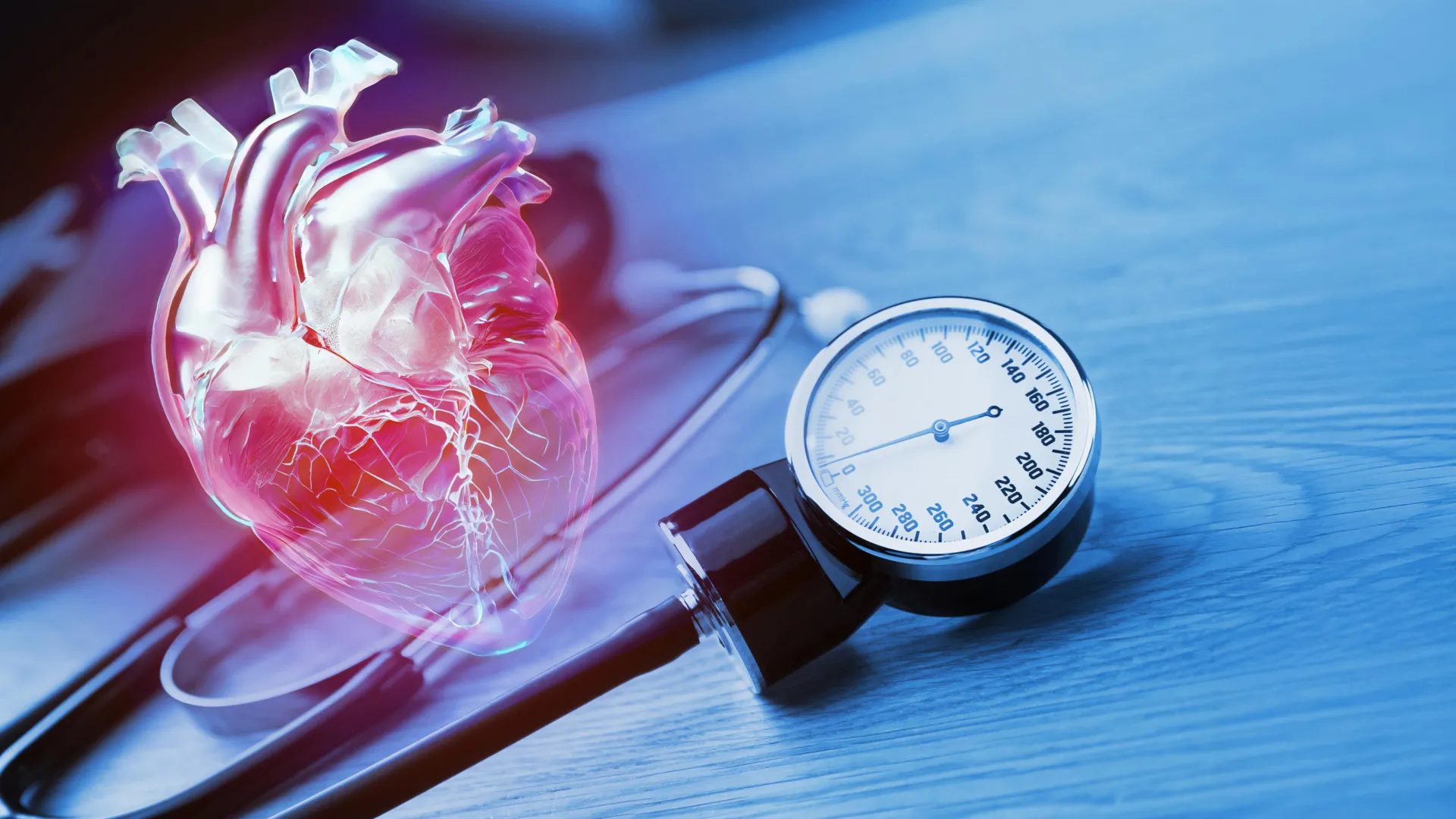
Missing blood pressure medication could mean losing much of its protection against heart attacks and strokes, according to an analysis of more than 91,000 people. Patients who consistently took their medication experienced an 11% reduction in major cardiovascular events, while those who missed too many doses saw little or no measurable benefit.

📅 2026-10-25 12:34:35    •    ScienceDaily
Just two drinks a day may be far riskier than you think
Science News

Just two drinks a day may be far riskier than you think

A major new study reveals that drinking just two alcoholic beverages a day is associated with a 1 in 25 lifetime risk of death from alcohol-related causes, challenging the idea that moderate drinking is harmless. Researchers also found no significant overall health benefits from alcohol, with risks rising as consumption increases.

📅 2026-10-25 12:18:13    •    ScienceDaily
Three giant black holes discovered in a galaxy from the dawn of time
Science News

Three giant black holes discovered in a galaxy from the dawn of time

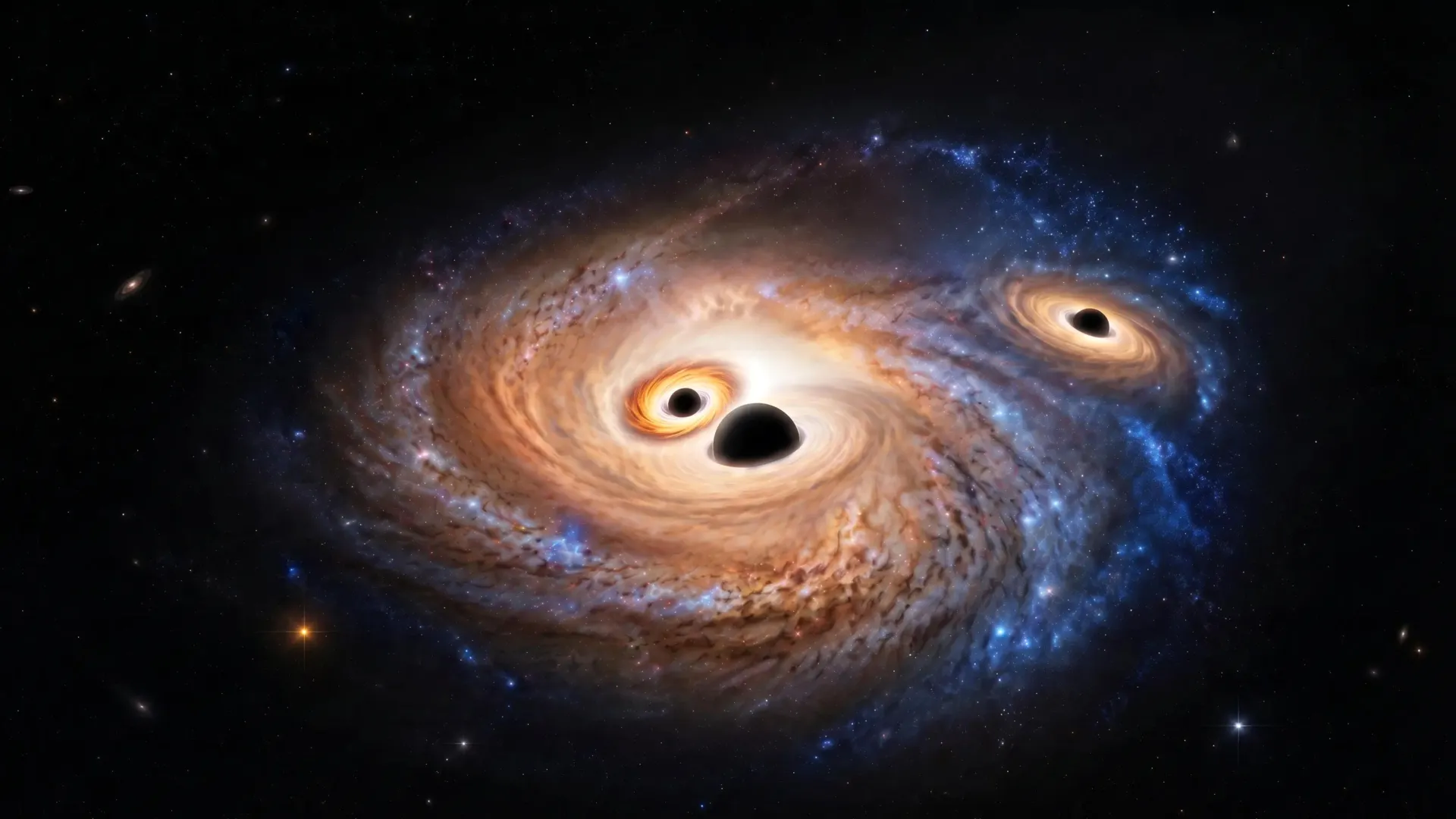
Astronomers have discovered three actively feeding black holes inside a single galaxy more than 12.5 billion light-years away, revealing a remarkable scene from the universe’s infancy. Two of the black holes are separated by just 620 light-years and are expected to eventually merge, while a third lurks farther away. One weighs an astonishing 80 million suns, and another is growing faster than conventional theories predict.

📅 2026-10-25 12:07:01    •    ScienceDaily
Global underground CO₂ storage hit record 43.6 million metric tons in 2024 alone
Science News

Global underground CO₂ storage hit record 43.6 million metric tons in 2024 alone

The most comprehensive record yet of carbon dioxide stored underground through geological carbon dioxide storage has been published today, revealing that 43.6 million metric tons were sequestered in 2024 alone—a new annual record—and that 421.7 million metric tons have now been stored in the past three decades.

📅 2026-10-25 12:00:01    •    Phys.org
New evidence suggests spinosaurus spent most of its life underwater
Science News

New evidence suggests spinosaurus spent most of its life underwater

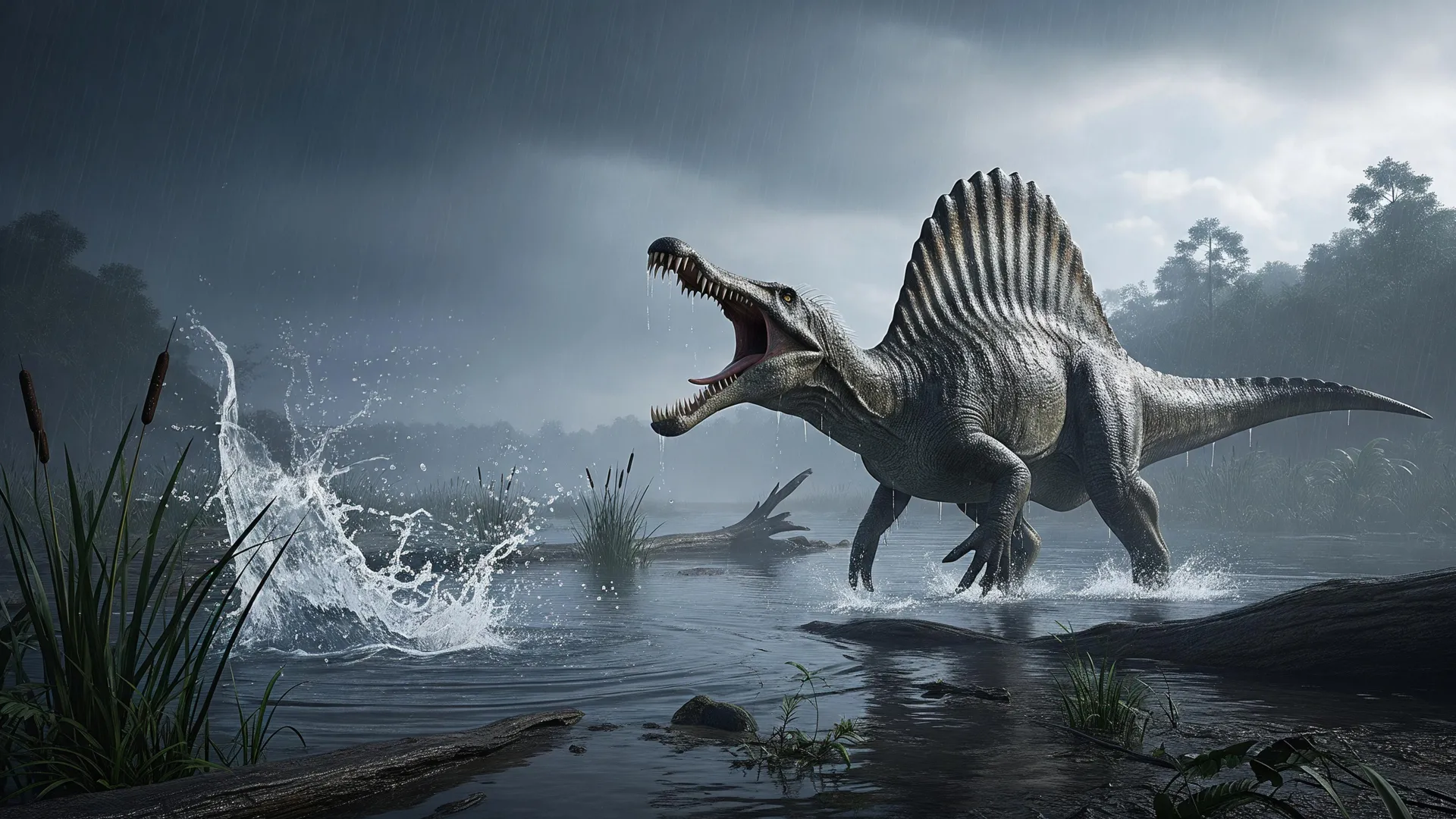
Millions of years after animals first conquered land, some took an extraordinary evolutionary U-turn and returned to the water. Using machine learning and thousands of fossil measurements, Yale scientists have uncovered surprising clues about which prehistoric creatures truly became aquatic. Their findings suggest that Spinosaurus spent most of its life underwater, while some ancient marine reptiles previously thought to be fully aquatic actually spent considerable time on land.

📅 2026-10-25 11:52:54    •    ScienceDaily
Scientists discover how pancreatic cancer rewrites its DNA to escape treatment
Science News

Scientists discover how pancreatic cancer rewrites its DNA to escape treatment

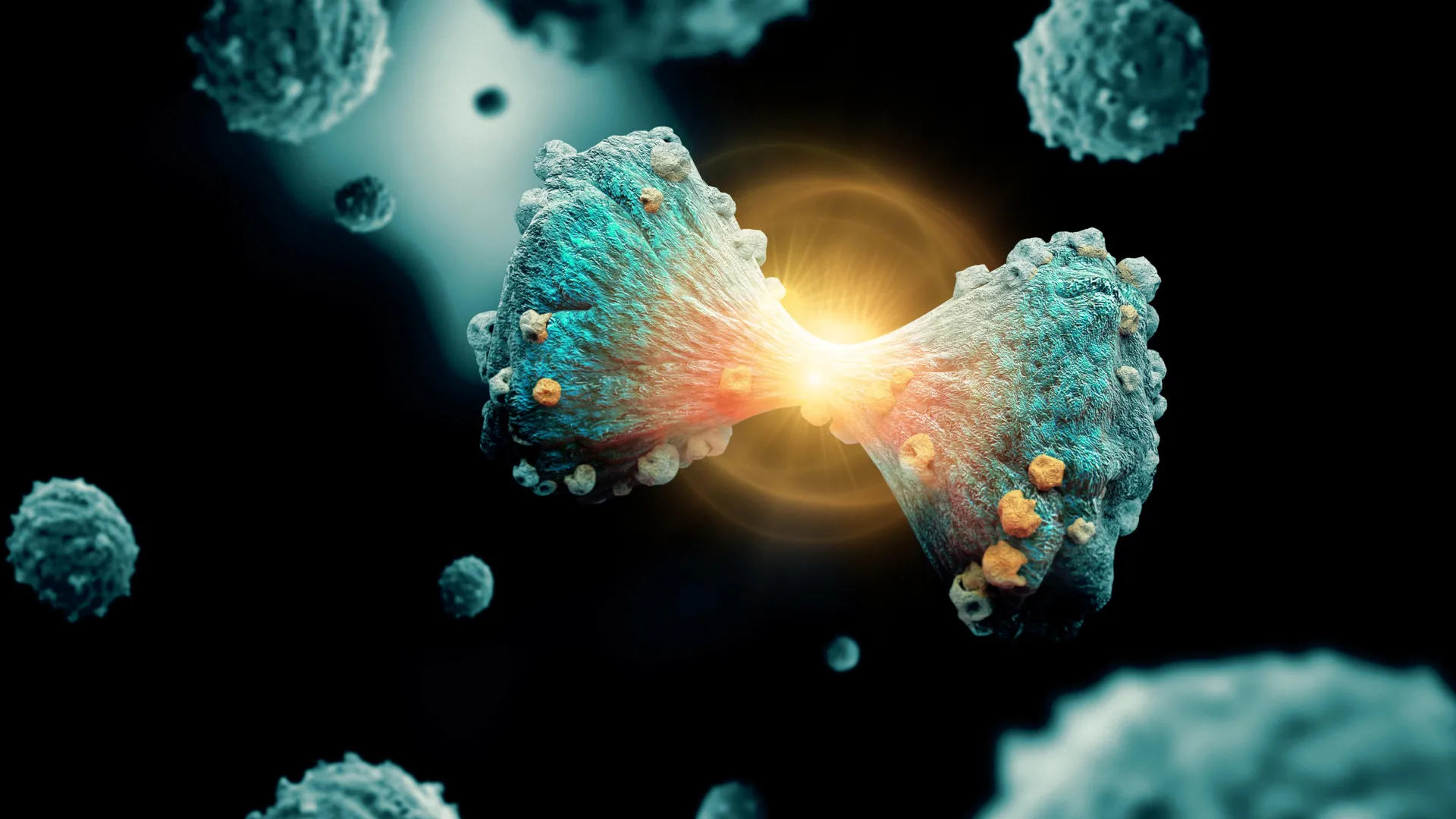
Scientists have discovered how pancreatic cancer cells continually reshape their genetic makeup to become more aggressive, spread, and evade treatment. In laboratory experiments, blocking a key gene reversed some of these dangerous changes, revealing a potential new way to fight the deadly disease.

📅 2026-10-25 11:00:25    •    ScienceDaily
Sea cucumber–inspired gel could help heal damaged tissue in humans
Science News

Sea cucumber–inspired gel could help heal damaged tissue in humans

Inspired by the ability of sea cucumbers to change the stiffness of their bodies, University of Waterloo researchers have developed a gel that could one day help repair damaged tendons and other soft tissues without leaving permanent material behind.

📅 2026-10-25 11:00:01    •    Phys.org
Low-dose aspirin linked to 70% lower dementia risk, but there's a catch
Science News

Low-dose aspirin linked to 70% lower dementia risk, but there's a catch

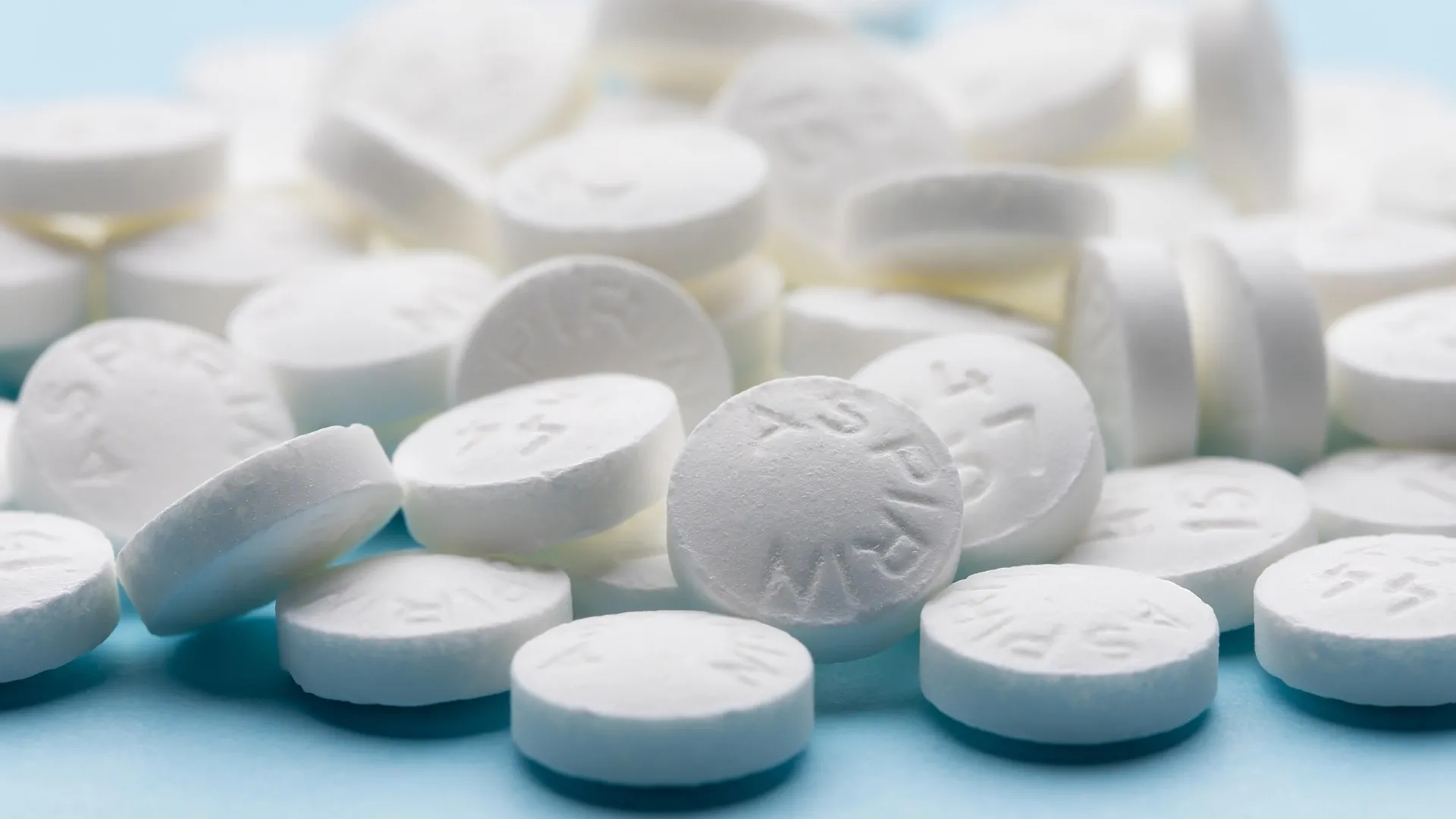
A common, inexpensive medication could hold an unexpected clue to preventing dementia. Researchers found that older adults with a specific genetic profile had a 70% lower relative risk of dementia when taking low-dose aspirin, even though previous studies found no overall protective effect. The discovery suggests that genetics could help explain why some people benefit while others do not.

📅 2026-10-25 10:21:48    •    ScienceDaily
This mysterious mushroom makes people see hundreds of tiny humans
Science News

This mysterious mushroom makes people see hundreds of tiny humans

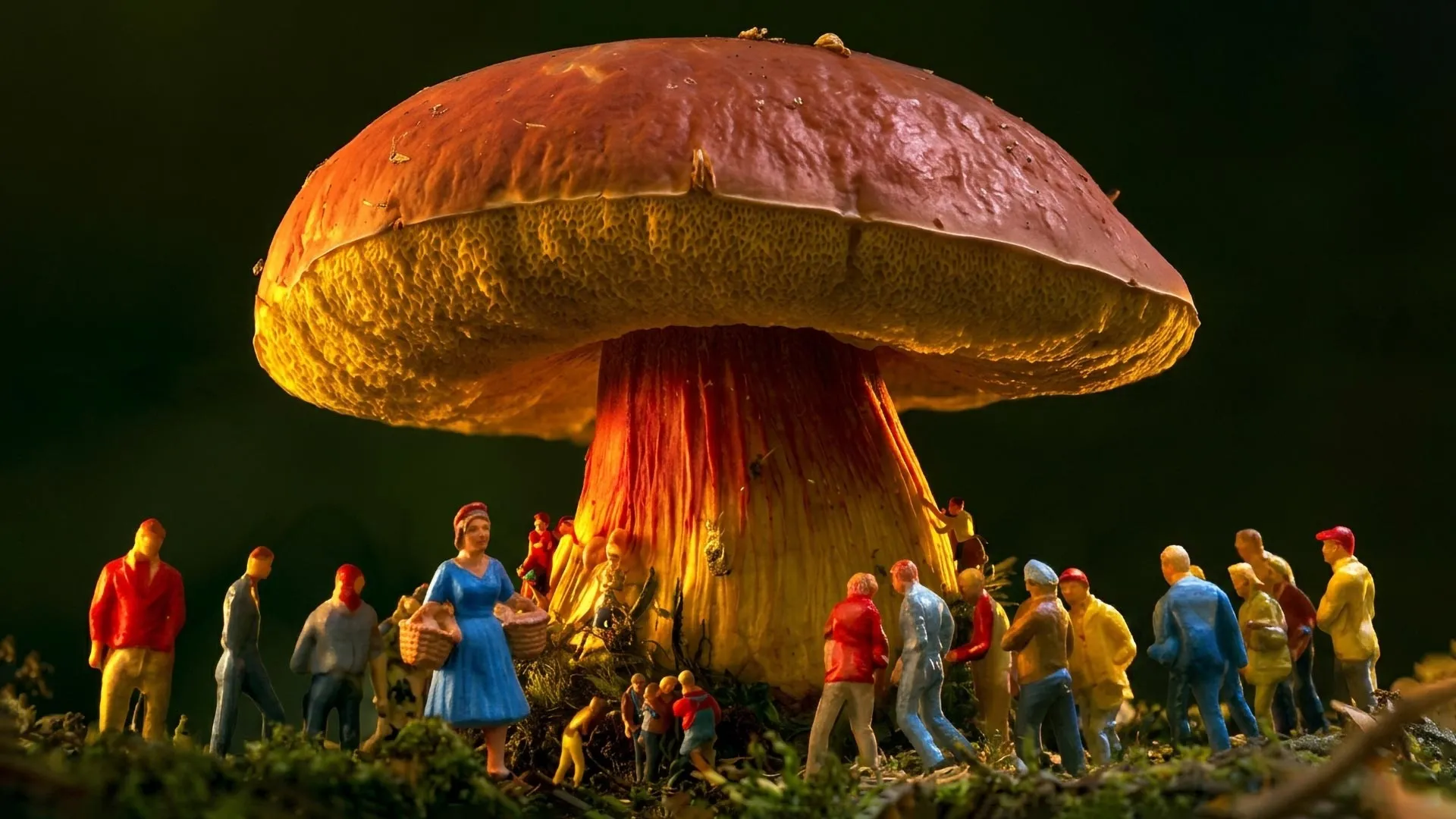
For nearly a century, people in distant parts of the world have reported a bizarre experience after eating certain wild mushrooms: seeing dozens or even hundreds of tiny, colorful humans moving through the real world. Now, scientists have identified a mushroom species, Lanmaoa asiatica, responsible for these extraordinary hallucinations in China and the Philippines.

📅 2026-10-25 06:36:10    •    ScienceDaily
Popular cannabis sleep gummies may have a hidden dark side
Science News

Popular cannabis sleep gummies may have a hidden dark side

A cannabis-derived ingredient commonly found in sleep gummies may be more habit-forming than previously thought, with new research showing that repeated exposure caused tolerance and withdrawal symptoms in mice. Scientists warn that CBN may carry risks similar to THC, although its long-term effects in humans remain largely unknown.

📅 2026-10-25 05:08:39    •    ScienceDaily
Astronomers may have discovered the first moon beyond our Solar System
Science News

Astronomers may have discovered the first moon beyond our Solar System

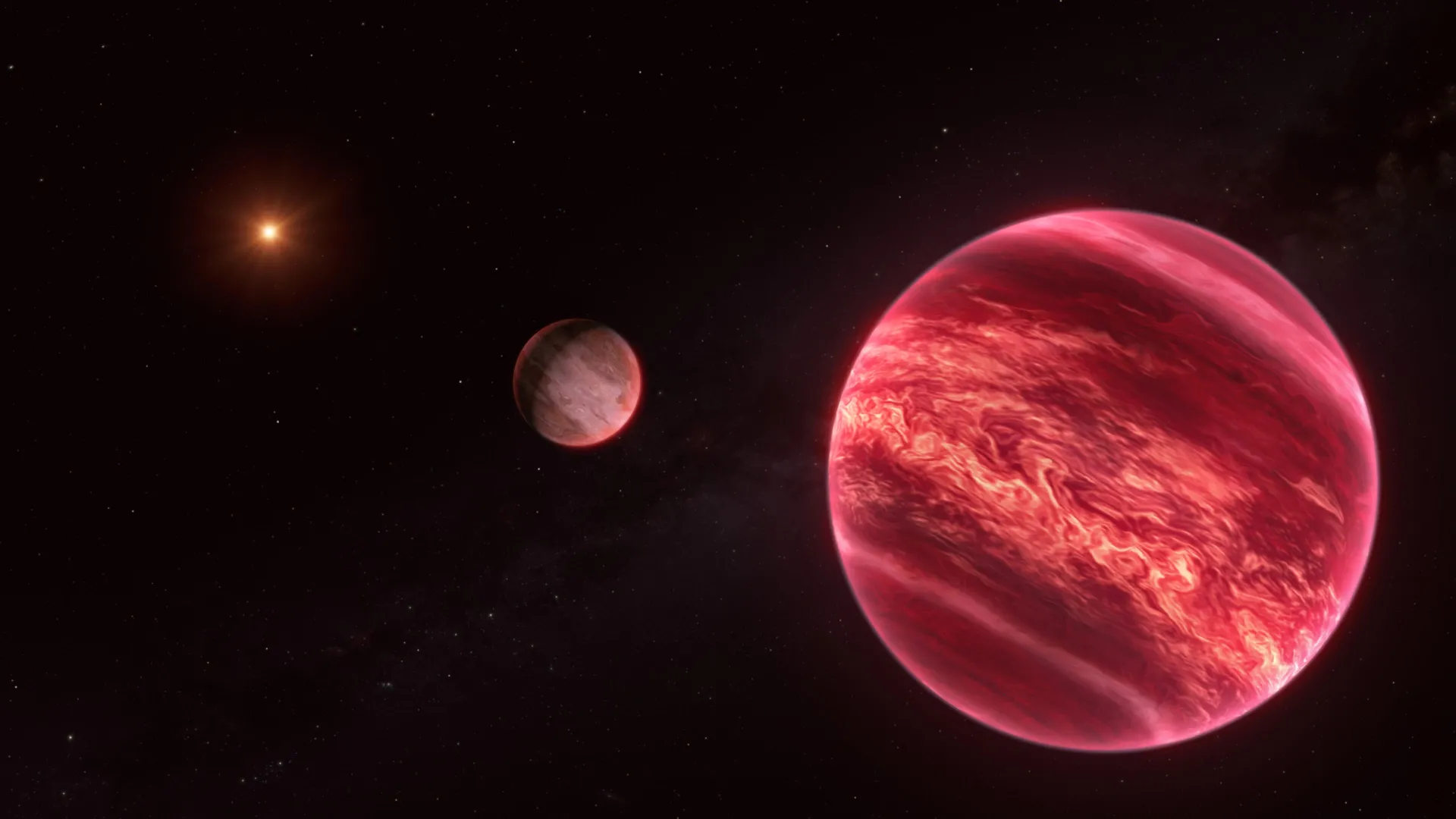
Astronomers have uncovered evidence of a bizarre, potentially historic discovery: the first moon ever detected beyond our Solar System. Unlike familiar moons, this mysterious object is at least as massive as Jupiter and orbits a brown dwarf, which itself circles a star. The unusual arrangement challenges traditional definitions of planets and moons, leaving scientists unsure what to call it.

📅 2026-10-25 03:13:05    •    ScienceDaily
Scientists discover a hidden flaw that challenges 40 years of superconductor science
Science News

Scientists discover a hidden flaw that challenges 40 years of superconductor science

A superconducting material studied for 40 years has turned out to be far more complex than scientists believed. Advanced 3D imaging revealed a hidden patchwork of crystal structures, with unusually wide boundaries that may weaken superconductivity. The discovery challenges decades of scientific assumptions and could explain why some superconductors outperform others.

📅 2026-10-25 02:19:07    •    ScienceDaily
Mediterranean diet may boost tiny proteins that protect the heart and brain
Science News

Mediterranean diet may boost tiny proteins that protect the heart and brain

Scientists have uncovered a surprising new clue to why the Mediterranean diet is so good for the heart, brain, and healthy aging. Researchers at USC found that older adults who closely followed the diet had higher levels of two tiny proteins, humanin and SHMOOSE, produced by the mitochondria, the energy-producing structures inside cells. These proteins have been linked to protection against heart disease, Alzheimer's disease, and age-related damage.

📅 2026-10-25 01:38:38    •    ScienceDaily
Who should have a say in which species are saved? The California condor offers lessons for a global biodiversity treaty
Science News

Who should have a say in which species are saved? The California condor offers lessons for a global biodiversity treaty

In 1987, biologists captured the last free-flying condor to transfer it to captivity, and the largest flying North American bird species was officially declared extinct in the wild. Today, after decades of coordinated efforts and millions of dollars spent on captive breeding and reintroduction efforts, more than 300 condors have been restored to their natural environment.

📅 2026-10-25 00:00:01    •    Phys.org
Bell pepper colors reveal differences in sweetness, nutrients and ripeness
Science News

Bell pepper colors reveal differences in sweetness, nutrients and ripeness

Raw, grilled, roasted, stuffed—there are many ways to enjoy bell peppers, also called capsicums, sweet peppers or paprika. Bell peppers originated in Central and South America and belong to the nightshade family along with tomatoes and eggplants.

📅 2026-10-24 21:00:07    •    Phys.org