
Science News
Top 10 Roman Space Telescope science breakthroughs
NASA’s Roman Space Telescope will open a whole new window on the cosmos. Here are 10 things it’s likely to show us
Latest science news, discoveries and scientific developments.
NASA’s Roman Space Telescope will open a whole new window on the cosmos. Here are 10 things it’s likely to show us
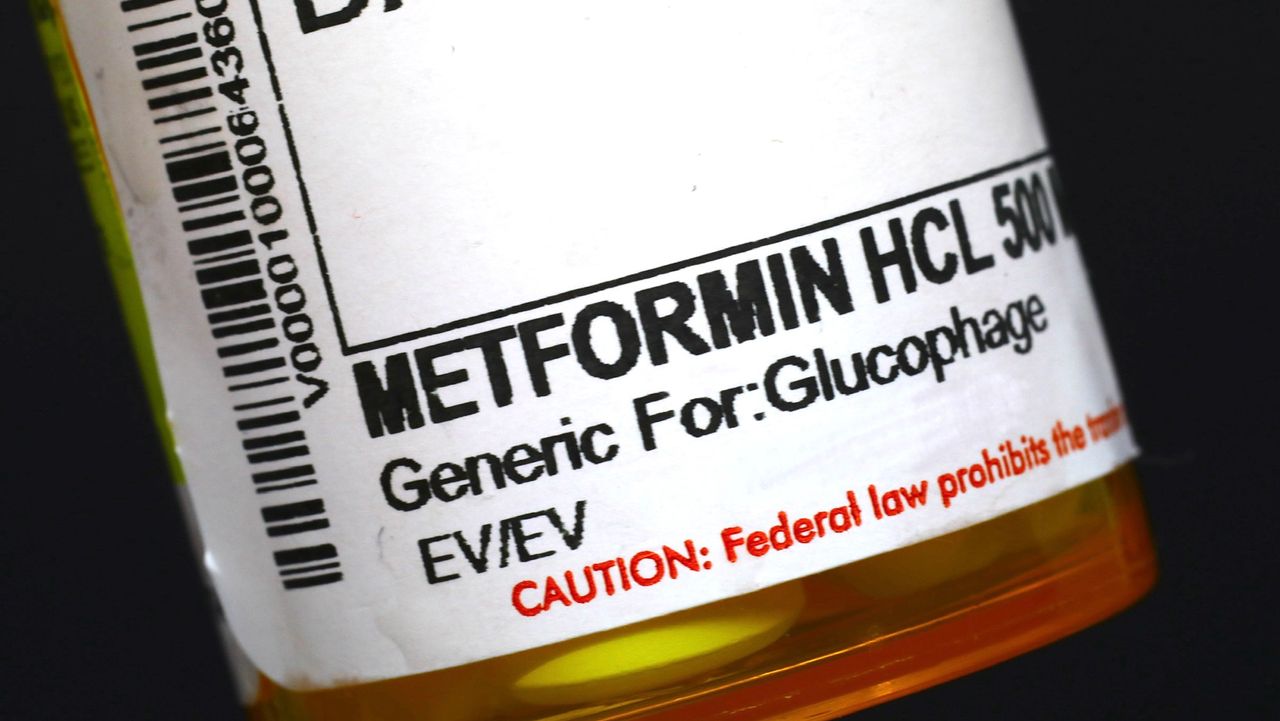
Scientists have debated whether the diabetes drug metformin acts primarily in the intestines or the liver. New findings clear up this confusion.

The Meta settlement requires limited oversight of Instagram and Facebook for just five years. Making it permanent and industry-wide requires a law, says experts Mariana Olaizola Rosenblat and Jonathan Bellack.
The fast-growing private-school network is handing much of instruction over to artificial intelligence. Researchers say the science is far from settled
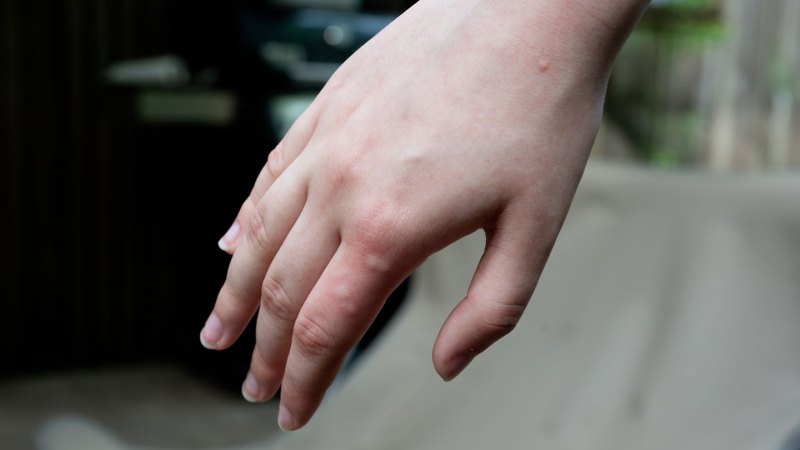
Three species preferred different people based on their skin odor and bacteria. The findings could help make new microbe-based repellants.
In a near-total lunar eclipse, the moon turned red-orange for viewers in North America, Europe and Africa
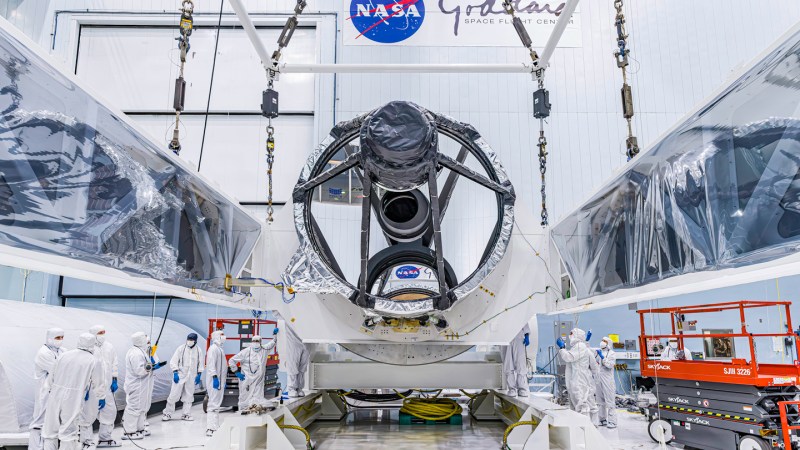
NASA’s new Nancy Grace Roman space telescope will tackle nearly every aspect of astrophysics, including dark matter, dark energy and alien planets.
Reading hasn't been around for long, evolutionary speaking. Instead, the brain recruits systems evolved for other purposes
NASA’s newest major observatory will include the most advanced planet-imaging tech ever flown in space. Here’s how it works
The evidence in favor of and against video games promoting aggressive behavior is murkier than you might think

A study of 70,000 earthquakes finds tiny tremors often precede larger fracking-linked quakes, offering a warning to halt fluid injection.

Appalachia is a hotspot of landslides, but many there can’t afford to move away or mitigate the danger, a new study finds. Wealthy urban residents can.
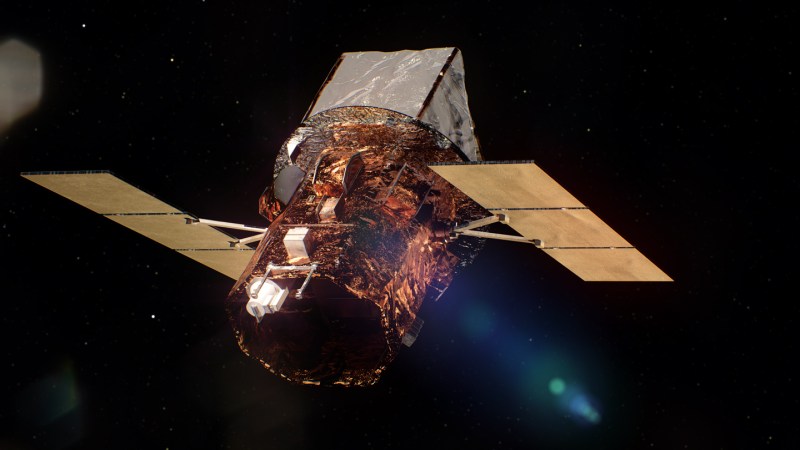
NASA’s attempt to save the falling Swift telescope failed, revealing the realities of the burgeoning field of satellite servicing.
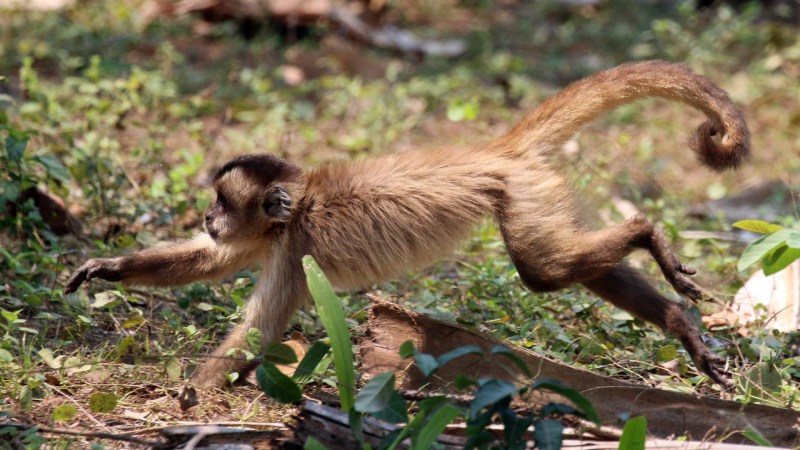
Capuchins hunt and eat small vertebrates more often as plant foods wane. The behavior may help us learn more about humans’ early dietary evolution.
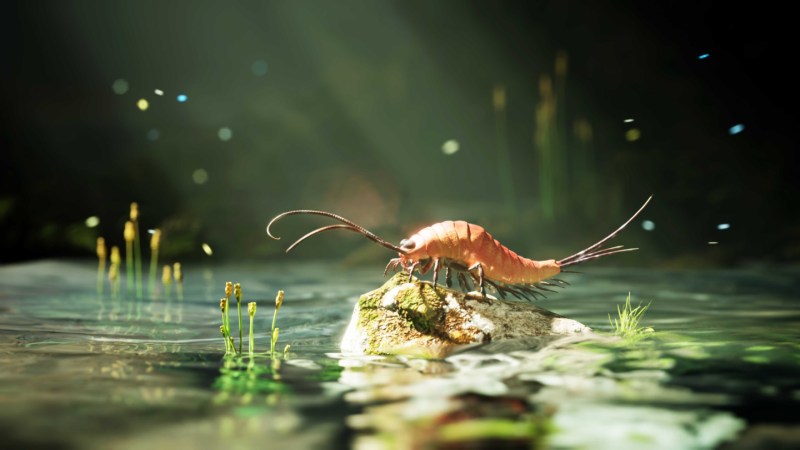
A many-legged oddball from long ago helps fill a major gap in the fossil record — and hints at how insects ended up with just six legs.
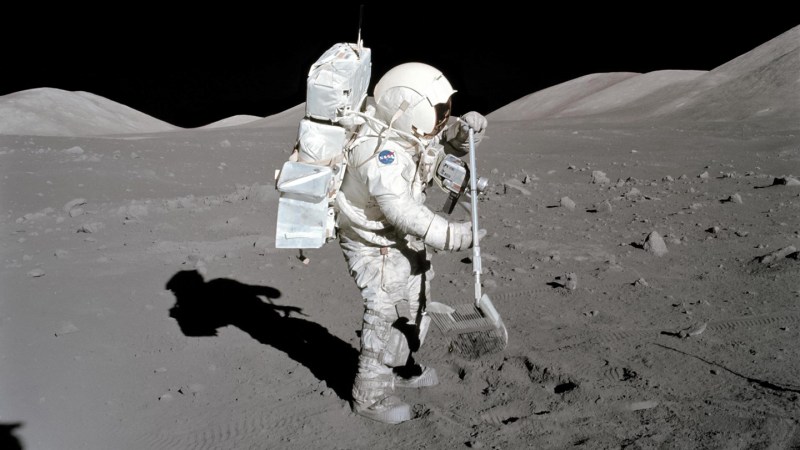
Artemis IV will put people on the moon’s surface for the first time in 50 years. NASA research reveals the microbes that might hitch a ride.
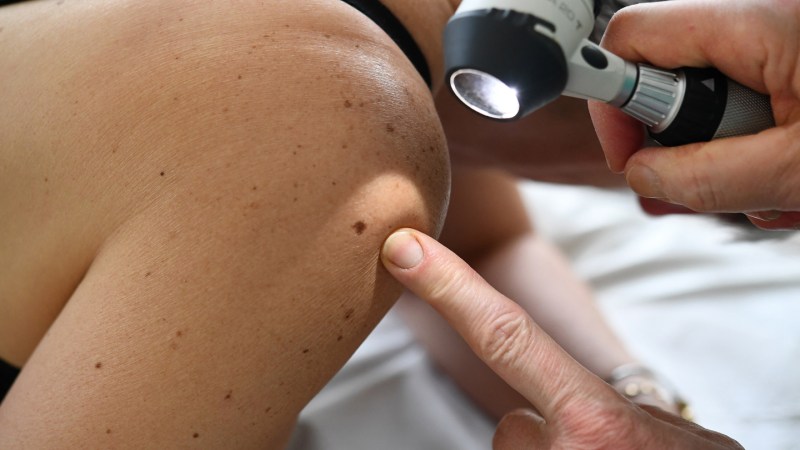
A personalized mRNA vaccine paired with Keytruda may help keep skin cancer from returning after surgery, a large clinical trial suggests.