Science News
Newfound fossils are spilling Denisovan secrets
Teeth and bone fragments unearthed in a cave in China, along with animal bones and stone tools, help paint a picture of Denisovan life.
Latest science news, discoveries and scientific developments.
Teeth and bone fragments unearthed in a cave in China, along with animal bones and stone tools, help paint a picture of Denisovan life.
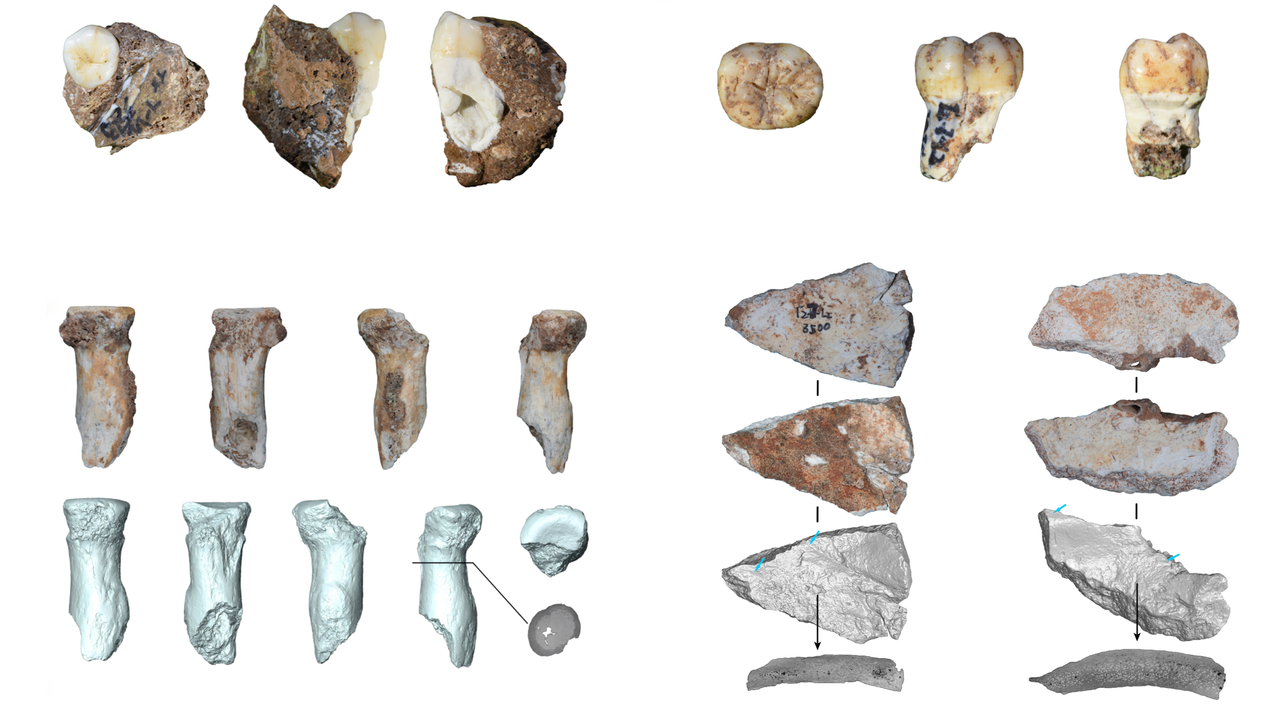
Archaeologists excavating in southwestern China have discovered a cave that was used by Denisovans for more than 100,000 years. Five human fossils, scores of stone tools, and hundreds of animal bones recovered from the cave reveal for the first time that the enigmatic Denisovans thrived in a forested environment where they hunted and ate large game animals.Denisovans were a lineage of humans who lived in Asia and went extinct around 30,000 years ago. Ancient DNA has shown that Denisovans, Neanderthals and modern humans (Homo sapiens) are distantly related and that all three groups interbred in the past. But while archaeologists have found numerous Neanderthal and modern-human skeletons, Deni...
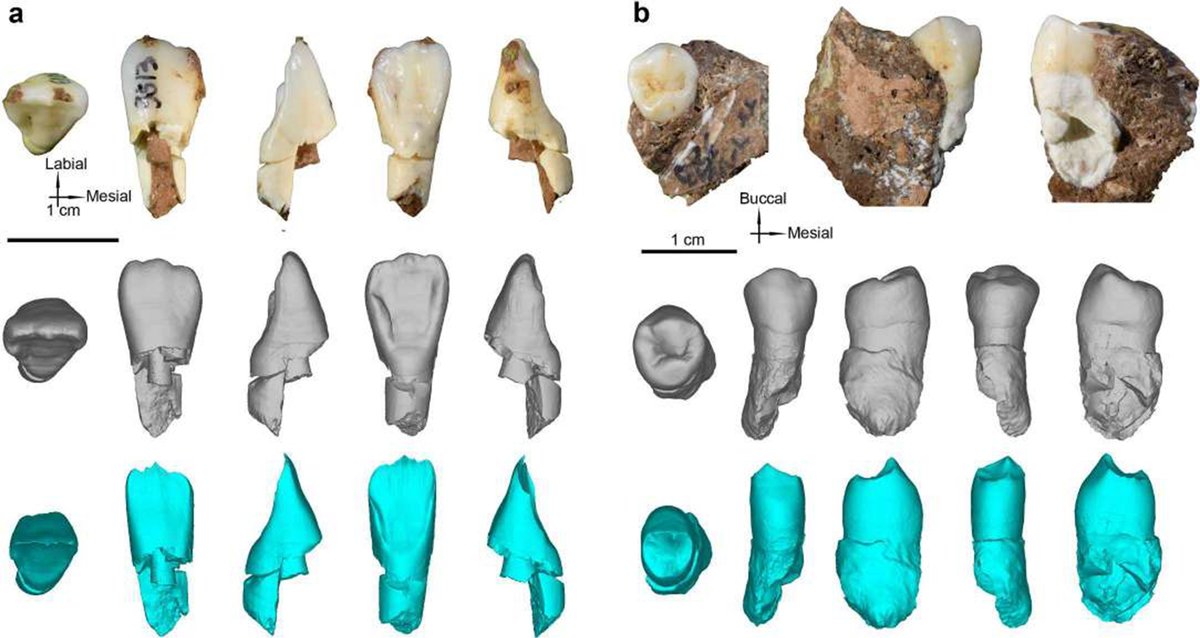
An analysis of ancient bones found in a Chinese cave offer glimpses of how Denisovans lived more than 130,000 years ago

Cleaner engine standards and a gradual uptake of electric vehicles have been credited with helping improve Auckland's air quality in recent years.

Monash University scientists have developed a global framework to tackle a major blind spot in biodiversity conservation: Insects underpin ecosystems and food production but remain largely invisible to conservation efforts across the tropics.

Senegalese engineers in hairnets and white gloves are carefully assembling a nanosatellite at a French lab—another step toward fostering their own space industry back home.

A new Flinders University study of primary school children shows a science-based digital phonics reading app can accelerate early reading while helping teachers quickly identify students needing extra support.

Scientists from the Denver Museum of Nature & Science and Liverpool John Moores University in England have discovered the first adult T. rex trackway, providing insights into how this emblematic predator moved. The findings are published in the Journal of Vertebrate Paleontology.

The moon may have formed in as few as five hours after the cataclysmic collision between Earth and a long-lost protoplanet, new simulations suggest. The surprising findings could help shed light on other historic impacts throughout our cosmic neighborhood and beyond.Experts strongly suspect that the moon was created when a Mars-size space rock called Theia smashed into an early version of our planet, back when the solar system was young and extremely unstable. This colossal impact likely would have turned the once-neighboring worlds into spinning clumps of molten rock that eventually coalesced and cooled into the versions of Earth and the moon we see today. Without this collision, which also...

Indonesia's Mount Anak Krakatau has erupted again this week, sending plumes of volcanic ash high into the sky and disrupting hundreds of flights. More than 300,000 passengers have been affected.

Microplastics are plastic particles smaller than 5 millimeters that originate either from manufactured products or from the breakdown of larger plastic items. They can now be found everywhere, from oceans and rivers to soils and indoor air. Because most plastics degrade very slowly, these particles can remain in the environment for decades or centuries.

As countries compete for skilled workers and grapple with aging populations and labor shortages, understanding who is moving across borders is increasingly important. A new study provides the first global data set of immigration composition disaggregated simultaneously by age, sex and educational attainment, offering a new basis for tracking brain gain and brain drain and improving population projections.

An international team of scientists has recreated a 1,000-year timeline documenting ecological changes and human impact on the area surrounding Crawford Lake, the famed location of the proposed Anthropocene.

Drinking this year's champagne might cause a heftier headache as France's record heat waves force some producers to increase alcohol levels, industry officials said Wednesday.
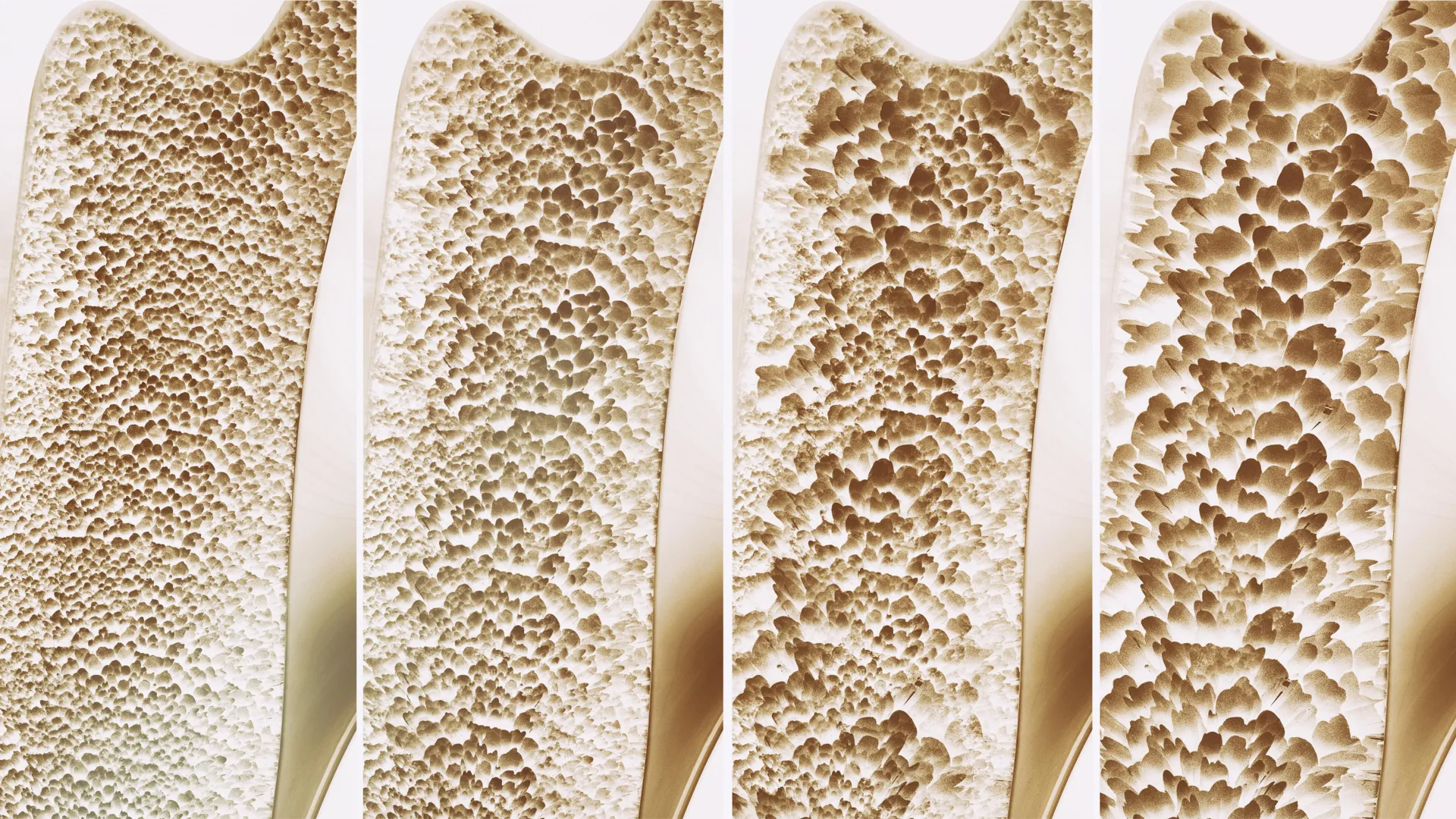
An experimental compound called AP503 significantly strengthened bones in mice by activating GPR133, a receptor that boosts bone formation while slowing bone loss. Because the same treatment has also been linked to stronger muscles, researchers see intriguing potential for combating age-related decline and osteoporosis.

Cannibalism was sometimes on the Neolithic menu, as numerous archaeological discoveries have revealed. But while ancient human bones show the practice took place, far less evidence exists about the forms it may have taken or why people occasionally consumed one another. Was it to stave off hunger during times of desperation? Did different tribes eat their defeated enemies? Or was cannibalism part of complex rituals?

The birds are up with the sunrise—warblers, flycatchers, sparrows and towhees calling across the treetops. Deer browse on tender buds emerging from dense shrubs. Black bears scrounge for roots, insects and other edibles.

Electronic voting, the use of electronic systems to cast, record or count votes, could potentially simplify the process of electing new political leaders or other representatives. While some countries have already started using internet-connected devices or electronic voting machines at polling stations, the trustworthiness, security and anonymity of electronic voting systems are still widely debated.

In research published in the journal Physical Chemistry Chemical Physics, the electronic structures of organic molecules containing sp2-hybridized carbons in organic solvents were studied using C K-edge X-ray absorption spectroscopy (XAS), termed "Soft-XAS-OS."
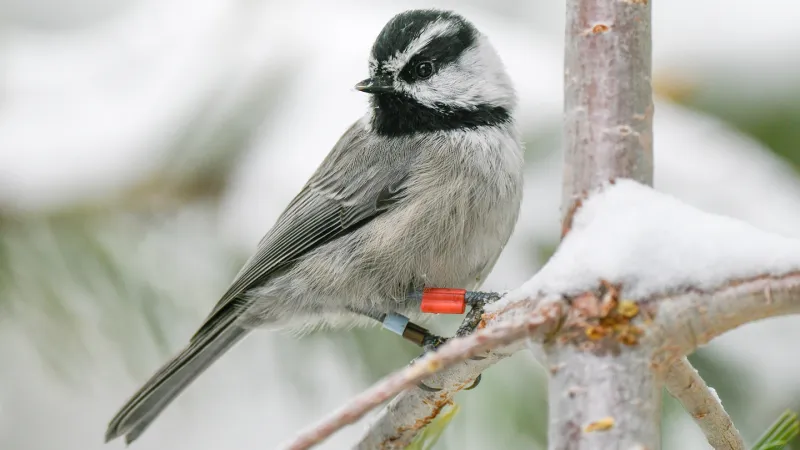
By studying chickadee cognition in the wild, researchers learned smarter birds stay smart in old age, produce more young and have better gut bacteria.