
Science News
Could a whale swallow a person whole?
In the movie Whalefall, a sperm whale accidentally swallows a scuba diver. It’s technically possible, but unlikely to play out in real life.
Latest science news, discoveries and scientific developments.
In the movie Whalefall, a sperm whale accidentally swallows a scuba diver. It’s technically possible, but unlikely to play out in real life.
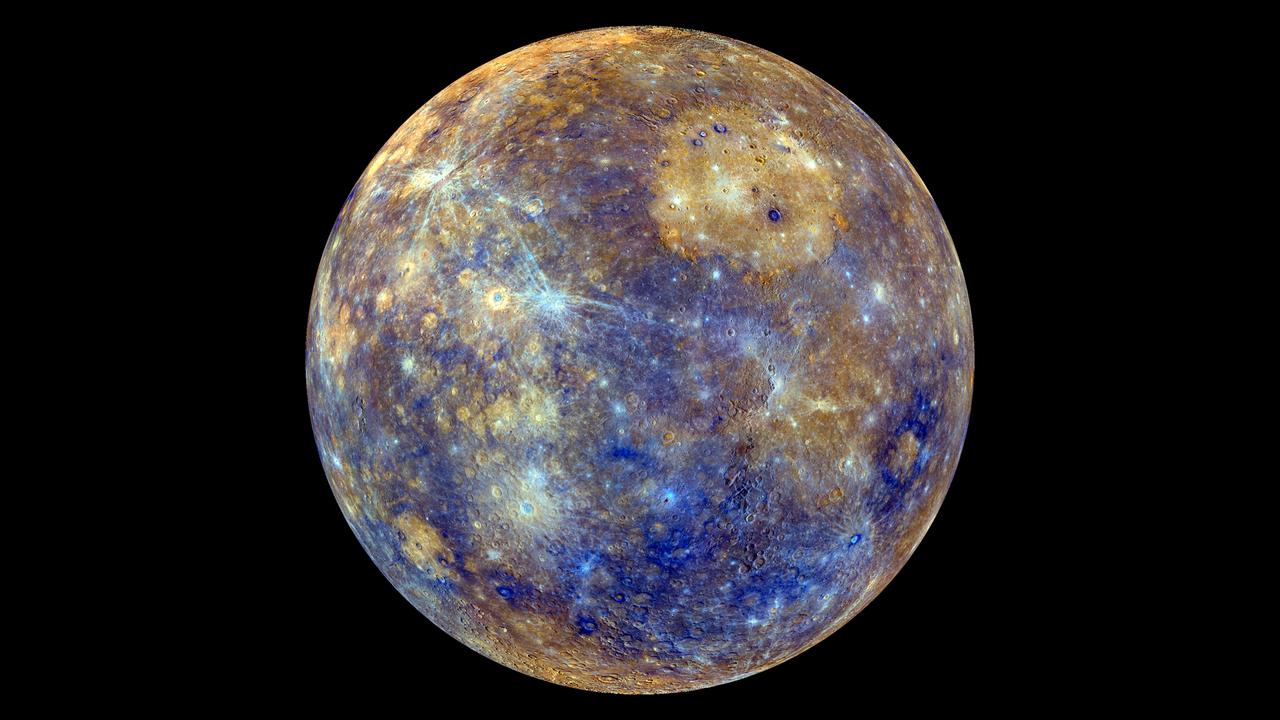
Mercury, which is about one-third the size of Earth, may have shrunk more in its evolution than scientists originally thought.A new study suggests that the tiny planet may have contracted 10% to 30% more than previous models suggested — meaning the planet’s total diameter shrunk almost 12 miles (19 km) since Mercury was formed. (Mercury’s diameter today is roughly 3,032 miles (4,880 km). Previous missions overlooked the extent of the shrinkage because impact-crater debris on Mercury's surface hid the evidence, according to a study published Thursday (Sept. 10) in the journal Geophysical Research Letters. That size difference is important when researchers consider the planet's history, said G...
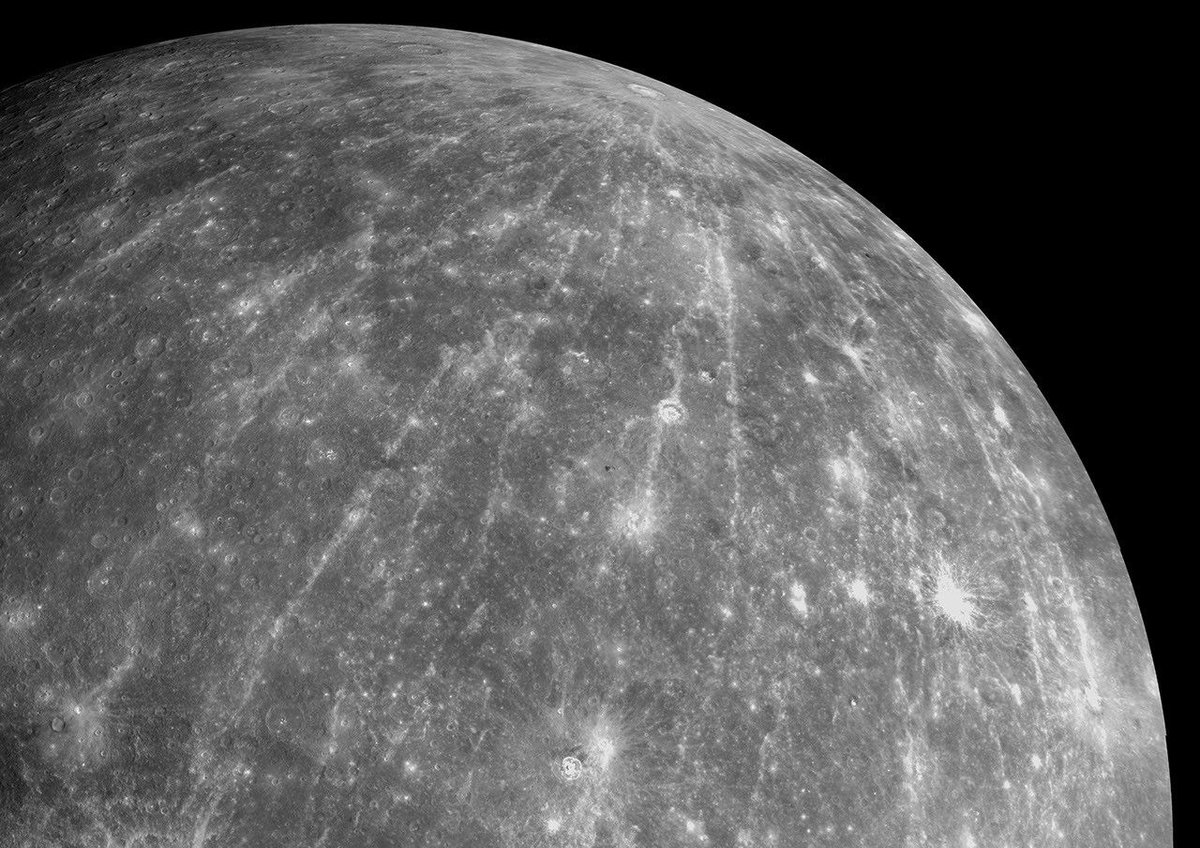
The planet’s “wrinkles” give scientists a clue into how the world is contracting in size
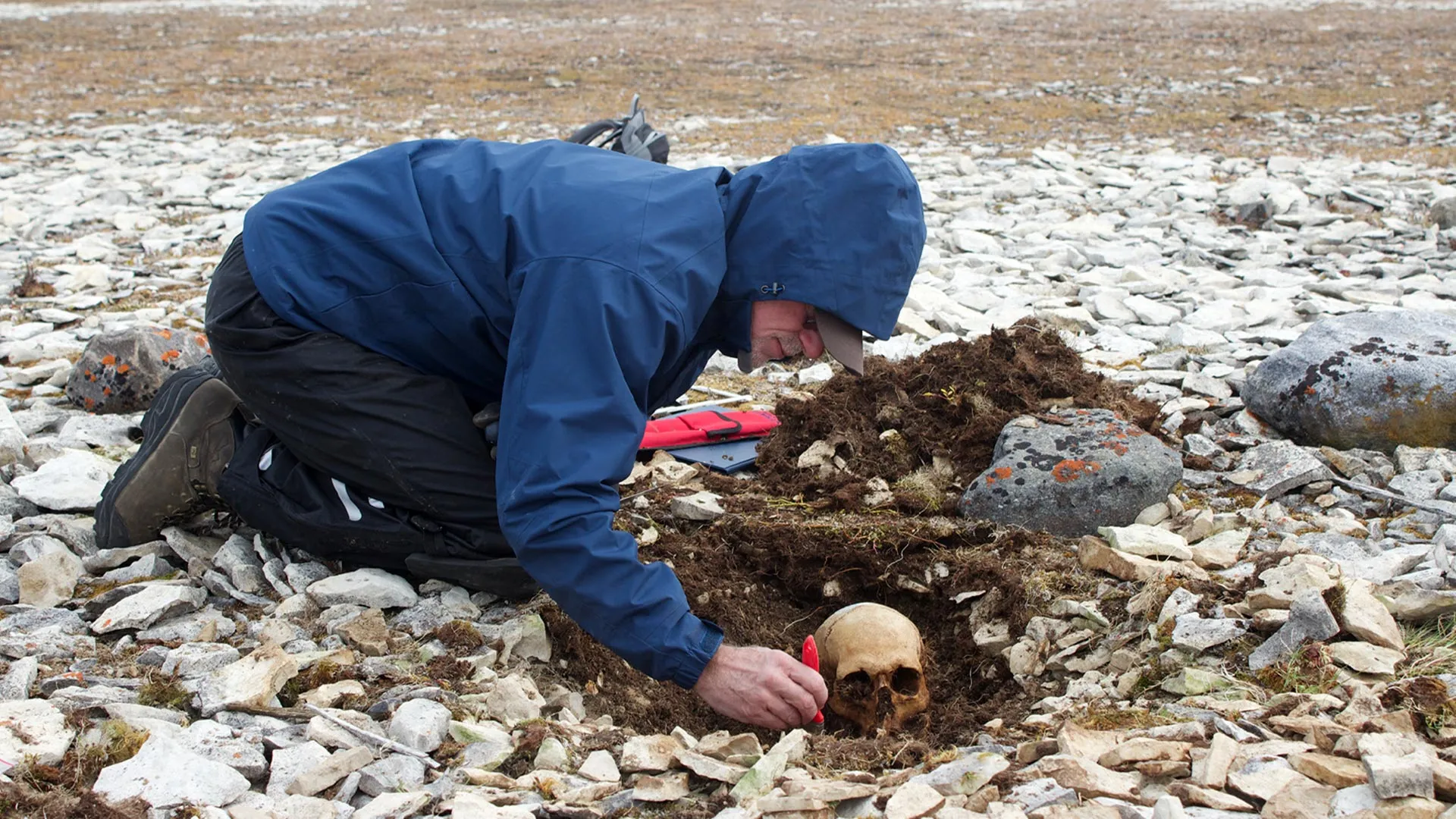
Scientists have used DNA from living descendants to identify four more members of the doomed Franklin expedition, including Harry Peglar, whose identity had remained uncertain for 166 years. The findings offer new clues about the sailors who survived for years in the Arctic before joining the expedition’s ultimately fatal escape attempt.

Researchers have created a foam-based material that produces intense whiteness and water repellency without titanium dioxide pigments or PFAS chemicals. Inspired by natural structures in snow, clouds, flowers, and lotus leaves, the material uses tiny pores to scatter light while its rough surface repels water. The technology could offer a more sustainable way to make white, water-resistant everyday materials.
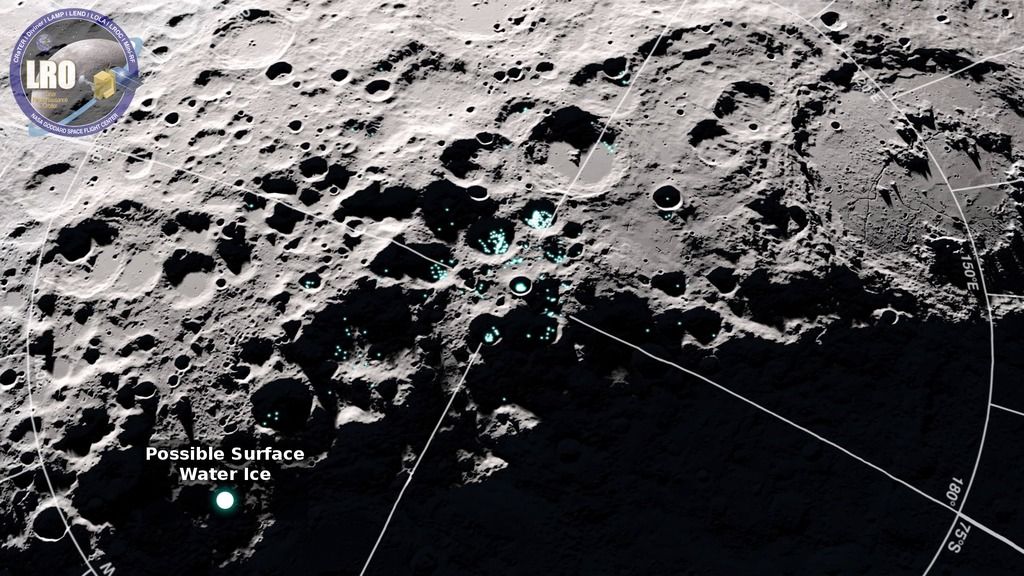
IBM and NASA have partnered to create a new artificial intelligence (AI) model capable of processing decades of lunar data so scientists can more accurately map the moon's surface one day. Decades of robotic lunar missions have left scientists with a massive, disjointed trove of data. Traditionally, this data has been parsed by limited transformer models such as SwinV2-B, created in 2022 as a general-purpose model to understand images and improve accuracy on photo recognition and related vision tasks. Spacecraft orbiting the moon captured this data using a mismatched array of sensors, without an accessible way to analyze or utilize it.Specifically, images from high-resolution optical cameras...
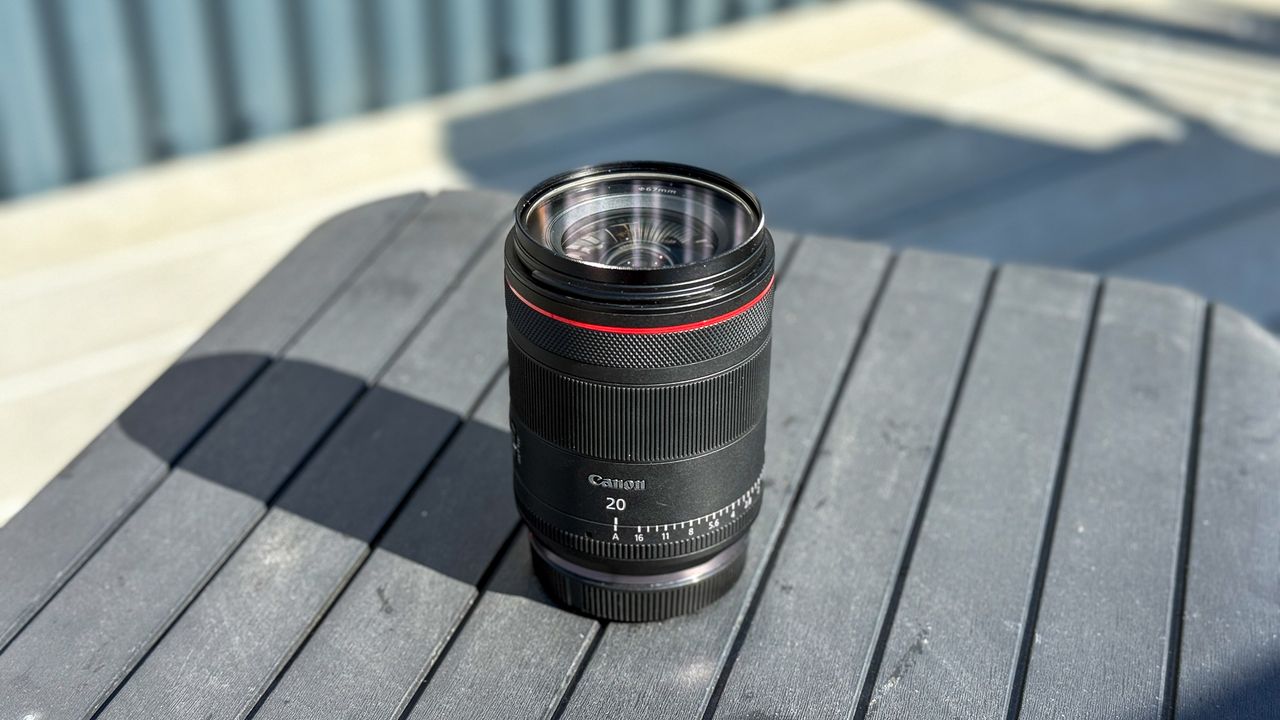
The Canon RF 20mm f/1.4L VCM is an intriguing lens for photographers who want a wide field of view without sacrificing aperture. Its f/1.4 maximum aperture makes it particularly appealing for astrophotography, while the 20mm focal length offers plenty of room for landscapes, architecture and other wide-view scenes.We took the lens out to the dark skies of Wales to photograph the night sky and the Perseids, giving it a real-world test in some of the best conditions we could find. With a premium L-series build and a price tag to match, there's a lot to consider before adding this lens to your kit. We wanted to find out how it actually performs in the real world, and whether it's worth the inve...
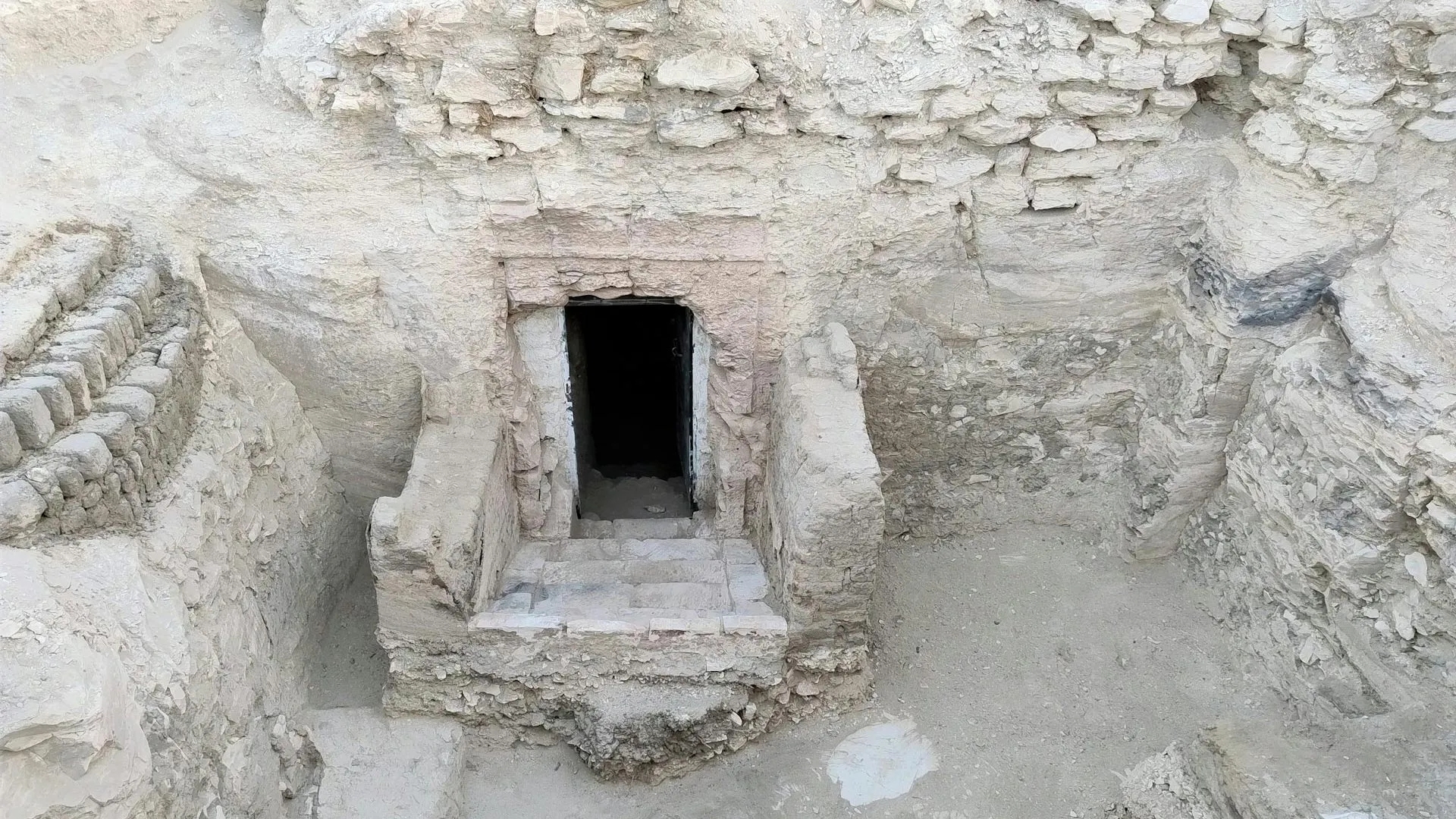
While clearing debris to protect ancient Egyptian tombs from flash floods, researchers near Luxor stumbled upon an unknown 3,000-year-old tomb. Its remarkably preserved paintings depict an official named Paser, his wife, religious scenes, and offerings of food and flowers. The discovery comes as climate-driven flooding poses a growing threat to these fragile remains.
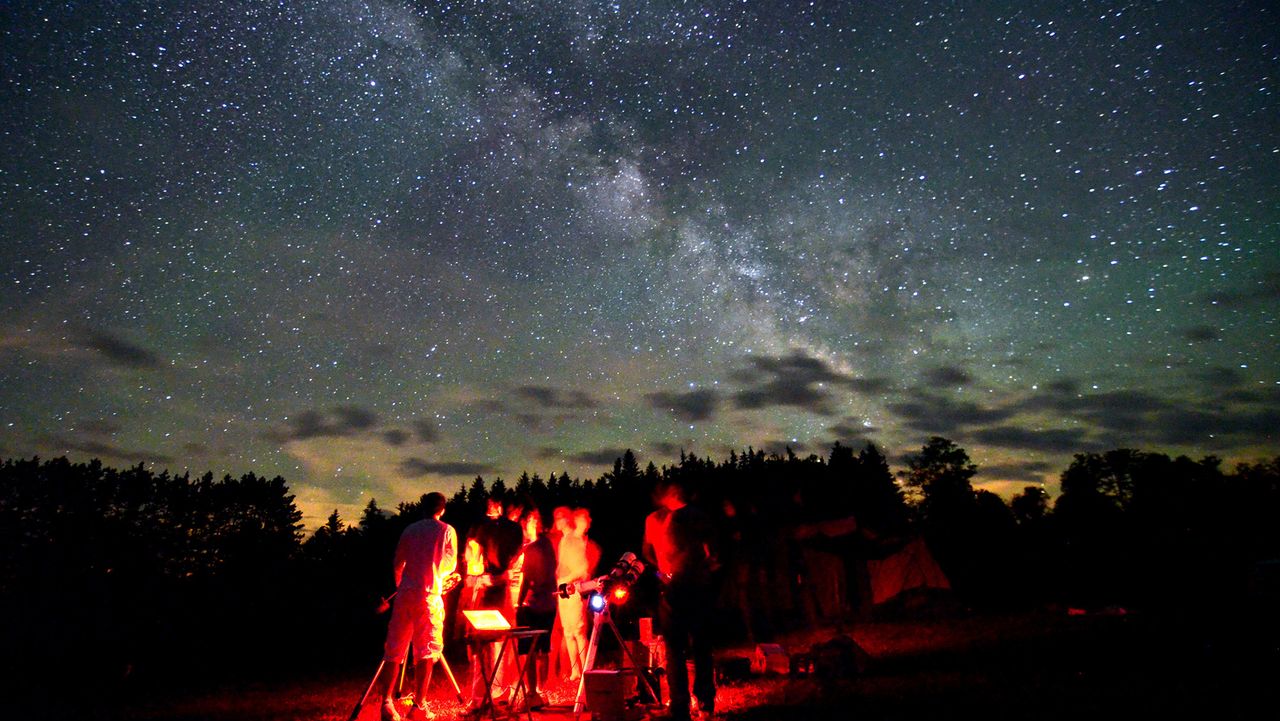
There may be no better month to get outside and look at the stars than September, when warm evenings meet rapidly lengthening nights, the Milky Way remains visible overhead, and the changing seasons can increase your chances of seeing the northern lights.For stargazers in the Northern Hemisphere, summer presents an obvious problem: Darkness arrives late. By September, however, sunset is getting noticeably earlier each evening, providing far more time under dark skies with mild weather in most locations. Days can still feel summery, while nights tend to remain pleasant enough to spend hours outside with a pair of stargazing binoculars or a good backyard telescope. The only challenge is findin...
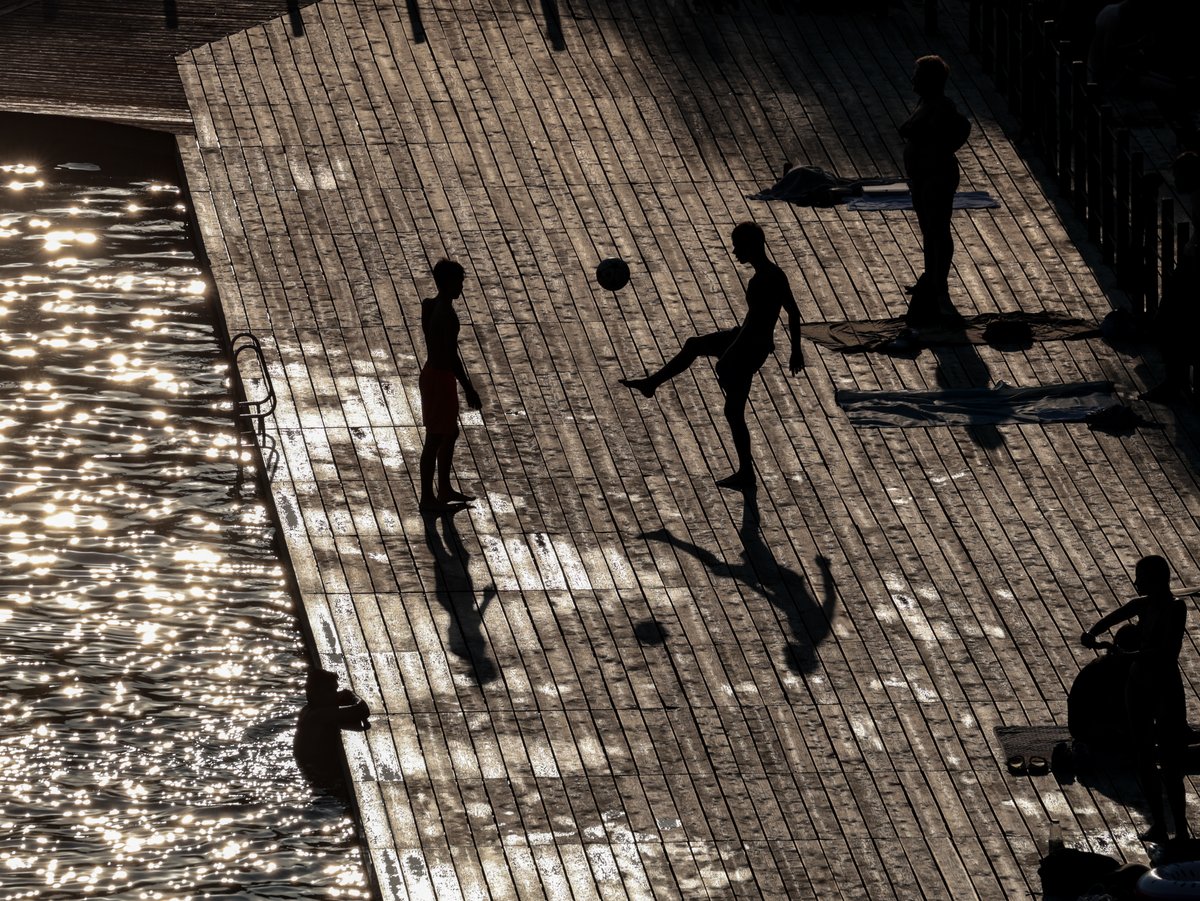
The looming El Niño conditions, combined with the warming effects of climate change, contributed to the historic temperatures
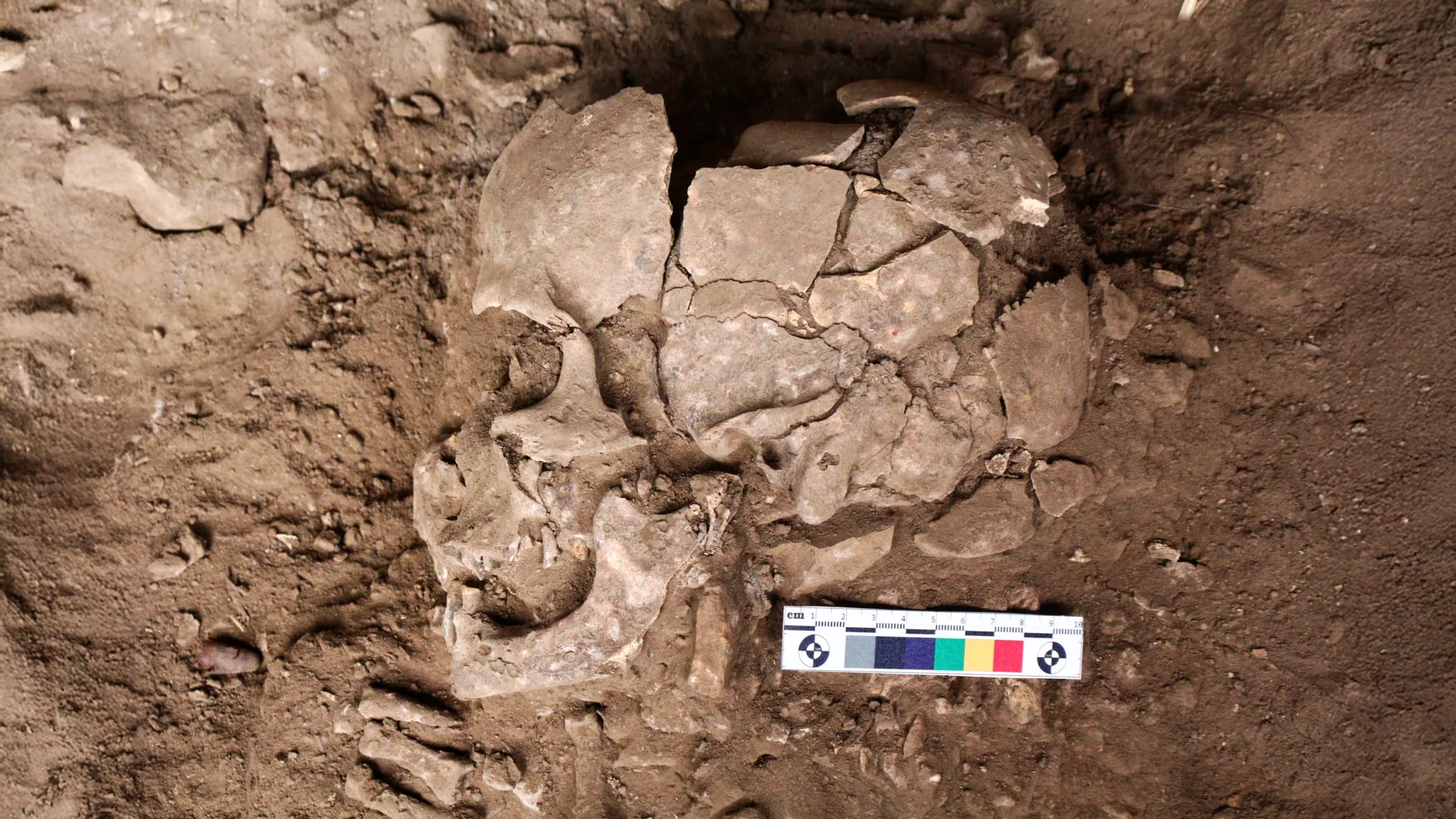
Ancient human remains from Sulawesi suggest people were habitually using the psychoactive betel nut as far back as 25,000 years ago. Researchers found both unusual tooth wear and traces of arecoline, the nut’s mind-altering compound, in the teeth of prehistoric hunter-gatherers. The practice may have started partly as pain relief for toothaches, but prolonged use severely damaged their teeth. The discovery could represent the earliest known evidence of habitual drug use anywhere in the world.

What happens when machines surpass the most brilliant human minds? Mathematicians are finding out
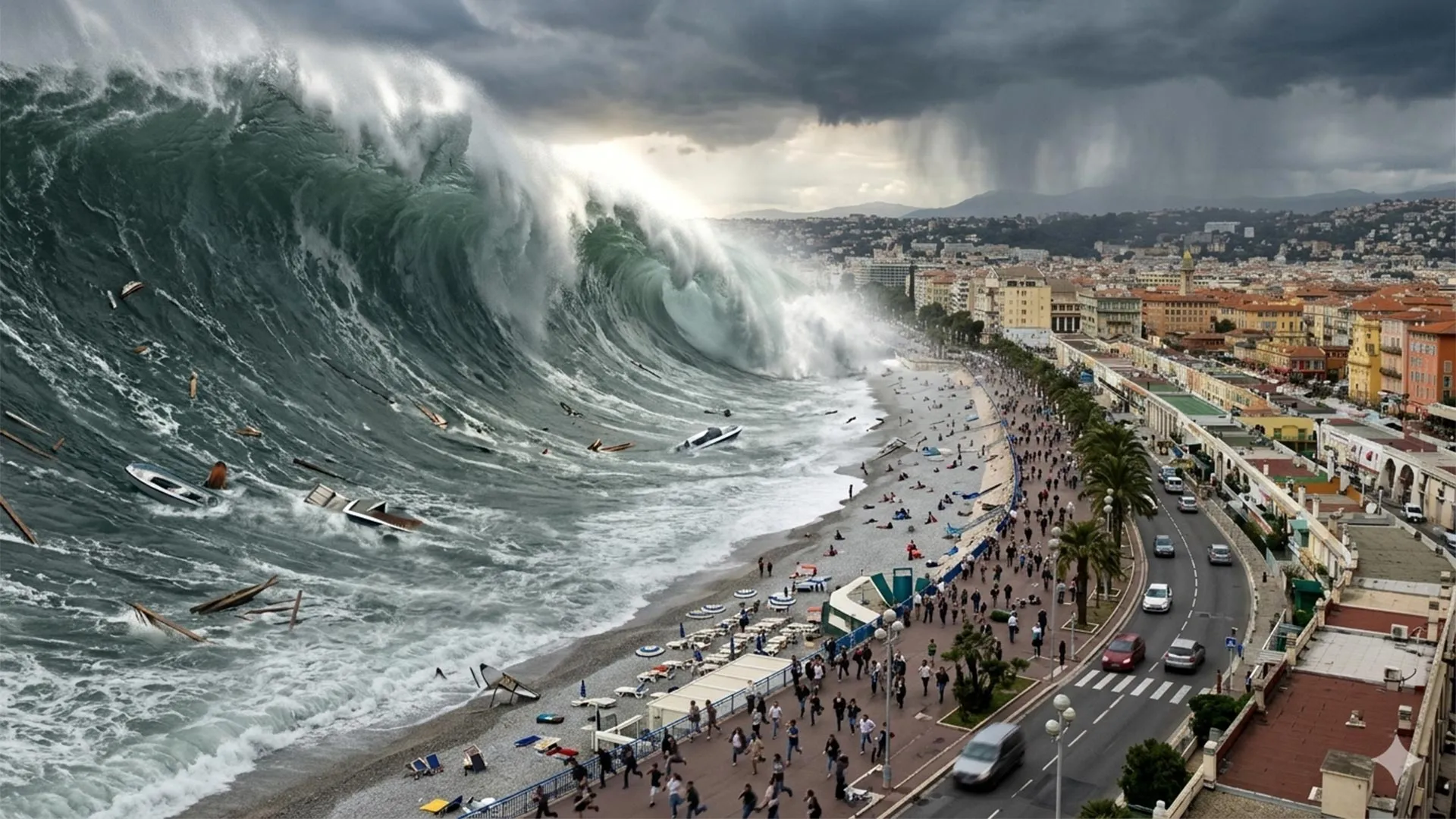
The Mediterranean may seem far removed from the world’s major tsunami zones, but history and modern modeling show that destructive waves can strike the French Riviera with surprisingly little warning. Some tsunamis could reach shore in under 10 minutes, while past events have produced waves around two meters high, powerful currents, damage, and deaths.
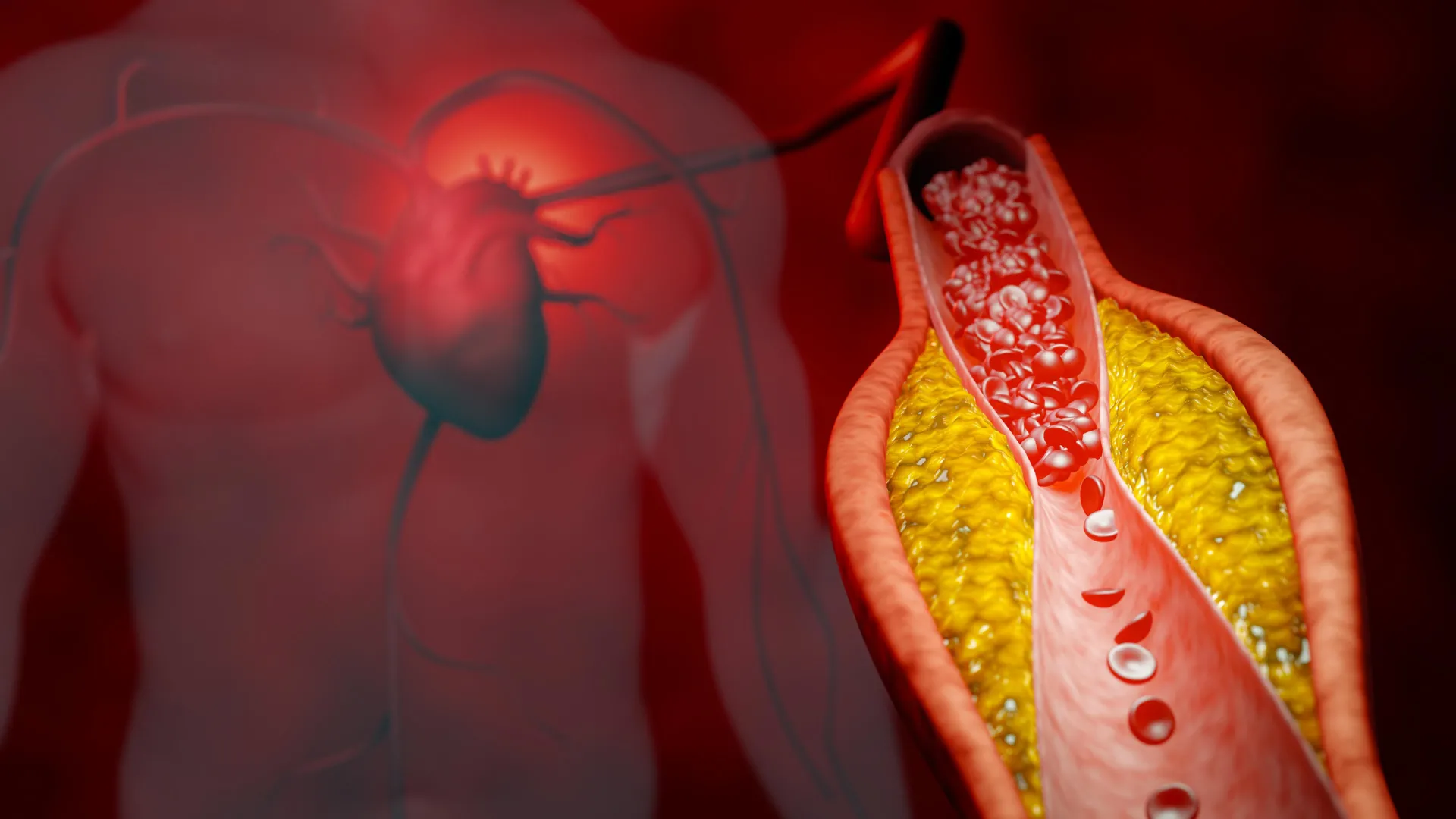
Researchers have designed a new DNA-based treatment that targets PCSK9, a protein closely tied to high LDL cholesterol and atherosclerosis. Their most effective molecule reduced PCSK9 protein by 87% in human liver cells and lowered cholesterol by 47% in genetically modified mice after a single injection.

People who drank at least one sugar-sweetened beverage a day had roughly 2.45 times the risk of gastric cancer compared with those who rarely consumed them, according to a decades-long study of more than 112,000 U.S. adults. Artificially sweetened drinks showed no similar association, though researchers stress that the findings do not prove sugary beverages cause cancer.
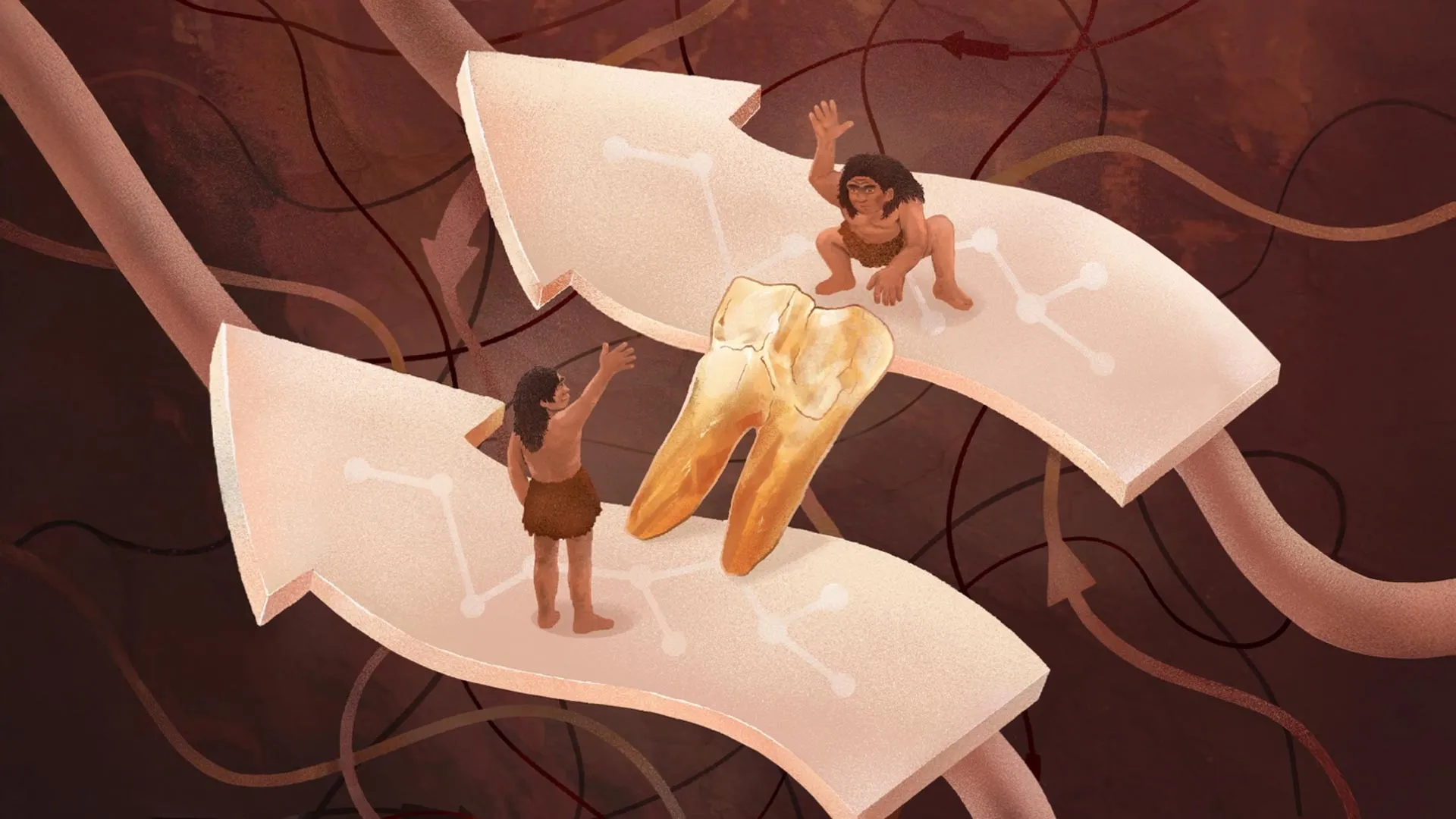
More than 400,000-year-old Homo erectus teeth from China may reveal a surprising link between this ancient human species, Denisovans, and some modern people. Scientists found protein mutations suggesting several East Asian Homo erectus populations belonged to the same evolutionary group, including one mutation previously associated with Denisovans. That variant may have passed from Homo erectus into Denisovans and eventually reached modern populations in Southeast Asia and Oceania.
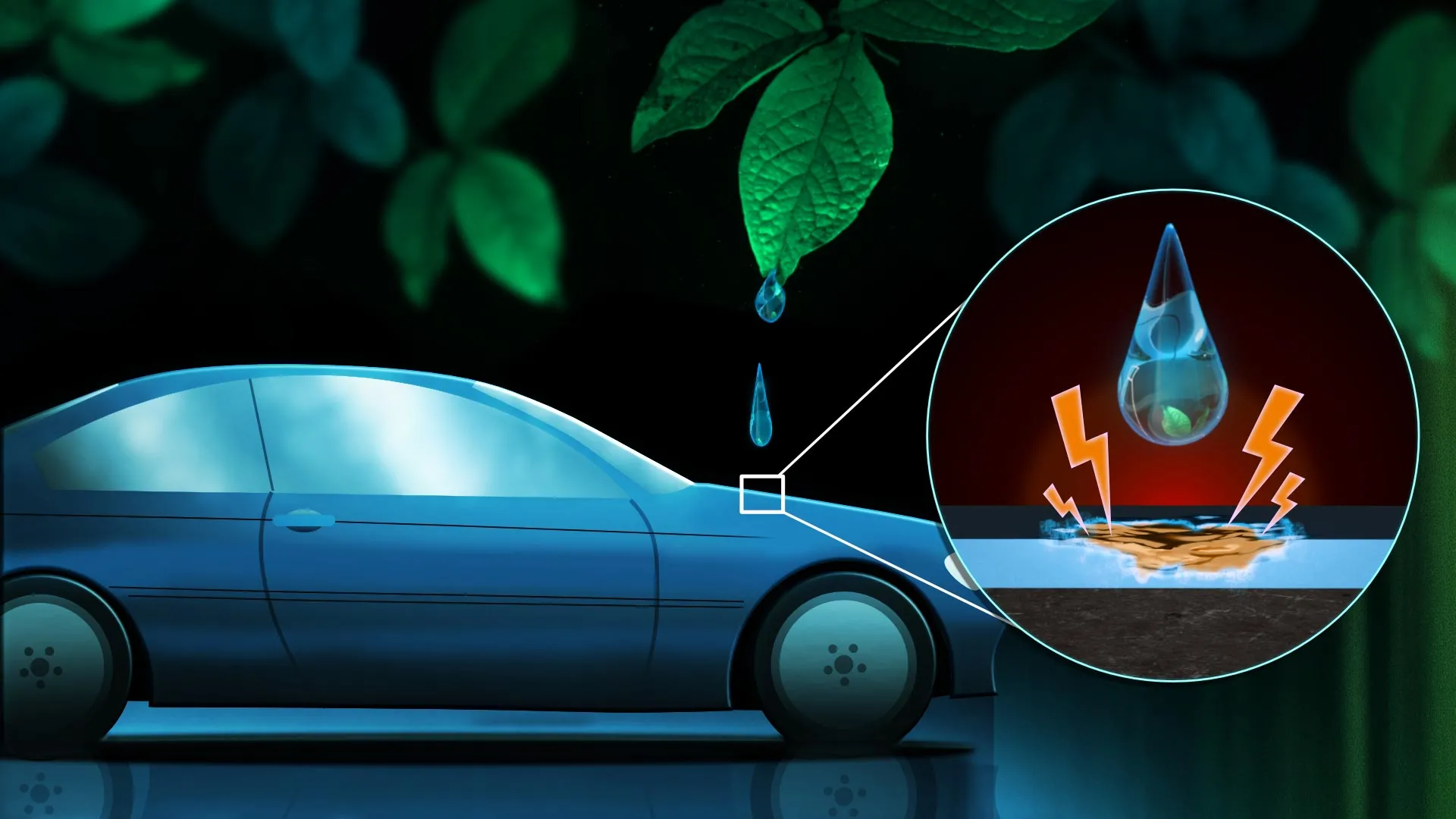
Scientists discovered that charged water droplets can damage protective coatings by releasing tiny electrical discharges when they hit a surface. The hidden effect could help explain weathering and lead to tougher coatings for cars, bridges, buildings, and more.

Researchers from RMIT University and EPA Victoria detected eight PFAS compounds in rainwater samples collected in Melbourne between 2024 and 2025.

An electrical fingerprint found on tiny particles in the blood may help detect signs of pancreatic cancer that are often overlooked, according to new research from Rice University. The researchers developed a device that separates these particles based on their electrical charge, making cancer-associated signals more visible.

Rising sea levels and storm surges could cost $855 billion in economic losses across Australia by the end of the century, according to new research, the first of its kind in Australia.