
Science News
UN says 1.5°C is over and world is on track for 2.8°C of global warming
The best-case scenario now is that the planet will only temporarily breach 1.5°C of warming, but current climate pledges fall way short of that hope
Latest science news, discoveries and scientific developments.
The best-case scenario now is that the planet will only temporarily breach 1.5°C of warming, but current climate pledges fall way short of that hope

A decades-long mystery beneath the North Sea has finally been solved. Scientists have confirmed that the Silverpit Crater, buried 700 meters below the seabed, was created when a 160-meter-wide asteroid struck Earth roughly 43 to 46 million years ago. The violent collision blasted a towering curtain of rock and water 1.5 kilometers into the air and triggered a tsunami more than 100 meters high.

The 67th Supplement to the American Ornithological Society's (AOS's) Check-list of North American Birds, which was published today in Ornithology, includes several significant updates to the classification of bird species found in North America, Central America and the Caribbean.
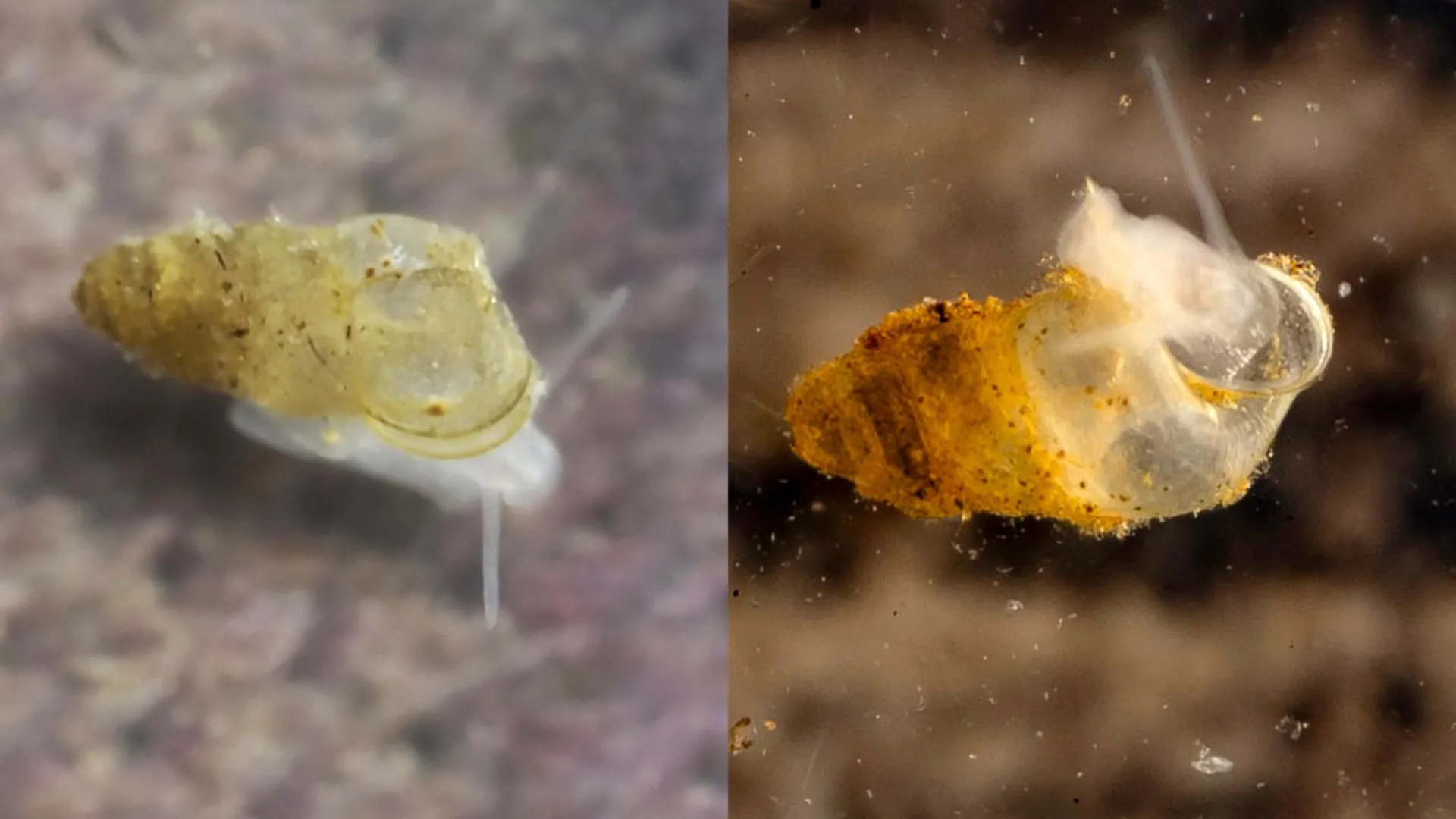
Deep inside a high-altitude Chinese cave, scientists discovered a ghostly, eyeless freshwater snail that has evolved to live entirely in darkness, marking the first recorded discovery of its kind in China. Named after a faceless mythical creature, the rare species may already be in danger, with researchers finding only three living adults.

All neutron stars have intense magnetic fields. The typical magnetic field of a neutron star is about 100,000 times stronger than the strongest magnetic fields we can create on Earth. But about 1% of neutron stars have even stronger magnetic fields. Known as magnetars, their magnetic fields can be 1,000 times stronger than a regular magnetic field. They are a likely cause of powerful transient events such as soft gamma-ray repeaters and fast radio bursts. A new study looks at how magnetars might form. The findings are published on the arXiv preprint server.

Public and private investments must address the financial barriers preventing women from benefiting fully from digital technologies and artificial intelligence as multiple global crises and aid cuts bite.

With the midterms fast approaching, communicating just the right message has been top of mind on all sides of the political aisle.
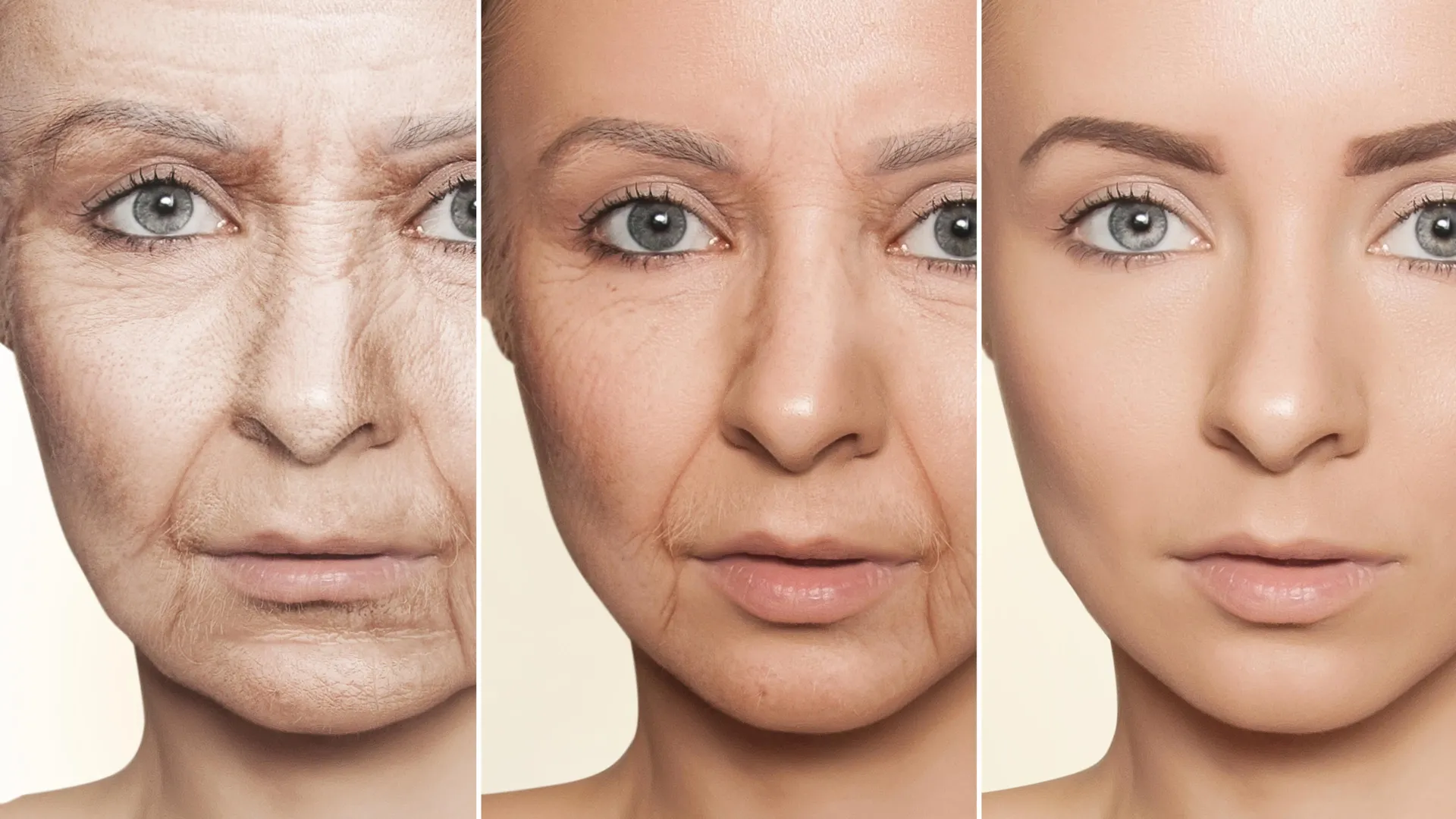
A study by DZNE finds that healthy eating is associated with slower biological aging—and that there is more than one way to eat healthily. The researchers examined ten dietary patterns considered healthy, including the Mediterranean, Nordic, and a plant-based diet, as well as the DASH diet, which is designed to help lower blood pressure. The findings are published in the journal Nature Communications.

Molecules can spontaneously organize into complex, ordered structures through a process known as self-assembly. Among these structures, soft quasicrystals display unusual patterns that do not repeat regularly like conventional crystals. However, producing such structures with a uniform orientation over large areas remains a major challenge.

Volunteer researcher Chris Hopper, JCU's adjunct professor Eric Wolanski and independent researcher Natalie K. Dowling examined the impact of saltwater and erosion on Horseshoe Bay Lagoon, a freshwater lagoon and one of the few swamps with bulkuru sedge—also known as water chestnut—on the island. The study is published in the journal Applied Sciences.

The most comprehensive data set ever collected from Earth's atmosphere during a solar radiation event has highlighted the importance of better-coordinated radiation monitoring for aviation safety, according to new research led by the University of Surrey.

Recently, shorter teacher certification programs have been introduced in different Canadian provinces. These programs are being implemented in Alberta, Nova Scotia, Ontario and Québec.

Driving across Highway 37 in the San Francisco Bay Area on the best of days already feels like driving on top of water. Buffeted on both sides by marshlands hosting egrets, herons, ducks and a handful of endangered species, the sea-level highway is a major connector linking Marin, Sonoma, Napa and Solano counties.

Advances in weed management technology could reduce reliance on herbicides and manual labor, but a new review from the University of Mississippi and Cornell University indicates those tools also bring steep costs and potential challenges.

Late last year, scientists in Germany published findings on a World War II munitions dump in the Baltic Sea. Some may dismiss the dump as hazardous waste, but to marine biologists it was something far more exciting: a thriving ecosystem.

The site of a former U.S. military base in Greenland was ice-free at a time when summers were a few degrees warmer than today, according to a new University at Buffalo–led study of ancient sediment recovered from beneath the site in the 1960s.

Imagine sitting on a city bus full of strangers. Look around at the people riding with you. If you needed help, how would you choose whom to trust? By scanning people's faces, your brain is already making interpretations about their personalities by judging certain facial features.

Housing development in Colorado is spreading into fire-prone landscapes, increasing wildfire risk and adding to the challenges of affordable housing and rising insurance costs.

The identity of a mysterious skeleton found in a Roman sarcophagus in the grounds of Westminster Abbey more than 150 years ago appears closer to being solved.

People are more likely to mimic — or even surpass — rule breakers than rule followers, a study finds. But real-world consequences may keep people in line.