Science News
Why we love unexplainable mysteries
The biggest questions in science inspire us even when we lack answers
Latest science news, discoveries and scientific developments.
The biggest questions in science inspire us even when we lack answers
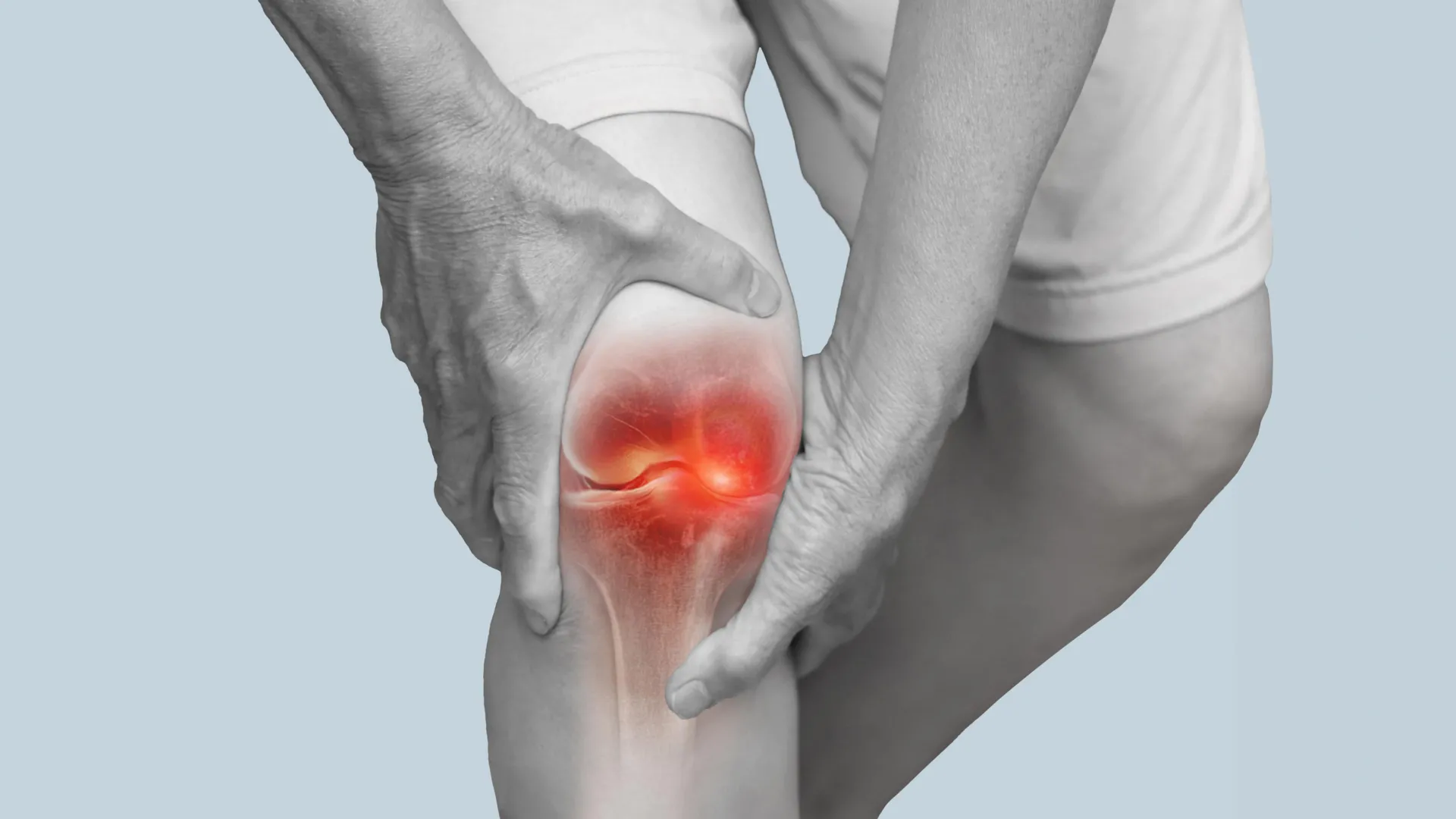
A major analysis of 139 clinical trials involving nearly 10,000 people suggests that some of the simplest treatments may work best for knee osteoarthritis. Knee braces ranked highest overall for reducing pain, stiffness, and mobility problems, while water-based therapy was especially effective for pain and regular exercise consistently improved both pain and physical function. More high-tech approaches, including ultrasound, generally performed worse.

A newly discovered communication system in the microscopic “antennae” of cells may help explain how some congenital heart defects develop. When genetic mutations disrupt this system, the effects may extend beyond the heart to organs including the brain, kidneys, and skeleton.
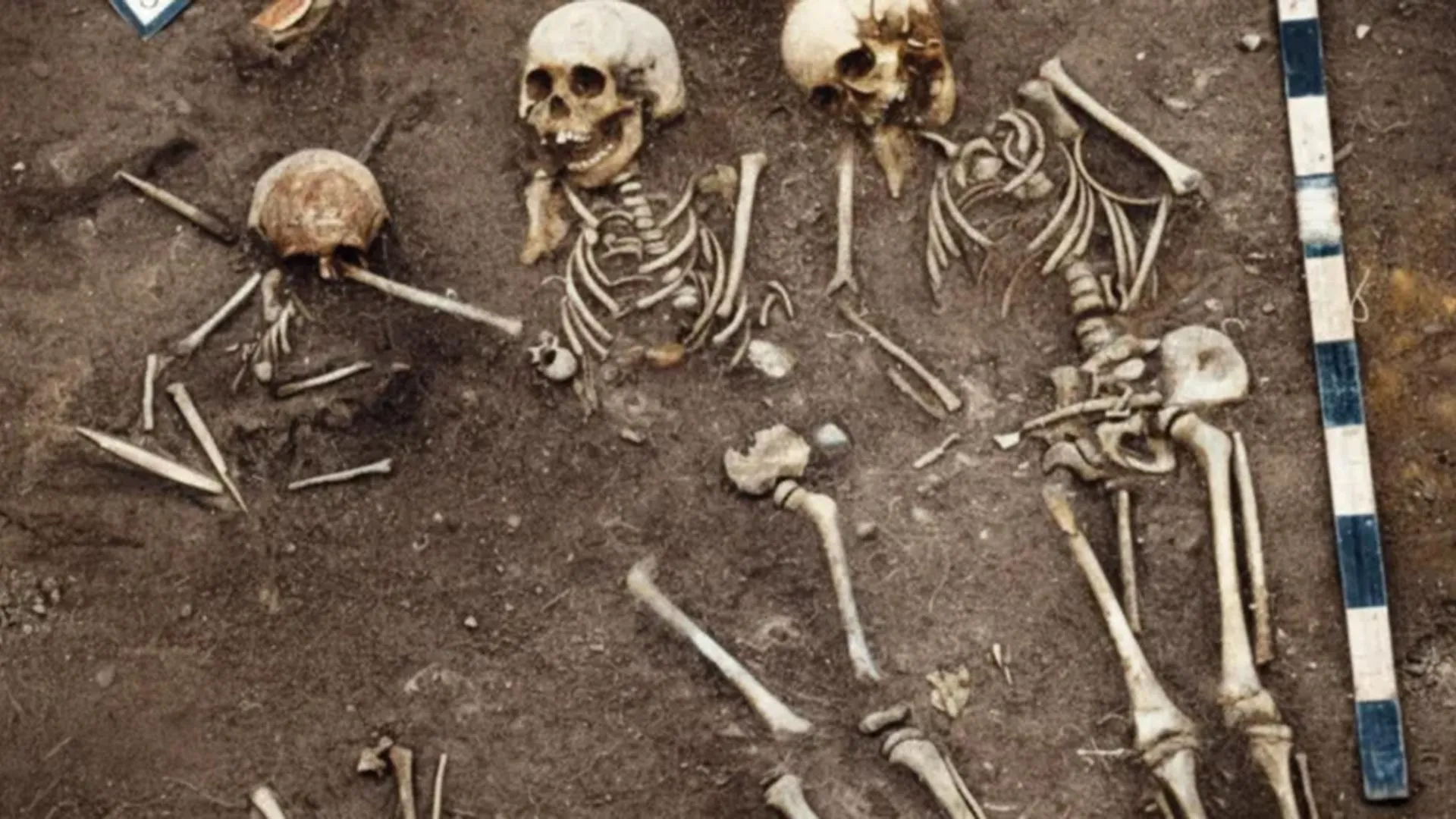
Ancient DNA reveals that plague was already killing hunter-gatherers in Siberia 5,500 years ago, long before cities and flea-driven epidemics. The prehistoric strains may have been especially dangerous because they carried a genetic factor capable of provoking severe immune reactions.

More than 60 years after surveys suggested a deep coral reef off Benin was probably dead, scientists have found it alive. Cameras revealed healthy-looking coral patches supporting multiple fish species more than 50 meters beneath the surface. The discovery suggests West Africa’s coastal waters may contain other overlooked reefs that have yet to be documented.
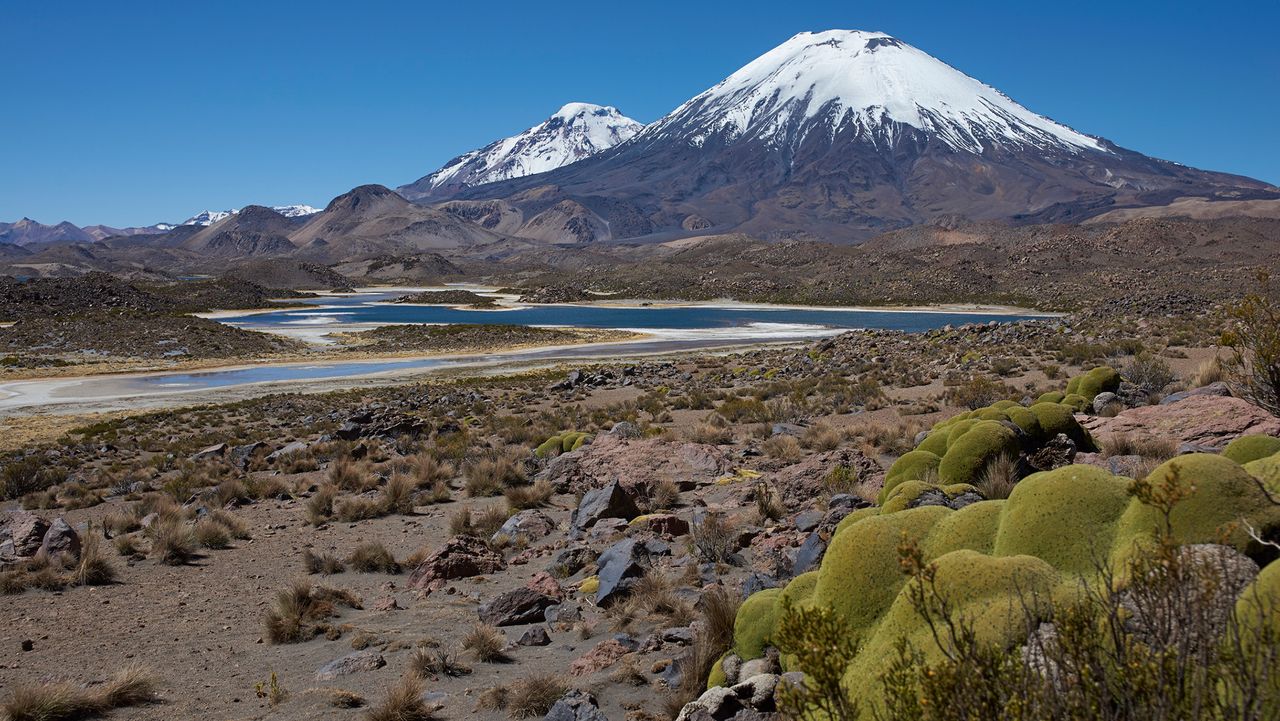
A volcanic eruption 22 million years ago froze a snapshot of the Andes in their youth, revealing a slow-and-steady formation of this formidable mountain range. The eruption, which originated from the Lauca Caldera in what is now northern Chile, blanketed the landscape in a formation known as ignimbrite. This rock is left over after a pyroclastic flow — a mix of rock, volcanic gas and ash that sweeps over the landscape like a broiling tsunami. Pyroclastic flow is what buried the Roman town of Pompeii after the eruption of Mount Vesuvius in A.D. 79, preserving buildings and people where they fell. Now, a new study published Sept. 11 in the journal Science Advances extrapolates the landscape ...
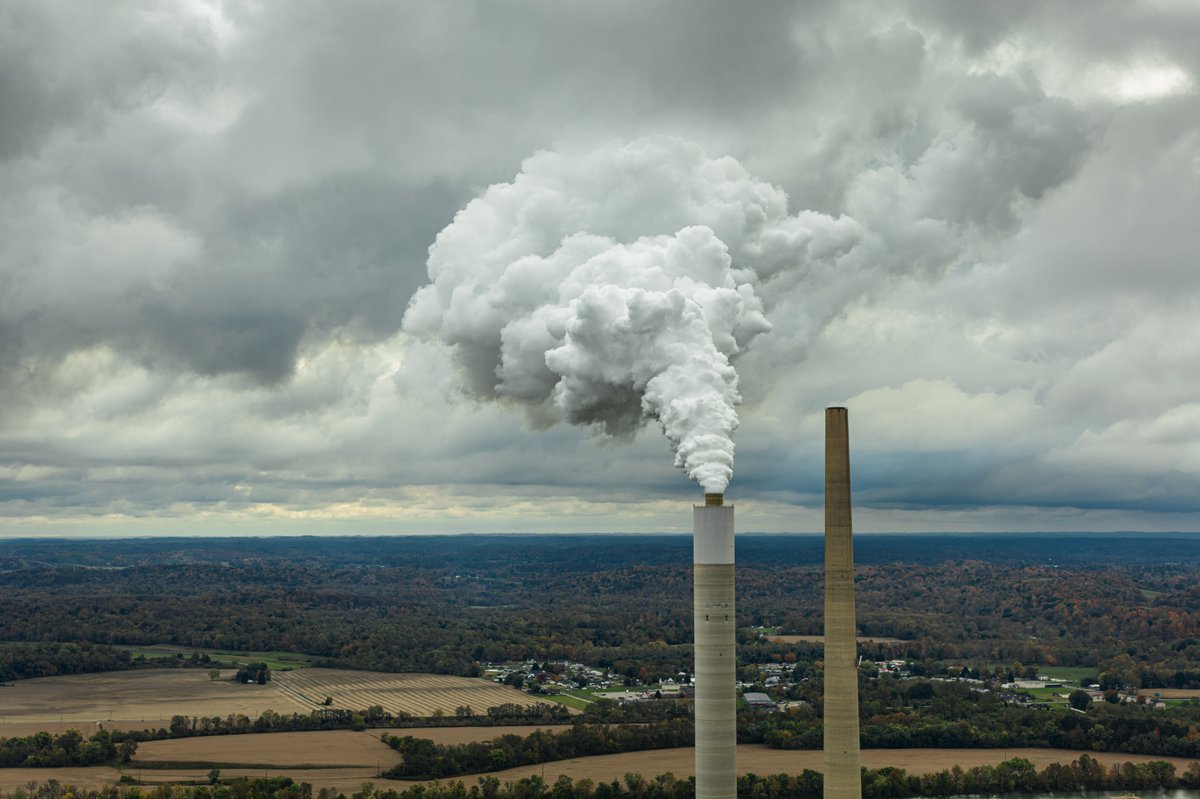
The reversal of a Biden-era cap on emissions from the plants could have devastating effects in efforts to stop climate change
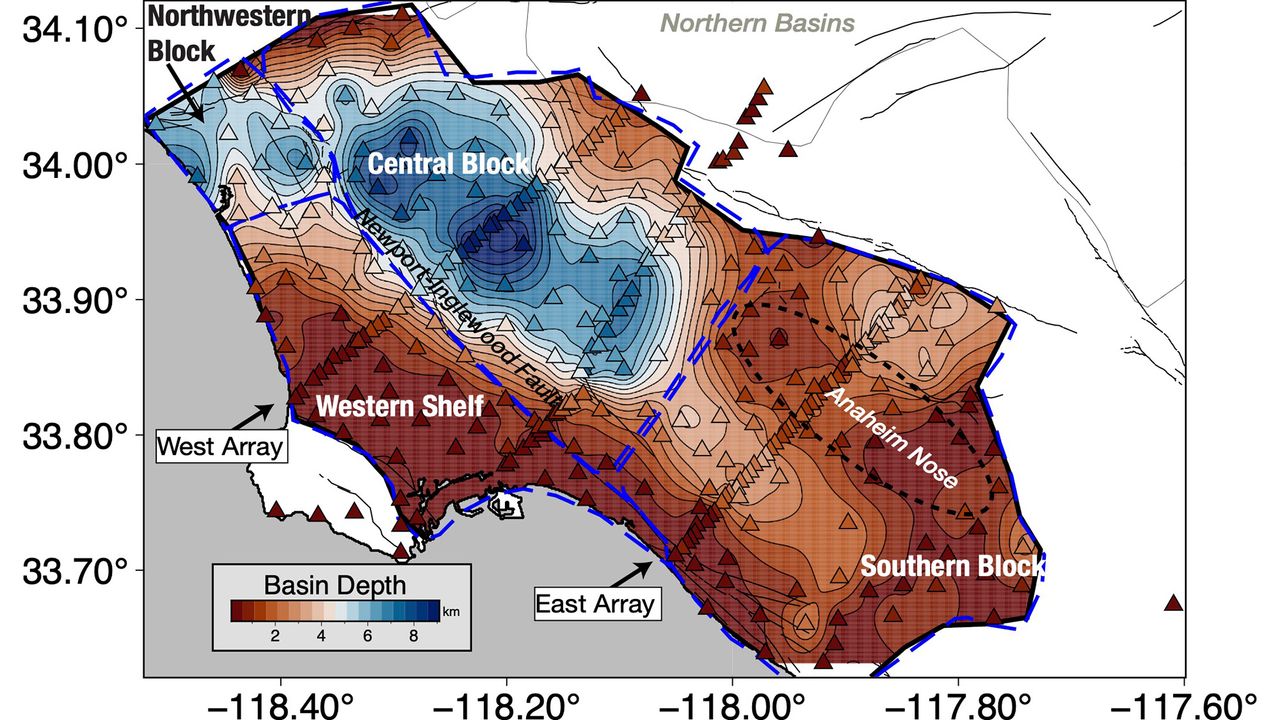
Scientists have a new view of the ground under Los Angeles, and it's a bit shaky. The 3D model of the Los Angeles basin shows that downtown LA is underpinned by up to 6.2 miles (10 kilometers) of sediment, which will likely amplify shaking from any earthquake that hits the region. That's not entirely new information, but the underground map is more precise than ever before, and it should help earthquake scientists better understand which areas of the city are most vulnerable. "With this improved model of the basin, we now know the shape of the edges of the basin in a lot more detail," Elizabeth Cochran, a U.S. Geological Survey seismologist who was not involved in the study, told Live Scienc...
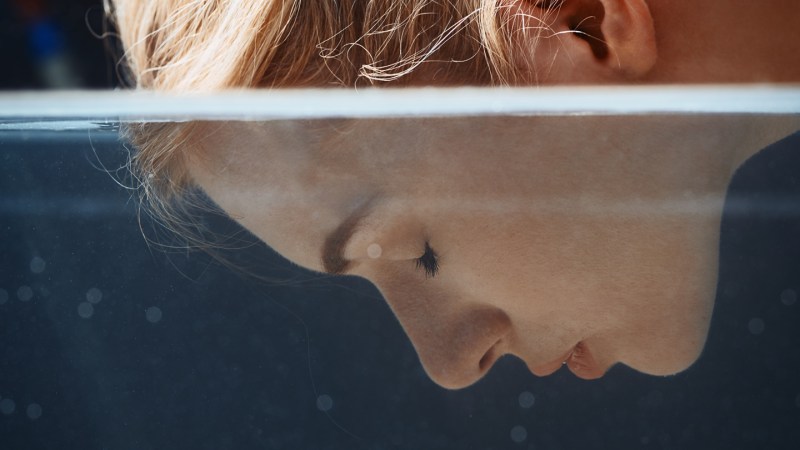
Scientists are exploring new ways to regain control of overactive nervous systems including humming, tapping on the skin and cold-water immersion.

Every second, particles zip through your body at nearly the speed of light. They rain down from a storm high in the sky, where cosmic rays, a powerful type of interstellar matter, constantly strike atoms in Earth's atmosphere. The impacts break them apart into a shower of particles that rain to the ground.
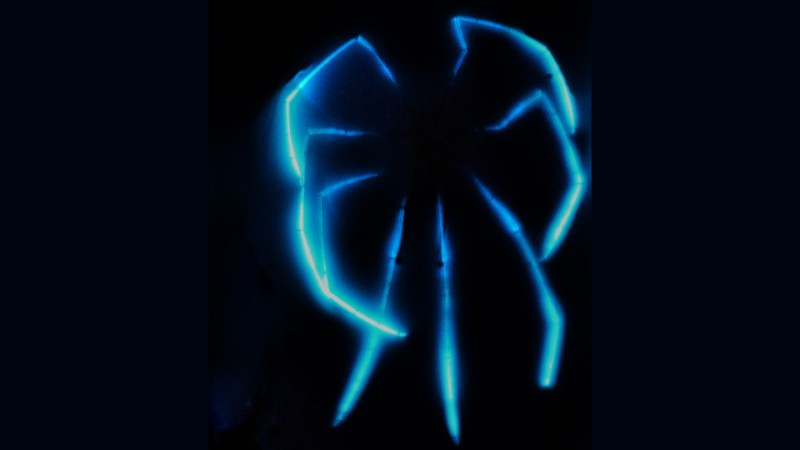
An expedition of a deep-sea trench near Australia uncovered the eerie sea spider specimens, whose glow may have been chronicled in 19th century documents.

A new declaration from winners of the Fields Medal reflects many mathematicians’ growing alarm over a “severe misalignment” between the tech industry and their field a week after AI toppled one of math’s biggest open problems

Cancer rates are rising in adults under 55, and new research suggests accelerated biological aging may be one piece of the puzzle. Scientists found that people from more recent generations tended to have bodies that appeared biologically older than those of earlier generations at the same chronological age. Greater biological age acceleration was linked to a higher risk of early onset cancers, with specific patterns seen for lung, gastrointestinal, uterine and colorectal cancers.

One of the problems with how America deals with wildfires is the belief that there is one primary strategy that can end the nation's wildfire crisis. Whether that's detecting and putting out every fire fast, increasing logging and forest thinning, or allowing fires to burn under safe conditions, the default choice today is to pour more money and effort into the star approach of the moment.

A research team from the University of Bern has shown in a large-scale field experiment that populations of the same fish species can be much more fine-tuned to their local environments than previously thought. Habitats that appear nearly identical to us can therefore make a decisive difference in evolution. This hidden diversity is not only key to understanding how biodiversity arises, but also has important implications for its conservation.
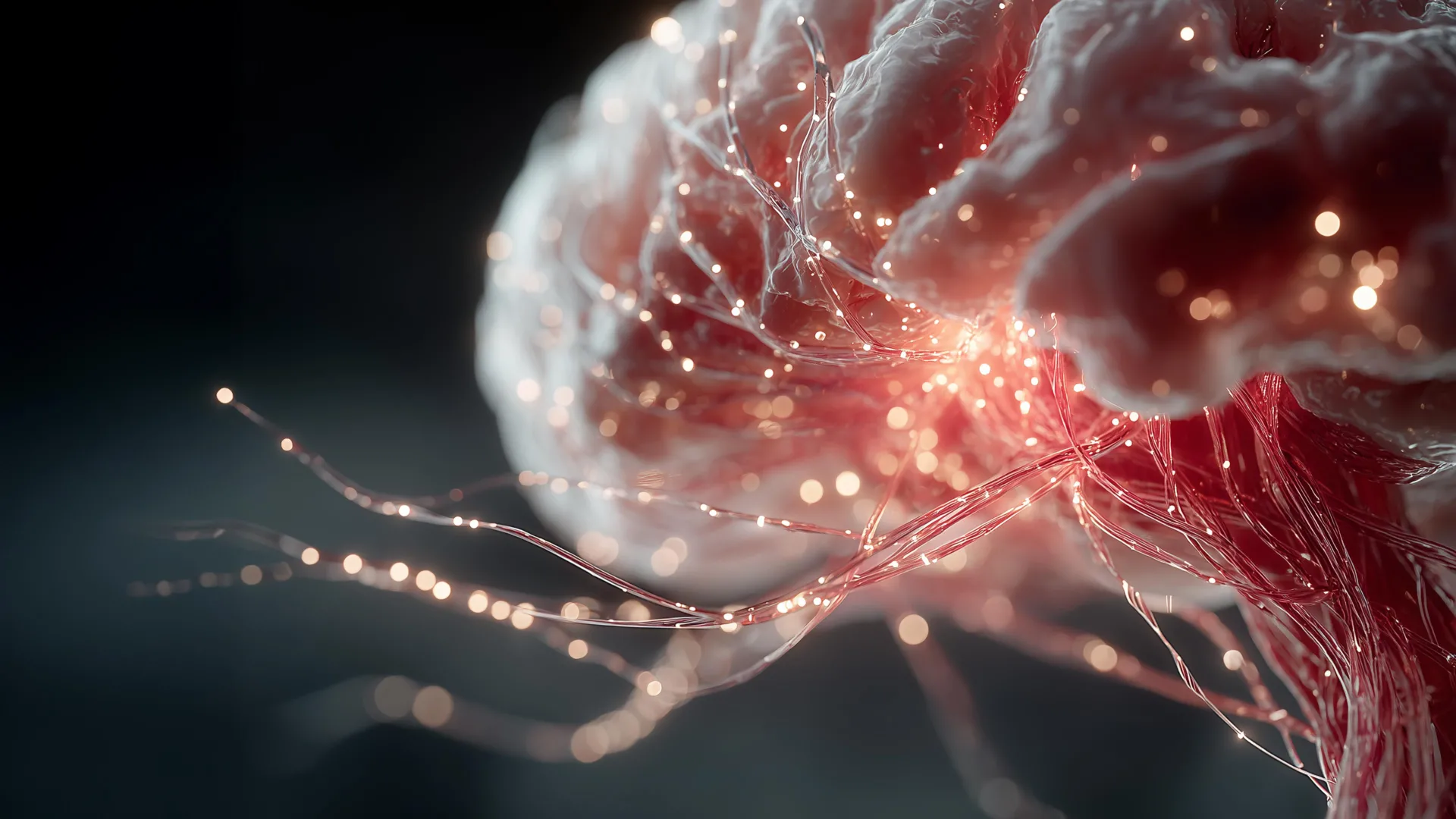
Scientists have discovered that the brain’s short-range wiring may help protect cognition even as gray matter shrinks with age. Healthier connections just beneath the brain’s surface were linked to better language skills and appeared to weaken the impact of gray matter loss.

Parasites in wildlife don't just pose a risk to their wild hosts—they can also spread to domestic animals and humans, making safe and reliable ways to screen for these pests critical to promoting better health for all.
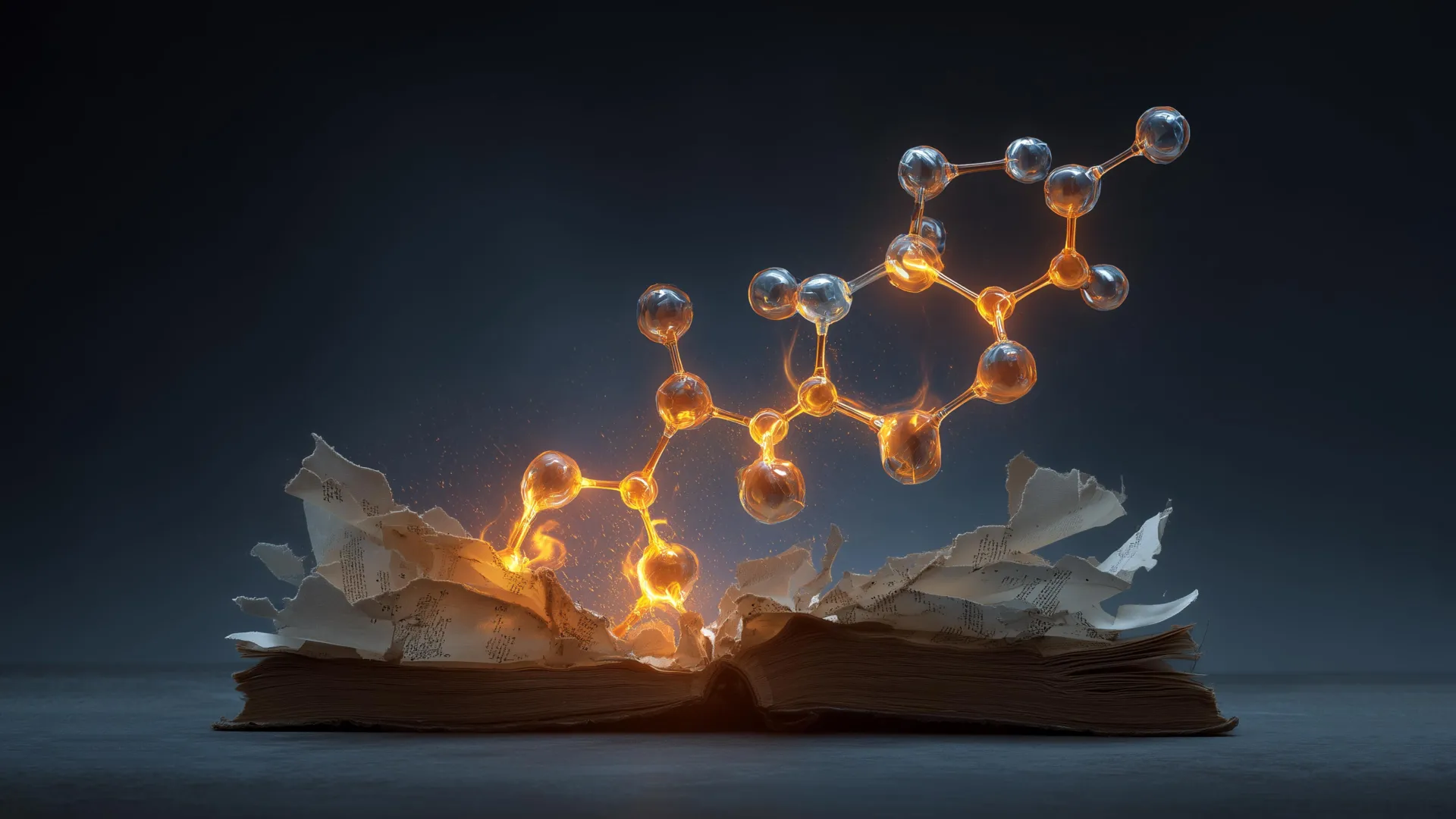
A foundational chemistry concept found in textbooks for almost 100 years may have been taught incorrectly. Researchers say the inductive effect in neutral molecules appears to extend only across one chemical bond, rather than gradually weakening over three or four bonds as traditionally taught. The team argues that updating this explanation could make organic chemistry easier to understand and provide a stronger foundation for future research and innovation.

Physicists at the University of Oxford have helped confirm that one of the strangest phenomena in physics—quantum entanglement—occurs even among some of the heaviest and most fleeting particles ever created. The discovery, made using the world's most powerful particle collider at CERN, has been published in Physical Review Letters.

Snails carry weather records on their backs that could be used to map prehistoric cyclones, a University of Queensland study has shown. The project led by School of the Environment researchers examined the rings on the shell of a Biggenden Banded Snail (Figuladra bayensis) collected from Coalstoun Lakes National Park in southeast Queensland.