Science News
Latest science news, discoveries and scientific developments.
Science News
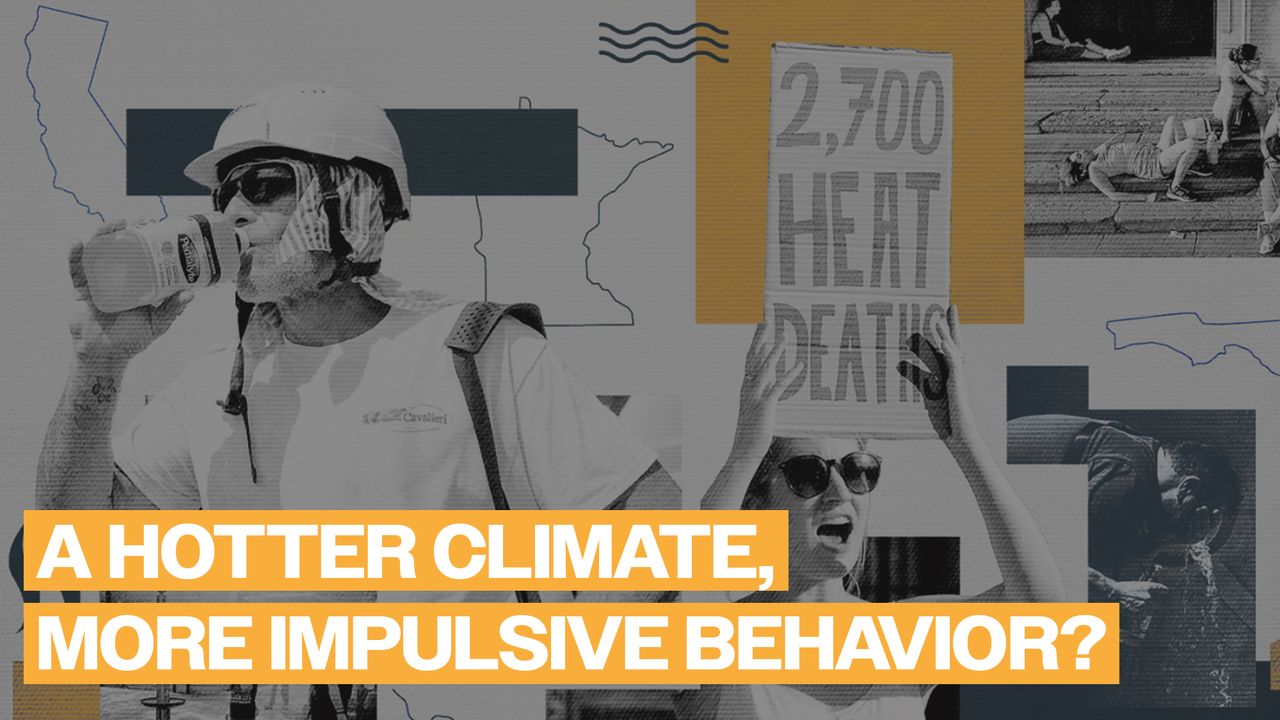
'That could push them over the edge': How climate change could fuel impulsive behavior
Climate change is often discussed in terms of rising temperatures, extreme weather and environmental loss. But there's another consequence that can be harder to see: The impact on our mental health.In this exclusive video, we explore how heat exposure influences mental state, drawing on research by Kim Meidenbauer, a neuroscientist at Washington State University who studies the effect of heat on emotion and behavior.Editor's Note: This text was updated at 12:30 p.m. EDT to correct the spelling of Kim Meidenbauer's name.Burning up: How can we adapt to a warming world?As the planet warms, our environment will be transformed, but so will our bodies. This video is part of a series where we inves...
Science News
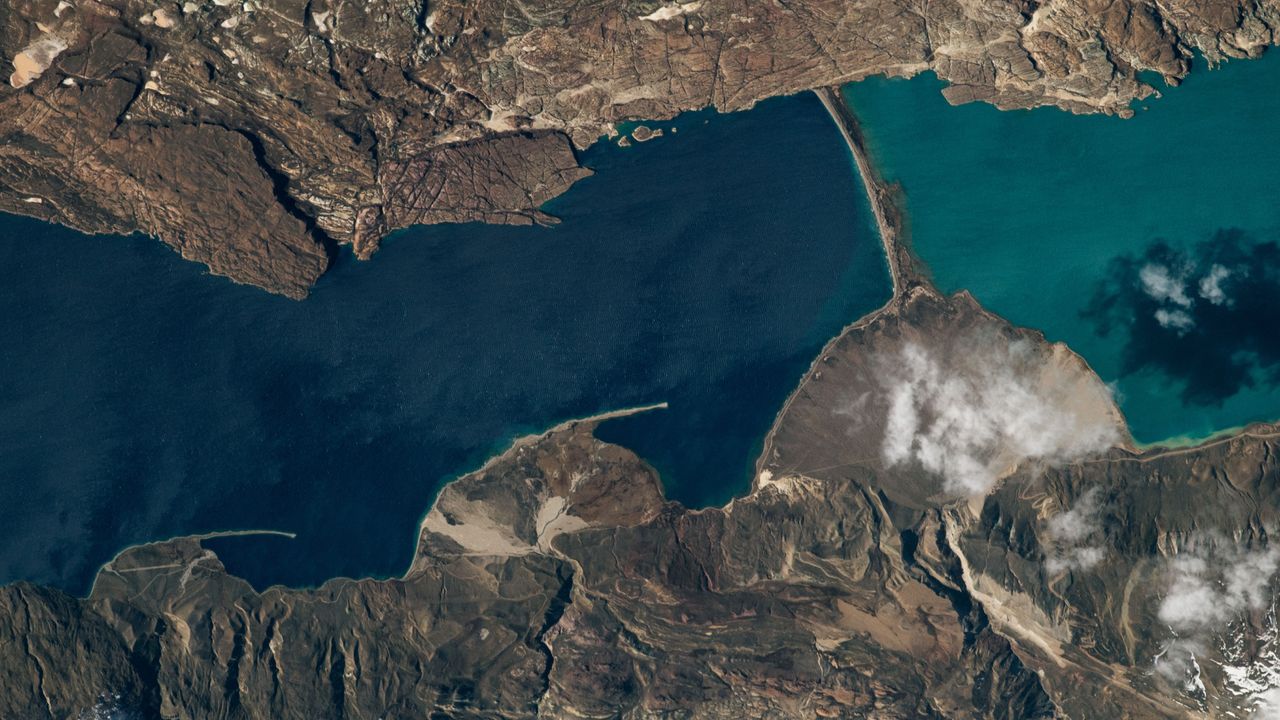
Peculiar land bridge separates a pair of colorful lakes in Patagonia — Earth from space
QUICK FACTSWhere is it? Lake Pueyrredón and Lake Posadas, Argentina [-47.41961002, -71.87622200]What's in the photo? The point where two different-colored lakes meetWho took the photo? An unnamed astronaut on board the International Space StationWhen was it taken? Sept. 15, 2020This eye-catching astronaut photo shows the point where an ancient Patagonian lake has been split by a peculiar land bridge, creating two contrastingly colored bodies of water.Lake Pueyrredón (on the left in the photo) is the Argentine half of a roughly 40-mile-long (65 kilometers) glacial lake, which stretches across the country's border with Chile in Patagonia — a region in South America that is well known for its d...
Science News
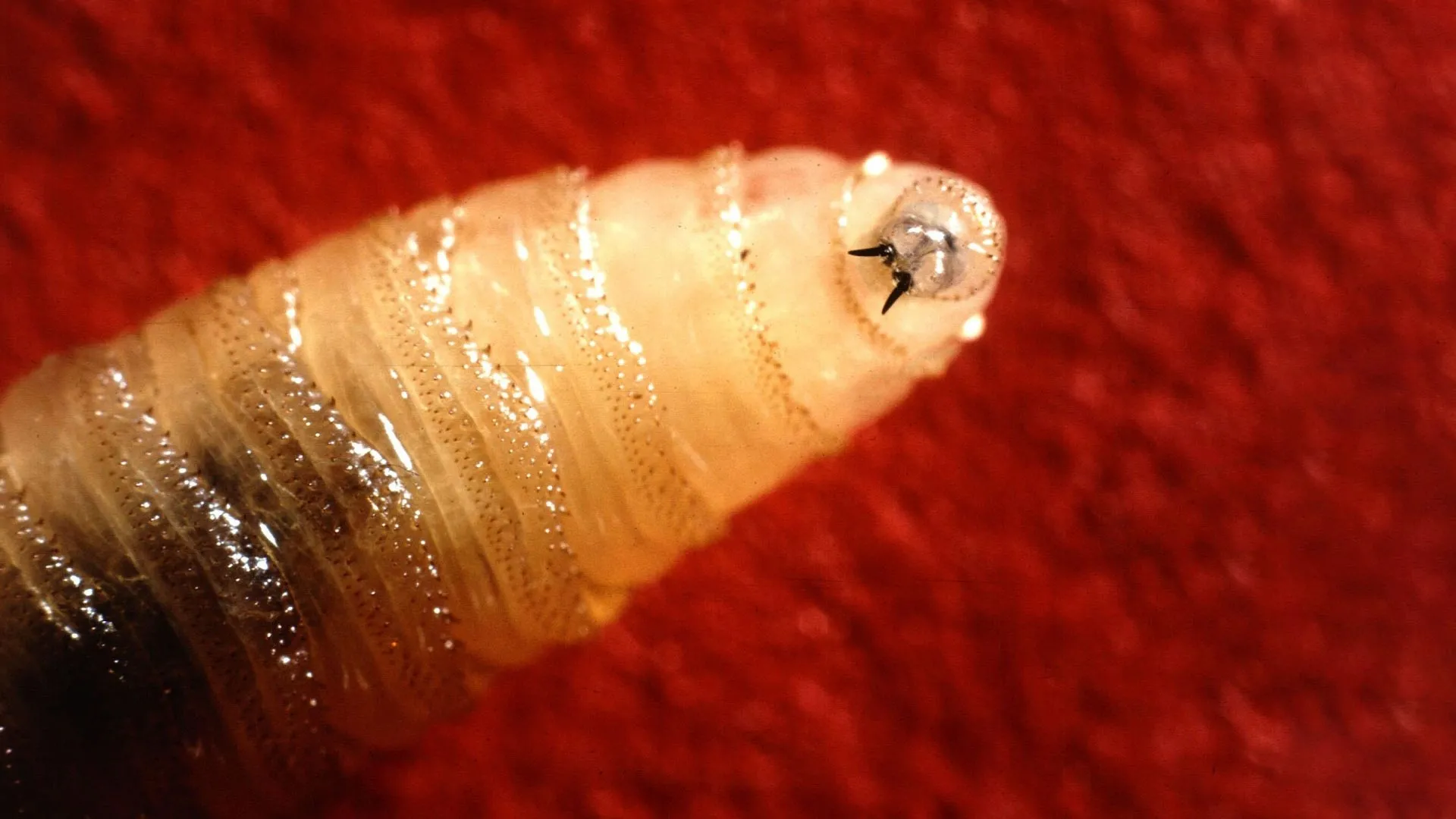
The U.S. Eradicated this flesh-eating parasite. Now it’s back
The flesh eating New World screwworm has returned to the United States, threatening livestock, wildlife, pets and potentially people as it spreads north. A new UC San Diego tracking system aims to predict where the parasite could strike next while officials revive the eradication strategy that defeated it decades ago.
Science News
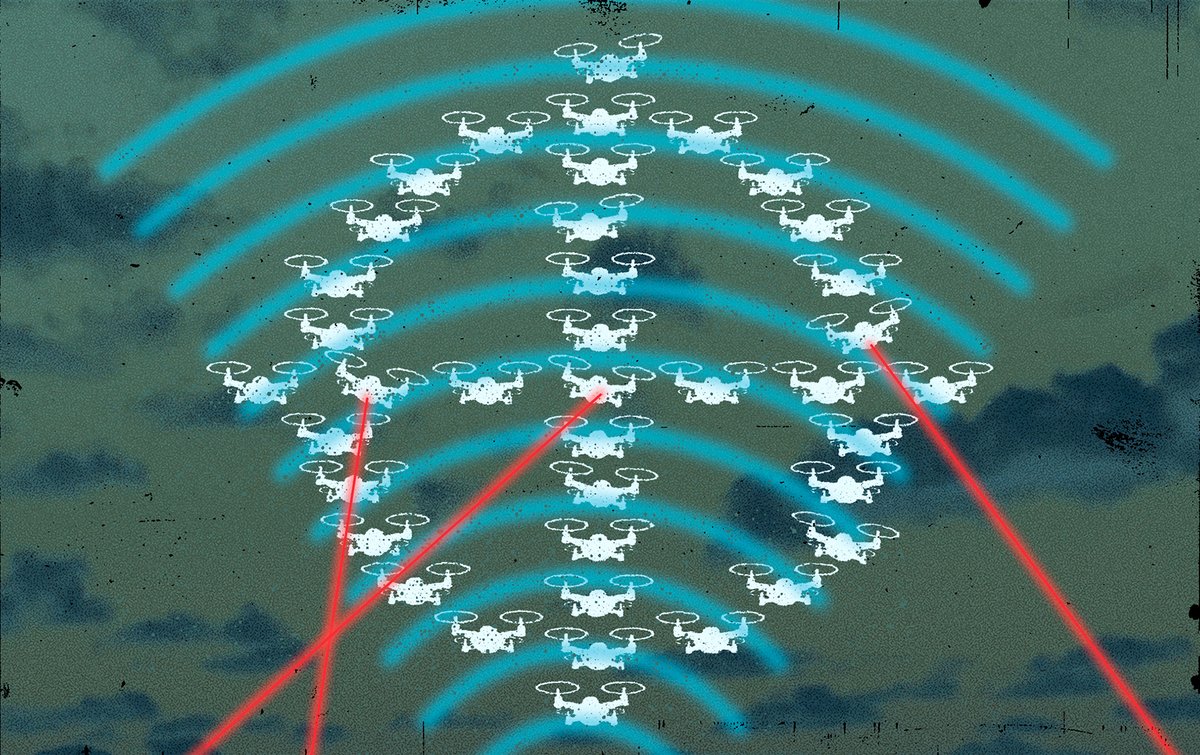
The Pentagon tests lasers and microwaves against drone swarms
After decades of hype, directed-energy weapons may offer the U.S. military a cheaper answer to the expensive problem of stopping drones
Science News
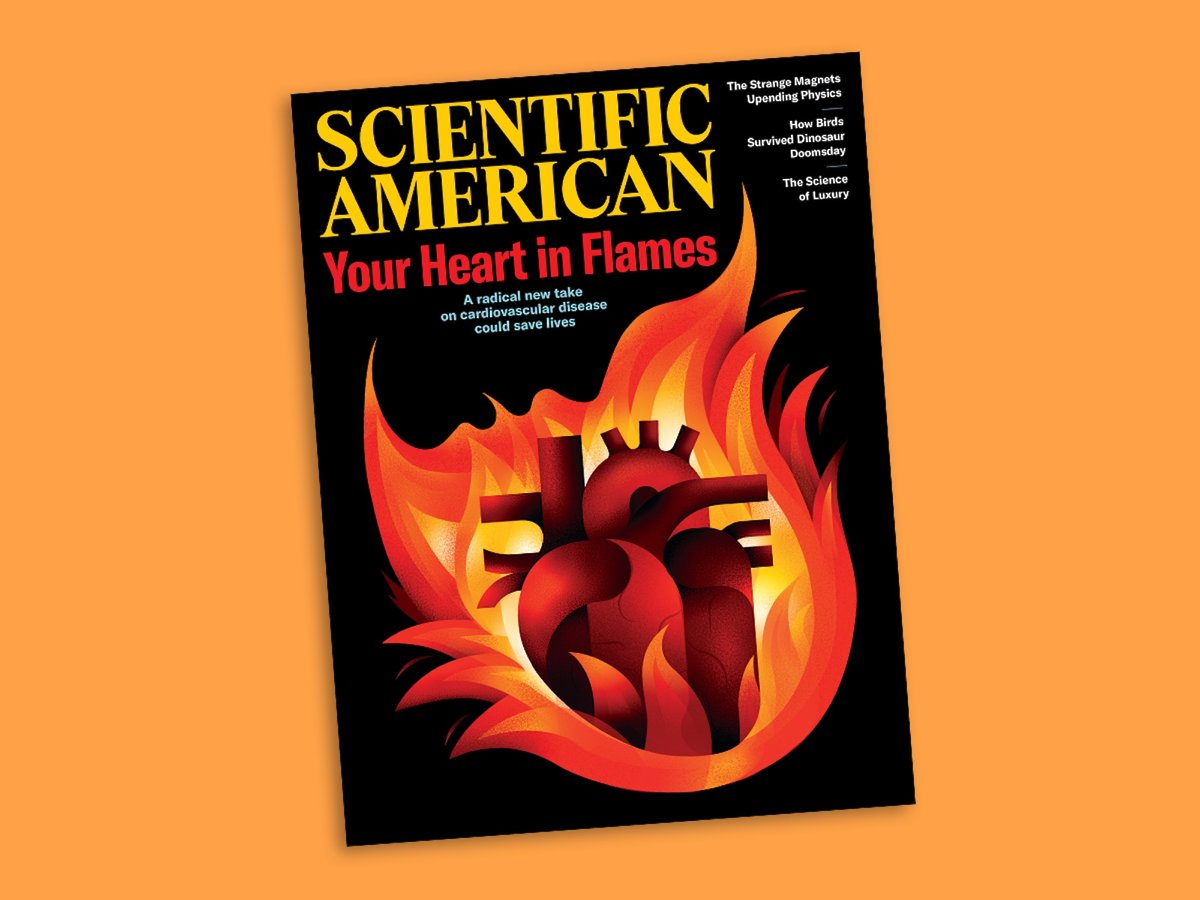
Readers respond to the May 2026 issue
Letters to the editors for the May 2026 issue of Scientific American
Science News
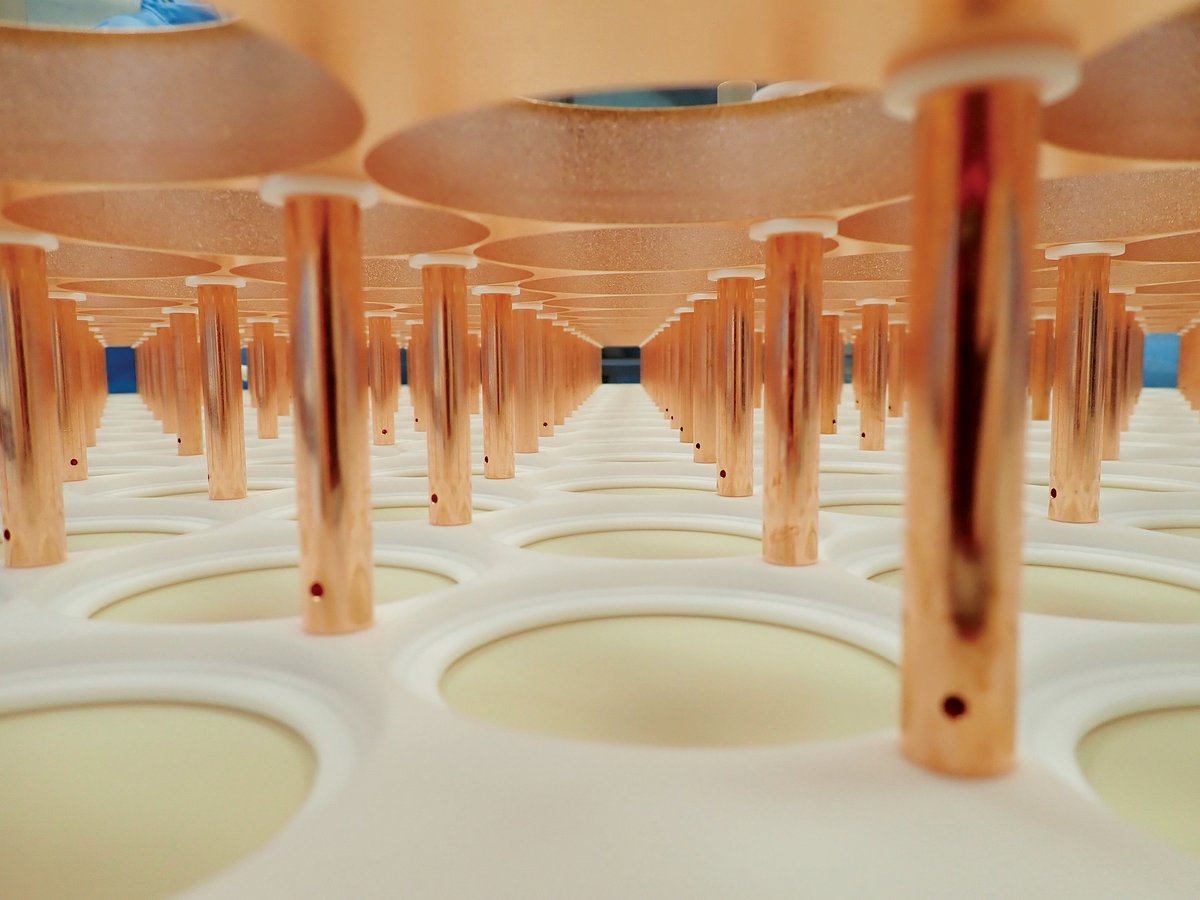
What if we never find dark matter?
Could the hunt for the universe’s missing matter be the biggest wild goose chase in scientific history?
Science News
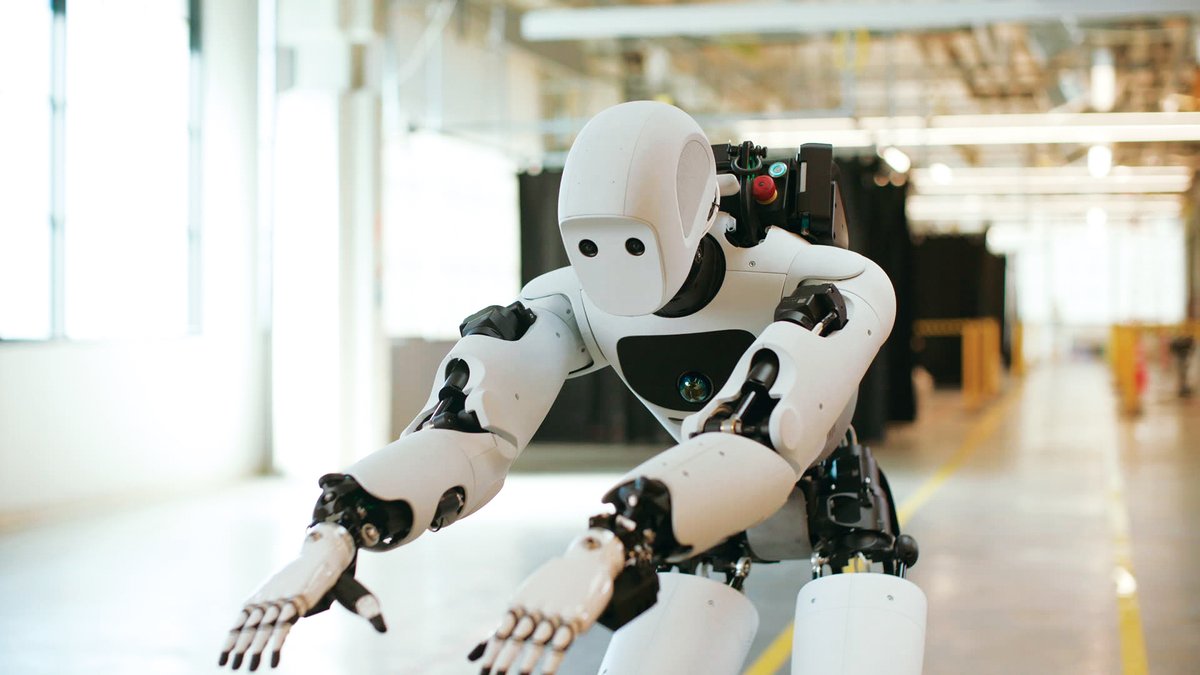
Google DeepMind wants Gemini to power many different robots
The company’s push into physical AI is putting Gemini inside humanoids—and testing whether its intelligence can survive in the real world
Science News
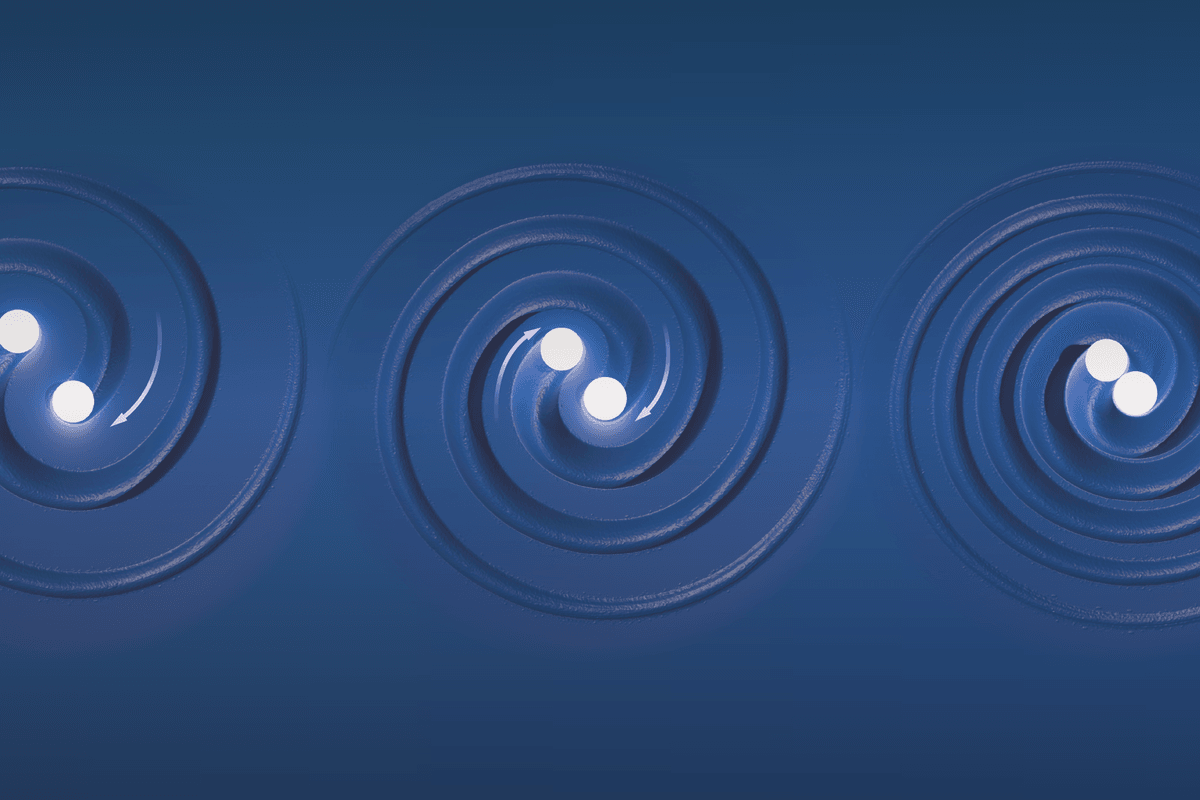
See how gravitational waves warp time and space
The latest gravitational-wave discoveries include record-breaking cataclysms

Science News
Are darker egg yolks really healthier?
Deep-orange yolks could have a slight health benefit, but it’s easy for producers to fake it
Science News
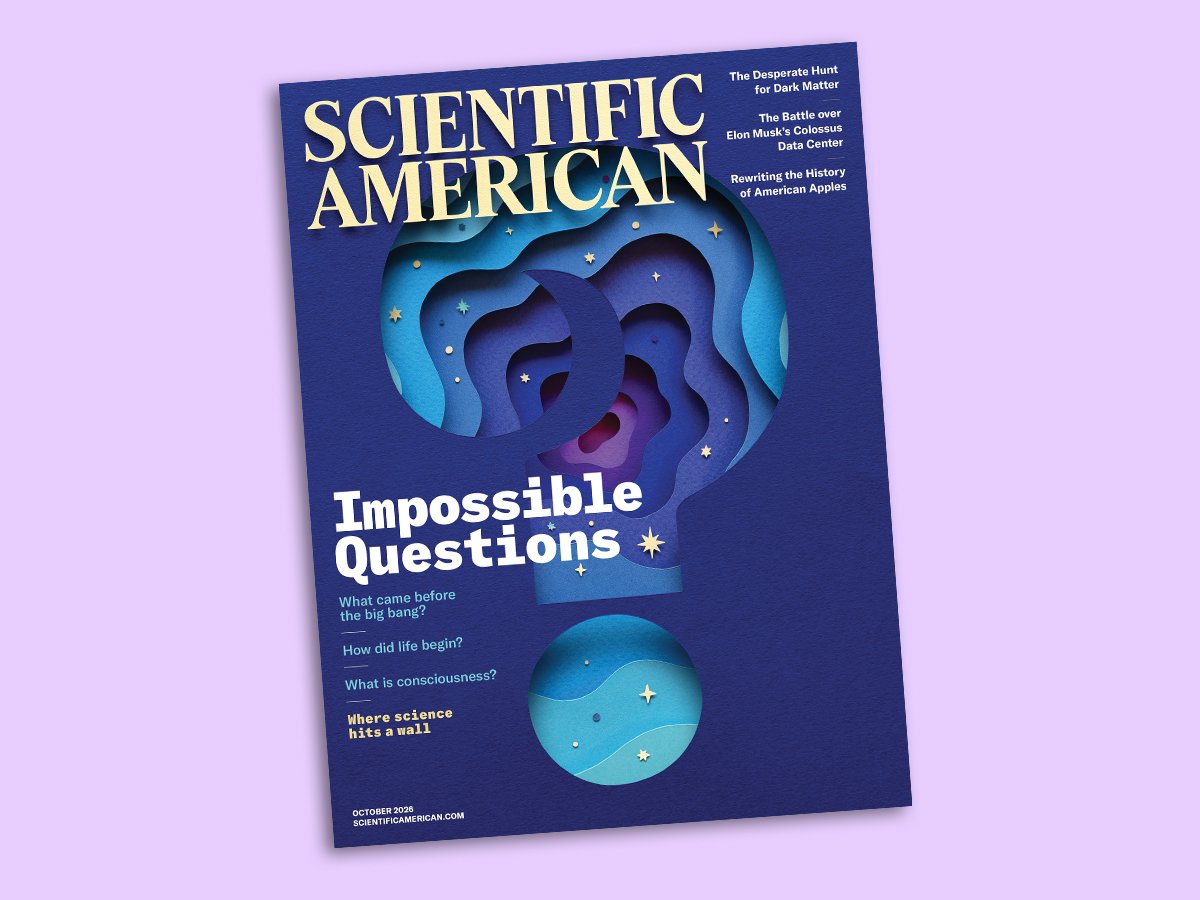
The questions science may never answer
Will some of the biggest mysteries in science remain forever unsolved?
Science News
October 2026: Science history from 50, 100 and 150 years ago
Smallpox eradication; skyscraper excavations; research on the racetrack

Science News
How apple detectives solved the mystery of an ancient tree—and rewrote the history of fruit
And how they might have helped save the future of American apples
Science News
Science crossword: Broken thoughts
Play this crossword inspired by the October 2026 issue of Scientific American

Science News
What if ‘consciousness’ isn’t real?
Our understanding of consciousness could be fundamentally wrong

Science News
What are the smallest pieces of the universe?
Physicists are searching for what lies underneath the particles we know

Science News
Finding meaning in the impossible
Some questions may never be answered, but maybe that’s not the point
Science News
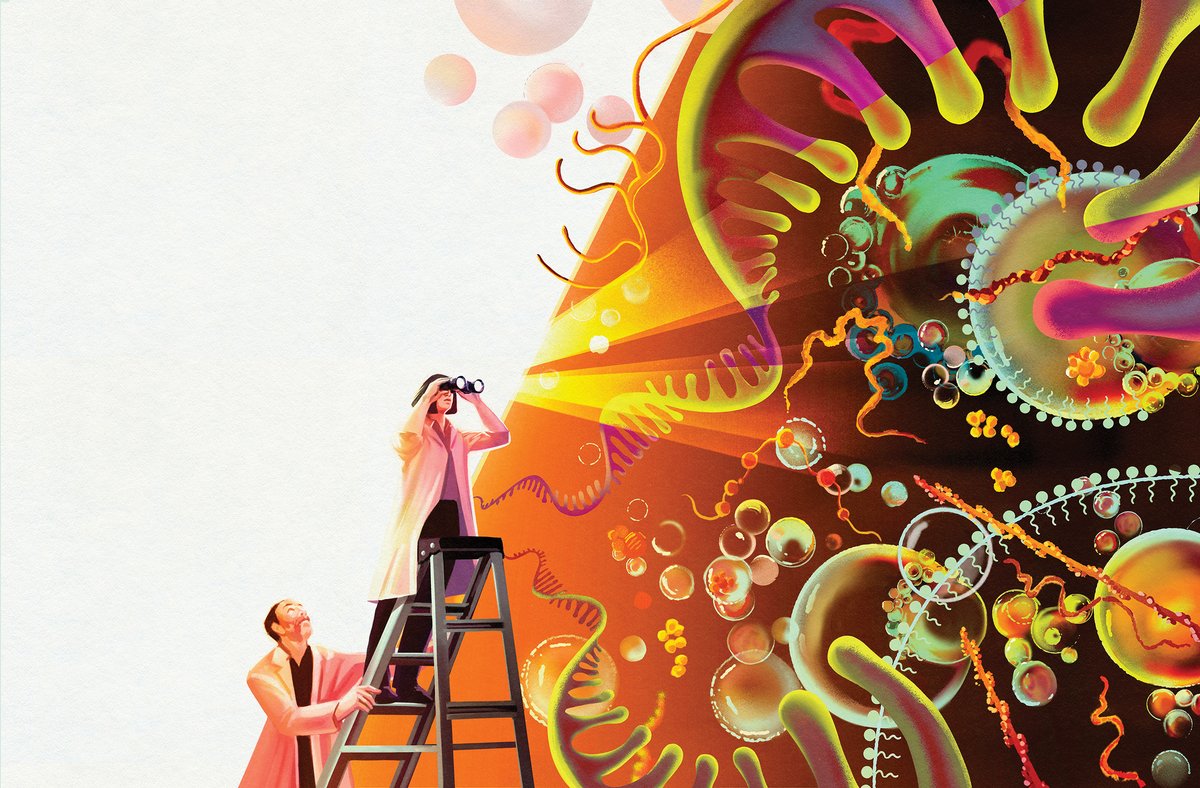
Will we ever know how life began?
Scientists disagree on how biology got started and on whether we can ever know for sure