Science News

Latest science news, discoveries and scientific developments.

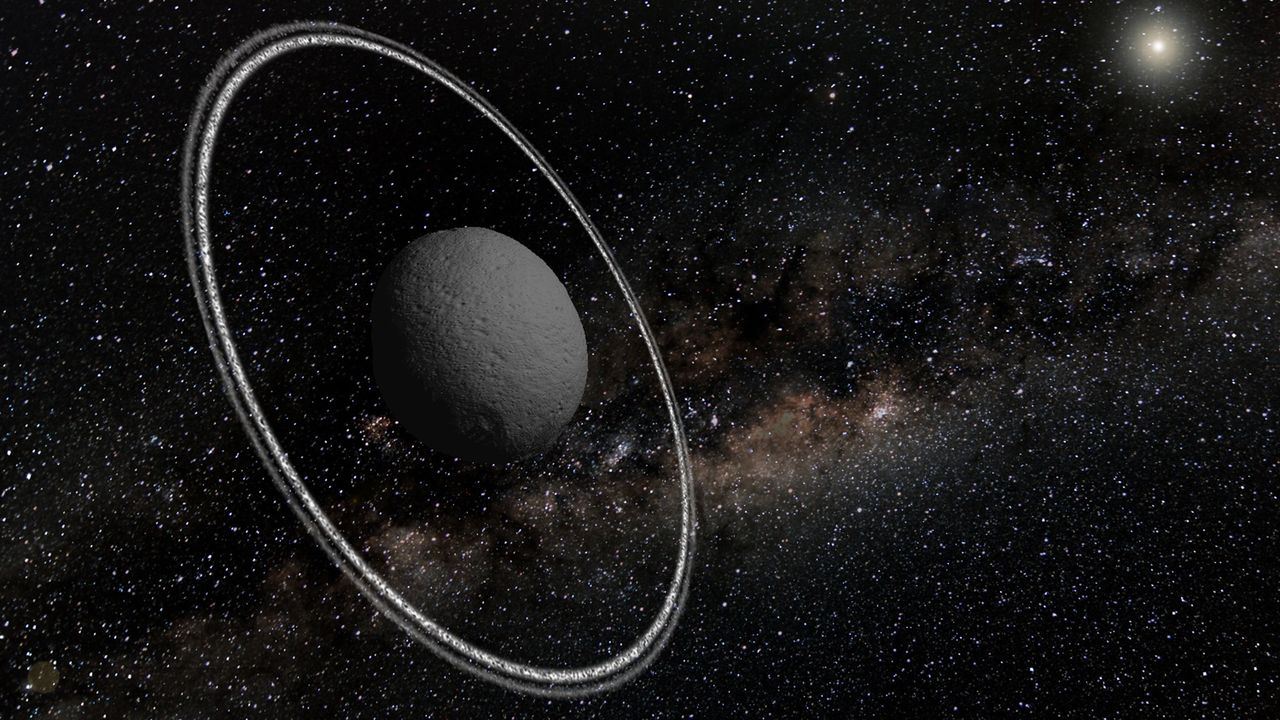
Strange 'centaur' object between Saturn and Uranus has mysterious, changing rings, James Webb telescope study hints
Science News

Strange 'centaur' object between Saturn and Uranus has mysterious, changing rings, James Webb telescope study hints

The rings around a strange small body orbiting between Saturn and Uranus look mysteriously different from previous views, new observations from the James Webb Space Telescope (JWST) suggest.The rings encircle Chariklo, which is a centaur, a strange type of object that shows characteristics of both asteroids and comets. Chariklo is only about 400 miles (250 kilometers) in diameter and is part of a large group of tiny objects in the distant solar system.Scientists first discovered Chariklo's rings in 2013 — making it the first small solar system body found to have rings — and studied them with ground-based telescopes again in 2014 and 2017. When JWST took another look at Chariklo in 2022, a de...


📅 2026-09-15 21:01:34    •    Live Science
We're not about to awaken an evil digital god — AI is far more likely to end in a great disappointment
Science News

We're not about to awaken an evil digital god — AI is far more likely to end in a great disappointment

A gift from Live Science ProThis is a Live Science Pro article that we're putting out for free. If you liked this story, please consider subscribing.Artificial intelligence (AI) terrifies us partly because it is new and partly because it is disturbingly familiar. We have invented machines that converse, flatter, argue and improvise with uncanny fluency. Confronted by this synthetic reflection, we behave like early humans seeing a mirror for the first time: We project consciousness behind the glass, then populate it with our expected behaviors, emotions, hopes and nightmares. In other words, we scare ourselves. Today's frontier models are impressively good at writing, coding and math. Yet the...

📅 2026-09-15 20:39:00    •    Live Science
What even is an AI kill switch?
Science News

What even is an AI kill switch?

Amid renewed calls to slow frontier AI, experts are considering what an emergency stop would entail—and who would decide when to use it

📅 2026-09-15 20:30:00    •    Scientific American
Are you worried about the US deploying weapons in space?
Science News

Are you worried about the US deploying weapons in space?

Related storiesWhy is it still so hard to make nuclear weapons?'The greatest unknown was how much energy would be released by the weapon': How scientists prepared for the Trinity nuclear testWhat stops nuclear weapons from accidentally detonating?For years, the idea of nuclear weapons in space sounded more like science fiction than a realistic threat. That changed Monday (Sept. 14), when U.S. Air Force Secretary Troy Meink announced at the Air, Space and Cyber Conference in Maryland that the U.S. had deployed "on-orbit space control weapons capable of defending the Joint Force against hostile adversary action."While the officials have not said that these weapons are nuclear, the announcement...

📅 2026-09-15 20:29:46    •    Live Science
How pizza can solve this unusual math puzzle
Science News

How pizza can solve this unusual math puzzle

Moser’s circle problem can be used to divide a pizza into one, two, four, eight, 16 or 31 slices. It’s a perfect example of how the numbers in a sequence aren’t as clear-cut as they may first appear

📅 2026-09-15 18:00:00    •    Scientific American
The U.S. has weapons in space
Science News

The U.S. has weapons in space

A high-ranking official announced yesterday that the U.S. military has deployed weapons into orbit to counter threats from Russia and China

📅 2026-09-15 17:10:00    •    Scientific American
'Maybe robots can maintain houseplants': Readers react to letting humanoid robots take over their housework
Science News

'Maybe robots can maintain houseplants': Readers react to letting humanoid robots take over their housework

The idea of a humanoid robot folding laundry, loading the dishwasher or vacuuming once sounded like a scene from "The Jetsons." Now, as robotics companies race to develop machines that can navigate everyday environments and handle household tasks, the prospect of a robot taking over our chores feels increasingly real. But just because robots can do the work, that doesn't mean people are ready to welcome them into their homes. Live Science recently polled readers on whether they would want a humanoid robot doing their household chores, and the results reveal just how appealing the idea of a robotic housekeeper really is. As of Sept. 15, over 600 people had responded, with 42% choosing to let ...

📅 2026-09-15 16:14:37    •    Live Science
Which million-dollar math problem could AI solve next?
Science News

Which million-dollar math problem could AI solve next?

After an OpenAI model presented a possible solution to the Navier-Stokes problem, mathematicians are speculating about which major unsolved question could be resolved next

📅 2026-09-15 16:00:00    •    Scientific American
Scientists stunned as volcano cloud starts destroying methane
Science News

Scientists stunned as volcano cloud starts destroying methane

The Hunga Tonga eruption may have triggered a surprising chemical reaction that destroyed some of the methane released into the atmosphere. Scientists say the discovery could reshape estimates of methane pollution and inspire new methods for slowing near-term global warming.

📅 2026-09-15 15:15:31    •    ScienceDaily
Smelling chocolate helped men complete more reps without feeling more tired
Science News

Smelling chocolate helped men complete more reps without feeling more tired

Simply smelling chocolate helped men complete more leg extension repetitions without making the workout feel harder, with dark chocolate producing the strongest effect. The researchers think familiar food aromas may influence appetite and motivation by making the brain anticipate eating.

📅 2026-09-15 15:03:54    •    ScienceDaily
Did 'all roads lead to Rome'? New study finds other cities in the empire were better connected.
Science News

Did 'all roads lead to Rome'? New study finds other cities in the empire were better connected.

The saying that "all roads lead to Rome" may be famous, but a new study finds it's far from true. Extensive new research of the Roman Empire's road system reveals that several other Roman cities were better connected than the Eternal City was during antiquity.Major cities like Antioch, Ancyra (modern-day Ankara) and Byzantium in what is now Turkey, as well as Corinth in Greece, were "better located than Rome" for those traveling by land, the team wrote in a paper published Tuesday (Sept. 15) in the journal Nature Communications.At its height in A.D. 117, the Roman Empire covered almost 2.1 million square miles (5.5 million square kilometers) around the Mediterranean Sea, occupying much of Eu...

📅 2026-09-15 15:00:00    •    Live Science
This Australian cave hid 25,000 years of ritual secrets
Science News

This Australian cave hid 25,000 years of ritual secrets

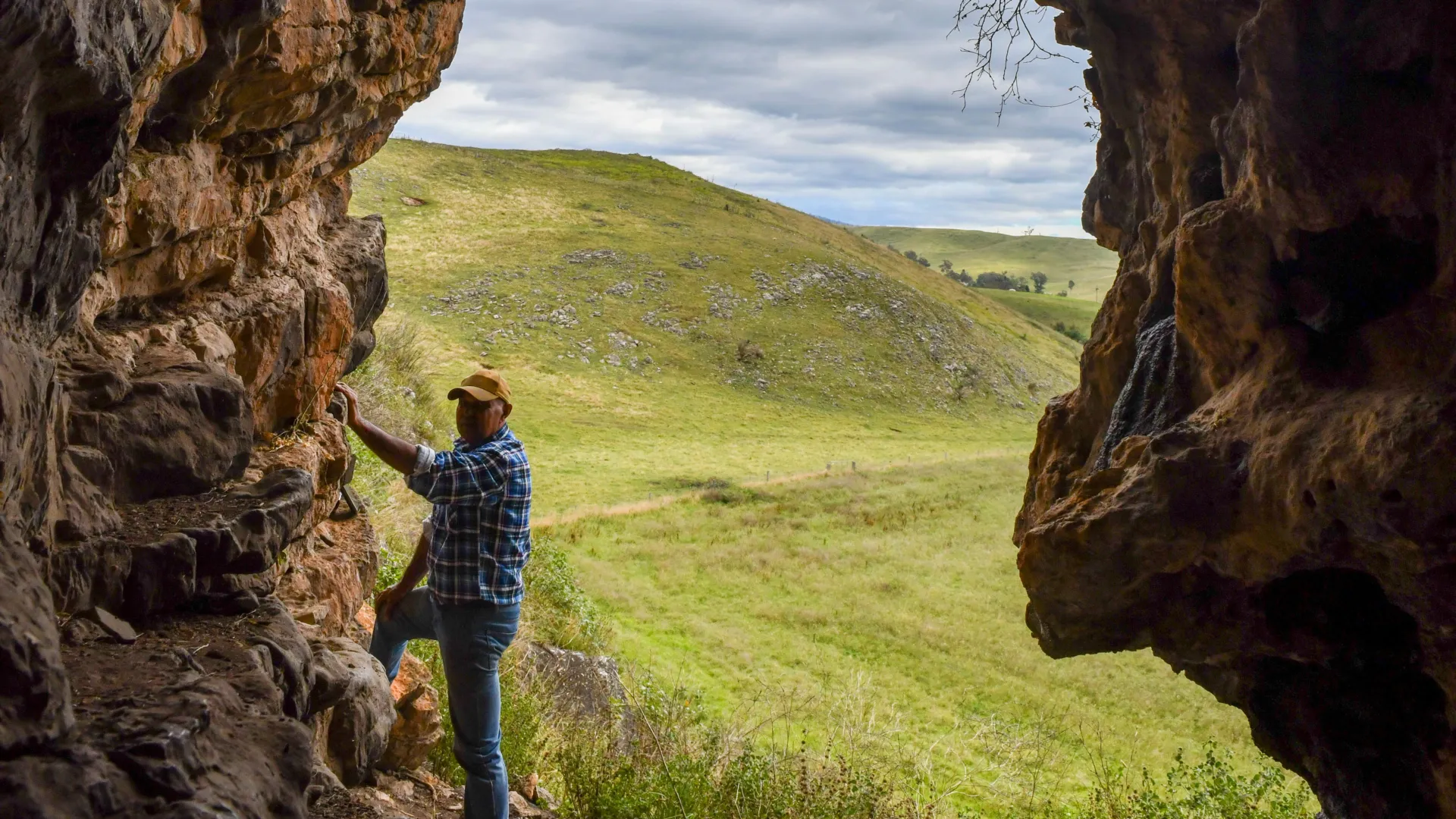
Microscopic plant remains are revealing how GunaiKurnai ancestors used Cloggs Cave for ritual practices over thousands of years. People deliberately gathered whole grasses, carried them into the dark cave, and burned them in thin layers, leaving behind traces that may span 25,000 years. A standing stone erected around 2,000 years ago and other ritual objects strengthen the evidence that the cave was a long-lived spiritual site.

📅 2026-09-15 14:43:23    •    ScienceDaily
Scientists discover a major brain shift between ages 50 and 75
Science News

Scientists discover a major brain shift between ages 50 and 75

Scientists have uncovered sweeping changes in how the human brain controls and organizes its genome beginning in midlife, offering new clues to why aging sharply increases the risk of Alzheimer’s and other neurodegenerative diseases. One of the biggest shifts occurred between about ages 50 and 75, when many of the brain’s original immune cells declined and were replaced by cells with more inflammatory characteristics. Researchers also found weakening of cells that help maintain the blood-brain barrier, along with widespread deterioration in the genome’s three-dimensional organization.

📅 2026-09-15 14:28:38    •    ScienceDaily
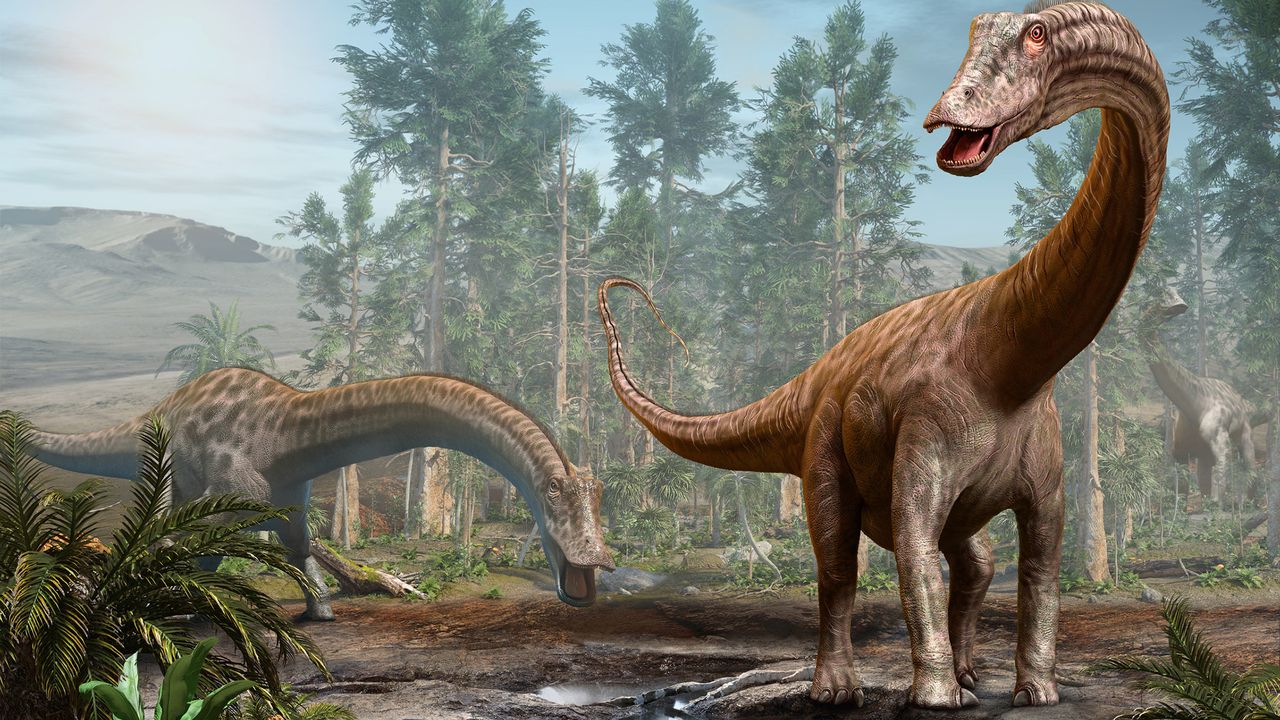
Fossils of iconic long-necked dinosaur Diplodocus found in Europe for first time — and it may have traveled there via land bridge
Science News

Fossils of iconic long-necked dinosaur Diplodocus found in Europe for first time — and it may have traveled there via land bridge

Paleontologists have identified the first confirmed remains of Diplodocus — "Dippy," for short — outside the western U.S., revealing that the iconic long-necked dinosaur reached what is now Spain roughly 150 million years ago. The findings show that the enormous sauropod didn't live only in North America, as was long thought. Instead, it may have rambled across a land bridge all the way to Europe, the new study suggests.The discovery, made at the La Tejería site near the small village of El Castellar in eastern Spain, provides some of the strongest fossil evidence yet that dinosaurs could move between North America and Europe during the Late Jurassic, when the Atlantic Ocean was still in its...

📅 2026-09-15 14:11:51    •    Live Science
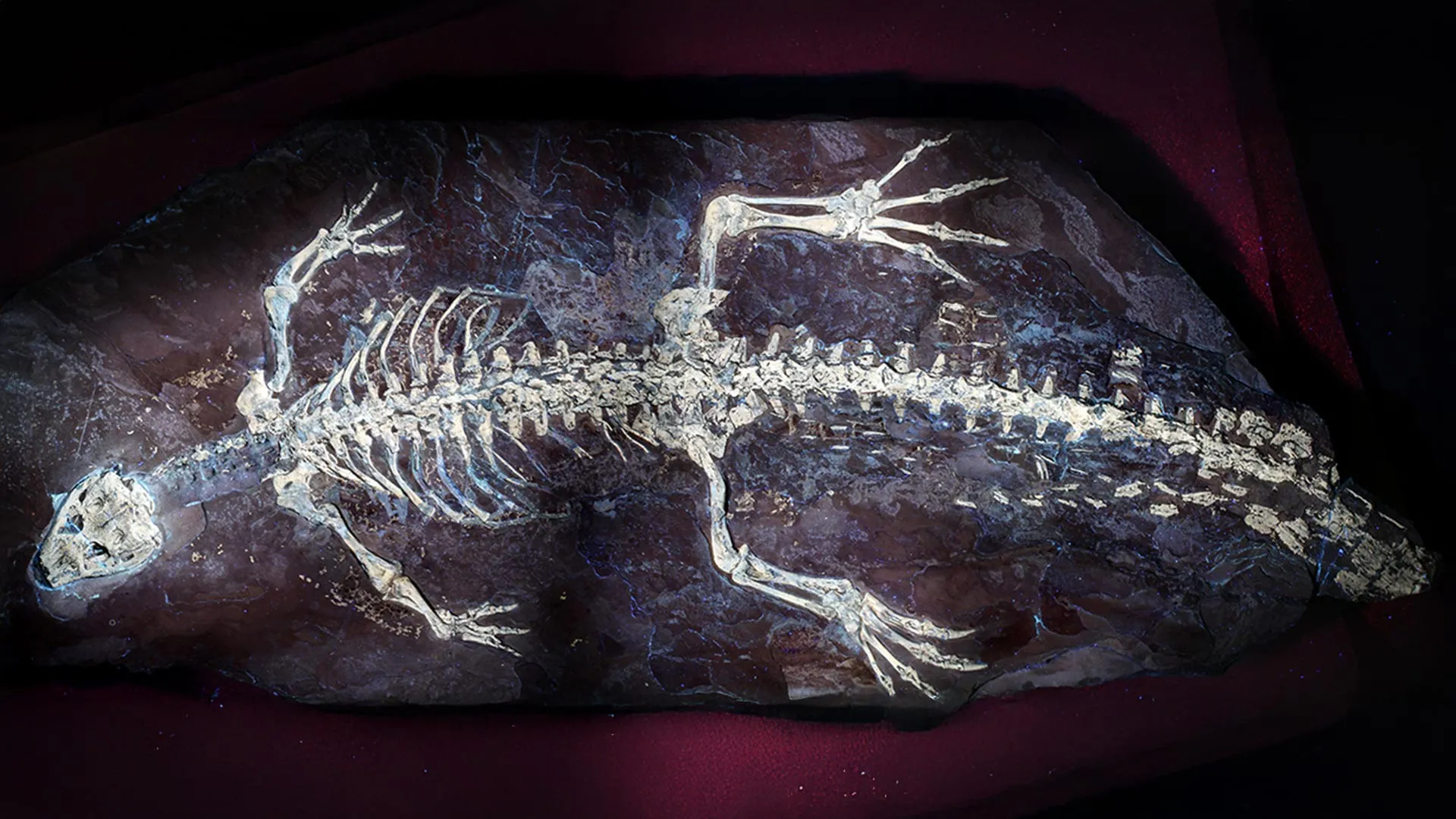
UV light reveals possible camouflage on a 125-million-year-old crocodile
Science News

UV light reveals possible camouflage on a 125-million-year-old crocodile

A 125-million-year-old crocodile fossil has revealed preserved skin, possible sensory organs, sophisticated respiratory structures, and an unexpected pattern on its tail. Ultraviolet light exposed alternating bands that may represent ancient camouflage, potentially preserving the oldest known coloration in a crocodylomorph.

📅 2026-09-15 14:07:13    •    ScienceDaily
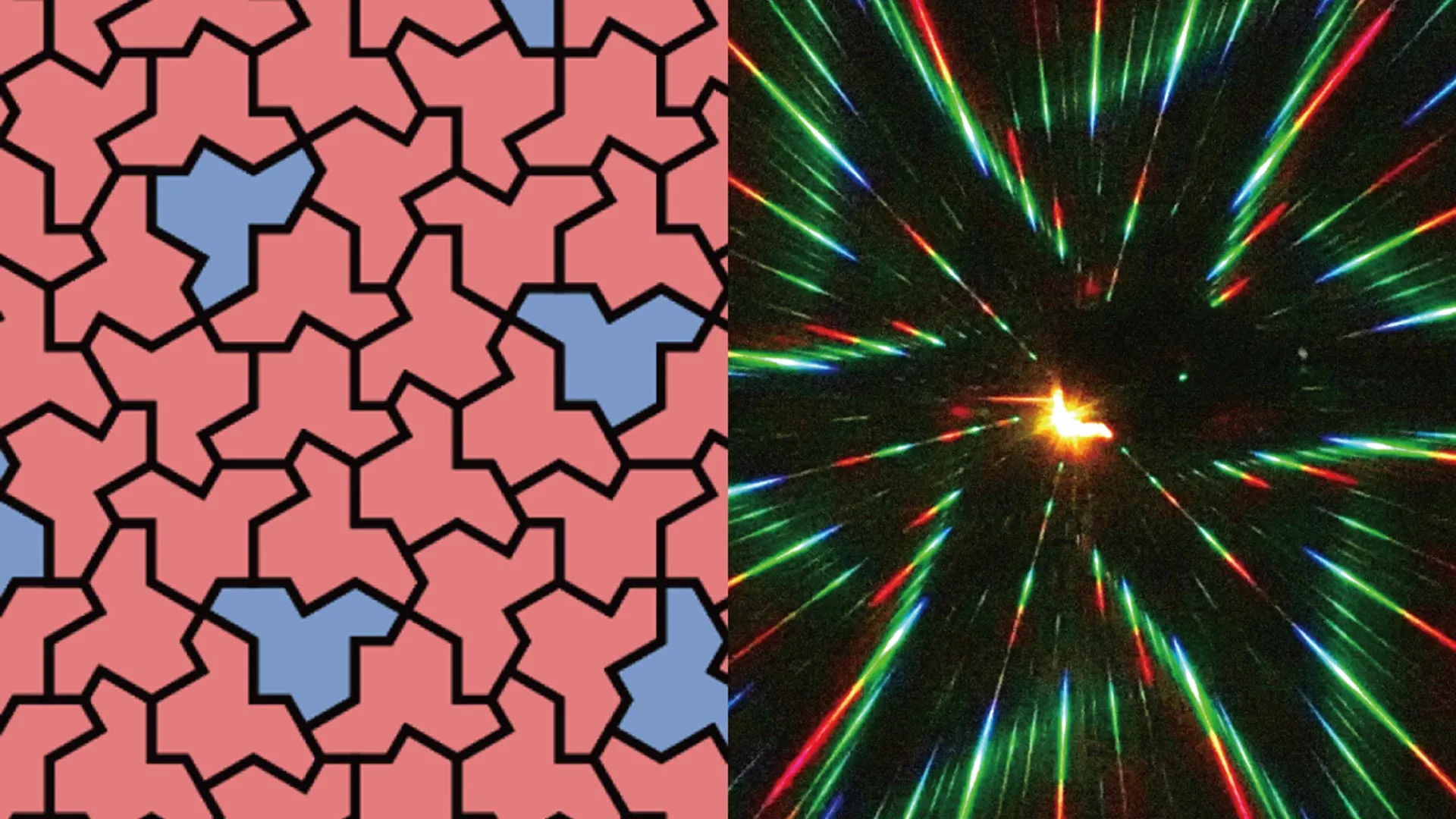
The shape behind the Einstein problem just revealed strange new physics
Science News

The shape behind the Einstein problem just revealed strange new physics

A mathematical shape famous for covering a surface without ever repeating has revealed an unexpected ability to twist light into unusual chiral patterns. The discovery could lead to new ways of controlling light, polarization, and advanced optical devices.

📅 2026-09-15 13:14:55    •    ScienceDaily
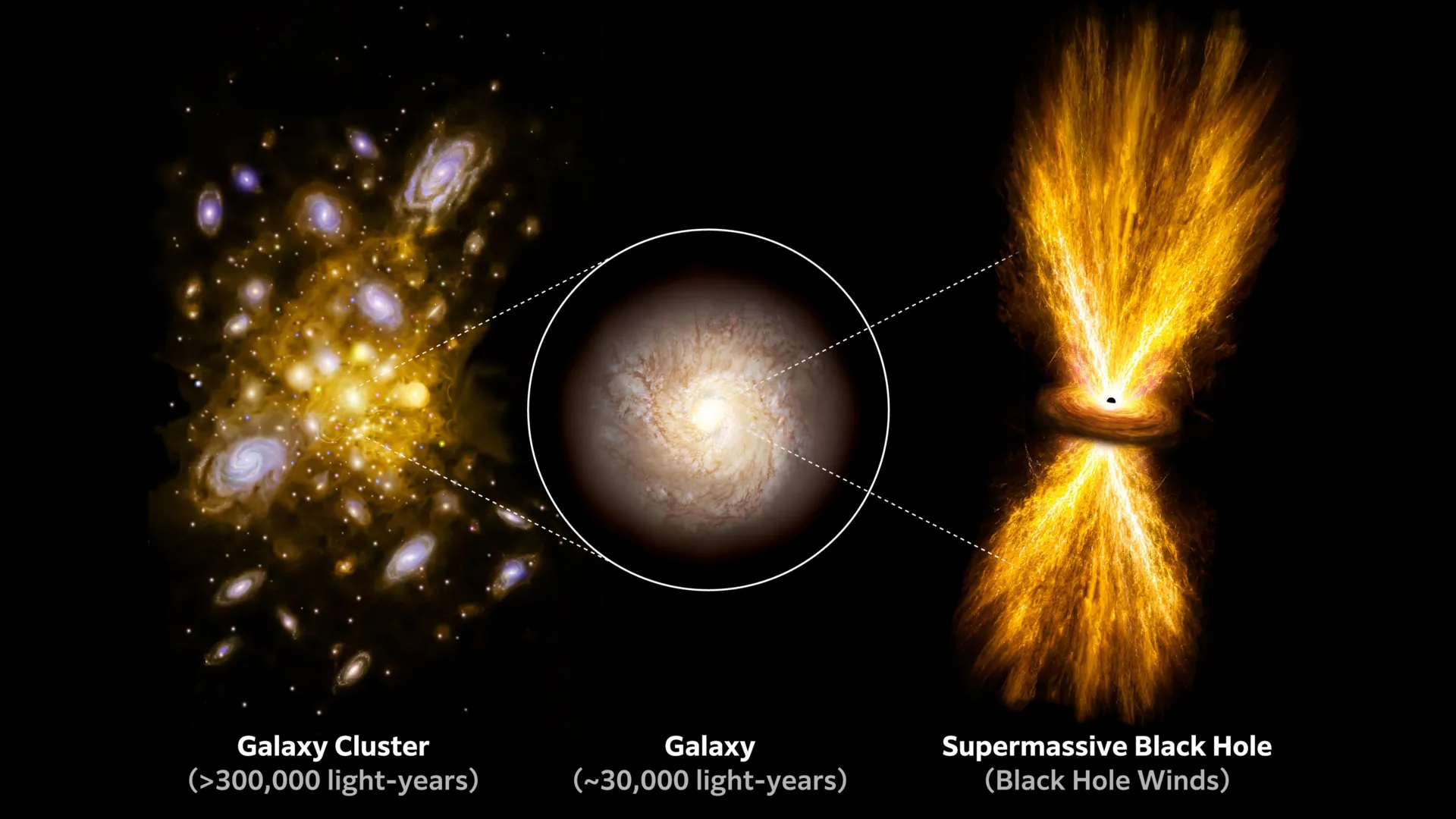
Supermassive black hole winds are 100 times more powerful than scientists thought
Science News

Supermassive black hole winds are 100 times more powerful than scientists thought

Astronomers have discovered that winds from a supermassive black hole are about 100 times more powerful than previously thought. XRISM observations showed the resulting turbulence spreading roughly 300,000 light-years, extending far beyond the black hole’s host galaxy. The energy involved rivals several billion supernova explosions, revealing just how dramatically black holes can influence the space around them.

📅 2026-09-15 12:33:50    •    ScienceDaily