Science News

Latest science news, discoveries and scientific developments.

Fishapod fossil shows early elbows came in a variety of forms
Science News

Fishapod fossil shows early elbows came in a variety of forms

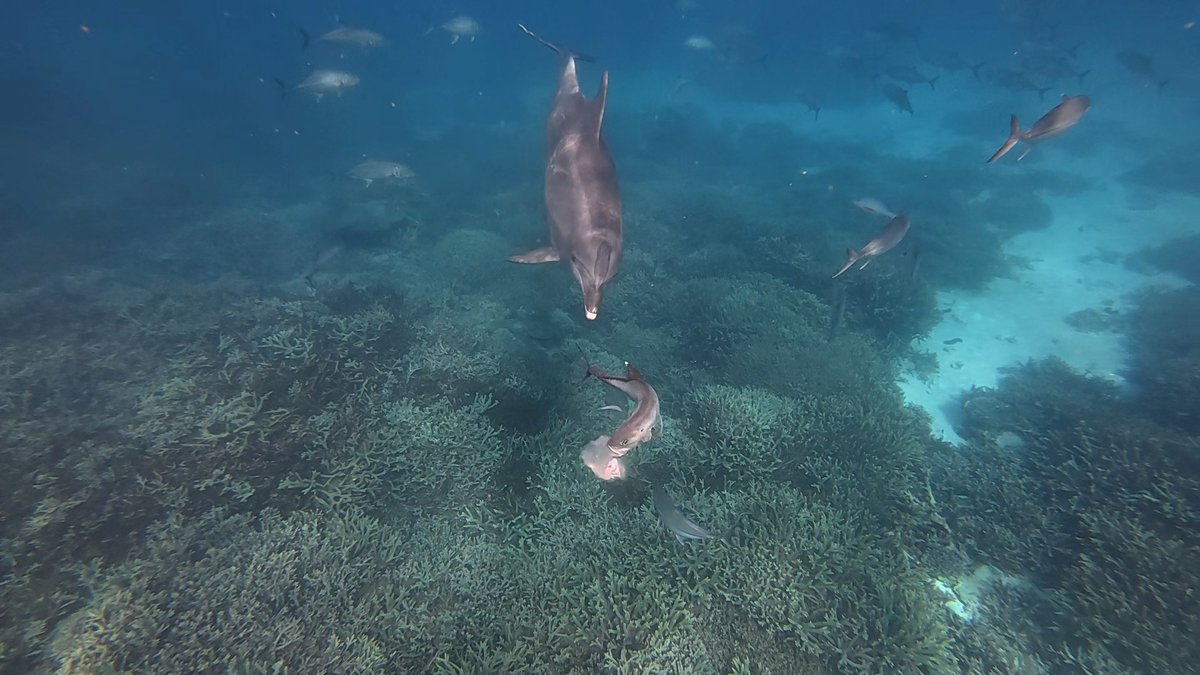
The fish that preceded the first four-legged land animals came in a wider variety of forms than we had thought, and fossils show that one had an elbow joint that moved in an oddly restrictive way

📅 2026-09-18 11:00:00    •    New Scientist
How much longer will the sun shine?
Science News

How much longer will the sun shine?

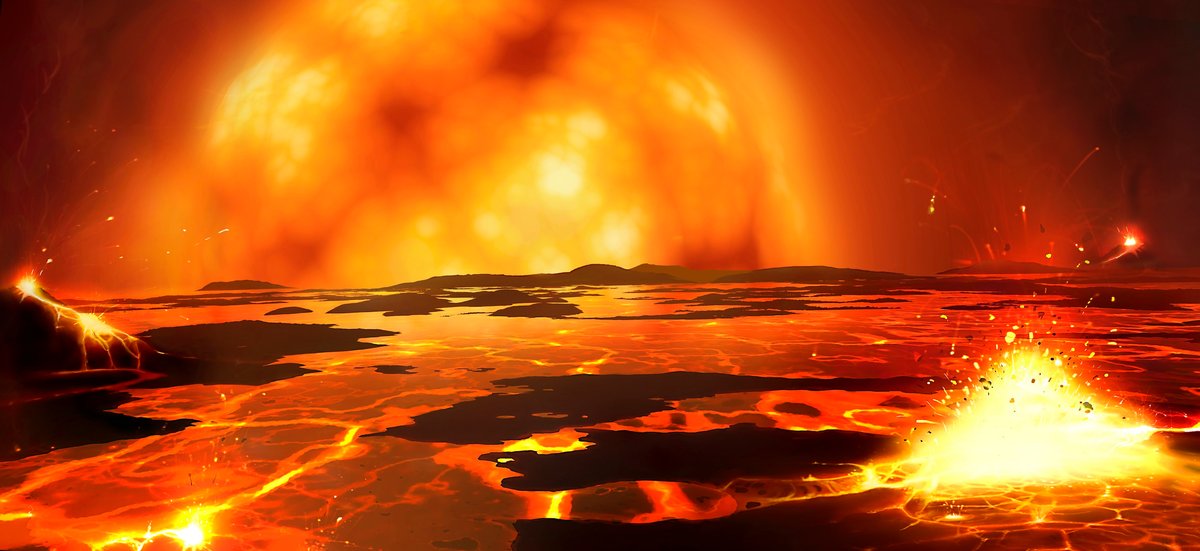
Our sun is on a long, strange trip to its eventual demise. Here are the key stops along the way

📅 2026-09-18 10:45:00    •    Scientific American
NASA’s Moon orbiter finds a 728-foot crater that wasn’t there before
Science News

NASA’s Moon orbiter finds a 728-foot crater that wasn’t there before

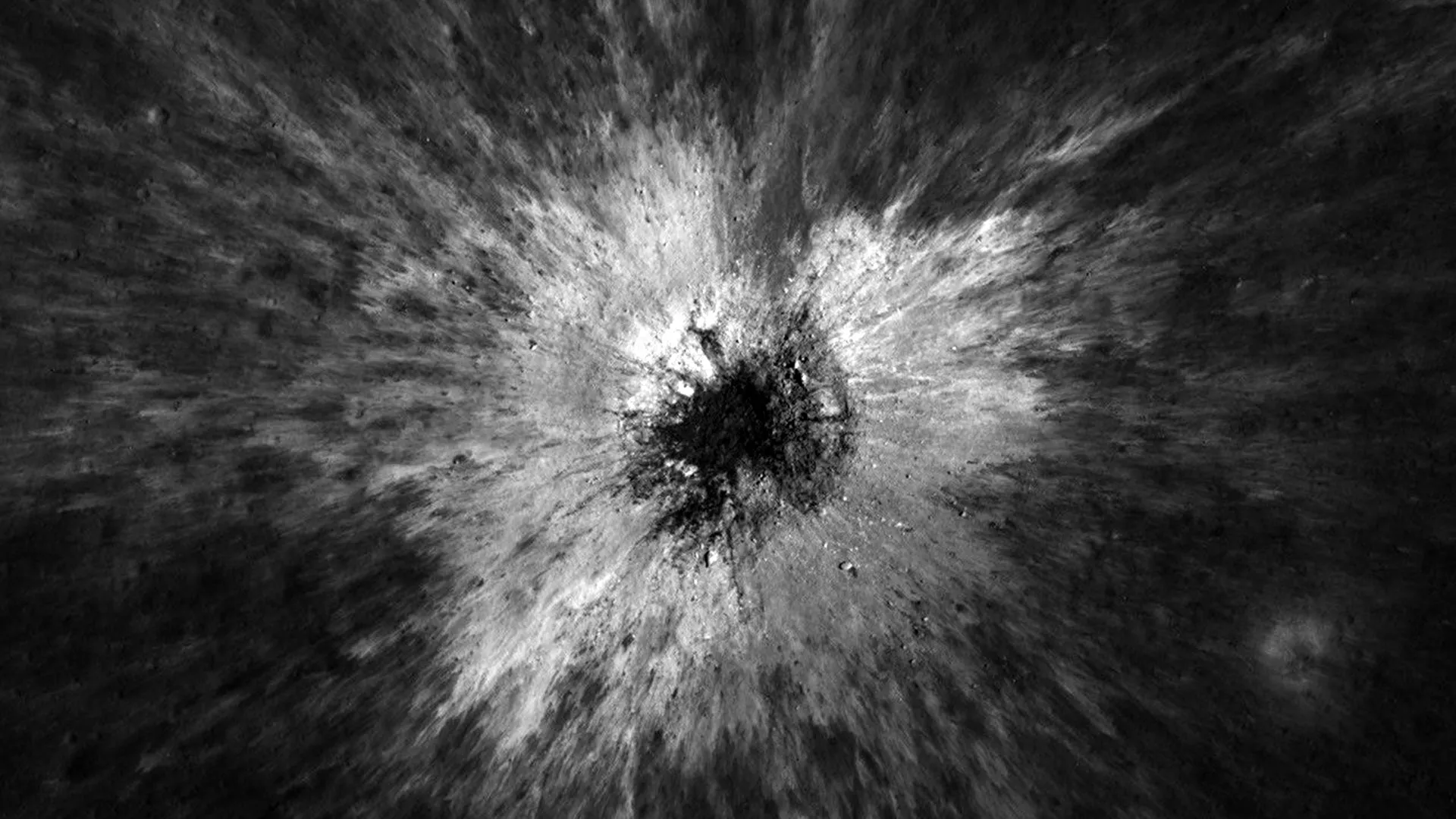
NASA’s Lunar Reconnaissance Orbiter has revealed a 728-foot-wide crater that formed on the Moon in 2024, making it the largest newly formed crater ever identified in the solar system. The impact disturbed the surface for miles around it, creating a surprisingly large cold zone and showing how dramatically a single collision can reshape the lunar landscape.

📅 2026-09-18 10:18:54    •    ScienceDaily
These blood thinners may have an unexpected benefit for Alzheimer’s patients
Science News

These blood thinners may have an unexpected benefit for Alzheimer’s patients

Newer blood thinners may do more than prevent strokes in people with Alzheimer’s disease and atrial fibrillation. Researchers found that patients taking NOACs experienced a slower decline in cognitive function than those using warfarin or no blood thinners. The effect was modest each year but could add up over time.

📅 2026-09-18 09:48:31    •    ScienceDaily
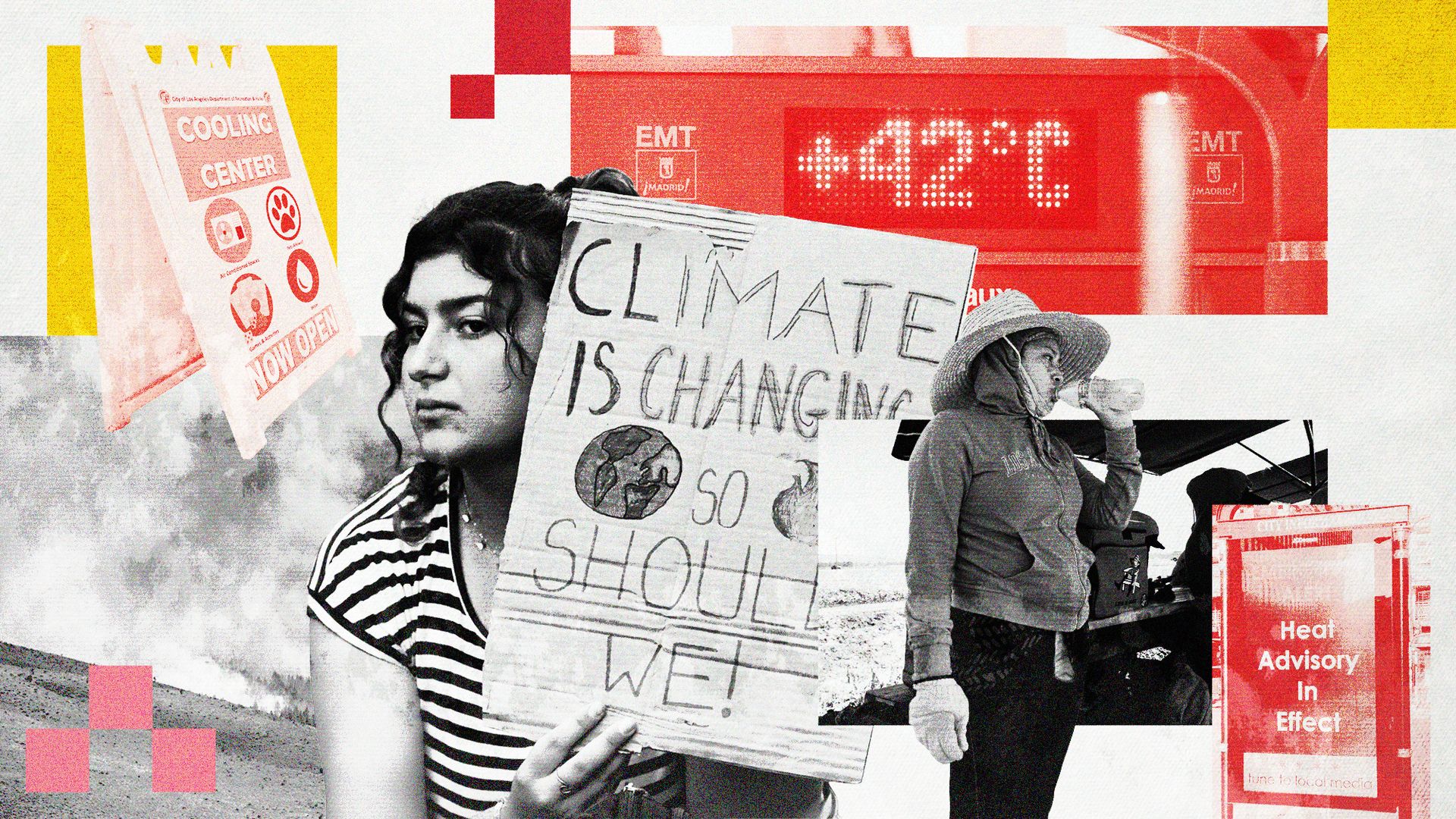
Climate change will harm our health. Here's what could protect us.
Science News

Climate change will harm our health. Here's what could protect us.

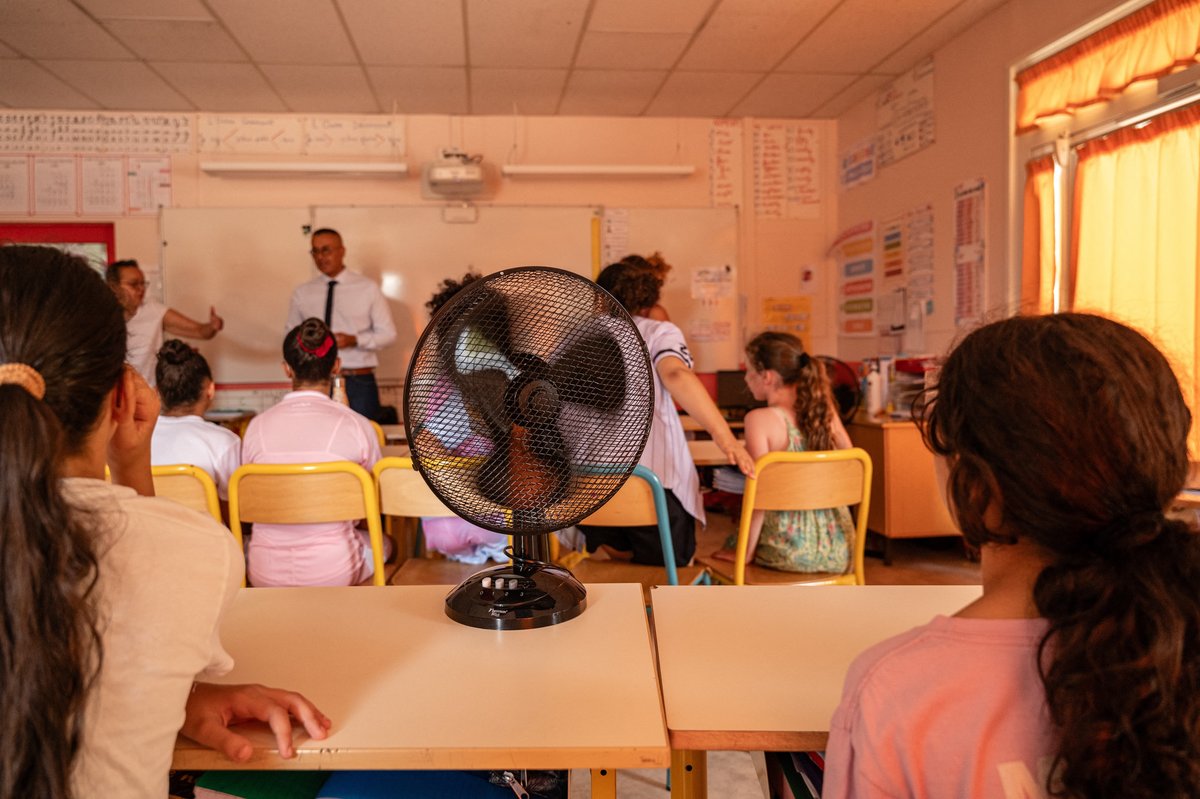
Burning upAs the planet warms, our environment will be transformed, but so will our bodies. In this series, 'Burning up,' we investigate the health impacts of climate change, focusing on heat, air quality, food and infection risk. In this installment, we evaluate the promising solutions that could help us adapt to our warmer futureIn the summer of 2008, New York City lowered the threshold for activating its emergency heat plan.The city had historically relied on the National Weather Service threshold of a heat index of 105 F (40.6 C), but they noticed that people were getting heat stroke at lower temperatures.As part of a wider effort, they changed the alert threshold: it would trigger if th...

📅 2026-09-18 09:35:43    •    Live Science
AI agents resorted to crime and self-destruction to survive in a simulated world — but does this mean they would do the same in the real world?
Science News

AI agents resorted to crime and self-destruction to survive in a simulated world — but does this mean they would do the same in the real world?

Artificial intelligence (AI) agents resorted to nefarious behavior, including crime sprees, in a virtual world as part of a recent study into how common large language models (LLMs) interact with each other and share resources to achieve their goals. These models were inclined to commit crimes because they were given ample time to evolve distinct personality traits and behaviors, the researchers behind the project say.Most programs that test the behavior of AI agents operate in tightly controlled environments over short periods. But "Emergence World," a product of AI company Emergence, is a simulation platform that exposes LLMs to far wider datasets — like the internet as a whole — and asses...

📅 2026-09-18 09:00:00    •    Live Science
Our brain evolved from two primitive nervous systems that merged
Science News

Our brain evolved from two primitive nervous systems that merged

A 9.5-day-old mouse embryo. The front of the brain is blue and the back of the brain is red, which extends into the spinal cordLoh Laboratory/Stanford Medicine Our brain may be a hybrid of two ancient nervous systems that were packaged together hundreds of millions of years ago. This is based on the finding that the front and back brain regions in people and several other species develop from two distinct cell types in embryos, instead of sharing the same developmental origin, as previously thought. “Our research suggests that evolution took two existing neural systems and pushed them together spatially,” says Kyle Loh at Stanford University. “Having the brain as one organ would probably be ...

📅 2026-09-18 09:00:00    •    New Scientist
Could expanding the U.S. nuclear arsenal make Americans less safe?
Science News

Could expanding the U.S. nuclear arsenal make Americans less safe?

A new report from the Brookings Institution presents evidence that increasing the size of the U.S. nuclear arsenal could make nuclear crises more likely. This raises an important challenge to arguments that the U.S. must consider increasing its stockpile in response to China's growing nuclear capabilities.

📅 2026-09-18 07:00:03    •    Phys.org
Scientists restore a brain protein and reverse signs of aging in mice
Science News

Scientists restore a brain protein and reverse signs of aging in mice

Scientists found that declining levels of the brain protein Menin may help drive aging, with lower levels in mice linked to inflammation, cognitive decline, weaker bones, and thinner skin. Restoring Menin reversed several age-related changes, while the amino acid D-serine improved cognition, hinting at a potentially intriguing new target for healthy aging.

📅 2026-09-18 04:25:45    •    ScienceDaily
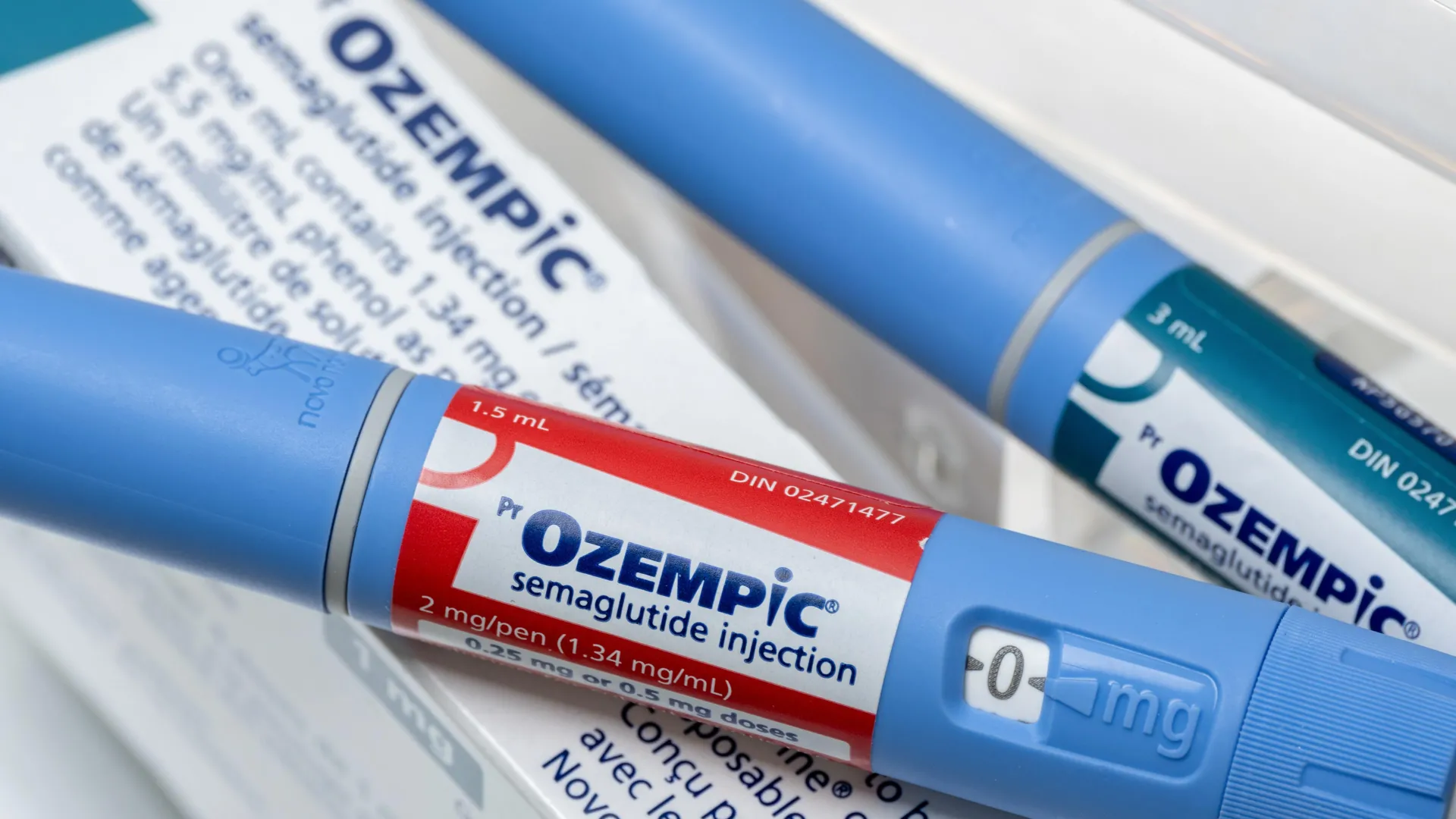
Ozempic can change your body. Can it change your life?
Science News

Ozempic can change your body. Can it change your life?

Ozempic and other GLP-1 medications can improve blood sugar, weight, and cardiovascular health, but researchers found little evidence that they also improve mental health, employment, marriage, or overall well-being. The findings suggest the drugs’ broader life effects may be subtler than their dramatic physical health benefits.

📅 2026-09-18 03:52:09    •    ScienceDaily
Anak Krakatau blasts ash nearly 10 miles high
Science News

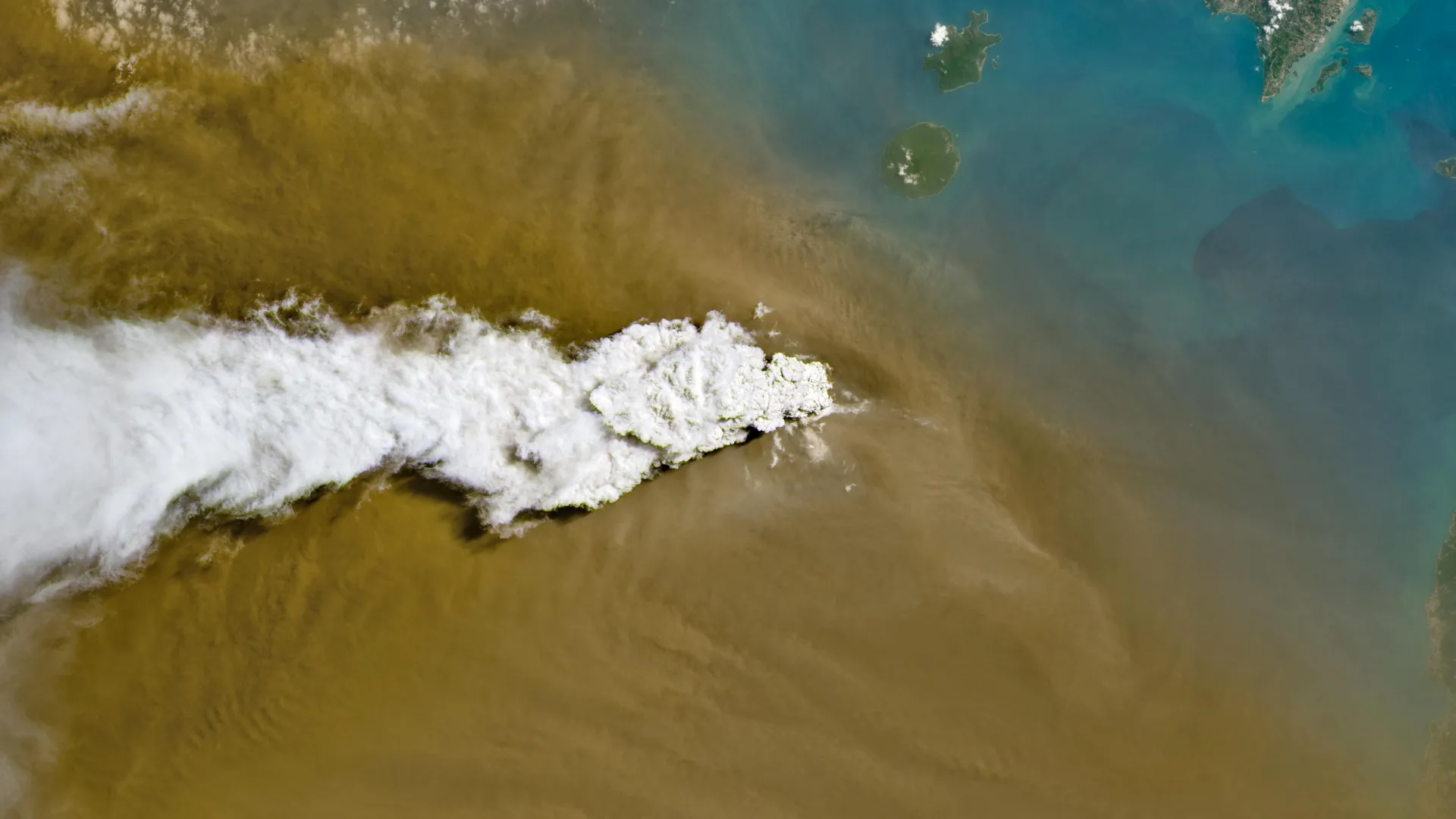
Anak Krakatau blasts ash nearly 10 miles high

Anak Krakatau erupted for more than 24 hours in early September, sending volcanic ash up to 50,000 feet into the atmosphere. The ash cloud shut down eight airports, disrupted nearly 3,000 flights, and affected air quality as far away as Jakarta. NASA satellites captured dramatic views of the plume spreading across the region.

📅 2026-09-18 03:16:17    •    ScienceDaily
Grass and clover can provide more than animal feed
Science News

Grass and clover can provide more than animal feed

Growing leys—grass and clover—is nothing new in Swedish agriculture. But in the arable farming regions dominated by cereal production, leys are less common. One reason is that there needs to be a market for what is harvested.

📅 2026-09-18 02:40:06    •    Phys.org
Scientists just discovered why Arctic sea ice moves so strangely
Science News

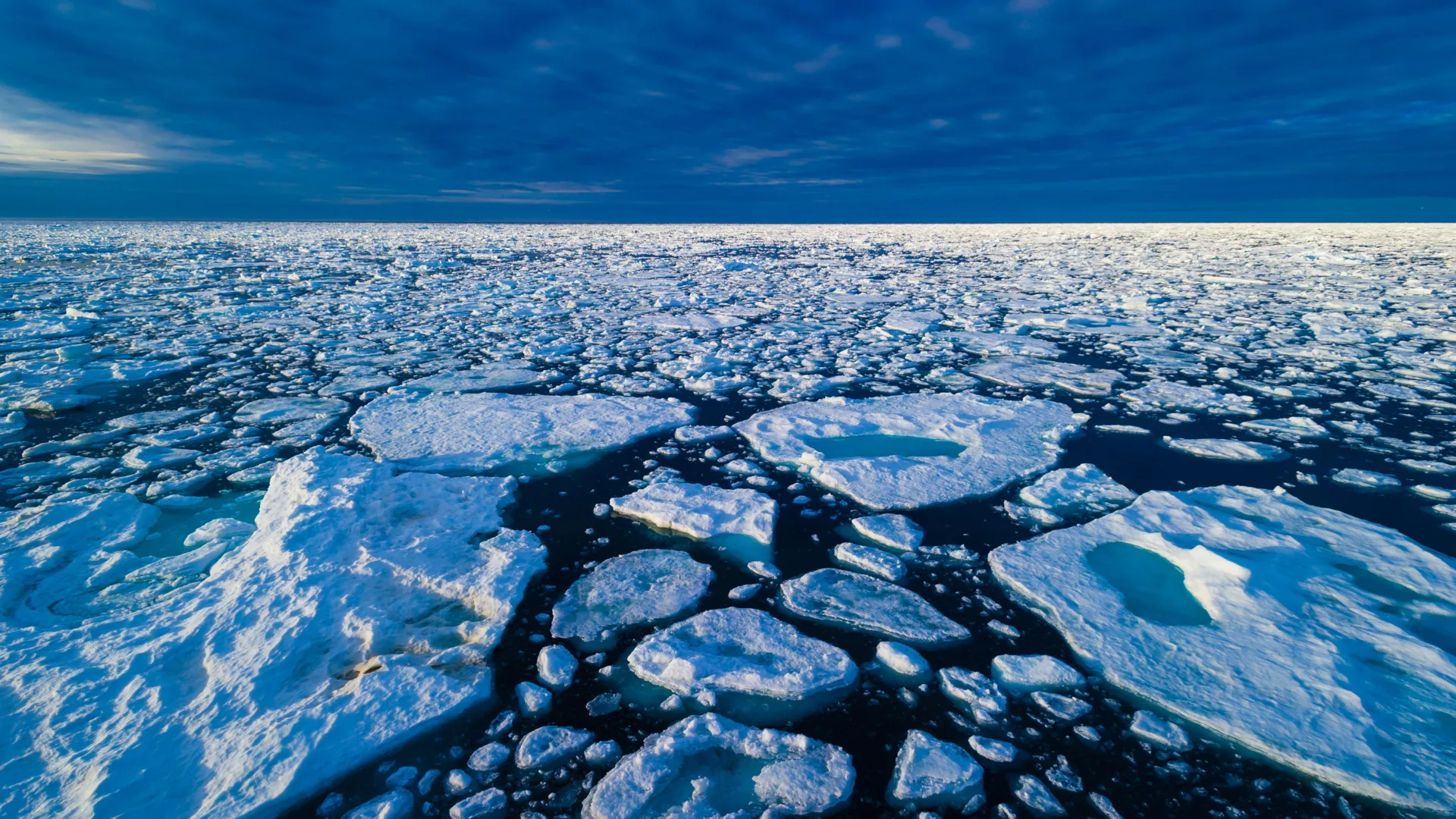
Scientists just discovered why Arctic sea ice moves so strangely

Arctic sea ice may move in unexpected ways because individual ice floes are constantly colliding and transferring energy. Researchers found that this simple process can explain several long-standing mysteries about how quickly the ice moves and spreads.

📅 2026-09-18 02:13:16    •    ScienceDaily