Science News

Latest science news, discoveries and scientific developments.

'Nothing short of a minor miracle': 'Rusty treasure' found in the Danube is full of 2,200-year-old iron bars that could equip an entire army with weapons
Science News

'Nothing short of a minor miracle': 'Rusty treasure' found in the Danube is full of 2,200-year-old iron bars that could equip an entire army with weapons

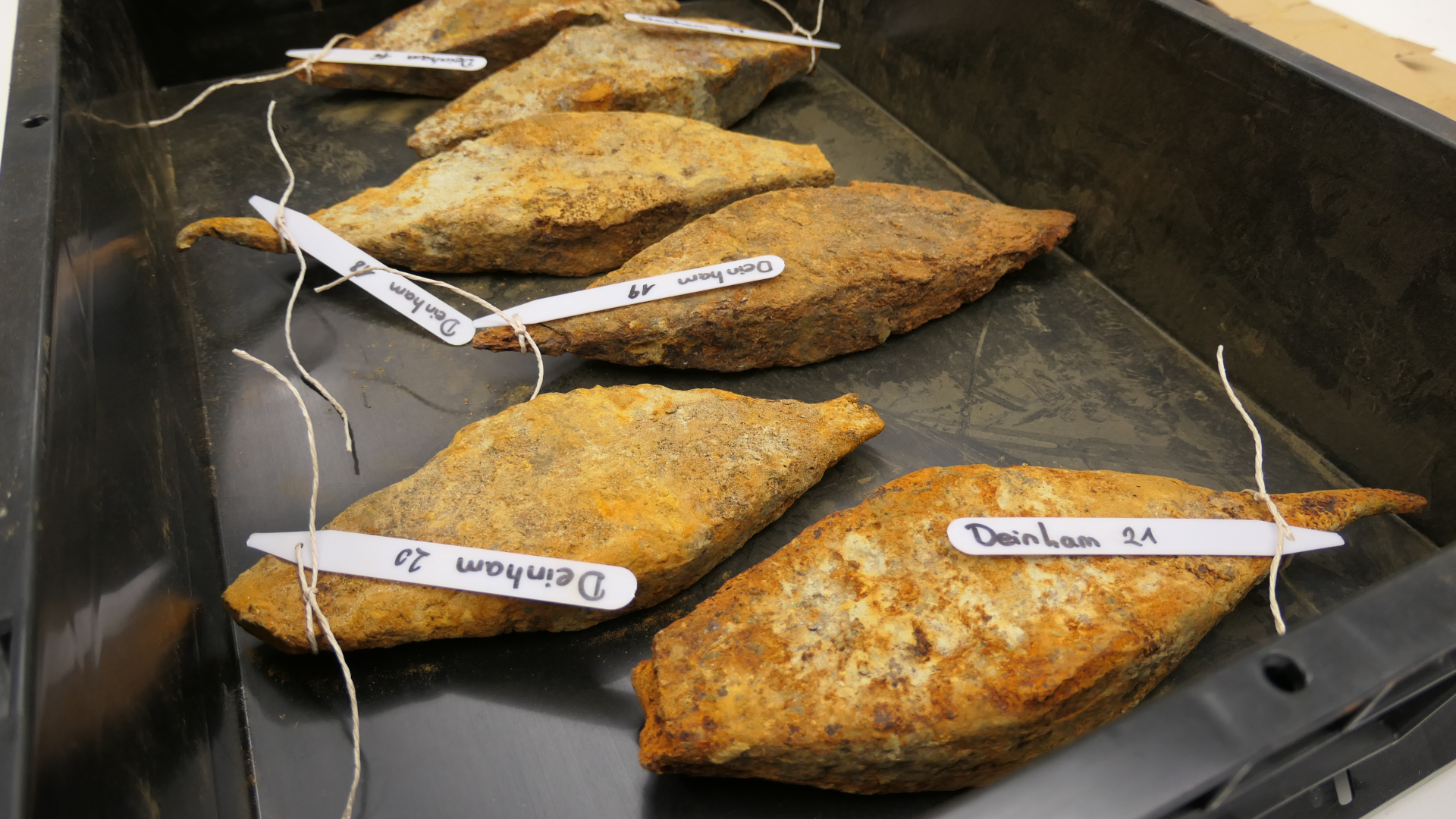
More than two millennia ago, a ship carrying a wealth of iron sank in the Danube River in what is now Austria. Archaeologists have identified the "rusty treasure" as a collection of 500 iron bars — the largest cache of ancient iron ever discovered in Europe and enough metal to equip an army.The assortment was discovered in 2019, when workers who were extracting gravel from the river near the village of Deinham spotted a few unusual double-pointed iron objects and reported them to the Austrian monument authority. "It is nothing short of a minor miracle that the largest mass find of prehistoric iron bars in Europe did not end up at scrap dealers," Peter Trebsche, an archaeologist at the Univer...

📅 2026-09-20 23:01:00    •    Live Science
Cooling liquids reveal self-limiting particle clusters behind glass transition
Science News

Cooling liquids reveal self-limiting particle clusters behind glass transition

Before diving into the mystery of glass, theoretical physicist Corentin Laudicina takes us back to high school physics for a moment. Although he has spent years studying exactly what happens in a material during the glass transition, he also understands that his research is not the easiest thing to explain off the cuff at the cafeteria table.

📅 2026-09-20 21:30:01    •    Phys.org
Tiny beach-dwelling crustaceans are big-time sand movers, shaping the California coast
Science News

Tiny beach-dwelling crustaceans are big-time sand movers, shaping the California coast

Stand on the damp sand on a California beach and chances are you're standing on top of an active earthworks site. Sand hoppers (Megalorchestia spp.), the tiny, shrimp-like creatures commonly found eating away at kelp on the shore, have been found to move massive amounts of sand, excavating up to 50 kg (110 pounds) of sand per meter (3.3 feet) of shoreline per day.

📅 2026-09-20 20:20:01    •    Phys.org
To understand the solar cycle, notice how the sun sleeps
Science News

To understand the solar cycle, notice how the sun sleeps

The sun is such a constant in our lives that it can be difficult to imagine our star ever changing. But the sun can be quite variable. There are times when its magnetic field is turbulent and generates many sunspots and other times when it is quiet and dormant. Since the 1800s, we've known that these active and passive periods follow an 11-year pattern known as the solar cycle. But even after centuries of observation, we still have a difficult time predicting exactly when solar maximum will occur and just how intense it will be. This is important because solar activity can have a significant impact on our modern technological infrastructure.

📅 2026-09-20 17:20:01    •    Phys.org
Virtual cells built from 4D AI models and 'digital twins' could speed up drug discovery
Science News

Virtual cells built from 4D AI models and 'digital twins' could speed up drug discovery

Mitochondria—tiny structures that convert nutrients into energy—are often depicted as discrete kidney bean-shaped objects. But in reality, they form a dynamic, interconnected network throughout the entire cell, rapidly splitting and fusing as they're transported to where energy is needed most.

📅 2026-09-20 16:00:05    •    Phys.org
Magma influx explains short-lived bulge at Tanzania's Ol Doinyo Lengai volcano
Science News

Magma influx explains short-lived bulge at Tanzania's Ol Doinyo Lengai volcano

In 2024, D. Sarah Stamps' team detected and tracked a short-lived bulge in the land around a volcano in Tanzania. In a paper published Sep. 18, Stamps identified the cause of the uplift: 1 million cubic meters of magma pouring into an existing magma reservoir about 1.8 miles (2.9 kilometers) underground.

📅 2026-09-20 15:00:01    •    Phys.org
8 common food additives linked to high blood pressure and heart disease
Science News

8 common food additives linked to high blood pressure and heart disease

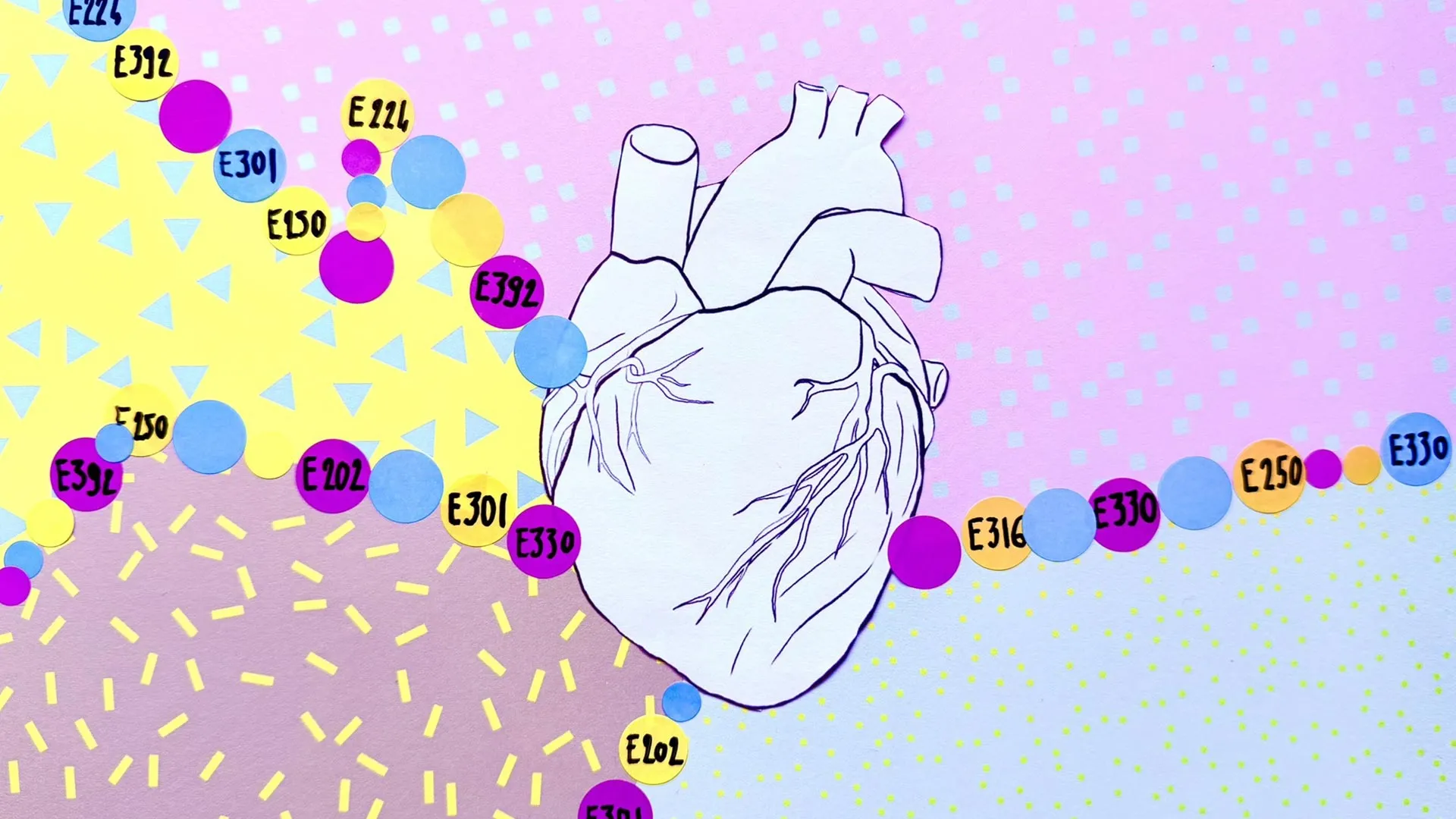
Common preservatives hiding in processed foods may carry unexpected heart risks, with heavy consumption linked to substantially higher rates of high blood pressure and cardiovascular disease. Researchers identified eight widely used preservatives associated with hypertension, although the observational study cannot prove they were directly responsible.

📅 2026-09-20 12:43:41    •    ScienceDaily
Scientists discover a hidden “ID card” in cat urine
Science News

Scientists discover a hidden “ID card” in cat urine

Cats may identify one another through a surprisingly durable chemical “calling card” made from 13 unusual fatty acids in their urine. The compounds appear linked to mysterious fat droplets in the kidneys and may represent a scent-recognition system shared across the cat family.

📅 2026-09-20 12:24:21    •    ScienceDaily
Scientists may have solved a 2,000-year-old Dead Sea Scrolls mystery
Science News

Scientists may have solved a 2,000-year-old Dead Sea Scrolls mystery

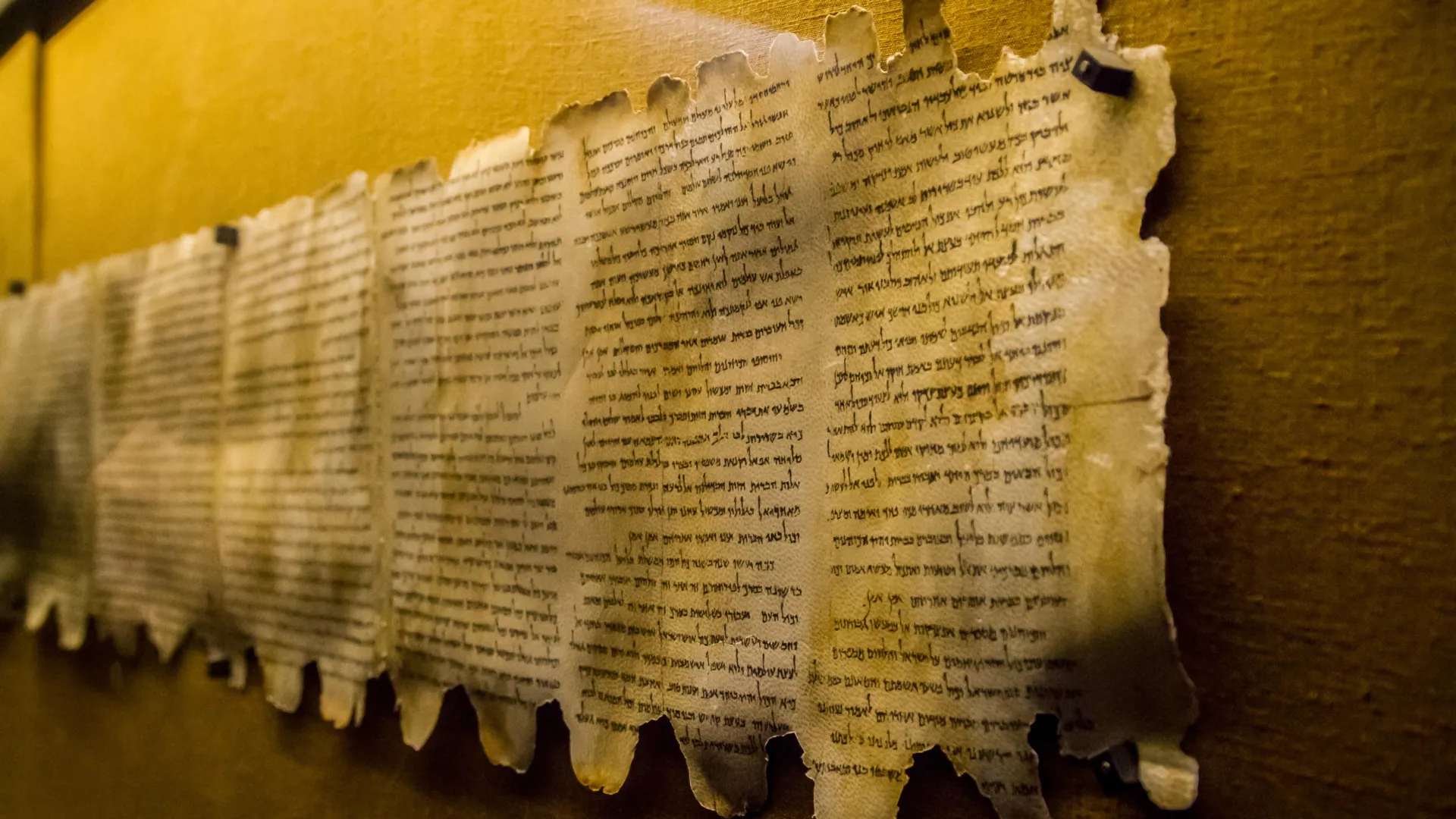
Researchers may have solved a long-running mystery surrounding the Dead Sea Scrolls by proposing that the Qumran sect really did use its distinctive 364-day calendar. Its perfectly ordered 52-week system kept holidays on the same weekdays, but it slowly drifted out of sync with the seasons because it was shorter than the true solar year.

📅 2026-09-20 11:58:13    •    ScienceDaily
New nanoparticles make hidden chemical differences light up
Science News

New nanoparticles make hidden chemical differences light up

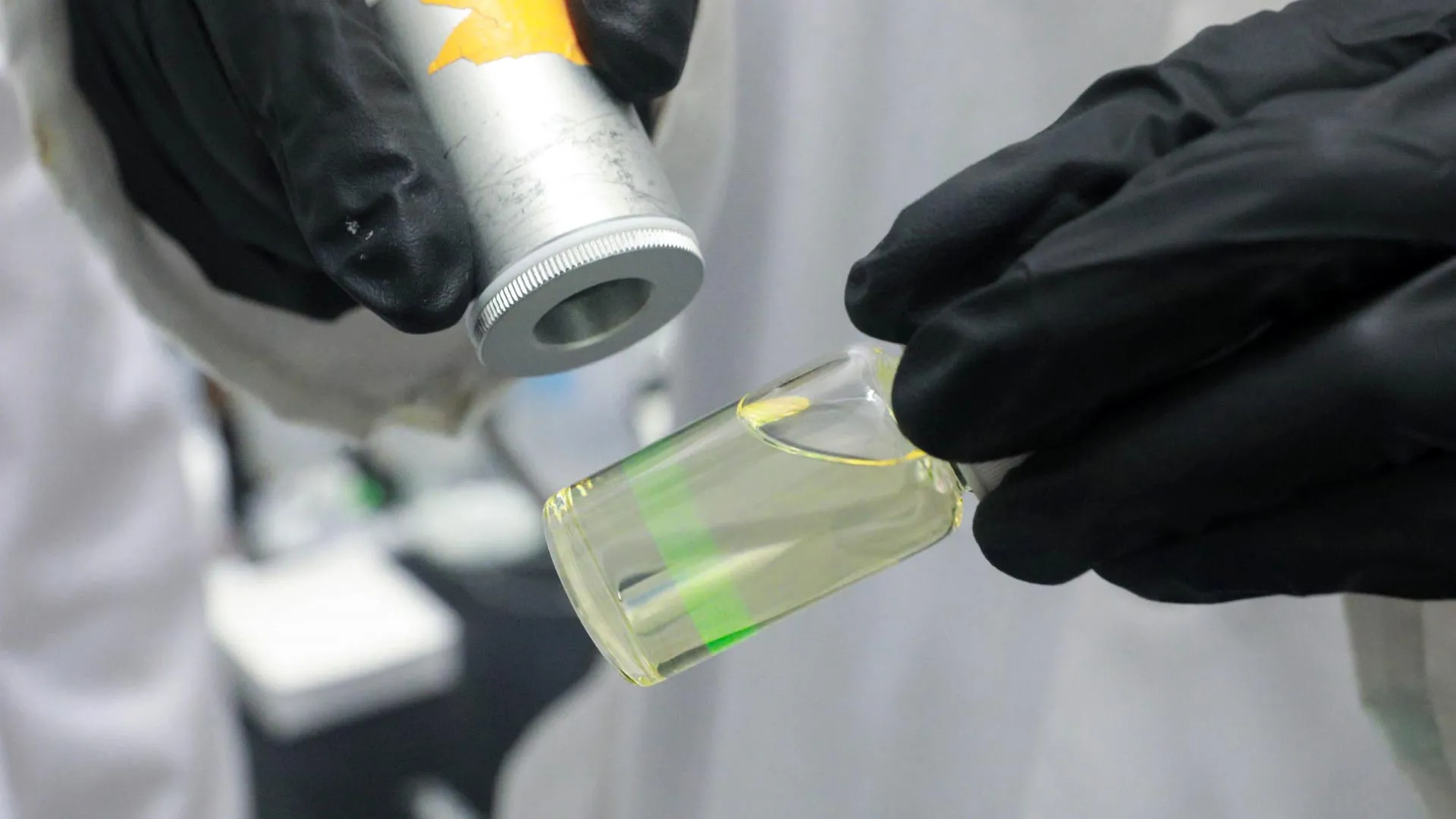
Scientists have developed ultra-bright nanoparticles that can detect tiny amounts of chemicals and distinguish between molecules that look almost identical. The technology could one day provide a cheaper way to catch dangerous drug impurities or trace pollutants using simple low-cost lasers.

📅 2026-09-20 11:35:28    •    ScienceDaily
Scientists opened a sealed envelope after 10 years. Gravity still didn’t make sense
Science News

Scientists opened a sealed envelope after 10 years. Gravity still didn’t make sense

A decade-long NIST experiment has produced a new measurement of the universal gravitational constant that differs unexpectedly from another leading result, deepening a 225-year-old physics puzzle. The discrepancy is tiny, but for one of nature’s most fundamental constants, it is large enough to keep scientists wondering whether hidden experimental errors or something more surprising is involved.

📅 2026-09-20 10:30:31    •    ScienceDaily
'On our way to groundbreaking science': Stars turn neon-green in first test image from NASA's Roman telescope
Science News

'On our way to groundbreaking science': Stars turn neon-green in first test image from NASA's Roman telescope

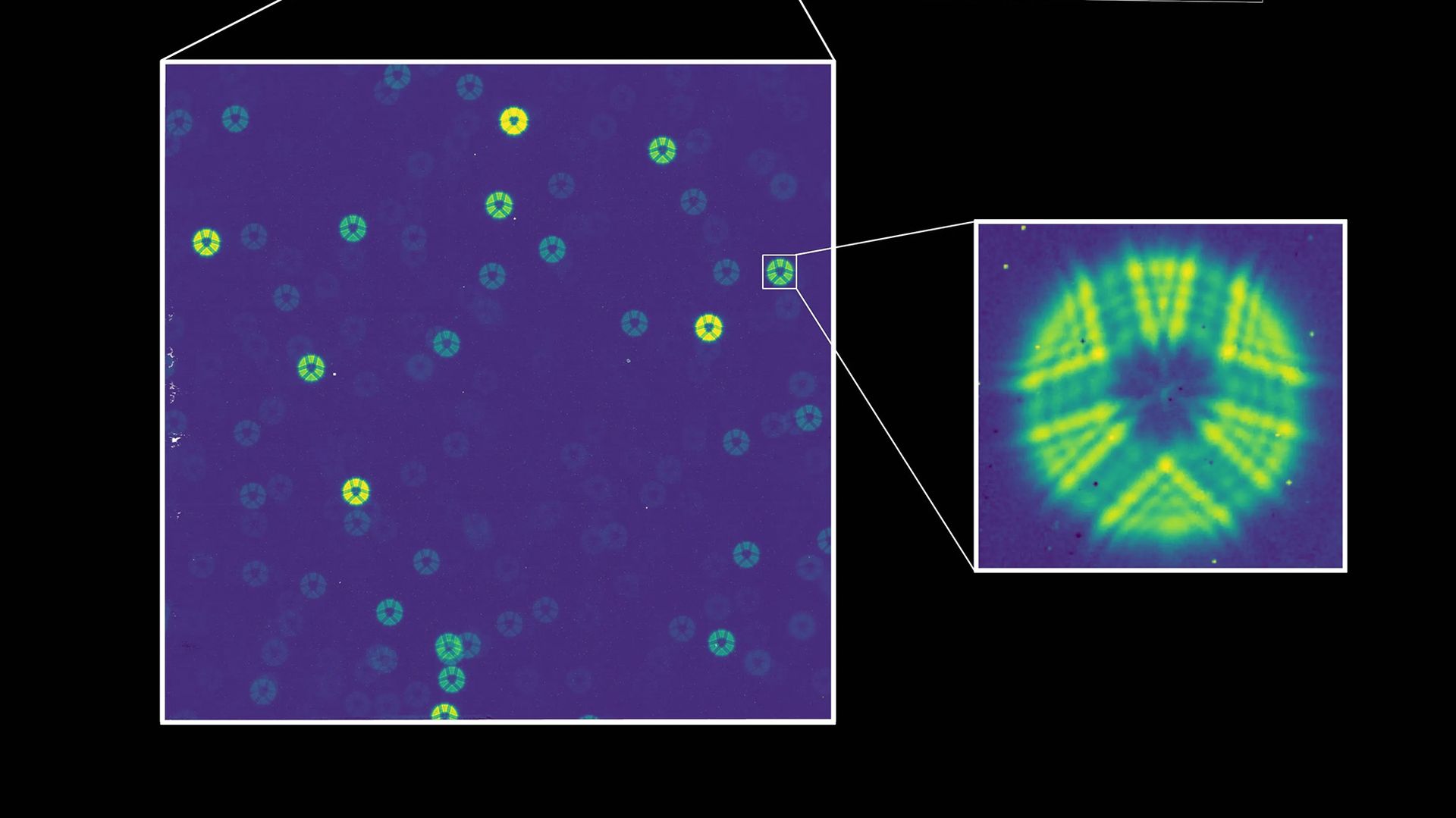
Roman's first test image shows hundreds of stars as green rings of light. After a few more months of tuning, it will capture images as crisp as Hubble's but 100 times bigger. (Image credit: NASA's Goddard Space Flight Center, Tyler Desjardins (STScI))Quick factsWhat it is: Hundreds of stars, captured in the Nancy Grace Roman Space Telescope's first test imageWhere it is: An unknown section of spaceWhen it was shared: Sept. 15, 2026Imagine opening your eyes for the first time and seeing that the sky is full of green doughnuts.This was the view that greeted NASA's Nancy Grace Roman Space Telescope, which just activated its powerful, 300-megapixel infrared camera for the first time. The telesco...

📅 2026-09-20 10:00:00    •    Live Science
Did the Vikings really shoot fiery arrows at funeral boats?
Science News

Did the Vikings really shoot fiery arrows at funeral boats?

In movies and TV shows, it's a popular motif: A dead Viking is placed on a boat, and it drifts slowly out to sea; from land, an archer shoots a fiery arrow that falls onto the boat and engulfs it in flames.It's been seen in the 1958 movie "The Vikings," the History Channel show "Vikings" and fantasy series such as "Game of Thrones." But did the Vikings actually do this?To find out, we asked experts whether there is any archaeological or historical evidence to support the idea.Archaeological evidenceSign up for our newsletterSign up for our weekly Life's Little Mysteries newsletter to get the latest mysteries before they appear online.Our sources noted that a burial like this would leave litt...

📅 2026-09-20 09:00:00    •    Live Science